
Free visual inspection and a written scope of work before any mitigation begins - photos, moisture readings, and drying logs go in your claim file
The scope we write is the scope we bill. Anything new gets shown to you, in writing, before we touch it.
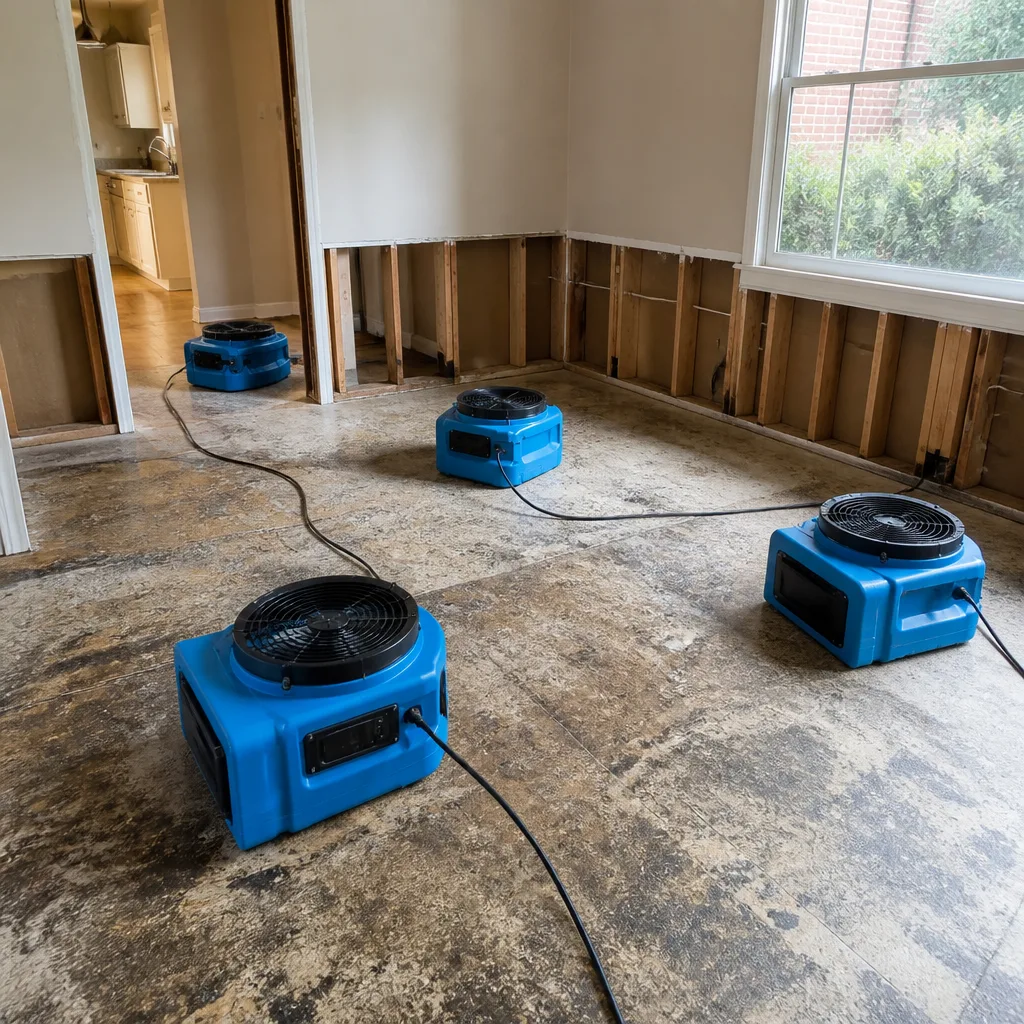
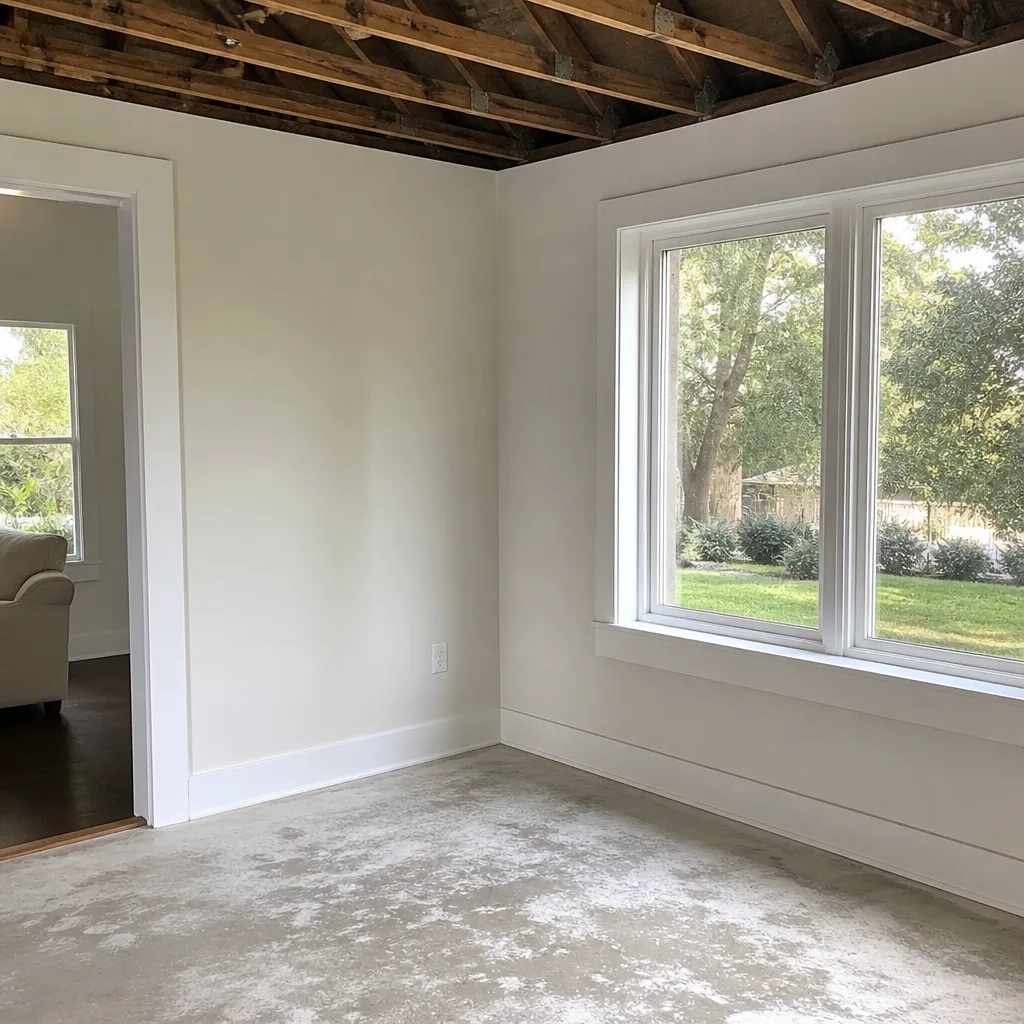
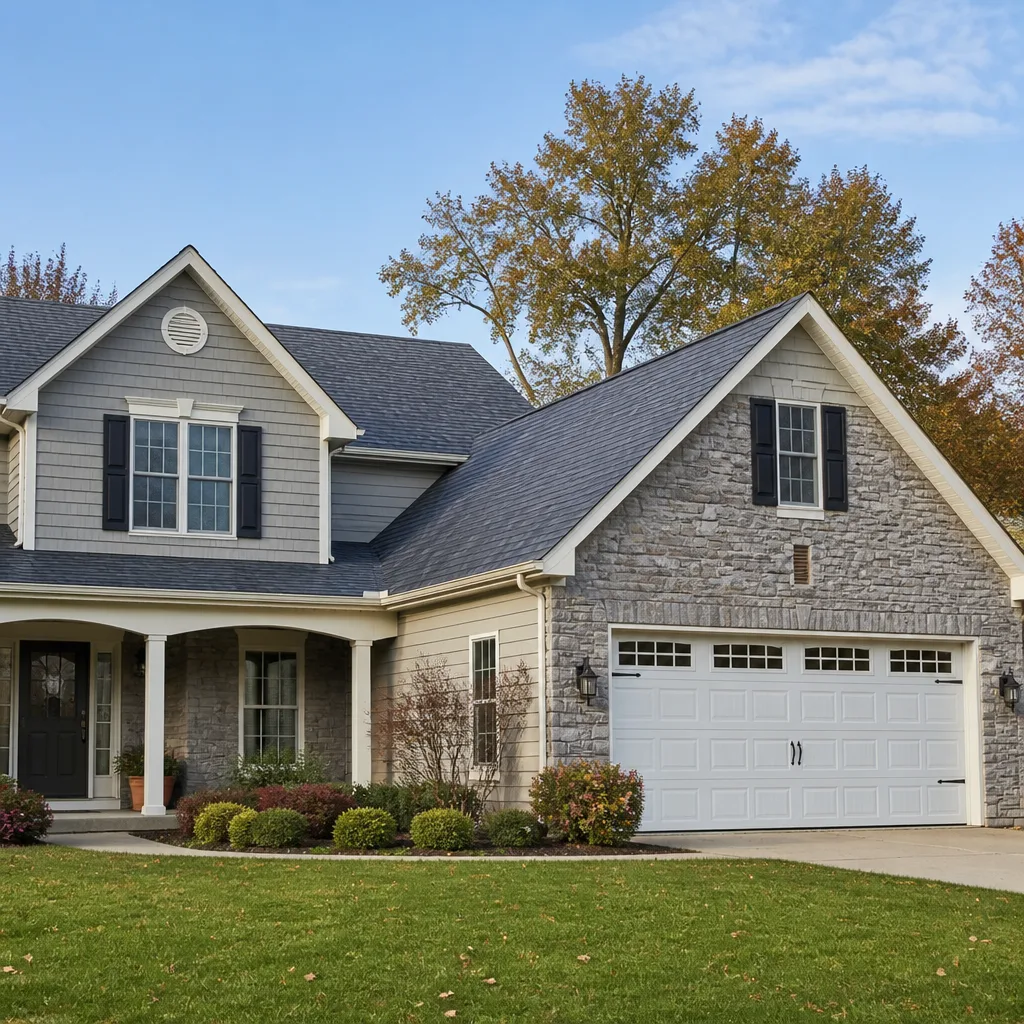
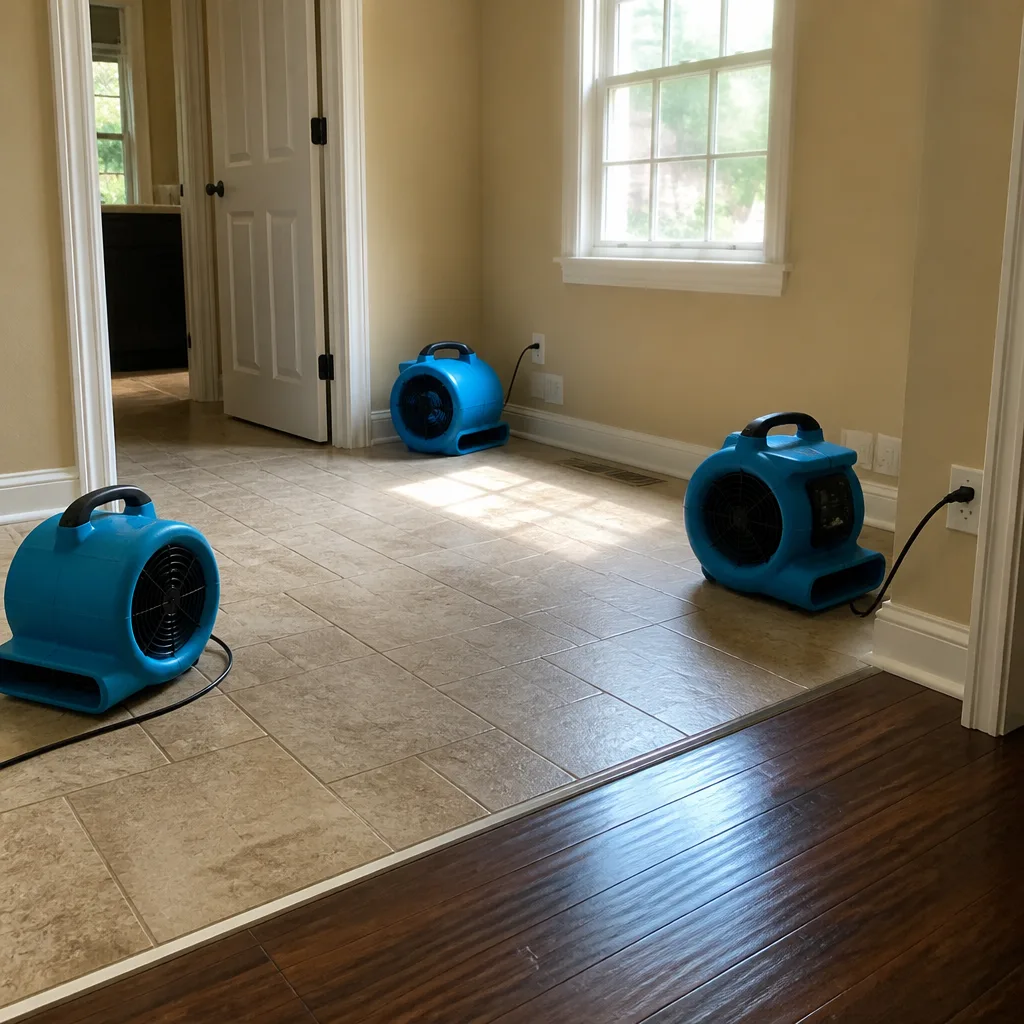
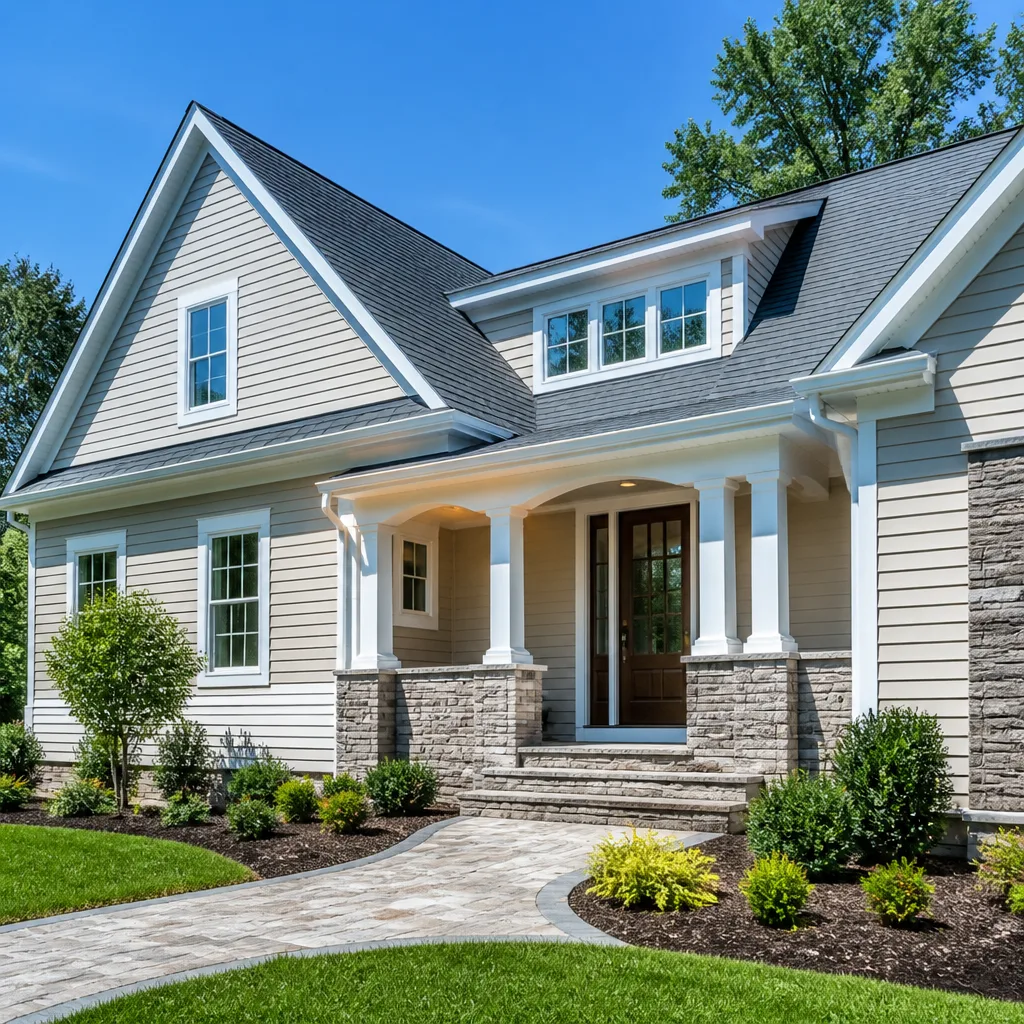
 Before
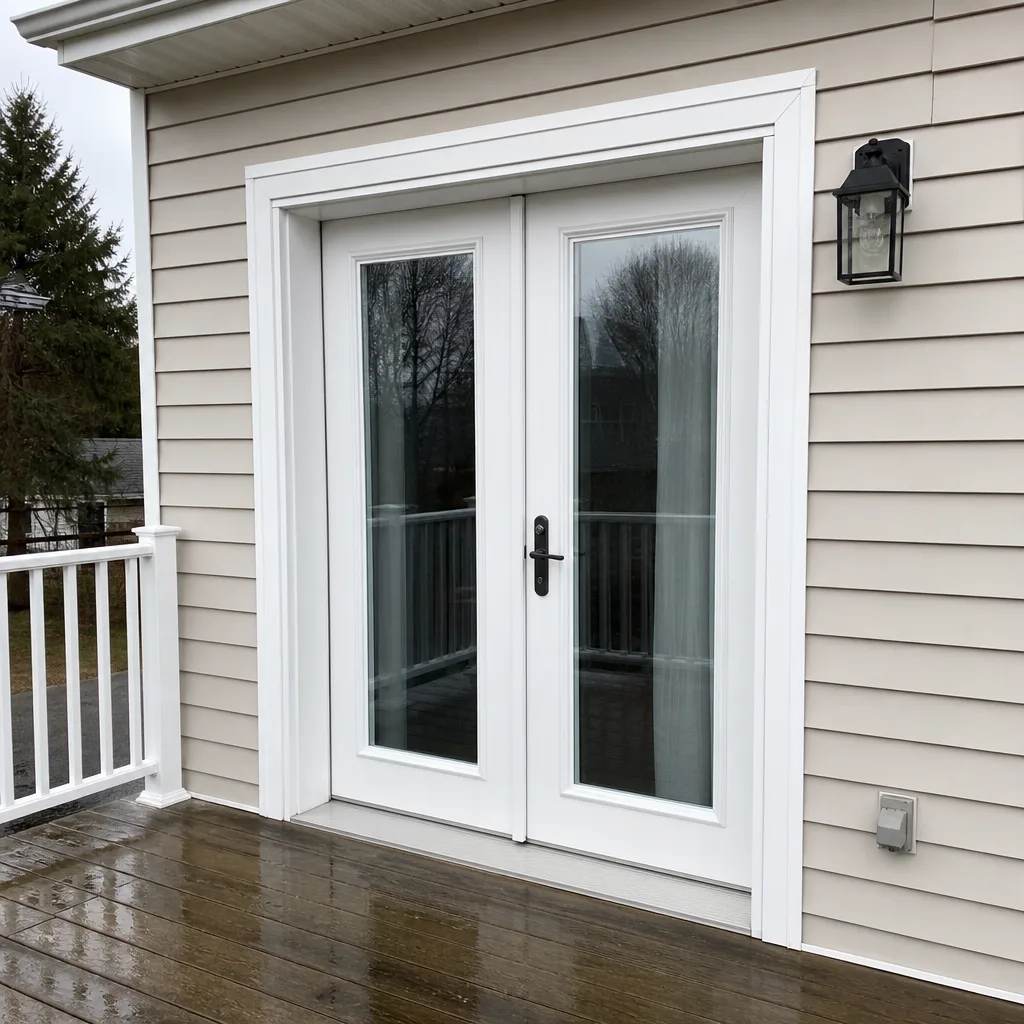 After
After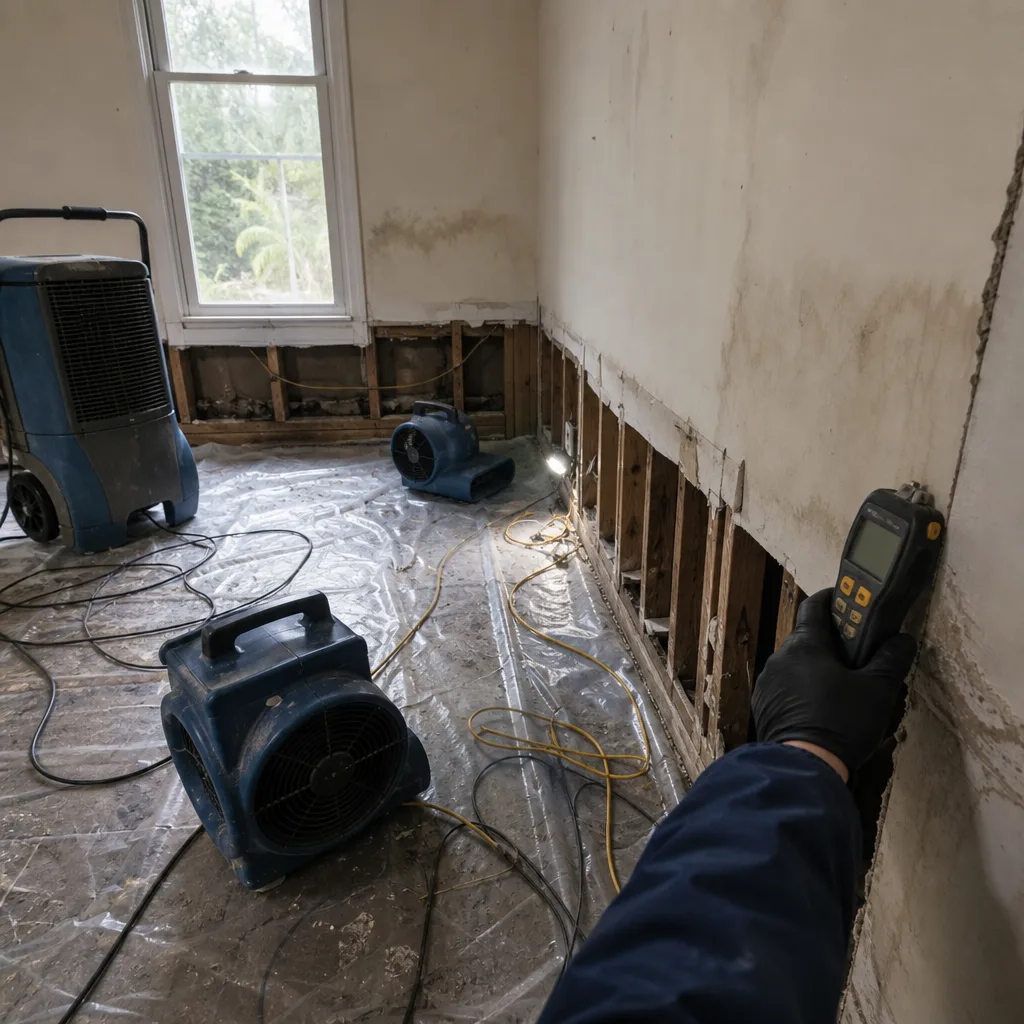 Before
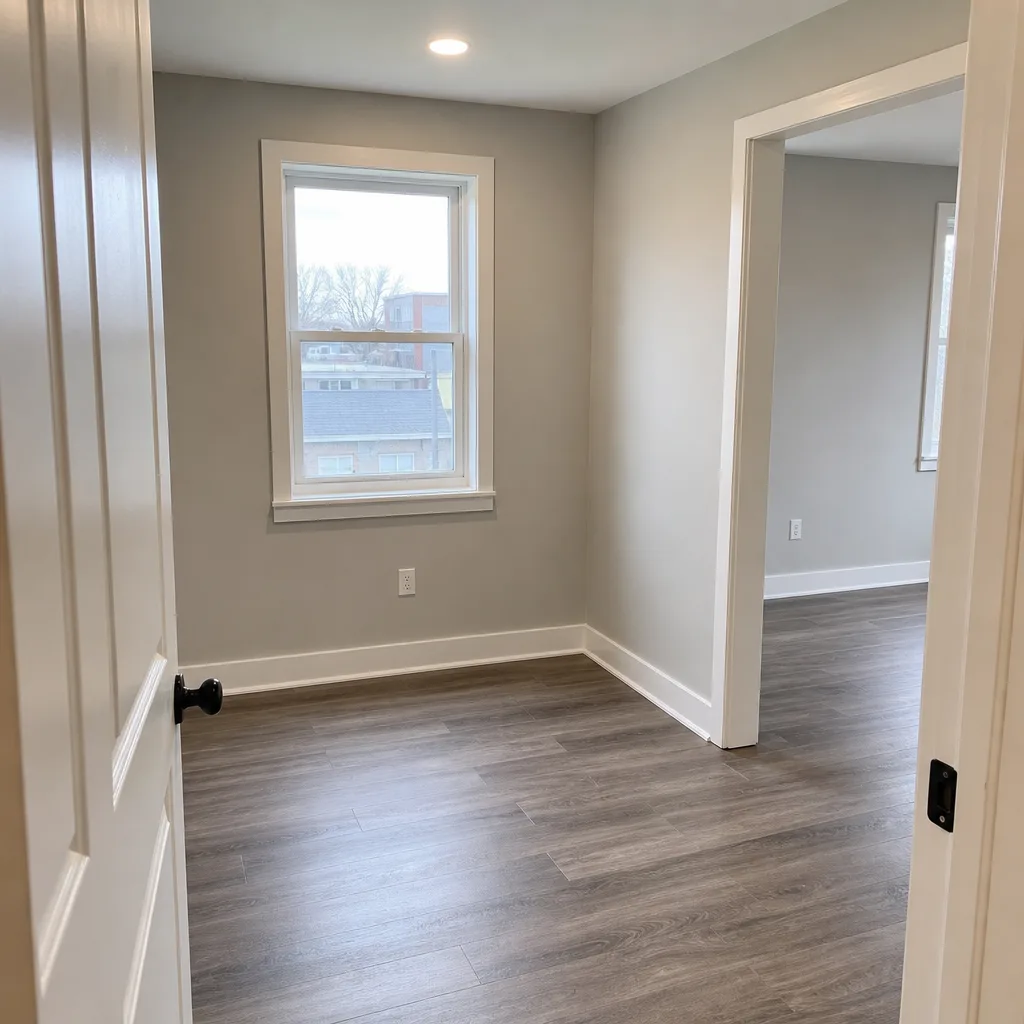 After
After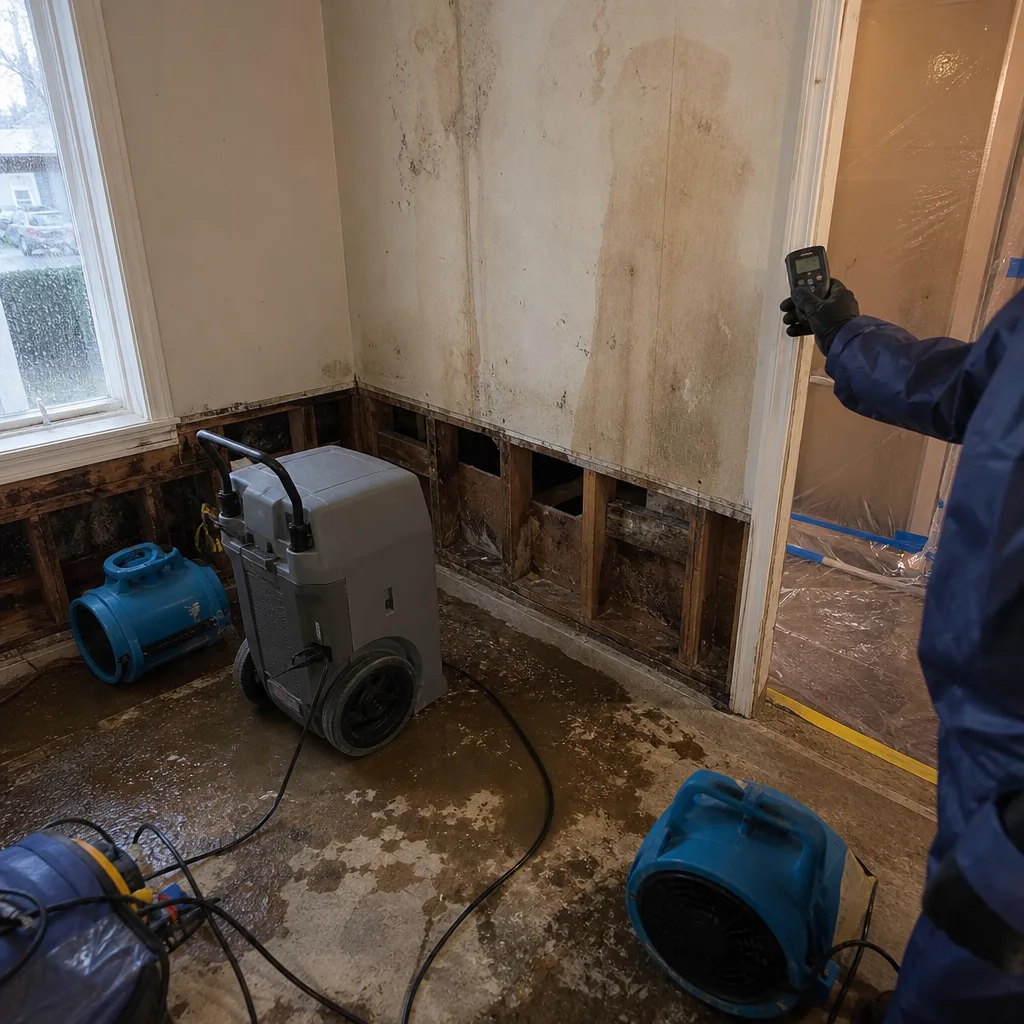 Before
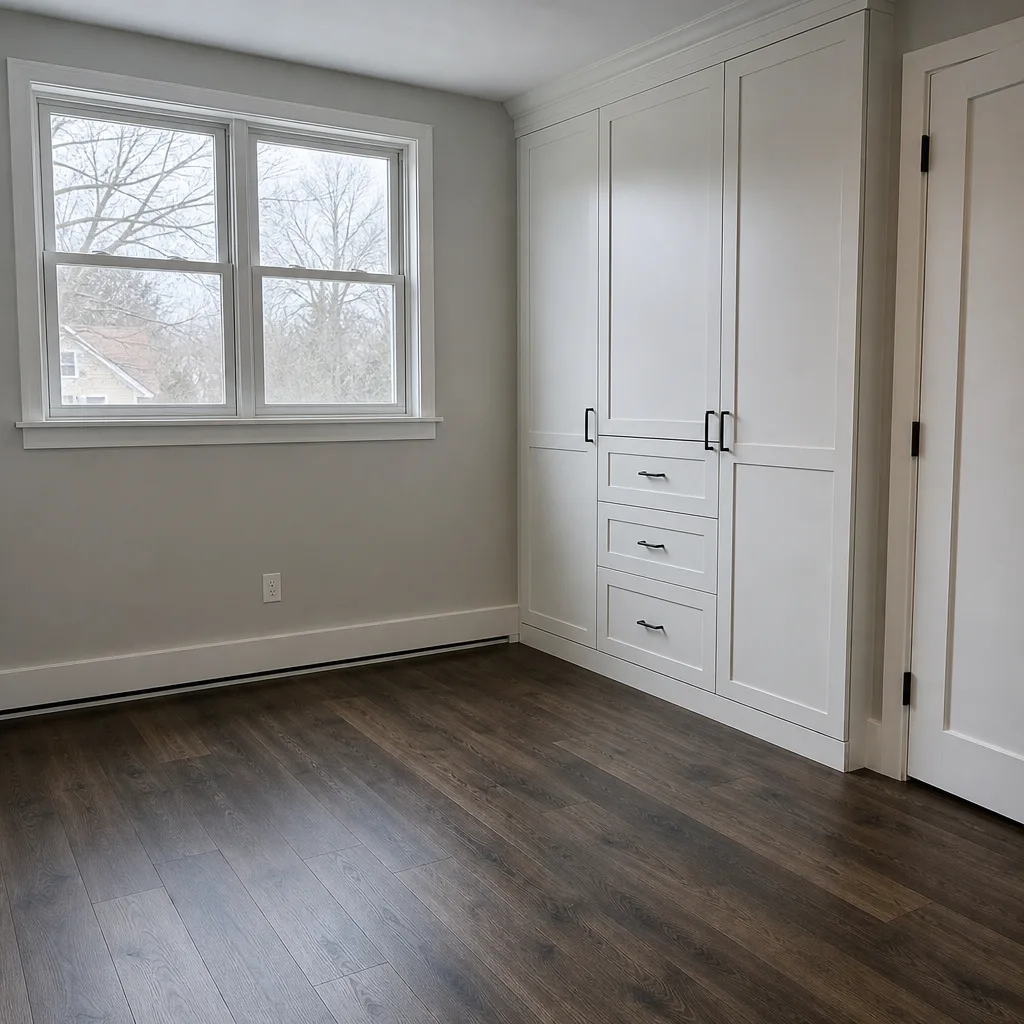 After
After24/7 Emergency Commercial Restoration in Mount Vernon
A commercial restoration job in Mount Vernon usually starts with one phone call. We answer that call live, any hour, any day, with a dispatcher who knows exactly what questions to ask and which crew to send. For water, fire, sewage, or storm damage to an office, storefront, restaurant, or multi-unit building in Mount Vernon, call (845) 456-6568 right now. The faster we document the loss, contain the damage, and start extraction or mitigation, the less your business interruption costs you and the cleaner your insurance claim stays. Most commercial losses in Mount Vernon are first stabilized the same visit, with a certified crew on site and equipment running before the end of the day.
Understanding Commercial Restoration Severity in Mount Vernon Properties
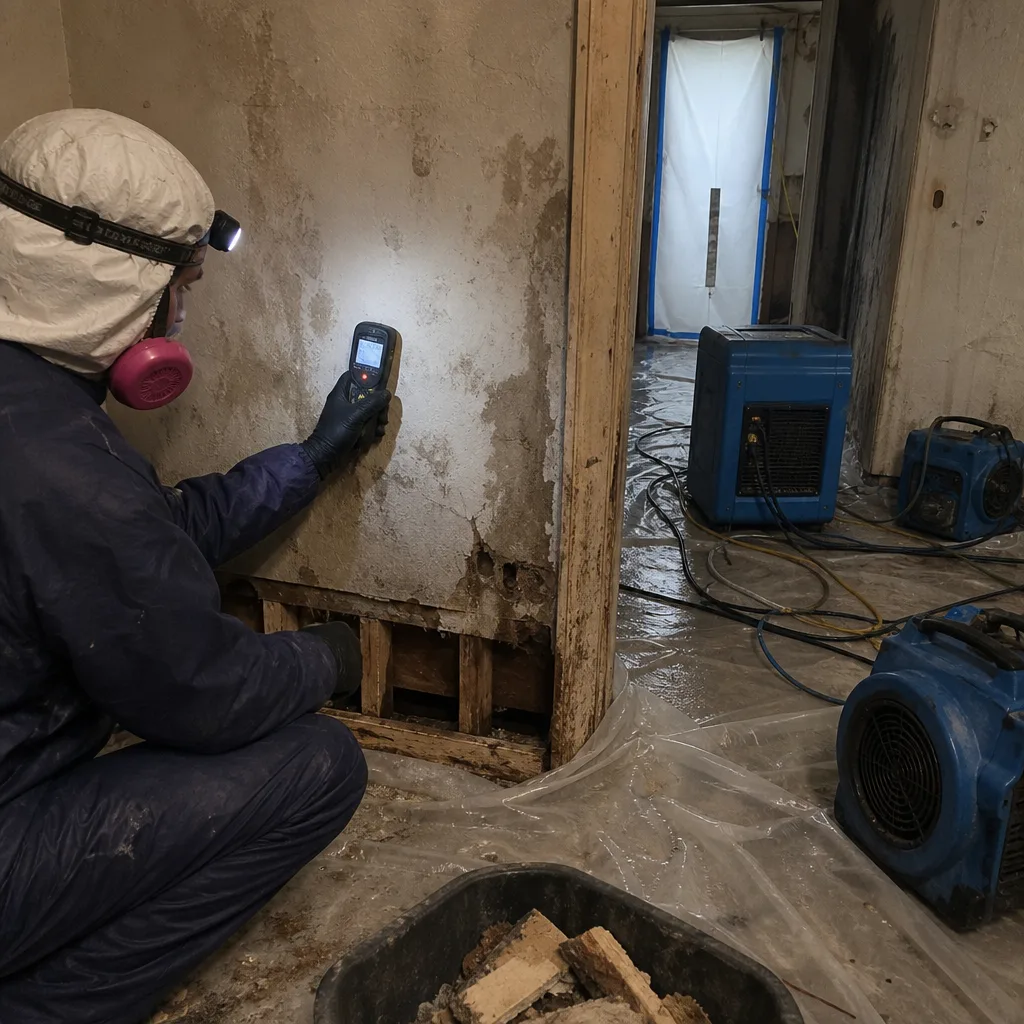
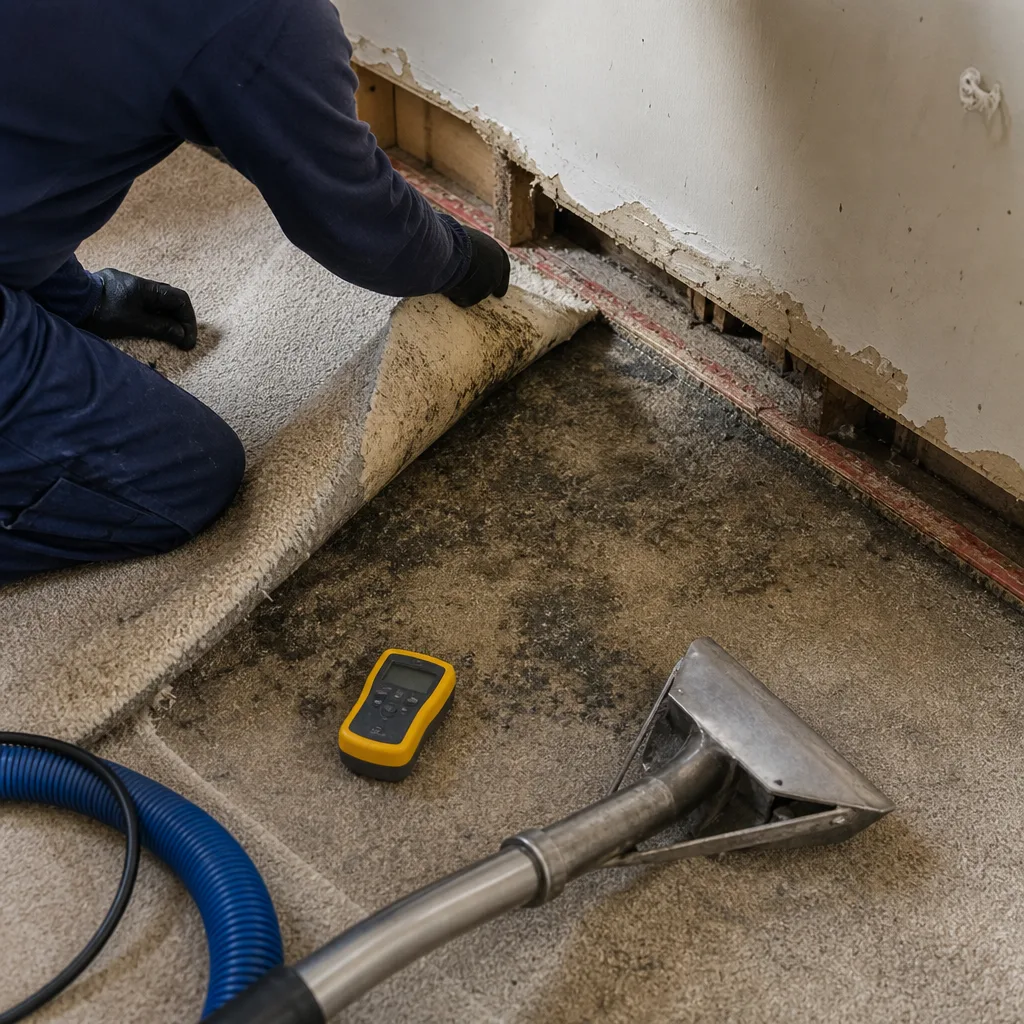
Mount Vernon’s commercial buildings are, in large part, pre-1940 attached brick structures and early 20th-century multi-family properties. That fact changes how we classify and scope every job. Clean water from a ruptured supply line is a Category 1 loss, but when it pours through plaster-and-lath ceilings, original hardwood floors, and shared party walls into an adjacent retail unit, the water picks up fifty years of accumulated material and degrades quickly. By the time it settles in a basement or ground-floor commercial space, it is often Category 2, bordering on Category 3 if it mixes with sewer waste or sits stagnant. Our technicians run moisture mapping with thermal imaging and hygrometers on arrival, checking neighboring units along party walls, stair halls, and floor assemblies because in a Mount Vernon rowhouse or multi-tenant building, moisture does not respect leaselines. We identify the category, set containment where needed, and document drying conditions before any repair work begins. That category call is not academic. It drives PPE, disposal, county documentation requirements, and whether we can save a tenant’s leasehold improvements or must strip them.
Why Mount Vernon Property Owners Choose Floodline Restoration Co.
- 45-minute response commitment for Mount Vernon commercial losses. A crew is dispatched from the metro office and moving toward your address the moment the call ends, with equipment staged for the building type described on the phone.
- A live person answers at 2 a.m., not a recording. Floodline’s dispatch desk is staffed 24/7. You tell a human what happened; that human tells the crew. No voicemail trees, no callbacks.
- IICRC-certified crews using professional-grade drying systems. Our lead techs hold IICRC WRT and FSRT credentials where relevant, and every job runs Dri-Eaz, Phoenix, XPOWER, B-Air, or Injectidry equipment, depending on the loss type. Daily moisture readings are logged until the drying standard is met.
- Free visual inspection and honest scoping. We assess the damage, explain what is restoration versus replacement, and give you a written scope before work starts. No surprise work orders.
- Direct insurance billing and adjuster coordination. Our team documents, photographs, and communicates directly with your carrier. You are not the messenger between us and the adjuster.
- One team from first extraction to final reconstruction. Floodline does not hand your job off to a third party. The same certified crew that dries the building rebuilds the damaged sections, so nobody inherits a half-documented loss.
Our Commercial Restoration Process
Inspection & Assessment
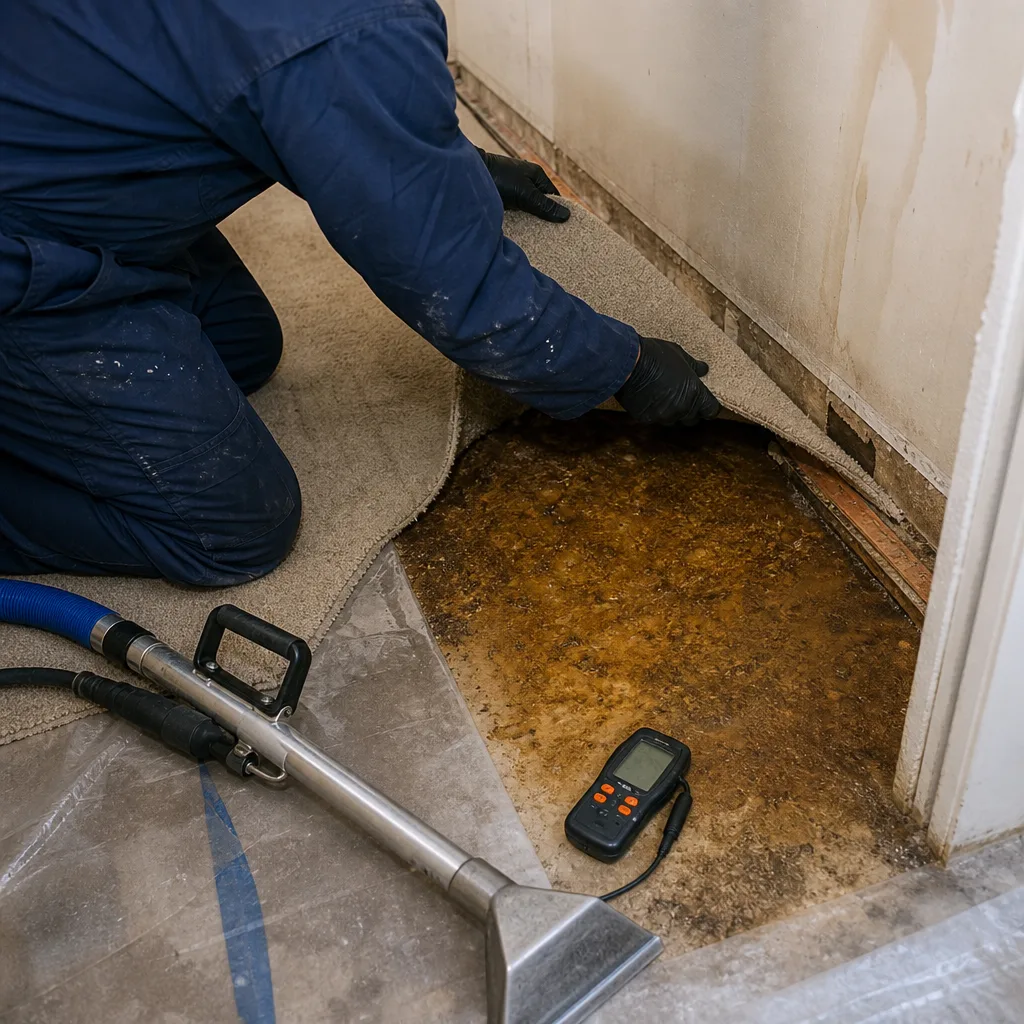
We arrive at your Mount Vernon property, identify the water category and source, map moisture throughout all affected units and shared surfaces, and document the starting condition with photos and readings. You get a clear explanation of what we found and what the next step costs.
Extraction & Stabilization
For water and sewage losses, we run truck-mounted and portable extraction units to pull standing water out before it migrates into neighboring commercial spaces. We secure electrical hazards, stop active leaks, and contain contamination zones. This is the step that prevents a small claim from becoming a multi-tenant one.
Drying & Dehumidification
Air movers and LGR dehumidifiers from Dri-Eaz and Phoenix go in, sized for the square footage and the building material. On Mount Vernon’s plaster, lath, and dense old-growth framing, drying takes patience; daily hygrometer readings tell us when the dry standard is reached, not a calendar date.
Cleaning & Sanitization
HEPA air scrubbers run during this phase to capture airborne particulates. We apply antimicrobial treatments to affected surfaces, especially on Category 3 jobs. For commercial kitchens, retail stock, and office furniture, our Document & Inventory Recovery team assesses what can be cleaned versus what must go.
Specialty Treatment: Party Walls & Multi-Tenant Containment
In attached Mount Vernon buildings, we install hard containment along party walls, stair halls, and shared floor assemblies to keep contamination out of neighboring businesses while we work. Negative air pressure and HEPA filtration protect the units you share walls with, which keeps neighbor claims down and your landlord relationship intact.
Repairs & Restoration
Once everything is dry and clean, our reconstruction team rebuilds: drywall, flooring, paint, trim, fixtures, and leasehold improvements. Because we did the drying, we know the assembly is stable before the new materials go in. The job ends with a final walkthrough and the written documentation your carrier needs to close the file.
Need Emergency Commercial Restoration in Mount Vernon Now?
Crews minutes away, answering live 24 hours a day. The sooner we start, the less it costs.
Working With Your Insurance Company
Most commercial restoration claims in Mount Vernon involve more than one loss type by the time we arrive: water that becomes mold, smoke that becomes water damage from the fire department, sewage that becomes structural contamination. We document from the first hour, before anything is moved or cleaned, so your carrier sees the full picture in the order it happened. Our estimators write industry-standard scopes that your adjuster can read without translation. We attach photos, moisture readings, daily drying logs, and itemized line items for every piece of work. When your adjuster has questions, we answer them directly. You do not have to be the go-between, and that alone removes a major source of delay from the claim. For Mount Vernon landlords with multiple tenants filing claims off one event, a single documented scope is worth its weight.
What We Provide Your Insurer
- Thorough documentation of the loss
- Photos of all damage, room by room
- Moisture readings and drying logs
- A detailed, line-item scope of work
- Direct coordination with your carrier
Built for Mount Vernon’s Loss Calendar
Mount Vernon’s commercial restoration losses follow a rhythm a local contractor learns fast. In January, deep freezes pop aging supply lines in unheated commercial basements and behind exterior walls, sending Category 1 water through pre-1940 cast iron plumbing that was already at the end of its life. Spring thaw runs water down foundation walls into retail basements and storage areas, especially in buildings with original brick foundations and no modern waterproofing. Summer thunderstorms flash-flood the low-lying streets along the Bronx River and Hutchinson River corridors, overwhelming the city’s combined sewer system in the southern and central blocks. Those events pull sewage up through floor drains into ground-floor commercial units, the Category 3 jobs that demand full containment and county DOH documentation. Fall nor’easters bring wind-driven water through aging roofs and parapets, running down inside wall cavities before anyone notices. Knowing this calendar lets us pre-position crews and equipment on the days Mount Vernon is most likely to call, which is why a live answer and a 45-minute response actually works in practice, not just on paper.
Commercial Restoration Across Mount Vernon’s Neighborhoods
The building types change block to block, and so does the restoration approach. In the South Side, the dense rowhouse and attached storefront stock means a backup on one block frequently involves neighbors on both sides; we set containment along party walls and coordinate with multiple tenants from day one. Along South Fourth Avenue and Gramatan Avenue, the commercial corridors mix early-1900s storefronts with ground-floor retail under residential units, so a roof leak or busted supply line quickly becomes a downstairs-restaurant-and-upstairs-apartment problem. Fleetwood, in the northeast section, has larger pre-war apartment buildings where basement boiler rooms, shared stair halls, and long utility runs make moisture travel farther and hide in odd corners. The West Side around Mount Vernon Avenue and the train station sees older mixed-use buildings with rear parking and alley-access constraints that change how we stage drying equipment and where we park the truck-mounted extraction unit. One north-end commercial block feeds off the same aging water main; when a line breaks, several storefronts can lose inventory at once. We plan staging and containment per address, not from a template.
Specialized Commercial Restoration Services We Offer in Mount Vernon
Multi-Unit & HOA Restoration
Mount Vernon’s two- and three-family homes, co-op buildings, and small apartment houses are high-liability restoration jobs. One fire line or one burst stack can involve three insurance carriers, one condo board, four tenants, and a landlord who lives in Florida. We run a single coordinated scope across all affected units, contain at the party walls, and document every unit separately so that no claim gets cross-contaminated by another tenant’s loss. The result is one restoration plan, not four competing ones.
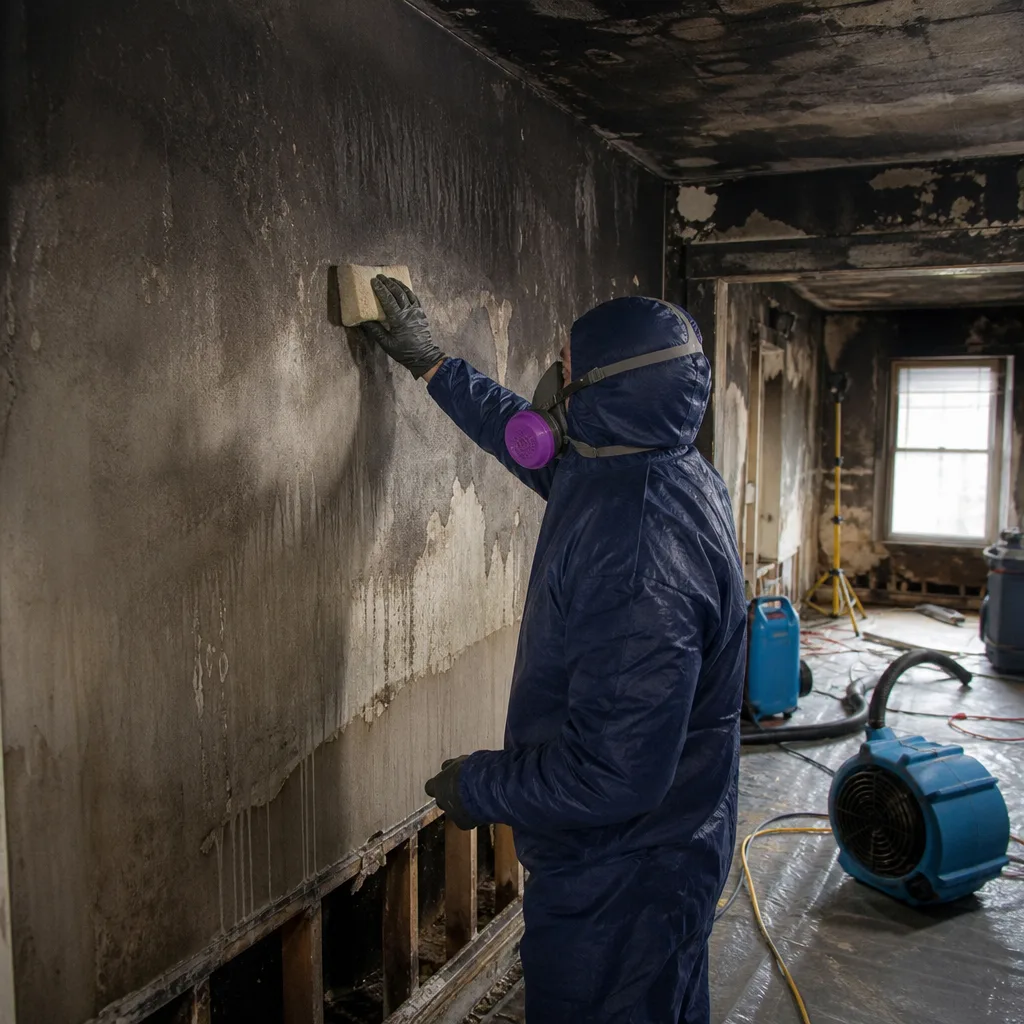
Large-Loss Response
When a building-wide event hits, say a sprinkler system valve lets go in a Mount Vernon senior housing building or a roof collapses over a Gramatan Avenue storefront and apartments above, the job needs more than manpower. It needs extraction capacity, dehumidification arrays, temporary power, and a scoping team that can triage which units are salvageable now and which need board-up and controlled demolition. Floodline runs large-loss jobs with a senior project manager on site, dedicated adjuster communication, and daily reporting you can hand to your board or your investors.
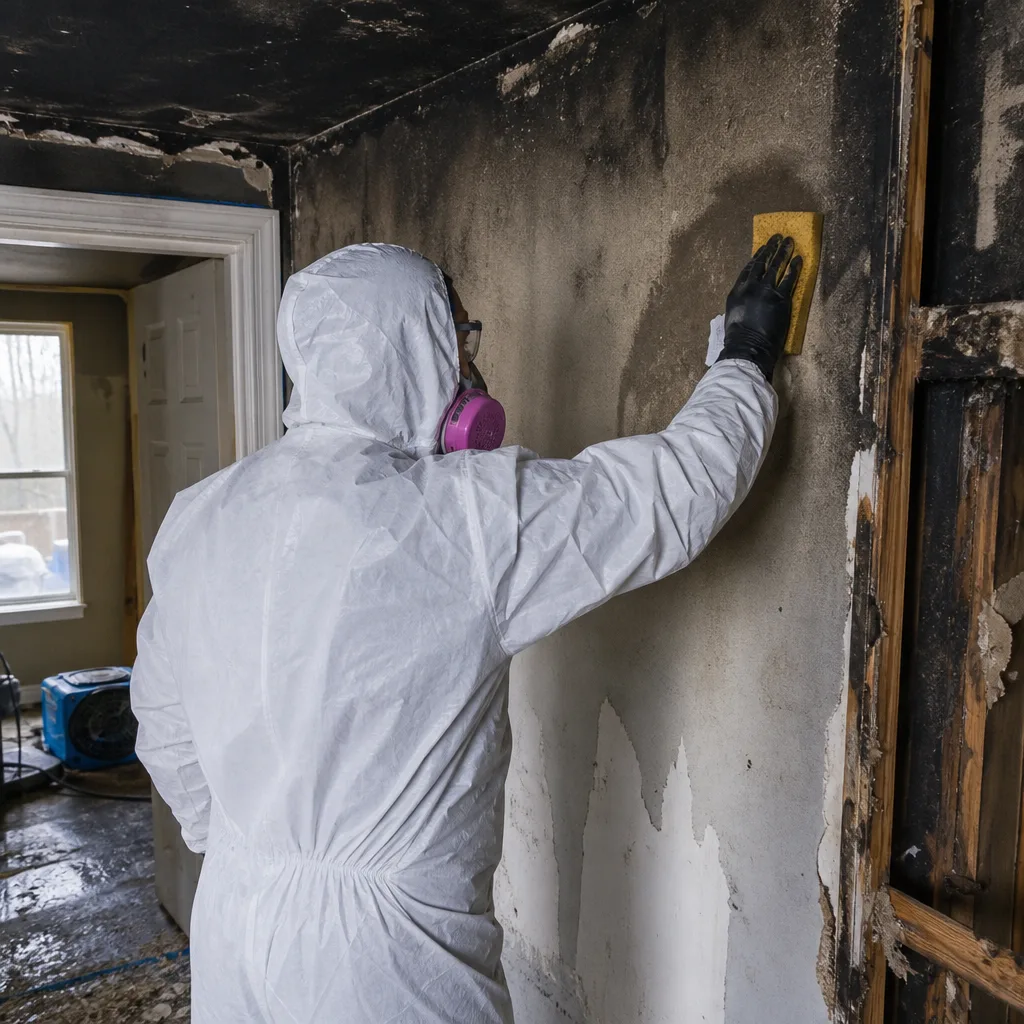
Business Interruption Minimization
Every day your Mount Vernon business stays closed is revenue that never comes back. Our crews work out a scoped schedule with you on day one: what can reopen, what must stay closed, and what temporary partitions or containment allow partial operation. For restaurants on South Fourth Avenue, that might mean sealing off the back prep area so the dining room can operate while we remediate. For retail, it might mean protecting sellable inventory while we dry the storage room. We treat your reopening date as a line item, not an afterthought.
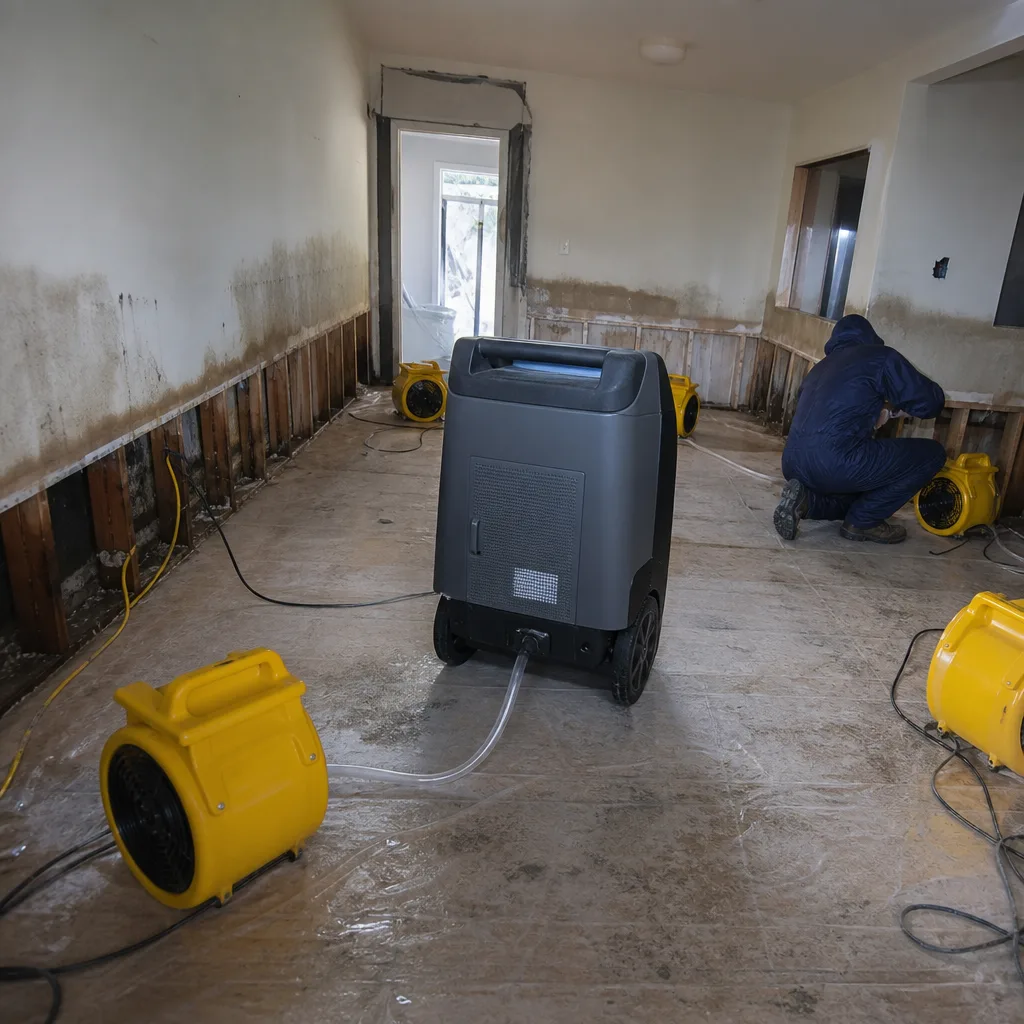
Office & Retail Restoration
Mount Vernon office and retail tenants sit inside buildings that predate modern firestopping and compartmentalization. Smoke from a neighboring unit travels through shared joist bays and old masonry chaseways, leaving soot contamination in spaces that never saw flame. We clean and deodorize with professional-grade methods, strip and restore affected stock, and handle leasehold build-back after the structural work is complete. Our goal is to return you to pre-loss condition with a paper trail your landlord and your insurer can both sign off on.
Industrial Facility Cleanup
Mount Vernon’s industrial warehouses and manufacturing spaces, especially along the rail corridor and the Hutchinson River side, face bigger square footage, heavier equipment, and more complicated environmental factors. We bring larger-scale extraction, industrial dehumidifiers, and trained crews who know how to work around active machinery. Contaminated water in a warehouse is a Category 3 problem with a much bigger footprint; our containment and disposal practices follow Westchester County regulatory requirements from the first reading.
What happens when you call
- 1
A real person answersNo phone trees - you reach a local pro.
- 2
You get an upfront price rangeHonest numbers before anyone is dispatched.
- 3
A background-checked tech heads outLicensed & insured, dispatched right away.
- 4
You approve before work beginsNothing starts until you say go.
Commercial Restoration Costs in Mount Vernon, NY
Commercial restoration costs in Mount Vernon depend on building age, water category, square footage, and whether asbestos or lead compliance work is triggered. A small Category 1 water cleanup in a single commercial office suite with drying and minor repair typically runs $2,800 to $6,500. A Category 3 sewage backup in a ground-floor unit with containment, strip-out, drying, antimicrobial treatment, and reconstruction commonly lands between $8,000 and $25,000, and more if the affected space is a food-prep area with county inspection involvement. Fire restoration in an attached pre-war building, where smoke and water damage cross a party wall into neighboring spaces, often runs $20,000 to $90,000 depending on the number of affected units and rebuild scope. Asbestos abatement and lead-safe work practices, both common in Mount Vernon’s older stock, add cost but are not optional. Insurance coverage is case-by-case, but most commercial policies respond to sudden, accidental losses. The free visual inspection is how we turn all those ranges into one firm written scope for your exact building.
We Also Serve Cities Near Mount Vernon
Crews from the same dispatch desk handle commercial restoration in Mount Vernon and the surrounding Westchester communities, including Pelham, Bronxville, New Rochelle, and Yonkers. If your commercial property sits a few blocks outside the Mount Vernon city line, the same response time, pricing structure, and live-answer dispatch apply.
Serving Mount Vernon, NY - Our Local Coverage Area
We’re based in the Mount Vernon area and know this community well. Use the map below to see our service coverage - if you’re nearby, we can almost certainly help.
Mount Vernon Commercial Restoration Questions, Answered
How does flood water from the Bronx River affect commercial properties in Mount Vernon differently than in northern Westchester towns?
Flood water from the Bronx River and Hutchinson River corridors in Mount Vernon often arrives as Category 3 sewage-contaminated water because the city’s aging combined sewer system backs up into basements and ground-floor commercial spaces during heavy rain. In northern Westchester towns, a river flood is more often clean storm water; in southern Mount Vernon blocks, the same event pulls raw sewage through floor drains. That changes the PPE our crews wear, the containment we build, the disposal protocols we follow, and the documentation your insurer needs to process the claim.
What should a Mount Vernon commercial landlord expect regarding insurance when a fire in one row-house unit damages adjacent retail spaces?
Expect multiple claims, multiple adjusters, and one shared set of facts. The unit where the fire started has its own fire and smoke claim; the adjacent retail spaces have smoke and water damage claims from firefighting efforts; the landlord has a structural claim on the party wall and common areas. Our documentation separates each unit’s loss clearly with room-by-room photos, moisture readings, and a line-item scope per space. That separation is what keeps one unit’s slow claim from delaying the others, and it gives each adjuster exactly what they need without going back and forth.
Why is lead and asbestos compliance a near-constant factor in Mount Vernon commercial restoration projects?
Because most Mount Vernon commercial buildings were built before 1940, and virtually any restoration-level job that disturbs walls, ceilings, floors, or insulation is going to encounter pre-1978 painted surfaces, original plaster, and old pipe or duct insulation that may contain asbestos. Westchester County requires proper assessment and abatement before demolition or disturbance. We identify suspect materials during the inspection phase, include testing and abatement in the written scope, and schedule compliant work so the job never stalls over a missing sign-off. It adds cost, but skipping it is not an option.
How do restoration crews handle parking and equipment staging for commercial jobs on narrow Mount Vernon streets?
We plan it before dispatch. For storefronts along South Fourth Avenue, Gramatan Avenue, or the West Side’s tight commercial blocks, we scout loading zones, alley access, and rear entrances on the initial call. If the truck-mounted extraction unit cannot get to the rear door, we run portable extraction and bring in drying equipment in smaller loads. We pre-stage air movers and dehumidifiers on carts, use alley-load doorways where they exist, and coordinate with neighboring businesses so we are not blocking their customer entrance. For large-loss jobs, we coordinate temporary no-parking permits or flag off a single lane as needed.
What does a Category 3 sewage backup mean for a Mount Vernon restaurant’s reopening timeline?
For a food-prep space, a Category 3 backup triggers a much longer timeline than a clean-water spill. We contain the affected area under negative air pressure, remove sewage and contaminated materials, strip affected drywall and flooring, apply antimicrobial treatments, dry to standard, and then rebuild before the county health department will permit reopening. Depending on the size of the affected area, expect roughly one to three weeks from first response to pre-loss condition, and longer if asbestos or lead abatement is required. We give the health department documentation they accept, because we have done this before on South Side commercial kitchens.
How fast can you actually reach a commercial property in Mount Vernon?
Our dispatch commitment for Mount Vernon commercial losses is a 45-minute response. A crew leaves the metro office as soon as the call ends, and the same live dispatcher who took your call tracks the truck and calls you if anything changes. For a large-loss event during a nor’easter or severe storm, we run on a priority triage: life-safety first, then active water flows into multiple occupied units, then contained single-tenant losses. No matter what, a real person answers the phone and tells you honestly when the crew will arrive.
Can my business stay open during commercial restoration work in Mount Vernon?
Sometimes. If the affected area is a back room, basement prep kitchen, or storage space, we build hard containment with negative air pressure and HEPA filtration so the front-of-house can operate. Dust, odor, and airborne contamination stay inside the contained zone. For a restaurant, that might mean the dining room stays open while the back-of-house is sealed. For retail, we protect sellable stock and keep the sales floor dry and accessible. If the damage is widespread or structural, partial operation may not be safe, and we will tell you that straight, with a written explanation for your insurer and your landlord.
What should I do in the first 30 minutes after a commercial restoration emergency in Mount Vernon?
Call (845) 456-6568. Then cut power to affected areas if it is safe to reach the panel without standing in water, move electronics and hard documents to dry ground, and stop walking through wet areas to avoid tracking contamination. Do not turn on fans or HVAC if you suspect sewage, and do not open walls yourself. Photograph what you can before we arrive. The most expensive mistake we see on Mount Vernon commercial jobs is someone waiting a few days and letting a Category 2 loss become a Category 3 one.
Written by Curt Bowman, Owner at Floodline Restoration Co., leading commercial restoration crews across Mount Vernon and the surrounding Westchester communities since 2010.