
Free visual inspection and a written scope of work before any mitigation begins - photos, moisture readings, and drying logs go in your claim file
The scope we write is the scope we bill. Anything new gets shown to you, in writing, before we touch it.
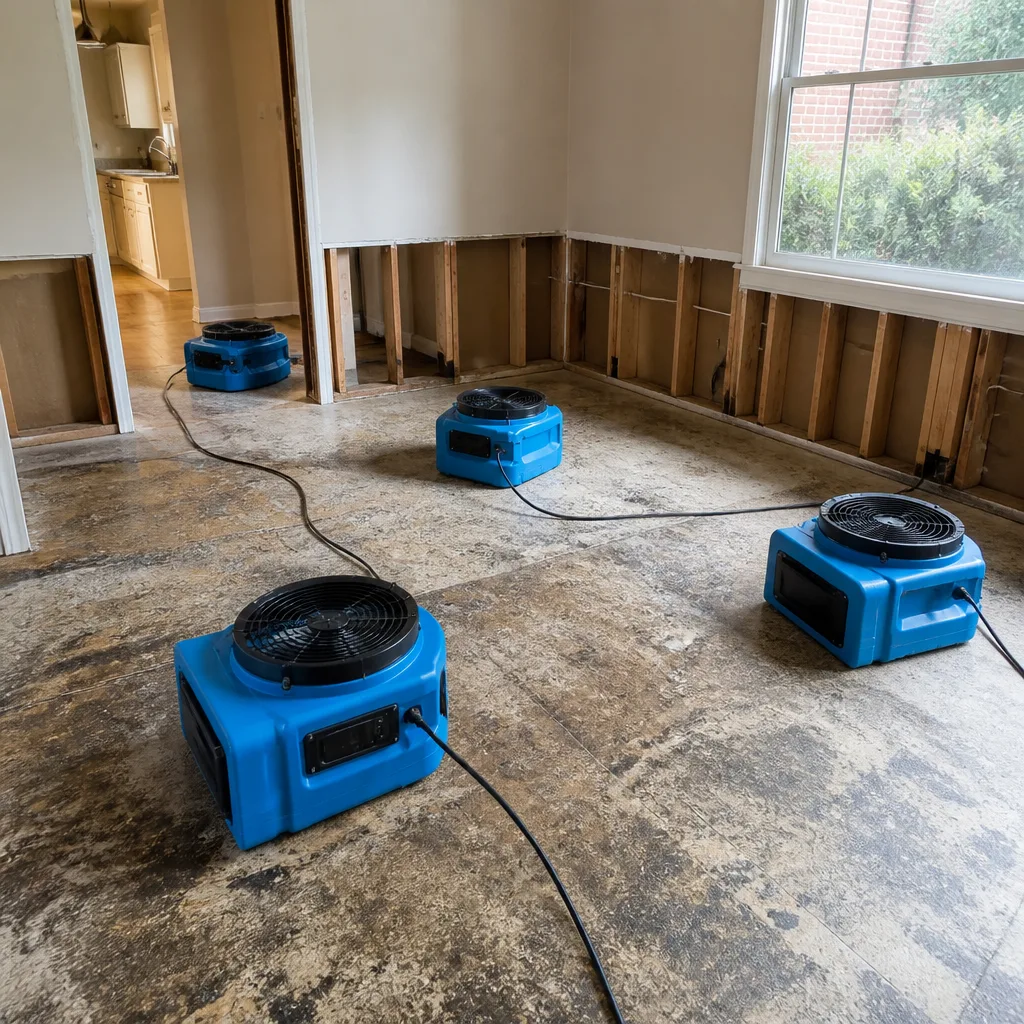
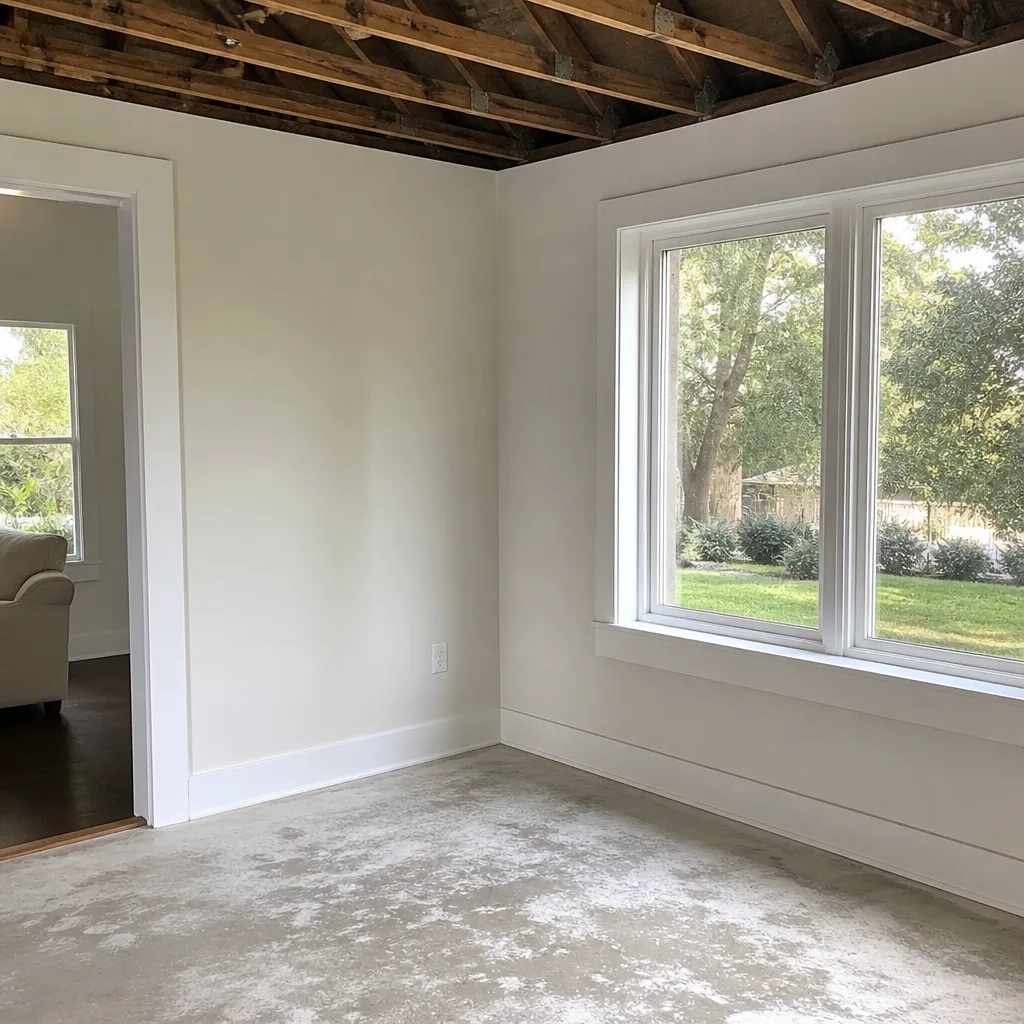

 Before
 After
After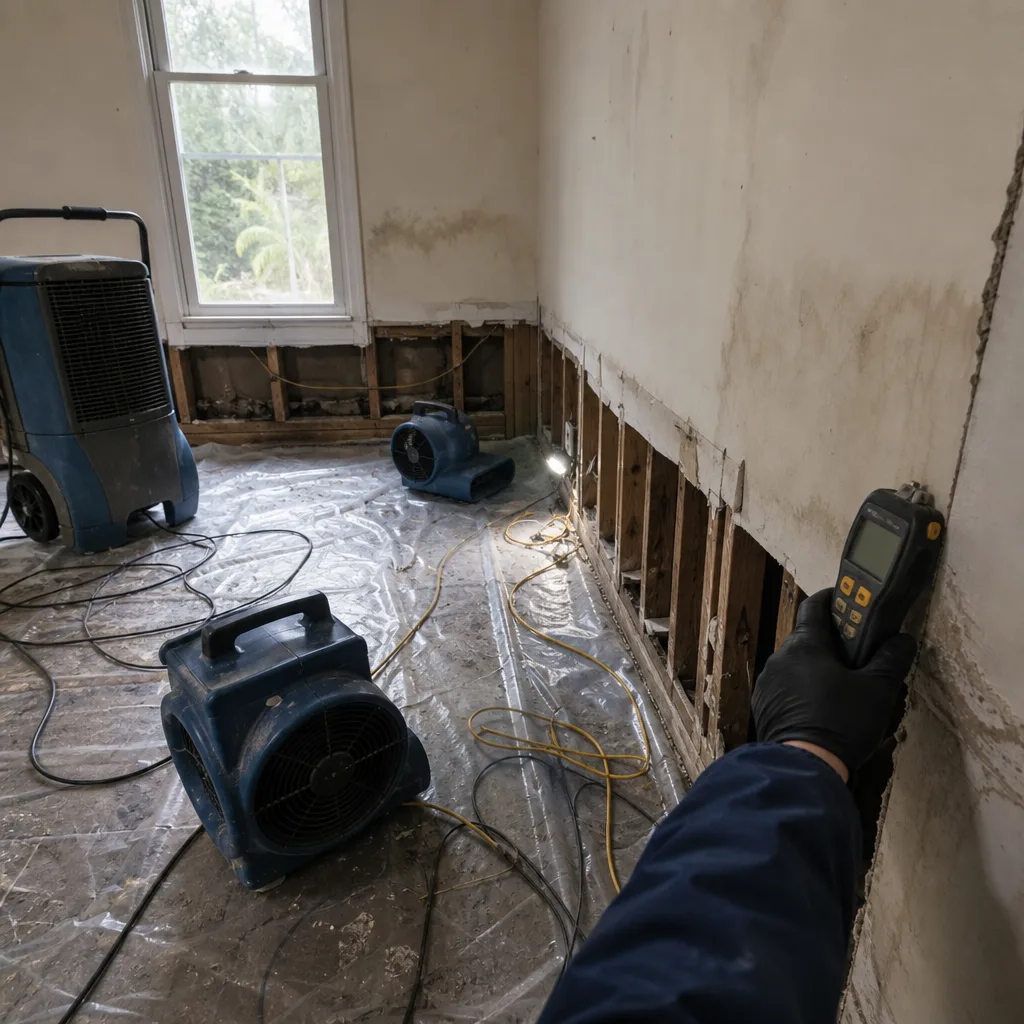 Before
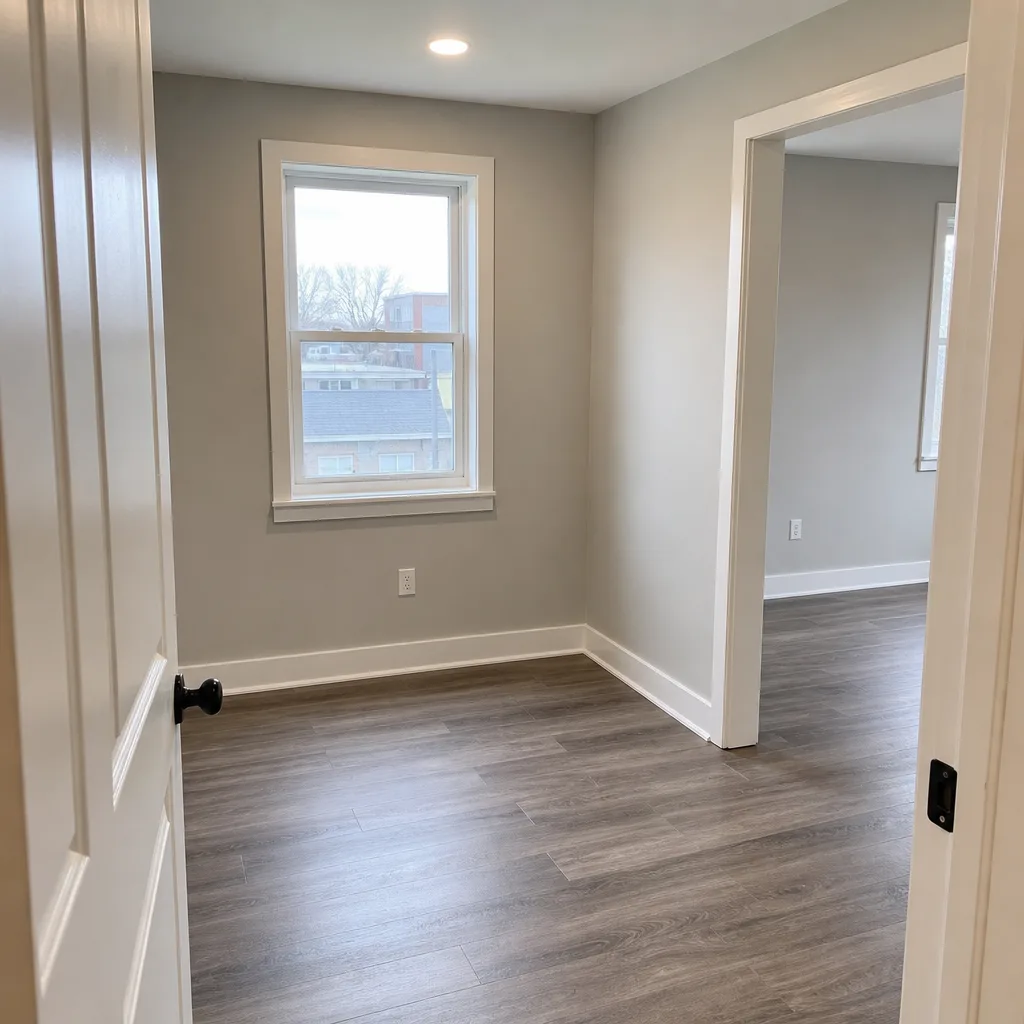 After
After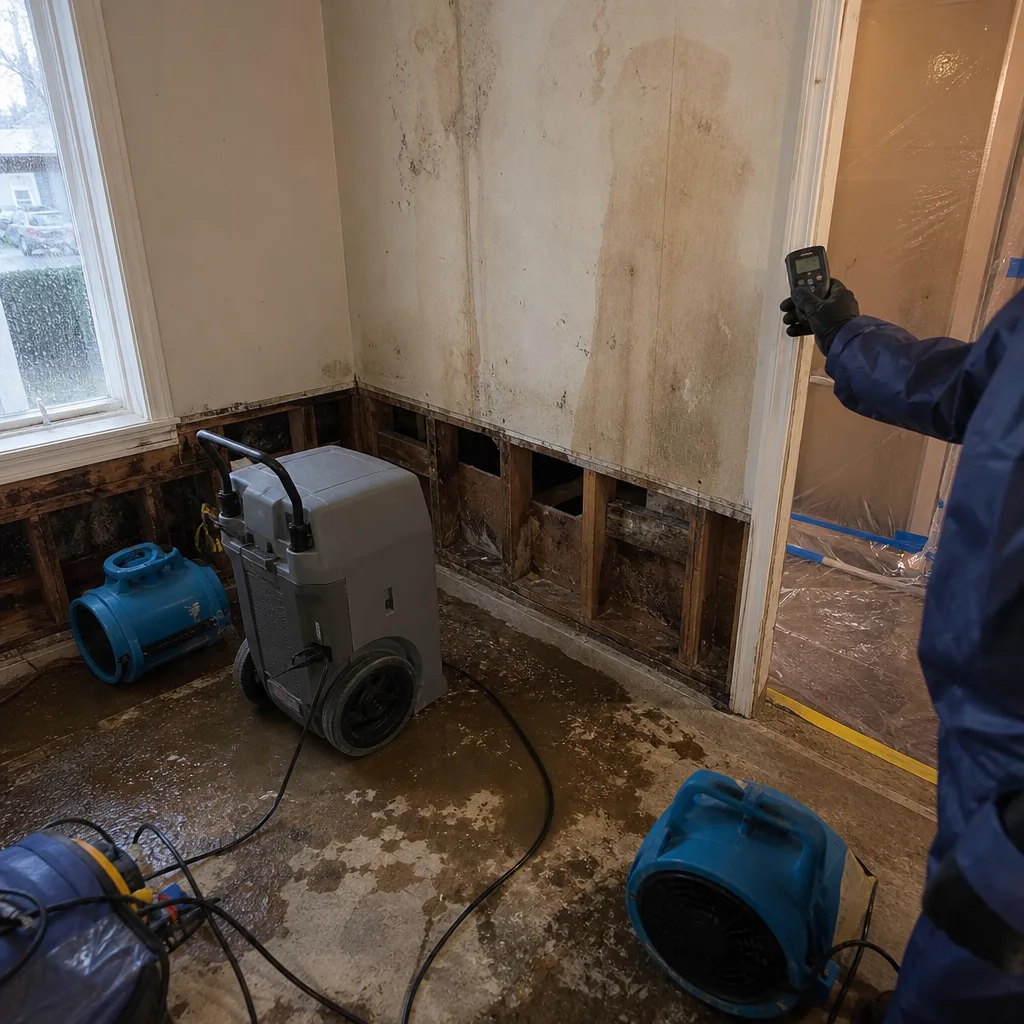 Before
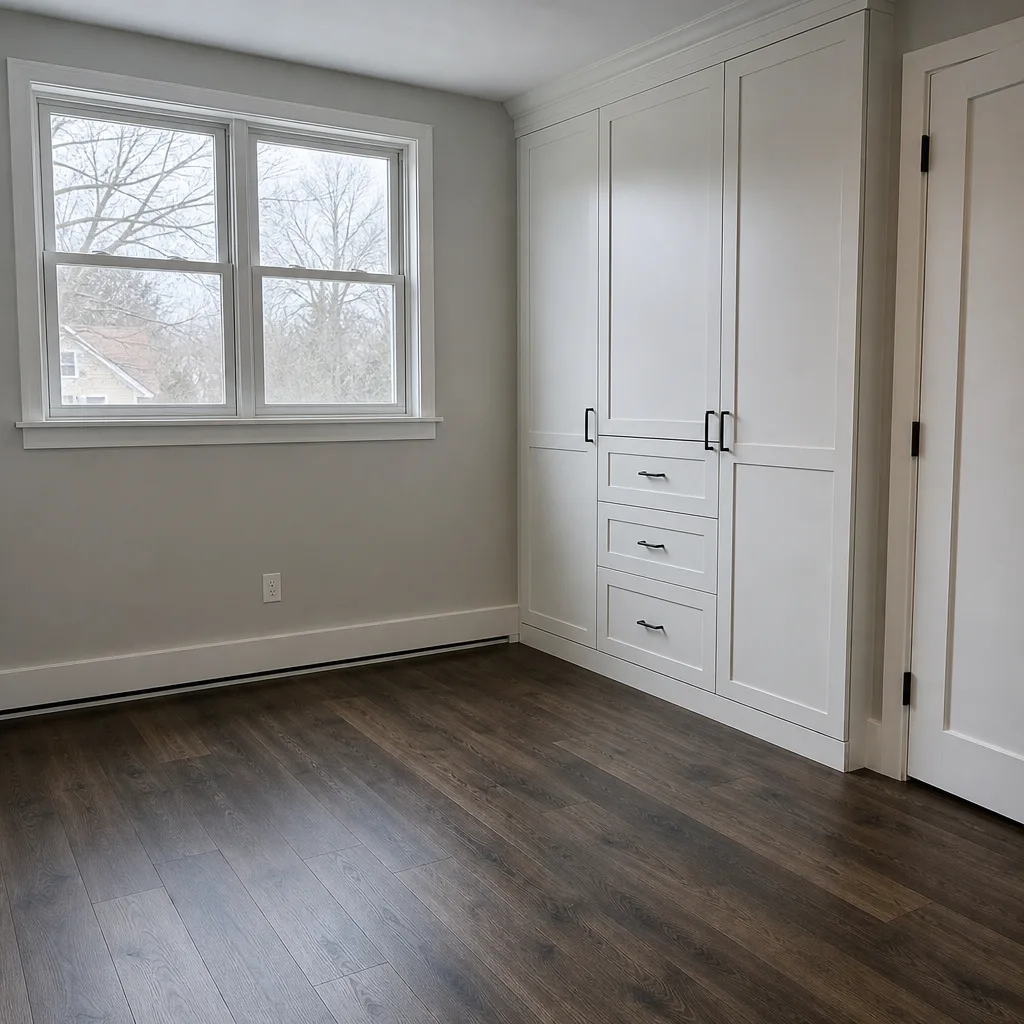 After
After24/7 Emergency Mold Remediation in Mount Vernon
Mold remediation in Mount Vernon typically costs $1,800-$6,500 depending on square footage, containment complexity, and whether Category 3 water started the problem. Call (845) 456-6568 any hour, any day. A live dispatcher answers. Not a recording, not a call center in another state. We’ll have a certified crew at your door inside 45 minutes for a free visual inspection, and if the situation is active, we start containment the same visit. In attached row houses and multi-family buildings, the first 48 hours decide whether mold stays in one unit or spreads through party walls into the neighbor’s home. That clock is running now.
Understanding Mold Remediation Severity in Mount Vernon Properties
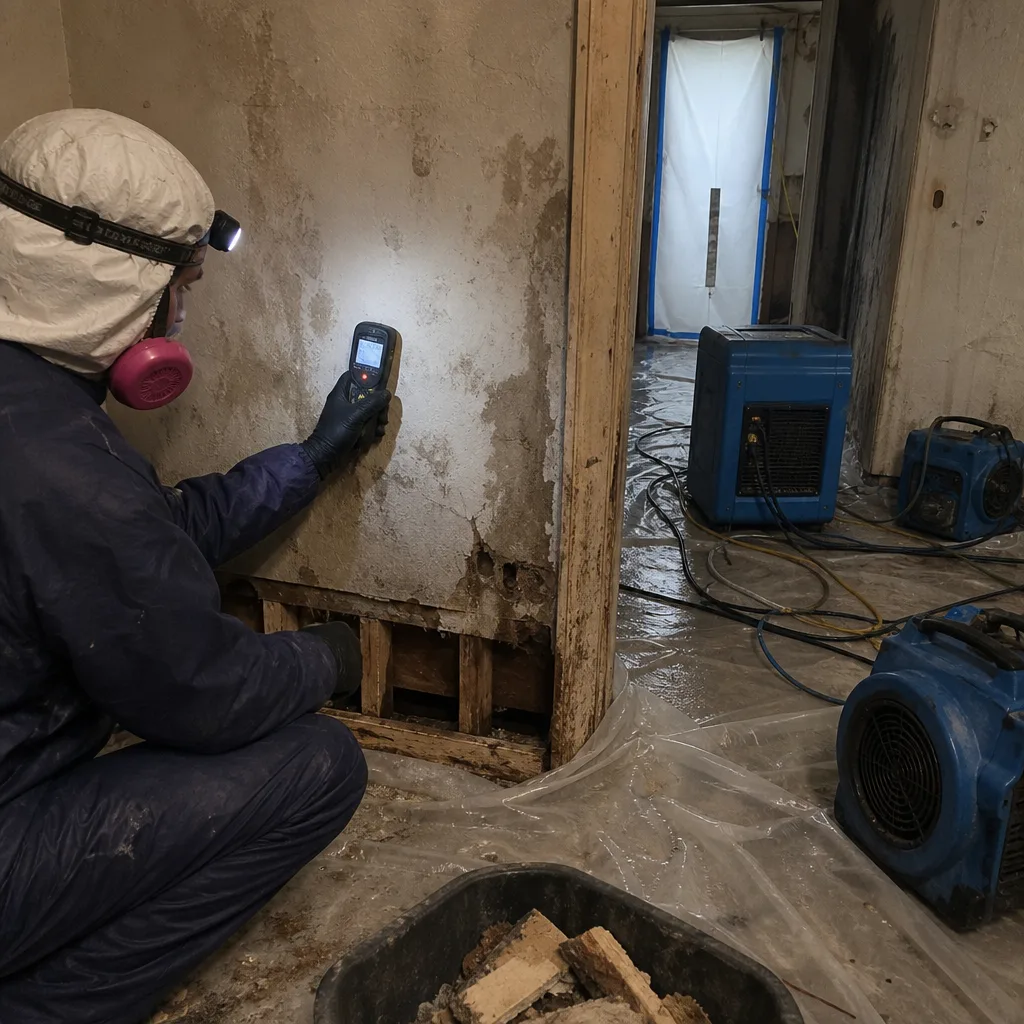
Not every mold problem is the same job. A small patch behind a bathroom vanity is one thing. A basement that took Category 3 sewer backup through an aging combined main is another entirely. That distinction changes the PPE, the containment plan, the documentation, and the cost. In Mount Vernon’s pre-1940 attached brick row houses and two- and three-family homes, we routinely find mold hiding behind dense plaster-and-lath walls that a surface moisture meter reads as dry. Plaster holds water differently than drywall. It wicks slowly, releases slowly, and hides colonies from view for weeks after the visible water is gone. That’s why our crews use thermal imaging and penetrating moisture meters before we ever open a wall, and why we run HEPA air scrubbers under negative pressure during every removal. The severity of a Mount Vernon mold job is rarely what it looks like from the hallway.
Why Mount Vernon Property Owners Choose Floodline Restoration Co.
- 45-minute response commitment to any Mount Vernon address, day or night. We dispatch crews from right here in the metro, not from a regional office an hour away.
- 24/7 live answer. A real person picks up at 2 a.m. and knows what questions to ask. No automated phone tree, no “leave a message after the beep.”
- IICRC-certified crews. Our technicians hold WRT, ASD, and AMRT certifications and follow RIA and IFA standards. They’re background-checked and uniformed on every job.
- Free visual inspection with a written scope before any work begins. You’ll know exactly what we found, what we recommend, and what it costs.
- Direct insurance billing. We document from hour one, bill your carrier directly, and coordinate with your adjuster. You don’t carry messages between us and the insurance company.
- One team from containment to rebuild. The same crew that sets negative air and removes mold also handles the reconstruction. No mid-job handoff to a crew you never met.
Our Mold Remediation Process
Inspection & Assessment
We walk the property, map moisture with thermal imaging and penetrating meters, and identify the water source. In Mount Vernon row houses, that means checking shared walls, stair halls, and the basement floor for signs that the problem started next door or underground.
Containment & Negative Air
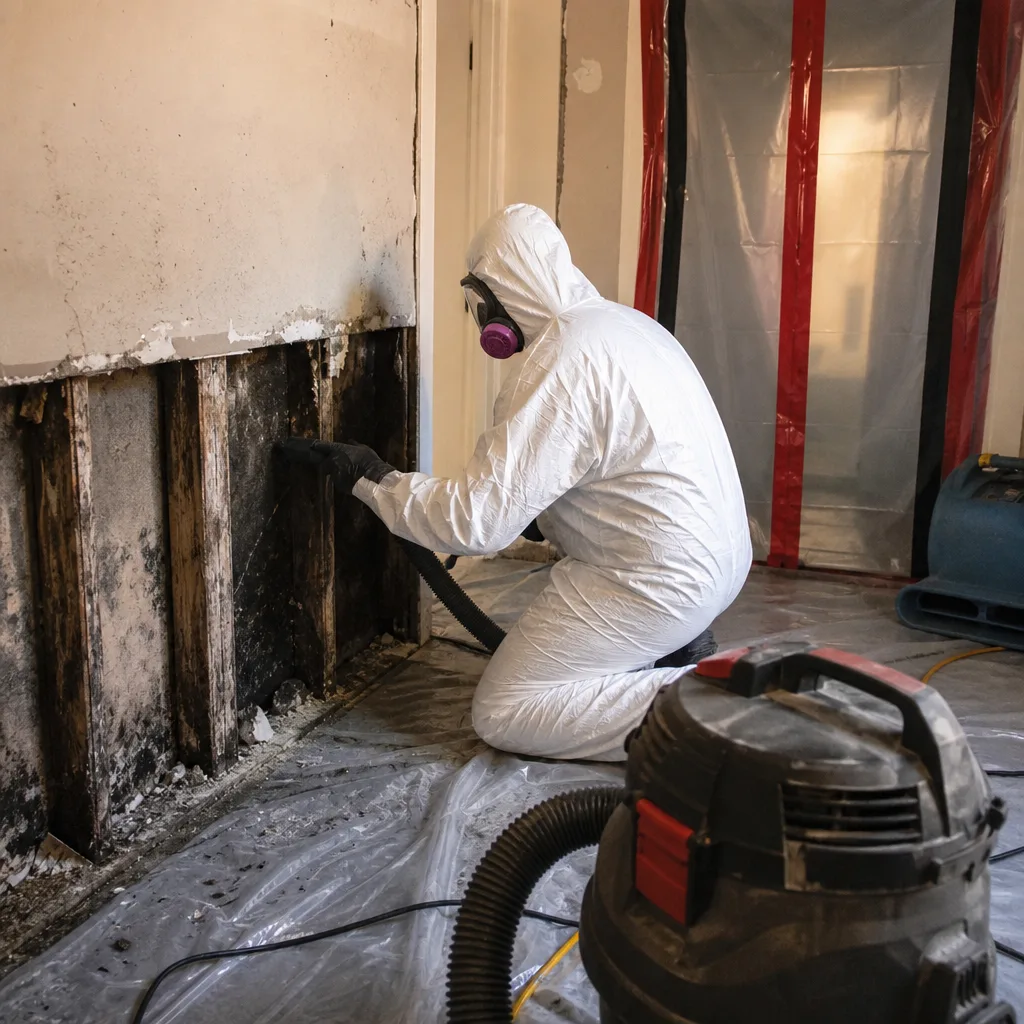
Before we open any wall or ceiling, we seal the work area with 6-mil poly and run HEPA air scrubbers under negative pressure. This keeps airborne spores from migrating through party walls into adjacent units, which in attached housing is the difference between a contained job and a building-wide complaint.
Source Removal
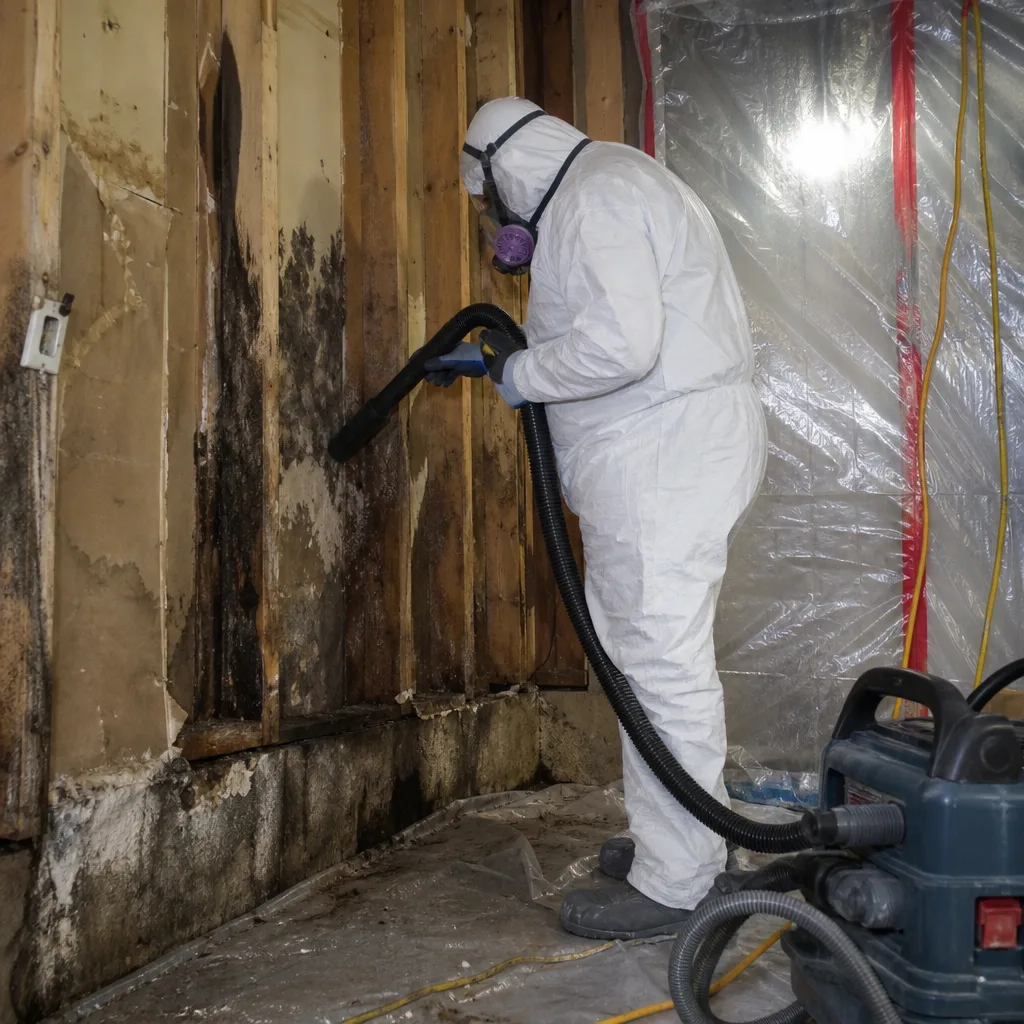
We remove affected plaster, drywall, insulation, and flooring using the appropriate containment level for the mold type and spread. Black mold gets full Level 3 containment with air locks and disposable coveralls. The removed material is bagged and disposed of under Westchester County protocols.
Drying & Dehumidification
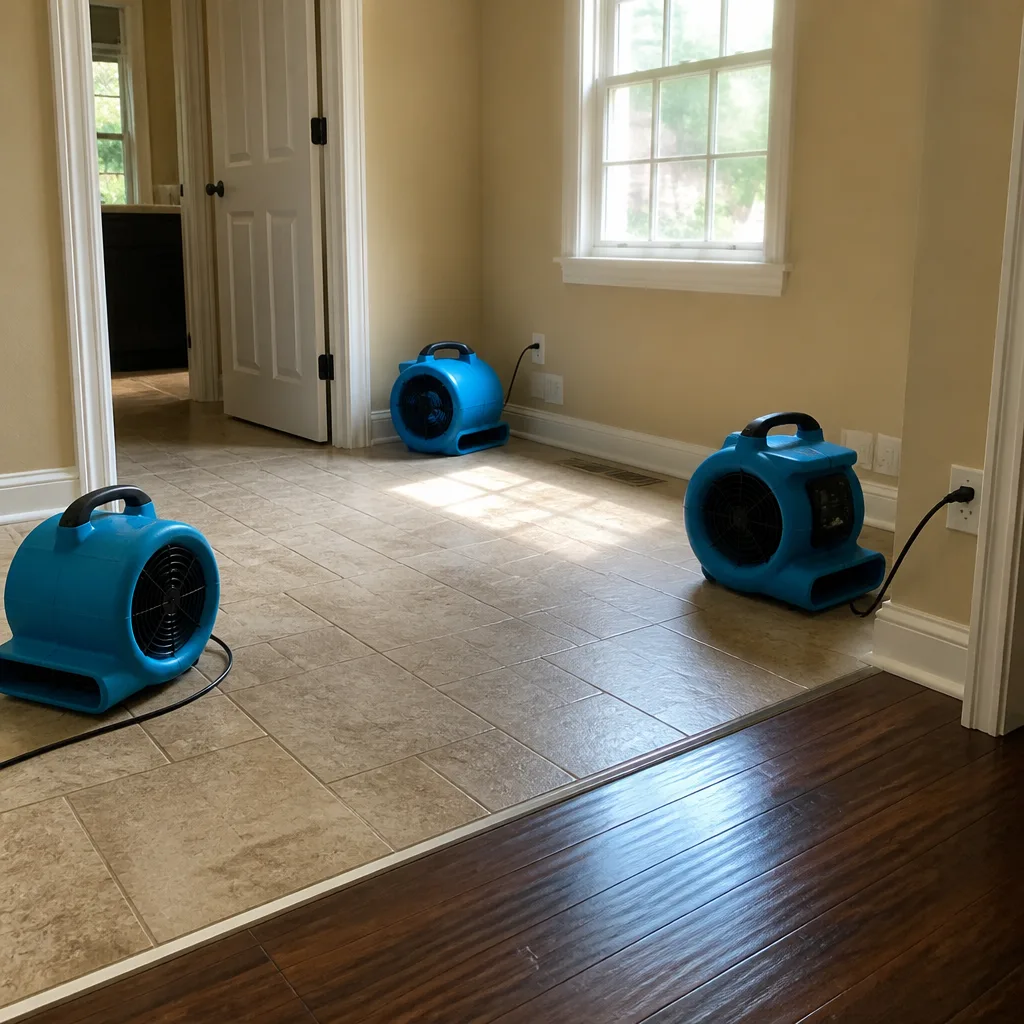
Even after the mold is gone, the moisture that fed it has to go. We run professional-grade Dri-Eaz dehumidifiers and Phoenix air movers, taking daily moisture readings until the structure reaches its dry standard. Plaster-and-lath walls take longer than drywall, and we account for that in the drying plan.
Cleaning & Sanitization
Exposed surfaces are HEPA-vacuumed and treated with antimicrobial agents appropriate to the material. Air scrubbers stay running during this phase. We hand you a moisture log at the end, not a verbal assurance.
Verification & Restoration
We verify the dry standard with documented meter readings, then rebuild what we removed. Drywall, plaster, trim, paint. The same certified crew that started the job finishes it, and the 90-Day Done Right Promise covers the whole thing in writing.
Need Emergency Mold Remediation in Mount Vernon Now?
Crews minutes away, answering live 24 hours a day. The sooner we start, the less it costs.
Working With Your Insurance Company
Mold claims are where insurance carriers get particular. They want proof of the causal water event, a documented dry standard, and a scope that separates mold remediation from pre-existing conditions. We’ve handled hundreds of these claims in Westchester County, and we know what adjusters need before they ask for it. From the first hour on site, our techs photograph every affected area room by room, log every moisture reading, and write a line-item scope of work that holds up to carrier review. When it’s a Category 3 sewer backup from a combined main on a south Mount Vernon block, we know the DOH documentation requirements without being told. We send everything to your adjuster directly. You get a copy, but you never have to be the courier between us and the carrier.
What We Provide Your Insurer
- Thorough documentation of the loss
- Photos of all damage, room by room
- Moisture readings and drying logs
- A detailed, line-item scope of work
- Direct coordination with your carrier
Built for Mount Vernon’s Loss Calendar
Mount Vernon’s mold season doesn’t follow a single calendar. It follows the weather and the age of the pipes. Deep January freezes crack supply lines in uninsulated basements and exterior walls of pre-war homes, and the slow leak feeds mold behind walls for weeks before anyone notices. March thaw and spring rains push groundwater through fieldstone foundations into the basements of the oldest houses near the Bronx River corridor, the ones built before waterproofing was a thing. Summer thunderstorms overwhelm the city’s combined sewer system, sending Category 3 water into low-lying basements on the south side, the kind of backup that needs more than a mop and a fan. And then there’s the nor’easter cycle in fall and winter. Every one of those events has a mold clock running behind it. The homes in Mount Vernon, with their plaster walls, cast iron drain stacks, and original galvanized supply lines, hold moisture longer than modern construction. That’s not a shortcoming of the houses. It’s a fact of their age and their materials, and it means the remediation plan has to be built around those materials, not around a generic playbook.
Mold Remediation Across Mount Vernon’s Neighborhoods
Mount Vernon isn’t one housing type. It’s block-by-block, and the remediation approach changes with the address. South Side, down by the Bronx border and along South Fulton Avenue, has the city’s oldest combined sewer mains and the highest concentration of pre-1920 row houses. After any significant rain, we can predict which blocks will call with Category 3 backups, because we’ve answered those calls for years. Fleetwood, up along Gramatan Avenue and East Grand Street, runs to brick apartment buildings and multi-family stock from the 1920s and 30s, where a mold job in one unit means coordinating with tenants, the property owner, and sometimes a co-op board. The North Side, around Lincoln Avenue and East Lincoln Avenue, mixes single-family homes with two-family houses, again mostly pre-war, where basement moisture is more often groundwater intrusion than sewer backup. And the downtown corridor around East Prospect Avenue brings commercial-residential mixed buildings with their own set of access and containment challenges. The common thread in all of them is the party wall. In Mount Vernon, we don’t treat a mold job as a one-unit problem until we’ve checked what’s on the other side of the wall.
Specialized Mold Remediation Services We Offer in Mount Vernon
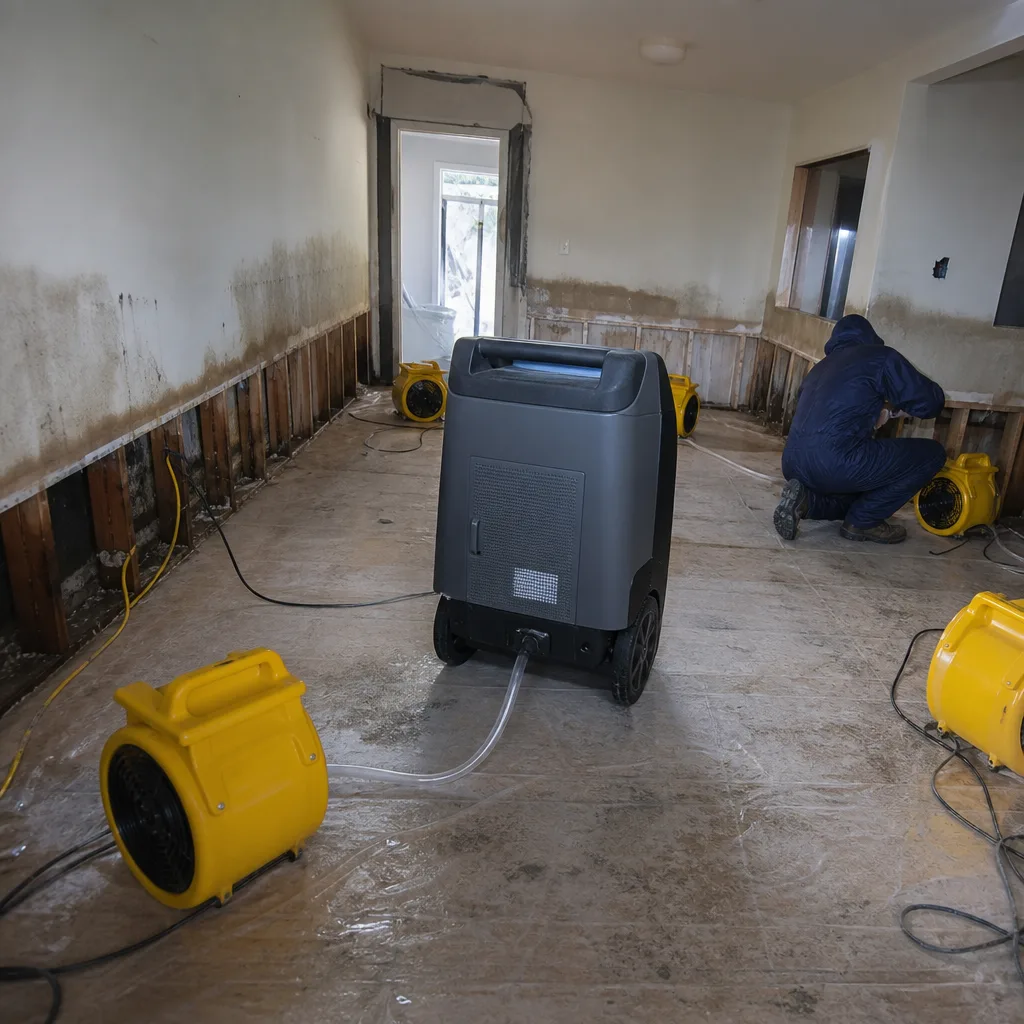
Mold Inspection & Testing
We find mold before it finds you. Our inspectors use thermal imaging, penetrating moisture meters, and air sampling where needed to identify mold hidden behind plaster-and-lath walls, under finished basement floors, and inside wall cavities shared with adjacent units. In Mount Vernon’s attached housing, a thorough inspection always includes checking the neighbor’s side of the party wall, because that’s where we find the source as often as not.
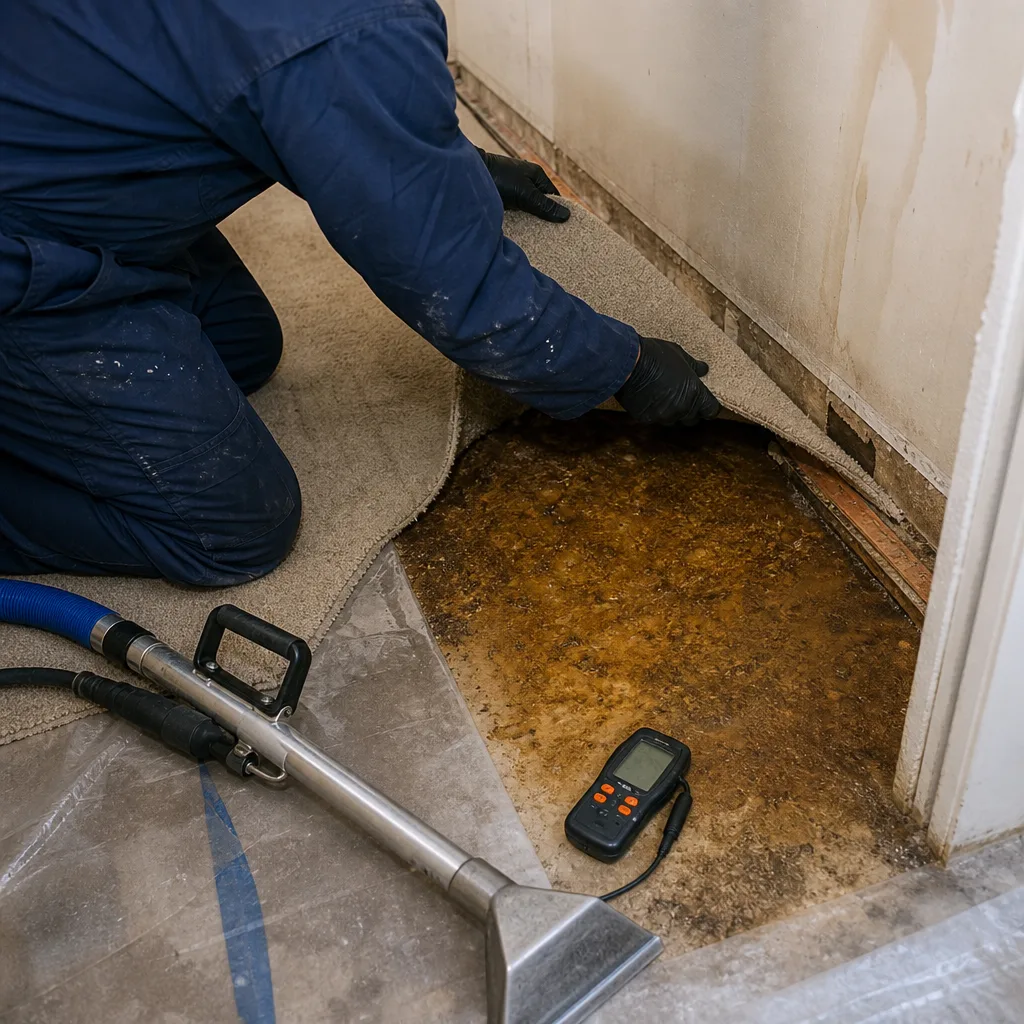
Mold Removal
This is the core of our Mold Remediation service. We remove contaminated materials under proper containment, sanitize what stays, and dry the structure to a documented standard. In pre-war homes with original plaster, we’re careful about what we pull and what we preserve, because the goal is to remediate the problem, not demo the architectural history.
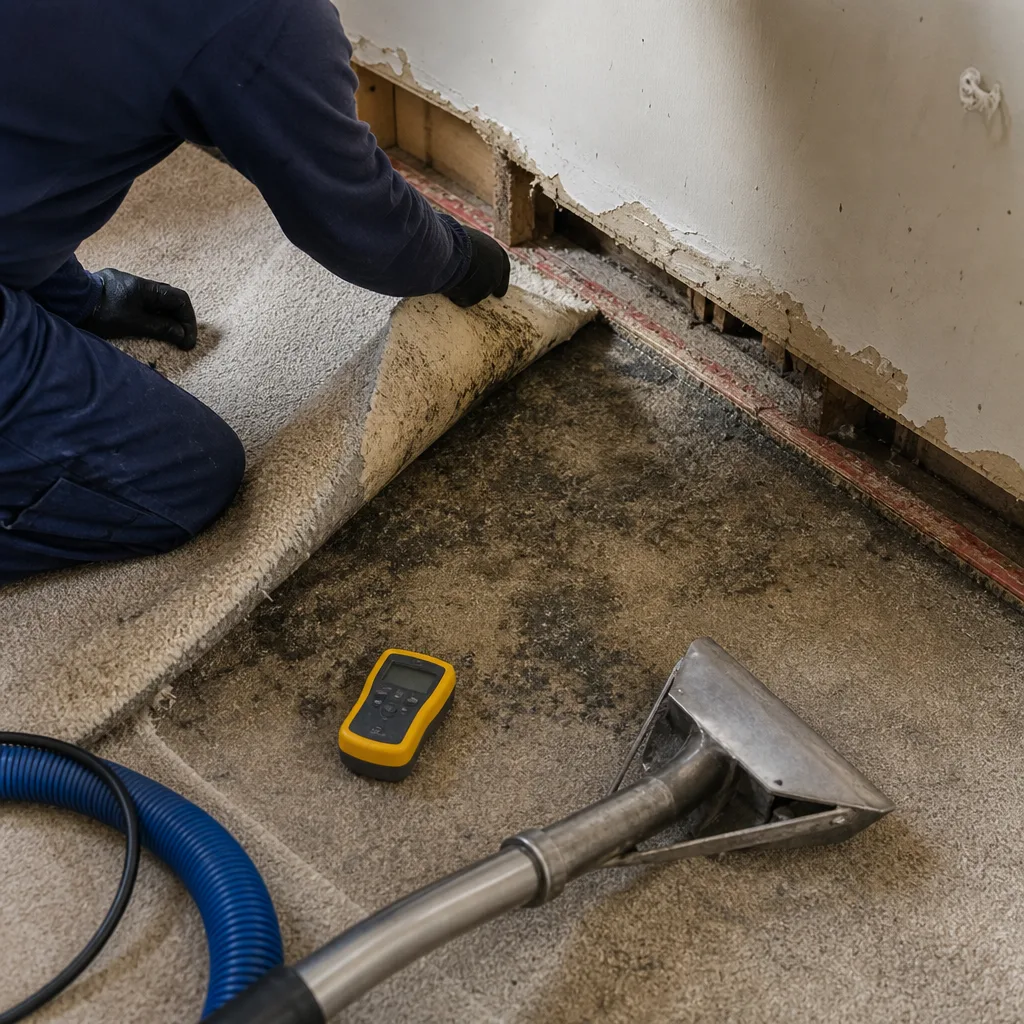
Black Mold Remediation
Black mold (Stachybotrys) gets the full containment protocol: Level 3 containment with air locks, disposable coveralls, HEPA air scrubbing, and thorough post-remediation verification. If you’ve found black mold in a Mount Vernon basement or behind a bathroom wall, don’t scrub it yourself. Disturbing it without containment sends spores airborne through the rest of the house.
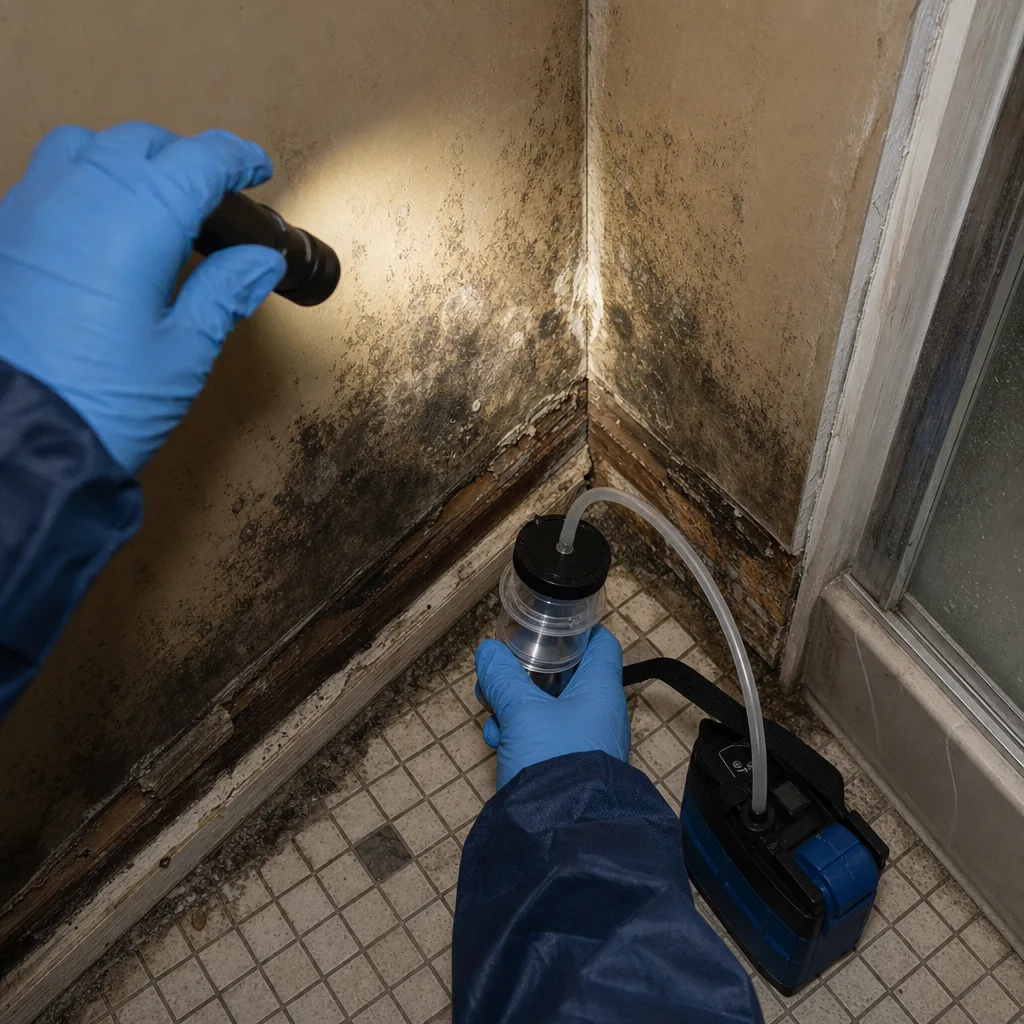
Air Quality Restoration
After the source is gone, the air has to be clean. We run HEPA air scrubbers through the final cleaning phase, replace contaminated return-air filters, and can arrange post-remediation air sampling to document clearance. For Mount Vernon homeowners with respiratory conditions or young children, this step is the one that proves the job actually worked.
Crawl Space Treatment
Crawl spaces under Mount Vernon’s older homes are dark, damp, and often vented wrong. That combination breeds mold on the joists and subfloor, and the smell rises through the whole house. We install vapor barriers, seal vents where appropriate, and treat the framing with antimicrobials. The fix is as much about moisture control as it is about killing the mold that’s already there.
Moisture & Humidity Control
If you remediate mold and leave the moisture, you’ll be remediating again. We identify the water source, whether it’s a leaking cast iron drain stack, poor exterior grading, or groundwater pushing through a fieldstone foundation. Then we recommend the fix that stops it. Dehumidification equipment sized to the space, drainage improvements, vapor barriers. Whatever it takes to change the conditions that fed the mold in the first place.
What happens when you call
- 1
A real person answersNo phone trees - you reach a local pro.
- 2
You get an upfront price rangeHonest numbers before anyone is dispatched.
- 3
A background-checked tech heads outLicensed & insured, dispatched right away.
- 4
You approve before work beginsNothing starts until you say go.
Mold Remediation Costs in Mount Vernon, NY
Here’s what you can expect to pay in Mount Vernon. A contained mold removal in a single room, like a bathroom or closet, typically runs $1,800-$3,200. A basement job involving Category 3 sewage backup, full containment, and disposal of a finished floor runs $4,000-$8,500. Full-house mold remediation after long-term water intrusion, the kind that requires containment across multiple rooms and a rebuild section, starts around $9,000 and can reach $20,000 in a worst-case multi-unit scenario. What moves the number: square footage of contamination, whether party walls need to be opened, the age of the building and what’s behind the walls, and whether we’re dealing with Category 3 water (sewage) or clean-water intrusion. Insurance covers mold remediation when it’s tied to a sudden, covered water event, but not when it’s a slow pre-existing leak. If you’re not sure which bucket your situation falls into, call (845) 456-6568. We’ll send a certified tech for a free visual inspection, give you an honest read on what’s going on, and write a scope you can take to your adjuster. No pressure. No obligation. A square deal.
We Also Serve Cities Near Mount Vernon
Floodline Restoration Co. provides Mold Remediation in Mount Vernon and the surrounding communities of Pelham, Bronxville, New Rochelle, and Yonkers. Each brings its own housing stock and its own challenges, but the standard is the same: done right, backed in writing.
Serving Mount Vernon, NY - Our Local Coverage Area
We’re based in the Mount Vernon area and know this community well. Use the map below to see our service coverage - if you’re nearby, we can almost certainly help.
Mount Vernon Mold Remediation Questions, Answered
How does Mount Vernon’s row house density change the containment plan for mold remediation?
Containment in attached row houses has to account for shared party walls, floors, and stair halls. We seal the work area with poly and run HEPA scrubbers under negative air pressure so spores don’t migrate into adjacent units through wall cavities, floor joists, or stairwell gaps. In a detached home, you can often get away with less aggressive containment. In a Mount Vernon row house, you can’t. The party wall is a highway for airborne mold spores, and if you don’t treat it that way from hour one, you’ll be back re-testing and re-remediating after the neighbor calls.
Why do so many Mount Vernon mold jobs start as a Category 3 sewer backup?
Because Mount Vernon’s combined sewer system carries both stormwater and sewage through the same mains, and those mains are old. During heavy rain, the system backs up into basements through floor drains and plumbing fixtures in low-lying parts of the city. That water is Category 3, which means it contains sewage and pathogens. Mold isn’t just a possibility after that event, it’s a near certainty if the drying isn’t done fast and done right. Category 3 jobs also trigger Westchester County DOH documentation and disposal protocols that clean-water jobs don’t require.
Do Mount Vernon’s plaster-and-lath walls hide mold that a moisture meter misses?
Yes. Standard surface-reading moisture meters read the face of the plaster, but plaster-and-lath walls have air gaps and dense substrate behind the finish coat. Mold can colonize in the lath and stud cavities while the wall surface reads dry. That’s why our crews use penetrating moisture meters and thermal imaging to measure moisture inside the wall assembly, not just on its face. It’s a slower process, but it’s the only way to know what’s actually behind the plaster.
What extra documentation is needed for mold remediation in a Mount Vernon multi-family building?
Multi-unit buildings add a documentation layer. You need a scope of work per unit, moisture and drying logs for each affected space, containment records showing negative air was maintained, and in many cases, a clearance test after the job. If multiple insurance carriers are involved, each one needs its own set of documentation. We handle all of that. For a South Side job we did after a nor’easter pushed Category 3 water through an aging main, we coordinated drying logs with three separate carriers, maintained containment across two units, and delivered a documented dry standard that satisfied all of them.
How fast can mold grow in a Mount Vernon basement after water intrusion?
Mold can begin colonizing in 24 to 48 hours under the right conditions. A Mount Vernon basement with a finished floor and poor ventilation hits those conditions fast, especially in summer. If the water was Category 3 from a sewer backup, you’re already past the question of whether mold will grow and into the question of how much has to come out. Call (845) 456-6568 as soon as you see water. The first hour is the cheapest hour.
How fast can a crew reach my Mount Vernon home?
Within 45 minutes, any time of day or night. Our dispatchers are live around the clock, and our crews are positioned to reach Mount Vernon addresses quickly. We’ll be there when we say. It’s not a slogan, it’s how we schedule.
Will insurance cover mold remediation in Mount Vernon?
It depends on the cause. Mold remediation tied to a sudden, covered water event, like a burst supply line or a storm-related sewer backup, is typically covered. Mold from a slow, long-running leak is often not. The key is documenting the causal event, the timeline, and the scope. We photograph everything, log every reading, and write scopes that hold up to adjuster review. We also bill your carrier directly and coordinate with your adjuster, so you’re not stuck in the middle.
What should I do in the first 30 minutes of discovering mold?
Stop the water source if you can identify it and do so safely. Turn off the water to the affected fixture or the main if needed. Don’t disturb the mold, don’t scrub it, don’t run fans. Disturbing mold without containment spreads spores through the house. Then call (845) 456-6568. We’ll walk you through what to leave alone, what to move, and what the next two hours look like. A live person will answer, and a crew will be on the way.
Written by Curt Bowman, Owner at Floodline Restoration Co., serving Mount Vernon and Westchester County with full-cycle restoration since 2010.