
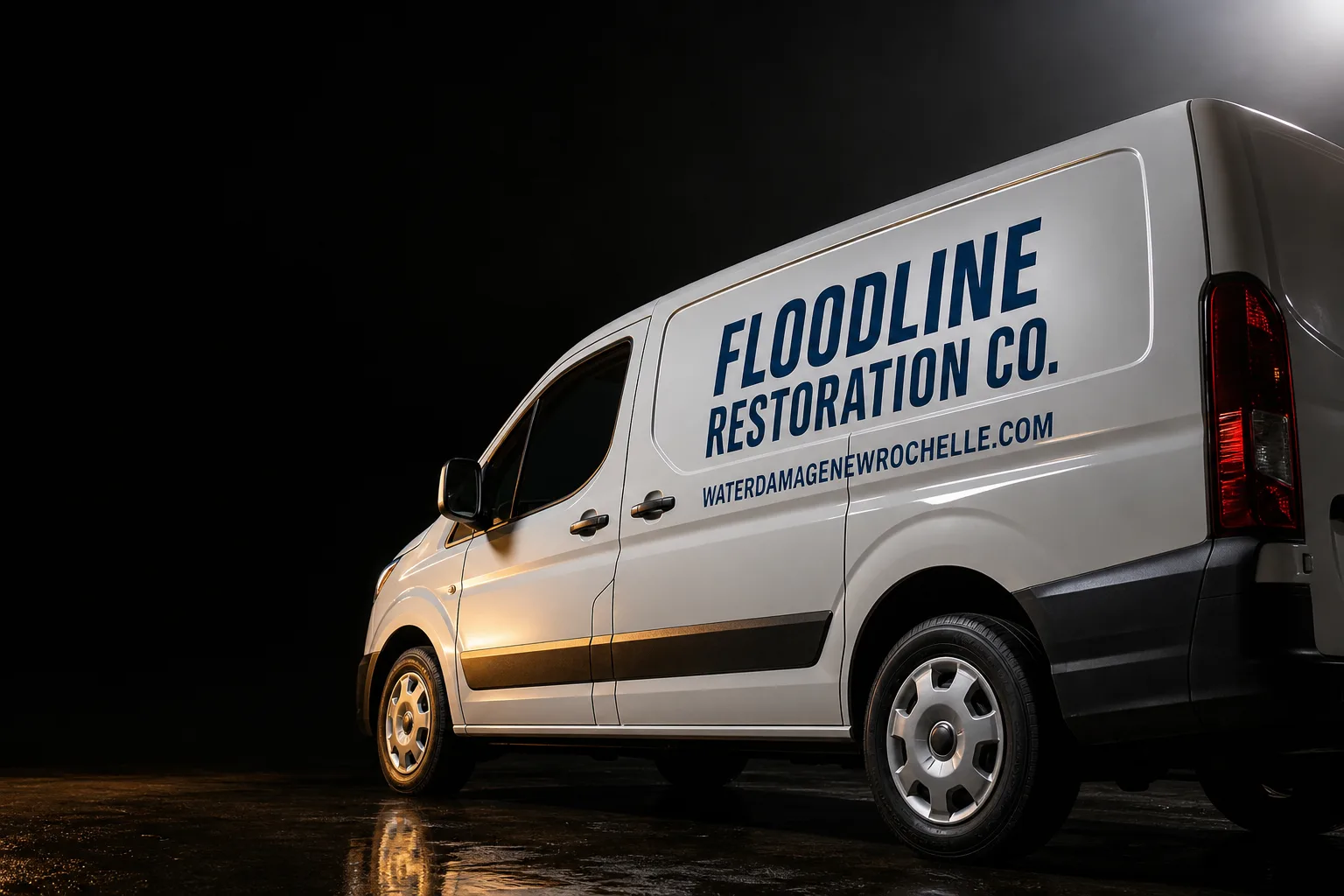
Free visual inspection and a written scope of work before any mitigation begins - photos, moisture readings, and drying logs go in your claim file
The scope we write is the scope we bill. Anything new gets shown to you, in writing, before we touch it.
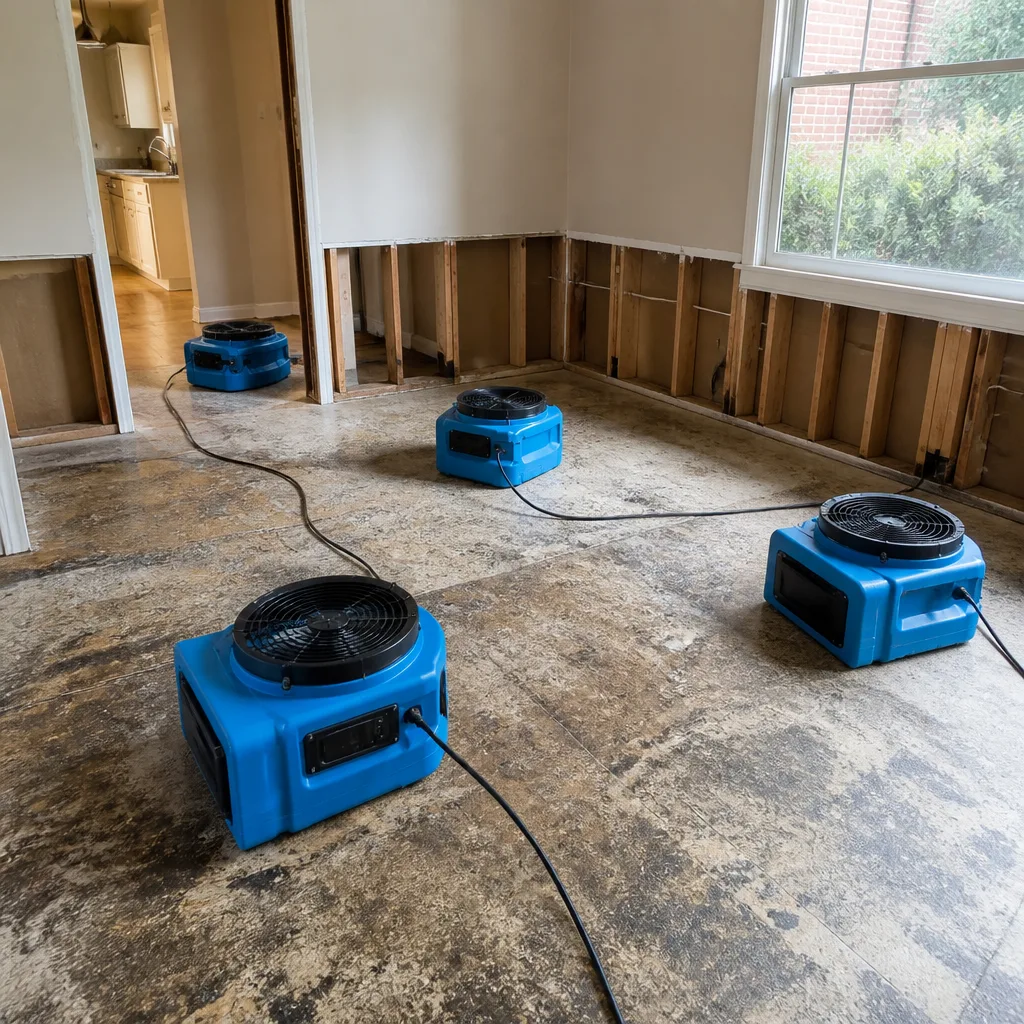
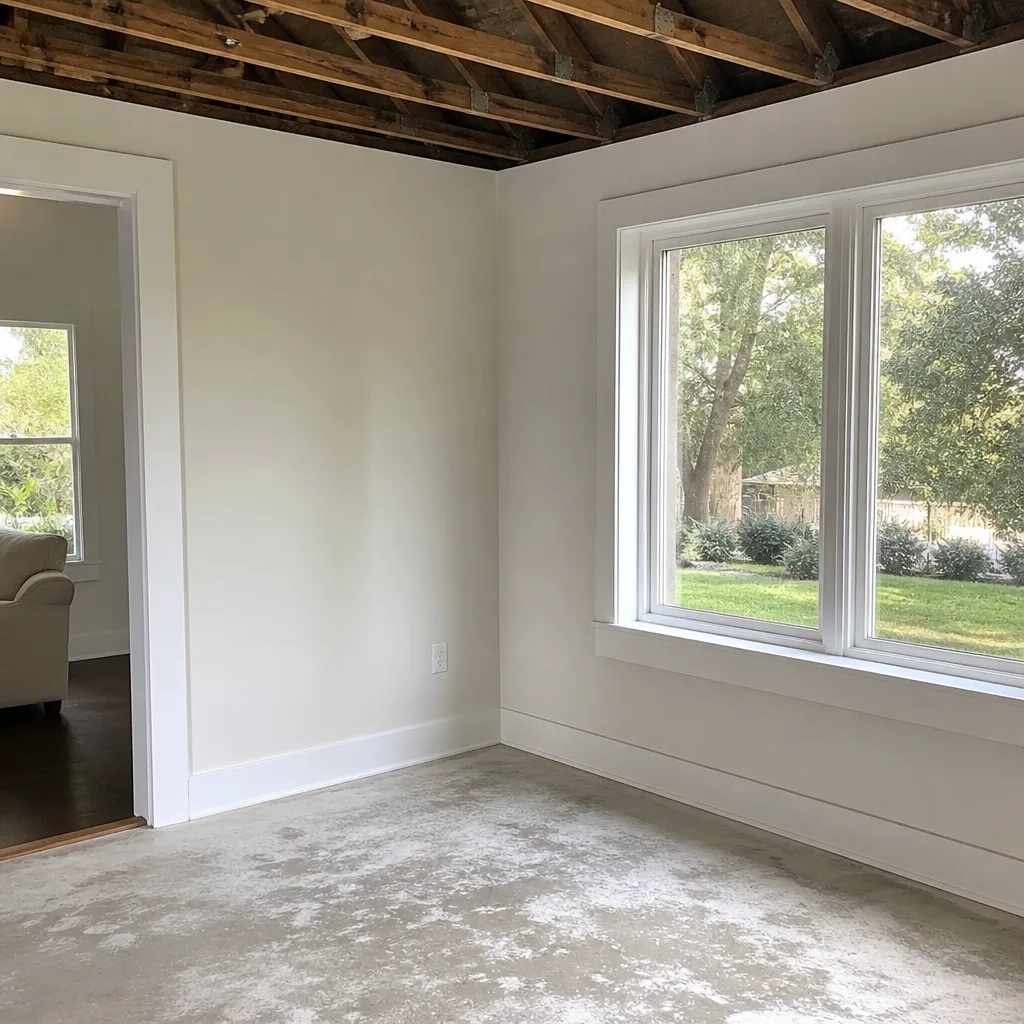
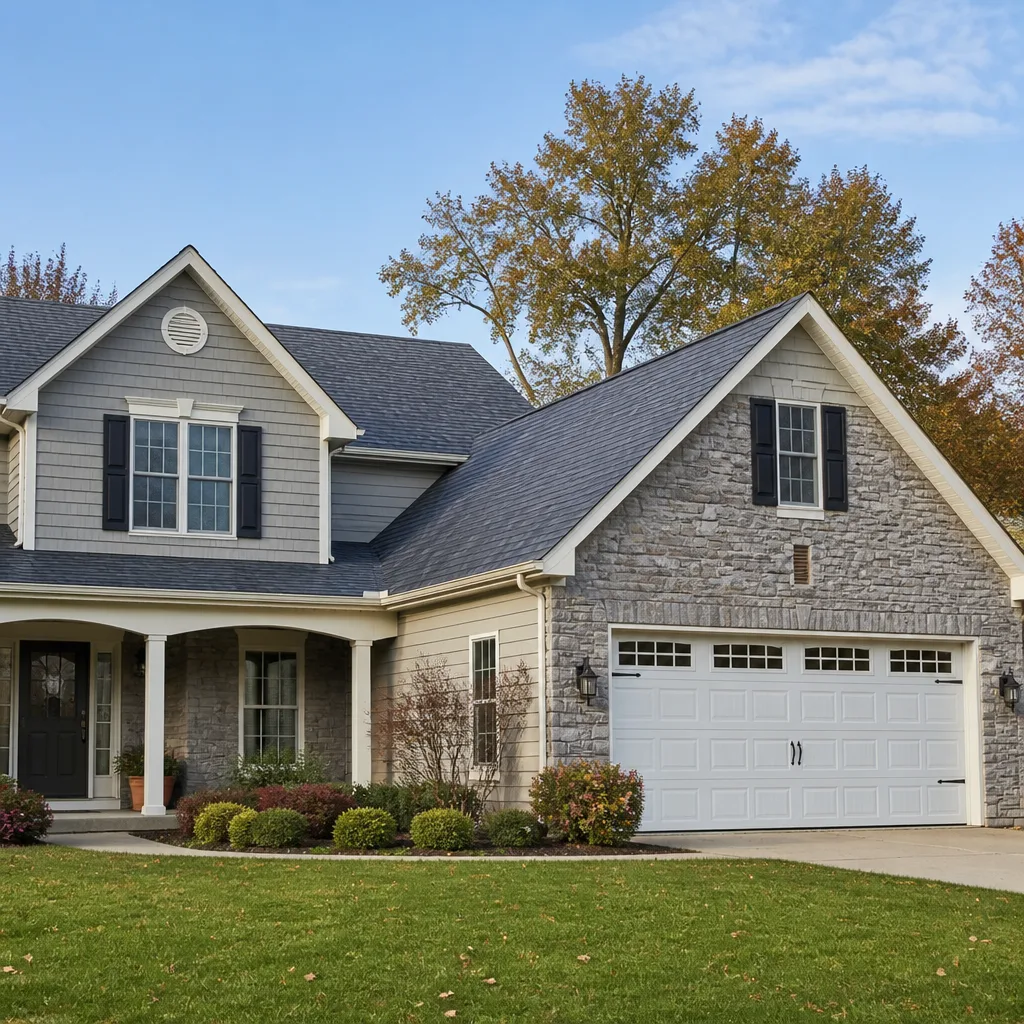
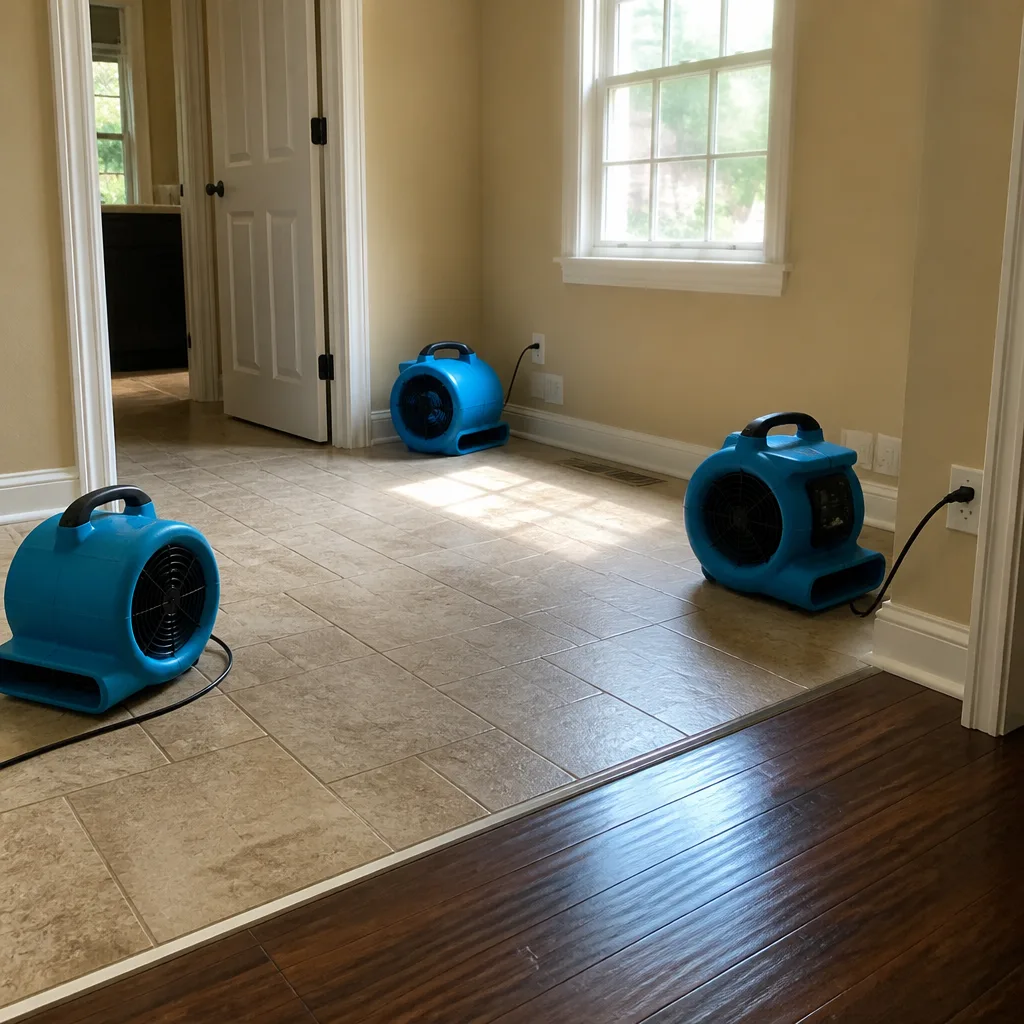
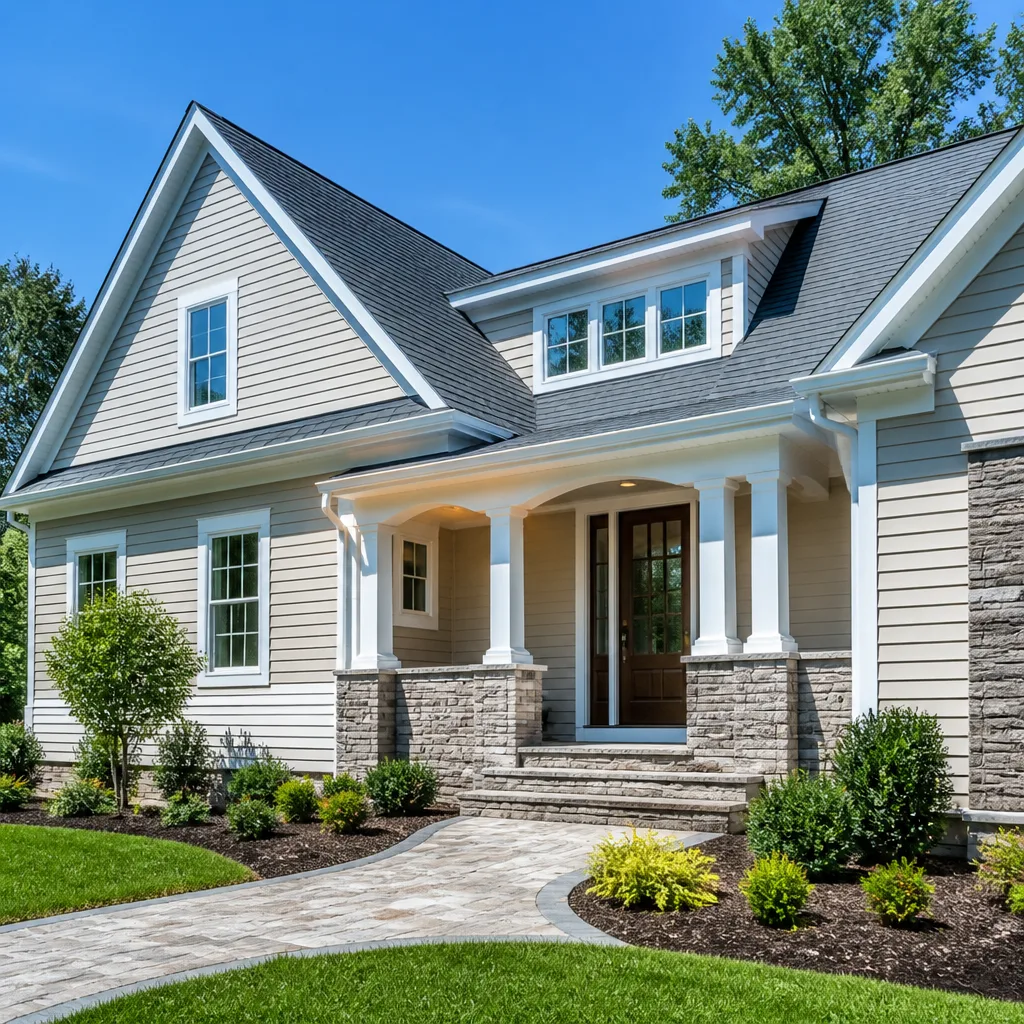
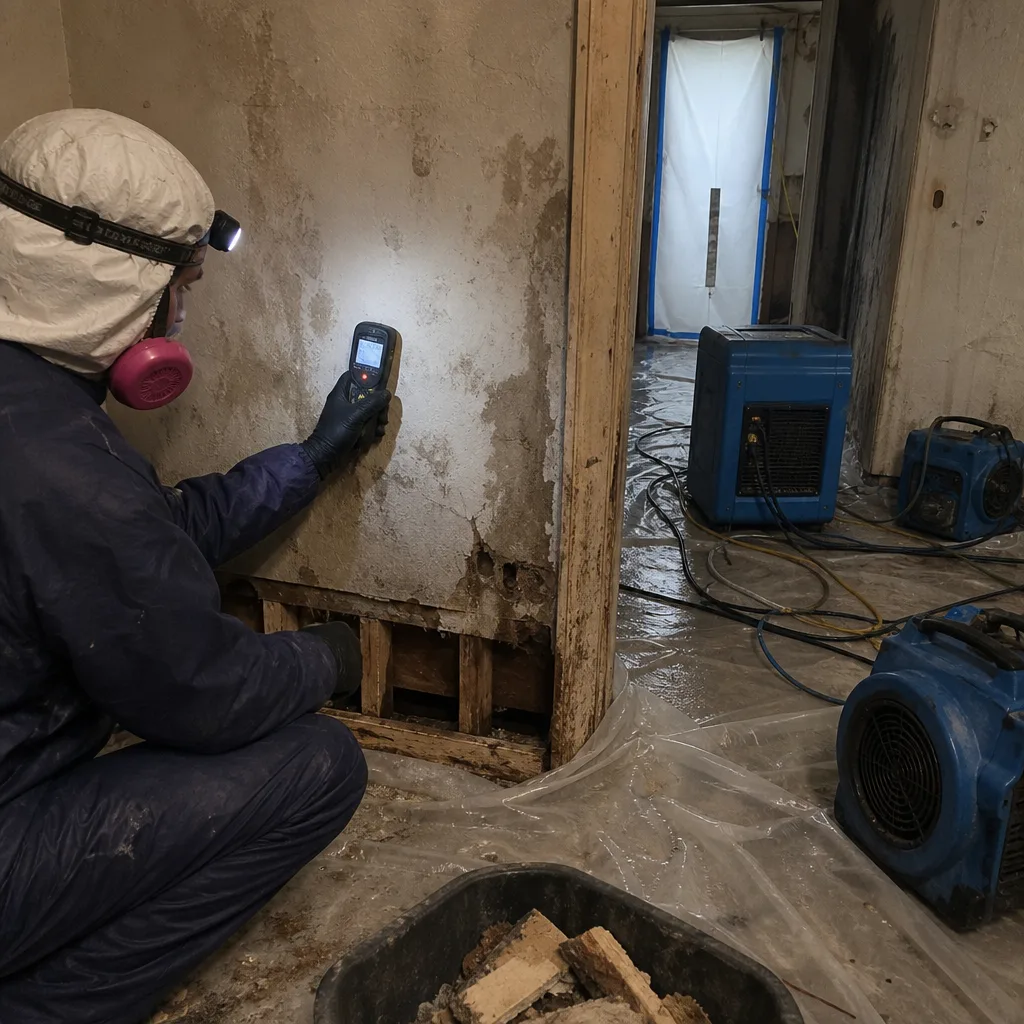 Before
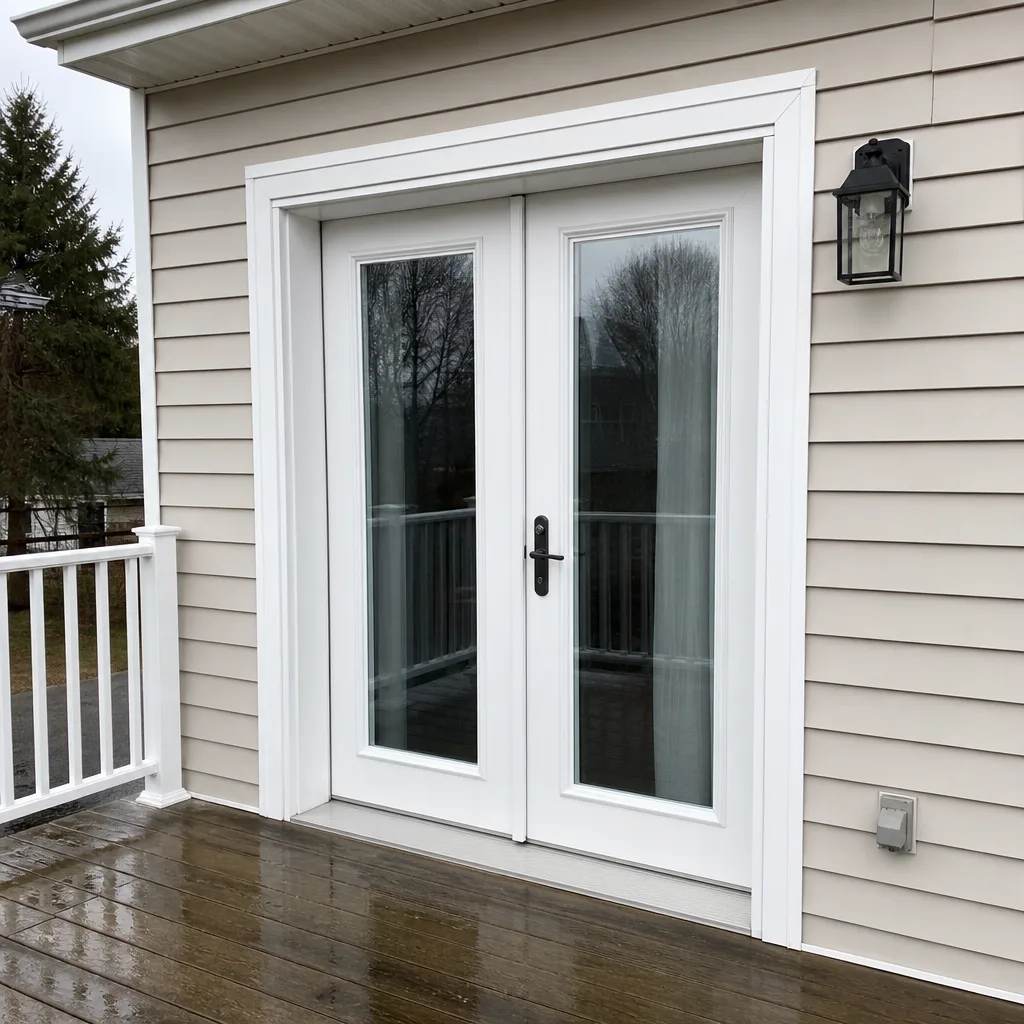 After
After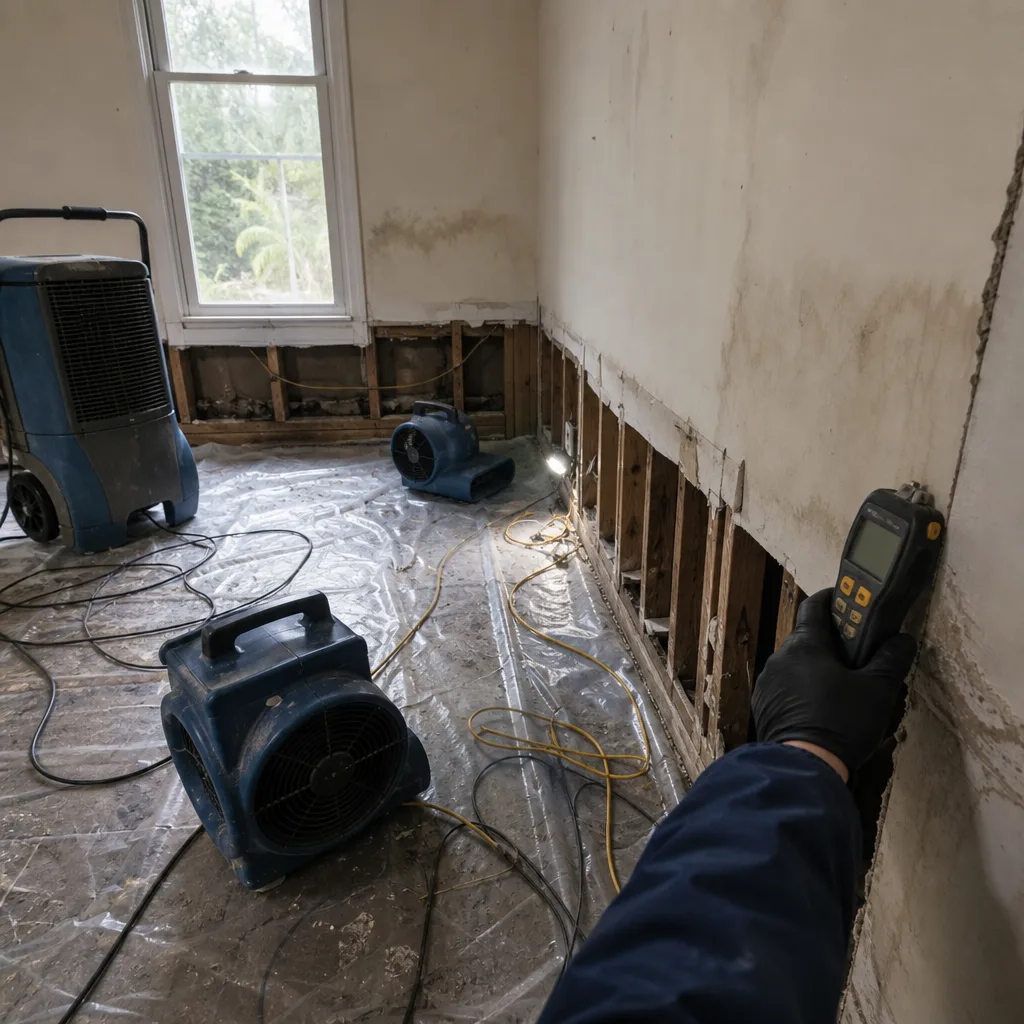 Before
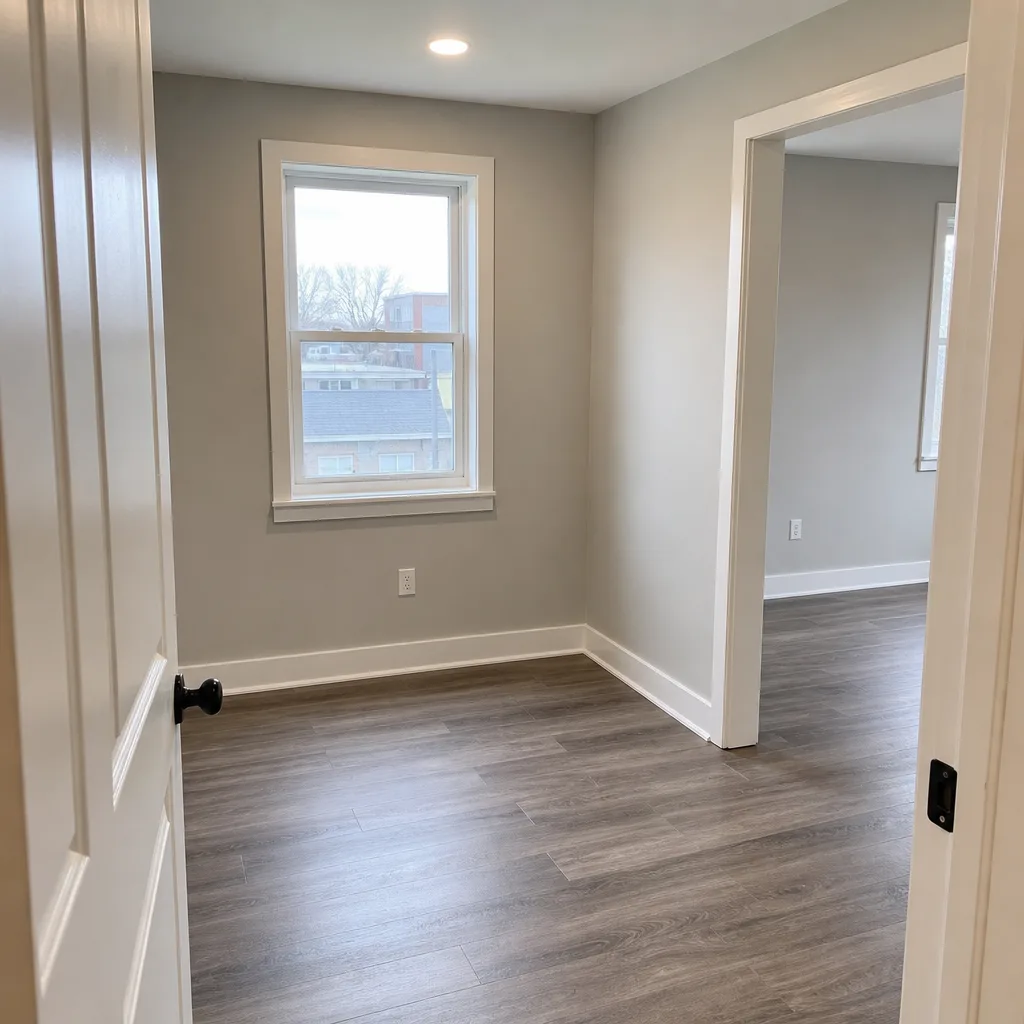 After
After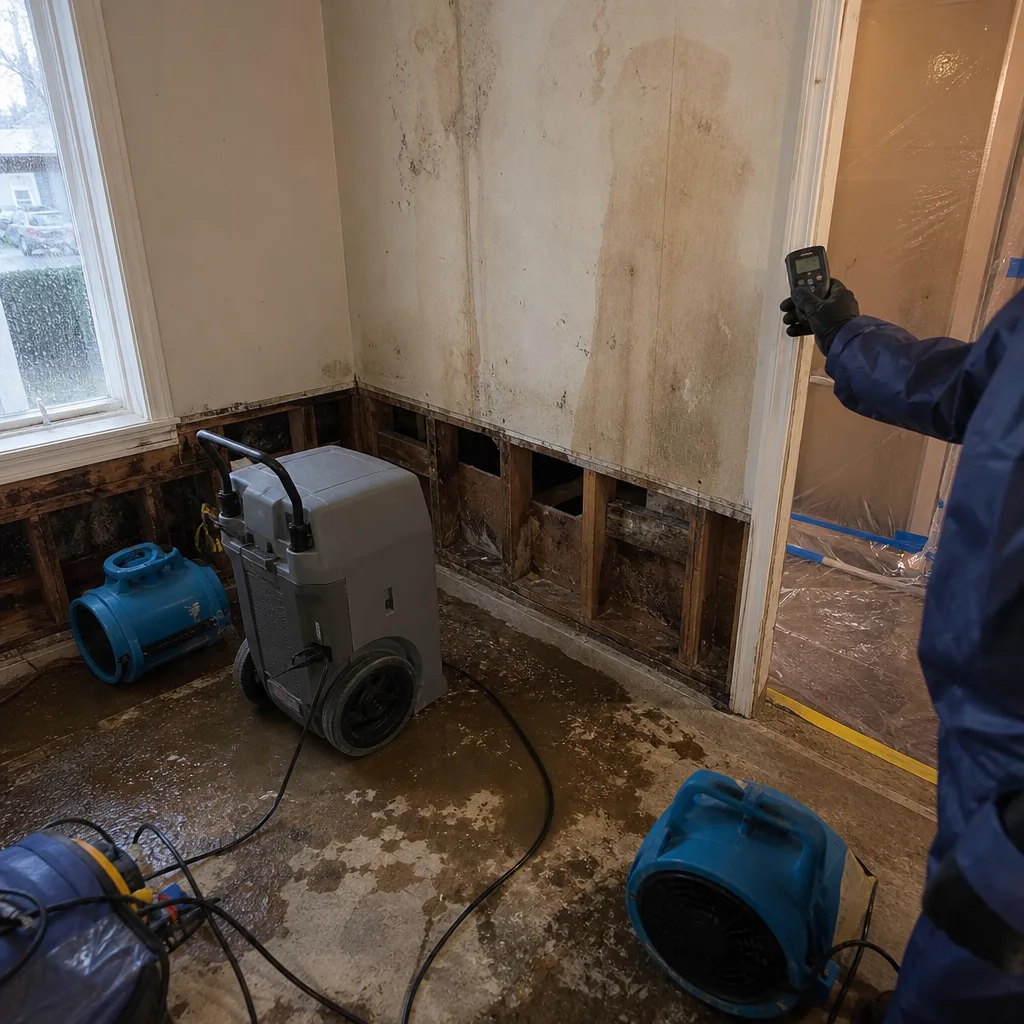 Before
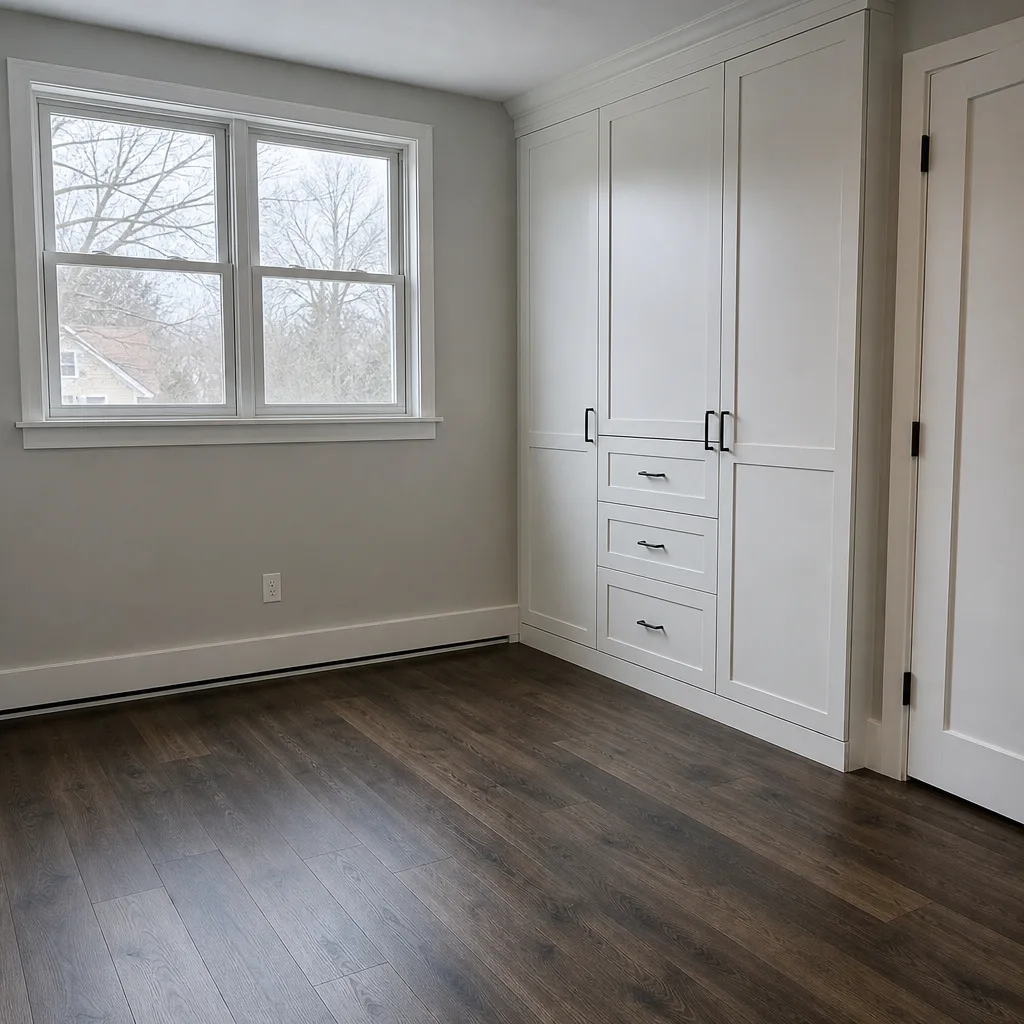 After
After24/7 Emergency Storm & Disaster Restoration in Mount Vernon
Storm damage in Mount Vernon doesn’t wait for business hours, and neither do we. When a nor’easter tears off flashing, a summer downpour pushes Category 3 water into a garden-level apartment, or wind hurls a branch through a third-floor window on Gramatan Avenue, you need a crew that answers the phone at 2 a.m. and gets extraction running the same visit. Call (845) 456-6568 and a live dispatcher picks up: no recording, no callback queue. We serve every Mount Vernon neighborhood with certified crews and professional-grade drying equipment, and the first visual inspection is free. The first hour after a storm event is when water is still moving through plaster, between floor joists, and into shared walls. That hour decides whether you’re looking at drying or demolition. Our Storm & Disaster Restoration team knows what that hour means in a 1920s brick row house, and we get to work before the second hour starts.
Key Takeaways for Mount Vernon Property Owners
- In attached pre-1940 row houses, storm water migrates through party walls into neighboring units within hours. Containment and fast extraction are not optional.
- Mount Vernon’s combined sewer system turns many storm backups into Category 3 sewage events. That changes PPE, disposal, and insurance documentation requirements immediately.
- Pre-1978 surfaces mean lead and asbestos abatement are near-constant factors in Westchester County restoration work. You need a contractor who scopes for that before demolition starts.
- We answer live 24/7, document everything for your carrier, and back every job with the 90-Day Done Right Promise in writing.
Understanding Storm & Disaster Restoration Severity in Mount Vernon Properties
Not all storm water is the same, and in Mount Vernon’s attached brick housing stock, the difference between categories determines everything about cost, timeline, and safety. Water damage fits three IICRC classifications. Category 1 is clean water: a roof leak, a broken supply line, rain through a tarped opening before it picks up contaminants. Category 2 carries significant contamination: storm runoff that has washed across debris, or water that has sat long enough to grow bacteria. Category 3 is grossly contaminated: sewage, river backup from the Bronx River corridor, or any water that contains human or animal waste. In south and central Mount Vernon, a heavy rain can fill a basement with Category 3 water in under an hour because the combined sewer mains back up into low-lying properties. That’s not a guess; that’s the pattern our crews see after every major downpour along the oldest sewer lines. The distinction matters because Category 3 work requires full PPE, hard containment, controlled disposal, and Westchester County DOH documentation. Misreading a Category 3 as a clean-water loss is the single most expensive mistake a homeowner can make in this city, and it happens more than it should.
Why Mount Vernon Property Owners Choose Floodline Restoration Co.
- 45-minute response commitment for emergency storm calls across Mount Vernon. Our crews have run these routes for years, and we know how to get to Fleetwood, South Side, and North Side fast.
- A live person answers 24/7. You call at 2 a.m., a dispatcher picks up. Not a recording. Not a service that routes you to a call center three states away.
- IICRC-certified technicians trained to WRT (Water Restoration Technician), FSRT (Fire & Smoke Restoration Technician), and AMRT (Applied Microbial Remediation Technician) standards. Background-checked, uniformed, and accountable.
- Free visual inspection with a written scope before work starts. You know what we’re doing, what it costs, and what your insurer needs to see.
- Direct insurance billing. We talk to your adjuster, submit the documentation, and bill the carrier directly. You’re not the messenger.
- One team from extraction to reconstruction. No mid-job handoff. The same crew that sets up the drying chamber hangs the drywall at the end. Our Storm & Disaster Restoration team handles every phase.
Our Storm & Disaster Restoration Process
Inspection & Assessment
We arrive, walk the property, and map the damage. In a Mount Vernon row house, that means checking the party walls, the stair hall, the basement floor slope, and the neighbor’s side if the water has migrated. Thermal imaging and moisture meters tell us where water is hiding behind plaster-and-lath, not just where it’s puddled.
Extraction & Stabilization
We remove standing water with truck-mounted and portable extraction units, then stabilize any structural concerns: emergency board-up, tarping, shoring. Category 3 water gets full containment before extraction begins, because the last thing you want is sewage aerosol moving into living space.
Drying & Dehumidification
This is where dense pre-war construction demands patience. Plaster-and-lath walls hold water longer than drywall. We set Dri-Eaz dehumidifiers, XPOWER and B-Air air movers, and Injectidry systems where warranted, then take daily moisture readings until every surface hits the dry standard. The log goes to you and your carrier.
Cleaning & Sanitization
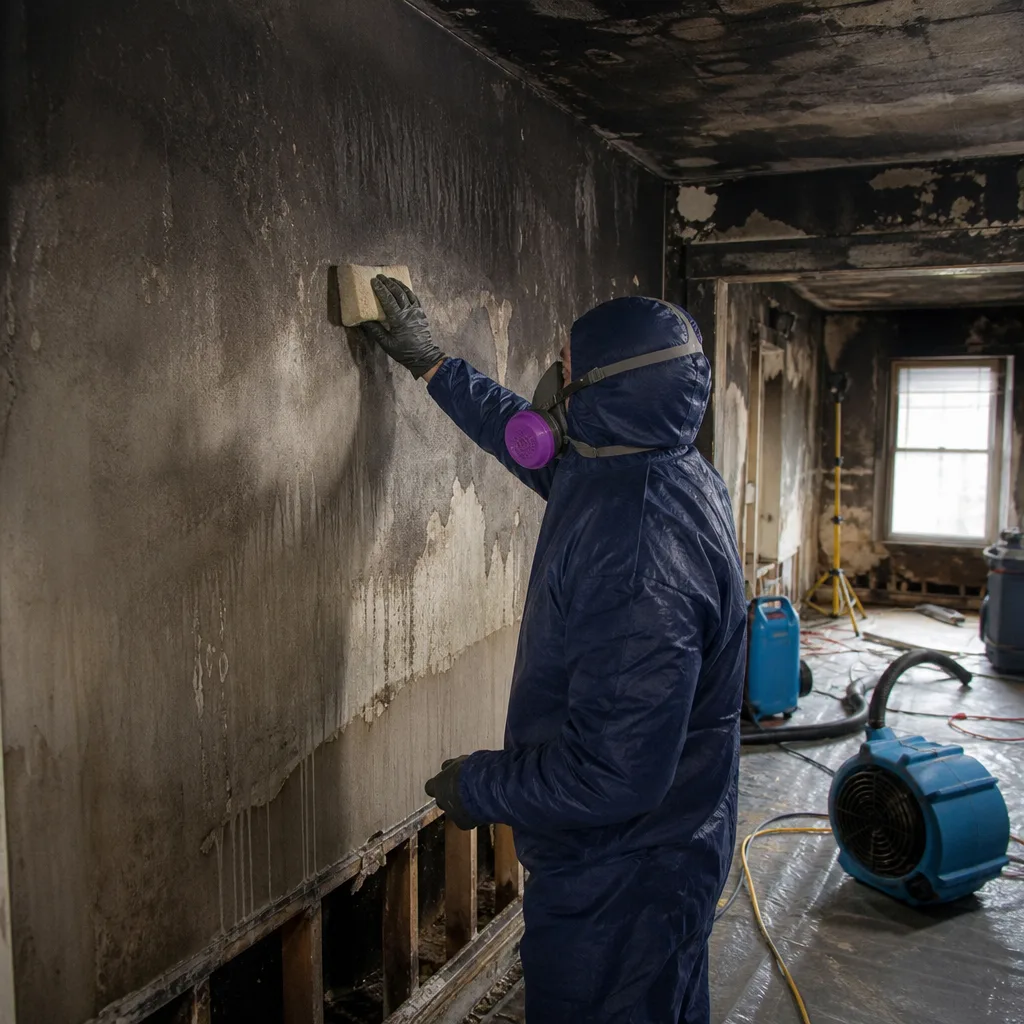
HEPA air scrubbing, antimicrobial treatment on affected surfaces, and controlled disposal of contaminated materials. In pre-1978 buildings, we follow Westchester County lead and asbestos protocols before disturbing painted surfaces or original insulation.
Specialty Treatment for Storm Damage
Mold prevention treatment on at-risk surfaces, odor neutralization for Category 3 events, and clearance testing where microbial growth was present. We don’t just dry it out; we document that the air and surfaces meet clearance standards.
Repairs & Restoration
The same crew that handled extraction rebuilds what needs rebuilding. Drywall, flooring, paint, trim, structural repair. The 90-Day Done Right Promise means if it’s not right, we come back and make it right. In writing. No arguing.
Need Emergency Storm & Disaster Restoration in Mount Vernon Now?
Crews minutes away, answering live 24 hours a day. The sooner we start, the less it costs.
Working With Your Insurance Company
Most Mount Vernon storm claims involve the carrier from day one, and we’ve learned that documentation wins claims. The same hour we start extraction, we’re photographing every affected surface, logging moisture readings, and building the paper trail your adjuster needs. Westchester County DOH documentation is mandatory for Category 3 sewage losses, and we handle that filing. Our estimates follow industry-standard formats that adjusters recognize. We coordinate directly with your carrier, so you’re not spending your week playing phone tag between a claims department and a contractor. When the scope is written, you get a copy. When the drying log is complete, your carrier gets a copy. When the rebuild is done, the job file tells the whole story. That’s how we keep claims moving, and that’s how we’ve done it for over 42 years of combined service in the communities around New York.
What We Provide Your Insurer
- Thorough documentation of the loss
- Photos of all damage, room by room
- Moisture readings and drying logs
- A detailed, line-item scope of work
- Direct coordination with your carrier
Built for Mount Vernon’s Loss Calendar
Mount Vernon’s storm damage doesn’t spread evenly across the year. January and February bring deep freezes that burst galvanized supply lines in pre-war buildings, sending water through plaster walls before anyone notices. March and April deliver the spring thaw, when basement seepage rises along the Bronx River and Hutchinson River corridors and sump pumps run for weeks straight. From May through August, convective thunderstorms dump two inches of rain in an hour on streets already saturated by aging combined sewers, and garden-level apartments flood with Category 3 water. September through November is nor’easter season: wind-driven rain that blasts through old roof flashing, peels tar paper off flat roofs, and sends branches through dormer windows in the older frame sections near the Bronx border. Every one of these seasons demands a different response, and our crews carry the right equipment for all of them. You don’t have to know the month’s failure mode before you call. That’s our job.
Storm & Disaster Restoration Across Mount Vernon’s Neighborhoods
We work everywhere in Mount Vernon, and each neighborhood has its own restoration personality. Fleetwood, with its mix of large pre-war homes and co-op buildings, sees a lot of roof and gutter failures during nor’easters: old slate, aging copper flashing, and mature trees close to rooflines. South Side’s dense brick row houses and multi-family buildings are ground zero for combined sewer backups, because that’s where the oldest mains still run. North Side, up near the Bronxville line, has slightly newer single-family stock, but the 1920s and 1930s homes still carry original cast iron stacks and plaster walls that slow drying considerably. Along South 4th Avenue and the commercial corridors off Gramatan Avenue, mixed-use buildings mean a single storm event can put both a storefront and the apartments above it in play, often with two different insurance carriers involved. We hold the routes, the building types, and the loss patterns in our heads, because a true local crew doesn’t need GPS to tell you which blocks flood first.
Specialized Storm & Disaster Restoration Services We Offer in Mount Vernon
Flood Damage Restoration
When the Bronx River rises or the combined sewer backs up, Mount Vernon basements and garden apartments take the hit. We extract, contain, dry, and rebuild. Category 3 events get full Westchester County DOH-compliant handling, from PPE to regulated disposal. The moisture log we hand you is the same one your carrier sees. No guesswork, no shortcuts.
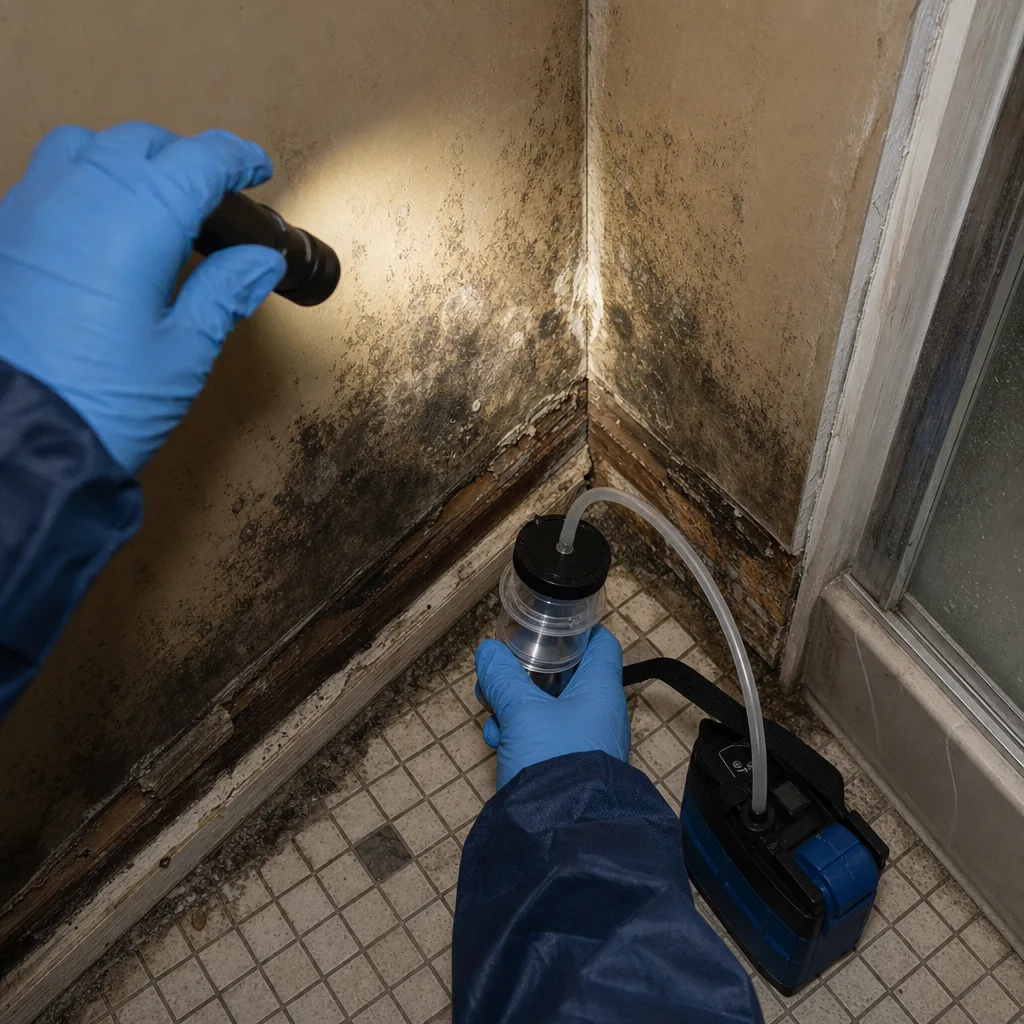
Emergency Board-Up
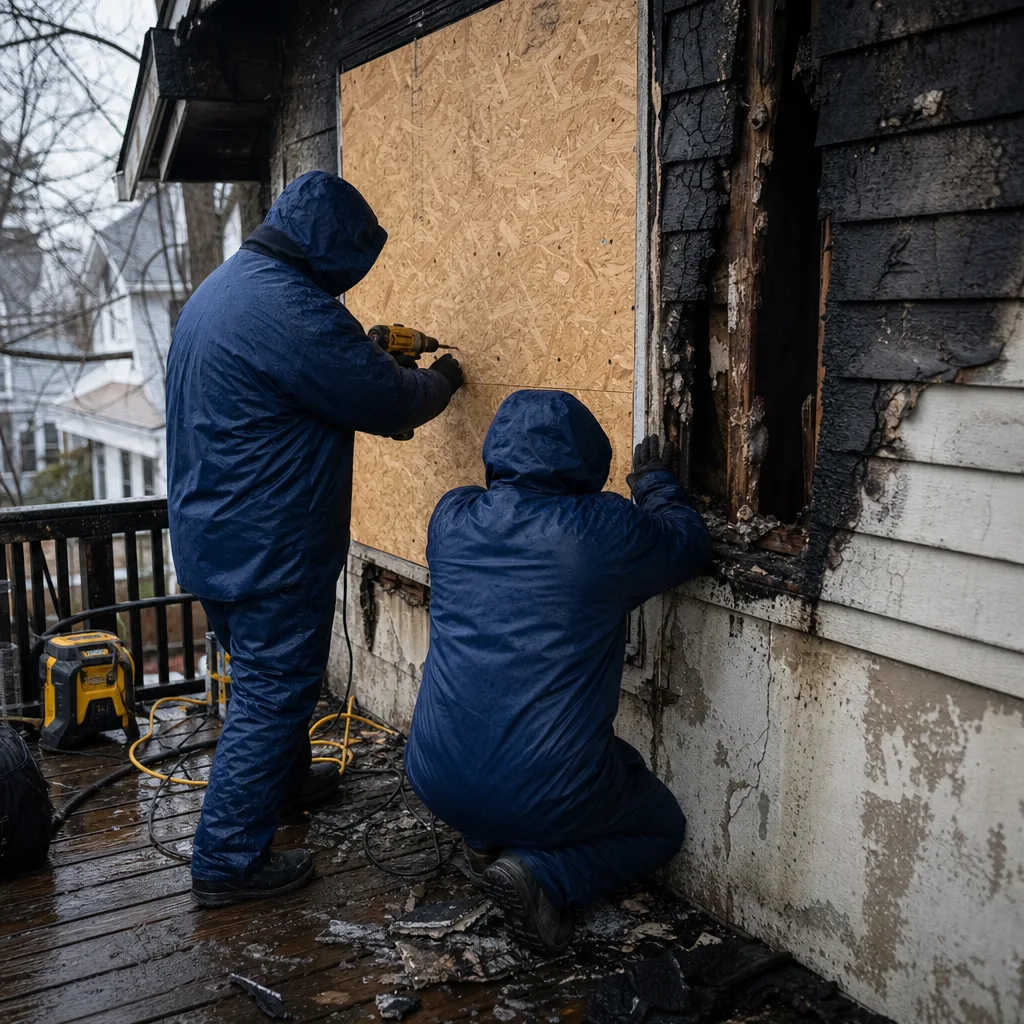
After a storm blows out a window or a branch punctures an exterior wall, your property is open to weather, animals, and trespassers until it’s secured. We board up with plywood cut to fit Mount Vernon’s older window openings, which are rarely standard size in pre-war buildings. Same-visit service. Your building is secure before we leave, and the board-up is documented for your claim.
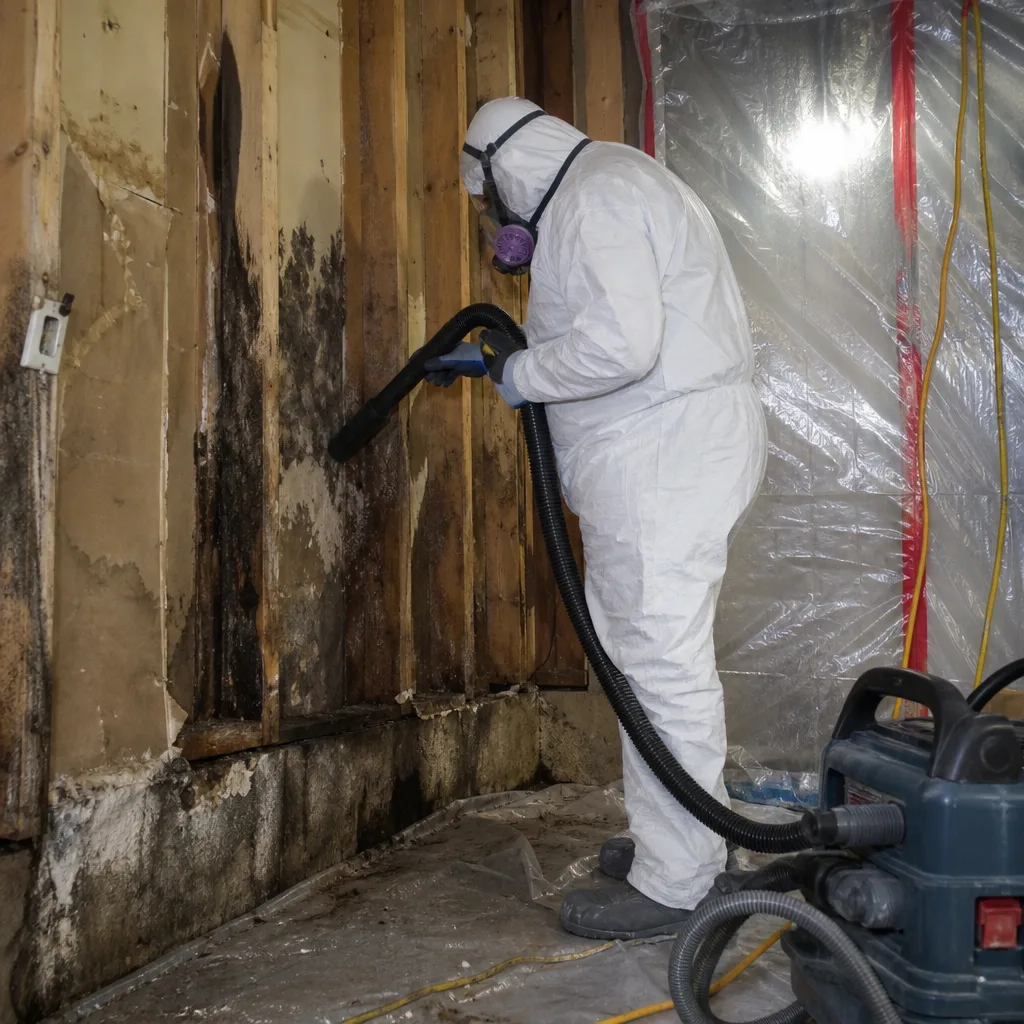
Debris Removal
Fallen branches, roof shingles, saturated insulation, and construction debris all need to come out before restoration can proceed. We haul it, we document it, and we dispose of it in compliance with Westchester County regulations. In attached row houses, debris sometimes belongs to more than one unit; we track it carefully so the claim doesn’t get muddled.
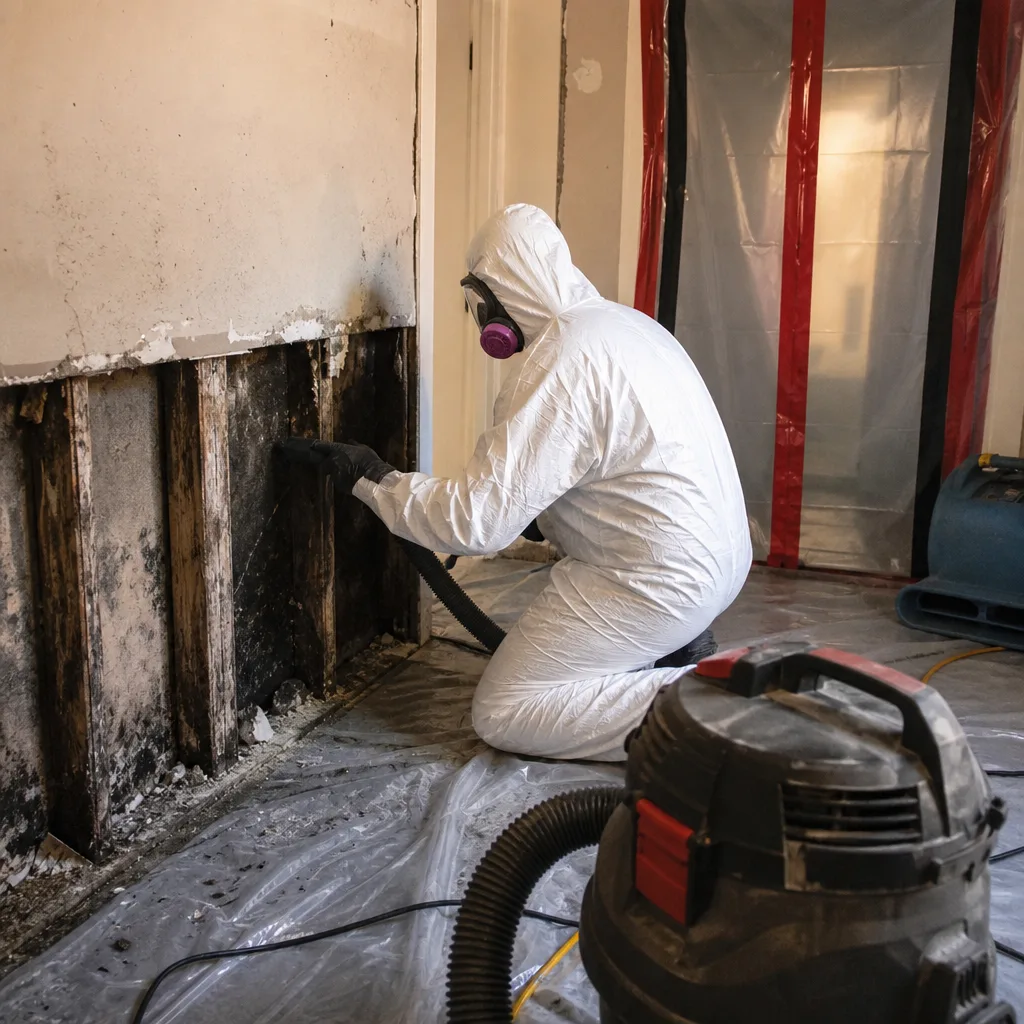
Storm Damage Cleanup
Wind-driven rain through a failed roof, a broken skylight, or a gap in aging flashing leaves a trail: soaked ceilings, warped floors, and the first sour smell of mold setting in. We clean, dry, treat, and repair. In a Mount Vernon plaster-and-lath home, moisture hides behind dense material, so we probe and map rather than just drying the visible surface.
Roof Tarping
A tarp is not a repair, but it stops the bleeding. We tarp damaged roof sections quickly, with fasteners and sealing methods that hold through the next storm. In Mount Vernon’s older flat-roof buildings, a tarp protects the top-floor ceiling from becoming the next Category 2 loss while you work through the claim and the rebuild scope.
What happens when you call
- 1
A real person answersNo phone trees - you reach a local pro.
- 2
You get an upfront price rangeHonest numbers before anyone is dispatched.
- 3
A background-checked tech heads outLicensed & insured, dispatched right away.
- 4
You approve before work beginsNothing starts until you say go.
Storm & Disaster Restoration Costs in Mount Vernon, NY
Storm restoration pricing in Mount Vernon reflects the city’s dense housing and its compliance environment. A simple storm cleanup with extraction and drying in a single-family home typically runs $2,800 to $5,500. Flood damage restoration in a garden-level apartment, where Category 3 water and containment are involved, usually lands between $5,000 and $12,000, depending on square footage and how much plaster-and-lath wall must be opened. Emergency board-up runs $350 to $900 per opening. Roof tarping in Mount Vernon generally costs $450 to $1,100 for a typical rowhouse roof section. Debris removal averages $300 to $1,500, depending on volume and whether regulated materials are present. What moves the price most is Category classification, square footage of affected area, and lead/asbestos abatement when demolition hits pre-1978 surfaces. The free inspection gives you a written scope and a firm number before any work begins. Call (845) 456-6568 for an exact quote; estimates are free.
One thing we tell every Mount Vernon homeowner: don’t let a Category 3 settlement turn into a Category 3 surprise. We responded to a nor’easter flash-flood backup on South 4th Avenue, where a sewage backup filled a garden-level apartment in a 1920s brick row house. Our crew set containment over the stair hall door, ran a Dri-Eaz HEPA 500 and two XPOWER X-3400 air movers, and used moisture mapping to track migration into the neighboring unit’s plaster-and-lath wall. Because the block sits on one of the city’s oldest combined sewer mains, the insurance carrier required Westchester County DOH documentation before structural drying could begin, and our drying logs kept the multi-owner claim moving without delay. That’s the difference between a contractor who knows Mount Vernon’s buildings and one who’s seeing them for the first time.
We Also Serve Cities Near Mount Vernon
Floodline Restoration Co. runs crews into the neighboring communities of Pelham, Bronxville, New Rochelle, and Yonkers. If your property sits just over the Mount Vernon line, call us and we’ll have a crew routed from the nearest dispatch point. Same live answer, same 90-Day Done Right Promise, same certified technicians.
Mount Vernon Storm & Disaster Restoration Questions, Answered
What does Mount Vernon’s combined sewer system mean for my storm backup claim?
Mount Vernon’s combined sewer lines carry both storm runoff and sanitary sewage, so a heavy rain can force raw sewage into low-lying basements and ground-floor units. That makes the water Category 3, which triggers Westchester County DOH documentation, regulated disposal, and specific containment PPE protocols. Your carrier will typically require that DOH paper trail before authorizing full structural drying. We handle that filing as part of the claim package, so the adjustment doesn’t stall.
How quickly can mold start in a Mount Vernon row house after a storm leak?
In a pre-war plaster-and-lath wall, mold can begin within 24 to 48 hours, especially in warm weather. Dense plaster holds water longer than drywall, and the space behind lath is exactly the kind of warm, dark, humid environment mold thrives in. That’s why we don’t pull drying equipment early on attached older homes; we take daily moisture readings until every target hits the dry standard. Call (845) 456-6568 and get extraction running the same visit.
Do I need to worry about lead or asbestos during storm restoration in my pre-1940 Mount Vernon building?
Almost certainly yes, if the work involves demolition. Any restoration that disturbs pre-1978 painted surfaces or original insulation in Mount Vernon’s older housing stock falls under Westchester County’s lead and asbestos abatement requirements. That’s not a problem if you know it upfront; it becomes an expensive problem if the crew starts demo and the project gets shut down. We scope for lead and asbestos before any demolition begins, and the estimate reflects it from day one. No surprise line items mid-project.
What is Category 3 water, and how do I know if my Mount Vernon flood is that serious?
Category 3 water is grossly contaminated: it contains sewage, river backup, or any water that has picked up human or animal waste. If your Mount Vernon basement flooded during a heavy rain and the water came up through a floor drain, or if it smells foul and looks dark, you’re almost certainly dealing with Category 3. The telltale sign is whether the water rose from below (sewer backup) rather than fell from above (roof leak). If you’re not sure, don’t touch it and don’t run fans. Call us and we’ll classify it on site with proper PPE and testing. Treating Category 3 as Category 1 is the single most common and most costly mistake we see.
How do shared walls affect drying time in a Mount Vernon attached row house?
Shared party walls are the wild card in row house drying. A leak in 142 South 4th Avenue is rarely confined to 142; water travels along joists, through unsealed penetrations, and into the neighbor’s plaster. That means we’re often drying two units at once, with two owners and sometimes two carriers involved. Dense plaster-and-lath party walls lengthen drying times compared to a modern framed wall, typically adding 3 to 7 days to the drying phase. We moisture-map both sides of the wall and document everything, because the neighbor’s claim is tied to yours whether you like it or not.
How fast can someone actually get to my Mount Vernon property?
For emergency storm calls in Mount Vernon, we commit to a 45-minute response time, and we meet it. A live dispatcher answers your call 24/7, and crews are staged around Westchester so the closest unit rolls. In a nor’easter or flood event, call volume spikes and response times can stretch, but we’re honest about it when you call. You’ll know whether the truck is 20 minutes out or 90. The visual inspection is free, and extraction starts the same visit. Call (845) 456-6568.
Can we stay in our Mount Vernon home during storm restoration?
It depends on the extent and category of the damage. For contained Category 1 water damage dried with proper equipment, most homeowners stay. For Category 3 sewage events, we typically recommend vacating the affected area until containment, removal, and sanitization are complete. If air scrubbers are running and containment is up, the living space outside the work zone is often fine, but we’ll walk you through exactly what’s safe in your specific property. The health call is not a sales call; it’s a safety call.
What should I do in the first 30 minutes after a storm hits my Mount Vernon property?
First, stay out of standing water if you suspect it came from a sewer backup; it’s Category 3 until proven otherwise. Second, if safe, shut off power to affected areas at the panel. Third, photograph everything before anything is moved; these photos are evidence for your claim. Fourth, call (845) 456-6568. Don’t run household fans, don’t start pulling up carpet yourself, and don’t spend the first two hours calling your insurance company while water keeps moving through your structure. We’ll meet the crew on site, document the condition, and coordinate with your carrier. The first 30 minutes decide how much of your home you keep.
Serving Mount Vernon, NY - Our Local Coverage Area
We’re based in the Mount Vernon area and know this community well. Use the map below to see our service coverage - if you’re nearby, we can almost certainly help.
Ready to Start? Call Floodline Restoration Co. in Mount Vernon
Storm damage is not a negotiation. It’s a race against water movement, mold growth, and structural compromise. Call (845) 456-6568 and get a live person on the phone, a certified crew on the way, and a written scope before work starts. We serve every Mount Vernon neighborhood with one team from extraction to rebuild, with direct insurance billing, and with the 90-Day Done Right Promise in writing. We’ll be there when we say. Done right, and backed in writing.
Written by Curt Bowman, Owner at Floodline Restoration Co., serving Mount Vernon and the surrounding communities with honest restoration work since 2010.