

Free visual inspection and a written scope of work before any mitigation begins - photos, moisture readings, and drying logs go in your claim file
The scope we write is the scope we bill. Anything new gets shown to you, in writing, before we touch it.
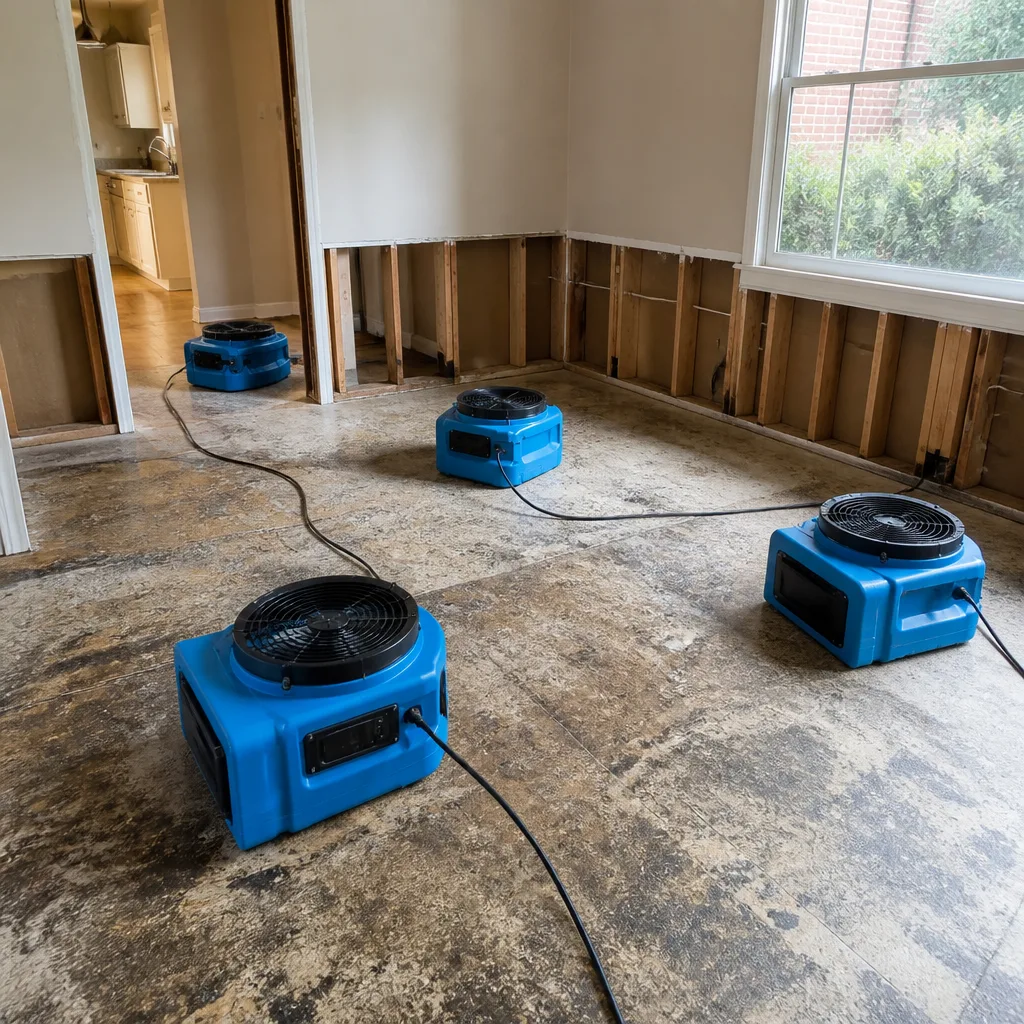
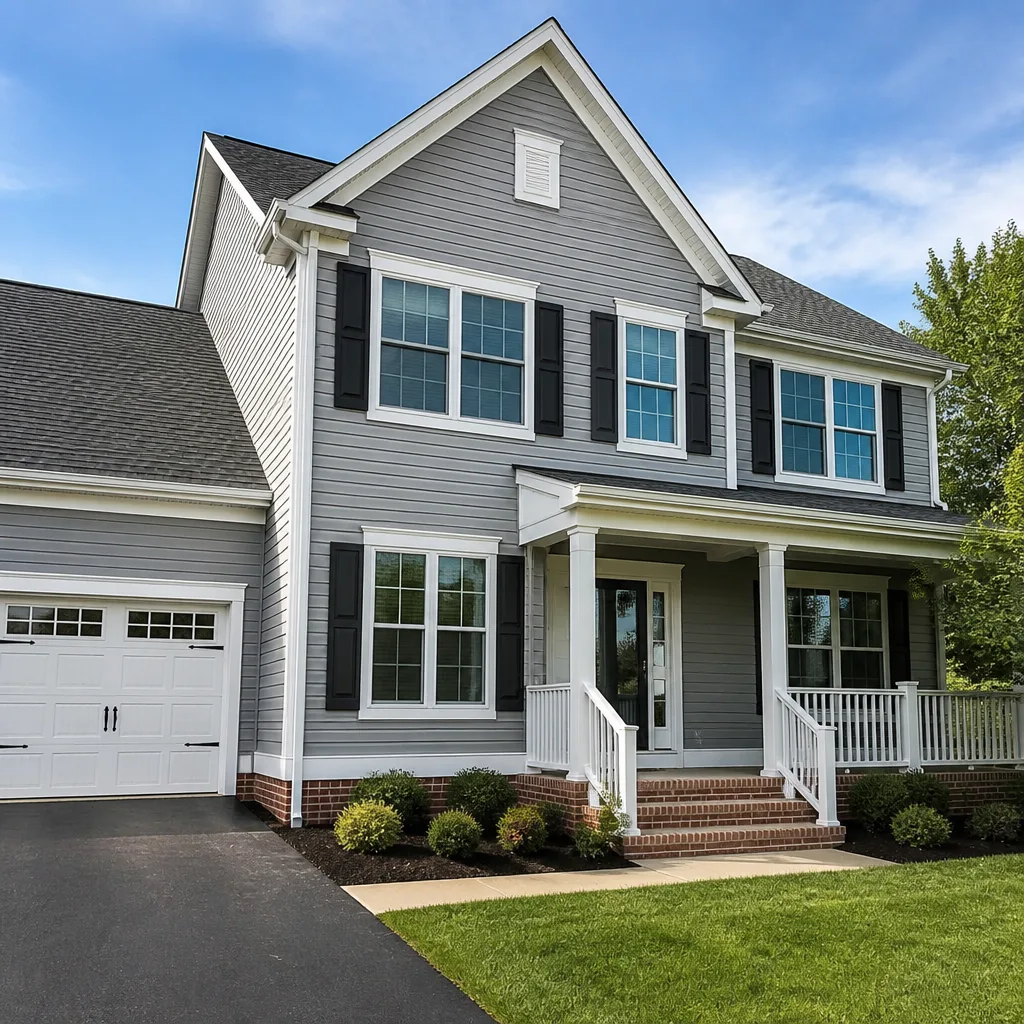
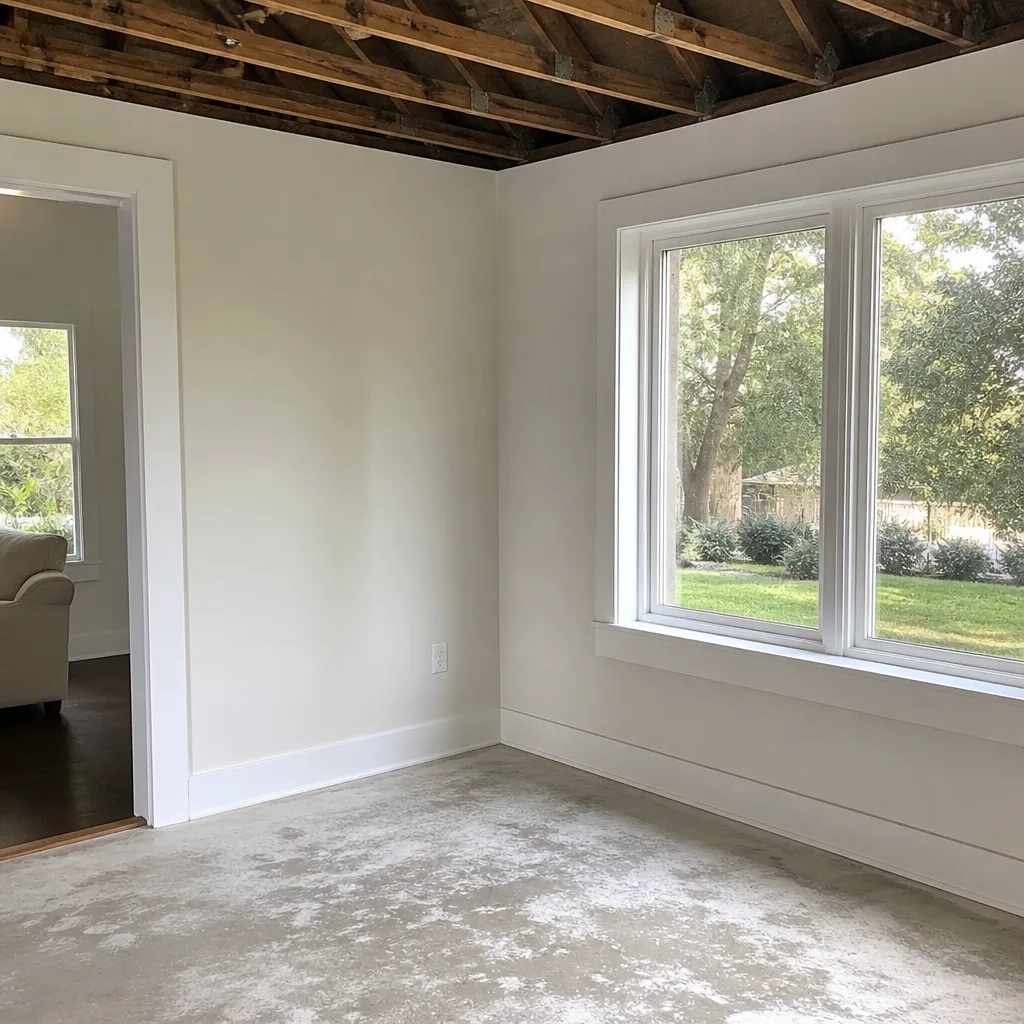
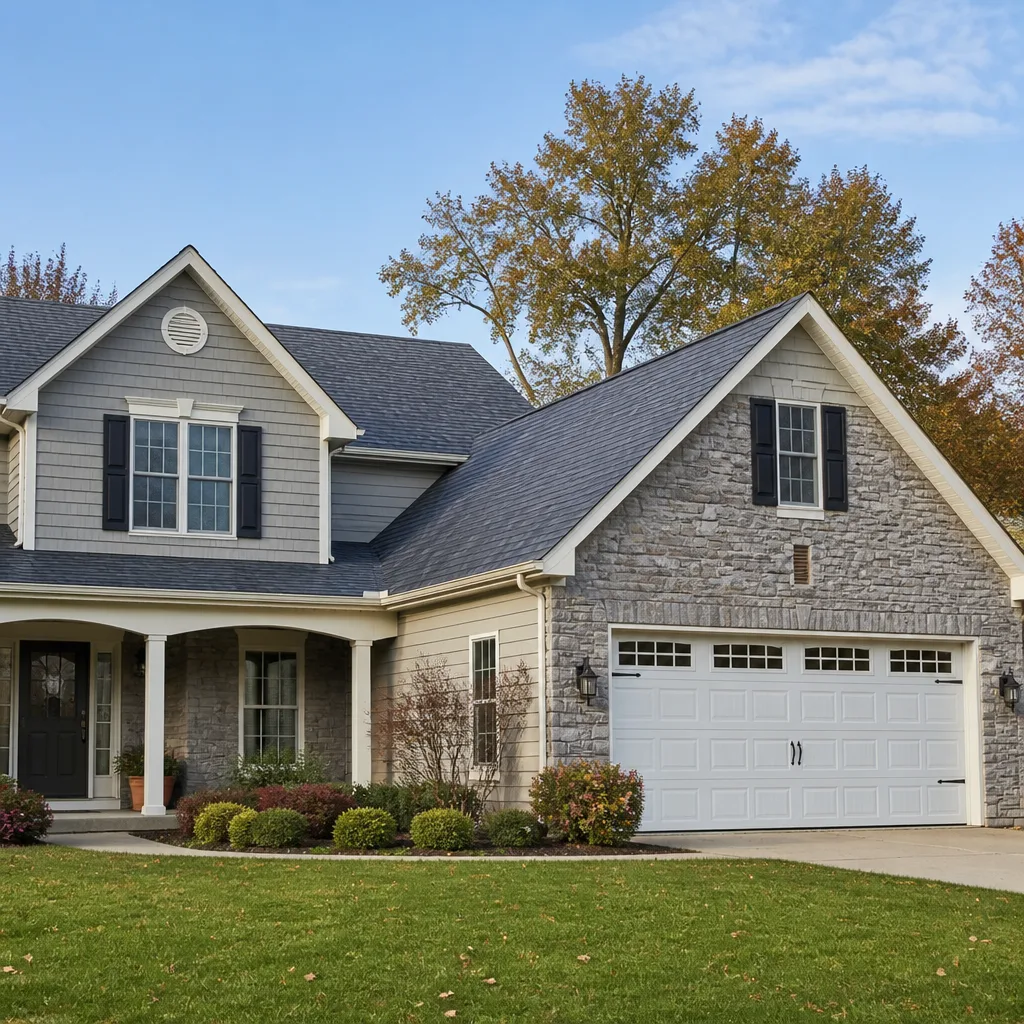
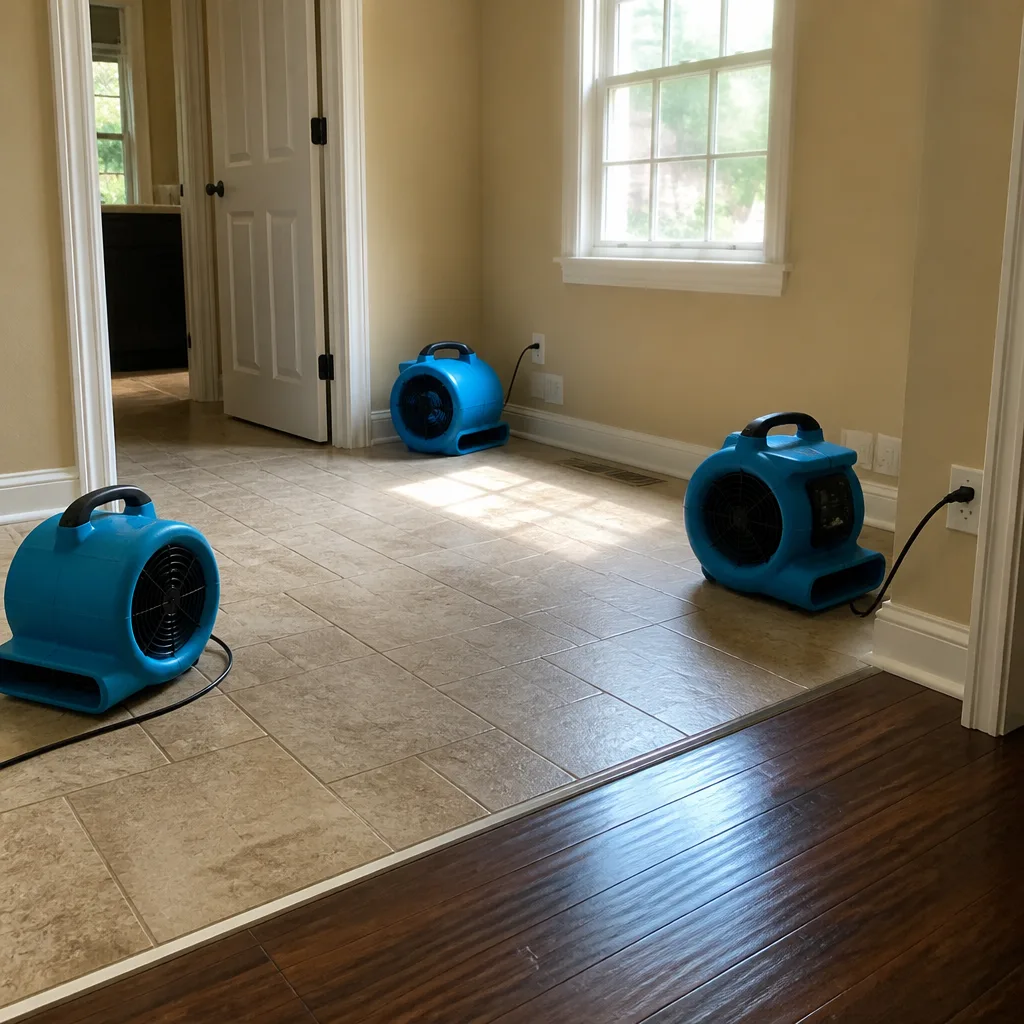

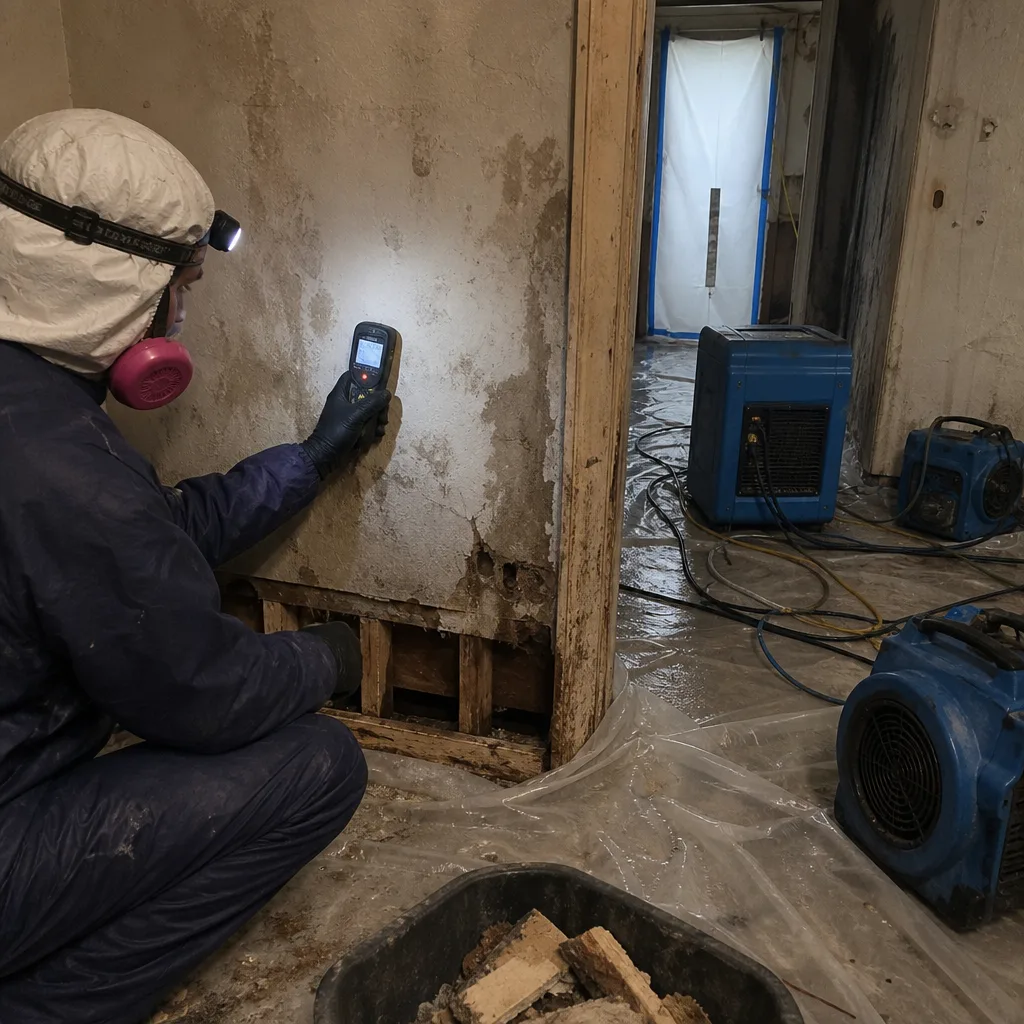 Before
 After
After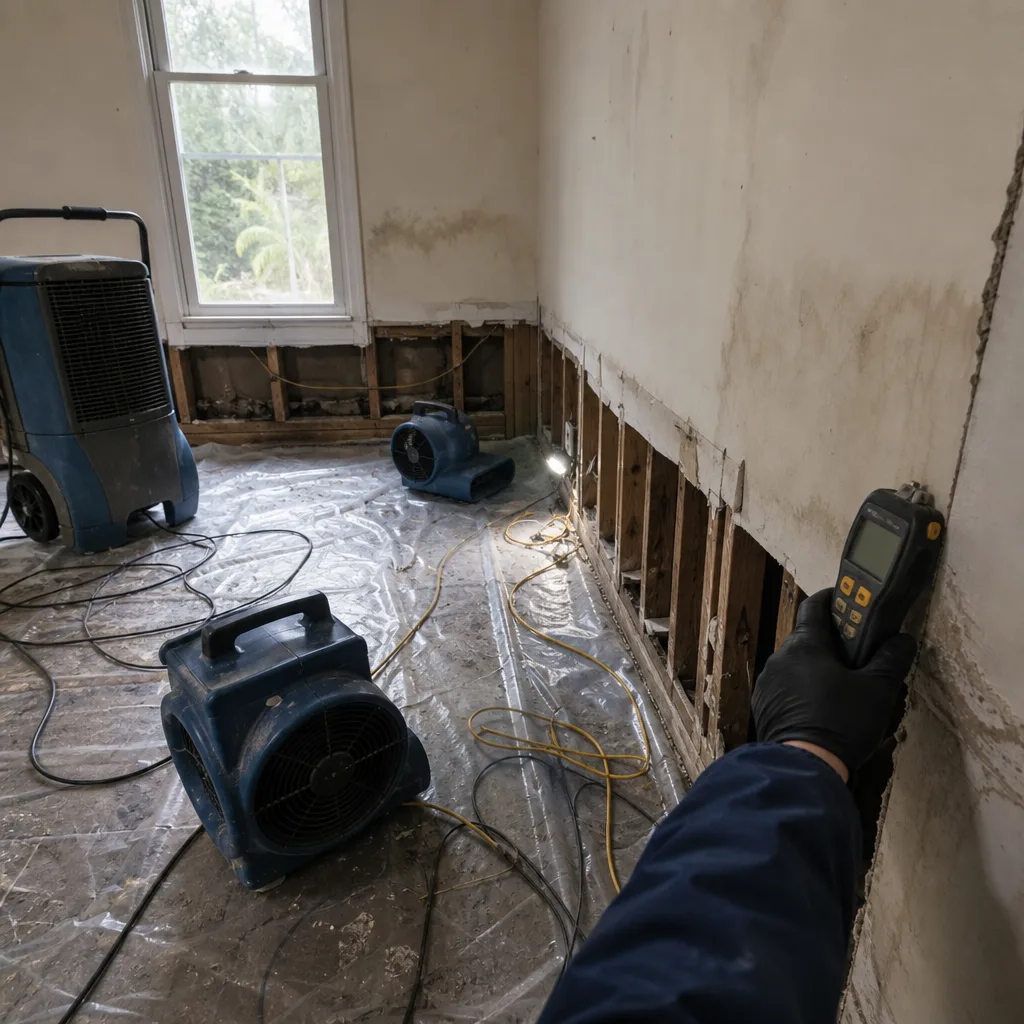 Before
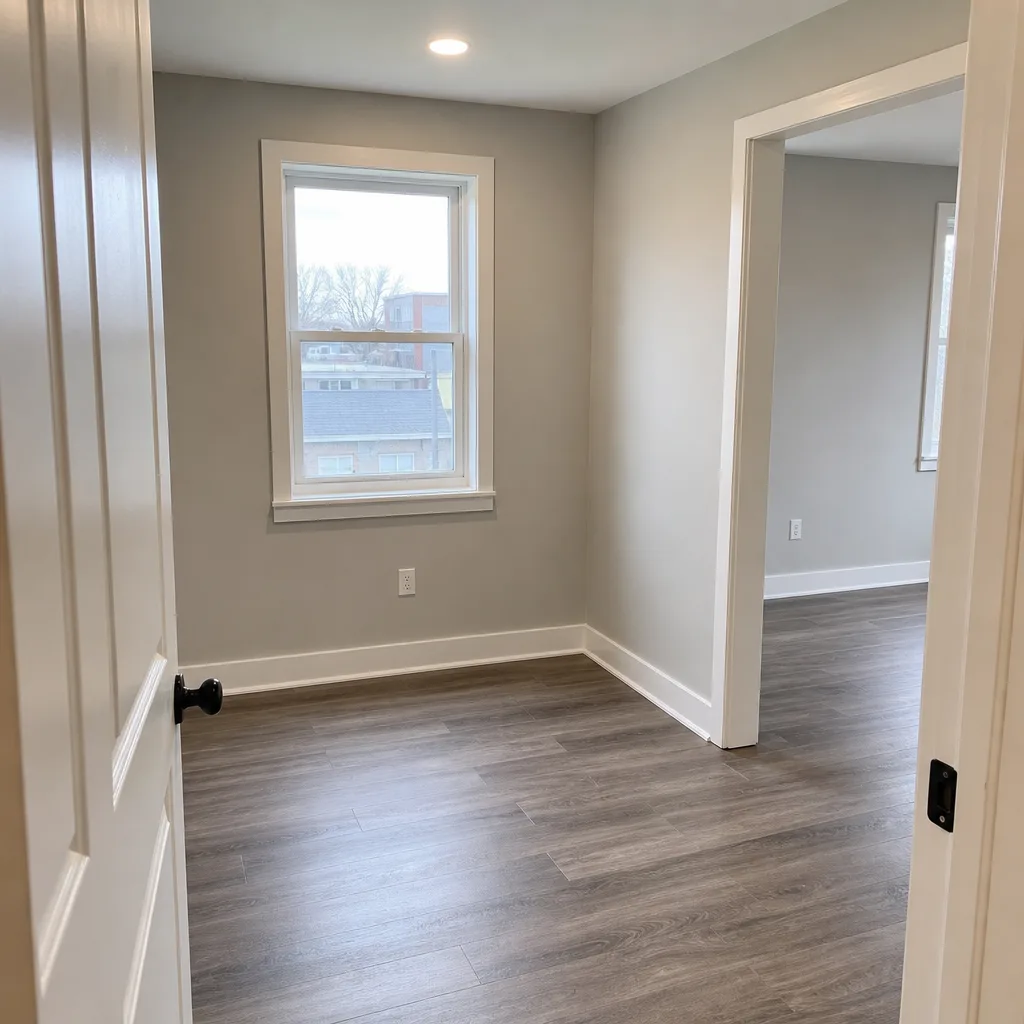 After
After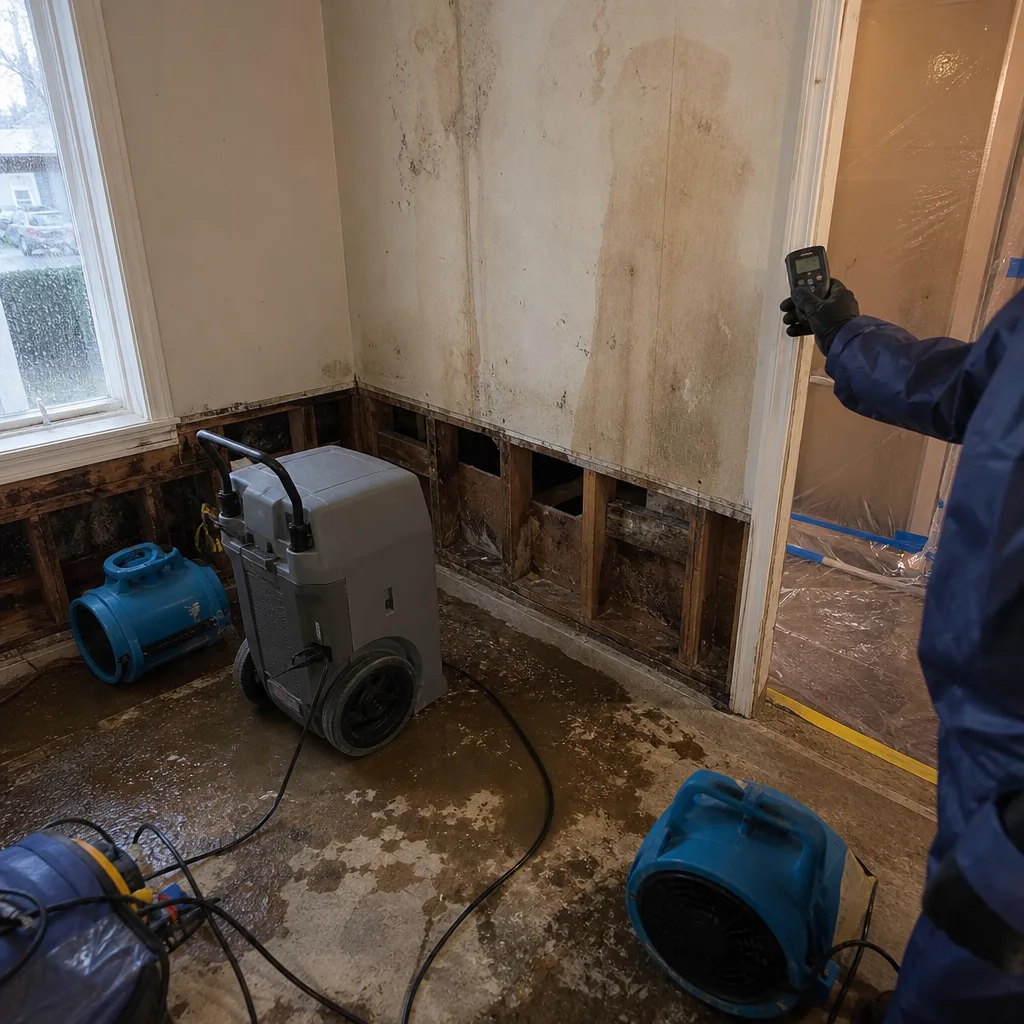 Before
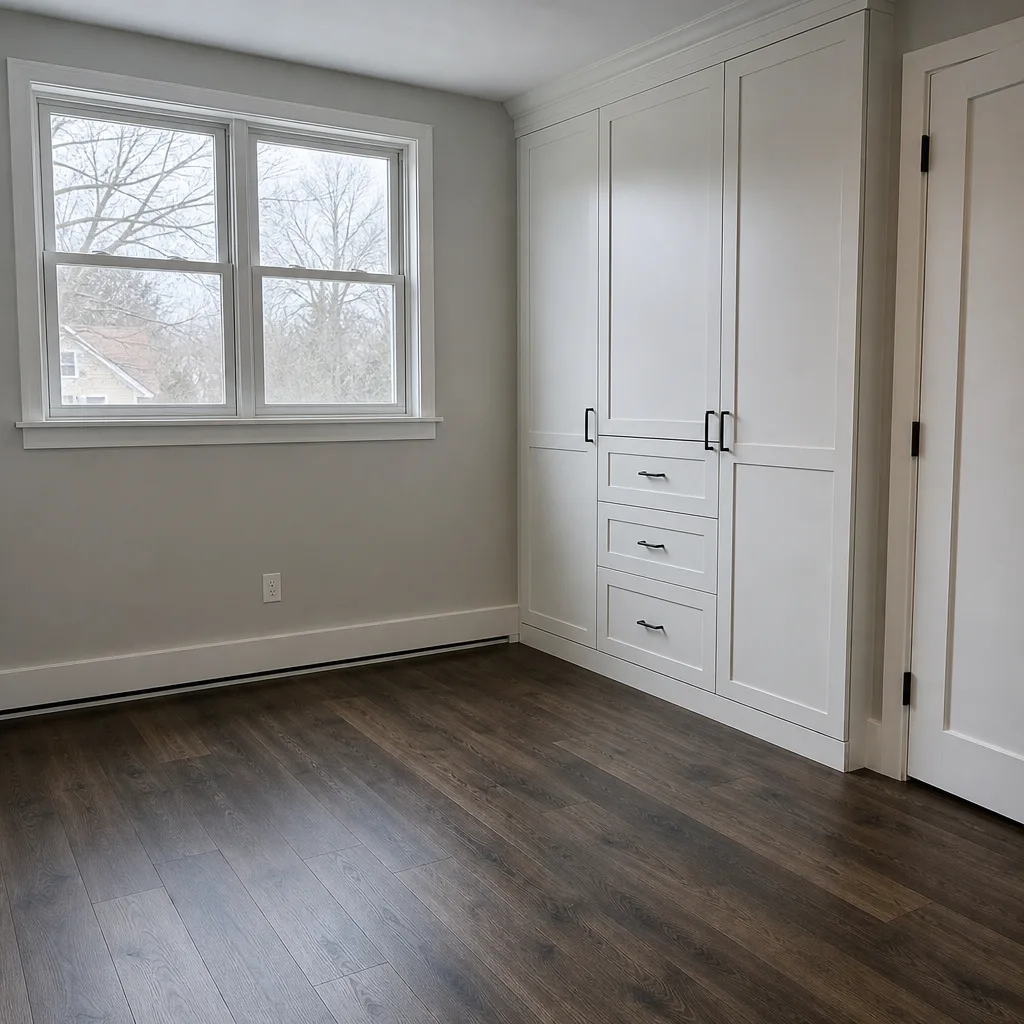 After
After24/7 Emergency Storm & Disaster Restoration in Pelham
Storm damage in Pelham doesn’t wait for business hours, and neither do we. A tree limb through a slate roof on Colonial Avenue at 2 a.m., a flooded basement on Wolfs Lane after a nor’easter, a collapsed garage wall on Boston Post Road. When you call (845) 456-6568, a live dispatcher answers. Not a recording. Not a callback service. We keep crews staged near Pelham so an emergency response team can reach your property fast, run a free visual inspection, and start extraction or board-up the same visit. The first hour matters more than most homeowners realize. Water wicking into 1920s plaster and lath spreads laterally fast, and what looked like a contained ceiling stain becomes full wall-cavity saturation overnight. We start at the floodline, the honest mark the water left, and we stay through the rebuild. Our Storm & Disaster Restoration division handles the whole job with one crew, one moisture log, and the 90-Day Done Right Promise in writing.
Understanding Storm & Disaster Restoration Severity in Pelham Properties
Pelham’s pre-war homes don’t handle water the way newer drywall construction does. Category 1 water from a supply line rupture is clean but still destructive. Category 2 water carries contaminants, typically from appliance overflows or sump failures. Category 3 water, the kind that floods basements near the Hutchinson River during heavy convective storms, carries sewage, bacteria, and silt. Each category drives different equipment decisions, drying timelines, and disposal protocols. In Pelham’s 1910s to 1930s stock, moisture mapping is not optional. Horsehair plaster holds water behind its surface, so a wall that reads dry on the face can still be saturated inside the cavity. We use thermal imaging and penetrating moisture meters to find what the eye can’t. Structural drying with Dri-Eaz dehumidifiers and high-volume air movers runs until the dry standard is met, with daily readings logged and handed to you and your carrier. On older brick and brownstone foundations, we check pointing failures too. The acute storm event is often the trigger, not the whole story. Water that has been channeling behind failed masonry for years turns a surface cleanup into wall-cavity mold remediation and structural drying, a scope reveal that simply doesn’t happen in post-war suburbs. For steep-pitched slate roofs, ice damming in winter is especially destructive, because original gutters and flashings on 80-to-100-year-old homes were never engineered for modern freeze-thaw cycles.
Why Pelham Property Owners Choose Floodline Restoration Co.
- 45-minute response commitment. We’ll be there when we say. Our Pelham-area crews are on the road within the hour, and a live person tracks the dispatch from first call to arrival.
- 24/7 live answer, never an automated system. Call at 2 a.m. during a nor’easter and a real dispatcher picks up. That person can move crews, not just take a message.
- IICRC-certified crews. Our technicians hold WRT, FSRT, and AMRT certifications and train to RIA and IFA standards. They know what Pelham’s plaster and brick require, because they’ve worked it for years.
- Free visual inspection. Before any work begins, we walk the property with you, identify what actually happened, and give you a written scope. No surprises on the bill.
- Direct insurance billing. We bill your carrier directly and handle adjuster communication. You never play messenger between us and the insurance company.
- One team from extraction to reconstruction. The same background-checked, uniformed crew that reads the moisture map on day one handles daily readings, logs them, and rebuilds what needs rebuilding. No mid-job handoff. No inherited subcontractors.
Our Storm & Disaster Restoration Process
Inspection & Assessment
We arrive, walk the full property with you, and use thermal imaging plus penetrating moisture meters to map the real extent of water or fire damage. In Pelham homes, this step often reveals hidden saturation behind plaster that demolition would otherwise miss until it was too late.
Extraction / Stabilization
Water is removed with professional-grade extraction units, and structural stabilization like emergency board-up or roof tarping goes up immediately. On a pre-war home with original windows, board-up is done with care to protect framing and trim.
Drying & Dehumidification
We set Dri-Eaz, Phoenix, and B-Air air movers and dehumidifiers, plus Injectidry systems for wall cavities and under flooring. Daily moisture readings are logged until the dry standard is met. No one walks away after day one.
Cleaning & Sanitization
HEPA air scrubbers run during remediation to control airborne particulates. Contaminated materials are bagged and disposed of under Westchester County requirements. Hard surfaces are cleaned and sanitized with antimicrobials appropriate to the water category.
Mold & Cavity Treatment
Where wall cavities show hidden mold growth, we install containment and run full wall-cavity remediation. This is the step most competitors skip in Pelham. We don’t, because skipped cavities mean the problem returns inside six months.
Repairs & Restoration
We rebuild to match the home’s existing character: plaster matched to original, trim preserved wherever possible, old-growth framing respected. The same crew finishes what it started, and the job is backed by the 90-Day Done Right Promise.
Need Emergency Storm & Disaster Restoration in Pelham Now?
Crews minutes away, answering live 24 hours a day. The sooner we start, the less it costs.
Working With Your Insurance Company
Insurance claims after a Pelham storm are won or lost in the first 48 hours. What gets documented early determines what the carrier approves later. We document from the first hour: photos of every affected room, moisture readings, equipment logs, and a line-item scope that reflects the true extent of damage, including what was found behind walls. It’s not theoretical. It’s the claim file your adjuster will review. When hidden cavity damage emerges after demo, as it routinely does in pre-war plaster homes, our documentation makes the expanded scope defensible rather than looking like contractor padding. We communicate directly with your adjuster, in the language they expect, with the evidence they need. You do not chase paperwork between us and the carrier.
What We Provide Your Insurer
- Thorough documentation of the loss
- Photos of all damage, room by room
- Moisture readings and drying logs
- A detailed, line-item scope of work
- Direct coordination with your carrier
Built for Pelham’s Loss Calendar
Pelham’s storm losses follow a rhythm that local homeowners know. January deep freezes burst supply lines in unheated crawl spaces and exterior wall chases, especially in 1920s Colonials where insulation was never retrofitted. Spring thaw turns frozen ground into saturated clay in the Hutchinson River watershed, and basements on lower-lying streets like those off Sparks Avenue and Colonial Avenue take water through stone foundations that predate modern dampproofing. Summer thunderstorms drop two inches in an hour, overwhelming old storm drains and pushing Category 3 floodwater through basement windows and foundation cracks. Fall nor’easters drive wind-driven rain into original slate and clay-tile roofs, and the same steep pitches that shed snow beautifully in winter trap ice at the eaves, where old gutters and flashings fail. Each season has its failure mode. Our crews know which one is coming next, because we have worked every part of this calendar in Pelham itself. Storm & Disaster Restoration in Pelham is not a generic service to us. It’s the specific set of problems this town’s homes develop, in the specific order the seasons deliver them.
Storm & Disaster Restoration Across Pelham’s Neighborhoods
Pelham Manor’s larger pre-war homes, particularly along Ely Avenue and Manor Lane, were built with bigger footprints, deeper basements, and more complex roof lines. Storm damage here often means water entering at multiple points simultaneously: a slate roof breach above, a brownstone foundation leak below, and wall cavities already damp from years of failed pointing. Crews servicing Pelham Manor routinely find that the acute event only exposed a chronic moisture problem. In the Village of Pelham, the tighter lots and older plumbing stacks on streets like Wolfs Lane and Fifth Avenue mean basement floods from sump failures and sewer backups are the dominant loss pattern. The homes are smaller but no less vulnerable. Near the Hutchinson River Parkway corridor and the lower-lying streets that slope toward the watershed, recurring basement flooding is a documented repetitive-loss pattern. Homeowners here have learned the hard way that surface cleanup without cavity inspection just sets up the next claim. We route our emergency response by these neighborhood patterns: roof and wall-cavity work toward Pelham Manor, sewer and sump work toward the Village, floodwater extraction near the watershed. It’s not guesswork. It’s local knowledge earned the hard way, job by job, over years.
Specialized Storm & Disaster Restoration Services We Offer in Pelham
Storm Damage Cleanup
When wind and rain strip roofing, break windows, and push debris into living spaces, the cleanup phase determines how much of the home can be saved. In Pelham’s pre-war homes, that means careful handling of original materials: horsehair plaster, wood trim, and slate shingles that can sometimes be salvaged and reused. We remove debris, dry what can be dried, and document everything for the carrier.
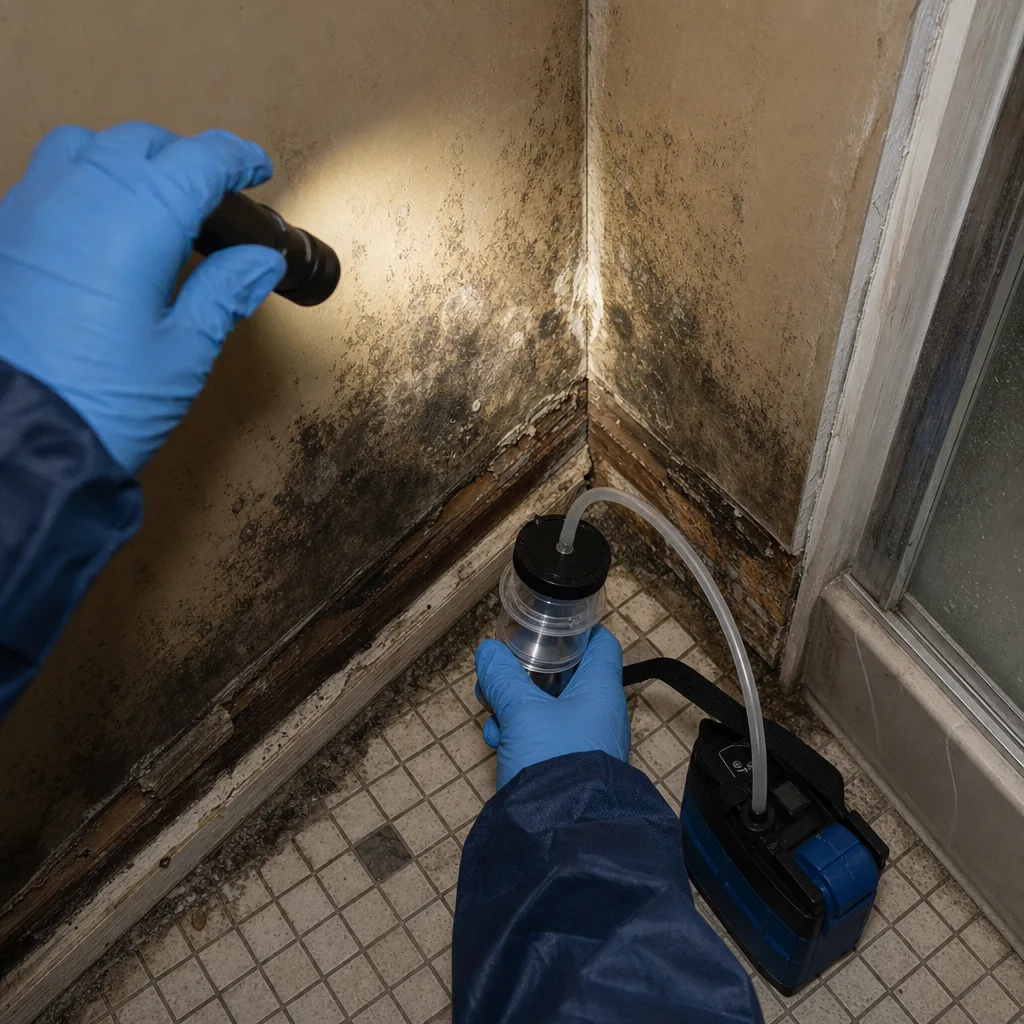
Flood Damage Restoration
Floodwater is never just water. In the Hutchinson River watershed, basement floods carry silt, sewage, and fuel residue. We classify the water correctly, extract it completely, and dry the structure to the dry standard. Wall cavities get checked, not assumed dry. In Pelham, skipping cavity inspection after a flood is how hidden mold gets a six-month head start.
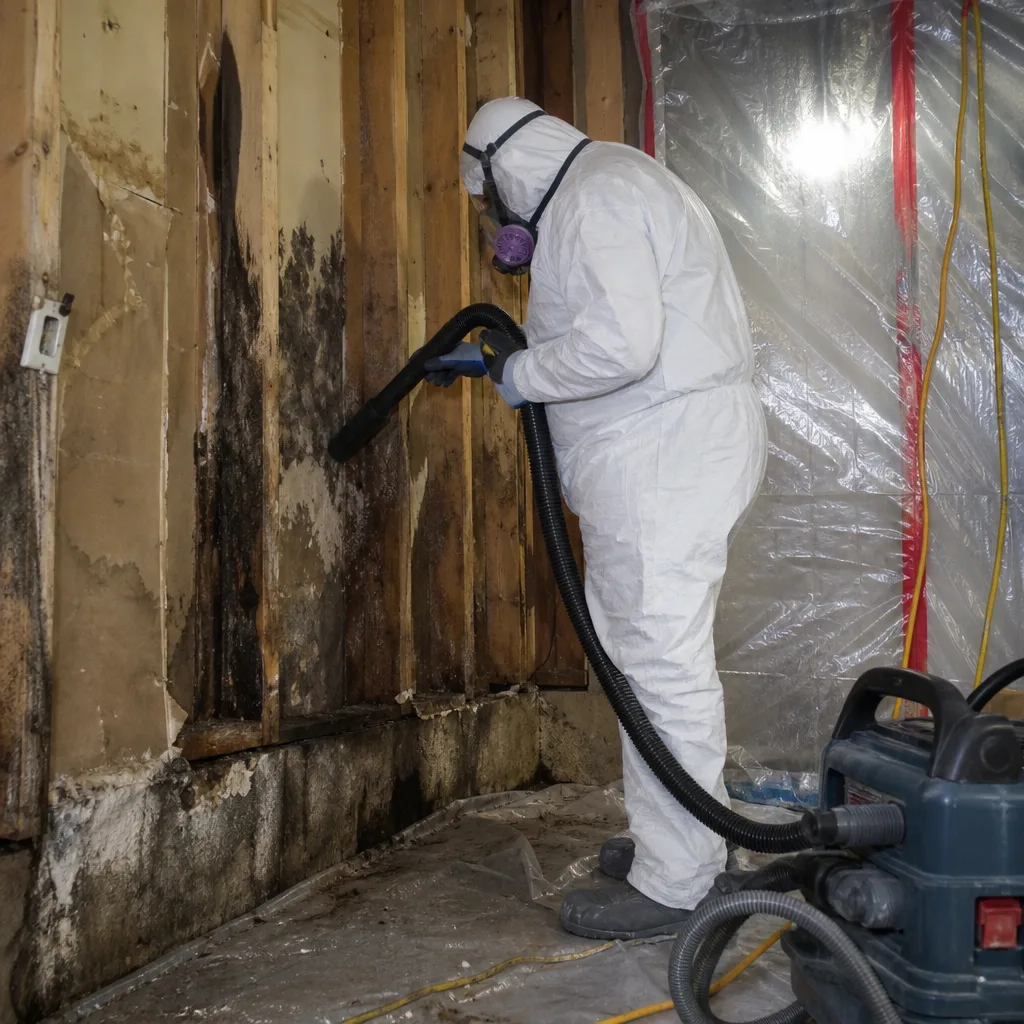
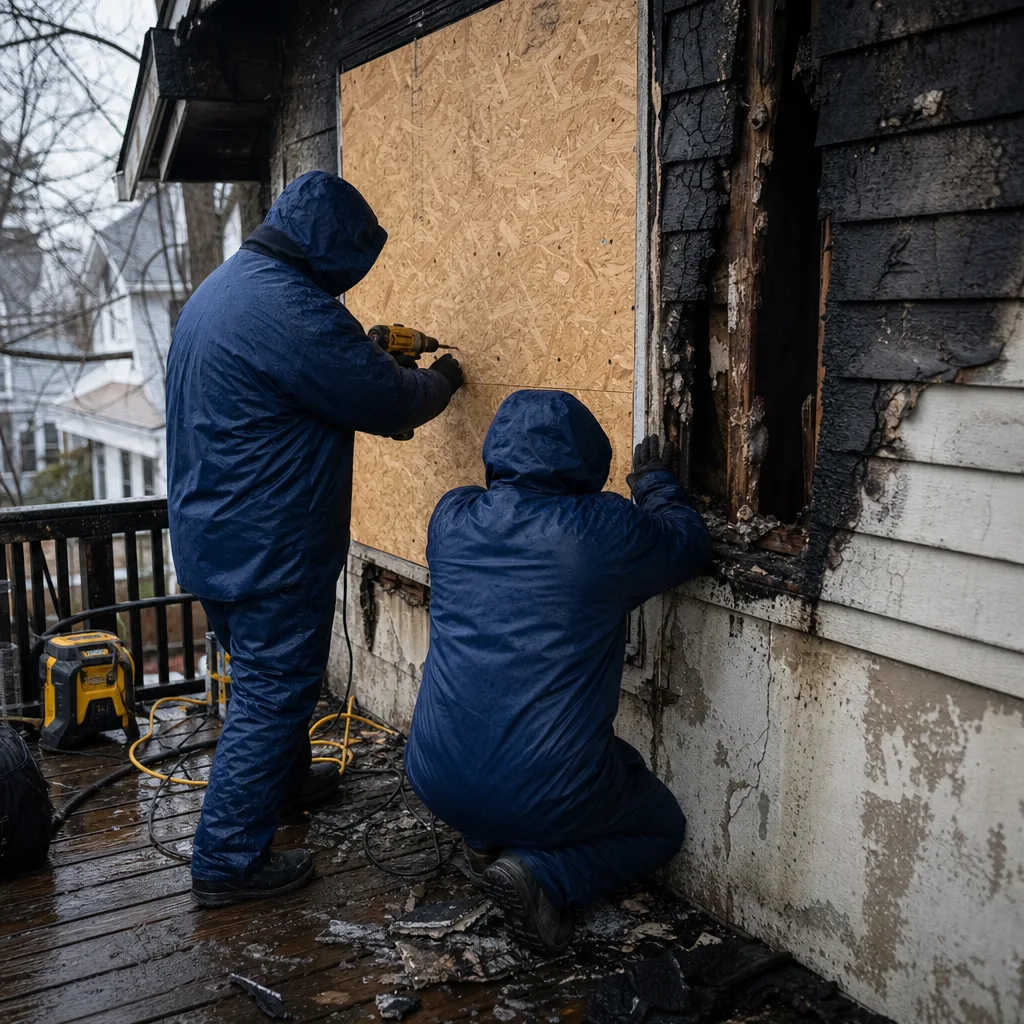
Emergency Board-Up
A storm-broken window or compromised door leaves a pre-war home open to weather, animals, and intruders. We board up the opening the same visit, using fasteners and techniques that don’t further damage original framing. On older homes with original windows, the board-up has to protect without destroying what’s left to restore. We’ve done enough Pelham board-ups to know the difference.
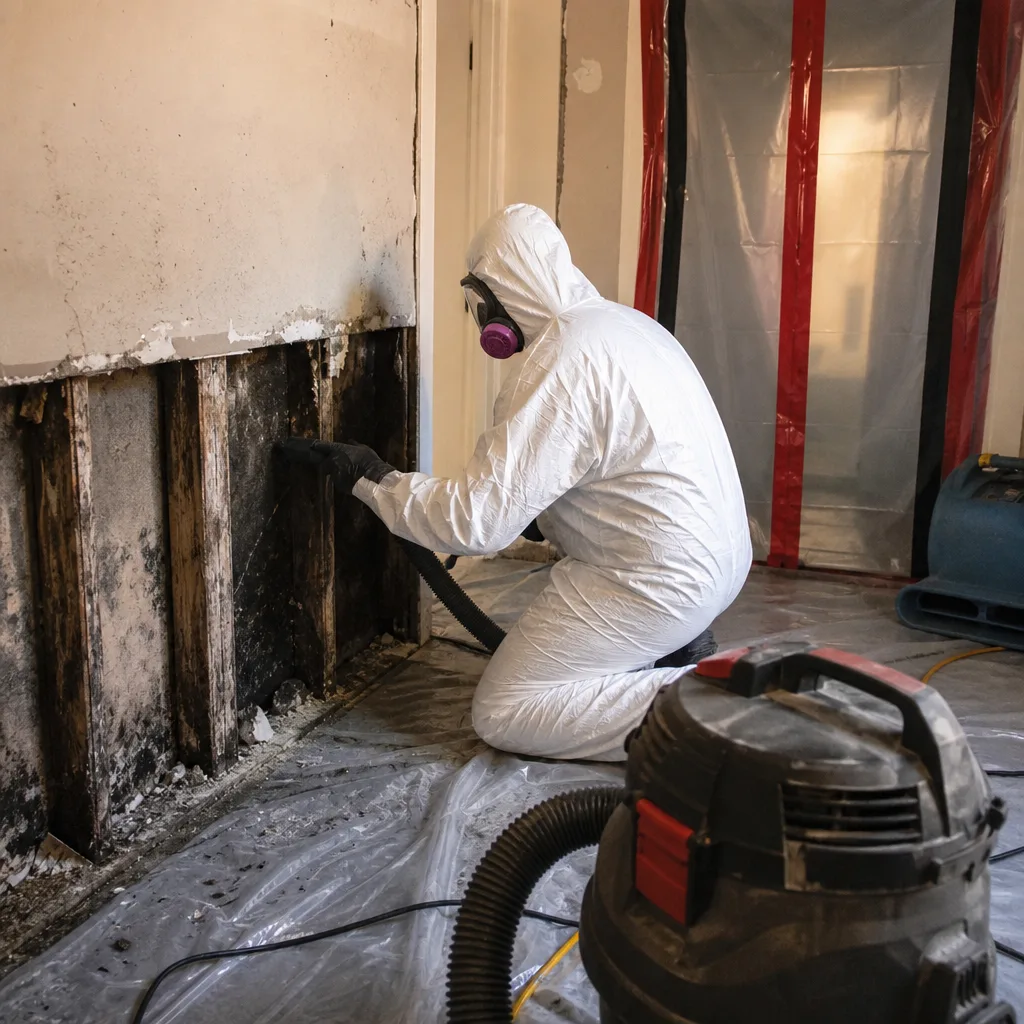
Roof Tarping
When a slate or clay-tile roof is breached, the clock starts immediately. Water moving through an 80-year-old roof deck reaches plaster ceilings within minutes. We tarp the roof same-day, secured against wind, to stop the active leak. Tarping is a stopgap, not a repair, but a good tarp laid in the first hour prevents thousands in interior damage. On steep-pitched Pelham roofs, proper anchoring is the difference between holding through the next storm and becoming a liability.
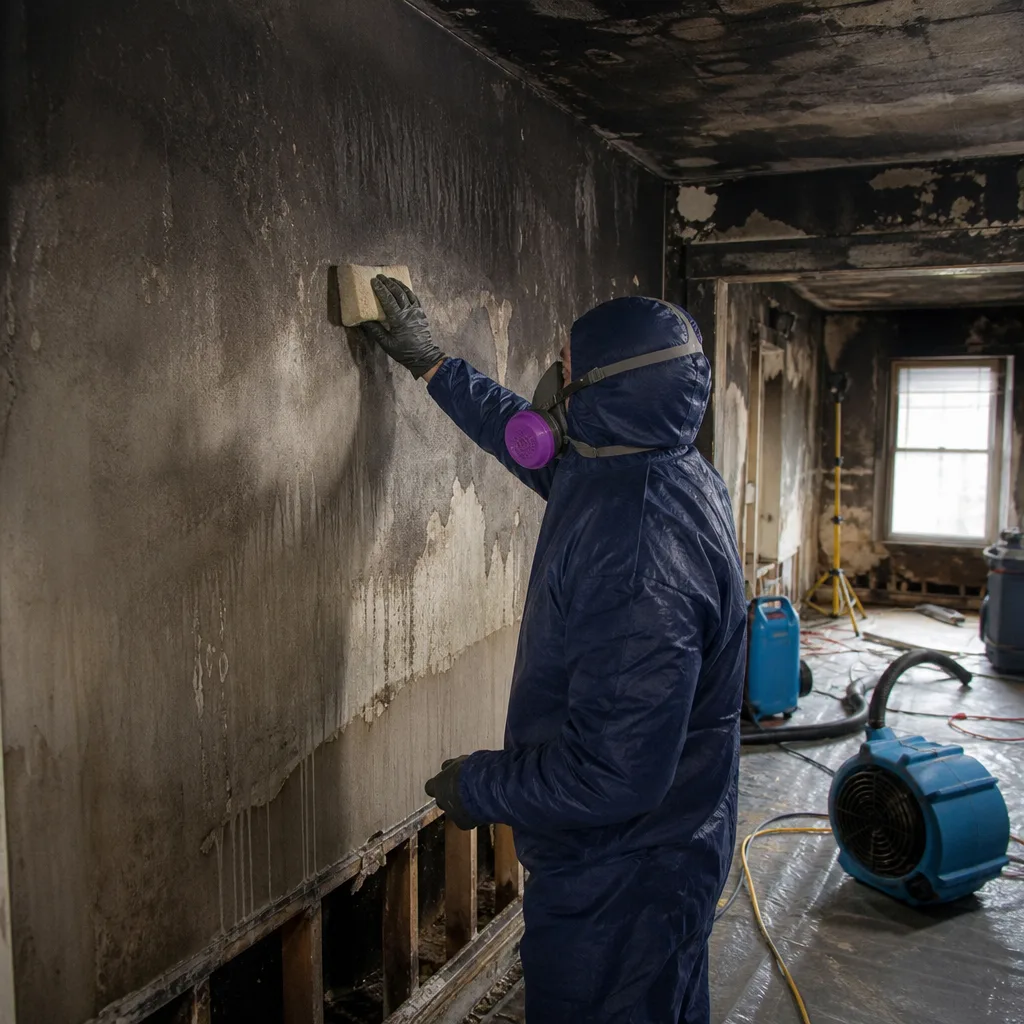
Debris Removal
Storm debris in Pelham is not the same as in newer suburbs. Slate shingles are heavy and sharp. Plaster and lath contain materials that require proper disposal. Old-growth lumber pulled from a collapsed porch can’t simply be hauled to a standard landfill without checking for lead paint and asbestos compounds. We handle the sorting, testing, and disposal so the cleanup is compliant with Westchester County requirements and safe for your household.
What happens when you call
- 1
A real person answersNo phone trees - you reach a local pro.
- 2
You get an upfront price rangeHonest numbers before anyone is dispatched.
- 3
A background-checked tech heads outLicensed & insured, dispatched right away.
- 4
You approve before work beginsNothing starts until you say go.
Storm & Disaster Restoration Costs in Pelham, NY
Storm restoration pricing in Pelham reflects the homes themselves. A straightforward storm cleanup with water extraction in a Village of Pelham basement typically runs $1,800 to $4,500. Flood damage restoration, where Category 3 water requires full extraction, antimicrobial treatment, and structural drying, lands between $4,000 and $12,000 depending on square footage and whether wall cavities are involved. Roof tarping runs $450 to $1,200 for most Pelham homes, with steep slate roofs at the higher end. Where hidden mold or wall-cavity saturation is discovered, remediation adds $2,500 to $8,000 or more, because containment, air scrubbing, and daily drying logs are required. Board-up work typically runs $350 to $900 per opening. What moves the price most in Pelham is not the water itself. It’s what the water reached: original plaster that must be matched or replaced, old-growth framing that can’t accept commodity patch lumber, and foundation materials that need specialized drying rather than simple air movement. Insurance covers most storm damage when documented properly from the first hour, and our free visual inspection gives you a firm written scope before any work begins. Call (845) 456-6568 and we’ll tell you what you’re actually facing.
We Also Serve Cities Near Pelham
Our crews handle storm and disaster restoration across the southern Westchester border area, so if you’re in New Rochelle, Mount Vernon, Bronxville, or Larchmont, the same team can respond. We maintain the same response commitments and the same 90-Day Done Right Promise throughout the area. One crew, one standard, one number to call.
Pelham Storm & Disaster Restoration Questions, Answered
How does Pelham’s pre-war plaster-and-lath construction change the drying process after a storm?
Plaster and lath hold moisture differently than modern drywall. Water wicks through the plaster surface into the lath and framing behind it, and the wall face can feel dry while the cavity stays saturated for weeks. We use thermal imaging and penetrating meters to find that hidden moisture, then run Injectidry systems and air movers inside the cavity itself until daily readings confirm the dry standard. This takes longer than a drywall home, sometimes five to seven days, but skipping it means hidden mold inside 48 hours.
Why do storm damage jobs in Pelham Manor so often require wall-cavity remediation?
Because many Pelham Manor homes have been wicking water behind original horsehair plaster for years through failed brownstone or brick pointing. The storm is the trigger, not the cause. When our crew opens a wall after a nor’easter, we frequently find Category 3 water and mold that predates the storm. The remediation scope expands once demolition reveals what was already there. That’s not a contractor upsell. It’s the reality of pre-war masonry and plaster in this specific town, and our documentation makes the expanded scope defensible to your insurance carrier.
Can you dry out original slate roofing debris and reuse it after a nor’easter?
In many cases, yes. Salvageable slate shingles are durable by design, and we carefully remove, clean, and stack them for reuse when they’re intact. Cracked, delaminated, or spalled pieces get disposed of properly. The caveat is that 80-to-100-year-old slate can look sound and still be brittle, so each piece gets inspected by hand. Reusing original slate preserves the home’s character and saves material cost, which matters on a steep-pitched Pelham roof where modern substitutes stand out.
What category of water should I expect from a flooded basement in Pelham’s Hutchinson River watershed?
Assume Category 3. Floodwater that rises from the Hutchinson River watershed or backs up through storm drains carries sewage, bacteria, silt, and fuel residue. It is not clean groundwater. Category 3 requires full extraction, removal of contaminated porous materials, antimicrobial treatment, and air scrubbing during the drying process. Treating it like Category 1 is dangerous. Call (845) 456-6568 and we’ll classify the water correctly on arrival.
What does emergency board-up involve for a pre-war Pelham home with original windows?
Board-up on an older home means securing the opening without destroying the original frame or sash. We use fasteners that don’t split old-growth wood, cut panels to fit precisely, and leave the original window in place wherever possible. The goal is protection, not demolition. On homes with original trim, we cover edges with protection tape before anchoring anything. Board-up gets done the same visit, and it’s documented for your claim.
How fast can someone actually get here after I call?
We commit to a 45-minute response window for emergency calls in Pelham. A live dispatcher confirms the address, the damage type, and the nearest available crew. The crew arrives, walks the property with you, and starts mitigation the same visit. For storm emergencies with active leaks, roof tarping and board-up go up before we leave. Call (845) 456-6568, day or night, and a real person answers.
Will insurance cover storm and flood damage in Pelham?
Most homeowner policies cover storm damage from wind, rain, roof breaches, and burst supply lines. Flood damage from the Hutchinson River watershed rising into your basement may require a separate flood policy depending on your coverage. The deciding factor is almost always documentation: photos from the first hour, moisture logs, and a line-item scope. We provide all of that to your adjuster directly and bill your carrier directly. You don’t have to manage the claim transfer between us and them.
What should I do in the first 30 minutes after I notice storm damage?
Call (845) 456-6568 first. Then, if it’s safe, shut off electricity to any flooded area and move valuables up off wet floors. Don’t enter standing water if you suspect it came from the watershed or a sewer line. Take photos of what you can see. Don’t start tearing out plaster yourself, because the documentation of what was intact matters for your claim. The faster we get there, the more of your home we save, and the first hour is the most important one.
Serving Pelham, NY - Our Local Coverage Area
We’re based in the Pelham area and know this community well. Use the map below to see our service coverage - if you’re nearby, we can almost certainly help.
Get Storm & Disaster Restoration in Pelham Started Now
When a storm hits Pelham, you need a company that knows this town’s homes, answers the phone with a person, and stands behind the work in writing. Floodline Restoration Co. has been built around a dispatch board, not a sales desk, since Curt Bowman founded the company in 2010. We show up, we document, we dry, we rebuild, and we don’t leave until the moisture log says the job is done. The 90-Day Done Right Promise comes with every job, no fine print and no arguing. Call (845) 456-6568 for a free estimate and a live dispatcher who can answer your questions right now. A square deal, no surprises on the bill, and one crew from the first hour to the finished wall.
Written by Curt Bowman, Owner at Floodline Restoration Co.