
Free visual inspection and a written scope of work before any mitigation begins - photos, moisture readings, and drying logs go in your claim file
The scope we write is the scope we bill. Anything new gets shown to you, in writing, before we touch it.
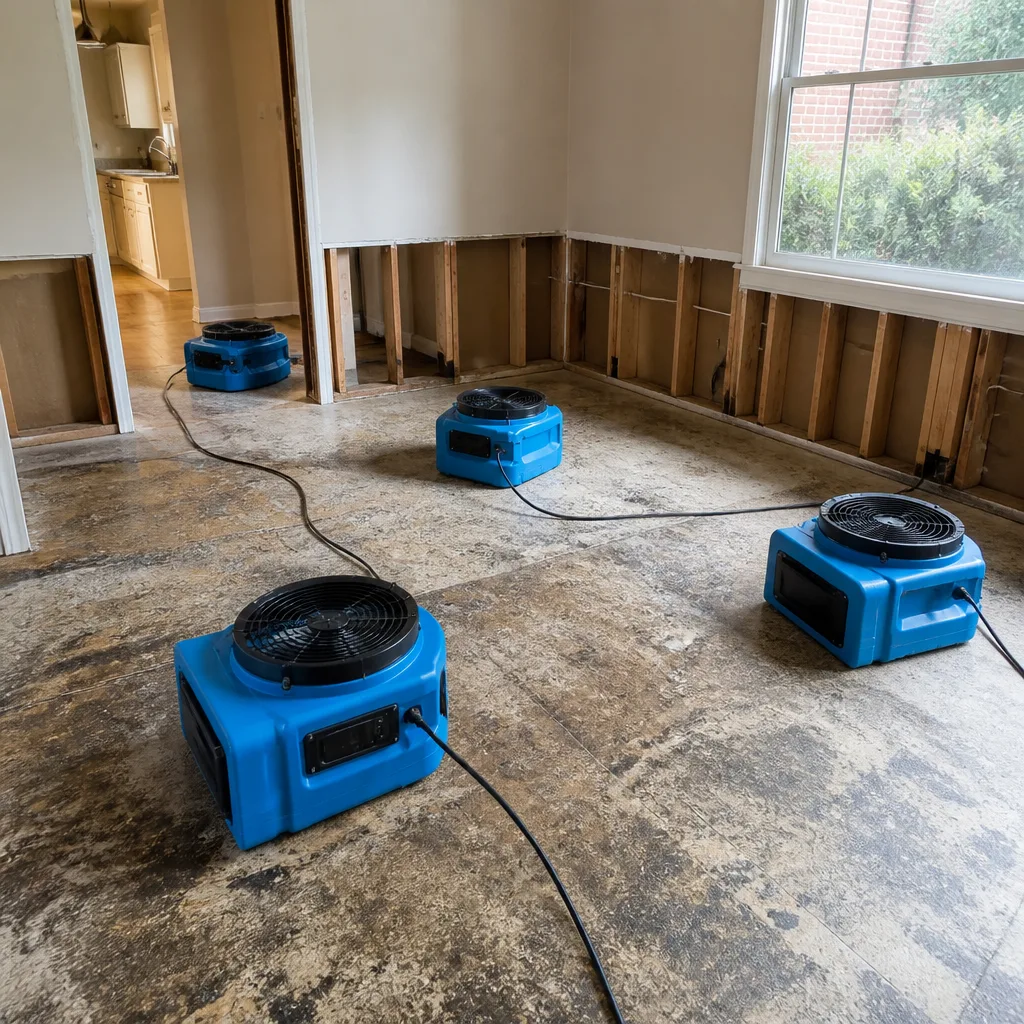
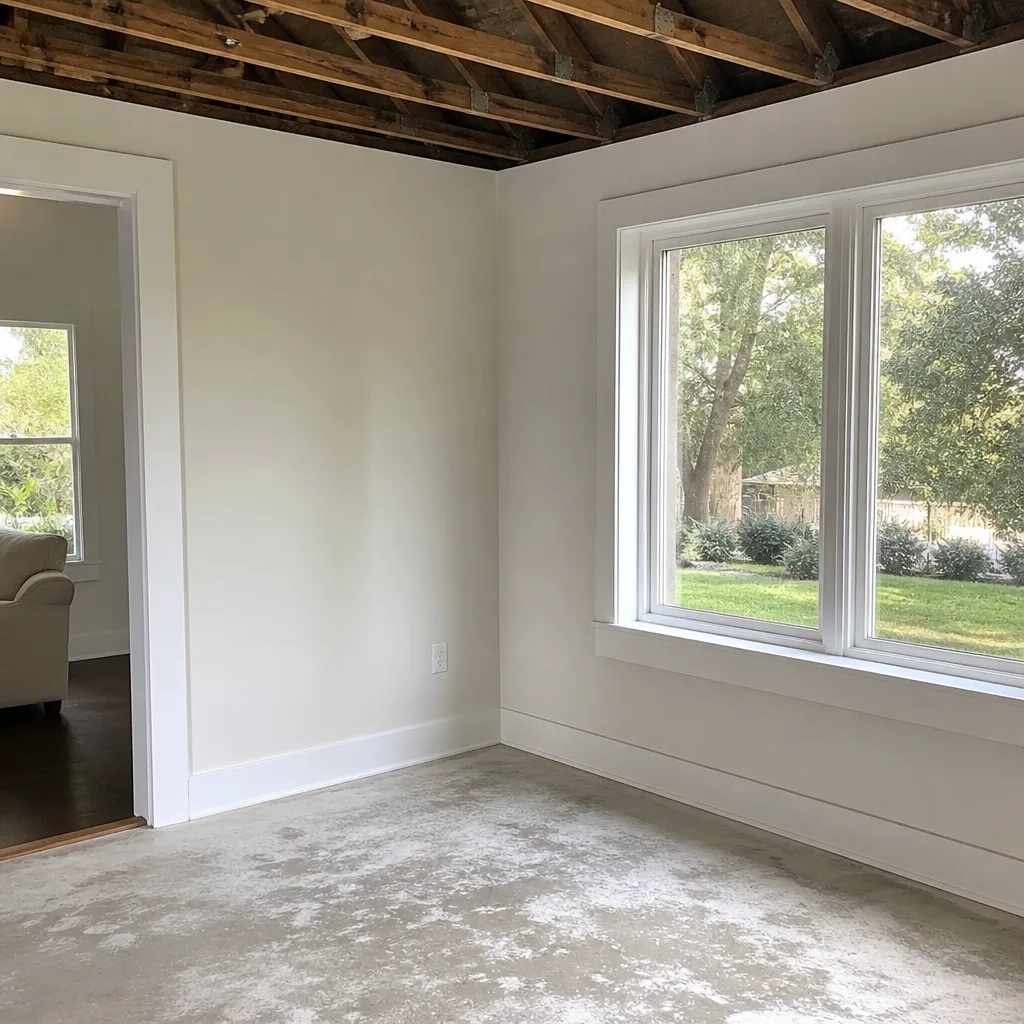
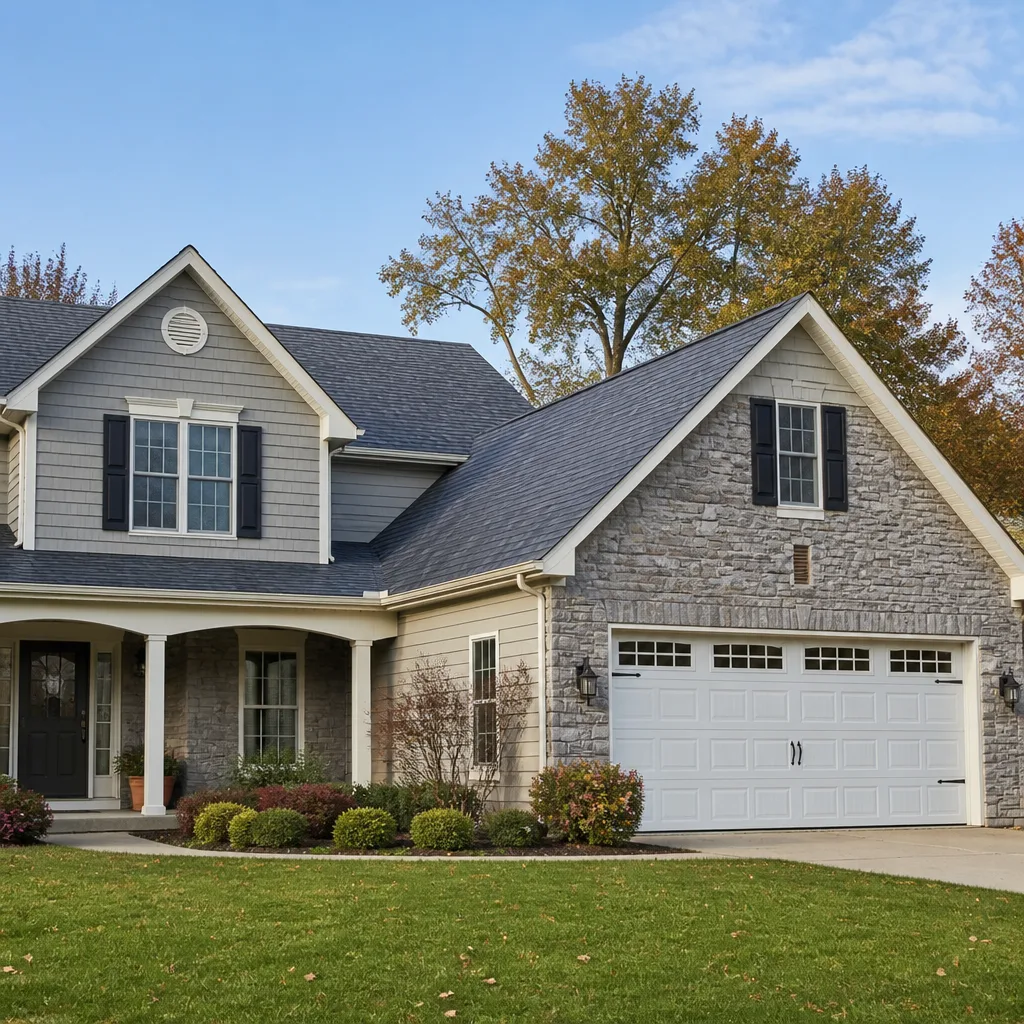
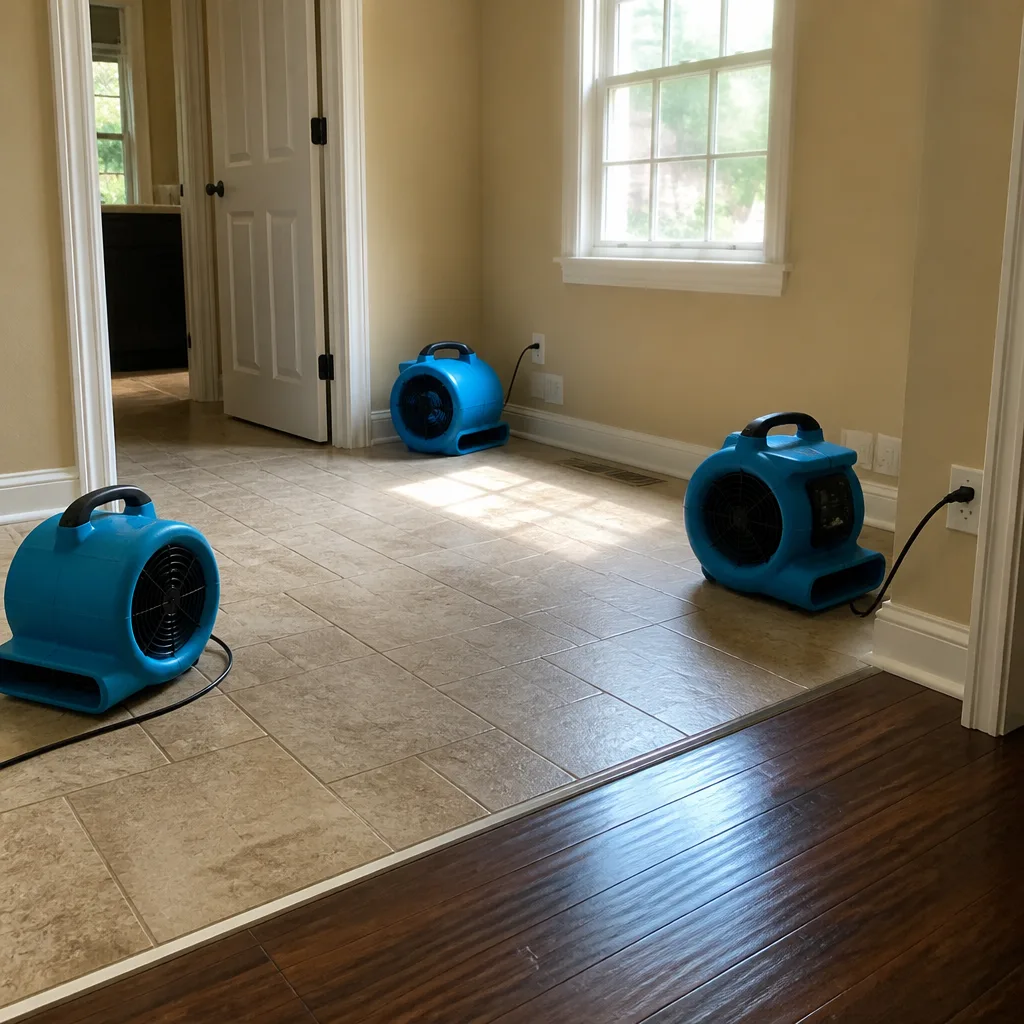
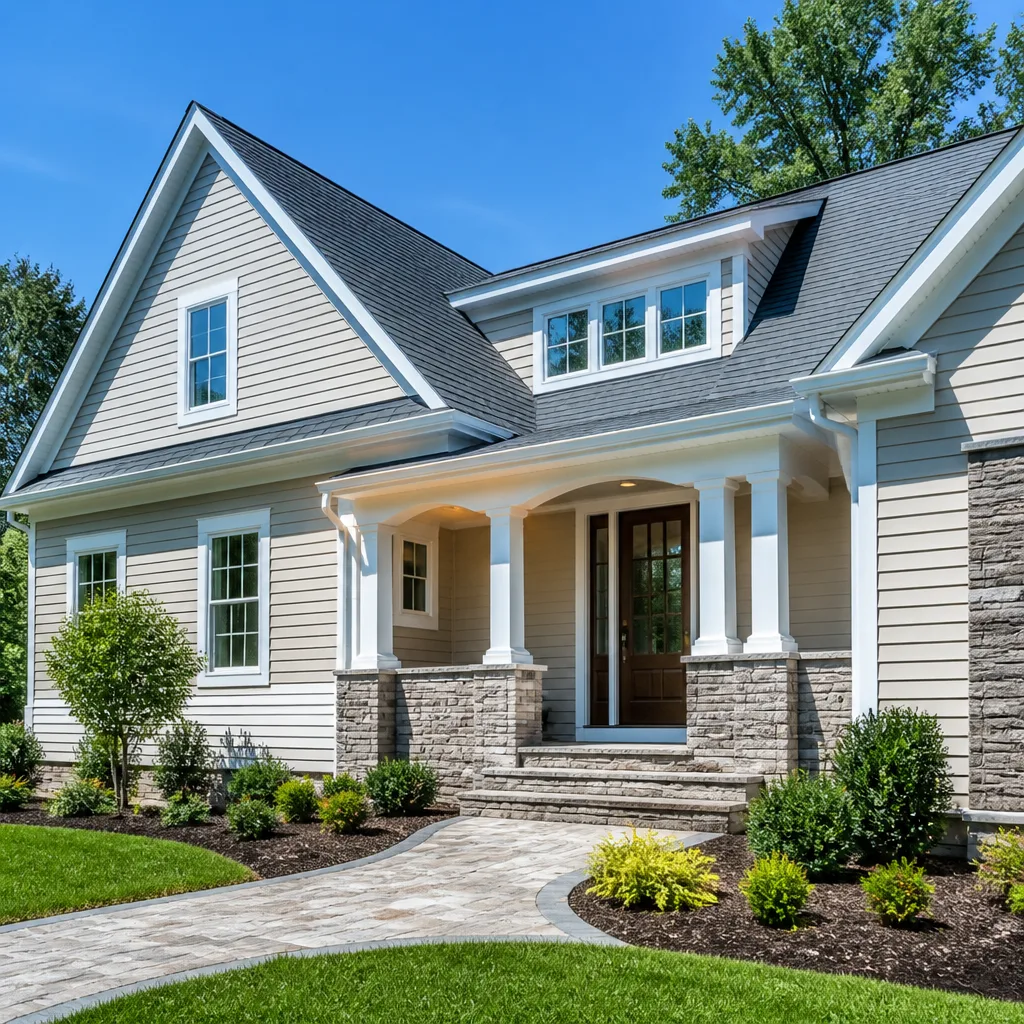
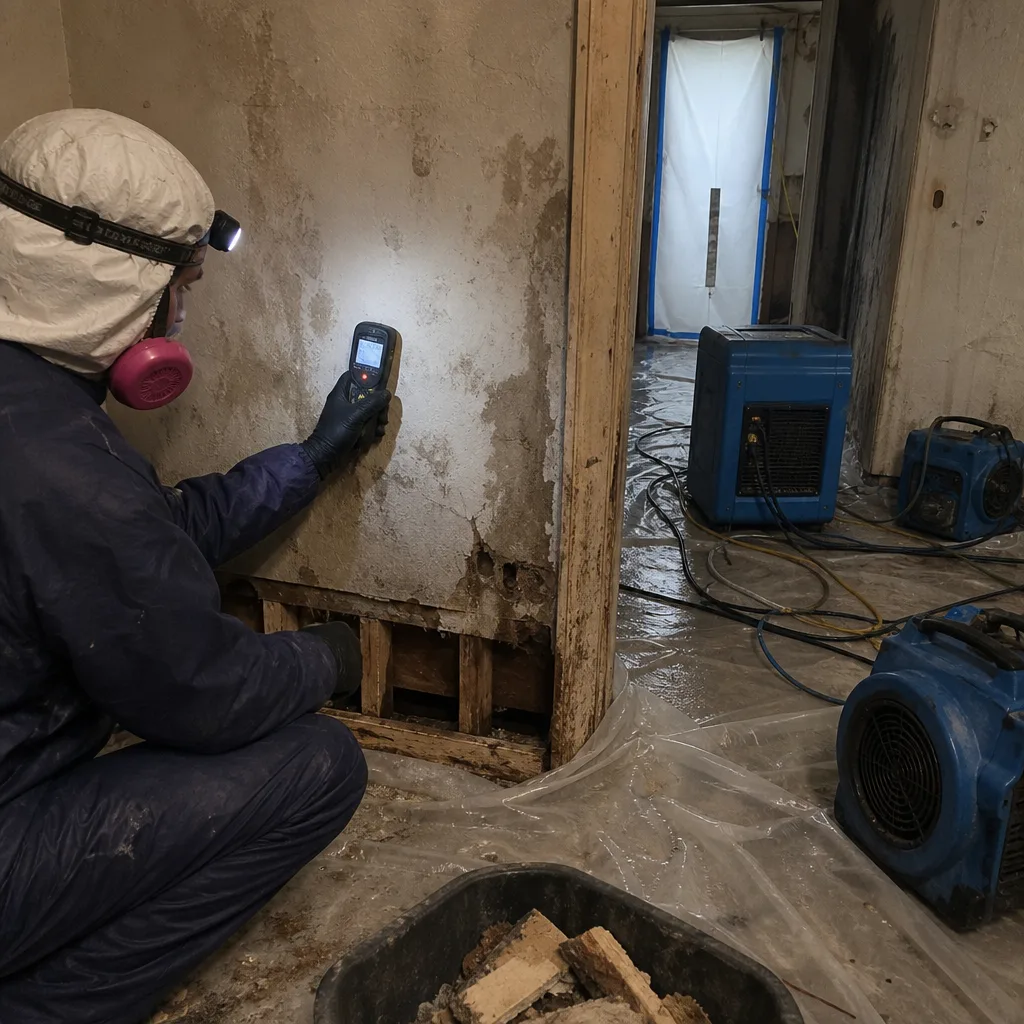 Before
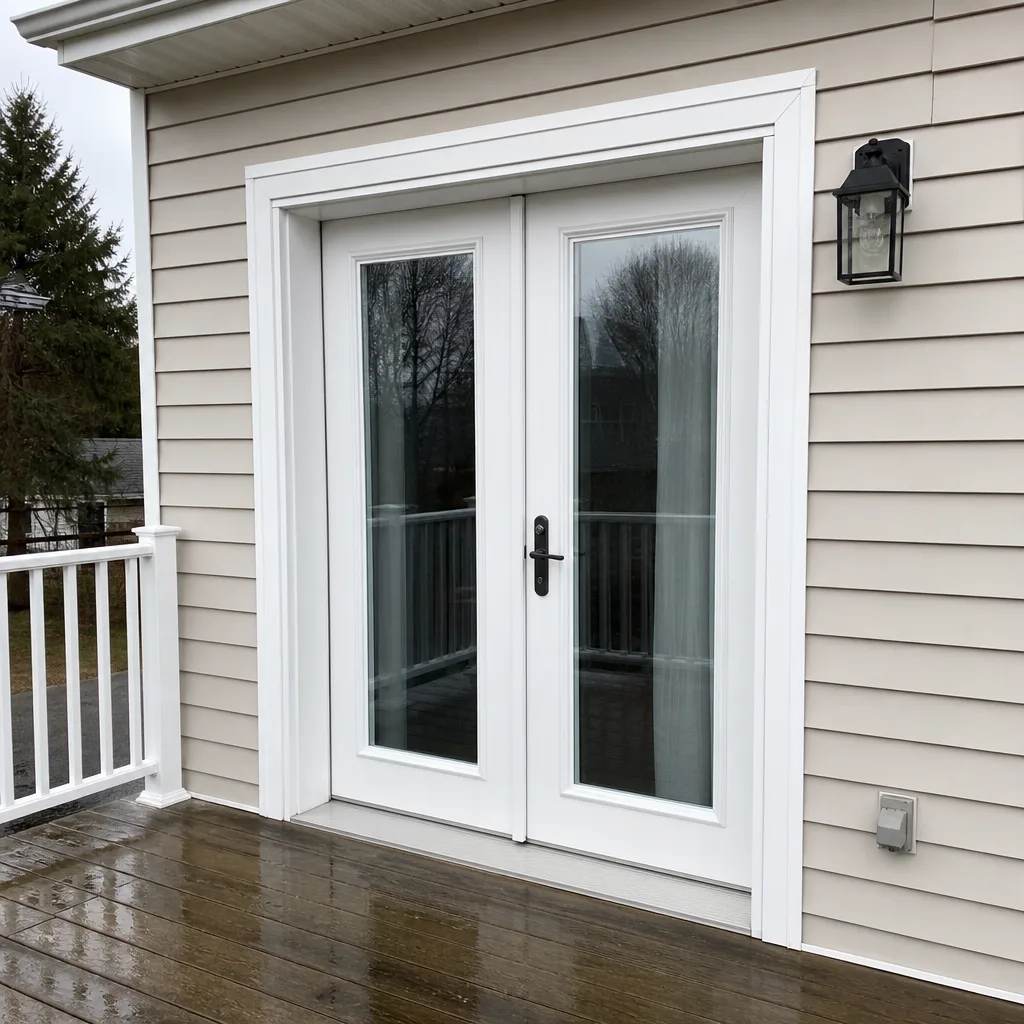 After
After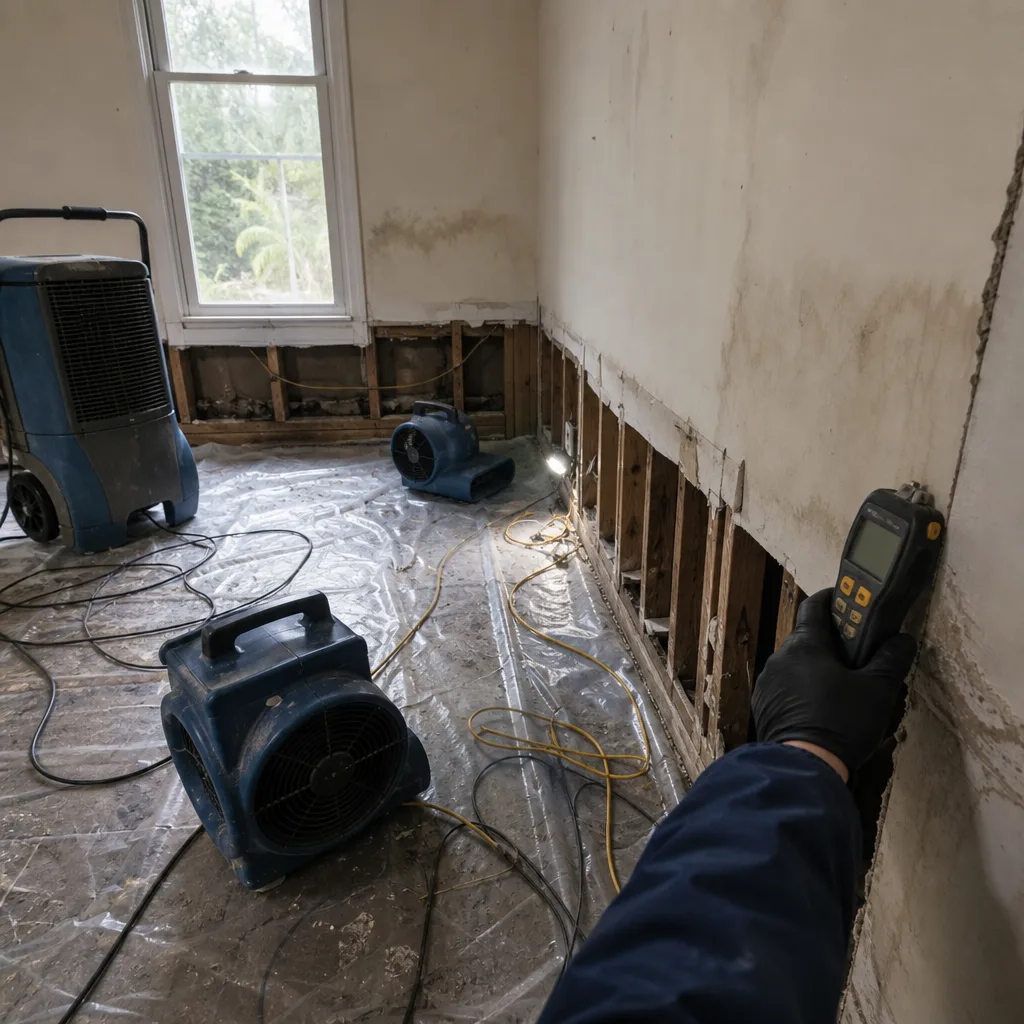 Before
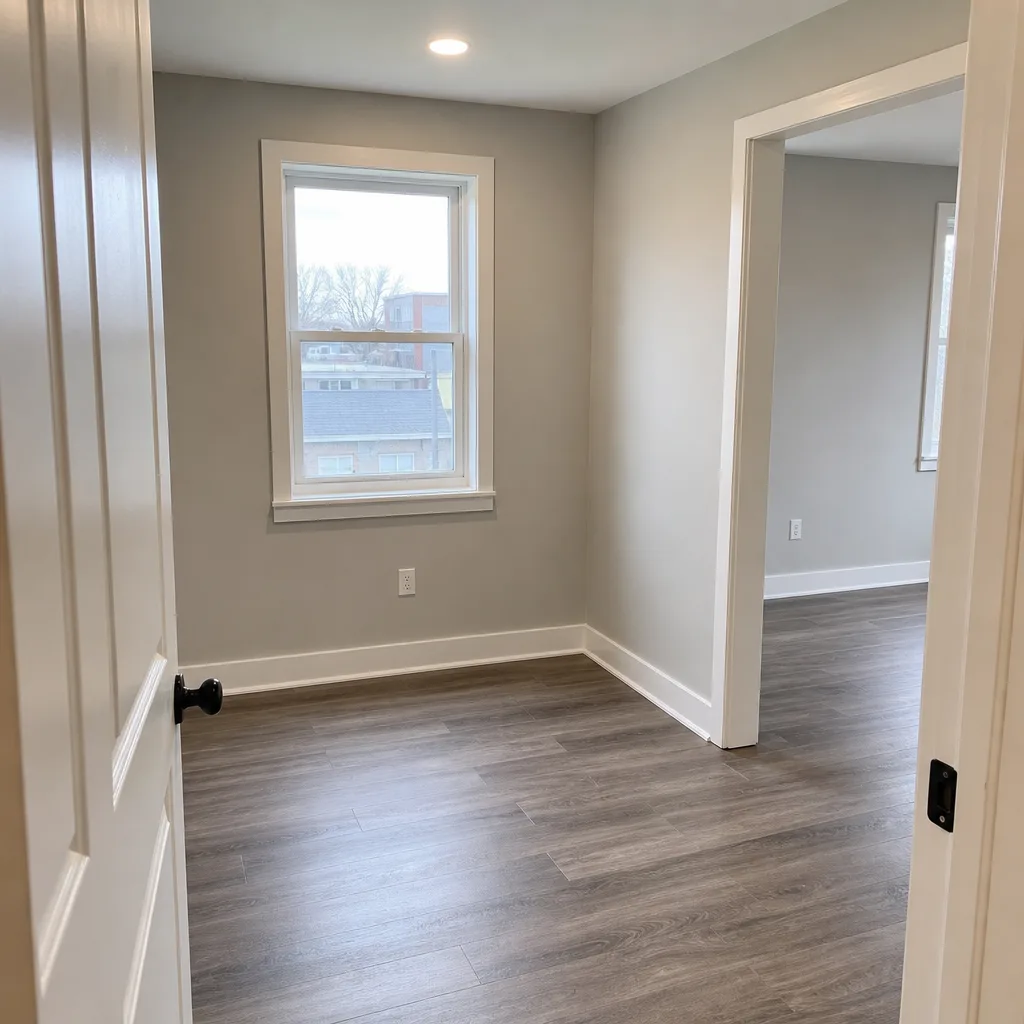 After
After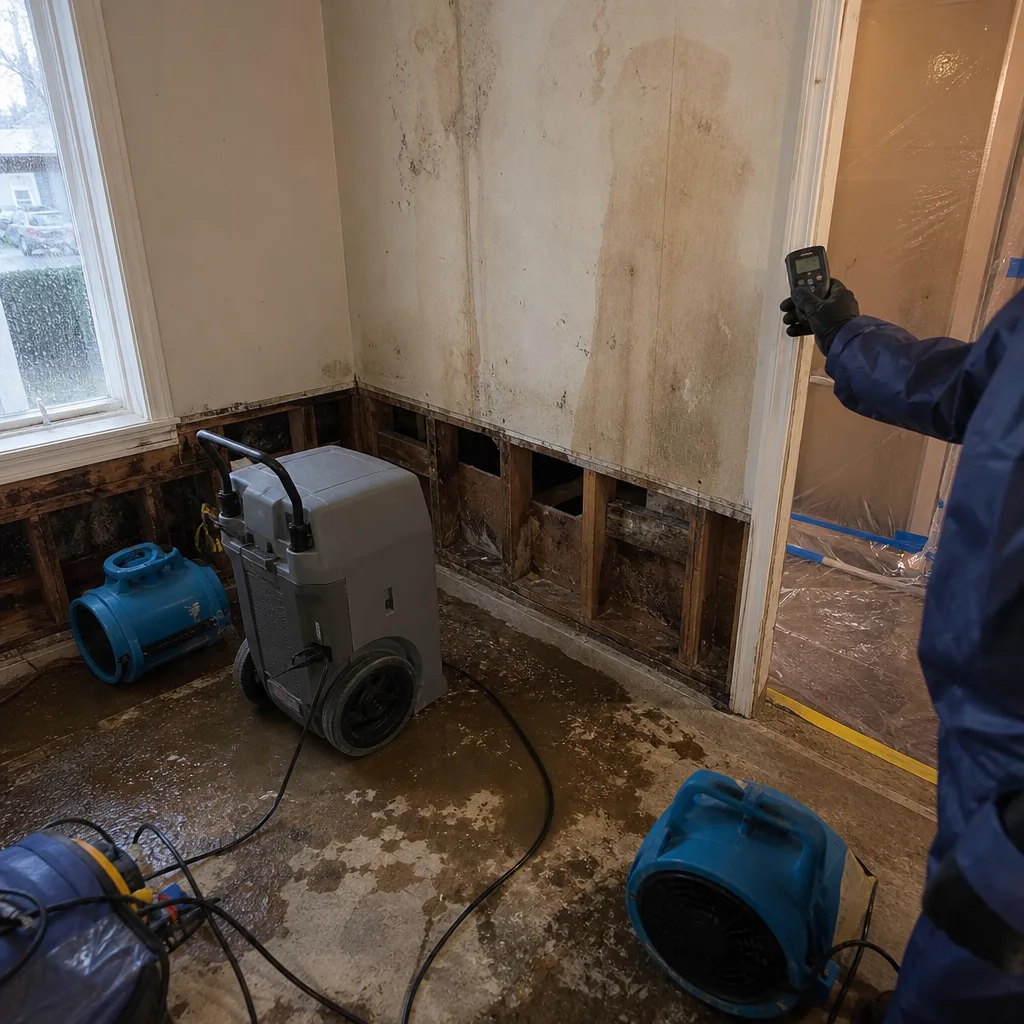 Before
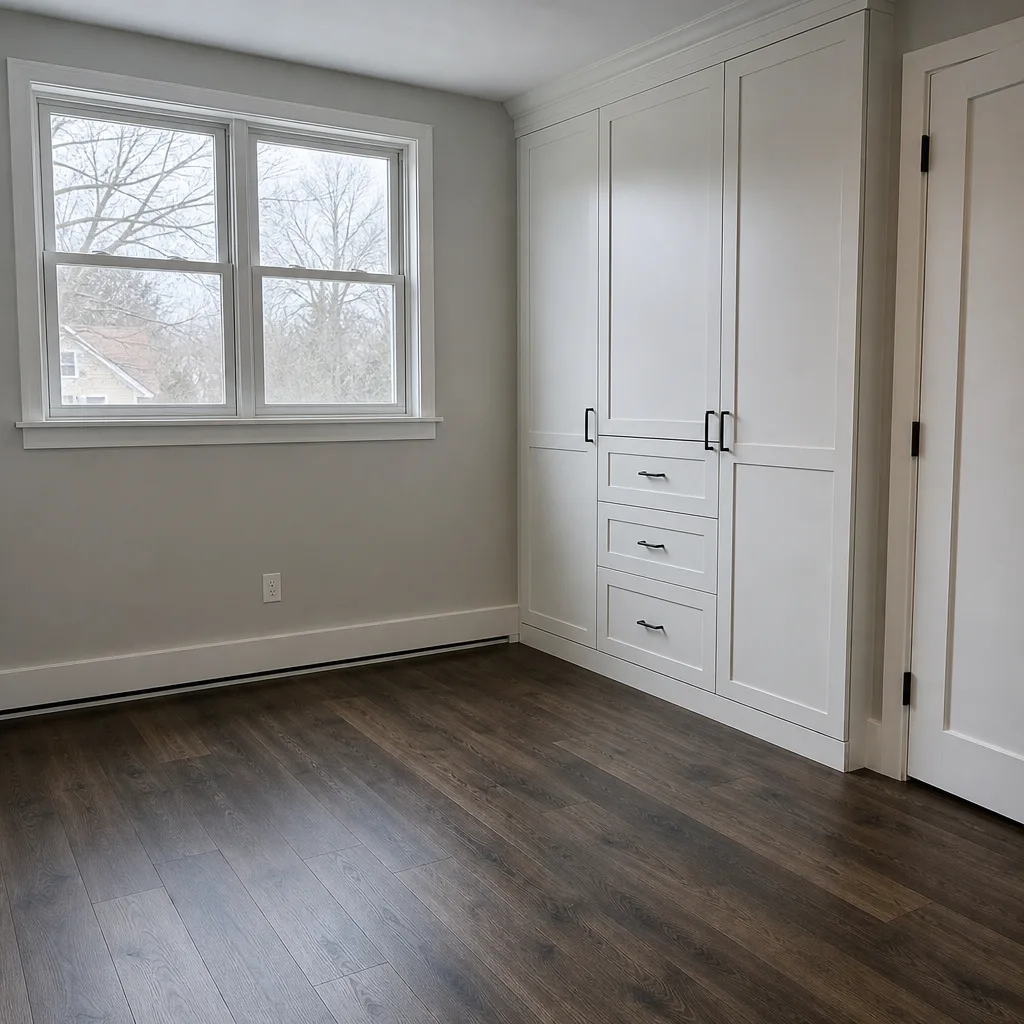 After
After24/7 Emergency Fire & Smoke Damage Restoration in Southeast Yonkers
When a fire breaks out in a Southeast Yonkers row house or two-family, the smoke starts moving through the party walls and cockloft before the flames are even fully out. That’s why we answer the phone at (845) 456-6568 with a live dispatcher at any hour, not a recording, and send a certified crew toward your block while you’re still standing on the sidewalk. Our first visual inspection is free. The sooner we read the soot lines and moisture map, the sooner we keep a unit fire from becoming a building-wide cleanup. In Southeast Yonkers, most of the housing stock is attached pre-war brick. A kitchen fire on McLean Avenue is rarely ever just one apartment’s problem. We start the containment and the scope the same visit, because every hour of delay lets soot etch deeper into plaster and painted trim.
Understanding Fire & Smoke Damage Restoration Severity in Southeast Yonkers Properties
Fire damage breaks into distinct categories, and in Southeast Yonkers’s attached housing stock the severity is rarely confined to the unit where the burn started. Soot residue falls into three general types: dry protein soot from kitchen fires, oily fuel-oil soot from furnace puffbacks, and wet smoke residue from slow-smoldering fires. Each needs a different cleaning agent and agitation method. Wrong chemistry on oily soot smears it into a varnish-like film. Smoke migration is the wildcard. In a 1920s three-story brick building near the Bronx border, the open cockloft above the top-floor ceilings acts as a highway for smoke to travel horizontally into adjacent units and vertically down stairwells. We regularly find soot behind radiators and inside kitchen cabinets in apartments where occupants thought they only smelled smoke. Thermal fogging, hydroxyl generators, and ozone treatment handle odor molecules that HEPA vacuuming alone cannot reach. The fire department’s water brings a second problem: Category 2 water saturation in lath and plaster, hardwood, and the shared structural framing. It starts a 24-to-48-hour mold clock ticking behind old walls, and the moisture readings have to be taken in all adjacent units, not just the burn unit.
Why Southeast Yonkers Property Owners Choose Floodline Restoration Co.
- 45-minute response commitment. When you call (845) 456-6568 with a fire loss in Southeast Yonkers, a crew is rolling toward your address immediately, not scheduled for a window tomorrow.
- 24/7 live answer, every day. A person picks up at 2 a.m. Not a voicemail tree. Not a call-back promise. The dispatch board is lit around the clock.
- IICRC-certified technicians. Our crews are trained and certified to IICRC standards including FSRT for fire and smoke restoration, with RIA and IFA training behind them. They walk into your building with the right gear and the right protocols.
- Free visual inspection. We assess the damage without a fee. Then we hand you a written scope before any work begins, so you know exactly what needs to happen and what it will cost.
- Direct insurance billing. We handle the claim paperwork and talk directly with your adjuster. You never play messenger between Floodline and your carrier.
- One team from extraction to reconstruction. The same certified crew that reads the moisture map on day one handles the drying log, the soot removal, and the rebuild. No mid-job handoff to an inherited crew.
Our Fire & Smoke Damage Restoration Process
Inspection & Assessment
We map the fire’s full footprint across every affected unit in Southeast Yonkers. That means reading soot deposition on walls and ceilings, checking the cockloft for smoke travel, and taking moisture readings in the burn unit plus adjacent spaces. You get a written scope and a straight answer on what can be cleaned versus what needs replacement.
Extraction & Stabilization
Standing water from fire department attack lines comes out first. We extract from floors, basement levels, and wall cavities. Where roof or window damage has exposed the building, we board up and tarp that same day to keep weather and animals out while the scope proceeds.
Drying & Dehumidification
Structural drying runs on Dri-Eaz dehumidifiers and XPOWER air movers positioned by the moisture map, not guesswork. In older brick buildings near the Bronx line, we take daily readings in the basement and lower floors of the adjoining building because hidden moisture behind lath and plaster can make a bad situation worse within 48 hours.
Cleaning & Sanitization
Soot and smoke residue come off with chemical-specific cleaning matched to the residue type. We use HEPA vacuuming for loose soot, then specialty sponges and agents for wet smoke and protein residue. Every surface in the affected unit and any common areas gets addressed.
Odor Removal & Deodorization
HEPA filtration alone rarely kills smoke odor in attached buildings. We use hydroxyl generators, thermal fogging, and targeted ozone treatment to neutralize odor molecules that have penetrated plaster, wood, and textiles. This is the step that prevents a smoke smell from returning in humid July weather.
Repairs & Restoration
The same crew handles the rebuild: drywall replacement, refinishing, trim work, and structural repair. In Southeast Yonkers’s attached buildings, this often means coordinating firewall repairs and shared roof membrane work with adjacent owners. We carry the job to pre-loss condition and back it in writing.
Need Emergency Fire & Smoke Damage Restoration in Southeast Yonkers Now?
Crews minutes away, answering live 24 hours a day. The sooner we start, the less it costs.
Working With Your Insurance Company
Fire claims in Southeast Yonkers get complicated fast when multiple units are involved. Our documentation starts from the first hour: photos of every affected room, soot deposition patterns, moisture readings from the burn unit and adjacent spaces. Then we produce a line-item scope of work that matches what your carrier’s adjuster needs to see. We talk directly with the adjuster, the landlord, and any neighbor’s carrier, and we bill your insurer directly. You don’t carry paper between us and an insurance desk. The 90-Day Done Right Promise from Floodline Restoration Co. covers our workmanship in writing, so if something we did fails within 90 days, we make it right with no argument and no paperwork battle.
What We Provide Your Insurer
- Thorough documentation of the loss
- Photos of all damage, room by room
- Moisture readings and drying logs
- A detailed, line-item scope of work
- Direct coordination with your carrier
Built for Southeast Yonkers’s Loss Calendar
Southeast Yonkers fire losses follow the rhythm of an aging, dense housing stock near the Bronx River watershed. Winters bring space-heater fires and overloaded circuits in pre-war two-families where the wiring is original. January deep freezes burst supply lines, and the cascade through a shared party wall can damage four units before the water even freezes. Spring thaw and heavy nor’easters push water through flat built-up roofs and aging parapet walls, and that water finds electrical junctions on its way down. Summer brings the city’s convective thunderstorm pattern: heavy rainfall in 40 minutes, a combined sewer system that backs up into basement apartments and mechanical rooms, and wiring failures in damp basement panels. Electrical fires in these pre-war buildings frequently start in lower-level utility rooms where old panels sit in chronically damp air. Each season produces a different ignition source, but the building type is the same: attached brick, shared walls, open cocklofts. The recurring job in Southeast Yonkers isn’t a single-unit cleanup. It’s a four-unit scope with four different insurers and shared access schedules. If you own or manage a building here, you want a restoration company that already knows this pattern.
Fire & Smoke Damage Restoration Across Southeast Yonkers’s Neighborhoods
South of McLean Avenue near the Bronx border, the blocks are dense with three-story brick row houses and walk-up apartment buildings from the 1910s and 1920s. Fires here track quickly through shared cocklofts across two or three separate properties with different owners. Around Lincoln Park and the blocks east of South Broadway, two-family attached homes share wall cavities and floor joists. A kitchen fire in one unit pushes smoke into the next through gaps around the joist pockets. The corridors running north toward the Saw Mill River and toward the Cross County Parkway have a mix of pre-war attached homes and smaller multi-family buildings, many with finished basement apartments where smoke from an upper-floor fire migrates down through stairwells and utility chases. Our crews know the narrow alley access behind these buildings, the flat roof access points, and the fire department district response patterns. That local knowledge means our board-up and tarping crews know how to secure a building quickly and how to get a lift or ladder into a rear courtyard when the front is blocked.
Specialized Fire & Smoke Damage Restoration Services We Offer in Southeast Yonkers
Smoke & Soot Removal
Soot from a Southeast Yonkers kitchen fire travels far beyond the burn wall. We clean wall surfaces, ceilings, trim, light fixtures, and the inside of cabinetry with chemical-specific methods matched to the soot type. In attached buildings, we inspect and clean any common areas and adjacent units where smoke drifted through the party wall or cockloft, because soot you don’t remove now becomes a dispute between neighbors later.
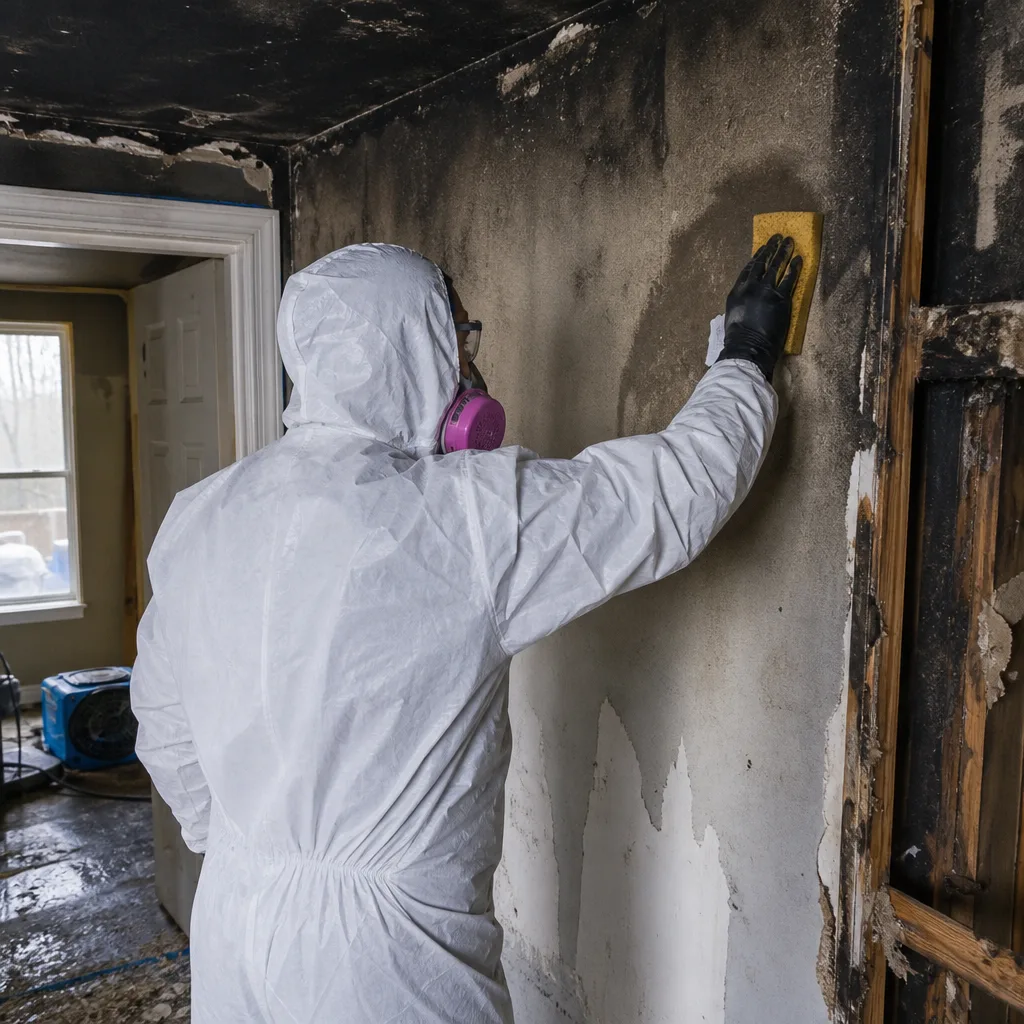
Odor Removal & Deodorization
Smoke odor in a 1920s brick row house gets into plaster, wood framing, and textiles. We run hydroxyl generators in the affected units and thermal fogging where needed to neutralize odor molecules, not mask them. The goal is to have the building smell normal the week after the restoration finishes, not the month after. We verify with a final walkthrough before we call the job done.
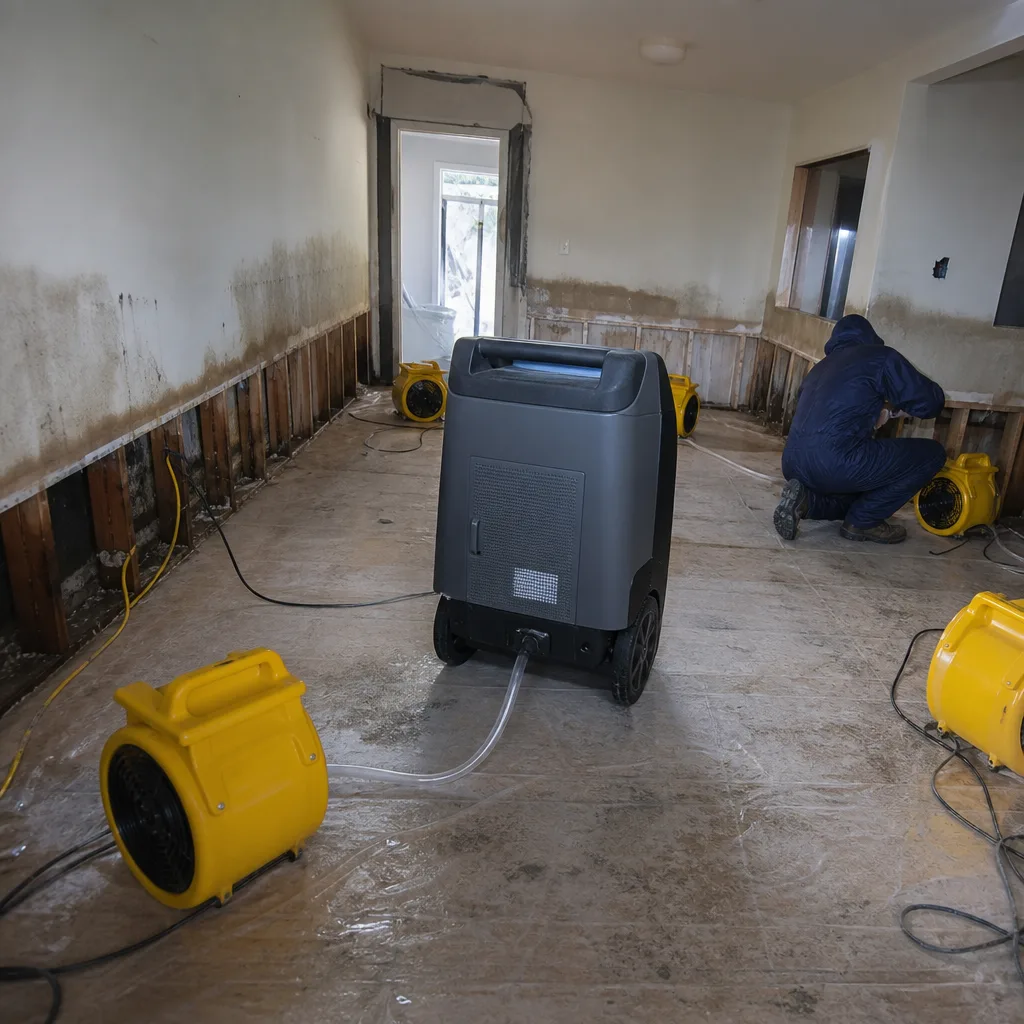
Fire Damage Cleanup
This is the physical removal of charred materials, damaged drywall, ruined insulation, and debris from the fire and the firefight. In attached Southeast Yonkers buildings, we sequence the cleanup so we don’t disturb structural elements shared with the neighboring units until those owners are notified and access is coordinated. Debris comes out through the most practical route, often a rear courtyard or a window over a side alley.
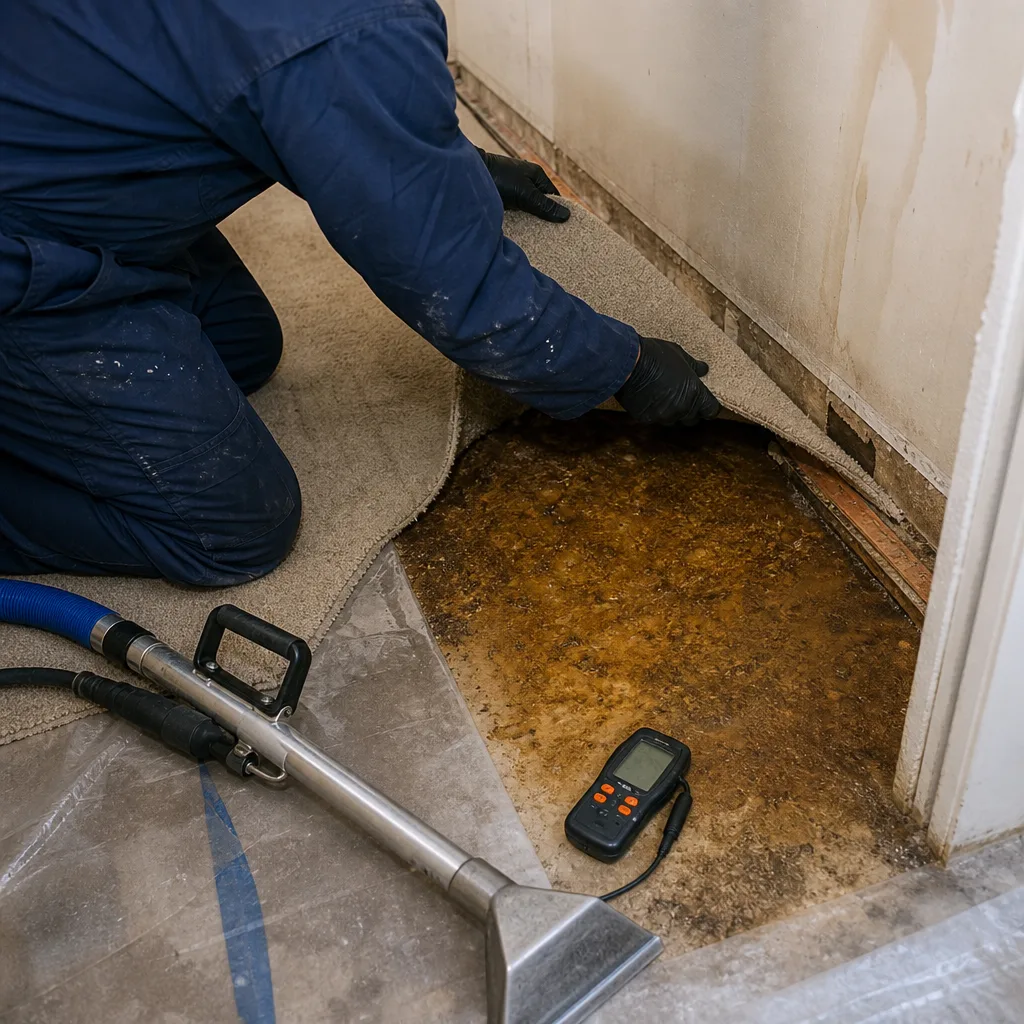
Contents Cleaning & Pack-Out
Furniture, clothing, and personal items that survived the fire often need cleaning and storage while the structural work proceeds. We inventory, pack out, clean or restore what can be saved, and store it securely until the unit is ready. For a two-family fire where one owner is out of state, we coordinate the pack-out with the property manager and the insurer directly.
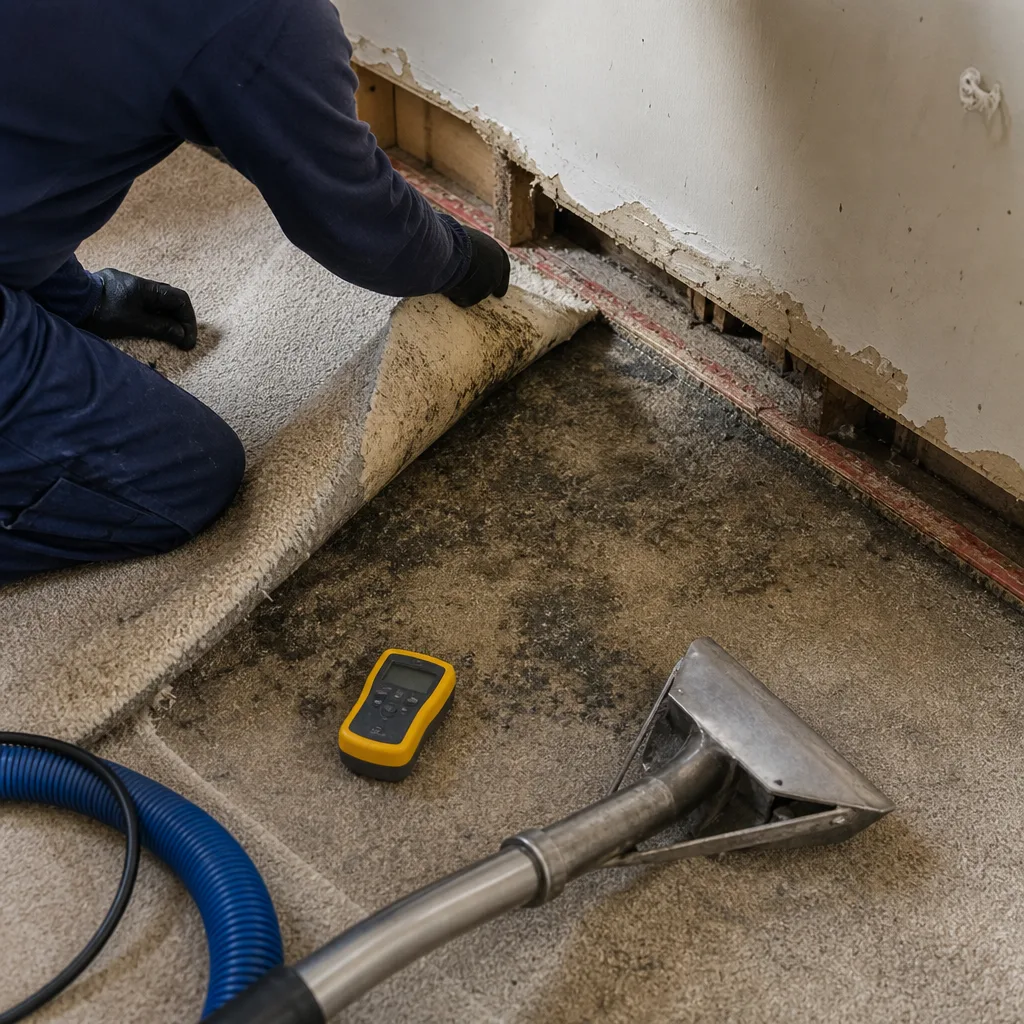
Emergency Board-Up & Tarping
When fire or firefighting has opened a building to the street, we secure it that same visit. Board-up on windows and doors, tarping on damaged roof sections, and locking up any ground-level access point. In Southeast Yonkers, where buildings sit shoulder-to-shoulder, loose tarping on one roof can end up as water in the neighbor’s top-floor apartment. We tie tarps correctly the first time and replace them when wind or snow tests the seal.
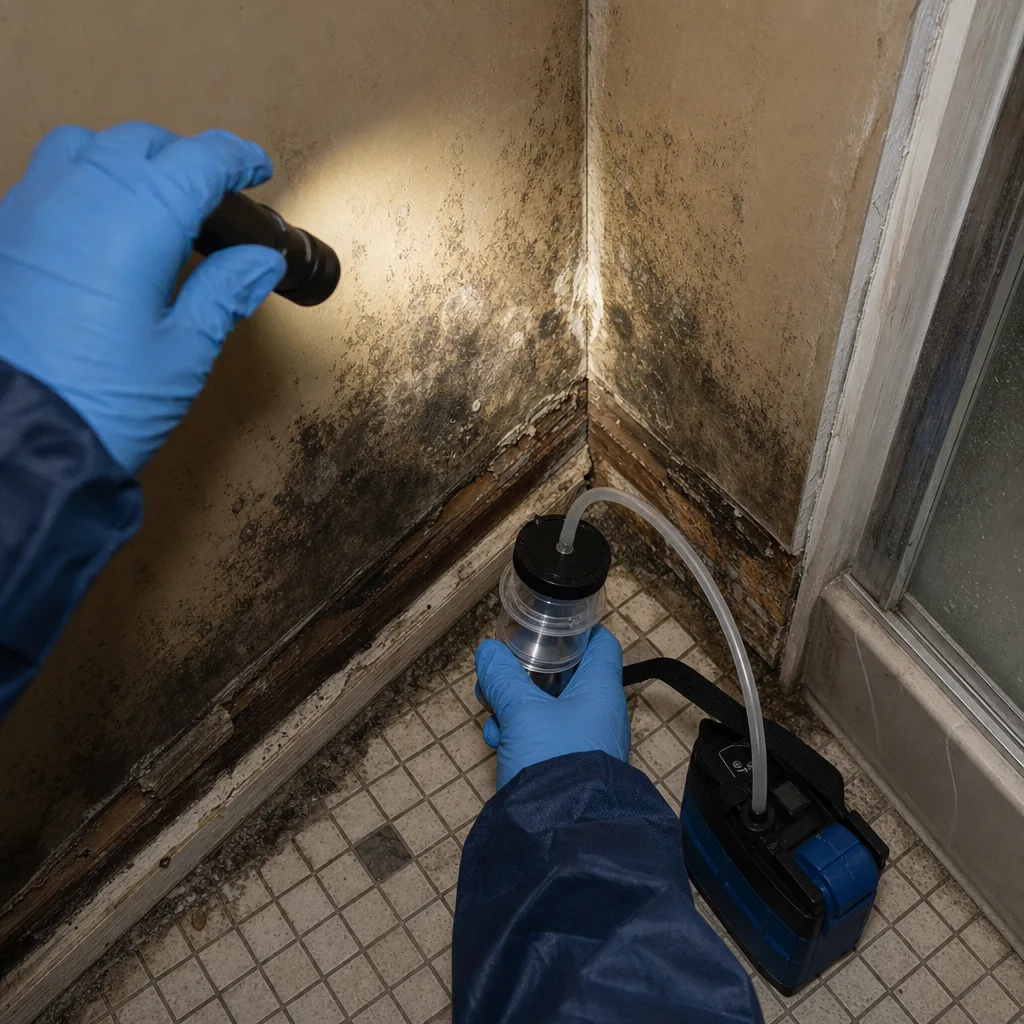
Structural Fire Repair
Where the fire charred joists, rafters, or a shared firewall, the repair becomes structural. We pull permits for the work, coordinate with the city’s building department on firewall and roof membrane requirements, and rebuild to code. In attached pre-war buildings near the Bronx line, this work often triggers joint inspections with the adjacent property. We handle that coordination so you don’t have to chase an inspector or a neighbor’s contractor.
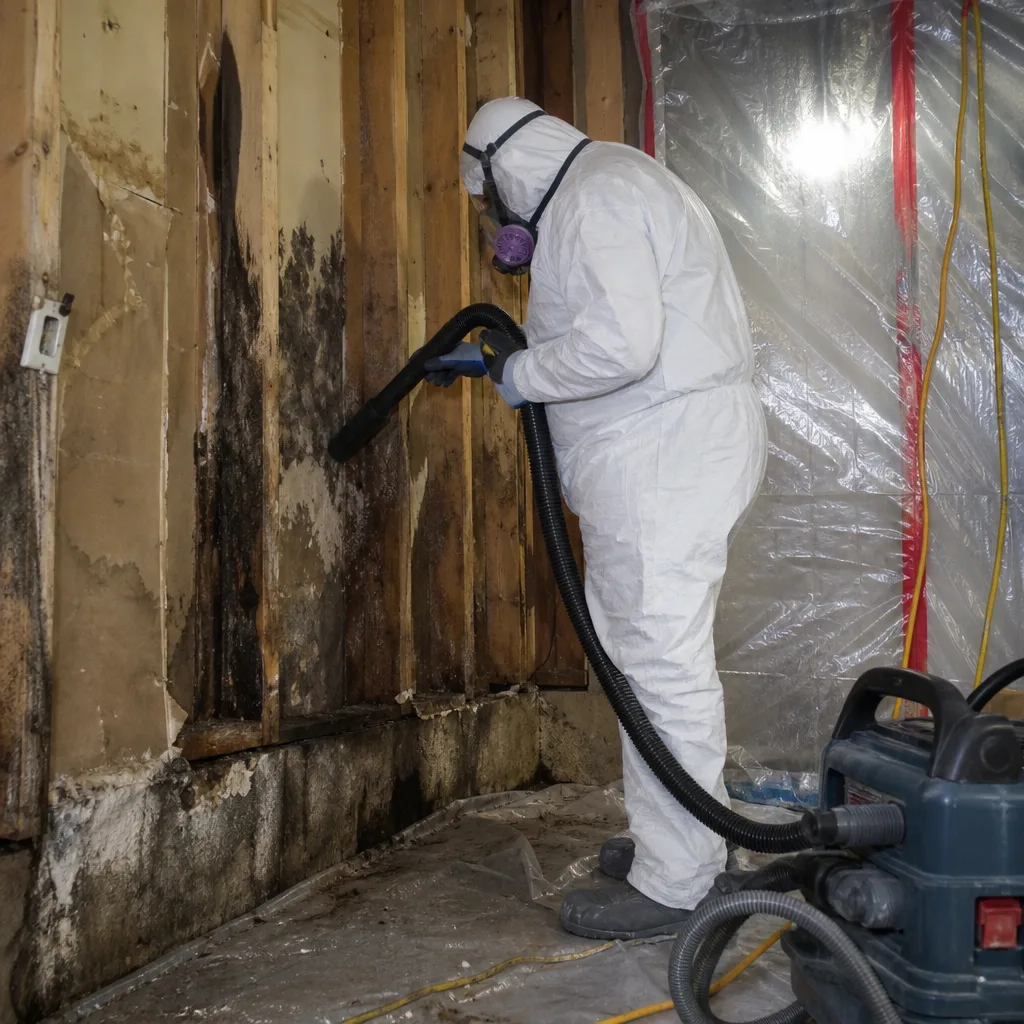
What happens when you call
- 1
A real person answersNo phone trees - you reach a local pro.
- 2
You get an upfront price rangeHonest numbers before anyone is dispatched.
- 3
A background-checked tech heads outLicensed & insured, dispatched right away.
- 4
You approve before work beginsNothing starts until you say go.
Fire & Smoke Damage Restoration Costs in Southeast Yonkers, NY
A typical smoke and soot removal in a Southeast Yonkers one-unit kitchen fire runs $2,500 to $6,000 depending on the square footage of affected surface and the soot type. Odor remediation with hydroxyl generation adds $800 to $2,500 when the smoke has moved through a cockloft or party wall into adjacent units. Pack-outs and contents cleaning for a two-family fire typically land between $3,000 and $9,000 depending on how many rooms of furniture and personal items need processing. Full structural fire repair with board-up, drying, rebuild, and permit work on a pre-war attached building can run $35,000 to $120,000 when multiple units are involved. Where insurance is in play, we write the scope to match what your policy covers and bill your carrier directly. The free visual inspection is the straight path to a firm number. Call (845) 456-6568 and we’ll walk the property and hand you a written scope, not an estimate that drifts upward later.
We Also Serve Cities Near Southeast Yonkers
Our crews run the same 24-hour board from Southeast Yonkers into New Rochelle, Mamaroneck, Rye, and Mount Vernon. Same live answer, same certified technicians, same written scope before work starts. If your building is in one of those communities and the smoke is in the wall, call (845) 456-6568 and we’ll be there.
Serving Southeast Yonkers, NY - Our Local Coverage Area
We’re based in the Southeast Yonkers area and know this community well. Use the map below to see our service coverage - if you’re nearby, we can almost certainly help.
Southeast Yonkers Fire & Smoke Damage Restoration Questions, Answered
Does a fire in my Southeast Yonkers row house automatically mean my neighbor’s unit needs testing for smoke and soot even if there’s no visible damage?
Yes, and you should insist on it. In attached pre-war row houses near the Bronx border, smoke moves through the shared cockloft and party wall even when there’s no visible soot on the neighbor’s walls. A quick visual check misses residue inside cabinets, behind radiators, and in wall cavities. If a neighbor’s unit is left untested, the odor and soot will surface later as a dispute between property owners. Call (845) 456-6568 and we’ll inspect the adjacent units as part of the original scope.
How does the required multi-party access affect a fire restoration timeline in Southeast Yonkers when the building has multiple owners and tenants?
Access coordination becomes part of the job, not an afterthought. A fire in one unit of a three-story brick building on McLean Avenue can require access to four units across two ownerships, each with a different insurer and sometimes a tenant in residence. The restoration timeline includes scheduling entry, securing approvals from each owner, and getting sign-off from each adjuster before structural work touches shared walls. We handle that coordination directly. For an exact timeline on your building, call (845) 456-6568 for a free assessment.
The fire department water is still standing in my basement apartment. Can you start structural drying before the insurance adjuster inspects?
Yes. You don’t wait on an adjuster to begin extraction and drying. The 24-to-48-hour mold clock starts when the water lands, and an adjuster will not fault you for mitigating ongoing damage. We photograph everything before we touch it, run extraction and set drying equipment the same visit, and keep the documentation your adjuster needs. Call (845) 456-6568 and we’ll start extraction now and coordinate with your carrier in the morning.
Can a kitchen fire in a Southeast Yonkers two-family trigger a permit for the shared firewall even if the structural damage looks minor?
Yes. In attached pre-war buildings, the firewall between units is structural and fire-rated. Even a fire that looks superficial can compromise the wall’s fire rating or leave charring that requires an engineer’s sign-off. The city may require a permit and joint inspection with the adjacent owner before any repair proceeds. We pull the permits and manage that coordination as part of the scope. Call (845) 456-6568 for guidance on your specific building.
Are pack-outs and contents cleaning common for small fires in Southeast Yonkers row houses, or is it usually just surface soot?
Pack-outs are more common here than in single-family suburban homes. The density of these attached units means the smoke plume fills a smaller air volume faster, and soot settles into clothing, upholstery, books, and bedding. It’s not unusual for a kitchen fire that never left the stove area to require a small pack-out of textiles and soft goods from the entire unit while structural cleaning proceeds. The free inspection will tell you which path applies to your loss. Call (845) 456-6568.
How fast can a crew actually reach my Southeast Yonkers building after I call?
Our commitment is a 45-minute response for emergency fire and smoke losses in the Southeast Yonkers area. A live dispatcher answers at (845) 456-6568, confirms the address, and puts the nearest on-call crew in motion immediately. You’ll know the crew’s ETA before you hang up. Call now.
Will my insurance cover fire and smoke damage restoration in a multi-family building when multiple units are involved?
Most property policies cover fire and smoke damage restoration, including the structural drying, soot removal, odor treatment, and rebuild needed to bring the unit back to pre-loss condition. The complication in Southeast Yonkers is when multiple units and multiple carriers are involved. We write each scope separately for each insurance carrier and bill each directly. Your adjuster gets photos, moisture logs, and line-item documentation from the first day. Call (845) 456-6568 and we’ll start the documentation now.
What should I do in the first 30 minutes after a fire in my Southeast Yonkers building?
Get everyone out and stay out until the fire department clears the structure. Then call (845) 456-6568. Don’t wipe soot off walls or light switches with a wet rag; that pushes it deeper into the plaster. Don’t run ceiling fans or the HVAC system; that spreads soot particles into every room and adjacent unit. Don’t plug anything back in. We’ll be there with containment, extraction, and a written scope. Call now.
One thing about Southeast Yonkers most restoration companies miss
In the attached pre-war brick blocks near the Yonkers-Bronx border, a fire in one unit rarely stays in one unit. Smoke, soot, and heat push through the shared party walls and the open cockloft into two, three, or four separately owned or rented units. Each unit means a different landlord, tenant, insurer, and access schedule. The physical restoration is only half the job. The other half is coordinating the multi-party scope so no unit gets missed and no owner gets a surprise bill. That’s the operational reality that a contractor working in suburban northern Westchester simply won’t encounter at this density. We do encounter it, every week and every winter. Last spring, our crew responded to a kitchen fire in a three-story brick row house on McLean Avenue near the Bronx border. Smoke had traveled through the shared cockloft and party wall into the adjacent two-family, leaving soot on every surface and a Category 2 water situation from the fire department’s attack lines. We set up containment with a negative air machine, ran moisture mapping and moisture readings on all affected walls, completed structural drying with Dri-Eaz dehumidifiers and XPOWER air movers, and performed smoke and soot removal plus odor remediation using hydroxyl generators. The job required coordinating access and separate insurance claims for four units across two ownerships, and we delivered each scope of work back to pre-loss condition. That’s the work this page is about.
What to watch for in a Southeast Yonkers attached-building fire
- Hidden soot in adjacent units. If the neighbor’s unit isn’t inspected and cleaned, the soot stays behind the walls and the dispute surfaces later. We always check the adjacent spaces before calling a fire job done.
- Missed multi-permit coordination. Structural fire repair on a shared firewall or roof membrane in an attached building triggers joint inspections and permits that affect adjacent owners. A contractor who skips this leaves you with an open permit and an angry neighbor.
- Drying only the burn unit. Fire department water doesn’t stop at the unit door. It runs down into basement apartments and lower floors in the adjoining building. We take moisture readings in every affected space, not just the room where the burn started.
Written by Curt Bowman, Owner at Floodline Restoration Co., serving Southeast Yonkers and the surrounding communities.