
Free visual inspection and a written scope of work before any mitigation begins - photos, moisture readings, and drying logs go in your claim file
The scope we write is the scope we bill. Anything new gets shown to you, in writing, before we touch it.
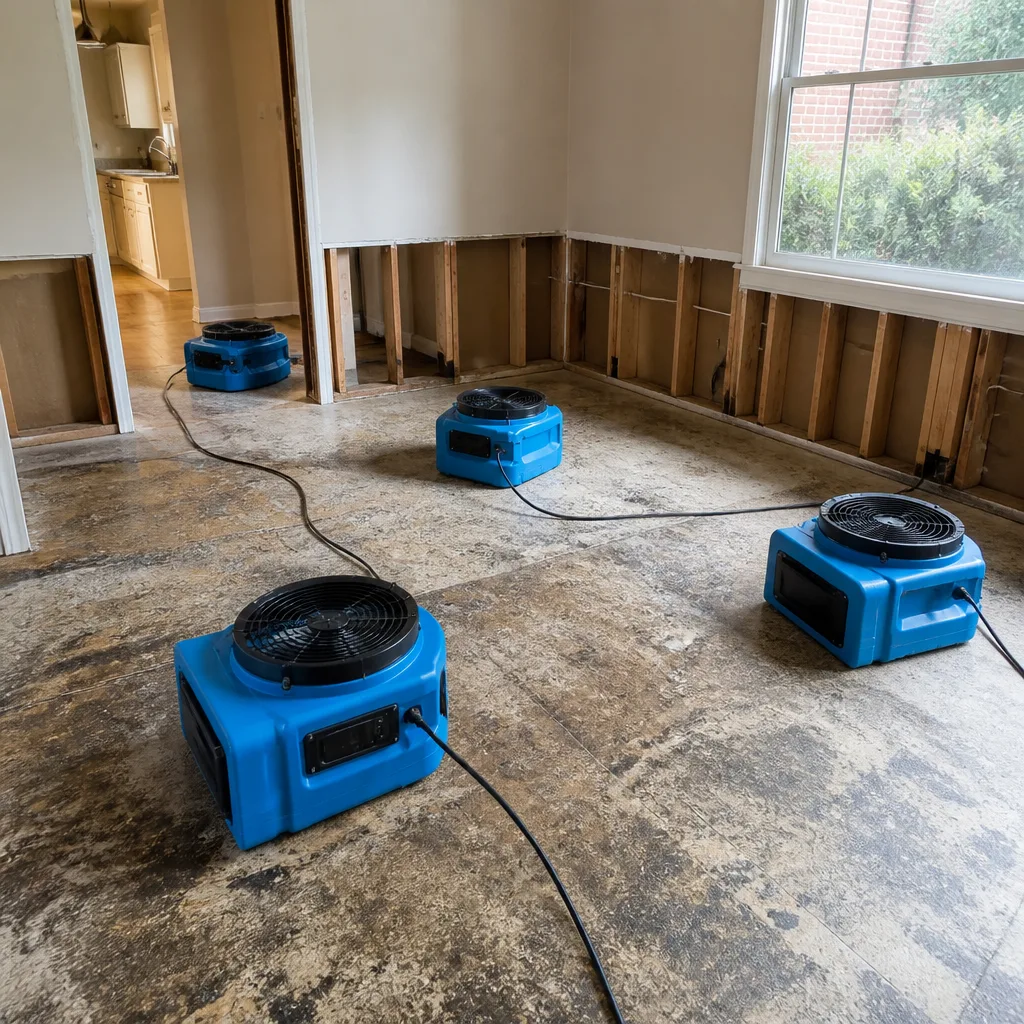
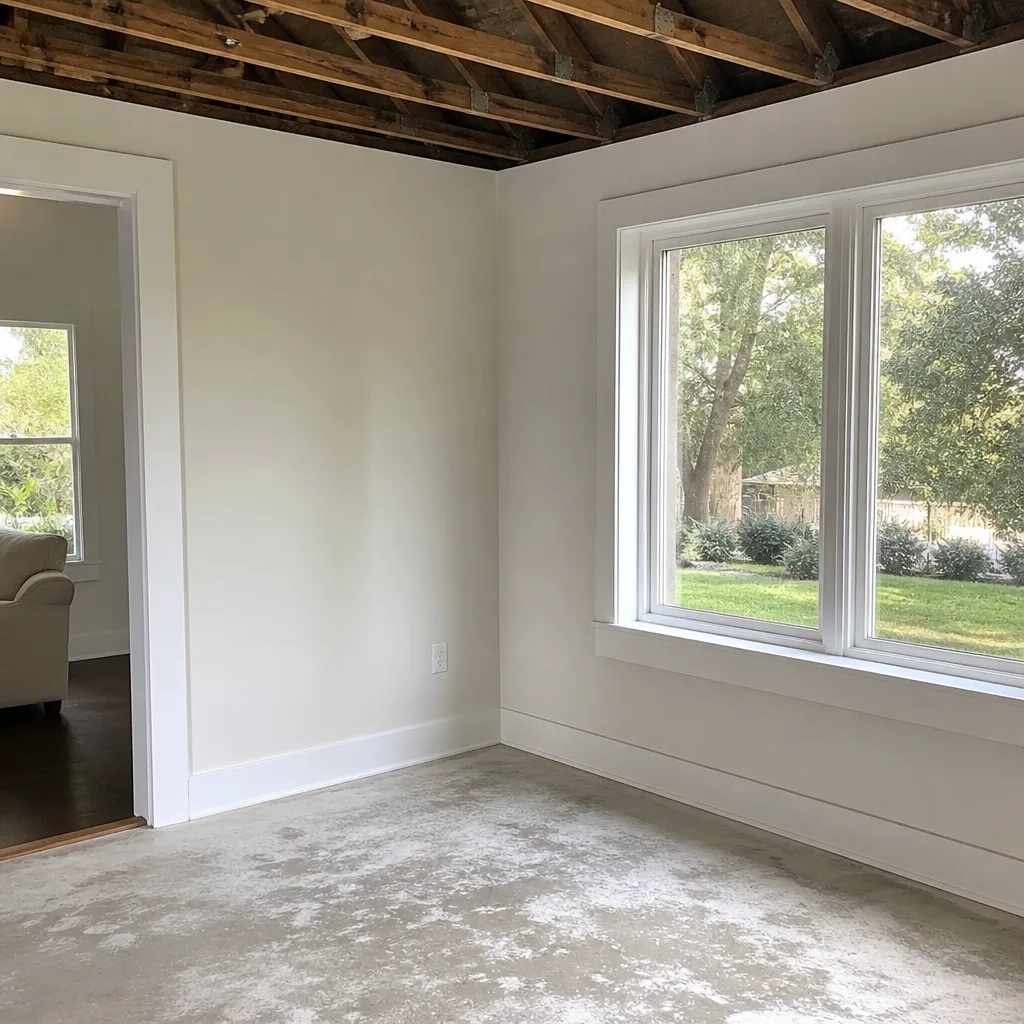
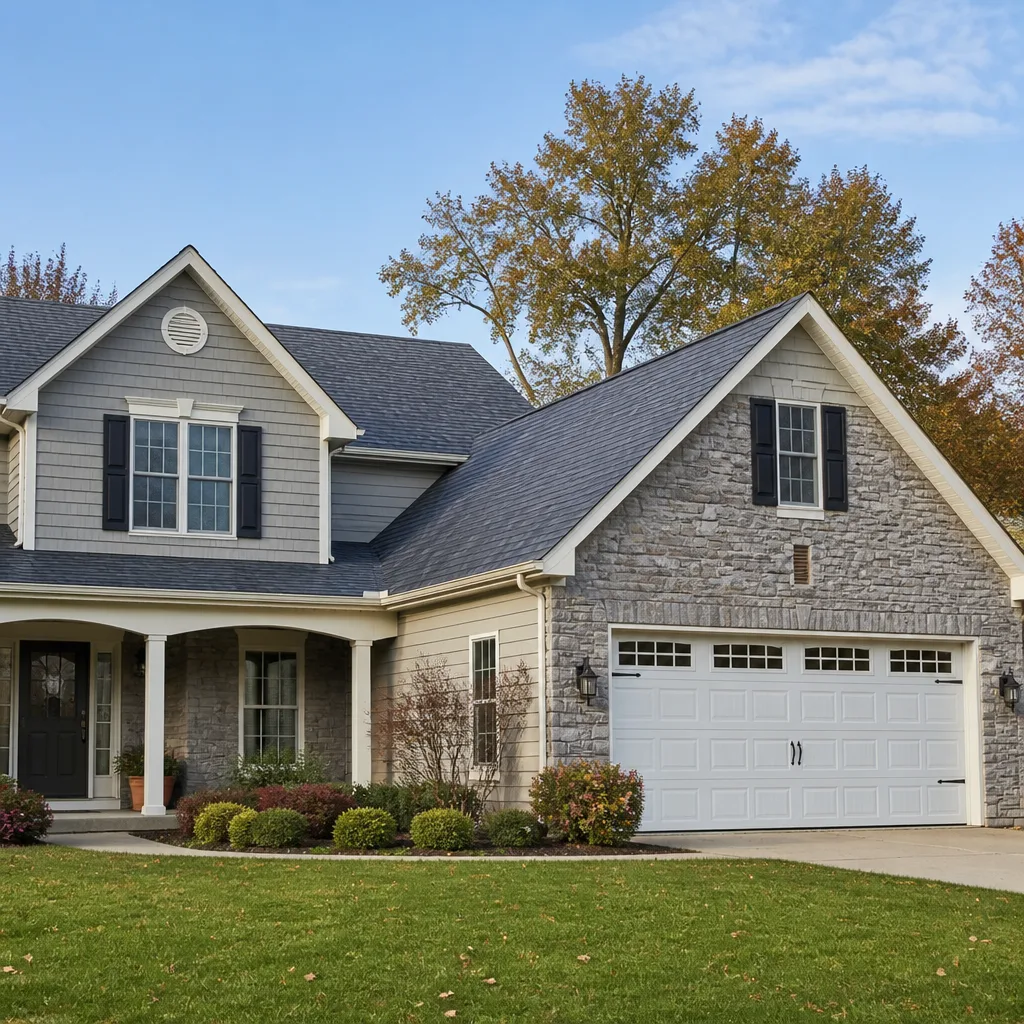
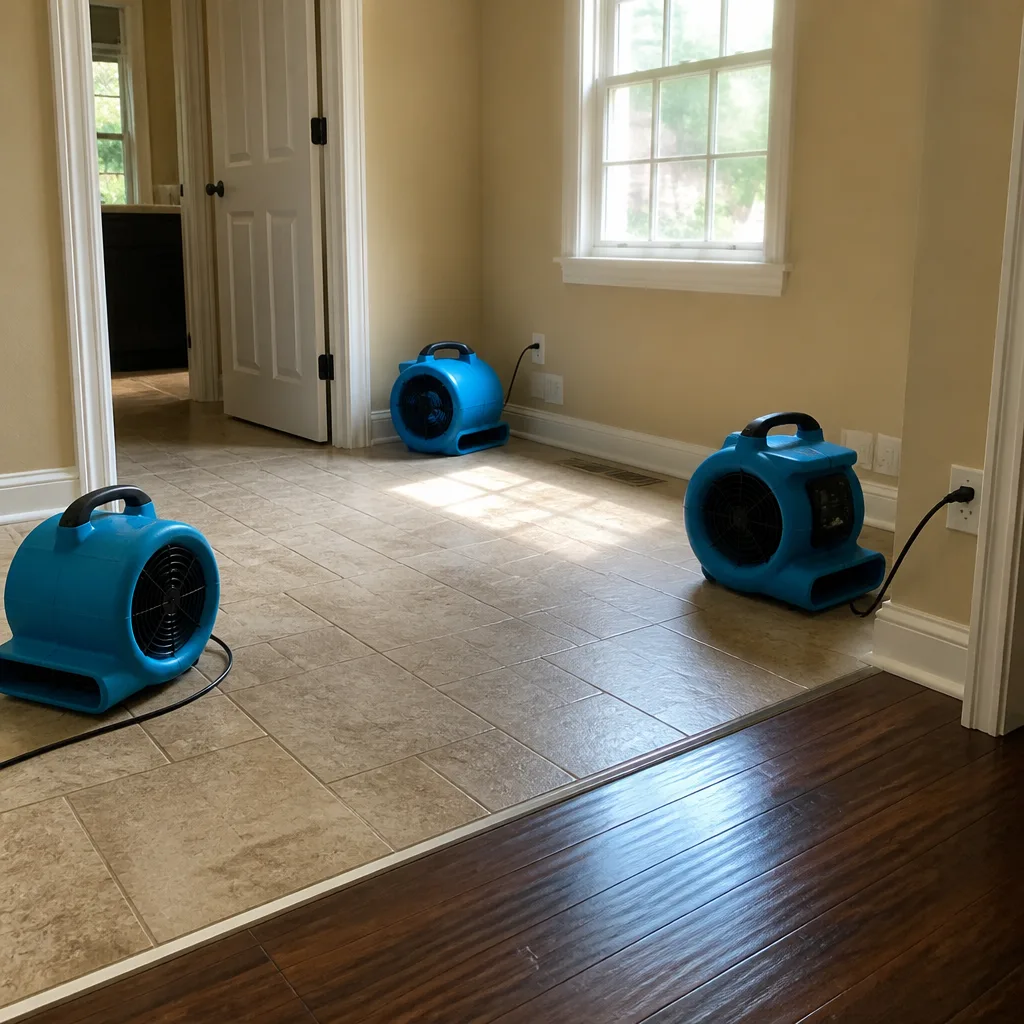
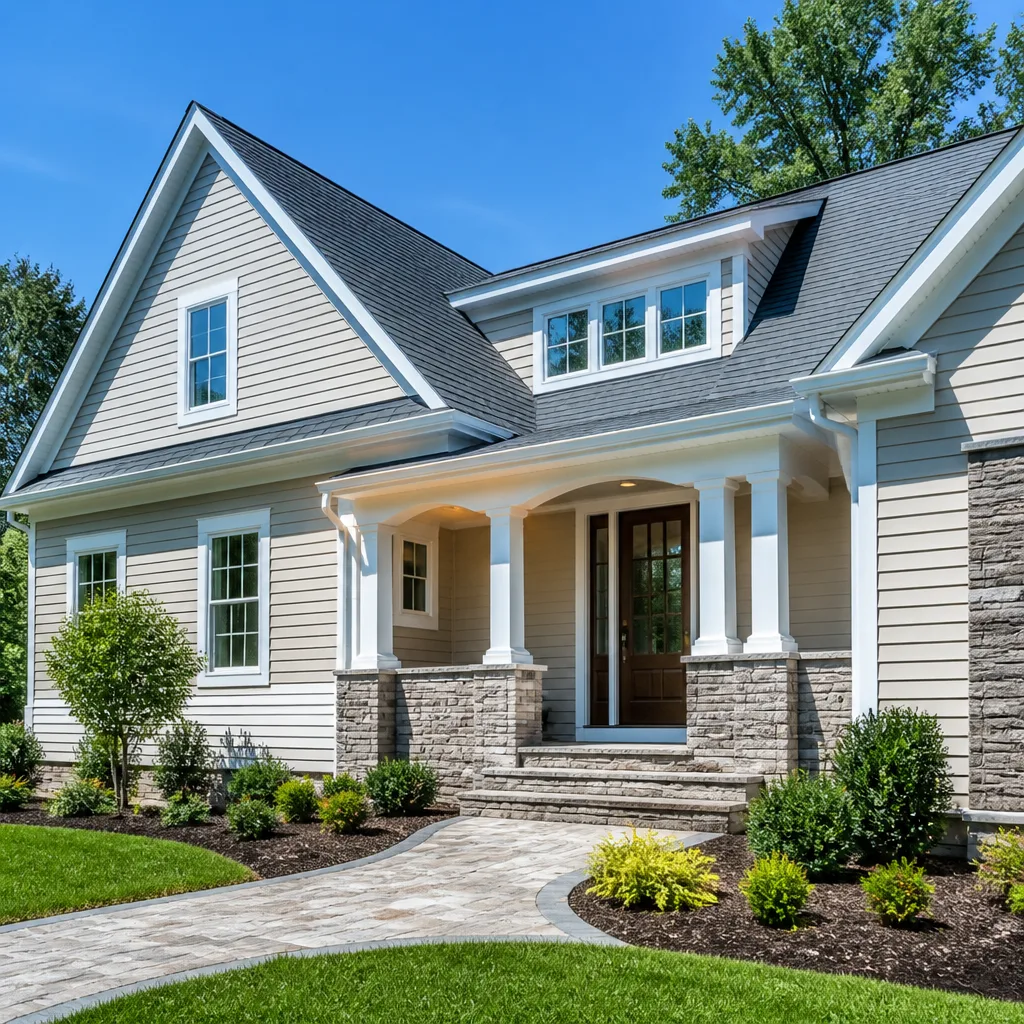
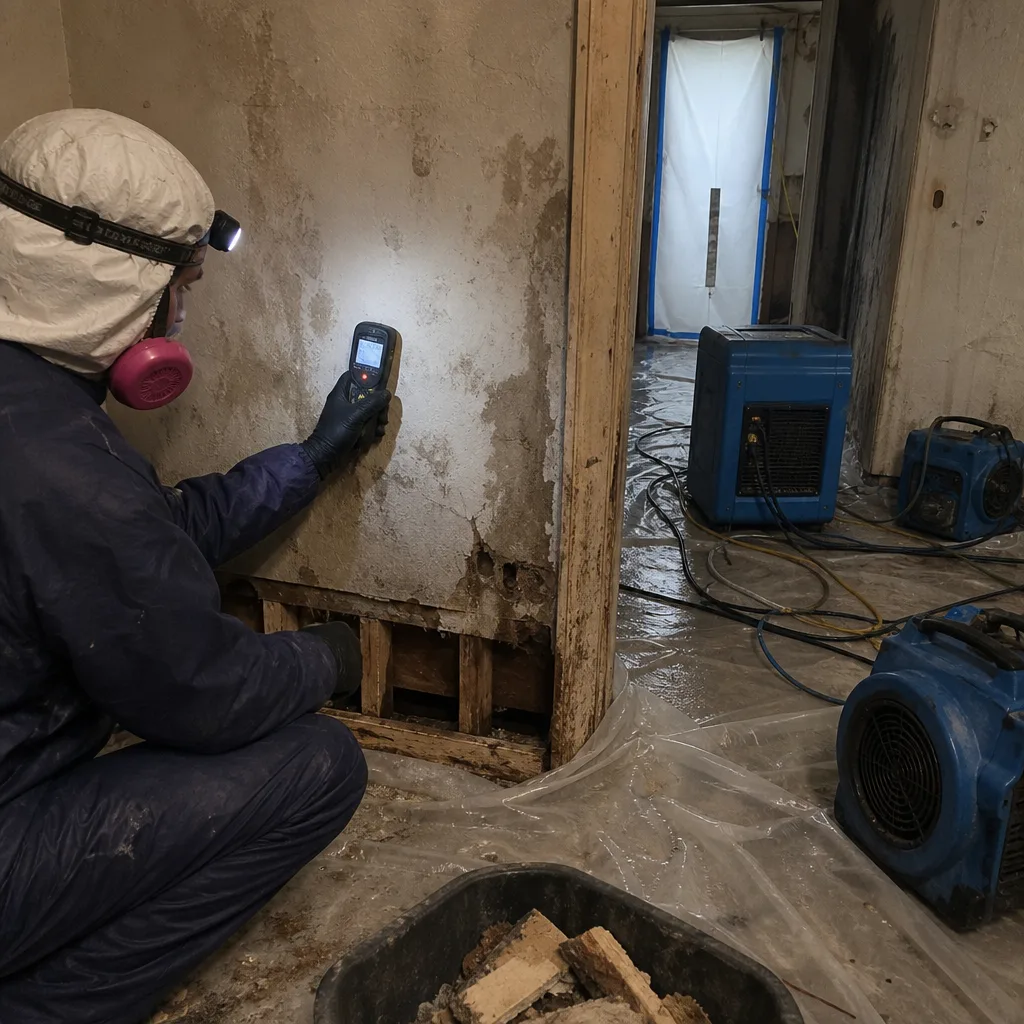 Before
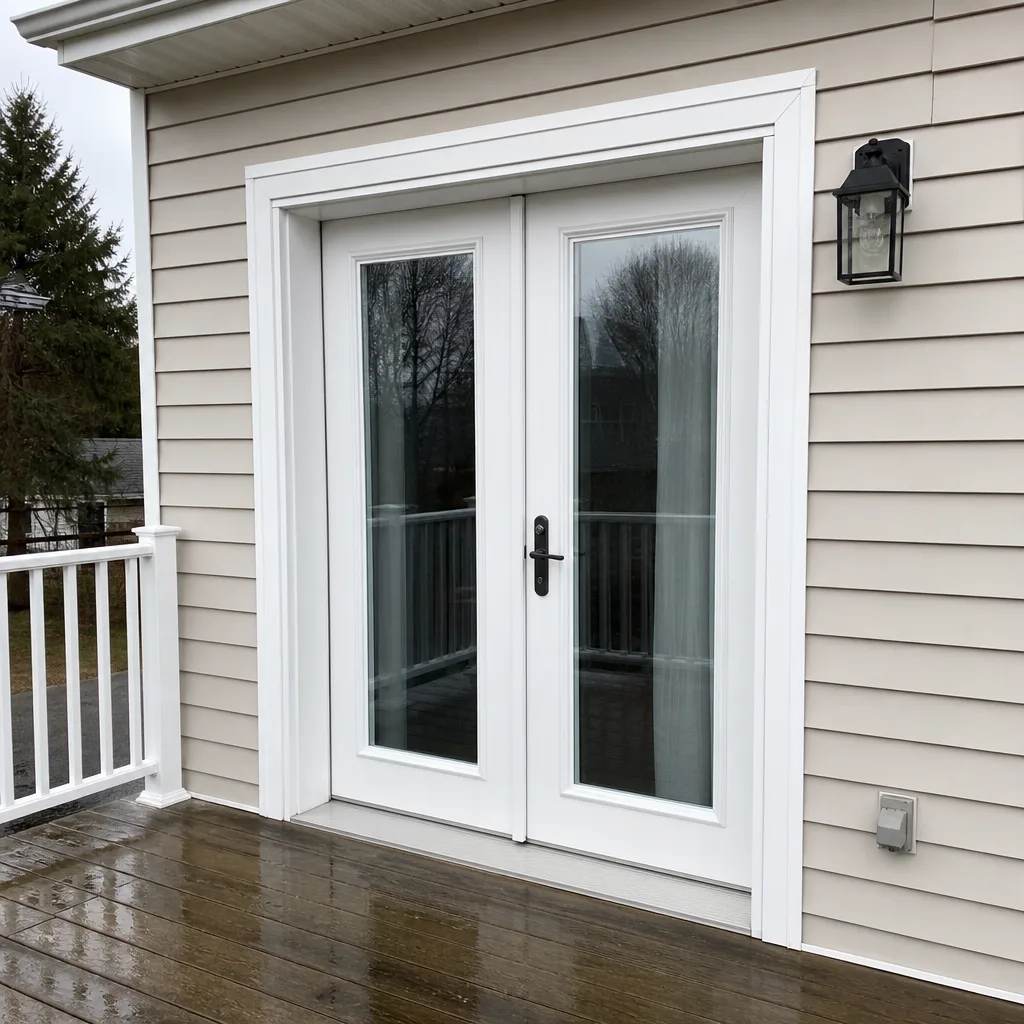 After
After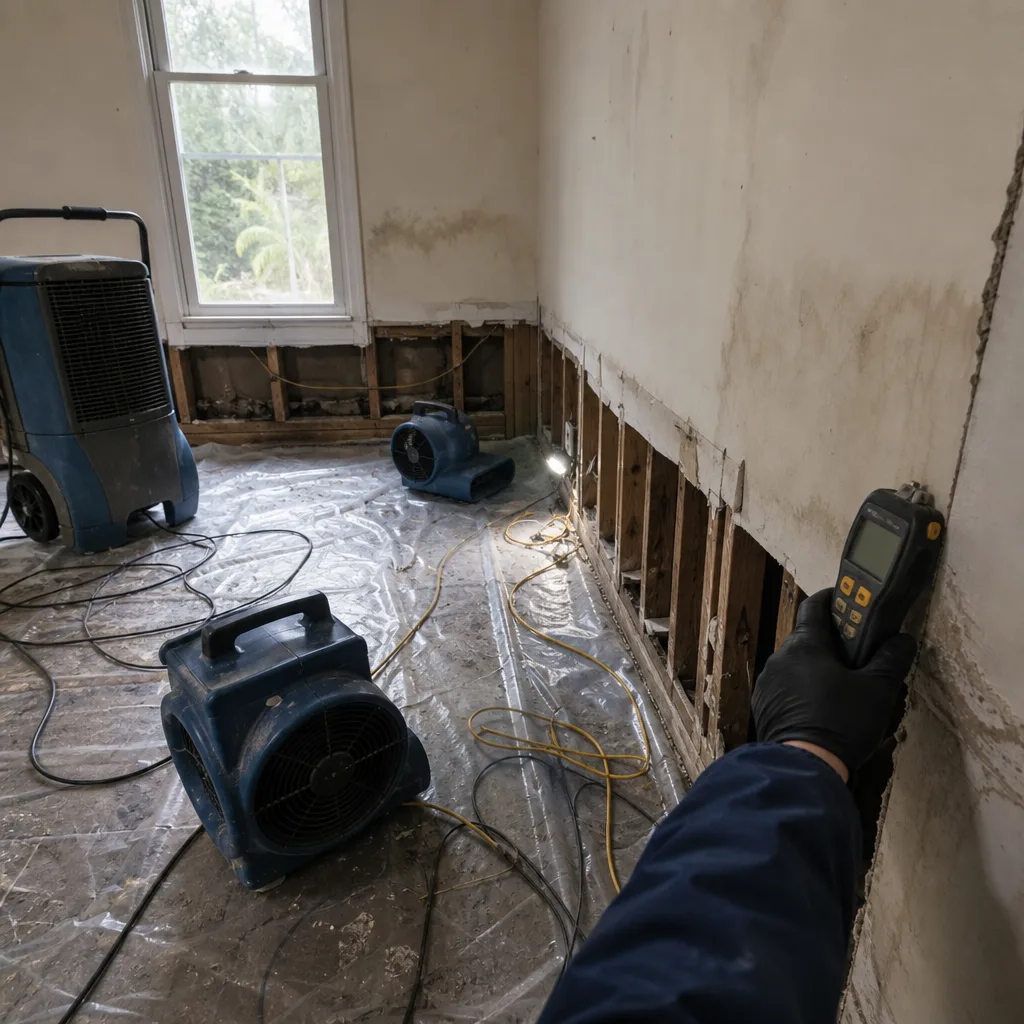 Before
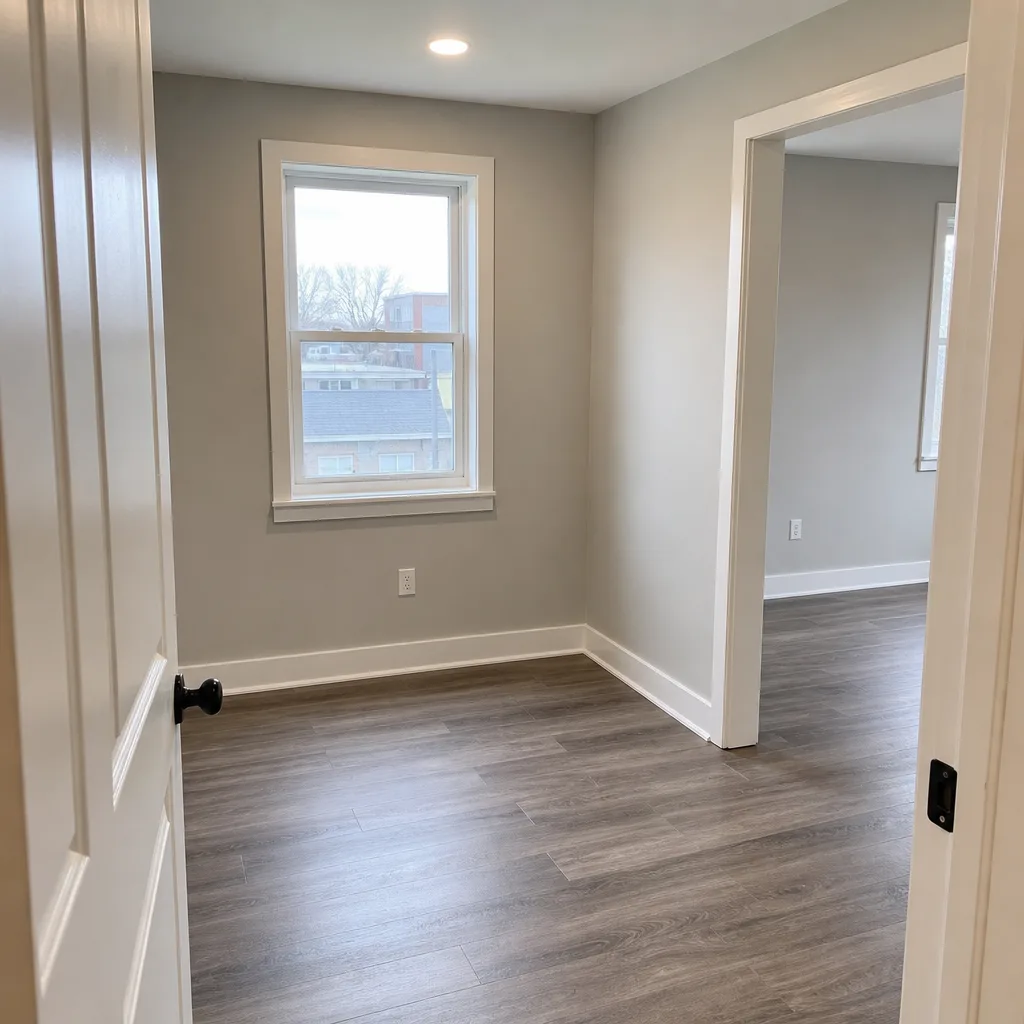 After
After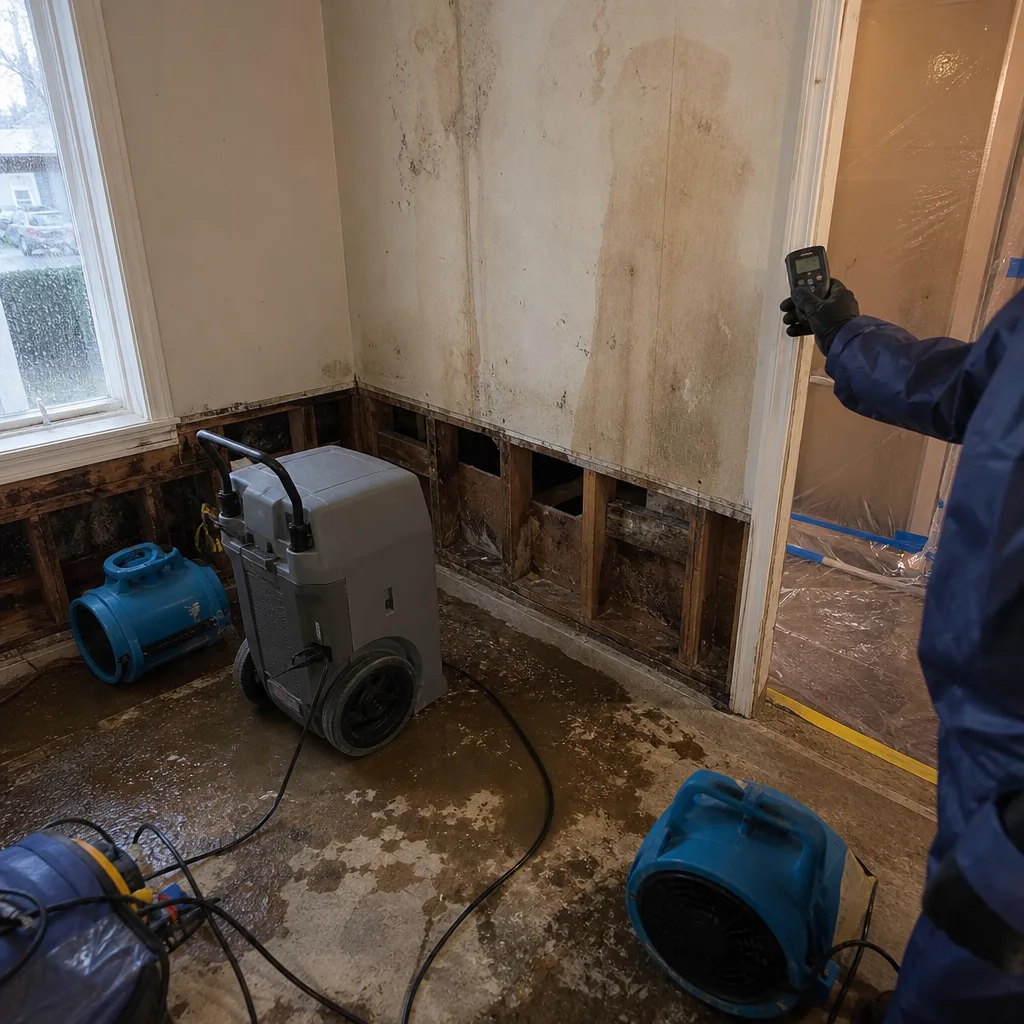 Before
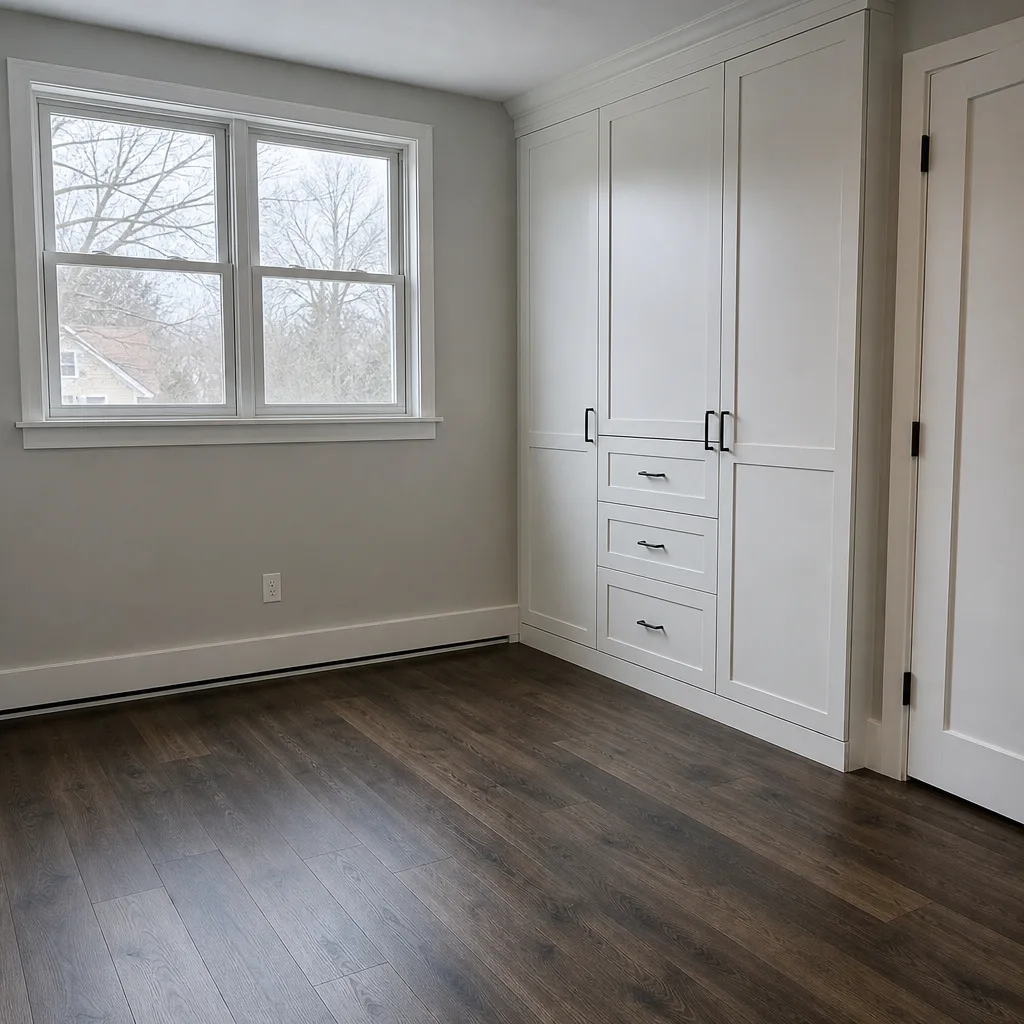 After
After24/7 Emergency Fire & Smoke Damage Restoration in New Rochelle
Fire damage in New Rochelle moves fast, and so do we. A live dispatcher answers at (845) 456-6568 any hour, every day, and a crew can be rolling toward your neighborhood within 45 minutes. The first hour after a kitchen fire or electrical burn matters because soot residue is acidic: it etches glass, corrodes metal fixtures, and drives into painted surfaces within days if it’s not neutralized. Whether you’re near downtown or out on Davenport Neck, we’ll get you a free visual inspection and a straight answer about what needs to happen next. No recording, no call center across the country. A person who knows New Rochelle picks up.
Understanding Fire & Smoke Damage Restoration Severity in New Rochelle Properties
Fire damage does not move the same way through every house. In New Rochelle’s pre-war stock, the construction itself changes how we approach the work. The North End’s Victorians and Colonial Revivals, built largely between 1900 and 1935, carry plaster-and-lath walls. Plaster hides smoke differently than modern drywall: it absorbs soot into its porous lime base, and it dries slowly, which means odor can persist for weeks if we don’t treat the wall, not just the air. Protein fires from stove grease leave a nearly invisible residue that ordinary cleaning won’t touch; it requires a specific alkaline cleaner and often a fogging or ozone treatment. Synthetic fires, like those from wiring or plastics, leave a heavier, oilier soot that smears if wiped incorrectly. We also map smoke migration. Heat pressure pushes smoke into wall cavities, behind baseboards, and up through balloon-framed stud bays common in older New Rochelle homes. If we don’t find where the smoke went, the odor comes back in summer, when Sound-side humidity in neighborhoods like Premium Point and Stephenson Park raises the volatility of trapped residue. Severity is not just what burned. It is what the fire touched, what the heat forced open, and what the house’s age allows the residue to hide in.
Why New Rochelle Property Owners Choose Floodline Restoration Co.
- 45-minute response commitment - we log the call, dispatch a live crew from the New Rochelle area, and you get a text or call when we’re moving.
- 24/7 live answer - a real person picks up the phone at 2 a.m., not a voicemail tree. That’s been true for 42 years and it doesn’t change on holidays.
- IICRC-certified crews - our technicians hold FSRT (Fire & Smoke Restoration Technician) and WRT (Water Damage Restoration Technician) certifications, and train to RIA and IFA standards.
- Free visual inspection - we look, we measure, we tell you what needs doing and what can wait. No charge, no pressure.
- Direct insurance billing - we send the scope and the photos to your carrier. You don’t play messenger.
- One team from board-up to rebuilt wall - the same crew that tarped the roof is the crew that hangs the new drywall. No handoff, no inherited subcontractor.
Our Fire & Smoke Damage Restoration Process
Inspection & Assessment
We walk the entire structure, thermal imaging camera in hand, and map heat migration, soot deposition, and hidden water from suppression efforts. You get a written scope before any work starts.
Extraction & Stabilization
Fire suppression leaves water in ceils, floors, and wall cavities. We extract standing water immediately, then secure the property with board-up and tarping. No one gets in, no more water gets in.
Drying & Dehumidification
Dri-Eaz dehumidifiers and XPOWER air movers run around the clock, with daily moisture readings logged until the dry standard is met. On Davenport Neck, this step runs longer because Sound humidity resists evaporation.
Cleaning & Sanitization
We remove soot from surfaces, sanitize all affected areas, and run HEPA air scrubbers to pull airborne particulates. Contents that can be saved get cleaned; ones that can’t get documented for the adjuster.
Odor Removal & Deodorization
Ozone, hydroxyl generators, or thermal fogging depending on the fire type. We treat the walls, the cavities, and the ductwork, not just the room where the fire started.
Repairs & Restoration
Structural fire repair, drywall replacement, finish carpentry, paint. The same Floodline crew finishes what we started, and the 90-Day Done Right Promise comes with you, in writing.
Need Emergency Fire & Smoke Damage Restoration in New Rochelle Now?
Crews minutes away, answering live 24 hours a day. The sooner we start, the less it costs.
Working With Your Insurance Company
Insurance should not become a second job after a fire. We’ve spent over four decades handling the paperwork side correctly, so you don’t have to learn adjuster language at the worst possible moment. From the first hour, we photograph every affected room, every damaged surface, and every piece of equipment we place. We log moisture readings daily and build a line-item scope of work in the format carriers expect to see. When your adjuster calls, we talk to them directly. You get a square deal: the work is scoped, priced, and agreed before it starts, and the carrier gets the documentation they need to process the claim. That keeps your New Rochelle claim moving instead of stalling.
What We Provide Your Insurer
- Thorough documentation of the loss
- Photos of all damage, room by room
- Moisture readings and drying logs
- A detailed, line-item scope of work
- Direct coordination with your carrier
Built for New Rochelle’s Loss Calendar
New Rochelle’s calendar of fire and smoke losses doesn’t follow one clean pattern. January and February bring the deep freezes that strain older wiring and aging heating systems, and space heaters pushed too hard in the North End’s big pre-war houses are a recurring call. Spring means nor’easters pushing Long Island Sound water up against the waterfront neighborhoods on Davenport Neck and along the shore below Premium Point, where salt water finds every crack in a foundation and every door seal. Summer brings thunderstorms that knock out power and occasionally start electrical fires in service panels that have been untouched since the Eisenhower administration. The point is the same all year: water and fire are connected in this city more than most. And because New Rochelle sits directly on the water, the air itself is often wetter than inland Westchester, which means smoke odors hang around longer if the drying was rushed. We sequence our work differently here than we would in White Plains or Mount Vernon, and that local order of operations matters for whether a job holds up.
Fire & Smoke Damage Restoration Across New Rochelle’s Neighborhoods
Our crews are moving through New Rochelle daily, and the route changes the job. Downtown and along North Avenue, we see mid-century multi-family buildings where a kitchen fire in one unit pushes smoke through shared wall cavities into the neighbors’ places, so containment and air scrubbing start immediately, not after the visible soot is wiped. In the North End, around Webster Avenue and along Pinebrook Boulevard, the Victorian, Colonial Revival, and Tudor homes are built with balloon framing that lets smoke travel from a basement fire straight up to the attic in minutes, so we open wall cavities and check the chase. Over in Wykagyl and along Quaker Ridge Road, the houses sit higher and further from the water, but the older oil-fired heating systems still produce the occasional puff-back that coats an entire first floor in a fine black film. Out on the waterfront, the job changes entirely: a fire after a storm surge means Category 3 water has already been in the structure, and we’re not doing soot work until we’ve dried the framing and treated for microbial growth. Each neighborhood has a different failure pattern, and we’ve seen enough of all of them to know what to check first.
Specialized Fire & Smoke Damage Restoration Services We Offer in New Rochelle
Fire Damage Cleanup
Complete removal of charred debris, soot, and unsalvageable materials. In New Rochelle’s older homes, this often means careful layer removal: the floor finish, the plaster surface, the trim, because smoke and heat penetrated each differently. We clean what’s cleanable and cut out what isn’t.
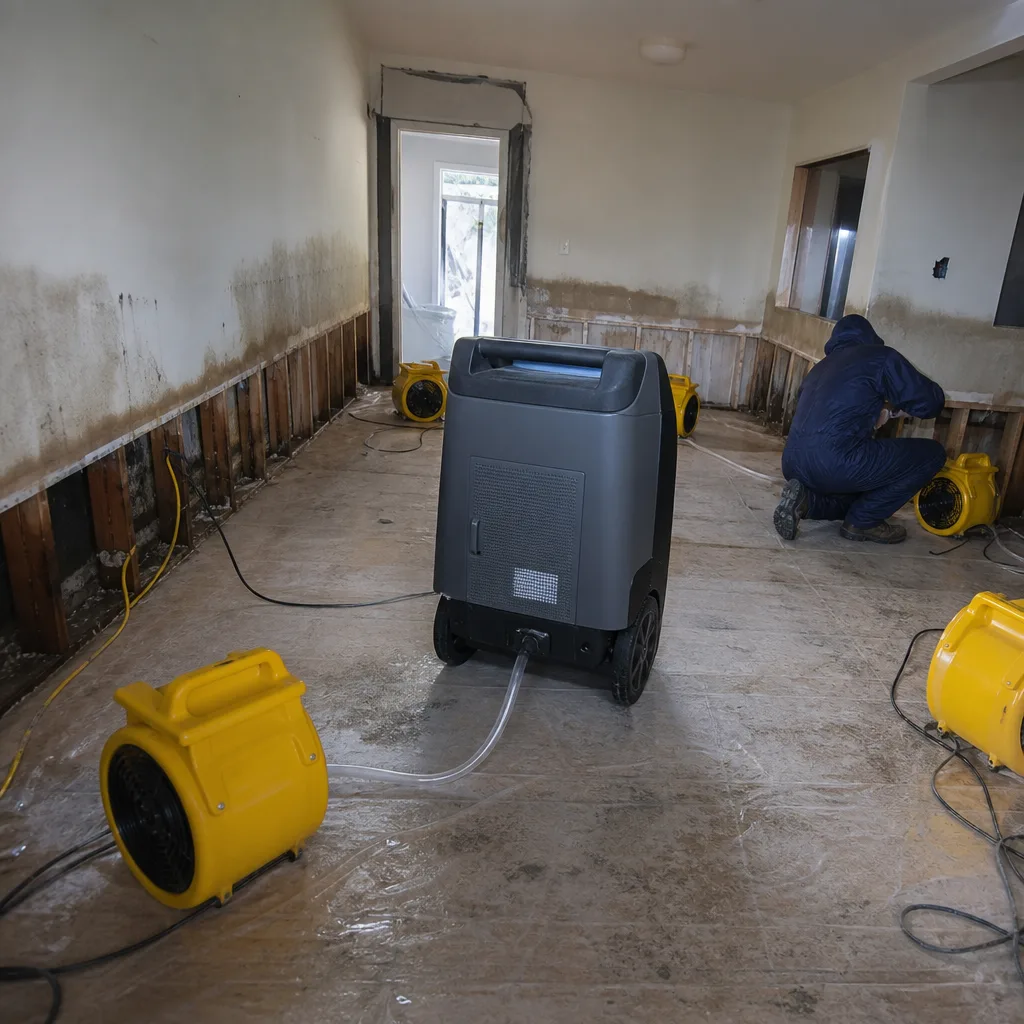
Smoke & Soot Removal
Soot is acidic and it works fast. We use dry-chem sponges for dry soot, alkaline solutions for protein fires, and specialized degreasers for synthetic residue. In a pre-war Colonial Revival off Pinebrook, we’re often working on plaster that hasn’t seen a cleaning this thorough since the house was built, and it has to be done without soaking the lime base.
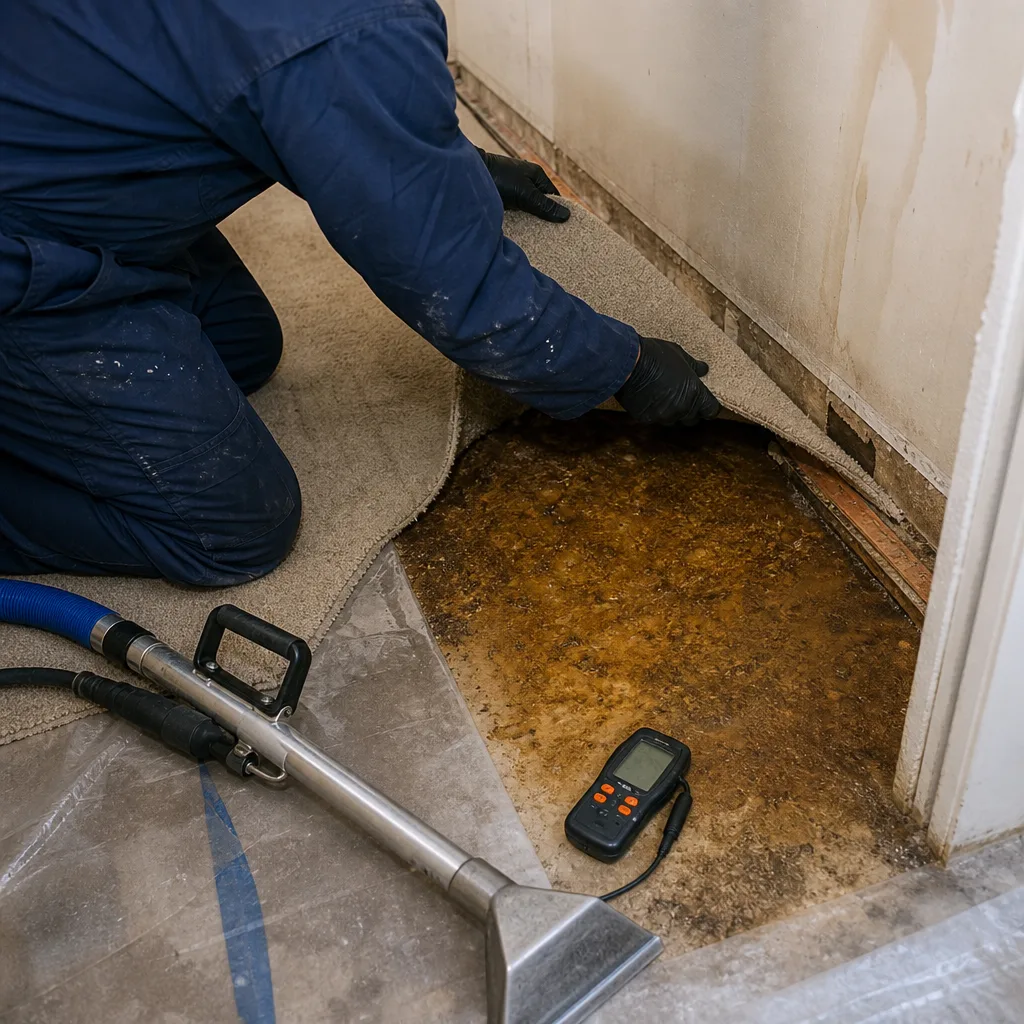
Odor Removal & Deodorization
The smell is the last thing to go and the first thing to come back if the job was rushed. We run hydroxyl generators in occupied homes, ozone in vacated ones, and thermal fogging when the smoke got into wood grain and plaster. In New Rochelle’s coastal summer air, we schedule a follow-up sniff test because heat and Sound humidity wake up trapped odor.
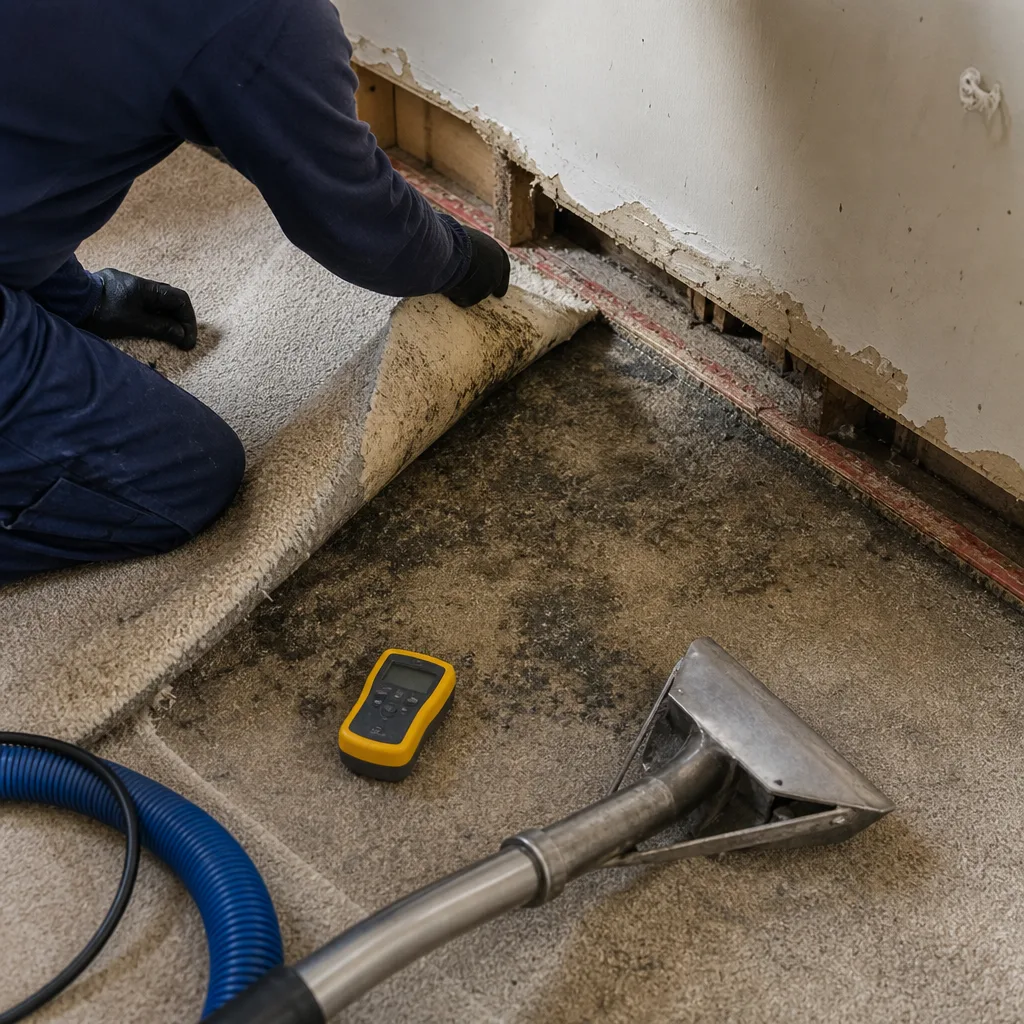
Contents Cleaning & Pack-Out
Furniture, clothing, dishes, books. We inventory everything, photograph everything, pack out what can be saved, and clean it off-site. Your adjuster gets the inventory. Tapestries and upholstery from a North End Victorian carry decades of value, and we treat them accordingly.
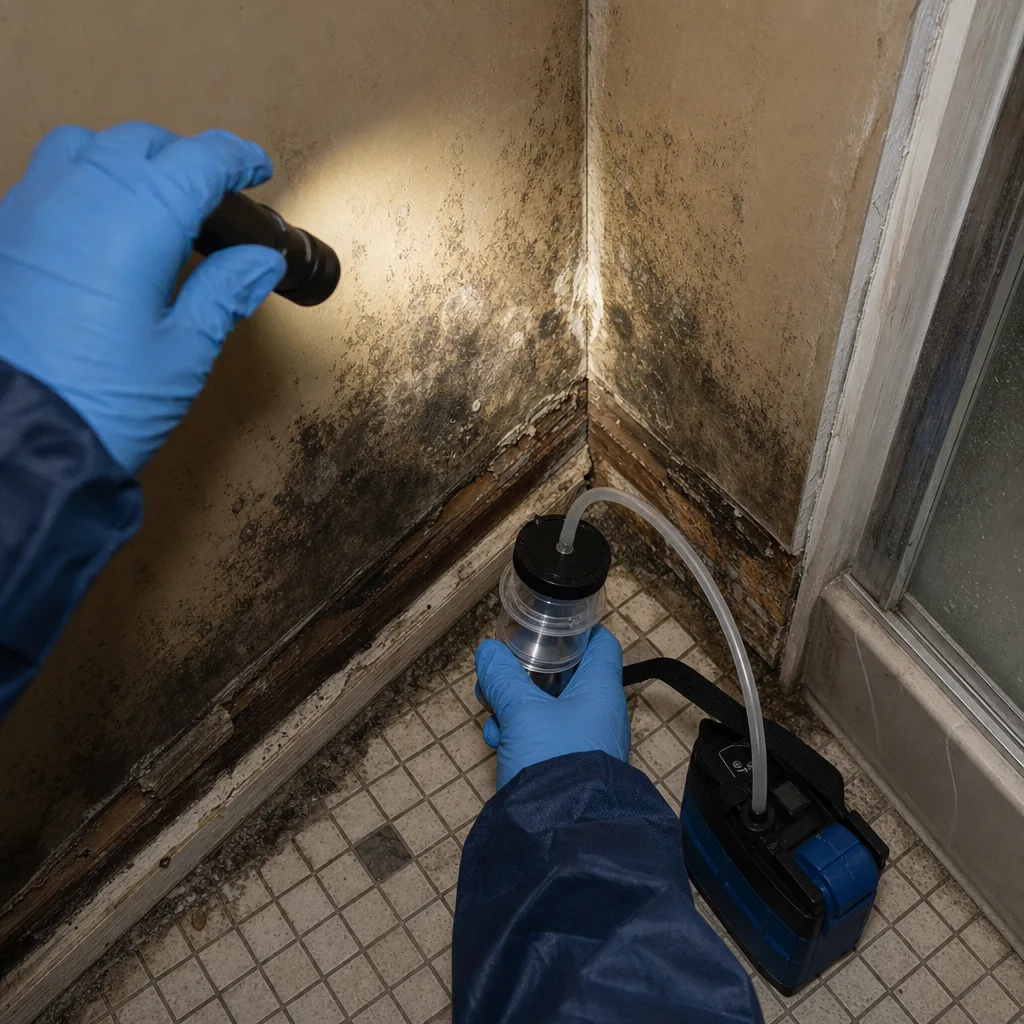
Emergency Board-Up & Tarping
The fire department leaves, and the house is open. We secure every opening the same day, often within hours of the call. Plywood on windows, tarps across the roof ridge, doors secured so no one wanders in and nothing else wanders out. In a Davenport Neck storm-surge scenario, this step also stops the Sound wind from driving more water through the failed openings while we work on the interior.
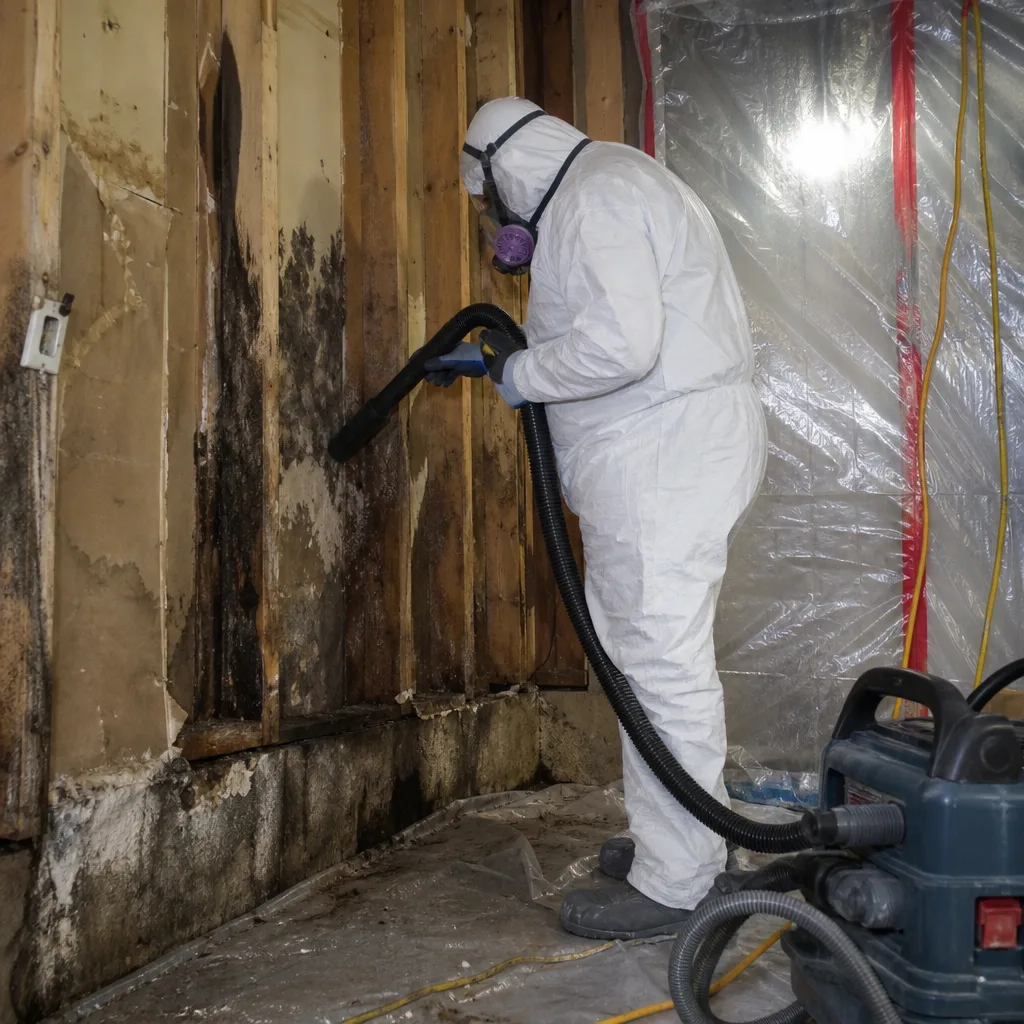
Structural Fire Repair
Charred joists, compromised studs, burned subfloor. We sister what’s sound, replace what isn’t, and pull the permits New Rochelle’s building department requires. When a fire-damaged door has to be replaced on a waterfront home, we spec the wind-rated model that meets the prevailing codes, not the cheapest slab from a big-box aisle.
What happens when you call
- 1
A real person answersNo phone trees - you reach a local pro.
- 2
You get an upfront price rangeHonest numbers before anyone is dispatched.
- 3
A background-checked tech heads outLicensed & insured, dispatched right away.
- 4
You approve before work beginsNothing starts until you say go.
Fire & Smoke Damage Restoration Costs in New Rochelle, NY
Straight numbers, because you deserve them before you commit. A small kitchen fire cleanup with moderate soot in a New Rochelle condo typically runs $3,000 to $8,000. A full-content pack-out, structural drying, deodorization, and repair in a single-family North End home usually lands between $15,000 and $45,000. Waterfront jobs on Davenport Neck that include storm-surge extraction, antimicrobial treatment, and structural fire repair can push past $60,000. The variables are real: how far smoke migrated, whether framing is charred, whether contents need off-site cleaning, and whether the pre-war construction requires lead or asbestos protocols. If the loss is covered, your carrier handles most of it and we bill them directly. If it’s out of pocket, we’ll give you a written scope before any work starts so you know exactly what you’re signing. Call (845) 456-6568 and we’ll walk the site free and put the real number in front of you.
We Also Serve Cities Near New Rochelle
Our crews work the whole lower Westchester shoreline and inland. If you’re in Pelham, Larchmont, Mount Vernon, or Eastchester, the same live dispatch and the same 45-minute response apply. Fire damage doesn’t respect municipal boundaries, and neither does our service area. Call (845) 456-6568 and a dispatcher will route the nearest available crew to you.
Serving New Rochelle, NY - Our Local Coverage Area
We’re based in the New Rochelle area and know this community well. Use the map below to see our service coverage - if you’re nearby, we can almost certainly help.
New Rochelle Fire & Smoke Damage Restoration Questions, Answered
Why does fire damage restoration in Davenport Neck always include water extraction and structural drying even when there are no visible water stains?
Because a Davenport Neck fire and a Davenport Neck storm surge are rarely separate events. When a nor’easter drives Long Island Sound water through a failed door or window, that water soaks into framing, subfloor, and wall cavities before the electrical fire ever starts. The visible water may be gone, but the trapped moisture inside the structure isn’t. We don’t begin soot or odor work until the moisture map reads dry, because drying over soot and then discovering hidden mold weeks later means tearing out work you already paid for. That’s why our process in the waterfront neighborhoods starts with extraction and structural drying every time, even if the floor looks dry. Call (845) 456-6568 and we’ll show you the moisture readings before we touch a soot sponge.
Do I need a permit in New Rochelle to replace a fire-damaged door with a wind-rated model?
In most cases, yes. New Rochelle’s building department requires permits for structural door replacement, and in FEMA Special Flood Hazard Areas like Davenport Neck and the Five Islands, the replacement door must meet current wind-load and floodplain elevation requirements. That means a wind-rated, impact-rated door, often with specific anchoring. We pull the permit ourselves, we spec the right door for the flood zone, and we document it all for your insurer, because a door installed without the right rating can void a future flood claim. The permit path is part of the restoration, not a side errand. Call (845) 456-6568 for a free assessment and we’ll tell you what your specific address requires.
How does the moisture reading change when you are restoring a 1920s Colonial Revival home in the North End after a kitchen fire?
Older homes read wet longer. The plaster-and-lath walls on a 1920s North End Colonial soak up suppression water like a sponge, and the lack of a vapor barrier means that moisture migrates outward into the wall cavity and stays there. A modern drywall house might dry to standard in three days. A plaster house might take five to seven, especially in summer when the ambient humidity is already high. We don’t set the same drying curve for a North End plaster home that we’d set for a downtown condo. The moisture log tells us when it’s actually dry, not when the calendar says it should be. That patience is why our jobs don’t come back with mold in the spring.
What is the first mitigation step after a fire in a Five Islands home that also took on storm surge?
Extract the water and set up containment. Before any soot is touched, we’re moving Category 3 water out of the structure, because that storm surge is carrying sewage, salt, and sediment, and it’s doing active damage to framing while you’re still looking at the smoke stains. Then Dri-Eaz dehumidifiers and XPOWER air movers go in, and we monitor daily until the dry standard is met. Only after the framing reads dry do we begin the smoke and soot work. On a Five Islands waterfront home, skipping that sequence means the mold finds the walls before the painter does. We started with water on more Five Islands fire jobs than we can count, and that order of operations is why.
Why does Floodline Restoration schedule a mold re-inspection 60-90 days after a waterfront fire-and-surge restoration?
Because we’ve seen what Sound-side humidity does to an old plaster house once the dehumidifiers leave. New Rochelle’s waterfront has high ambient coastal humidity year-round, and pre-war plaster-and-lath walls have no vapor barrier. Even after clearance testing passes, that combination routinely re-establishes mold behind exterior walls weeks later. So we put a re-inspection on the calendar 60 to 90 days out, we come back with a moisture meter and a camera scope, and we check the exact spot where the wall meets the sill plate. If something’s stirring, we catch it before it spreads. It’s not an upcharge; it’s part of doing the job right on the water. We don’t want your spring inspection to be the thing that finds it first.
How fast can someone actually get to my New Rochelle address?
We commit to 45 minutes from call to rolling crew, and in most New Rochelle neighborhoods we beat that. A live dispatcher answers at (845) 456-6568, confirms your address, and routes the nearest available team. If you’re downtown off North Avenue, we’re likely closer. If you’re out on Davenport Neck or near the Five Islands, the crew is already familiar with the route. The faster we arrive, the less soot etches into your glass and metal, and the less water soaks into your framing. Call now, not after the adjuster calls back.
Will my insurance cover the full fire and smoke restoration?
Most standard homeowners policies in New York cover fire, smoke, and the water from suppression as part of the same covered peril, minus your deductible. Where claims get thin is when the damage is under-documented: no photos of the wind-rated door that failed, no moisture log, no matching line-item scope. We build that file from the first hour, we send it directly to your adjuster, and we fight for the full scope. And because we’re the ones billing the carrier, not you, there’s no float-the-bill game. If your policy has a flood endorsement because you’re in a FEMA Special Flood Hazard Area, we document the surge portion separately so the fire claim stays clean. The fastest way to find out what your policy actually covers is to call (845) 456-6568 and let us walk the site with your policy in hand.
Do I need to stay out of the house during restoration?
Depends on the fire type and the extent. A small kitchen fire with light soot on one floor is often a stay-in job, especially once we’re running HEPA scrubbers. A protein fire or a synthetic fire that filled the whole house with acrid residue typically means no, you shouldn’t be breathing that. And if ozone treatment is called for, no one can be in the structure while it runs, which is usually 24 to 48 hours. We’ll tell you straight after the first walk-through. Your safety isn’t a judgment call we guess at; it’s part of the initial assessment, and we write it into the scope so your carrier knows what we’re asking for and why.
If you’re standing in a smoke-damaged room in New Rochelle right now, the fastest way to a straight answer is one phone call. A live person answers at (845) 456-6568, day or night. We’ll get a crew to you, we’ll walk the damage with you, and we’ll put a written plan in front of you before any work starts. Floodline Restoration Co. has been answering the phone and standing behind the work for 42 years, and we’ll still be here in New Rochelle when this job is long done.
Written by Curt Bowman, Owner at Floodline Restoration Co., serving New Rochelle and all of Westchester County with fire, water, and storm restoration since 2010.