
Free visual inspection and a written scope of work before any mitigation begins - photos, moisture readings, and drying logs go in your claim file
The scope we write is the scope we bill. Anything new gets shown to you, in writing, before we touch it.
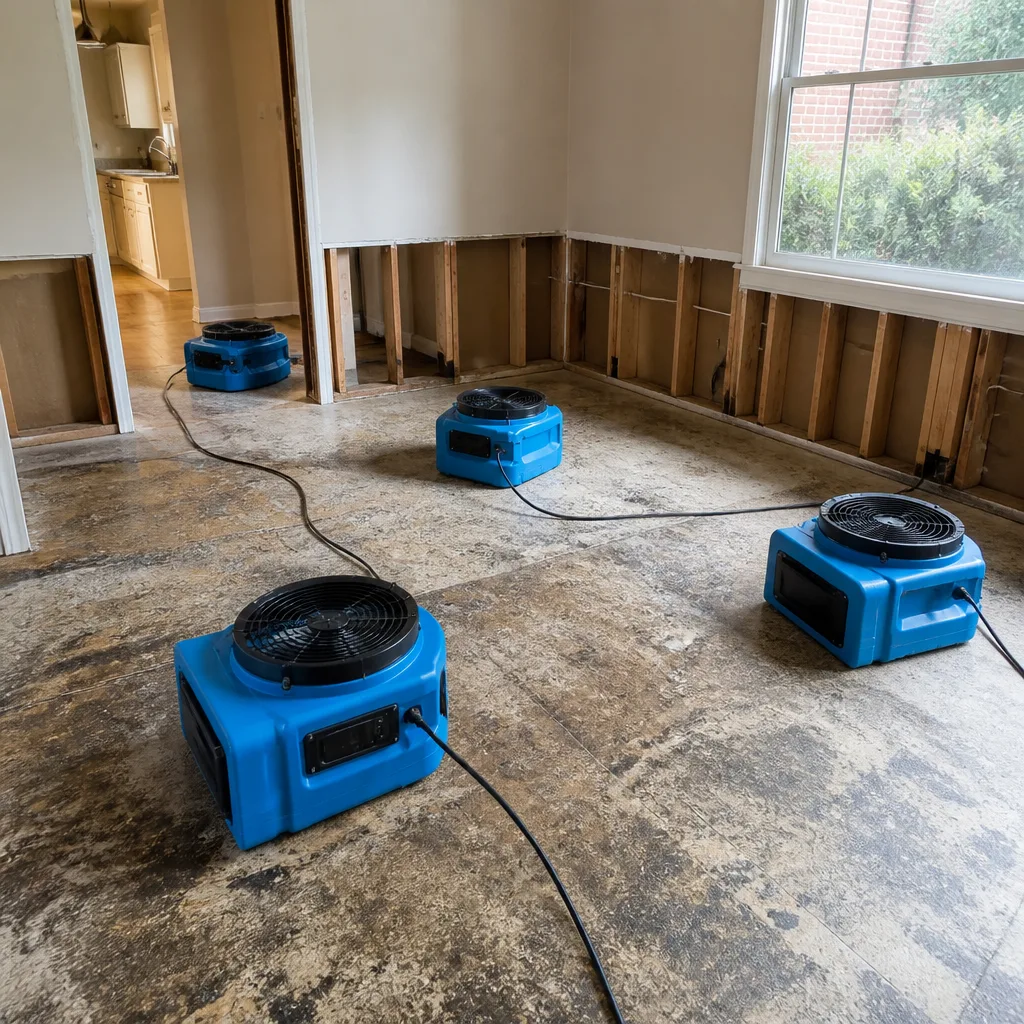
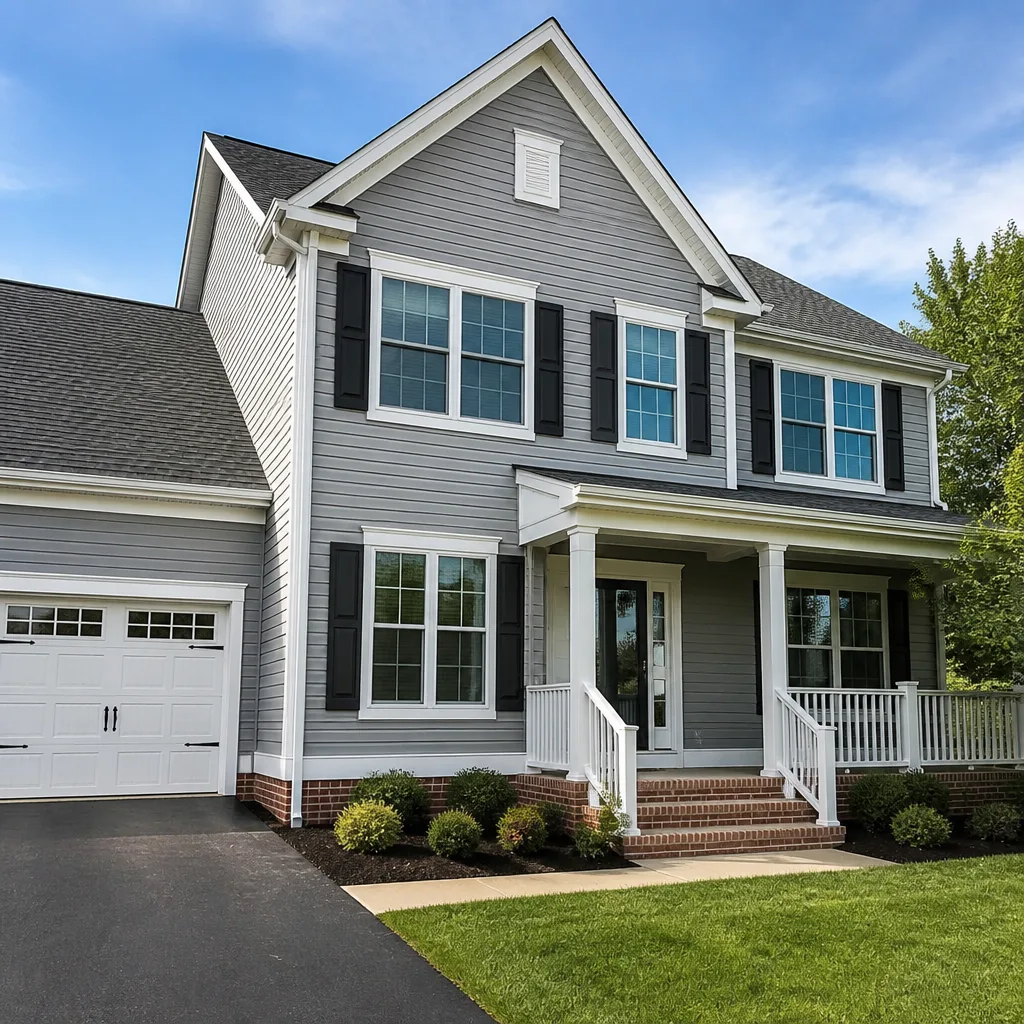
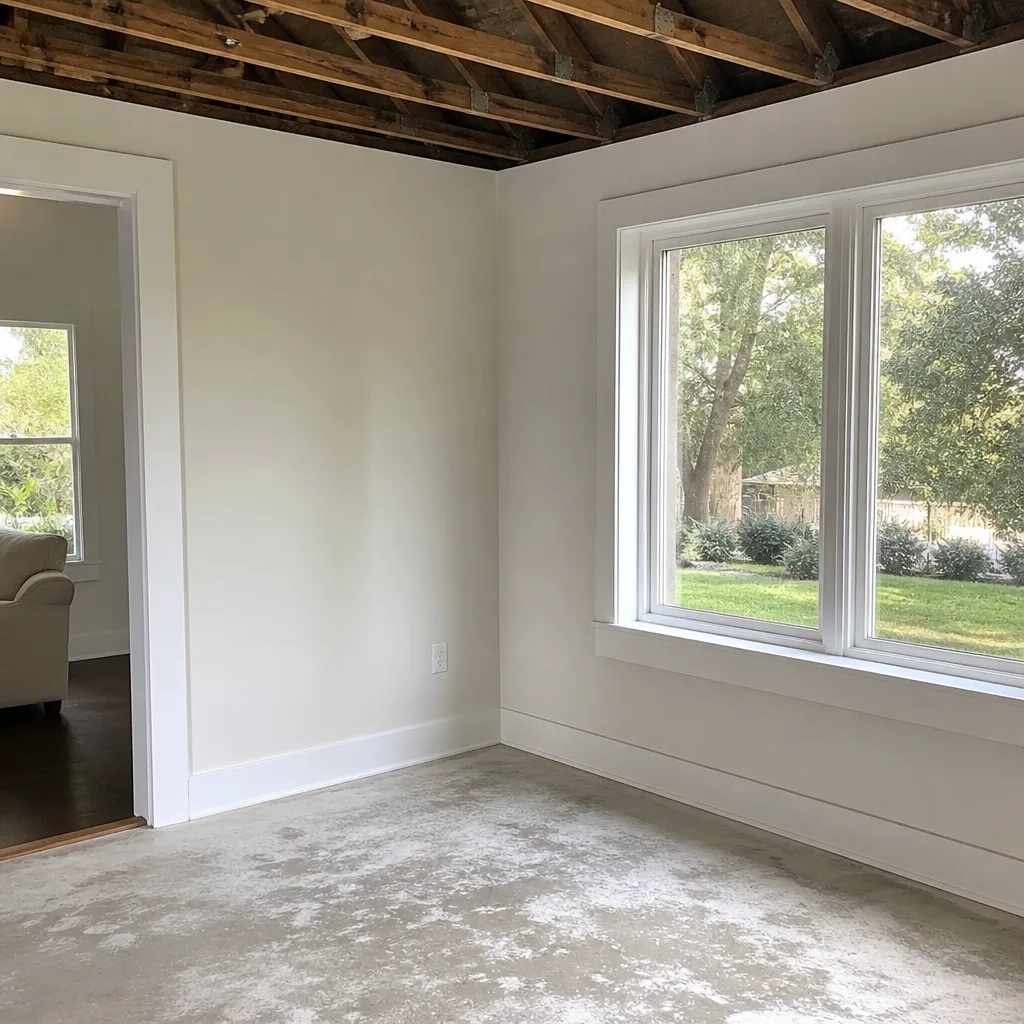
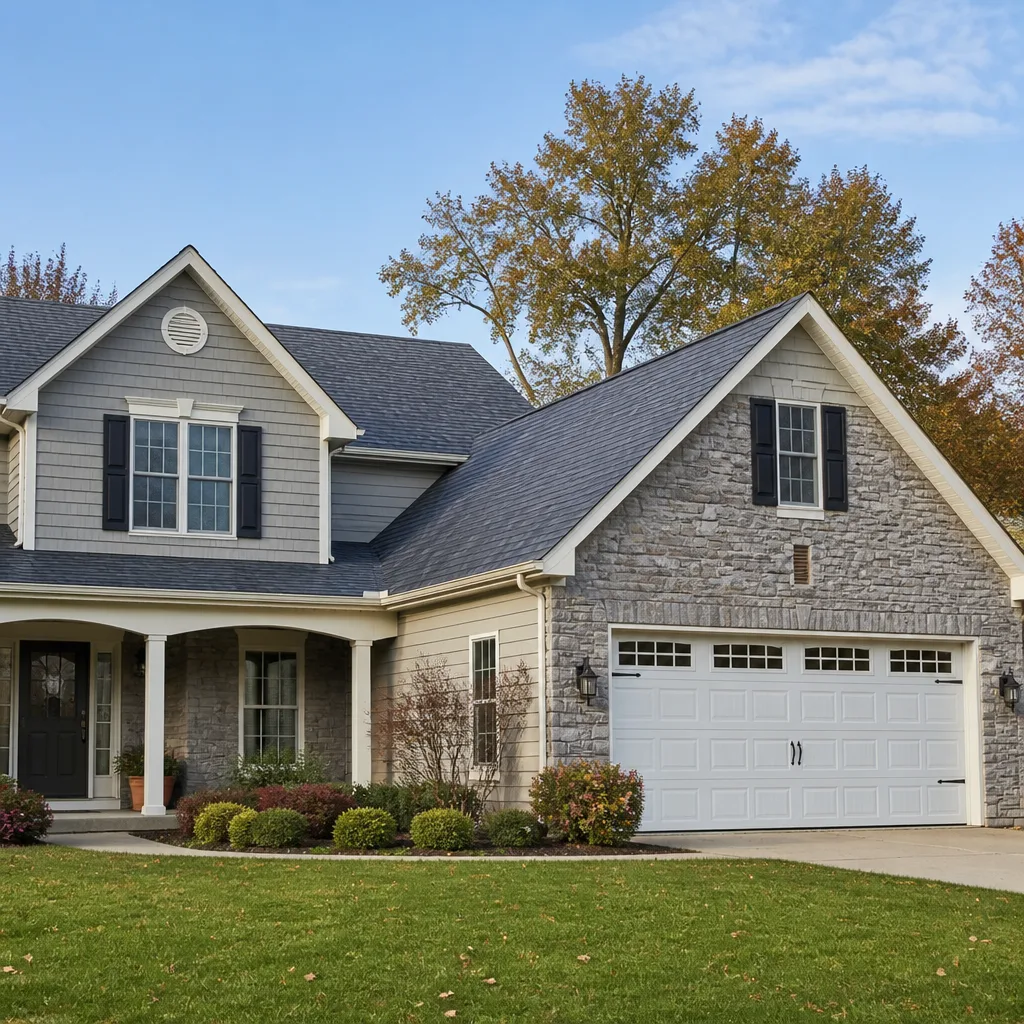
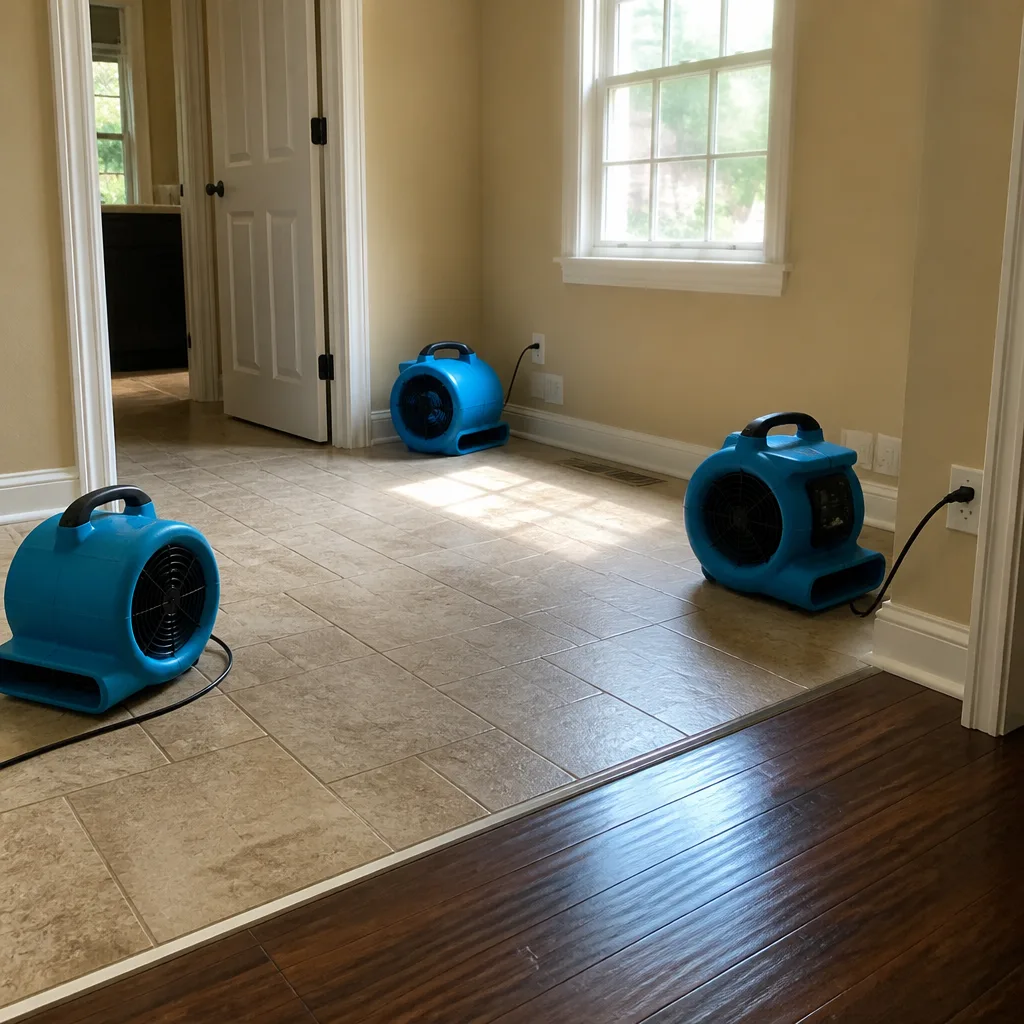
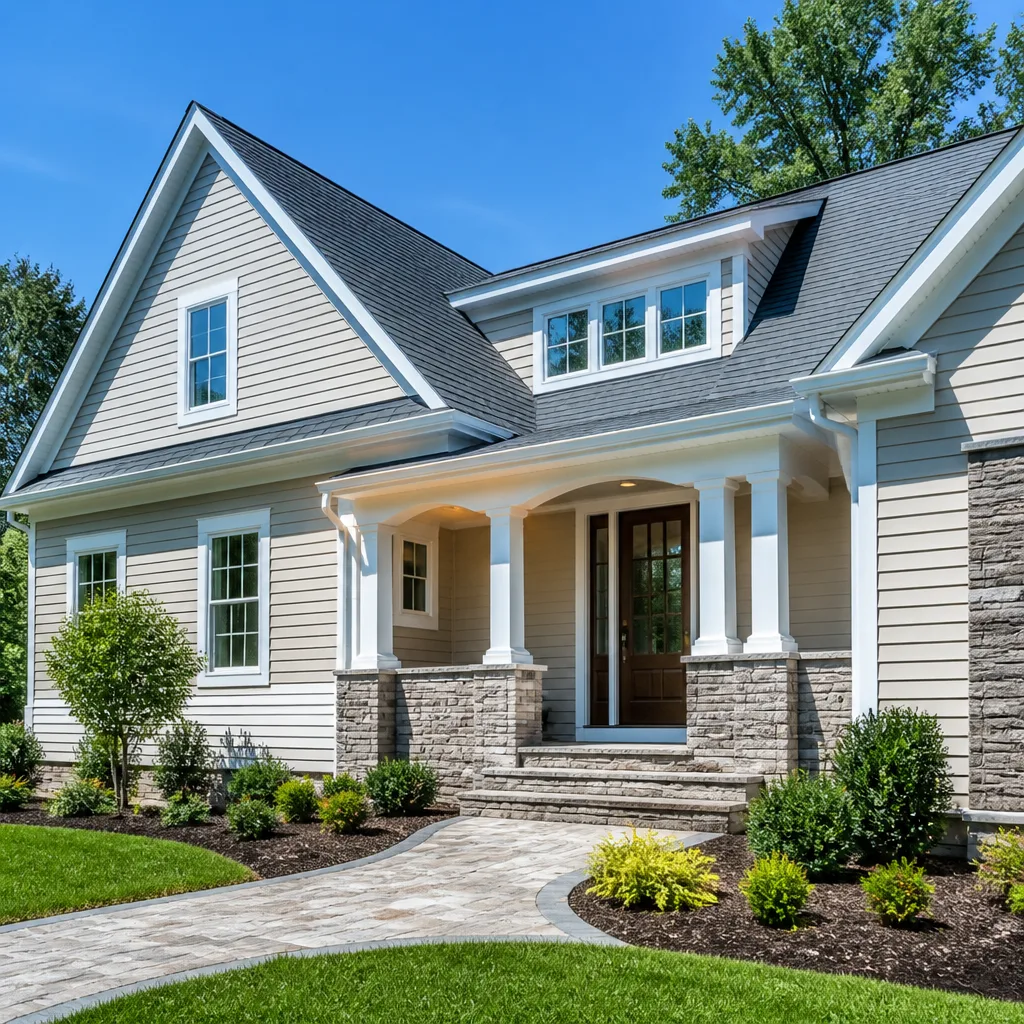
 Before
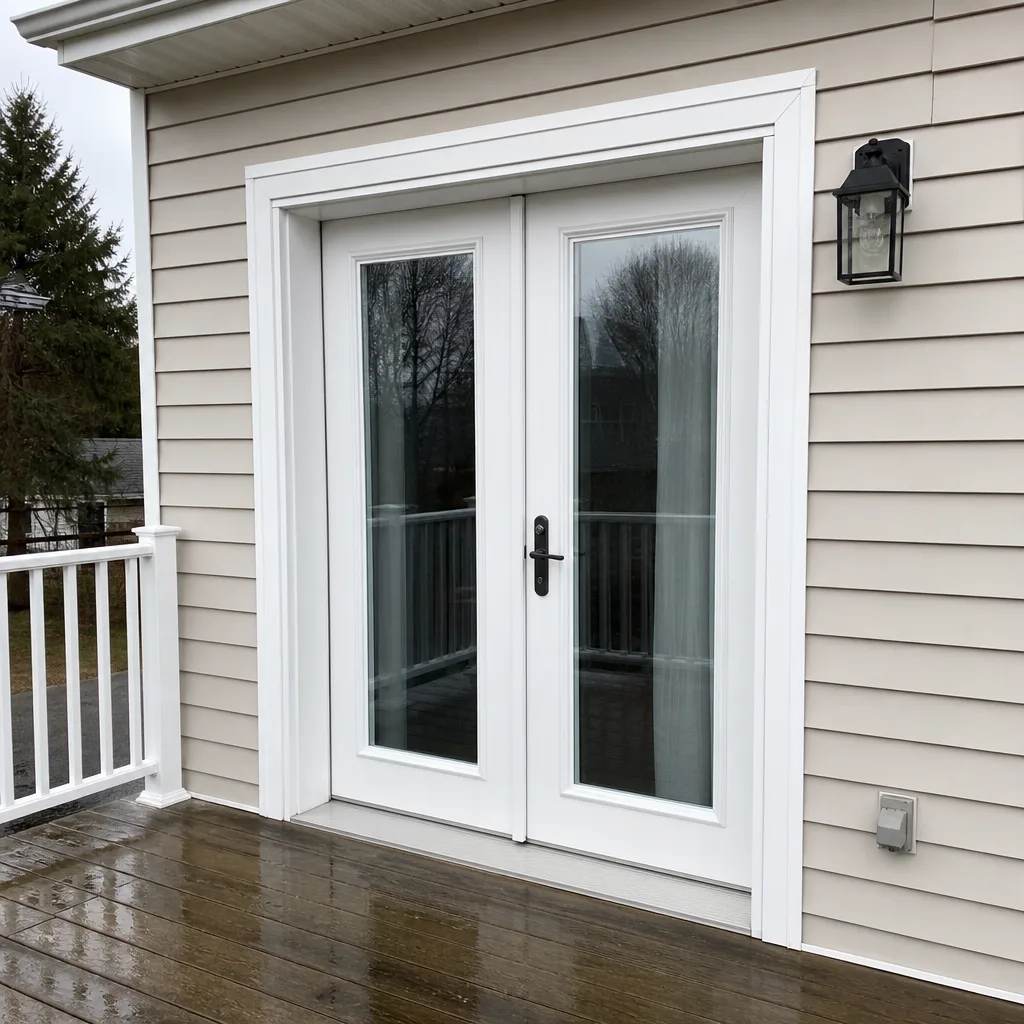 After
After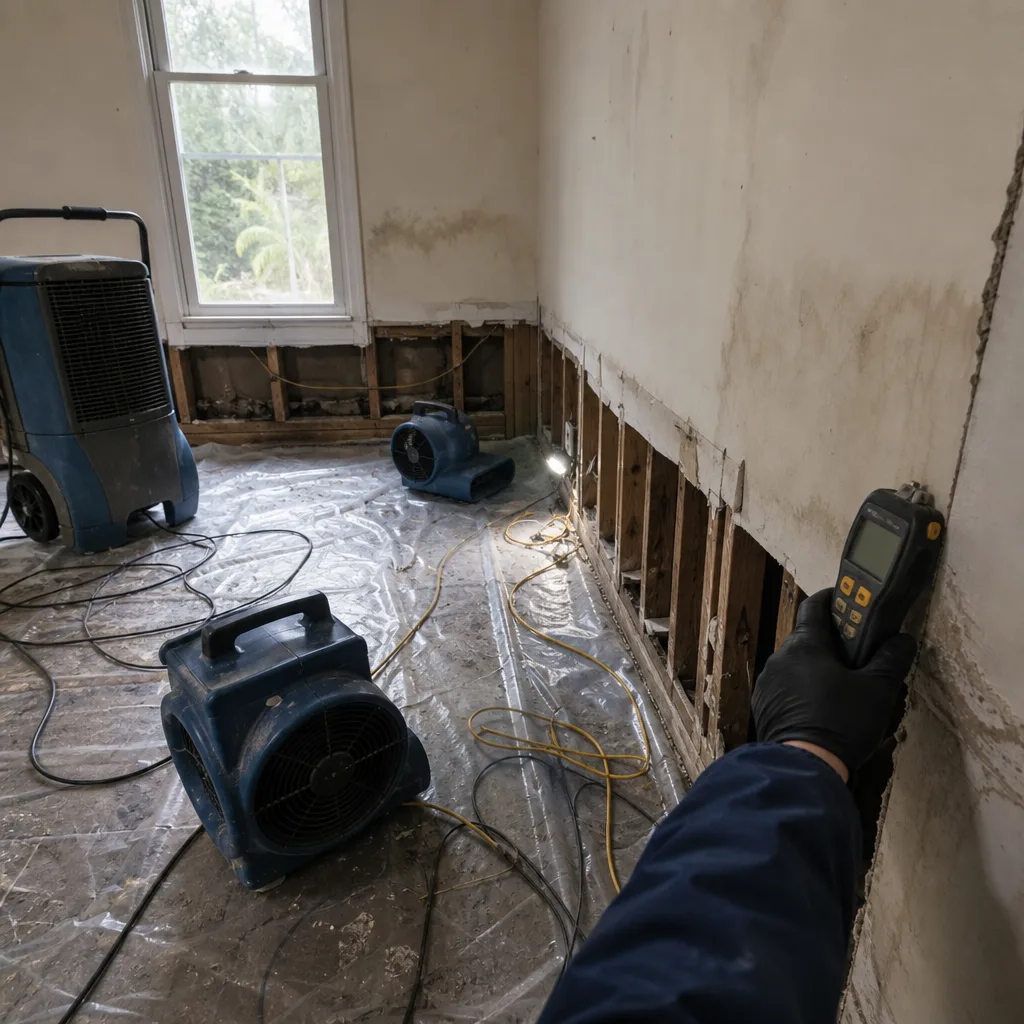 Before
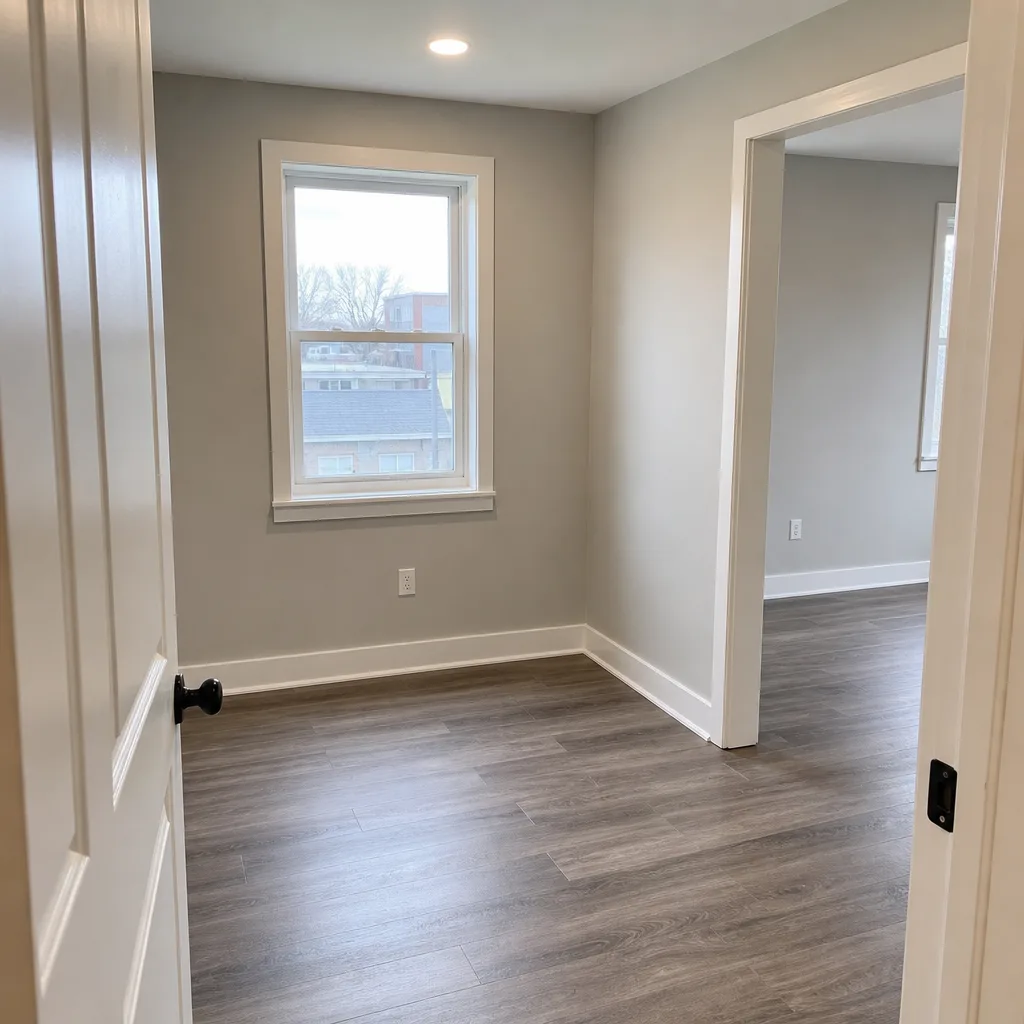 After
After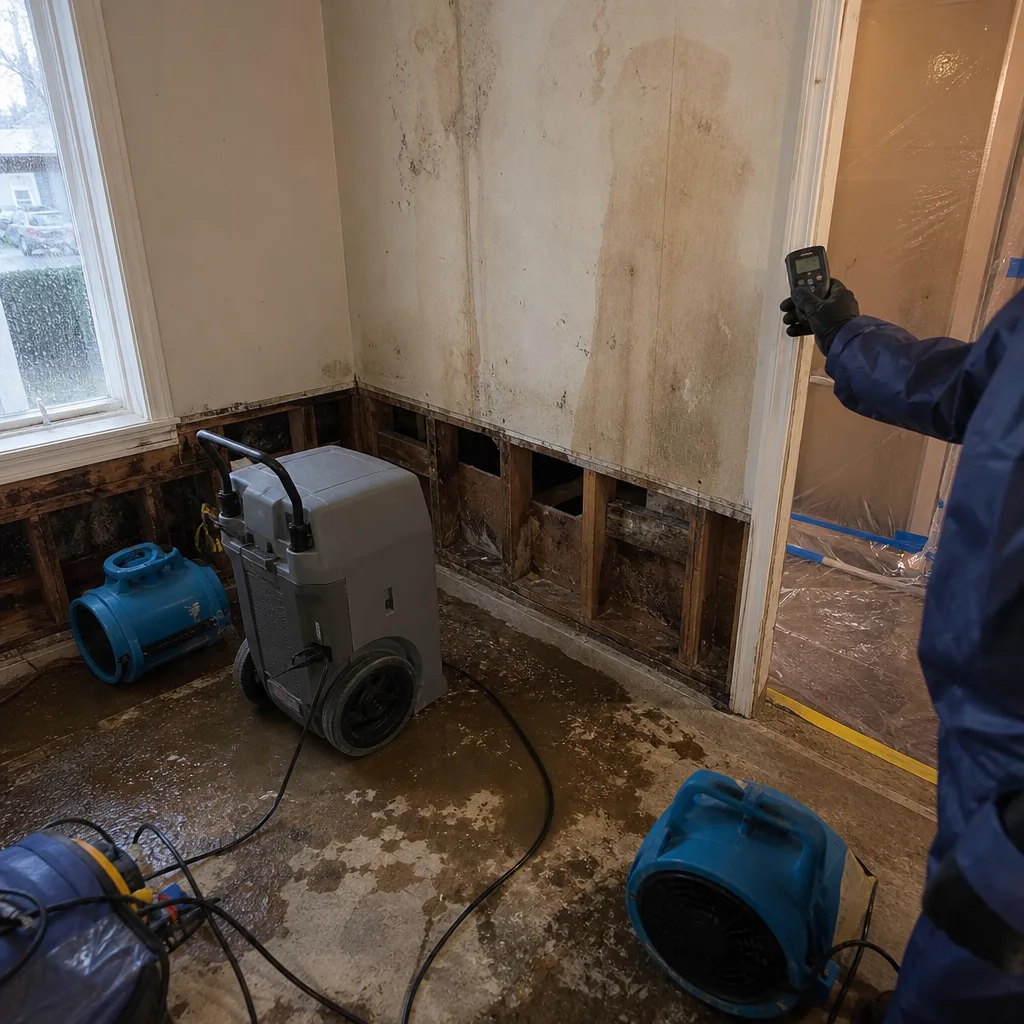 Before
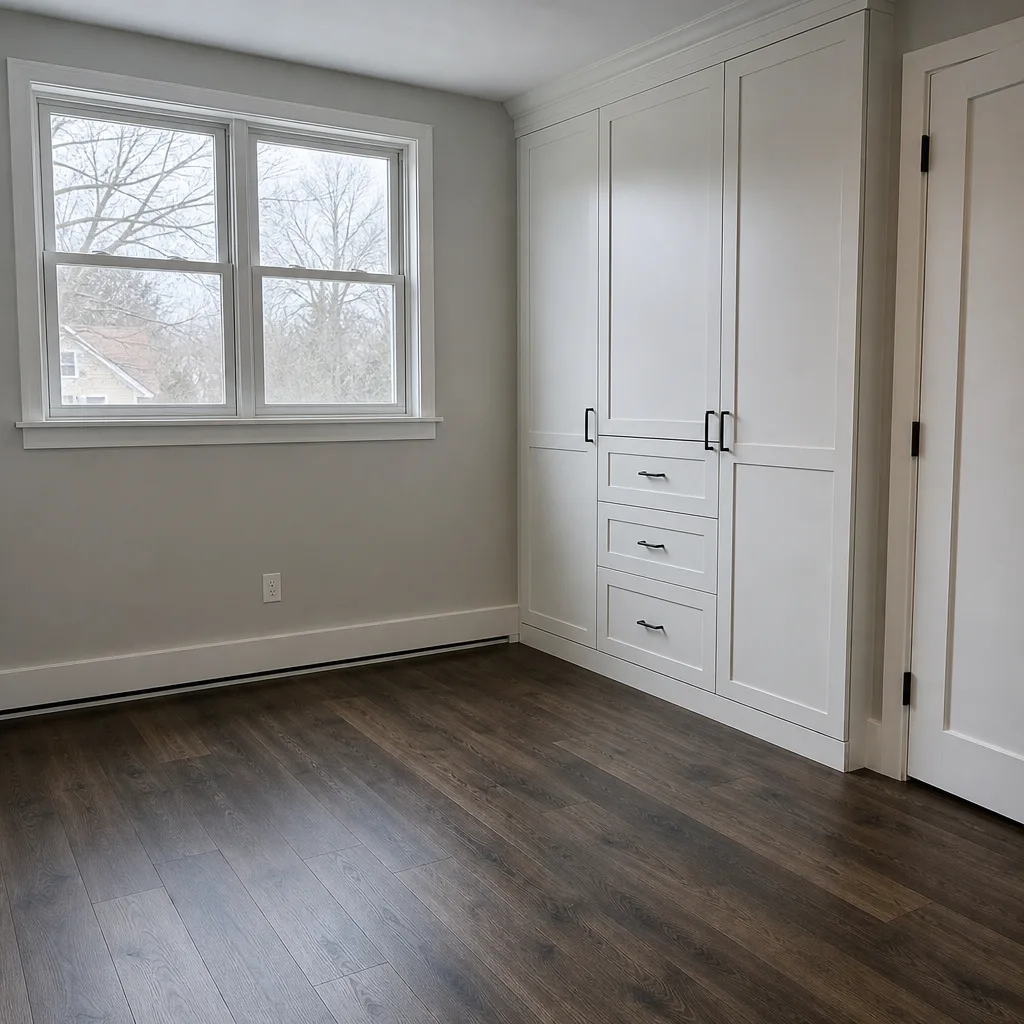 After
After24/7 Emergency Sewage Cleanup in Yonkers
When sewage backs up into a Yonkers basement at 2 a.m., you need a crew that answers the phone and moves. Sewage cleanup in Yonkers typically runs $220-$480 for a contained toilet overflow and $1,800-$4,600 for a full basement black water extraction with sanitization, depending on square footage and whether asbestos abatement is triggered. Call (845) 456-6568 any hour and a live dispatcher picks up, not a recording. We dispatch crews from our New York City office into every Yonkers neighborhood, from Ludlow to Crestwood to the downtown blocks near Getty Square. The first hour matters because Category 3 water moves through plaster walls, under baseboards, and into the pores of concrete fast, and bacteria multiplies with every hour it sits.
Our Sewage Cleanup team runs full PPE, containment, extraction, and disinfection on the first visit. We document everything for your insurer, hand you a written scope, and finish the job to the Keystone Standard. Done right and backed in writing.
Understanding Sewage Cleanup Severity in Yonkers Properties
Sewage work is not one job. The IICRC classes water into three categories, and the difference changes everything about equipment, PPE, disposal, and price. Category 1 is clean supply-line water, Category 2 carries significant contamination like washing machine discharge, and Category 3 is black water: sewage, river backflow, or any water that has sat more than 48 hours. Most Yonkers basement backups start as Category 2 or 3 within hours because the waste lines in pre-war buildings run through the same floor cavities that flood. In the 10701 and 10702 ZIP codes, we reclassify more than a third of “basement flooding” calls to Category 3 on arrival, usually because the Saw Mill River’s buried culverts backed up and pushed river water through the foundation, not clean supply lines.
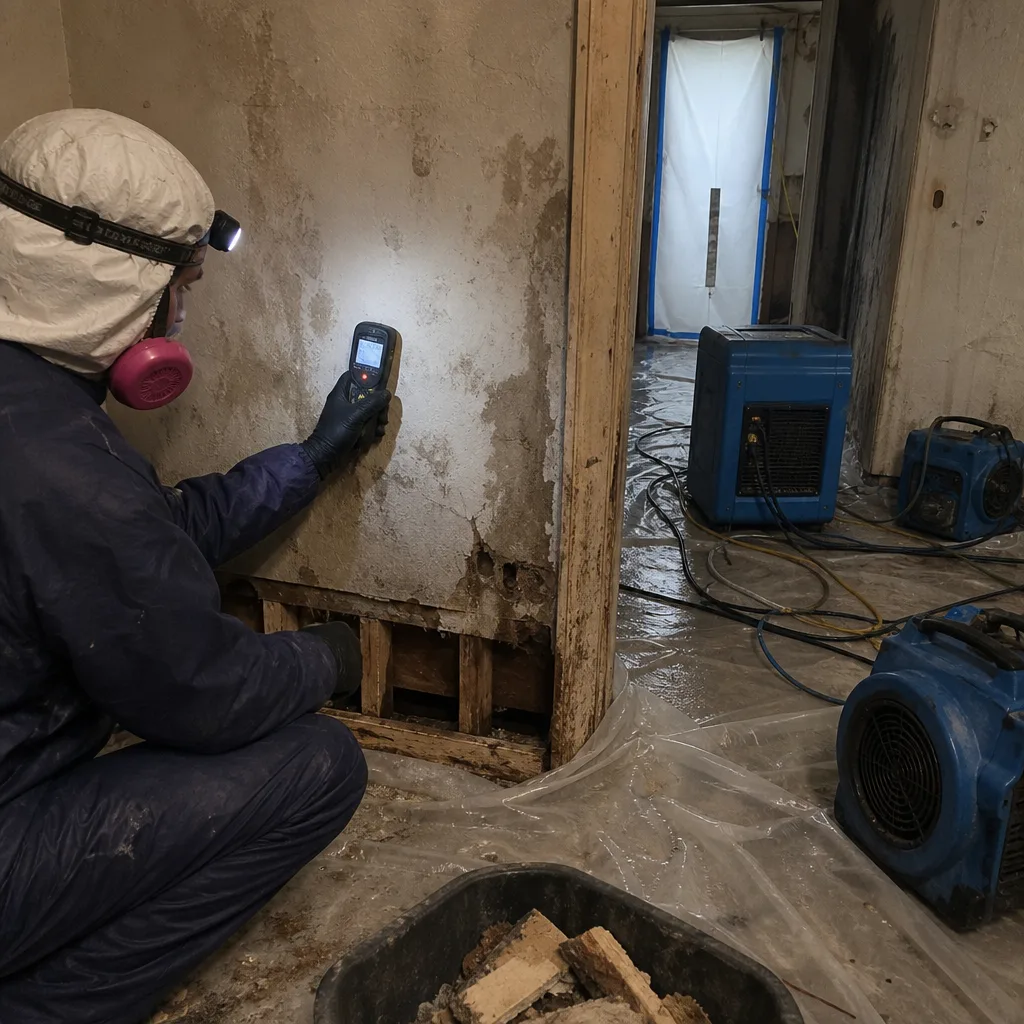
Severity also depends on the building itself. The brick tenements, attached row houses, and converted multi-family flats in South and Central Yonkers carry plaster-and-lath walls, cast-iron drain stacks, and original boiler room pipe wrap, much of it asbestos. Category 3 water wicking into those walls spreads contamination behind the plaster, and the abatement triggers change every drying decision. We map moisture with thermal imaging and hygrometers before any demolition, because opening a pre-1978 wall blind is how you turn a $2,500 cleanup into a $12,000 abatement. Our Yonkers crews walk every job with this building history in mind from the first hour.
Why Yonkers Property Owners Choose Floodline Restoration Co.
- 45-minute response commitment. For sewage and black water calls inside Yonkers, we tell you exactly when the truck rolls and we hit that window. We’ll be there when we say.
- A real person answers, 24/7. Live dispatch at 3 a.m., every day. You never leave a voicemail and wait while sewage keeps spreading.
- IICRC-certified crews on every job. Our technicians hold IICRC WRT, FSRT, and AMRT certifications, plus RIA and IFA training. Uniformed, background-checked, and equipped to handle Category 3.
- Free visual inspection. We walk the damage, explain what is actually wrong, and give you a written scope before any invoice. No salesman, no pressure.
- Direct insurance billing. We coordinate with your carrier, document every reading, and bill them directly. You never play messenger between us and the adjuster.
- One crew from extraction to rebuild. The same team that extracts and dries handles the reconstruction. No mid-job handoff to a sub you never met.
Our Sewage Cleanup Process
Inspection & Assessment
We arrive, suit up, and test the water. In Yonkers’s 10701 corridor we specifically check for Saw Mill River backflow markers: silt line height, odor, and whether the intrusion matches a supply-line break. We map affected areas with thermal imaging and moisture meters before touching anything.
Extraction & Stabilization
Sewage extraction starts immediately using truck-mounted and portable extraction units rated for solids. We set containment zones with 6-mil poly and negative air pressure so contaminated dust does not migrate into living areas. For crawl spaces under row houses, we use Injectidry systems to pull standing waste from tight clearances.
Drying & Dehumidification
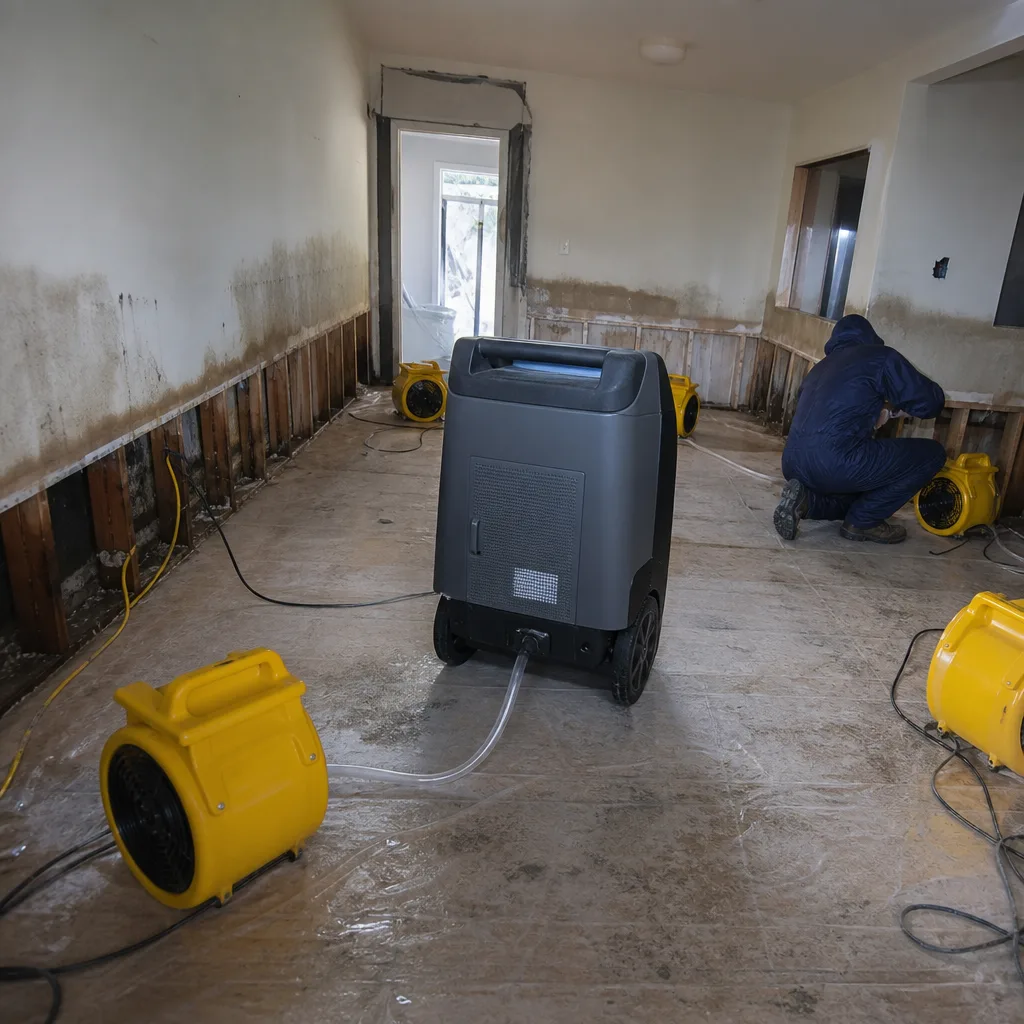
Structural drying in pre-war Yonkers buildings is slower than in framed suburban homes because plaster and masonry hold moisture. We run Dri-Eaz desiccant and LGR dehumidifiers, plus XPOWER air movers, and log daily readings until the dry standard is met. That log goes to you and your carrier.
Cleaning & Sanitization
All Category 3 contact surfaces get HEPA vacuuming, antimicrobial application, and disposal of saturated porous materials. In pre-1978 buildings, we test for asbestos wrap and lead paint before demolition so we stay inside local abatement mandates, not in violation of them.
Crawl Space Sewage Removal
Yonkers row houses and hillside homes with original cast-iron drains often channel sewage into tight crawl spaces. We extract, sanitize, and install vapor barriers where needed, and we check the drain line integrity so you know whether you are fixing a one-time backup or a failing stack.
Repairs & Restoration
Once the structure is dry and clean, the same crew rebuilds what was removed: baseboards, drywall, flooring, and if needed, drain line repair. We hand you the moisture log, the written scope, and the 90-Day Done Right Promise in writing.
Need Emergency Sewage Cleanup in Yonkers Now?
Crews minutes away, answering live 24 hours a day. The sooner we start, the less it costs.
Working With Your Insurance Company
Insurance covers most sewage backups in Yonkers when the cause is sudden and accidental. The carrier’s real question is whether the damage was mitigated properly from hour one, which is why our documentation starts on the first visit and never stops. We photograph every affected room, log moisture readings daily, and write a line-item scope that matches the carrier’s estimating platform. When your adjuster calls, we pick up and walk them through the moisture map, the Category classification, and the abatement protocol if your pre-1978 building triggered it. You should not be the one explaining Saw Mill River backflow to an adjuster in another state. That is our job.
What We Provide Your Insurer
- Thorough documentation of the loss
- Photos of all damage, room by room
- Moisture readings and drying logs
- A detailed, line-item scope of work
- Direct coordination with your carrier
Built for Yonkers’s Loss Calendar
Yonkers does not have one sewage season. It has four, each with its own failure mode. January and February deep freezes burst supply lines and snap old cast-iron stacks in unheated basements, especially in the hillside homes around Nepperhan and Runyon Heights where original galvanized pipe has been fatiguing for 80 years. Spring thaw and heavy rain send groundwater and river water through foundation walls in the low-lying blocks west of Warburton Avenue, where the Hudson’s tidal push meets the Saw Mill’s downstream flow. Summer thunderstorms overwhelm the century-old storm drains downtown, and the buried culvert sections back up into basements that are not flood-zoned. Fall nor’easters bring the same, plus wind-driven rain through original windows and bulkheads. Every one of those events can send Category 3 water into a finished basement in under an hour, and most of them hit the 10701 and 10702 ZIP codes hardest because the housing stock predates modern stormwater separation.
Sewage Cleanup Across Yonkers’s Neighborhoods
Downtown Yonkers and the blocks near Getty Square and Larkin Plaza carry the most complex sewage calls we handle anywhere in Westchester. The Saw Mill River runs buried beneath these blocks, and when its culvert backs up, the intrusion water is river-sourced black water, not a pipe break. Every cleanup here starts with a Category 3 reclassification, PPE upgrade, and often asbestos abatement before drying begins. West of Riverdale Avenue toward the Hudson, the low-lying waterfront blocks near Philipse Manor and the 10701 industrial corridor see tidal surge pushing sewage back through floor drains during nor’easters. The hillside streets rising east toward Mile Square Road and the 10703 ZIP code, including Crestwood, Colonial Heights, and Cedar Knolls, are newer mid-century single-family homes, but many still run original cast-iron lateral lines that crack and let groundwater into the sewer system, causing backups on dry days. Park Hill and the South Broadway corridor have a mix of pre-war attached housing where shared drain stacks mean one unit’s blockage becomes the building’s problem.
Each area changes our access and equipment choices. Tight row house basements with bulkhead stairwells need compact extraction, while hillside crawl spaces need Injectidry systems, and downtown commercial basements need full containment before any demolition. The route matters, and our crews know the shortcuts from Ashburton Avenue to McLean Avenue without a map.
Specialized Sewage Cleanup Services We Offer in Yonkers
Sewage Backup Cleanup
Full Category 3 backup cleanup starts with containment, extraction, and disposal of saturated materials, then structural drying and sanitization. In Yonkers’s 10701 and 10702 ZIP codes, we test for asbestos pipe wrap and lead paint before cutting into walls, keeping you inside local abatement mandates. Most backup cleanups in finished basements run $2,400-$5,800 depending on square footage and whether flooring, drywall, and insulation need removal.
Toilet Overflow Cleanup
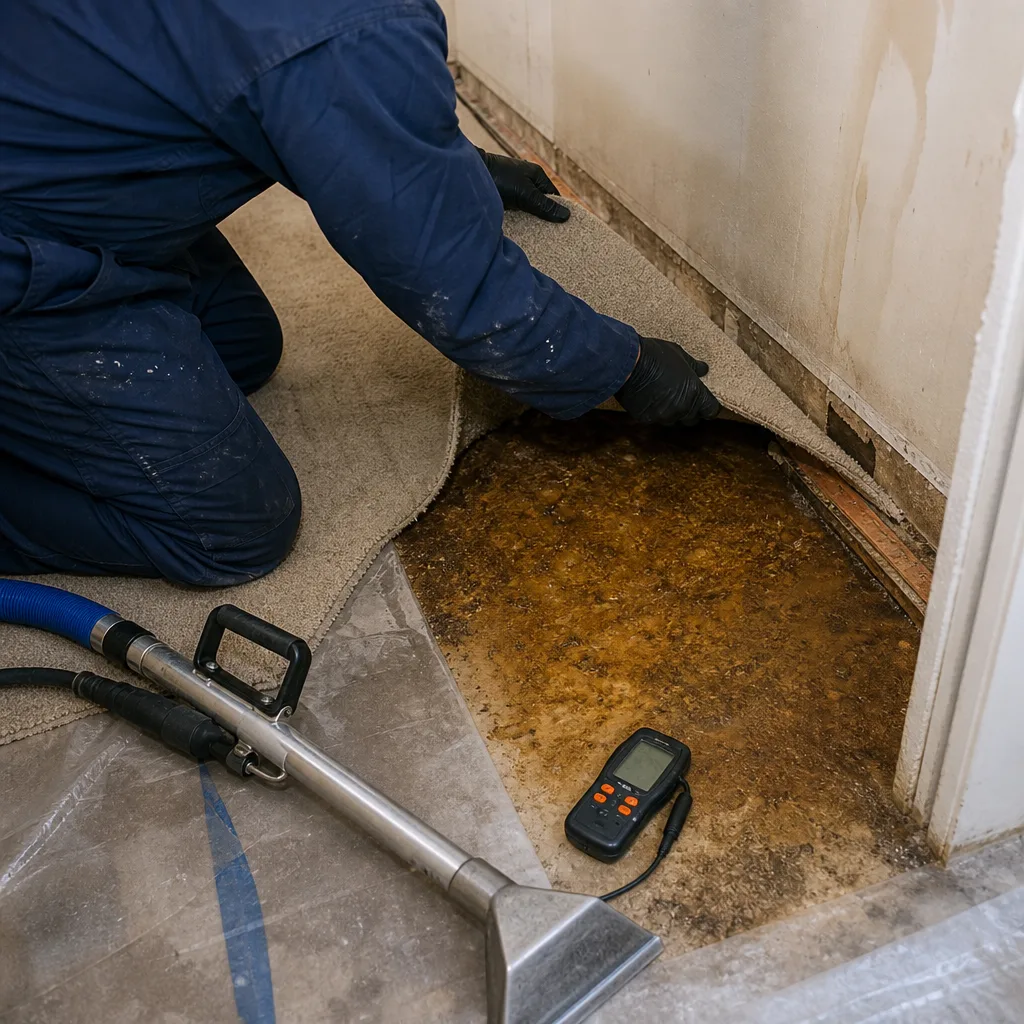
A single toilet overflow is usually Category 2 if caught fast, and often contained to one bathroom floor and the ceiling below. We extract, dry, sanitize, and replace affected flooring in one or two visits. Typical Yonkers toilet overflow cleanup runs $220-$850 when it stays out of walls, and $900-$1,800 if it has soaked into subflooring or a lower ceiling cavity.
Septic Failure Cleanup
Yonkers’s older hillside homes, particularly in the 10703 neighborhoods east of Central Avenue, still run original septic laterals and some full cesspools on large lots. When a septic system fails, effluent surfaces in the yard or backs into the lowest drain. We extract the indoor intrusion, sanitize, and coordinate with a septic contractor for the tank and field, so you get one plan instead of two vendors pointing at each other.
Black Water Extraction
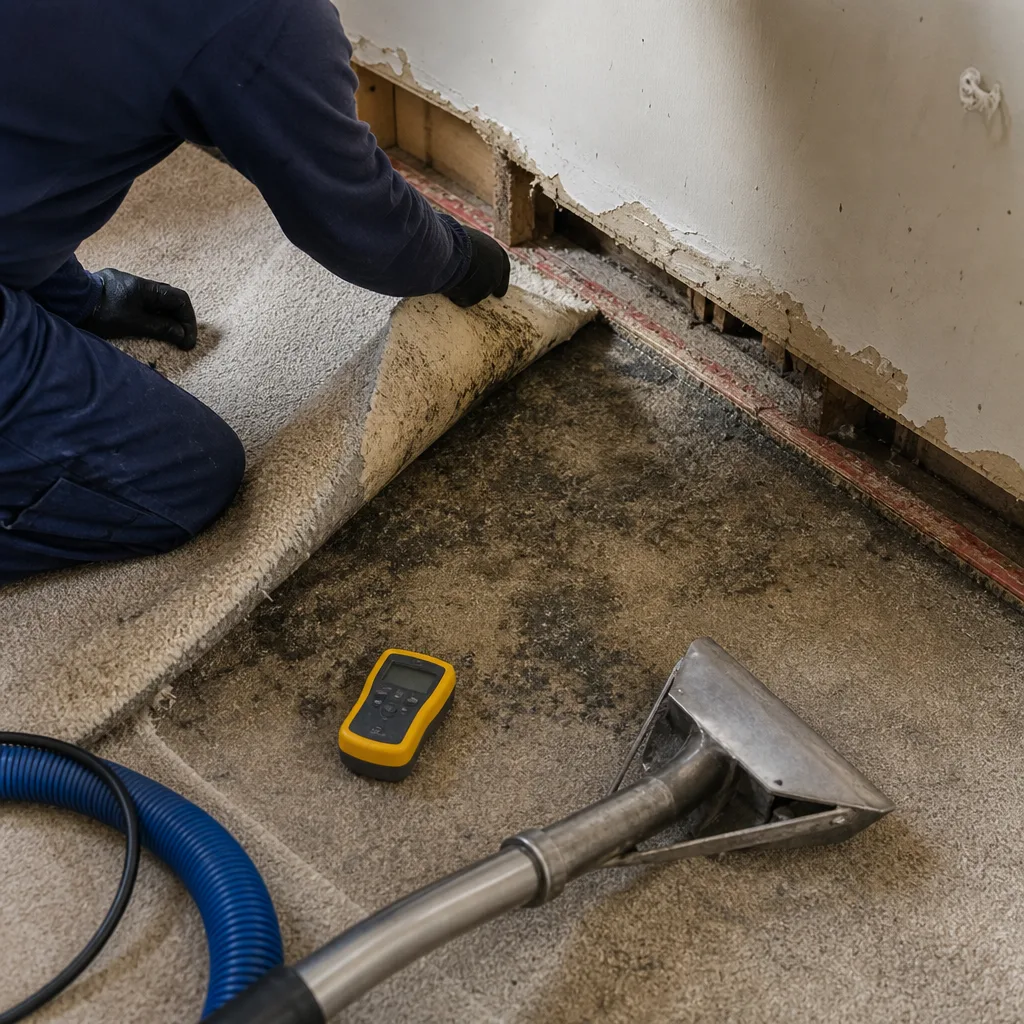
Black water is any Category 3 intrusion: raw sewage, river backflow from the Saw Mill, tidal surge from the Hudson, or water that sat more than 48 hours. PPE upgrades to full face shields, rubber boots, and disposable suits. Extraction moves fast, then containment goes up before any drying begins. In Yonkers, we see hundreds of these calls every year, mostly from the western and downtown ZIP codes.
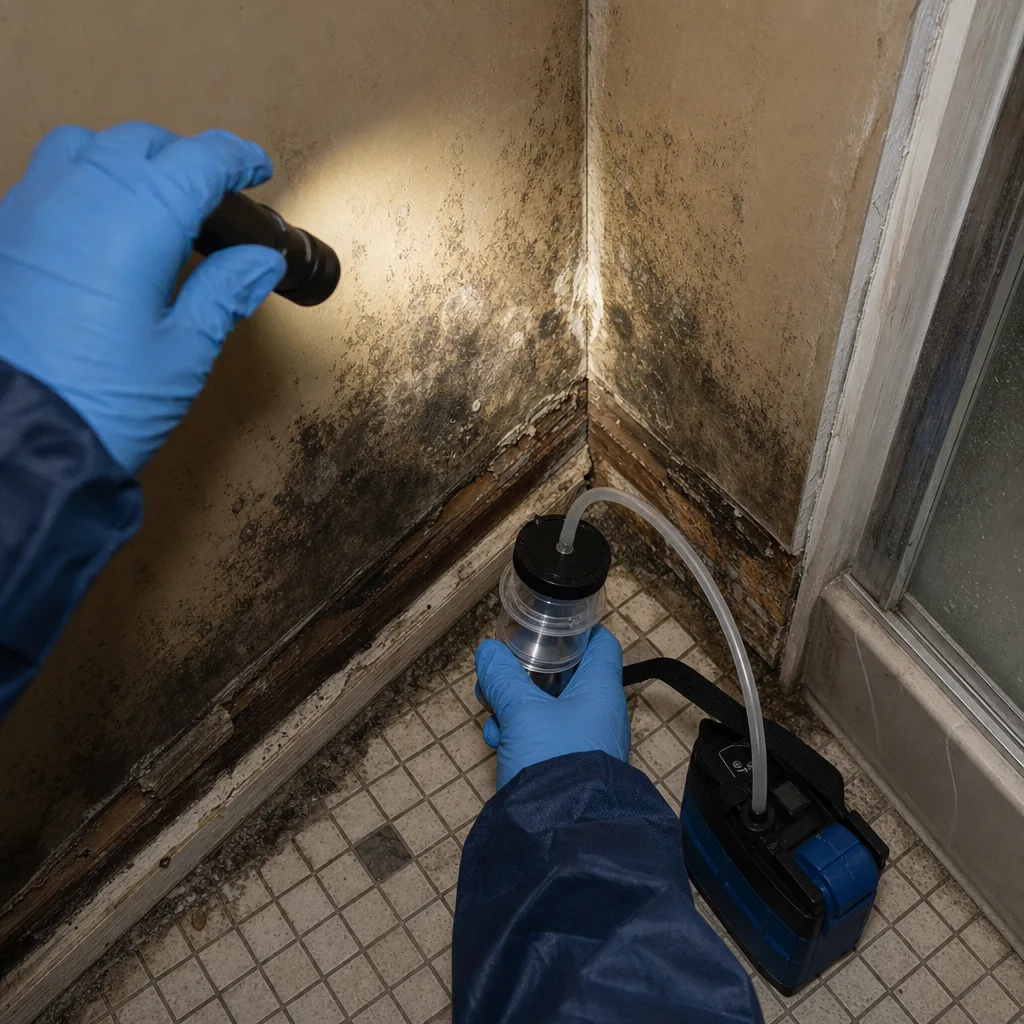
Sanitization & Disinfection
After extraction and drying, every affected surface gets HEPA vacuuming and antimicrobial application. Porous materials that cannot be fully cleaned, like carpet pad and drywall below the water line, get removed and disposed of as contaminated waste. We document every step for your carrier, because the difference between a sanitized structure and a future mold claim is paper.
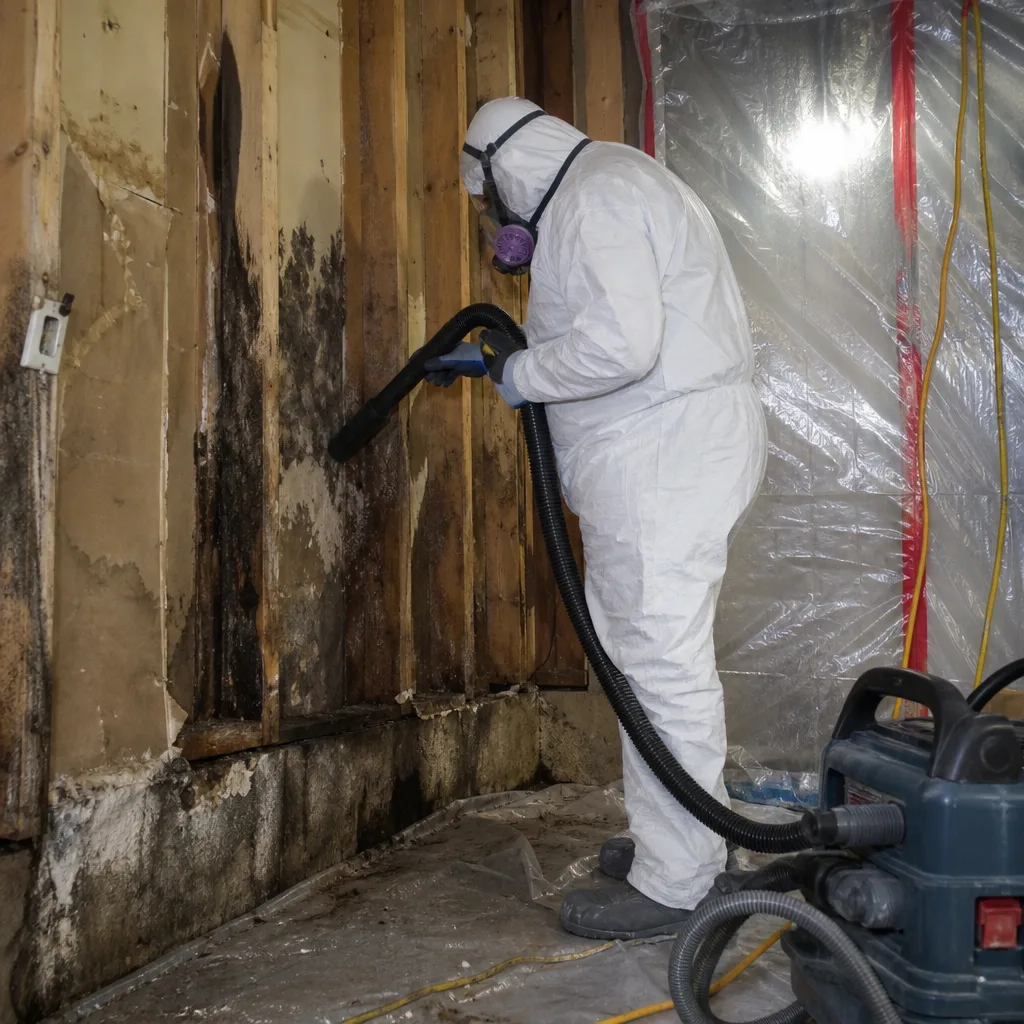
What happens when you call
- 1
A real person answersNo phone trees - you reach a local pro.
- 2
You get an upfront price rangeHonest numbers before anyone is dispatched.
- 3
A background-checked tech heads outLicensed & insured, dispatched right away.
- 4
You approve before work beginsNothing starts until you say go.
Sewage Cleanup Costs in Yonkers, NY
A honest number: a contained toilet overflow in Yonkers runs $220-$480 when it is caught fast and stays in one room. A full basement sewage backup with Category 3 water, containment, extraction, drying, sanitization, and basic rebuild lands between $2,400 and $6,800 for a typical 600-900 square foot basement in a pre-war row house. If asbestos abatement is triggered because pipes and walls predate 1978, add $1,200-$4,000 depending on what was disturbed. Crawl space sewage removal under hillside homes runs $1,800-$3,600 because access is tight and disposal is heavy. The price moves on three things: square footage affected, whether the water got behind plaster or drywall, and whether your building’s age pulls in abatement. We give you a written scope before any work starts, and estimates are free. Call (845) 456-6568 and we will walk the job with you.
We Also Serve Cities Near Yonkers
Our crews respond daily to sewage backups and black water emergencies in Bronxville, Mount Vernon, Tuckahoe, and Eastchester, plus every ZIP code inside Yonkers itself. If you are in a bordering neighborhood, call (845) 456-6568 and a live dispatcher will tell you exactly when the truck arrives.
Yonkers Sewage Cleanup Questions, Answered
Why does sewage backup in downtown Yonkers (10701) often turn out to be river water from the Saw Mill River culvert instead of a pipe break?
Because the Saw Mill River runs buried beneath downtown Yonkers in a network of culverts, and during heavy rain those culverts back up and push river water through foundation walls and floor drains into basements. The water tests as Category 3 black water, not clean supply-line water, and it carries silt, bacteria, and contamination that changes the entire PPE, containment, drying, and disposal protocol. Our crew reclassifies these jobs on arrival and documents the reclassification for your insurer. Call (845) 456-6568 for a free assessment.
Do Yonkers’s pre-1978 buildings add extra steps to sewage cleanup that newer homes don’t face?
Yes, and the difference is regulatory, not cosmetic. Virtually every structure in the 10701 and 10702 ZIP codes predates 1978, meaning asbestos pipe wrap and lead paint are likely present in walls, floors, and boiler rooms. Before we cut into plaster, remove baseboards, or pull a drain stack, we test, and if abatement is triggered, we complete it under local mandate before drying and rebuild proceed. Newer suburban homes in neighboring towns skip this step entirely. It adds time and cost, but skipping it is a violation, not a shortcut. Call (845) 456-6568 to discuss your building.
How fast can mold grow in a Yonkers basement after a sewage backup?
Mold germination starts in 24 to 48 hours when Category 3 water stays in organic materials like drywall, plaster, carpet, and wood subflooring. Yonkers’s humid summers compress that window, and basements below grade stay damp longer than above-grade rooms. We set drying equipment on the first visit and monitor daily until the dry standard is met, because preventing mold is a fraction of the cost of remediating it. Call (845) 456-6568 and we will start the extraction today.
Why do flood restoration jobs near the Saw Mill River corridor in 10701 require different PPE than a toilet overflow in a Yonkers hillside home?
Because the Saw Mill’s buried culverts back up with river water, which is Category 3 black water carrying raw sewage, silt, and biological contamination. A toilet overflow caught immediately is usually Category 2. The difference changes PPE from basic gloves and eye protection to full face shields, rubber boots, and disposable suits, plus negative air containment. Our crews carry both sets on every truck and upgrade the moment testing confirms the water source. Call (845) 456-6568 for a professional assessment.
What happens to sewage water that gets under a Yonkers row house crawl space with original cast-iron drains?
Sewage under a row house crawl space pools against foundation walls, wicks into floor joists, and saturates whatever vapor barrier is there, or wasn’t. Original cast-iron drains in pre-war housing often crack at the bell joints, letting sewage out and groundwater in. We extract with Injectidry systems designed for tight clearances, sanitize the soil and structure, replace the vapor barrier, and inspect the drain line so you know whether you need a repair or a full stack replacement. Crawl space sewage removal in Yonkers runs $1,800-$3,600 on average. Call (845) 456-6568 for a firm quote.
How fast can a crew actually reach my Yonkers home?
Inside Yonkers, we commit to 45 minutes from dispatch to arrival. Our trucks stage across the metro area and a live dispatcher routes the nearest certified crew the moment you call. No voicemail, no callback queue, no waiting until morning while sewage keeps spreading through your walls. Call (845) 456-6568 now.
Will my homeowners insurance cover sewage backup cleanup in Yonkers?
Most standard Yonkers policies cover sudden and accidental sewage backup within the dwelling, though many carriers require a specific water backup endorsement, and flood-related river surge from the Hudson or Saw Mill may fall under separate flood coverage. We document everything from the first visit, classify the water correctly, and coordinate directly with your adjuster. Photo documentation supported by moisture logs is the difference between an approved claim and a denied one. Call (845) 456-6568 for direct insurance billing and claim support.
What should I do in the first 30 minutes after sewage backs up in my Yonkers home?
Stop using all water, shut off electricity at the breaker if the panel is safe to reach, keep children and pets out of the affected area, and call (845) 456-6568. Do not flush, do not run a fan, and do not try to extract the water yourself without proper PPE. Category 3 water carries pathogens that skin contact and aerosolized droplets spread quickly. We will tell you exactly what to do over the phone until our crew arrives.
Serving Yonkers, NY - Our Local Coverage Area
We’re based in the Yonkers area and know this community well. Use the map below to see our service coverage - if you’re nearby, we can almost certainly help.
Saw Mill River Backflow: The Yonkers Sewage Problem No Other Westchester Town Deals With
Yonkers sits at a dual-flood-risk corridor that changes every sewage cleanup inside the 10701 and 10702 ZIP codes. The Hudson River pushes tidal surge into the low-lying waterfront blocks west of Warburton Avenue, while the Saw Mill River, partially buried in underground culverts beneath downtown and partially daylighted near Larkin Plaza, backs up during heavy rain and sends Category 3 black water into the basements of century-old multi-family buildings. That combination means routine basement flooding here is rarely a clean pipe burst. It is river-sourced contamination through foundation walls, carrying silt and waste that requires full PPE, containment, and disposal as hazardous material. And because virtually every structure in these ZIP codes predates 1978, the same flood triggers mandatory asbestos and lead-paint abatement protocols before any drying or rebuild can begin. No neighboring Westchester town carries that combined regulatory and remediation burden. It is the Yonkers sewage cleanup reality.
Not long ago, on a pre-war brick tenement near Larkin Plaza, our crew arrived for what the owner reported as a clean water pipe burst. Moisture mapping and water extraction revealed Saw Mill River backflow through the foundation, and we reclassified the job to Category 3 on the spot. We set containment, pulled the cast-iron drain stack’s asbestos wrap for abatement, and ran structural drying with Dri-Eaz dehumidifiers and XPOWER air movers until moisture readings hit pre-loss condition. The owner’s insurer approved the full claim because every step was documented. That is the standard we hold on every Yonkers job.
When sewage hits your basement, your first decision is the only one that matters: call a crew that knows the difference between a $400 cleanup and a $9,000 remediation, and can prove it on paper. Call (845) 456-6568. A live dispatcher answers, every hour, every day, and we will be there when we say.
Written by Curt Bowman, Owner at Floodline Restoration Co., serving Yonkers and the surrounding area. Founded in 2010, built around a dispatch board, not a sales desk.