
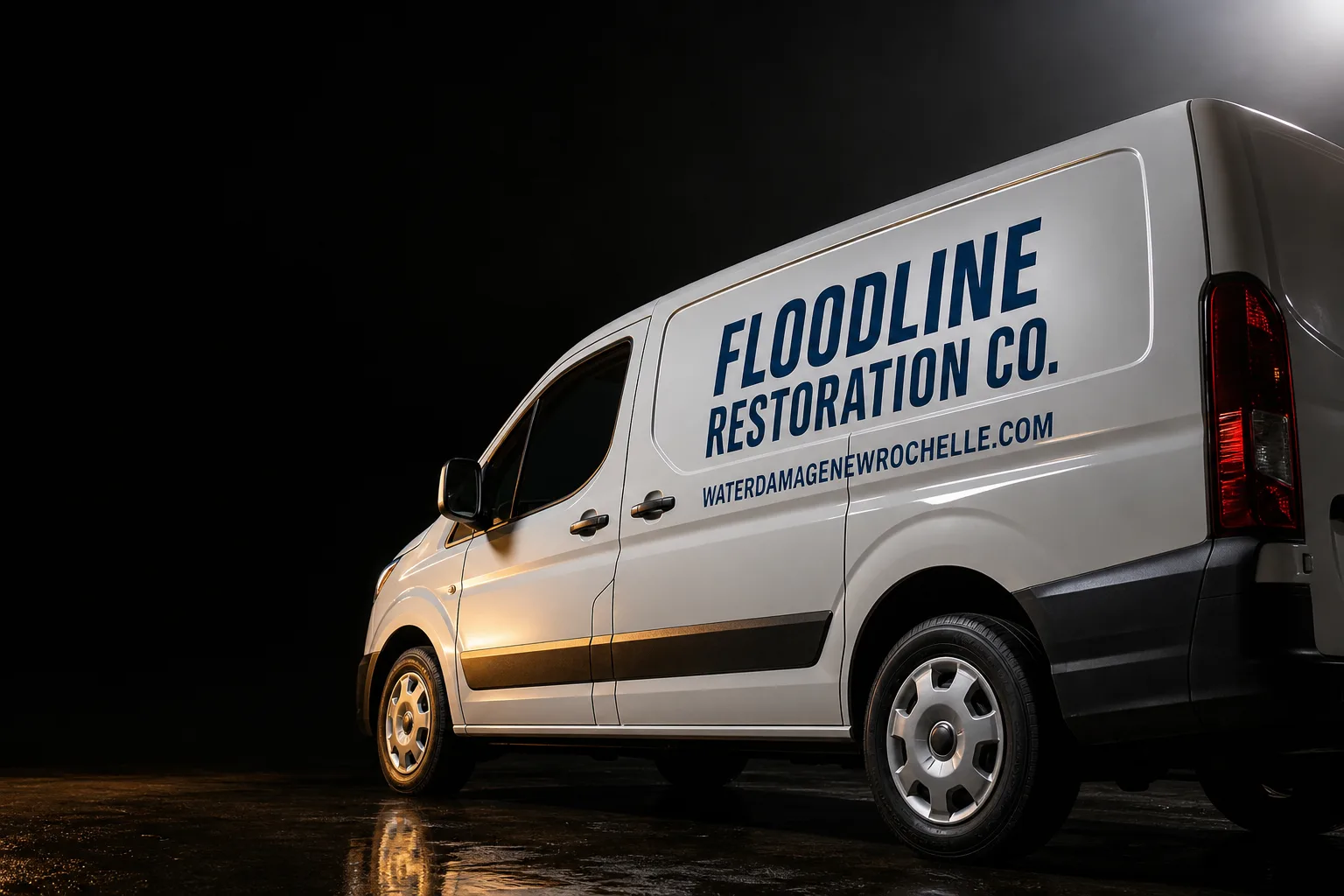
Free visual inspection and a written scope of work before any mitigation begins - photos, moisture readings, and drying logs go in your claim file
The scope we write is the scope we bill. Anything new gets shown to you, in writing, before we touch it.
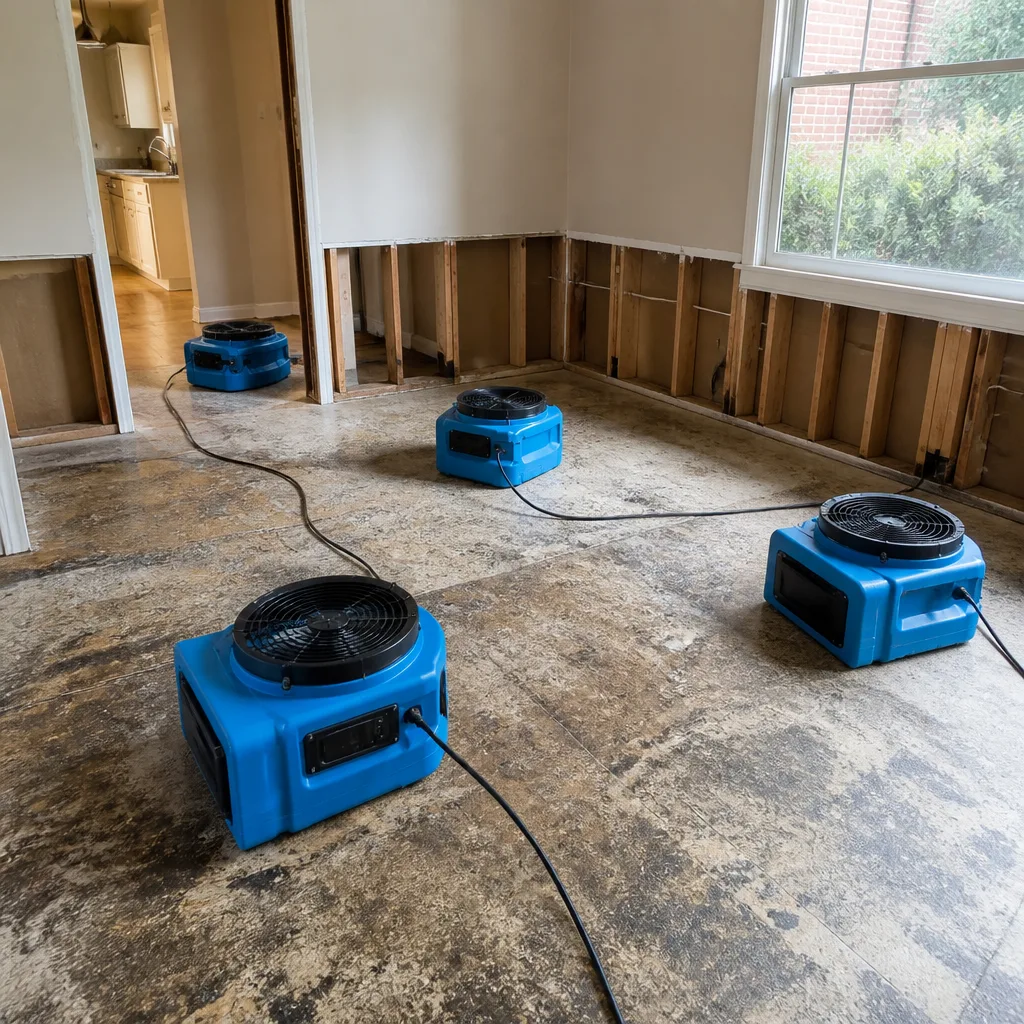
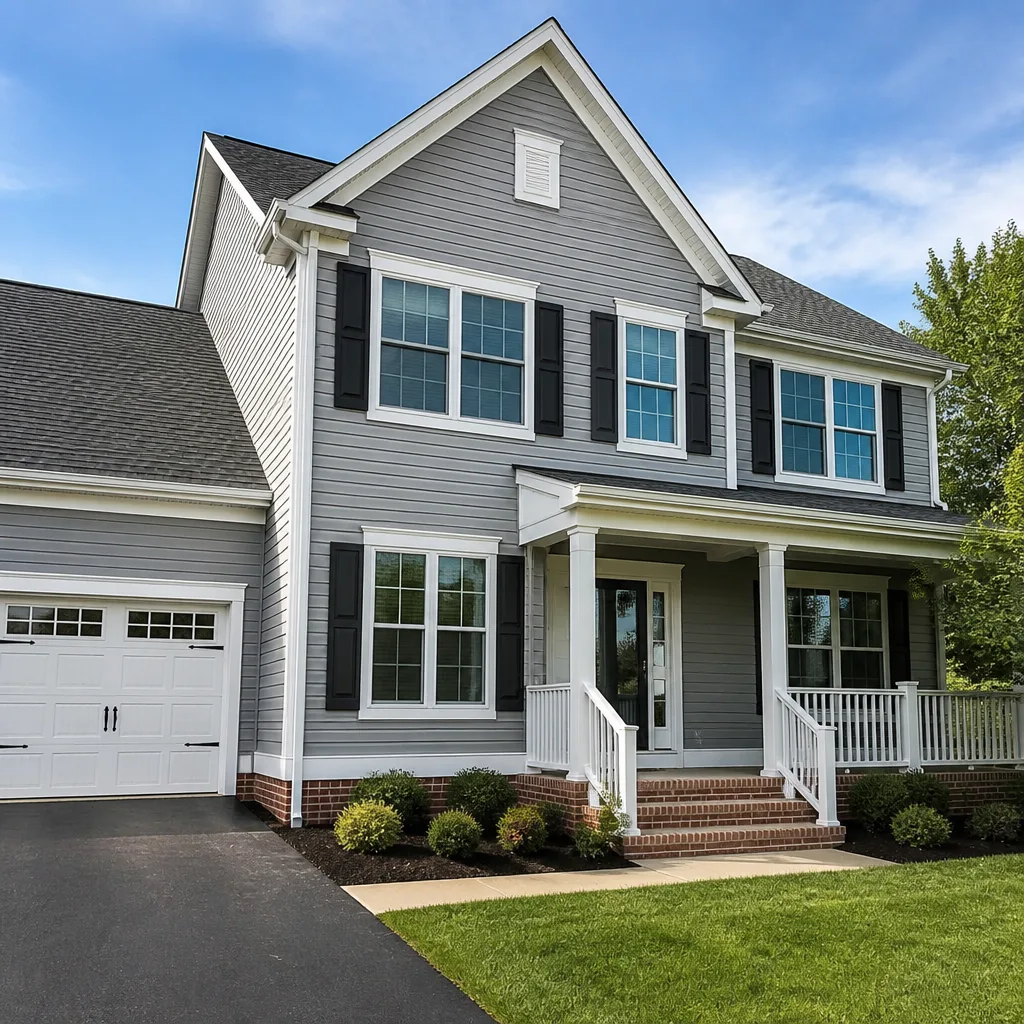
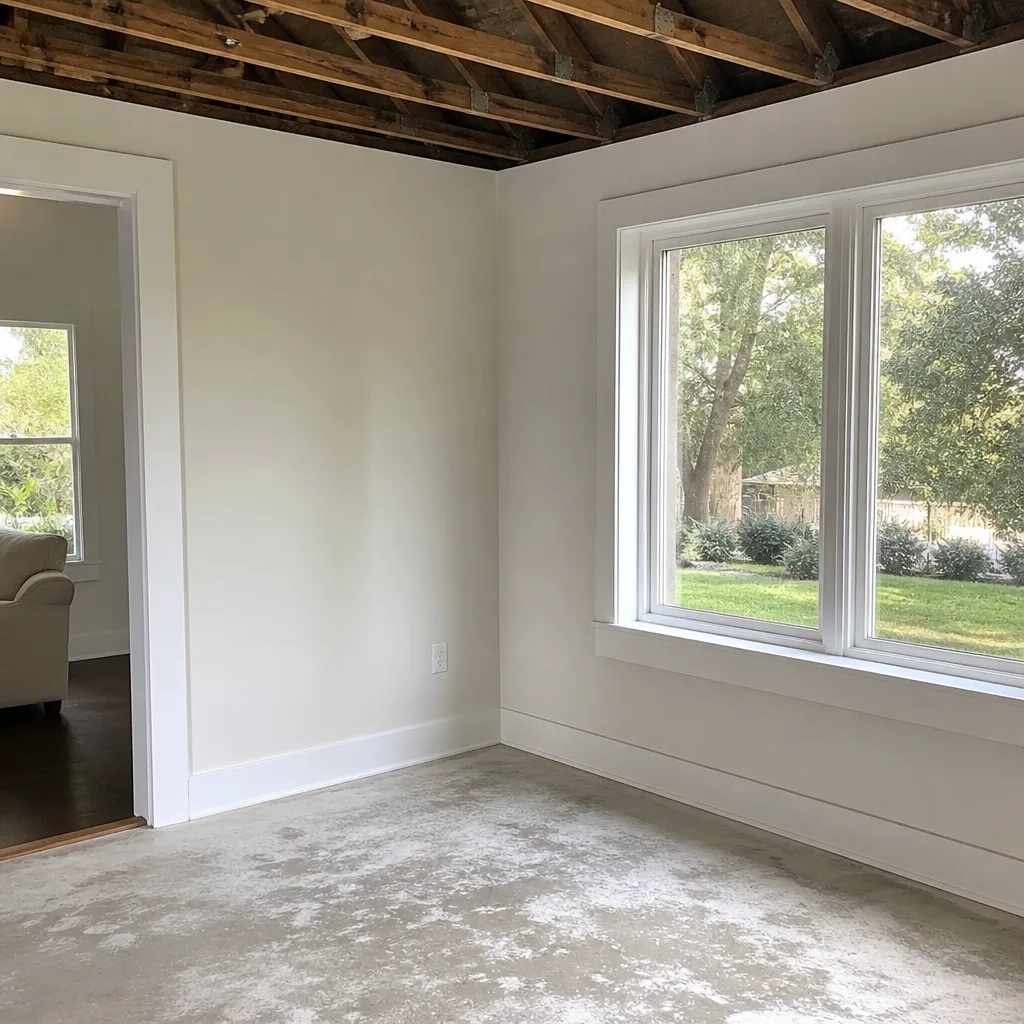
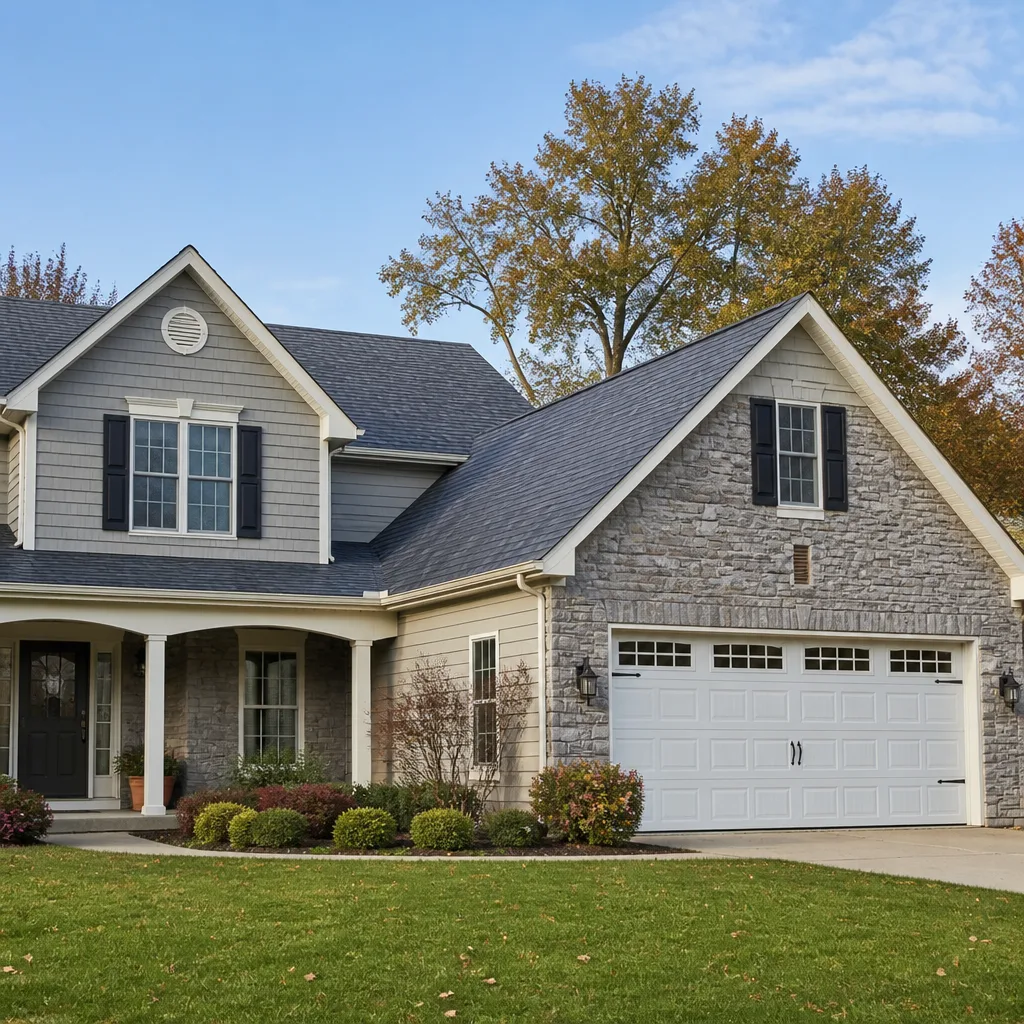
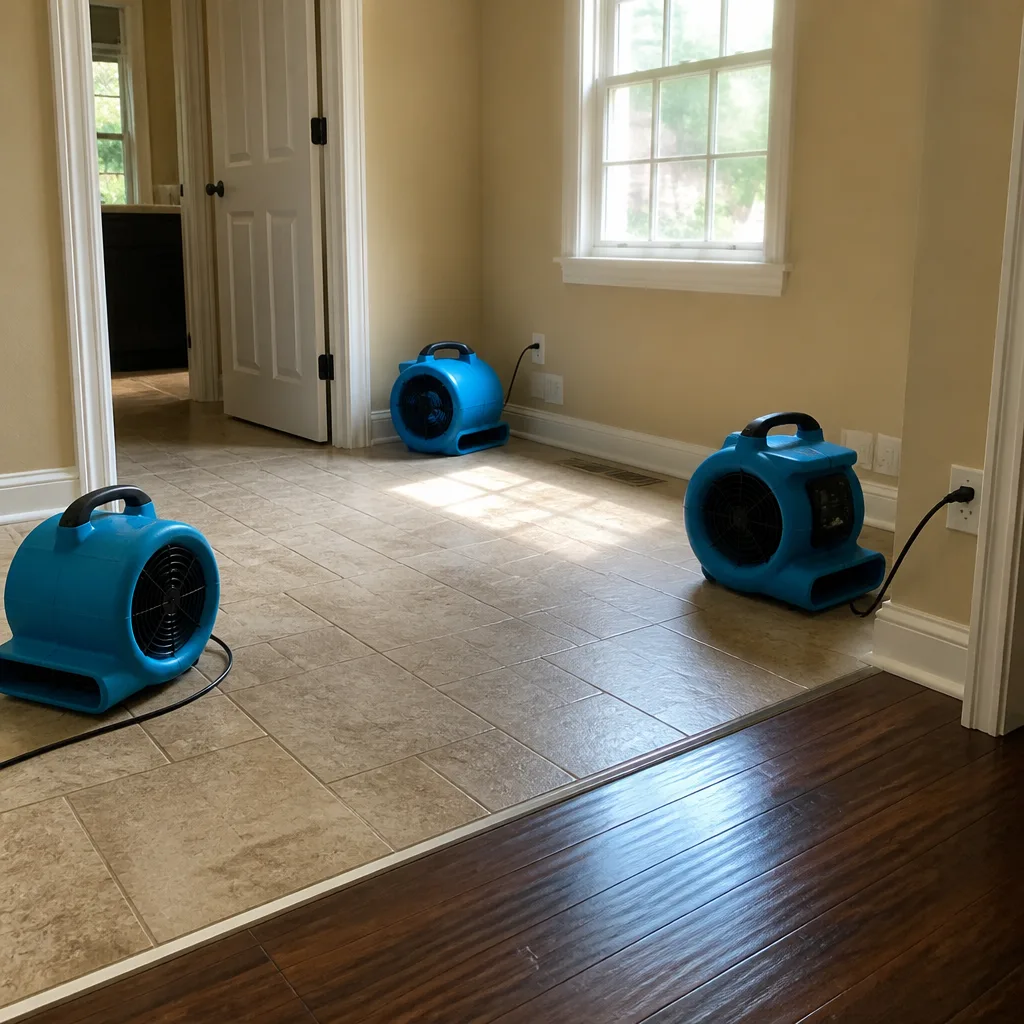

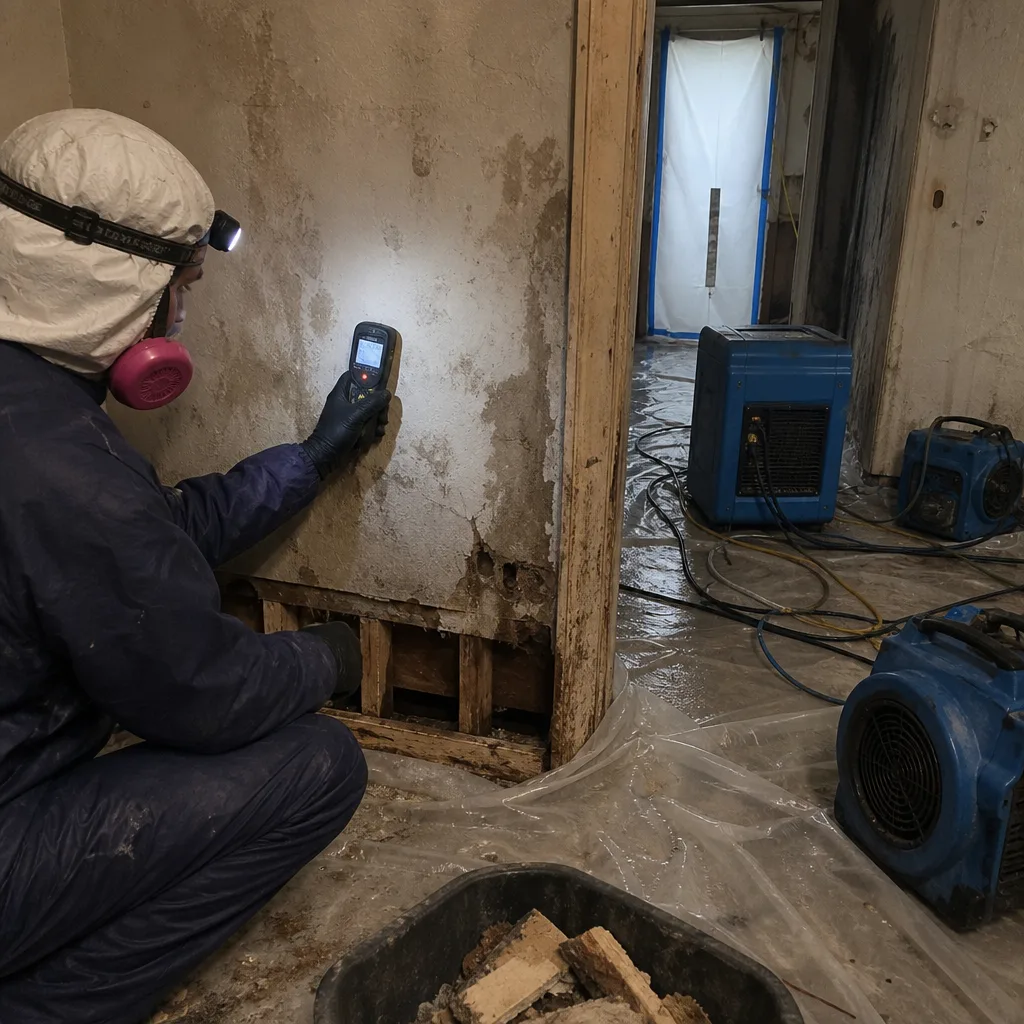 Before
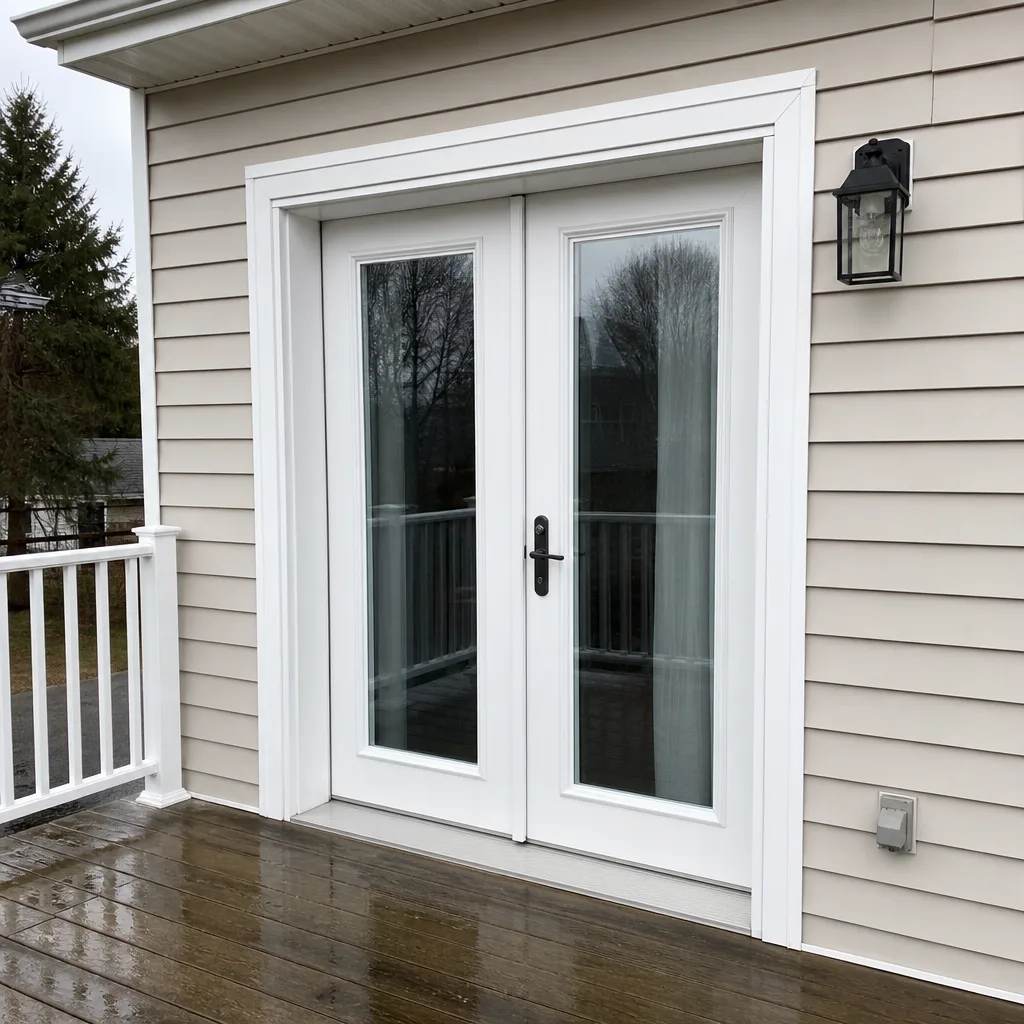 After
After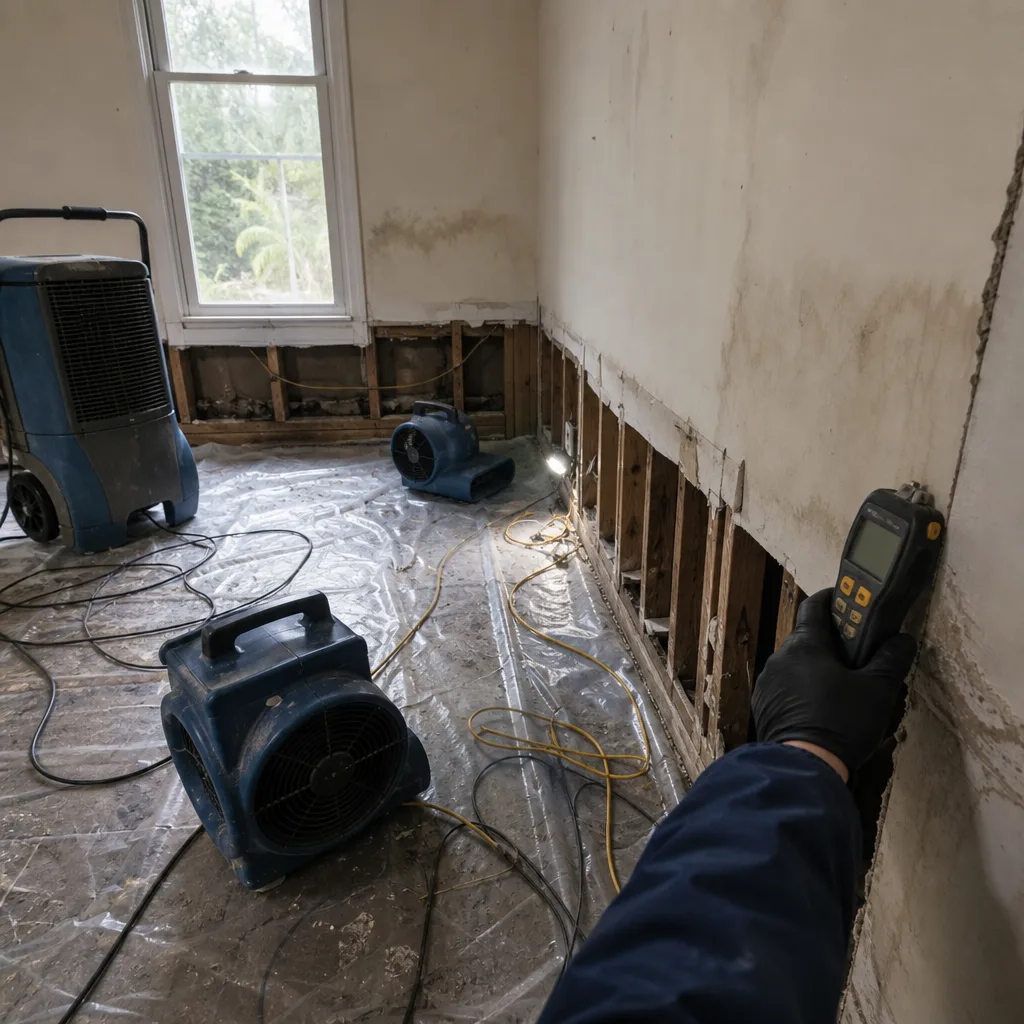 Before
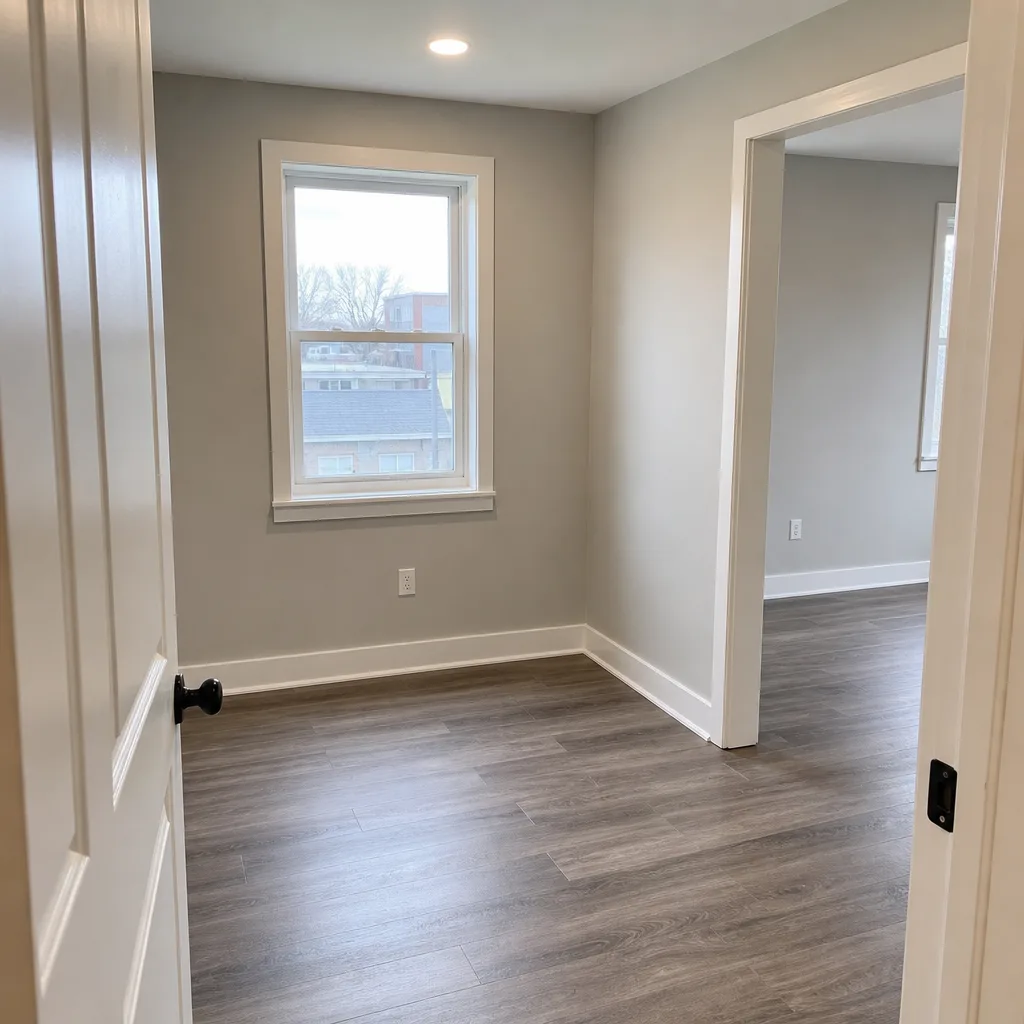 After
After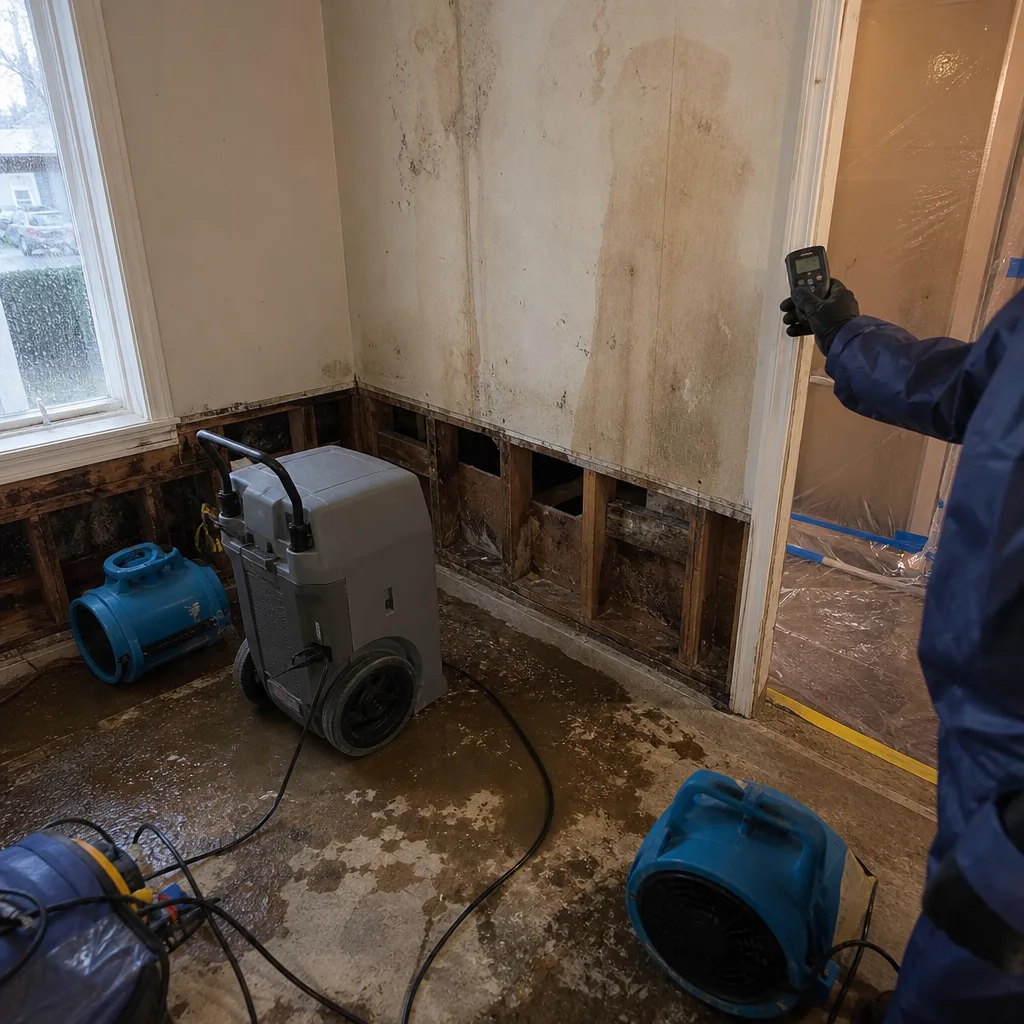 Before
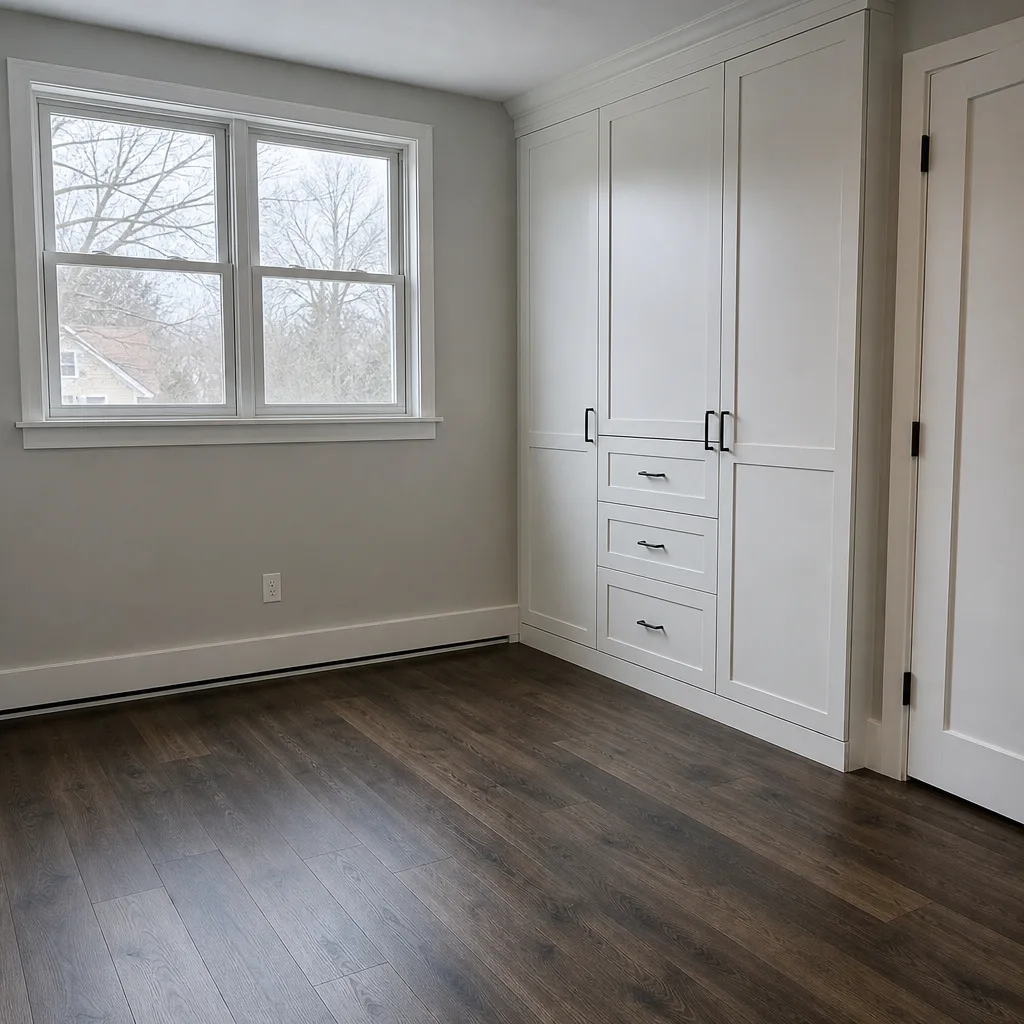 After
After24/7 Emergency Biohazard & Crime Scene Cleanup in Rye
Biohazard and crime scene cleanup in Rye requires a crew that can reach your home fast and handle what they find with containment, disinfection, and discretion. A typical trauma scene or sewage backup in a Rye home runs $1,400 to $5,600, and most jobs are dispatched the same day. We answer the phone live at 2 a.m., not with a recording, and a certified crew from Floodline Restoration Co. reaches Rye addresses within 45 minutes of your call. If you’re standing in front of blood, bodily fluid, or Category 3 water right now, call (845) 456-6568. The first hour decides how much of your home we can save, and how much gets cut out and rebuilt.
Understanding Biohazard & Crime Scene Cleanup Severity in Rye Properties
Biohazard work in Rye is rarely a simple wipe-down. The city’s housing stock, dominated by Colonial Revival, Tudor, and Victorian homes built between the 1890s and 1940s, absorbs contamination differently than modern drywall-and-carpet construction. Original plaster walls are porous. Old-growth hardwood floors wick fluid between boards. Lath and plaster assemblies create hidden cavities where blood, bodily fluid, or sewage can sit out of sight. In a 1920s Tudor along Milton Harbor, our containment team found a Category 3 black water mark wicking up original plaster walls after a storm-surge backflow. Because the home had been rebuilt piecemeal after Sandy, we opened a wall cavity and uncovered a hidden mold bloom behind old lath that had never been properly dried. That’s what “severe” looks like in Rye: contamination layered over unremediated damage from a decade ago. Our mitigation protocol on that job included antimicrobial treatment, pack-out of saturated millwork, and structural drying to pre-loss condition using Dri-Eaz air movers and Phoenix dehumidifiers.
We classify biohazard severity by source and saturation depth, not just square footage. A dried blood spot on sealed tile is a Level 1. Bodily fluid that has soaked into original plaster or under a 1930s oak floor is a Level 2 or 3, because we cannot verify what migrated below the surface without opening the assembly. IICRC standards govern our decontamination and clearance procedures. When we finish, we leave a written scope, photo documentation, and a drying log, not a guess.
Why Rye Property Owners Choose Floodline Restoration Co.
- 45-minute response commitment: A live dispatcher confirms a crew from our Rye response zone the moment you call, and we arrive within 45 minutes on emergency biohazard calls.
- 24/7 live answer: A real person picks up the phone at two in the morning. No automated system, no call-back queue.
- IICRC-certified crews: Our technicians hold IICRC, RIA, and IFA certifications, including WRT, FSRT, and AMRT designations where the job demands them.
- Free visual inspection: We assess the scene before any work is priced, and you get a written scope before we start cutting or treating anything.
- Direct insurance billing: We bill your carrier directly and coordinate with the adjuster, so you don’t carry paperwork between us and them.
- One team, start to finish: The same background-checked, uniformed crew handles containment, cleaning, and the rebuild that follows. No handoff to strangers.
Our Biohazard & Crime Scene Cleanup Process
Inspection & Assessment
We walk the property, identify contamination type and saturation, and mark affected assemblies. Thermal imaging and moisture meters tell us what’s wet behind the plaster, and where the contamination boundary actually ends.
Containment & Source Removal
We isolate the affected area with HEPA-filtered containment barriers to prevent cross-contamination into clean rooms. Blood, bodily fluid, or Category 3 water is extracted and bagged for regulated disposal.
Drying & Dehumidification
Dri-Eaz air movers, Phoenix dehumidifiers, and Injectidry floor-drying systems pull moisture from structural cavities and original flooring. Daily readings are logged until the dry standard is met, not a day before.
Cleaning & Disinfection
We apply EPA-registered antimicrobials and hospital-grade disinfectants to all affected surfaces. Contaminated porous materials that cannot be fully decontaminated are removed and documented for your insurer.
Specialty Biohazard Treatment
Infectious disease disinfection, tear gas residue neutralization, and odor control follow IICRC and RIA protocols. We air-scrub the contained space and verify clearance before opening it back to the home.
Repairs & Restoration
Floodline rebuilds what we removed: plaster patching to match original profiles, millwork replication, floor refinishing, and full structural repair. The same crew finishes what it started.
Need Emergency Biohazard & Crime Scene Cleanup in Rye Now?
Crews minutes away, answering live 24 hours a day. The sooner we start, the less it costs.
Working With Your Insurance Company
Rye claims involving biohazard contamination almost always require proof of causation, scope, and completion. We build that file from the first hour. Our team photographs every affected surface before we touch anything, logs moisture readings throughout the drying cycle, and writes a line-item scope your adjuster can verify against IICRC standards. When a prior repair was sealed over improperly, as we regularly find in Blind Brook corridor homes, we document the layered loss so your current claim reflects the full scope. We talk to the adjuster directly, and we bill your carrier directly.
What We Provide Your Insurer
- Thorough documentation of the loss
- Photos of all damage, room by room
- Moisture readings and drying logs
- A detailed, line-item scope of work
- Direct coordination with your carrier
Built for Rye’s Loss Calendar
Rye’s biohazard calls follow the water and the season. Nor’easters between October and March push storm surge up Long Island Sound and into Milton Harbor, flooding basements with Category 3 saltwater mixed with sewage and whatever the tide carried in. January deep freezes burst supply lines in unheated mudrooms and garages across older Rye homes, saturating original wood framing before anyone notices. Spring thaw raises the water table along the Blind Brook corridor, and groundwater finds every crack in 100-year-old foundations. Summer thunderstorms overwhelm aging drainage on streets near Rye High School and Midland Avenue. Each of these events can turn a water intrusion into a biohazard within 24 to 48 hours as bacteria multiply in standing water and hidden cavities. Coastal salt contamination makes it worse: salt holds moisture, accelerates corrosion, and feeds mold behind plaster long after the surface looks dry.
Biohazard & Crime Scene Cleanup Across Rye’s Neighborhoods
Response routes matter when a trauma scene or sewage backup needs containment now. Crews reach the Milton Harbor area fast via Playland Parkway, where waterfront properties carry the double exposure of storm surge and older mechanical systems. Along the Blind Brook corridor near Rye Golf Club, homes sit low to the water table, and we have opened more wall cavities there with pre-existing damp lath than anywhere else in the city. The Greenhaven neighborhood, with its concentration of 1920s and 1930s homes, regularly sends us calls for blood or bodily fluid cleanup in original plaster rooms where the contamination has wicked downward from the surface. Indian Village and the streets around Rye Country Day School have their own pattern: slate roofs and copper flashing keep water out, but older interior plumbing and steam radiators fail unpredictably, and a burst radiator line on the second floor becomes a Category 3 cleanup in the dining room below within hours. Our Biohazard & Crime Scene Cleanup team knows these blocks, and our Rye crews stage accordingly.
Specialized Biohazard & Crime Scene Cleanup Services We Offer in Rye
Crime Scene Cleanup
We remove blood, bodily fluid, and biological residue from trauma scenes with full containment, regulated disposal, and verification testing. In Rye’s older homes, this work often exposes contamination that migrated into floor joists or wall cavities, which is why we always inspect below the visible surface before declaring clearance.
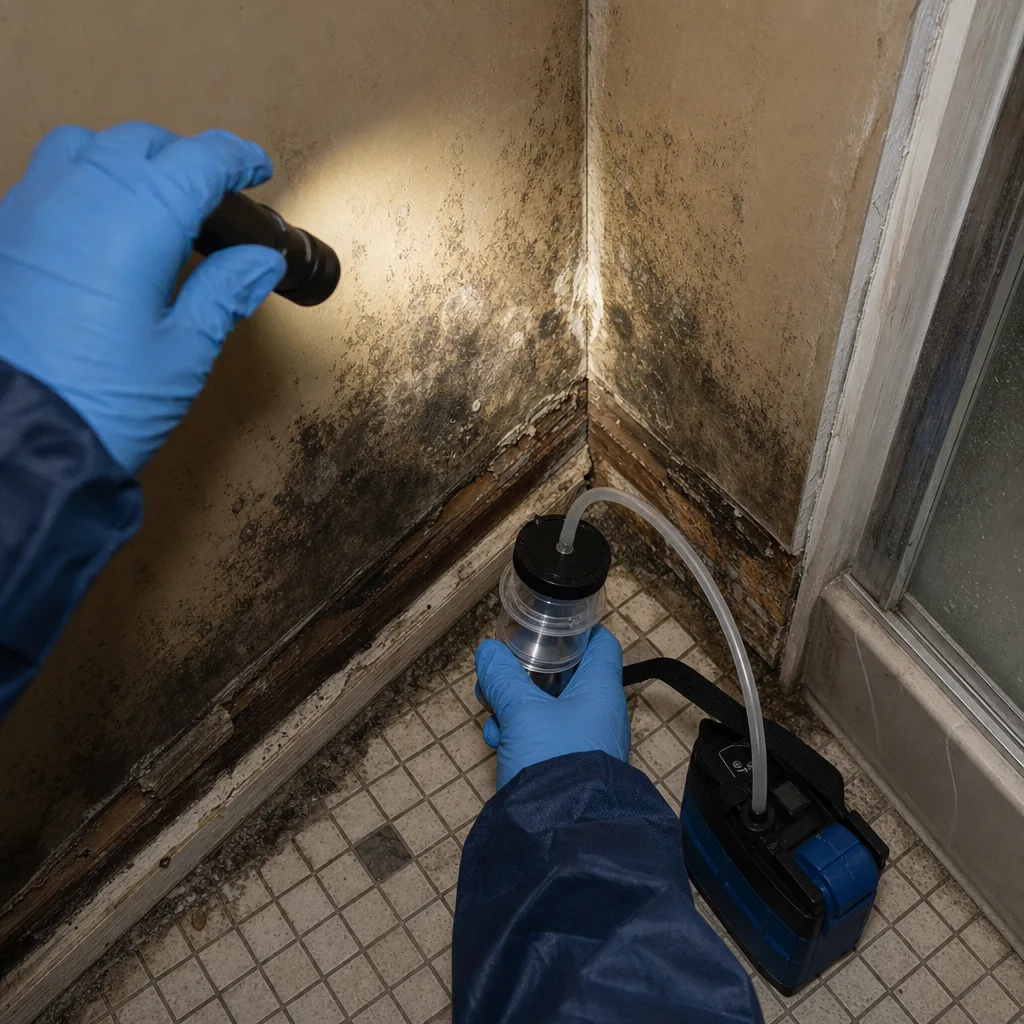
Trauma & Unattended Death Cleanup
Unattended deaths present both biological and structural challenges. Decomposition fluids penetrate porous materials quickly, and in Rye’s pre-war construction, that means original floors and plaster. We handle the full scope, from decontamination to structural repair, with discretion and respect for the family.
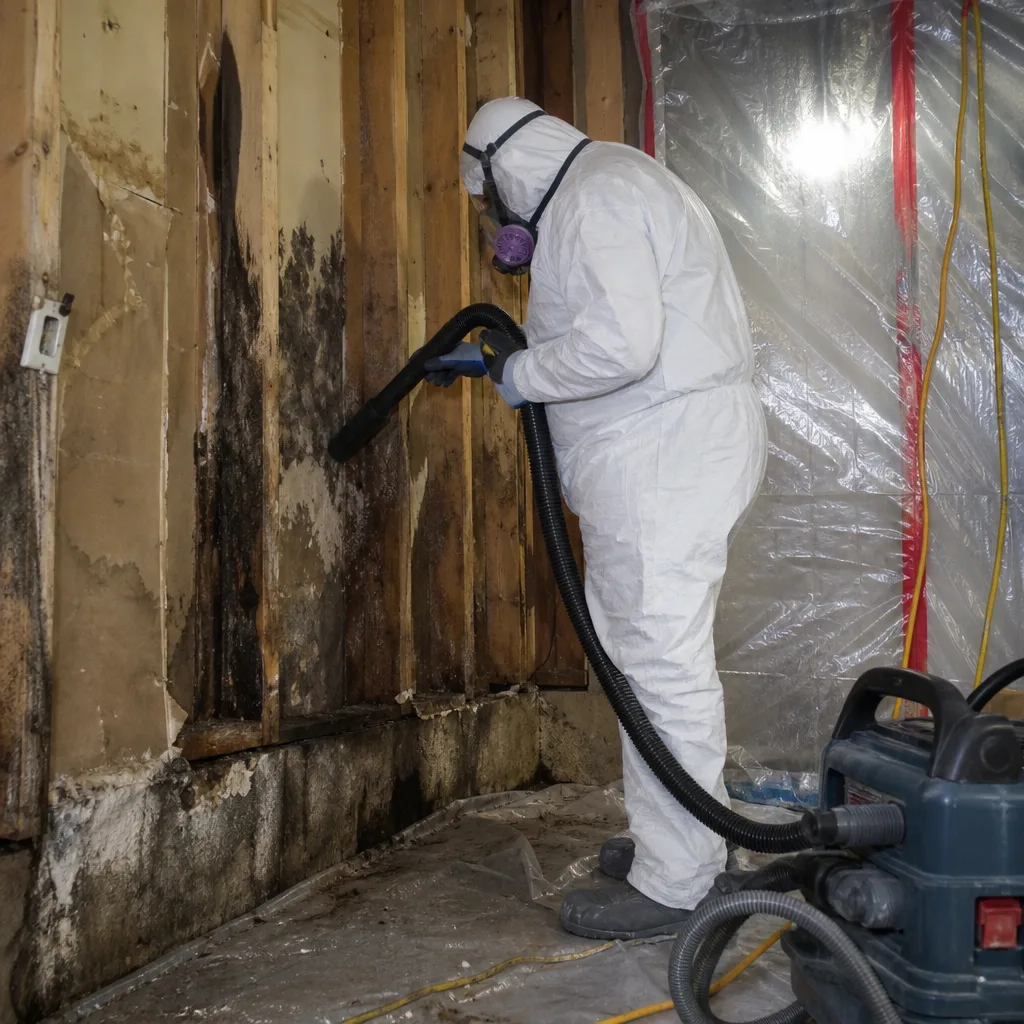
Hoarding Cleanup
Hoarding situations in Rye often conceal biohazardous conditions: rodent waste, expired food, mold, and blocked access. We clear, sort, sanitize, and restore the property with the same crew, preserving valuables and documenting everything for the adjuster.
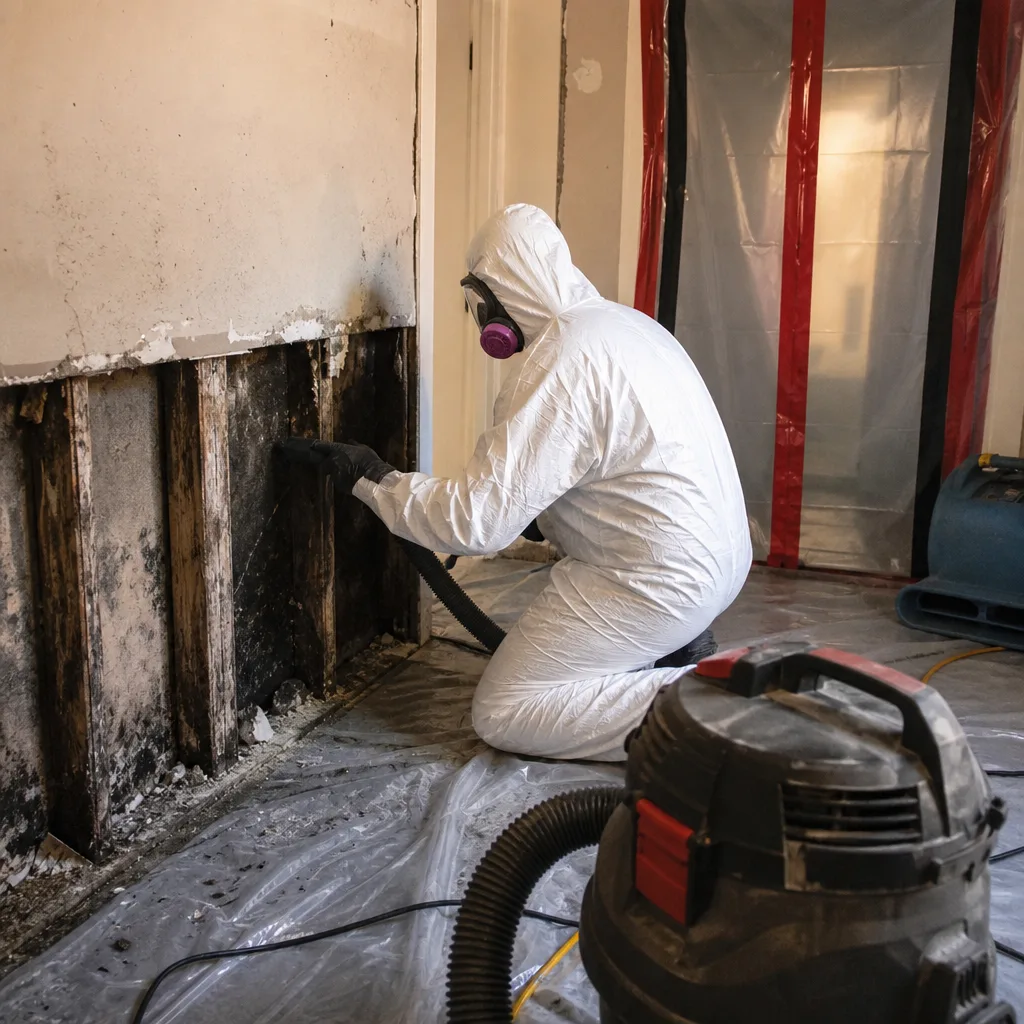
Blood & Bodily Fluid Cleanup
Bloodborne pathogens require more than bleach and a mop. Our crews follow IICRC biohazard protocols, use EPA-registered disinfectants, and remove saturated materials that cannot be decontaminated. In original plaster rooms, that often means opening the wall to treat the cavity behind it.
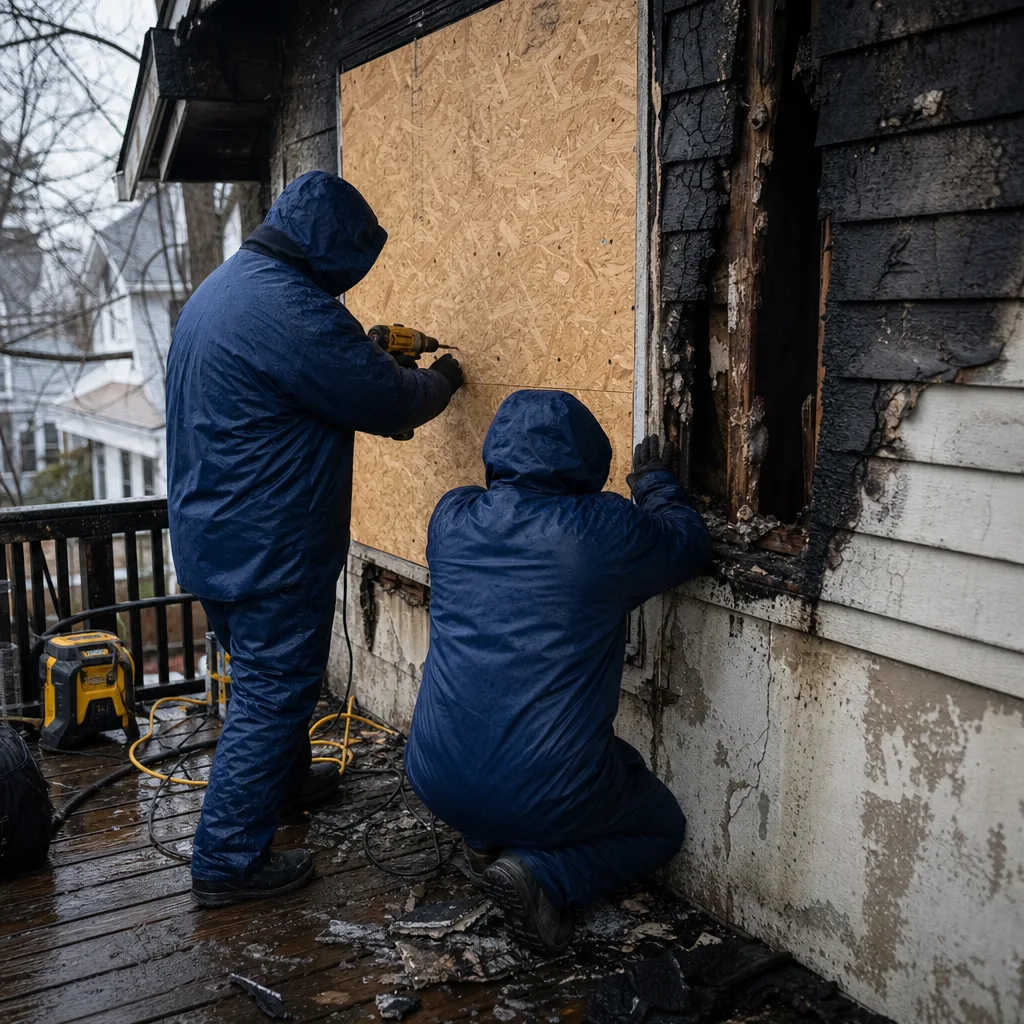
Infectious Disease Disinfection
When a Rye household faces MRSA, C. diff, norovirus, or another communicable illness, we treat touch surfaces, soft goods, and HVAC systems. Rye’s salt-air humidity keeps surfaces damp enough for pathogens to persist longer than in drier inland towns, and our disinfection protocols account for that.
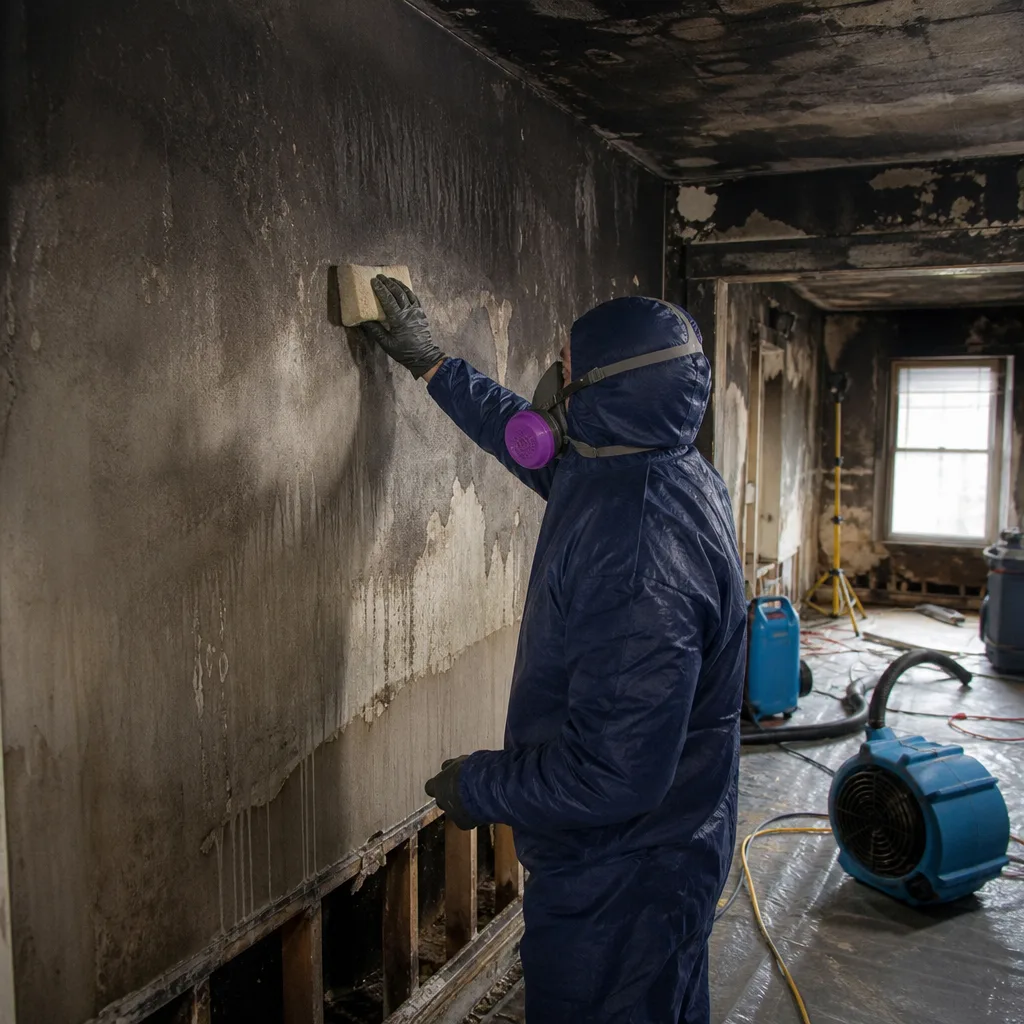
Tear Gas & Chemical Cleanup
Tear gas residue clings to plaster, textiles, and HVAC filters. We neutralize the chemical compounds, air-scrub the contained space, and replace what cannot be cleaned. This is specialized work that we document thoroughly for insurance.
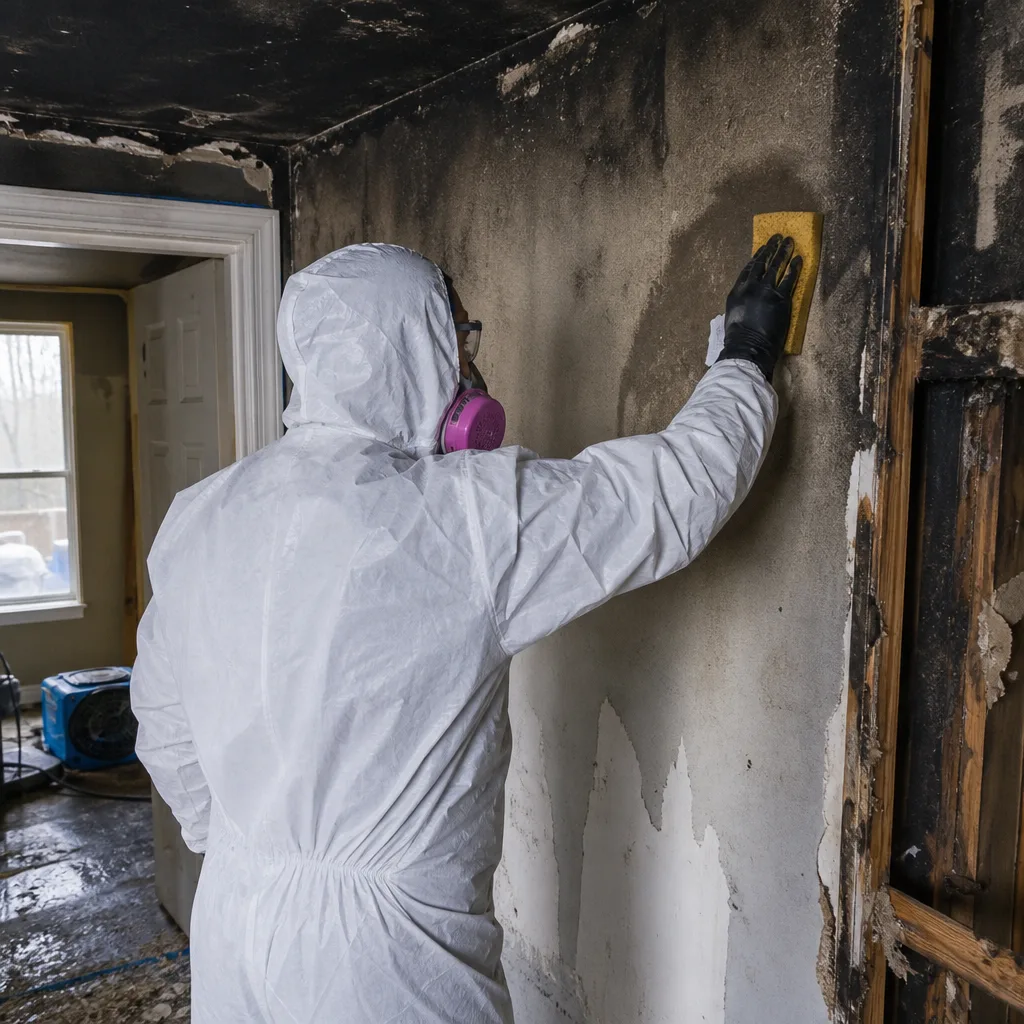
What happens when you call
- 1
A real person answersNo phone trees - you reach a local pro.
- 2
You get an upfront price rangeHonest numbers before anyone is dispatched.
- 3
A background-checked tech heads outLicensed & insured, dispatched right away.
- 4
You approve before work beginsNothing starts until you say go.
Biohazard & Crime Scene Cleanup Costs in Rye, NY
Rye pricing runs higher than inland Westchester because the work is more invasive. A straightforward blood spot cleanup in a single room runs $1,000 to $1,800. Full trauma or unattended death cleanup with structural opening starts at $3,000 and commonly reaches $6,500 when contamination has reached subfloor cavities. Sewage backup from a Blind Brook flood or Milton Harbor storm surge with Category 3 disinfection runs $2,500 to $7,000 depending on saturation depth and what must be removed. Infectious disease disinfection of an entire home typically lands between $1,500 and $4,000. Most Rye policies cover biohazard cleanup when it ties to a covered peril, but the claim needs proof: photos before work, a line-item scope, and a drying log. We provide all three and hand them to your adjuster. Call (845) 456-6568 for a free visual inspection and a written scope before any money changes hands.
We Also Serve Cities Near Rye
Our crews serve the surrounding Sound shore communities and inland Westchester neighborhoods with the same 45-minute commitment. That includes Mamaroneck and Larchmont along the water, plus Scarsdale and Eastchester inland. If you’re in one of those towns and need biohazard or crime scene cleanup, the same live dispatcher answers the same number.
Rye Biohazard & Crime Scene Cleanup Questions, Answered
How do you handle Category 3 water in a Rye basement with original plaster walls?
We cut the plaster to the flood line, remove contaminated lath and insulation, and place air movers and Injectidry mats into the open cavities. You cannot dry inside an old plaster wall assembly without opening it. Once readings confirm the dry standard, we rebuild with materials matched to the home’s original profile.
Why is mold growth faster in Rye’s older homes after a biohazard event?
Rye’s coastal humidity keeps plaster and lath assemblies damp longer than drywall systems in inland homes. Old-growth framing absorbs moisture deeply, and hidden cavities behind original walls hold standing air. Mold reaches active growth within 24 to 48 hours when that moisture carries organic material from a biohazard event.
How do you preserve Rye’s historic millwork during a trauma or crime scene cleanup?
We pack out and document original millwork before any demolition begins. Where decontamination is possible, we treat it in place or in a controlled pack-out area. Where it is not, we replicate profiles using matching species and period joinery. We never send historic trim to a landfill without your written sign-off.
What specific infectious disease risks does Rye’s coastal flooding add to a cleanup?
Category 3 floodwater from Long Island Sound and the Blind Brook carries sewage, marine bacteria, and chemical runoff. Saltwater intrusion accelerates material breakdown and keeps surfaces damp, which extends the window for pathogens like E. coli, hepatitis A, and norovirus to remain viable. Standard freshwater flood protocols are not sufficient; we treat every Rye Category 3 job as an infectious disease event.
How do you prove scope of work for a Rye insurance claim involving layered pre-existing flood damage?
We photograph every layer as we open it, noting what matches the current event and what is older, unremediated damage from earlier floods. Each layer gets documented separately in our report, so your claim covers the current loss while the adjuster sees the full history. This prevents carriers from denying new damage because of old damage.
How fast can you actually get to a Rye address?
Within 45 minutes for emergency biohazard calls, because we stage crews in the Rye response zone. Call (845) 456-6568 and a live dispatcher confirms the crew’s ETA before you hang up.
Will my insurance cover biohazard cleanup in Rye?
Most homeowner policies cover biohazard cleanup when it is tied to a covered peril like a burst pipe, sewer backup, or storm damage. We document the loss, bill your carrier directly, and coordinate with the adjuster. Crime scene cleanup is sometimes covered under a separate endorsement; we will help you find out.
What should I do in the first 30 minutes after discovering a biohazard situation?
Keep everyone out of the affected area, close doors to neighboring rooms, and do not attempt to clean the material yourself. Blood, sewage, and other biohazardous substances require containment and regulated disposal. Call (845) 456-6568. We will tell you exactly what to do until the crew arrives.
Serving Rye, NY - Our Local Coverage Area
We’re based in the Rye area and know this community well. Use the map below to see our service coverage - if you’re nearby, we can almost certainly help.
Contact Floodline Restoration Co. in Rye
If you have blood, sewage, or another biohazard situation in your Rye home, call (845) 456-6568 now. A live person answers, 24 hours a day, and a certified crew can be at your door within 45 minutes. We provide a free visual inspection, a written scope before work starts, and direct insurance billing. Every job is backed by the 90-Day Done Right Promise, in writing, no arguing. Floodline Restoration Co. has answered the phone with a person since Curt Bowman founded the company in 2010. We serve Rye and the surrounding Sound shore communities, and we stand behind every job with our name. Call (845) 456-6568 for a free estimate.
Written by Curt Bowman, Owner at Floodline Restoration Co., serving the Rye community with certified biohazard and crime scene cleanup crews.