
Last updated August 25, 2026
Free visual inspection and a written scope of work before any mitigation begins - photos, moisture readings, and drying logs go in your claim file
The scope we write is the scope we bill. Anything new gets shown to you, in writing, before we touch it.
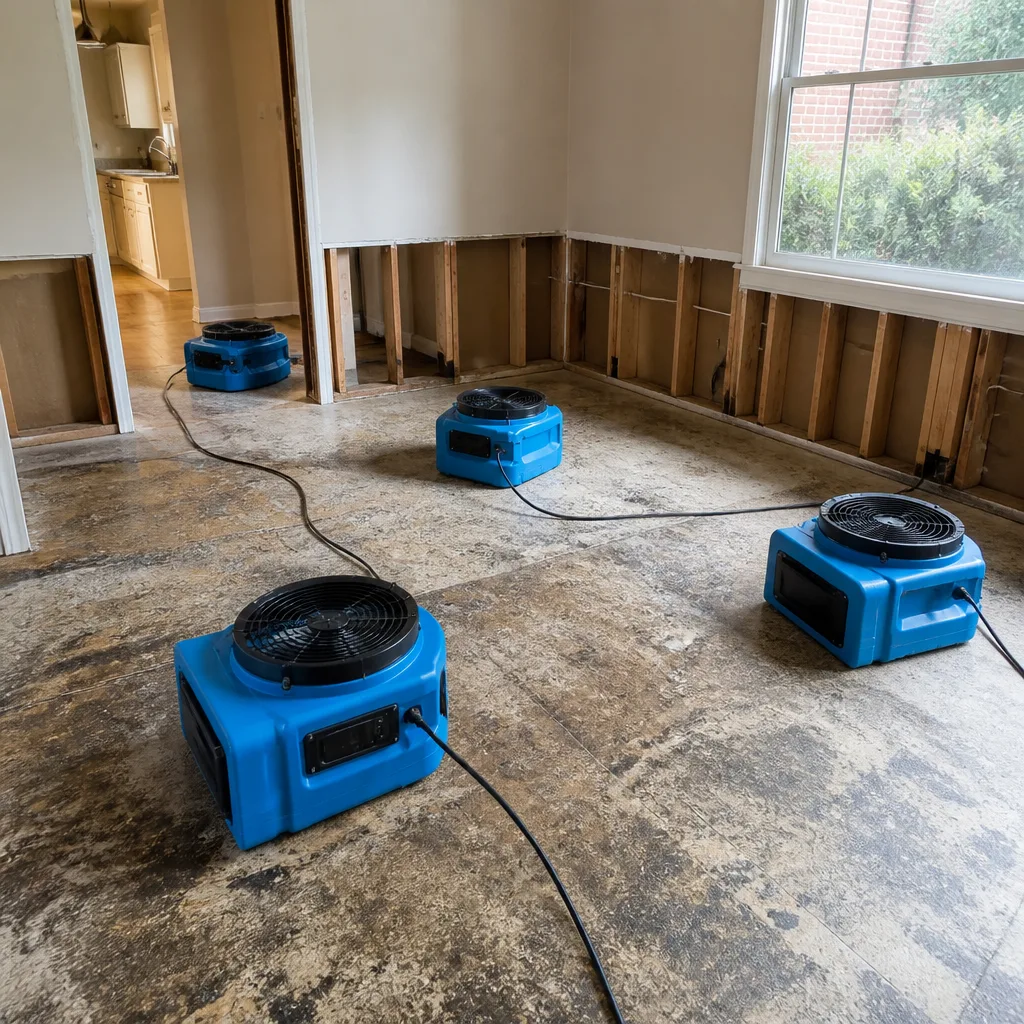
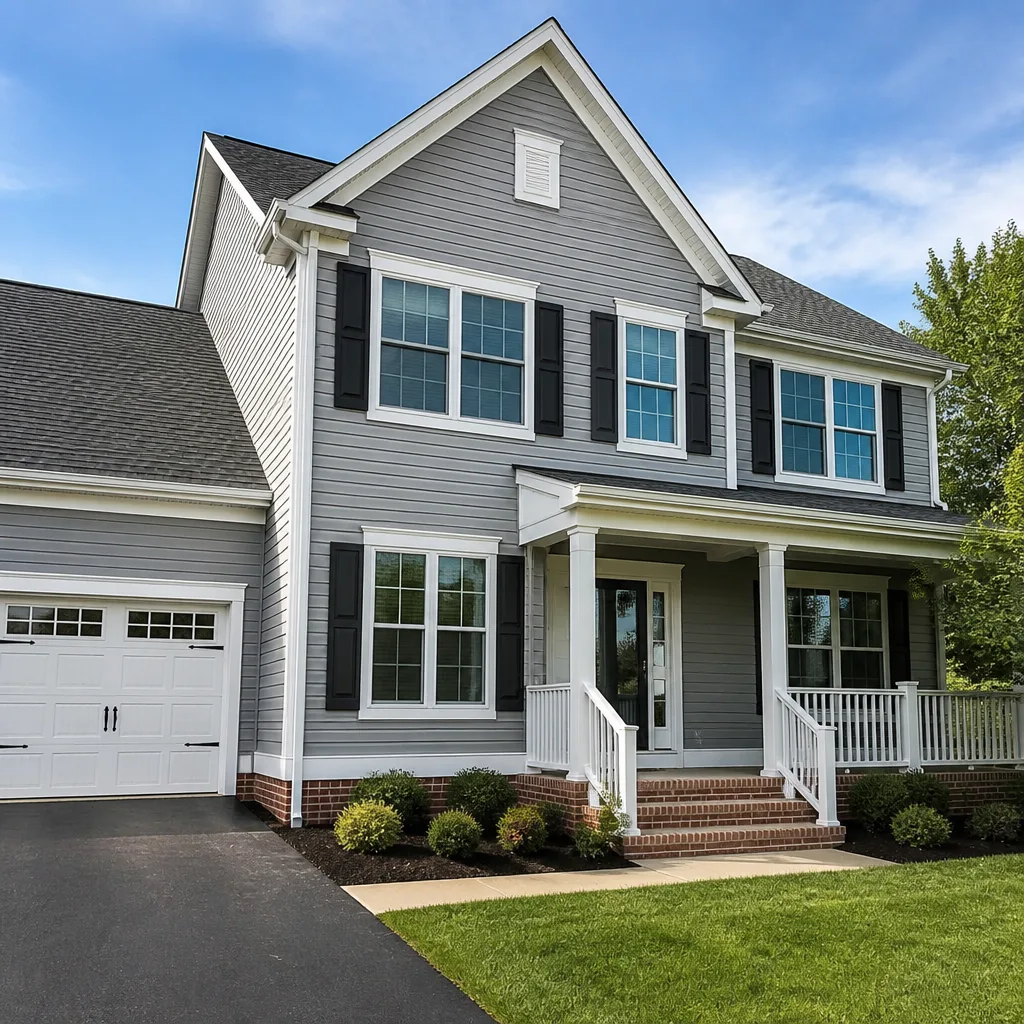
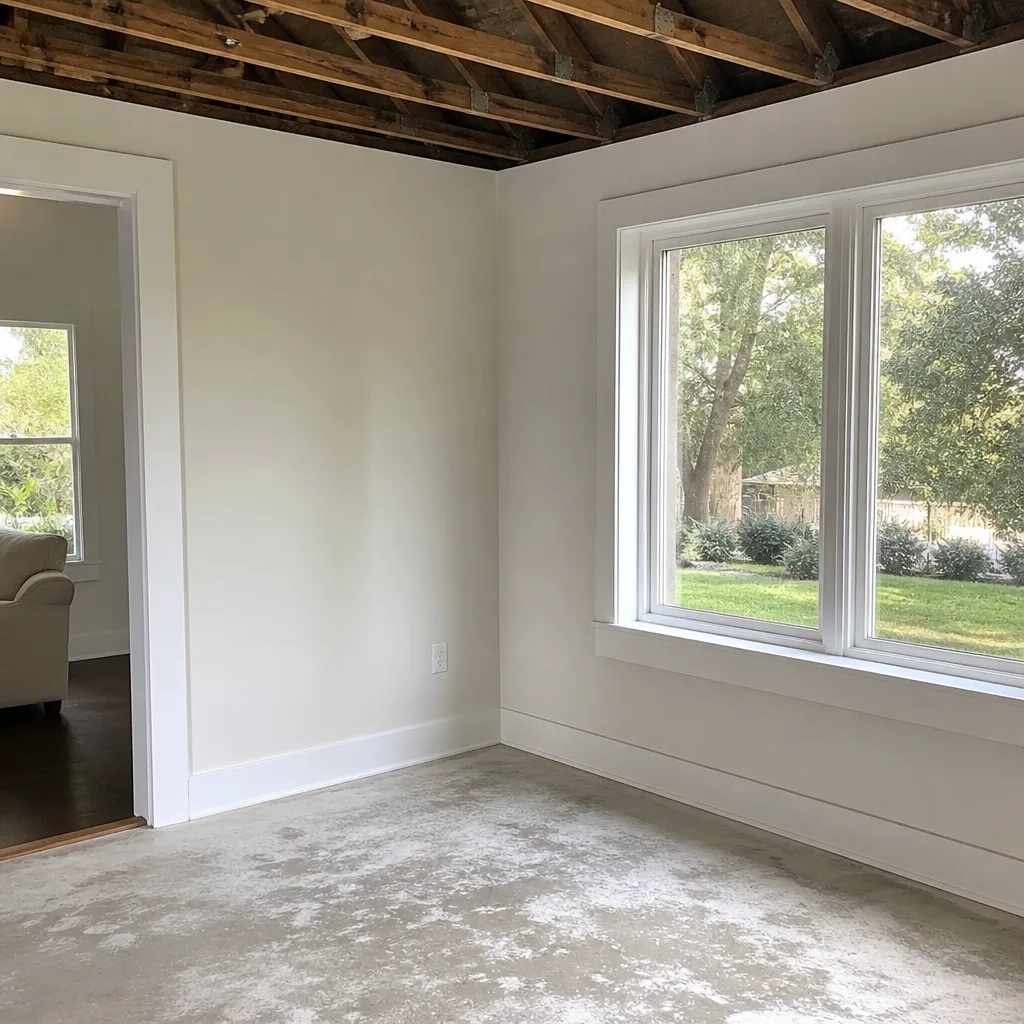
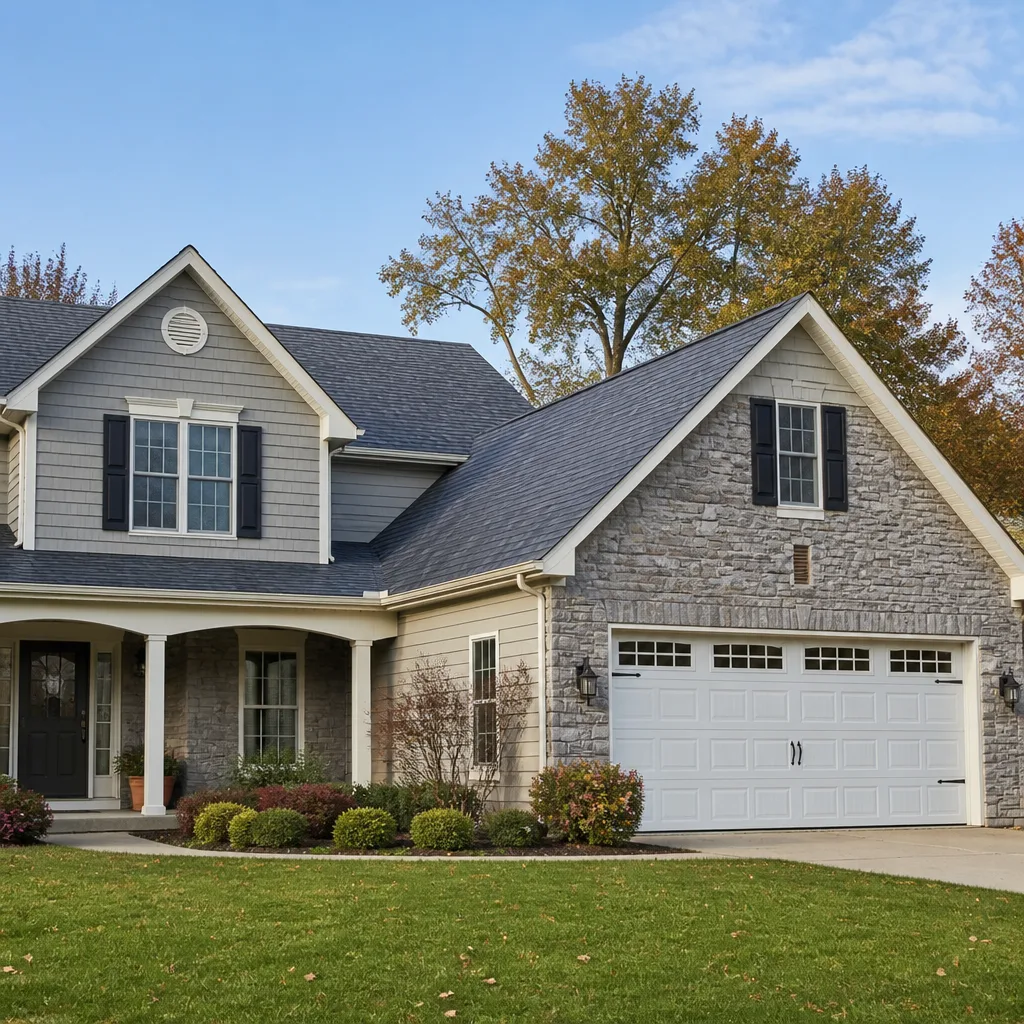
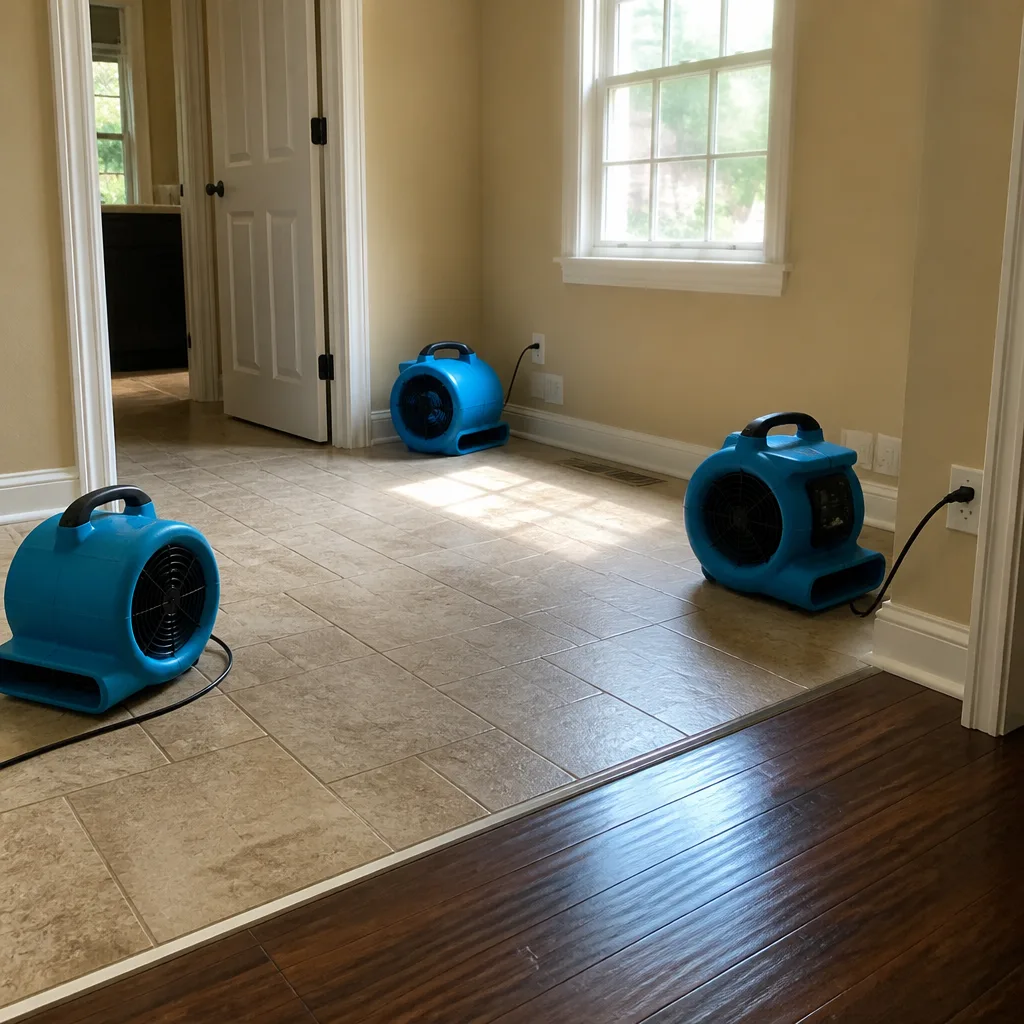

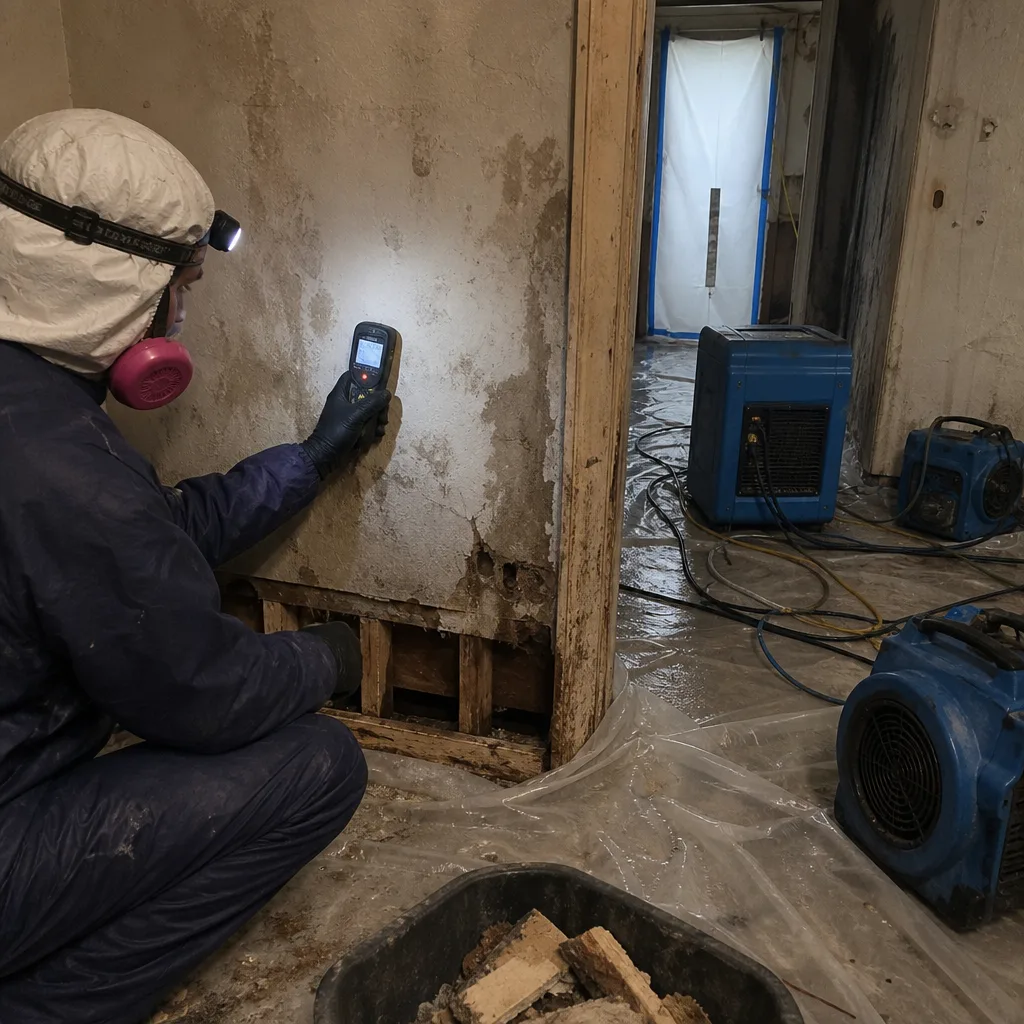 Before
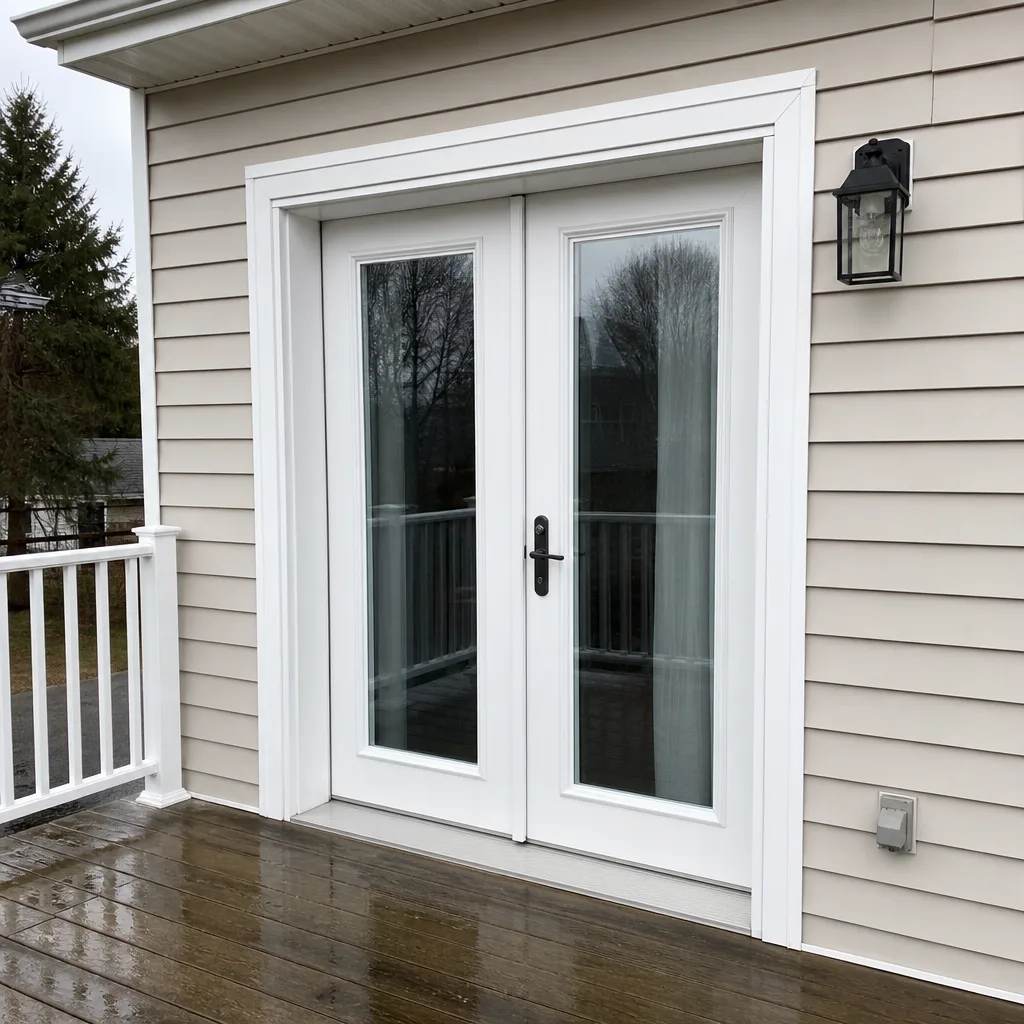 After
After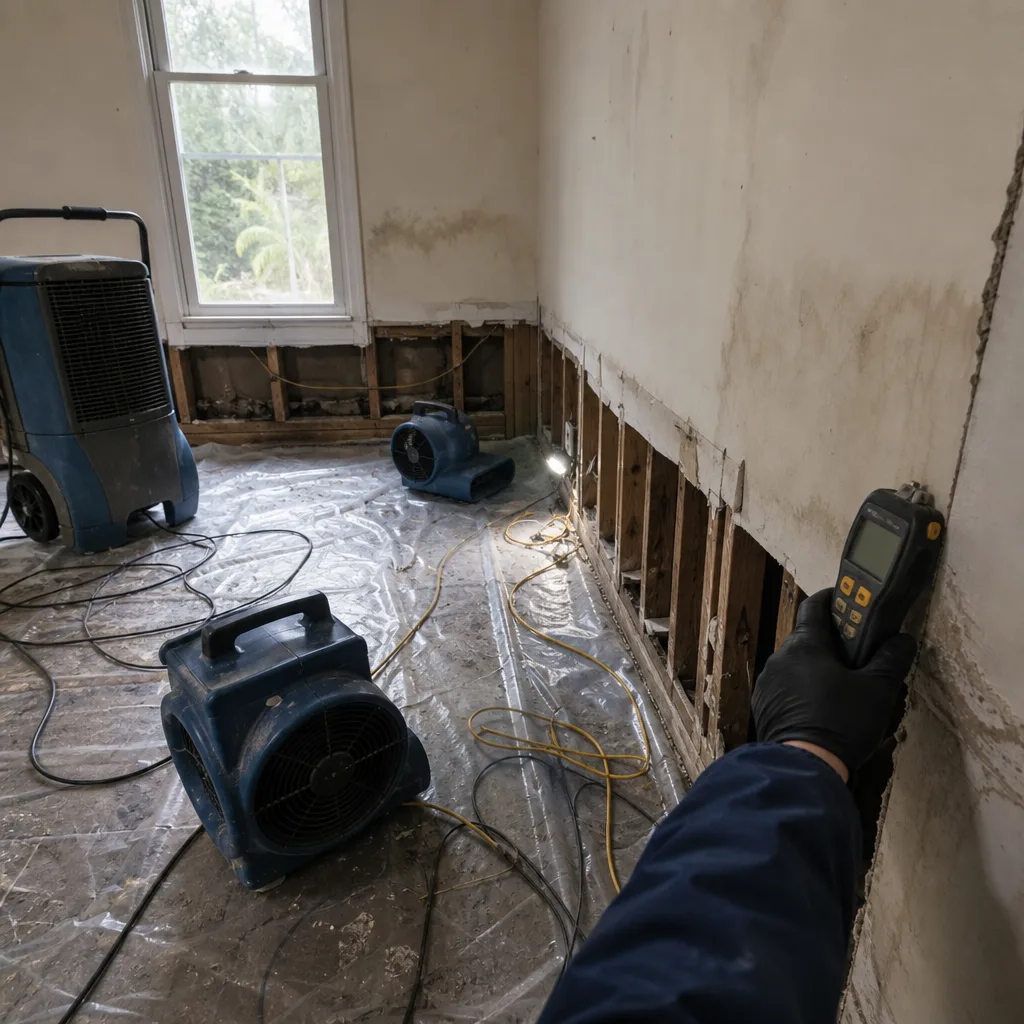 Before
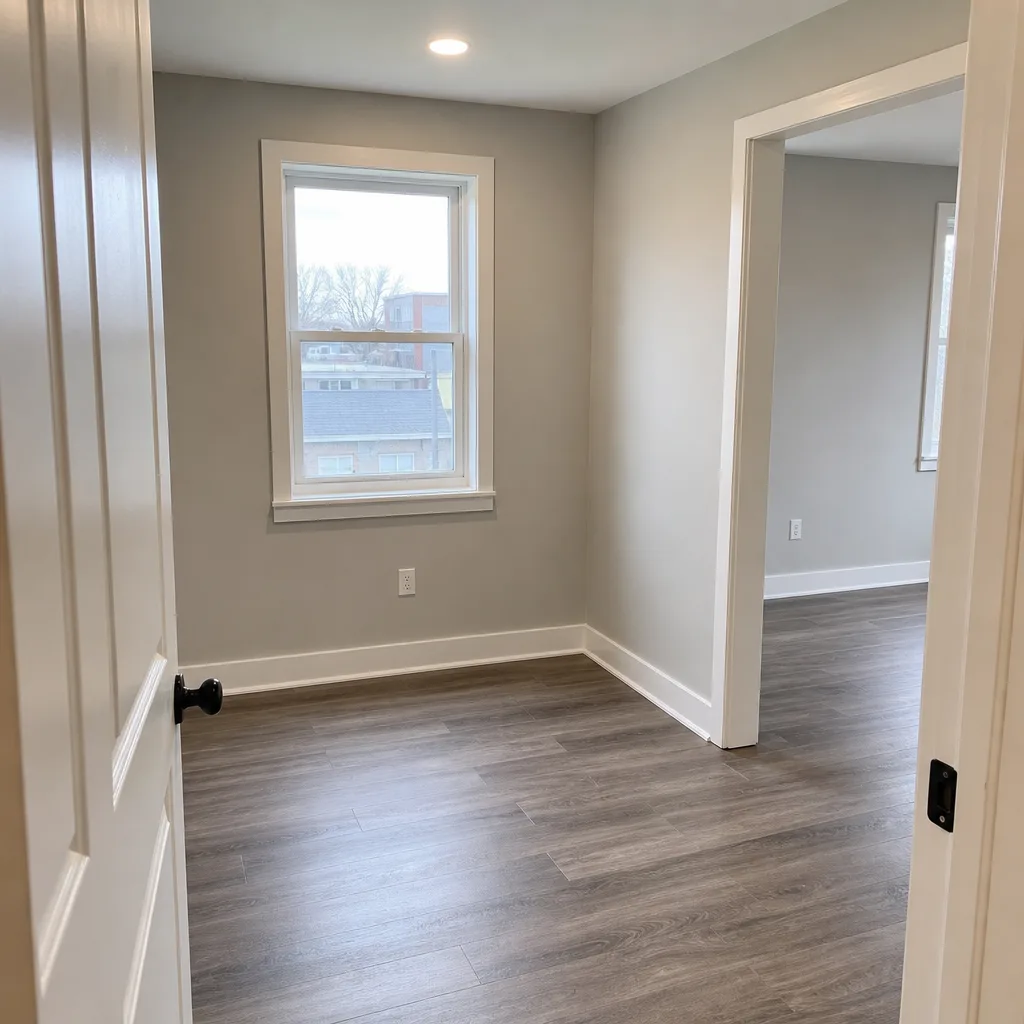 After
After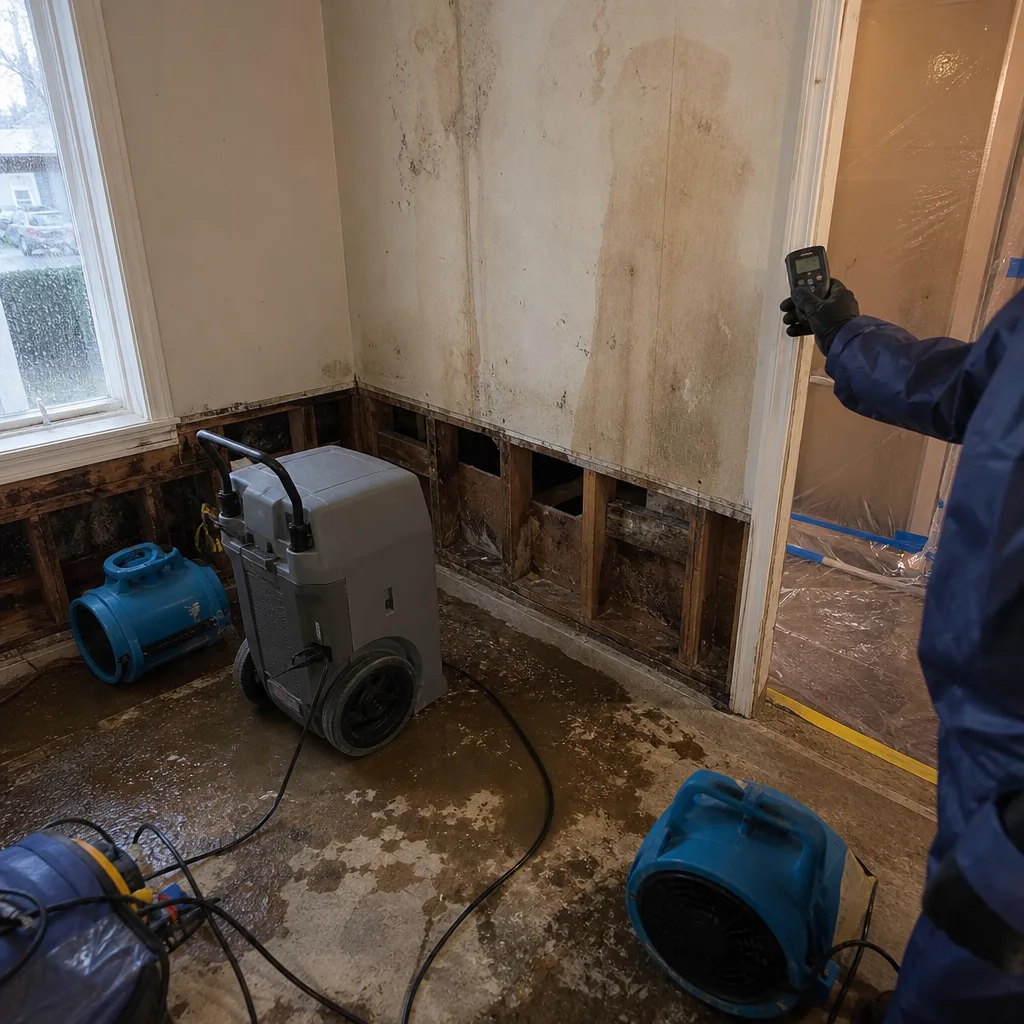 Before
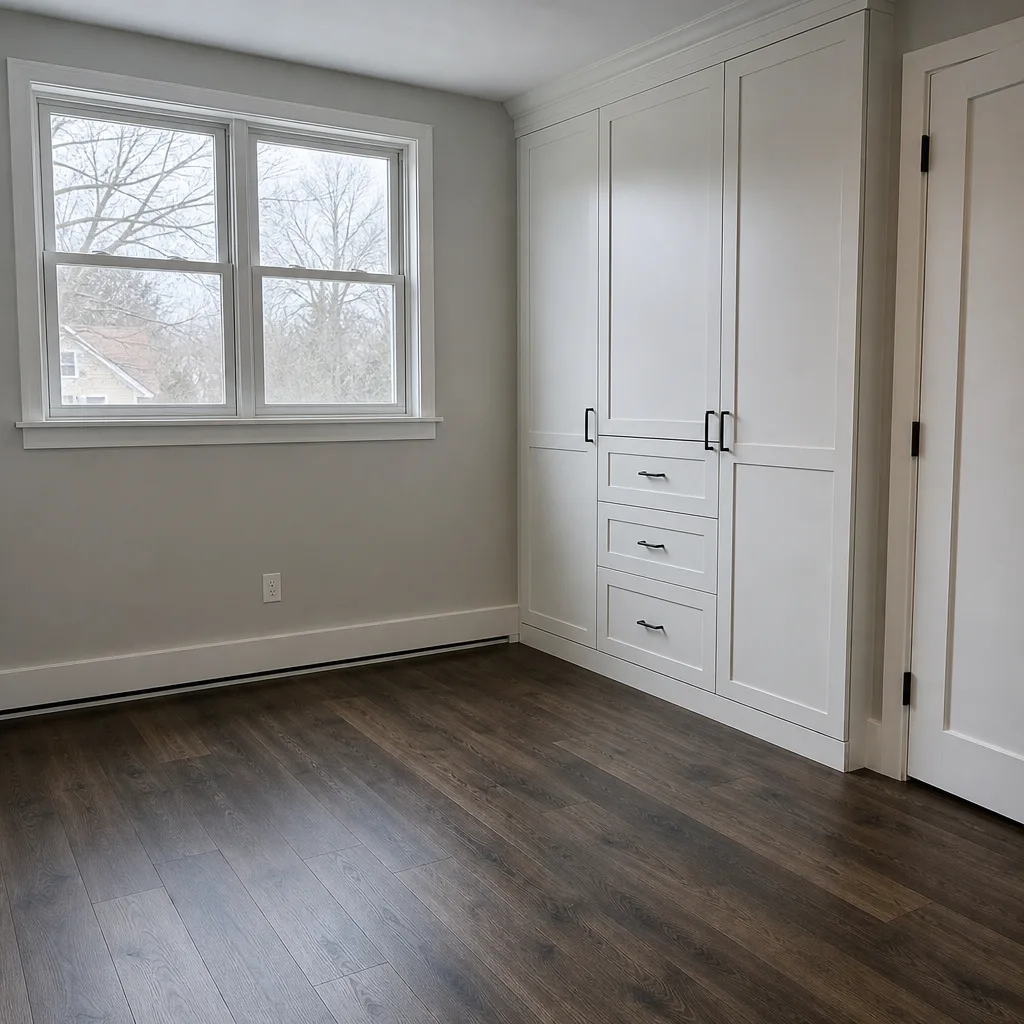 After
AfterDIY vs Professional Damage Restoration: The New Rochelle Homeowner’s Decision Guide
In New Rochelle, the question is rarely whether water, fire, or mold will eventually find a way into an older home - it’s what happens in the first 48 hours after it does. Homes in the Soundview and Premium Point areas, many built before 1950, hide damage behind lath-and-plaster walls and finished basements that groundwater loves. This guide walks through where a homeowner can safely save money with their own hands, and where calling a certified restoration crew twenty minutes too late turns a $900 drying job into a $14,000 rebuild. You’ll learn what the insurance carrier actually expects, what equipment matters, and why the moisture map - not the visible stain - decides the job.
Quick Answer
DIY works for small, contained water spills under about 10 square feet where the water is clean and the surface is non-porous - think a toilet overflow on tile, caught within the hour. Anything involving sewage, Category 2 or 3 water, hidden cavities, soaked drywall, electrical, gas, or visible mold growth beyond 10 square feet should be handled by a professional. In New Rochelle, where homes average 70+ years old and basements sit below the water table, the majority of what looks like a weekend dry-out is actually a hidden-moisture problem that requires professional-grade air movers, dehumidifiers, and a written moisture log for the insurance carrier.
Table of Contents
- What DIY Can Safely Handle
- When Professional Equipment Is the Only Answer
- The Hidden Costs of DIY Damage Restoration
- New Rochelle-Specific Risks: Basements, Salt Air, and Old Construction
- How the Insurance Claim Changes the Math
- Mold Is Not a Weekend Project
- What Professional Restoration Actually Includes
- Common Mistakes to Avoid
- When to Call a Professional
- Frequently Asked Questions
- The Bottom Line
What DIY Can Safely Handle
Let’s be straight about what a homeowner can do without calling anyone. A glass of water knocked onto a wood floor. A dishwasher that leaked half a gallon onto vinyl. A window left open during a light rain. These are the jobs where a mop, a box fan, and a dry afternoon solve the problem. The rule we use on our own walkthroughs is simple: if you can see every wet surface, if the water came from a clean source, and if you can dry it completely within 24 hours - you can probably handle it yourself.
Here’s what that looks like in practice:
- Clean water on non-porous surfaces: Tile, vinyl, sealed concrete. Mop it, run a fan, check it in the morning.
- Small spills caught immediately: A spilled mop bucket on a finished floor, under maybe 10 square feet, where no water ran under baseboards or appliances.
- Condensation on pipes: Wipe it down, identify the source, add pipe insulation from the hardware store.
- A wet box of seasonal items: Remove the items, run a dehumidifier in the room for a day, and confirm no water reached the wall behind the box.
The moment water touches drywall, wicks up a baseboard, runs under a cabinet kickplate, or sits for more than a few hours on any porous surface - the DIY window has closed. Drywall pulls water upward like a wick. In New Rochelle’s humid summers, that wet drywall won’t dry on its own. It’ll grow mold on the paper backing while the painted surface still looks fine.
When Professional Equipment Is the Only Answer
Homeowners tend to overestimate what a rental carpet fan can do. We see it every month in New Rochelle: someone runs a $40 rental fan from the big-box store for three days, the surface feels dry, and six weeks later the baseboard is swollen and there’s a musty smell behind the wall. The problem isn’t effort. It’s physics.
Professional structural drying moves air at a rate residential fans can’t touch. Industry-standard air movers - the ones we run daily from Dri-Eaz and XPOWER - move roughly 2,500 to 3,000 cubic feet of air per minute across a wet surface. A box fan moves a fraction of that. And speed matters because it’s not about the water you can see. It’s about the water inside the material, held by capillary action in drywall, subfloor, and framing.
Here’s what professional drying actually involves, step by step:
- Moisture mapping: A technician uses penetrating and non-penetrating moisture meters to map where the water went - not where the stain is. In New Rochelle basements, water often travels 8 to 10 feet from the visible source along floor joists and sill plates.
- Extraction: Professional-grade extractors pull water from carpet and pad, often recovering hundreds of gallons in an hour. A shop vac can’t get water out of a carpet pad. The pad almost always has to go.
- Containment and air movement: Technicians set up air movers in a specific pattern at specific angles - not pointed randomly at a puddle. The goal is to create a vortex of dry air across the wet surface, forcing evaporation.
- Dehumidification: This is the piece homeowners miss. If you dry the air without dehumidifying the space, the moisture goes into the air and then right back into the walls, the ceiling, the contents. Professional low-grain refrigerant dehumidifiers - B-Air and Phoenix units, for example - remove 70 to 130 pints of water per day from the air.
- Daily monitoring: Readings are logged every day until the dry standard is met - typically the moisture content matching the home’s pre-loss baseline, not just “well, it feels dry.”
We hand the homeowner and the carrier that moisture log on every job. It’s part of our 90-Day Done Right Promise. You can’t hand over a log you don’t have.
The Hidden Costs of DIY Damage Restoration
The math on DIY restoration usually looks great on day one and terrible at week six. Here’s what a typical New Rochelle homeowner doesn’t budget for:
- Mold remediation after incomplete drying: This is the big one. Mold remediation in New Rochelle typically ranges from $2,500 to $6,500 for a contained area, and from $10,000 to $30,000+ for whole-basement work once drywall, insulation, and framing are involved. If your DIY dry-out fails, you’re now paying for remediation and the original water damage.
- Replacing what should have been dried: A 10-by-10 room of drywall, a subfloor, and trim - materials and labor - often lands between $1,800 and $4,200 in this market. Professional drying for that same room, before demolition, might have been $1,200 to $2,400.
- Insurance denial: Carriers in New York increasingly ask for documentation that the drying was performed to IICRC standards. If you can’t produce it, your claim for mold, rot, or structural repair can be denied, or the carrier may only pay for the demolition and not the rebuild.
- Contents loss: Books, photos, clothes, furniture in a damp basement. You can’t dry a photo album with a fan. You may not realize they’re ruined until it’s too late.
- Your own time: A proper drying job takes days of monitoring, moving equipment, and adjusting. That’s time off work or a weekend gone - usually while the problem keeps spreading.
We’re not saying every spill needs a truck. We’re saying New Rochelle water emergencies tend to involve basements, foundations, and finished spaces that hide water well. The houses in this town are too solid and too old for a “close enough” dry-out.
New Rochelle-Specific Risks: Basements, Salt Air, and Old Construction
New Rochelle isn’t a generic suburb. It’s a coastal city with neighborhoods built on an uneven mix of ledge, clay, and fill - and the water table in low areas like the streets around Five Islands Park and Davenport Avenue sits high. What that means for your house depends on where you live.
Homes close to the Long Island Sound deal with three things inland homeowners don’t: salt-driven corrosion on fasteners and electrical connections, a higher ambient humidity that slows natural drying, and storm-surge flooding that brings in brackish water - a Category 3 contamination. Brackish water after a coastal storm is not something you mop up. It’s classified as grossly contaminated regardless of how clear it looks.
Older construction presents its own set of rules. Pre-1950 homes in New Rochelle - and there are thousands of them in the North End and along Pelham Road - commonly have:
- Lath-and-plaster walls that hold water longer than drywall and hide it better
- Balloon framing, which means water in the basement can travel vertically through wall cavities to upper floors
- Original hardwood floors over plank subfloors that cup and warp when drying is uneven
- Asbestos-containing materials in older flooring and insulation, which changes what you’re allowed to demo
We’ve walked into North End basements where a pinhole leak in a copper pipe ran inside a wall cavity for weeks before the homeowner saw a stain. By the time it shows on plaster, the water has been traveling. In those houses, the visible stain is the endpoint, not the start.
How the Insurance Claim Changes the Math
If you have a covered loss - a burst pipe, a storm-related roof leak, an appliance failure - your policy requires you to take reasonable steps to prevent further damage. That’s called mitigation. Do it wrong, and the carrier can legitimately say the secondary damage - the mold, the rot, the warped floors - is on you. That’s not carrier cruelty. It’s the language in the policy.
Professional restoration changes this in three ways:
- Documentation: A professional crew documents the loss before anything moves. Photos, moisture readings, an inventory of affected materials. That’s what adjusters want to see, and it’s what they compare against your claim.
- Standards: IICRC-certified drying and remediation follows an accepted standard of care. If your DIY work falls short of that, an adjuster can - and will - question the claim.
- Direct billing: Floodline Restoration Co. bills the carrier directly on covered losses. You’re not fronting $8,000 and hoping for reimbursement. We work from the adjuster’s scope and coordinate with them directly, so the homeowner never has to play messenger between the restoration crew and the insurance company.
That last point matters more than homeowners realize. The most common frustration we hear in New Rochelle kitchens is not the damage - it’s the phone tag. The homeowner relaying messages between a contractor and an adjuster who never call each other back. That’s a process problem you can eliminate by choosing a restoration company that treats the carrier as part of the job, not as an obstacle.
Mold Is Not a Weekend Project
New York State has a clear regulatory line: mold remediation on projects over 10 square feet must be performed by a licensed mold remediation contractor with documented training. Under that threshold, a homeowner can handle small areas - a bathroom windowsill, a patch of mold under a sink - with proper PPE and the right approach. Above 10 square feet, the law requires a professional, and your insurance carrier knows it.
That threshold is smaller than most people think. Ten square feet is a patch about 3 feet by 3 feet. If you can see mold that size on drywall, the mold you can’t see behind that drywall is almost always larger. The visible colony is the tip.
Here’s what a professional mold job in New Rochelle actually involves:
- Containment: The affected area is sealed with negative air pressure so mold spores don’t spread through the house during removal.
- Air scrubbing: HEPA filtration runs throughout the work, not just a fan in the window.
- Removal and disposal: Affected porous materials - drywall, insulation, carpet pad - are cut out and bagged for proper disposal. You can’t “clean” mold out of drywall paper.
- Cleaning and treatment: Remaining structural materials are cleaned and treated with appropriate antimicrobial products.
- Verification: Post-remediation clearance testing confirms the spore counts returned to normal background, typically by comparing inside air to outside air.
Bleach on a moldy wall is the most common DIY answer, and it’s incomplete. Bleach kills surface mold on non-porous materials but doesn’t remove the dead spores - dead spores are still allergens - and it doesn’t penetrate porous materials like drywall and wood, where the mold’s roots live. The homeowner wipes the wall, the surface looks clean, and three weeks later the mold is back because the water source was never addressed.
What Professional Restoration Actually Includes
When a New Rochelle homeowner calls us for water damage, they’re not just paying for a guy with a fan. They’re buying a sequence of decisions. Here’s the order we work in, and it should match what any serious restoration company in the area does:
- Assessment and scoping: A technician locates the source of the water, determines the category - clean, gray, or black water - and maps the affected areas with moisture meters.
- Source control: The plumber or our crew stops the water. Can’t dry anything while the water’s still coming.
- Extraction: Standing water comes out immediately. On a sewage loss, this is where the gross contamination is removed before anything else happens.
- Removal of unsalvageable materials: Saturated carpet pad, wet insulation, compromised drywall. It comes out day one, not after it’s had time to grow mold.
- Structural drying: Air movers and dehumidifiers run continuously, monitored daily until the dry standard is met.
- Cleaning and sanitizing: Affected surfaces are cleaned and treated based on the water category.
- Rebuild: Drywall, flooring, trim, paint. This is where Floodline Restoration Co. differs from companies that stop at the drying phase. We run our own reconstruction team, so the crew that pulled the wet drywall is the crew that hangs the new drywall. No mid-job handoff, no subcontracted strangers in the house, no finger-pointing between a mitigation company and a builder.
That last point deserves emphasis because it’s the single most common source of homeowner frustration in this industry. A mitigation company dries the house. A separate contractor rebuilds. They disagree about scope. The homeowner gets caught in the middle. At Floodline Restoration Co., the whole job runs under one roof, from the first extraction to the final coat of paint, backed by the 90-Day Done Right Promise.
Common Mistakes to Avoid
- Waiting to see how bad it gets: Water damage compounds hourly. What’s a $600 drying job at hour two is a $4,000 remediation at day three. The most expensive decision in restoration is the decision to wait.
- Using bleach on mold: It doesn’t work on porous materials and creates a false sense of safety. The mold’s root system survives, and the moisture source remains.
- Renting a carpet cleaner to “extract” water: A rental unit isn’t designed for standing-water extraction and will not pull water from a pad. The pad stays wet and grows mold underfoot.
- Pointing fans at a wet wall without dehumidification: You’re moving moisture, not removing it. The water goes into the air, the air hits the cool wall, and the water condenses right back onto the surface - or worse, into the wall cavity.
- Assuming the adjuster will cover everything if you wait: Insurance policies require prompt mitigation. Delays that cause secondary damage can be excluded. Document everything, act fast, and call your carrier the same day.
- Ignoring New Rochelle’s high water table: Some basements in this city will always take water in a heavy storm. If your house sits low near the Sound or in the floodplain, the answer is often a sump pump, a backup system, and regular maintenance - not waiting for the next nor’easter.
When to Call a Professional
Call a professional the moment any of these are true: the water came from a sewage line or a toilet backup; the water covered more than one room; drywall, flooring, or baseboards were wet for more than 24 hours; you see mold, smell mold, or the humidity in the space feels wrong after drying; the loss involved storm surge or brackish water; you filed or plan to file an insurance claim; or the water came into contact with electrical systems. None of these are DIY situations. Most aren’t even “wait until morning” situations. Floodline Restoration Co. offers free estimates in New Rochelle - call (845) 456-6568, day or night. A live person answers, not a recording.
Frequently Asked Questions
Professional water damage restoration in New Rochelle typically costs between $1,200 and $4,500 for a contained, single-room clean water loss, and from $5,000 to $15,000+ for larger events, sewage losses, or losses involving finished basements and rebuild. The range turns on the category of water, the square footage affected, and whether reconstruction is needed. Call (845) 456-6568 for a free in-person estimate - we quote in writing before work starts.
Most homeowners policies cover sudden and accidental water damage - burst pipes, appliance failures, storm-related roof leaks - minus your deductible. Sewage backup coverage is often an add-on endorsement, and flood damage requires a separate flood policy. We bill your carrier directly on covered losses, document the job to IICRC standards, and coordinate with your adjuster so you’re not caught in the middle.
Floodline Restoration Co. runs live dispatch 24 hours a day, 7 days a week - a person answers the phone at 2 a.m., not an answering service. In most New Rochelle neighborhoods, a certified crew reaches the job within a few hours of your call, and extraction starts on that same visit.
If visible mold covers less than 10 square feet on a non-porous surface and the moisture source is fixed, you can often clean it yourself with proper PPE. If it’s on drywall, larger than 10 square feet, or you can smell it but can’t see it, full remediation is required by New York regulations - and by the biology. The visible mold is rarely the full colony.
We do. Floodline Restoration Co. works directly with your insurance carrier: documentation, scope review, direct billing. You shouldn’t be relaying messages between your contractor and your adjuster. That’s the whole point of hiring a full-cycle restoration company.
It can. If your policy requires prompt, professional-standard mitigation and the carrier determines your DIY drying failed to prevent secondary damage - mold, rot, structural issues - they can limit the claim to the original loss and exclude the secondary damage. Act fast, document everything, and when in doubt, call a professional before you start ripping things apart.
The Bottom Line
The line between a DIY dry-out and a professional restoration job in New Rochelle is drawn by three things: the category of water, the surfaces it touched, and the hours it sat there. Clean water on tile, caught immediately - you can handle that. Water in drywall, a finished basement, a sewage line, or anywhere it’s been longer than a day - call someone who does this every day. The decision is never just about labor costs. It’s about what happens in week six, what your insurance carrier will accept, and whether the fix is a fan in the hallway or a full basement gut. In our 15 years serving New Rochelle, we’ve rarely met a homeowner who regretted acting fast. We’ve met plenty who regretted waiting.
Written by Curt Bowman, Owner at Floodline Restoration Co., serving New Rochelle since 2010.