
Last updated August 25, 2026
Free visual inspection and a written scope of work before any mitigation begins - photos, moisture readings, and drying logs go in your claim file
The scope we write is the scope we bill. Anything new gets shown to you, in writing, before we touch it.
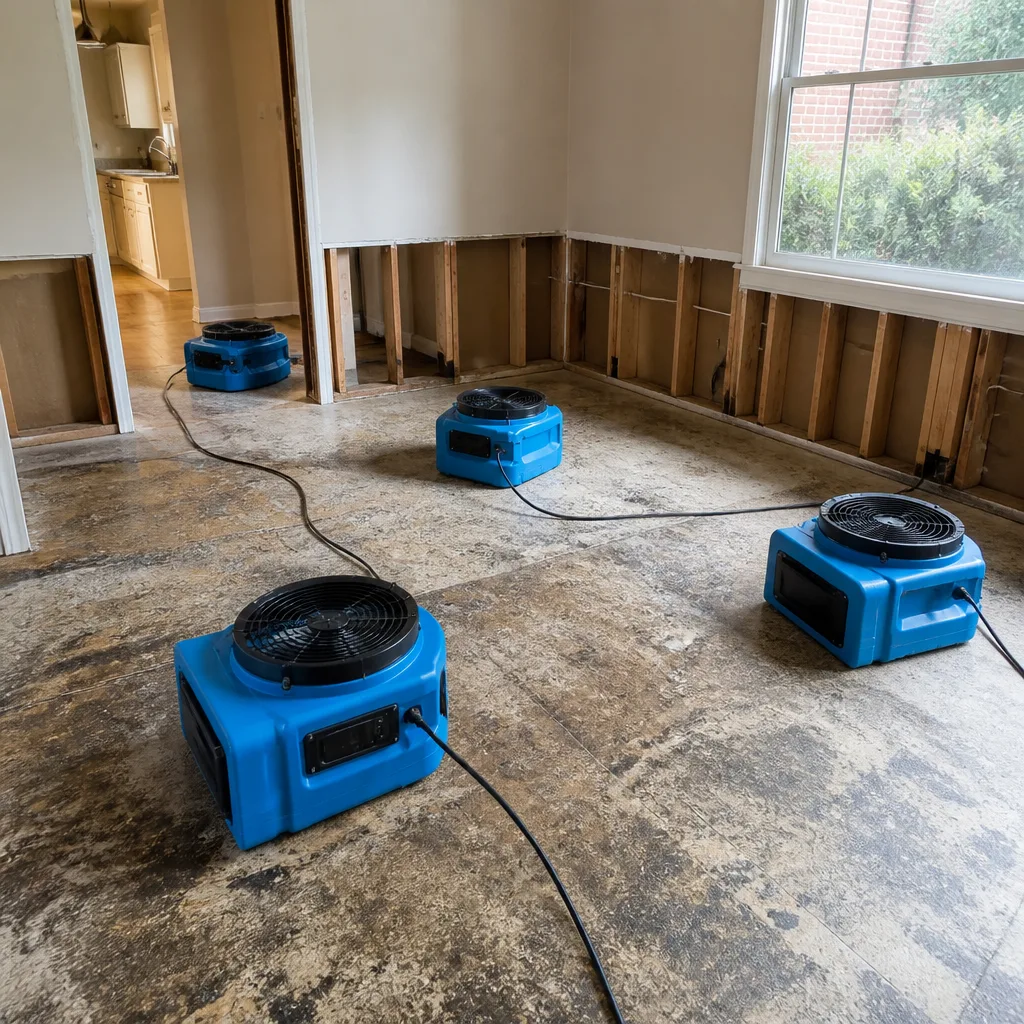

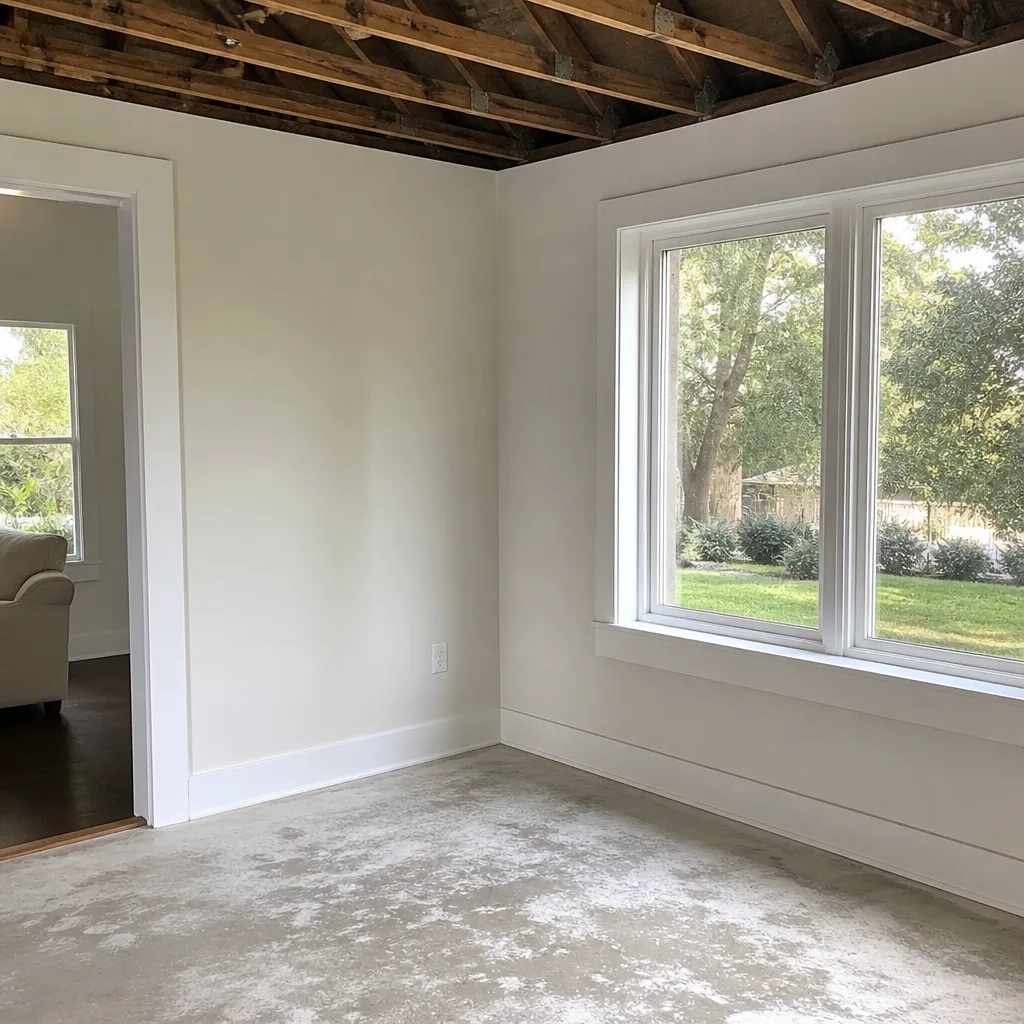

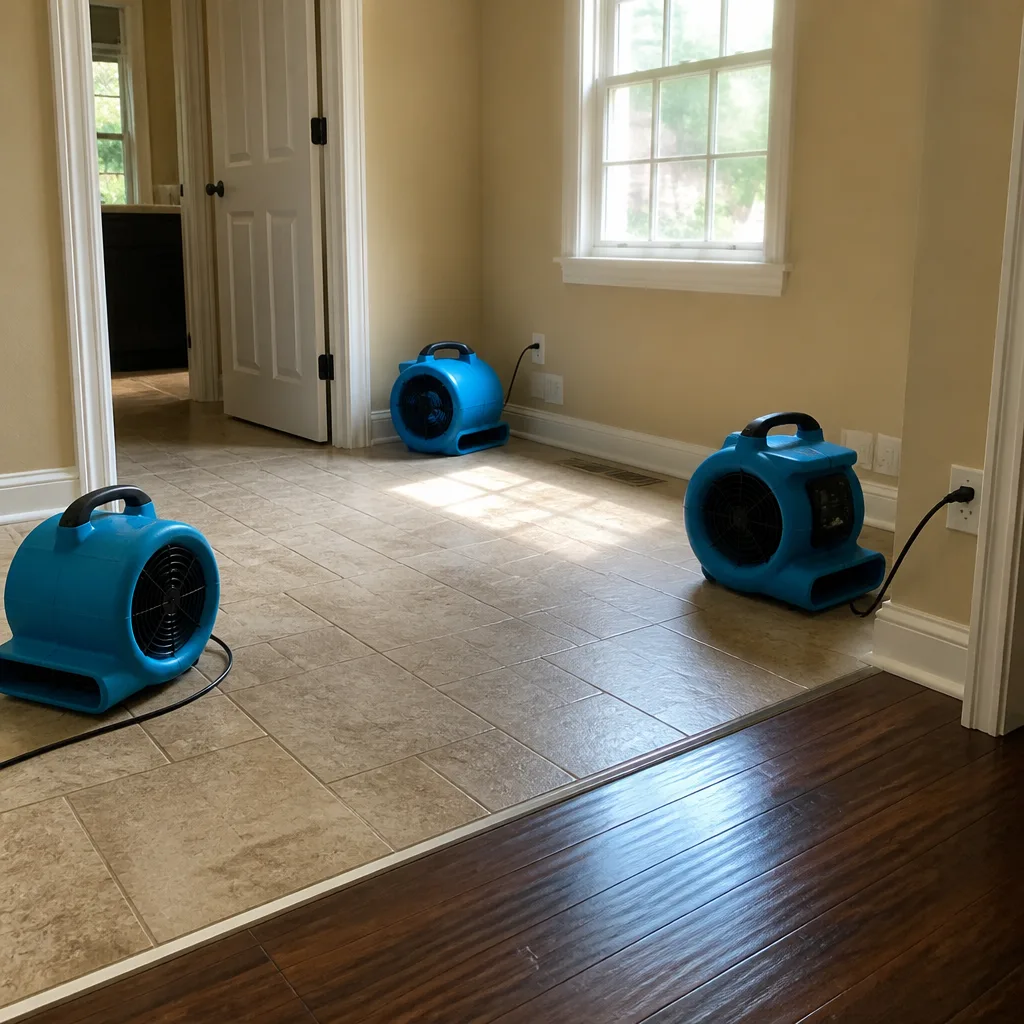

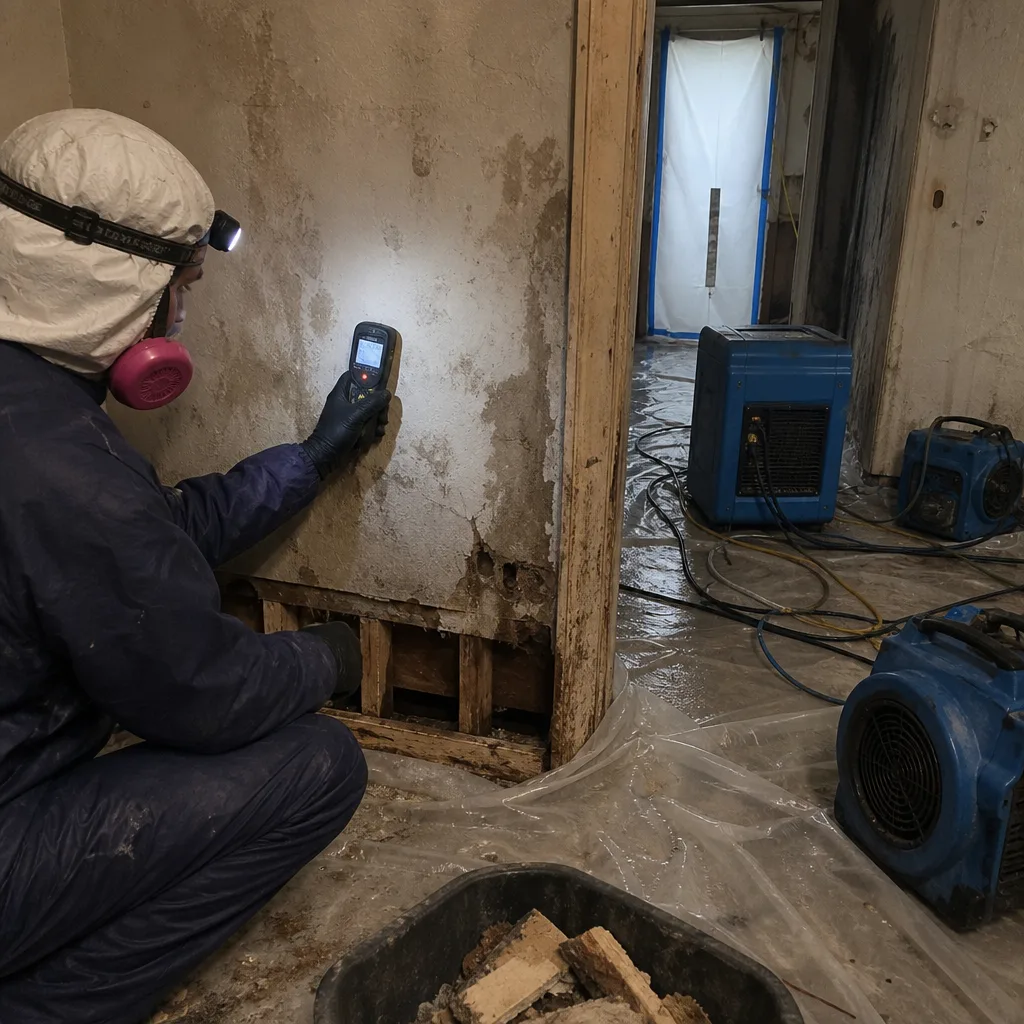 Before
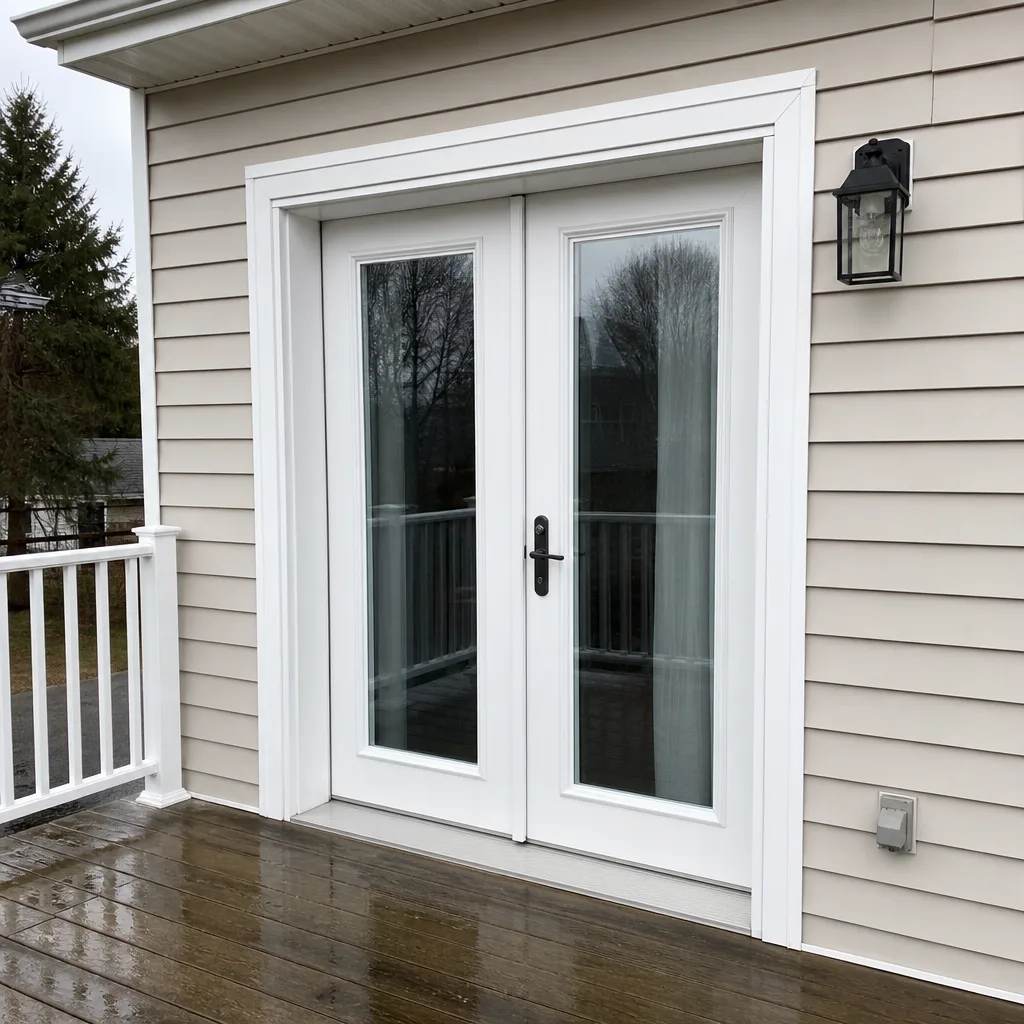 After
After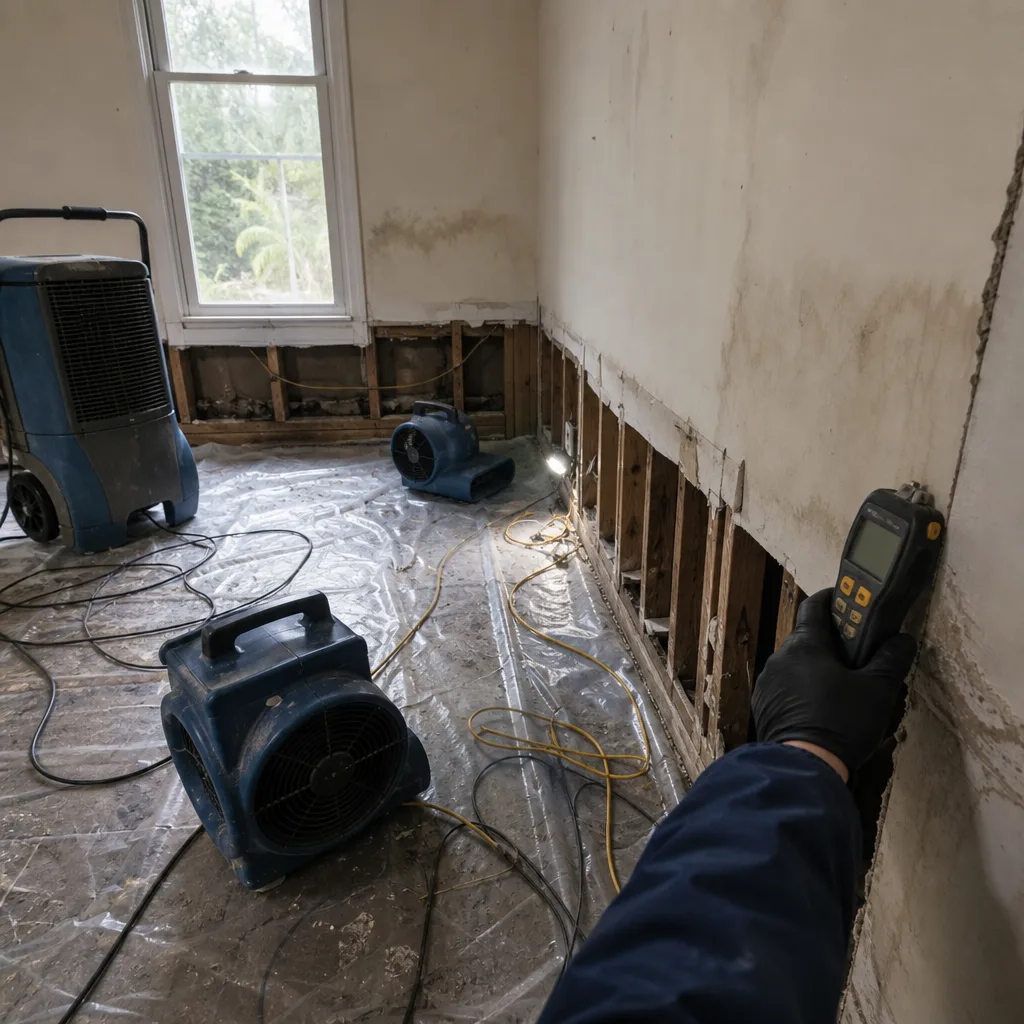 Before
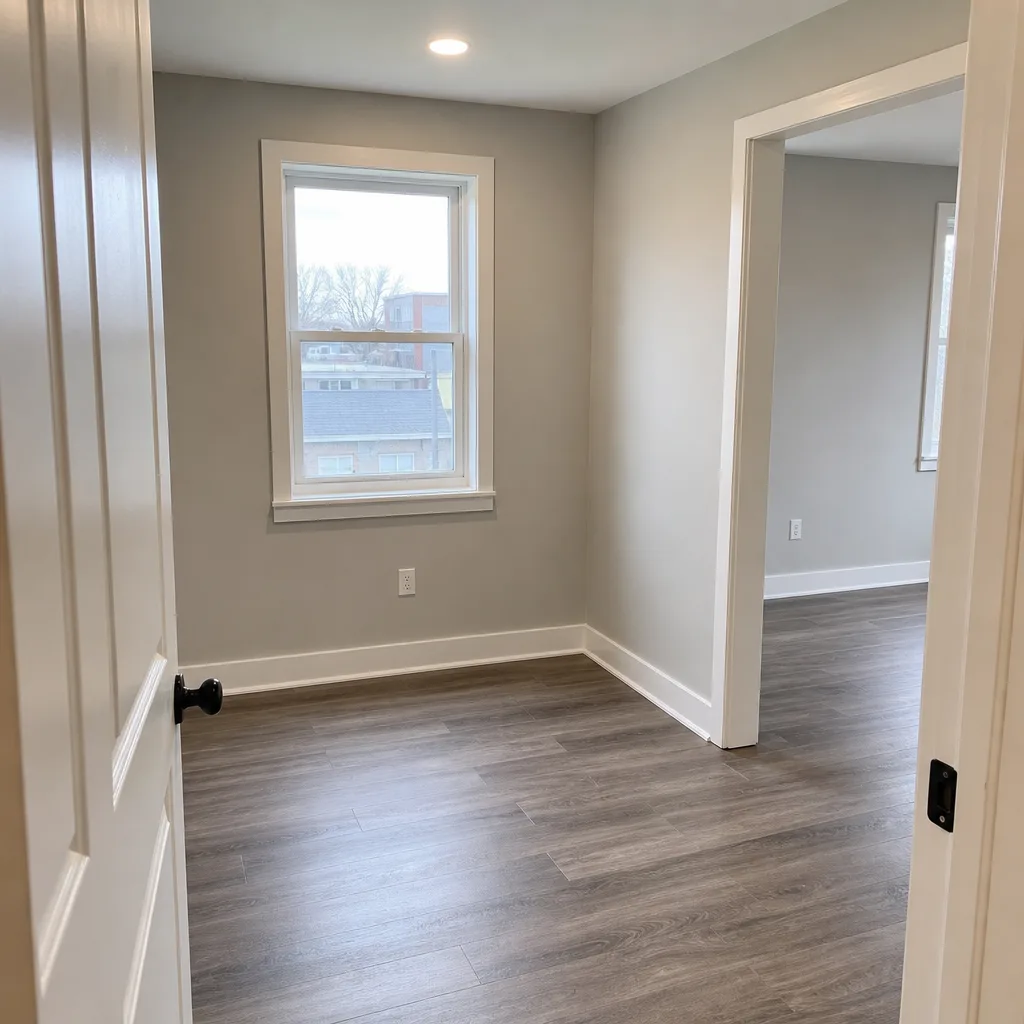 After
After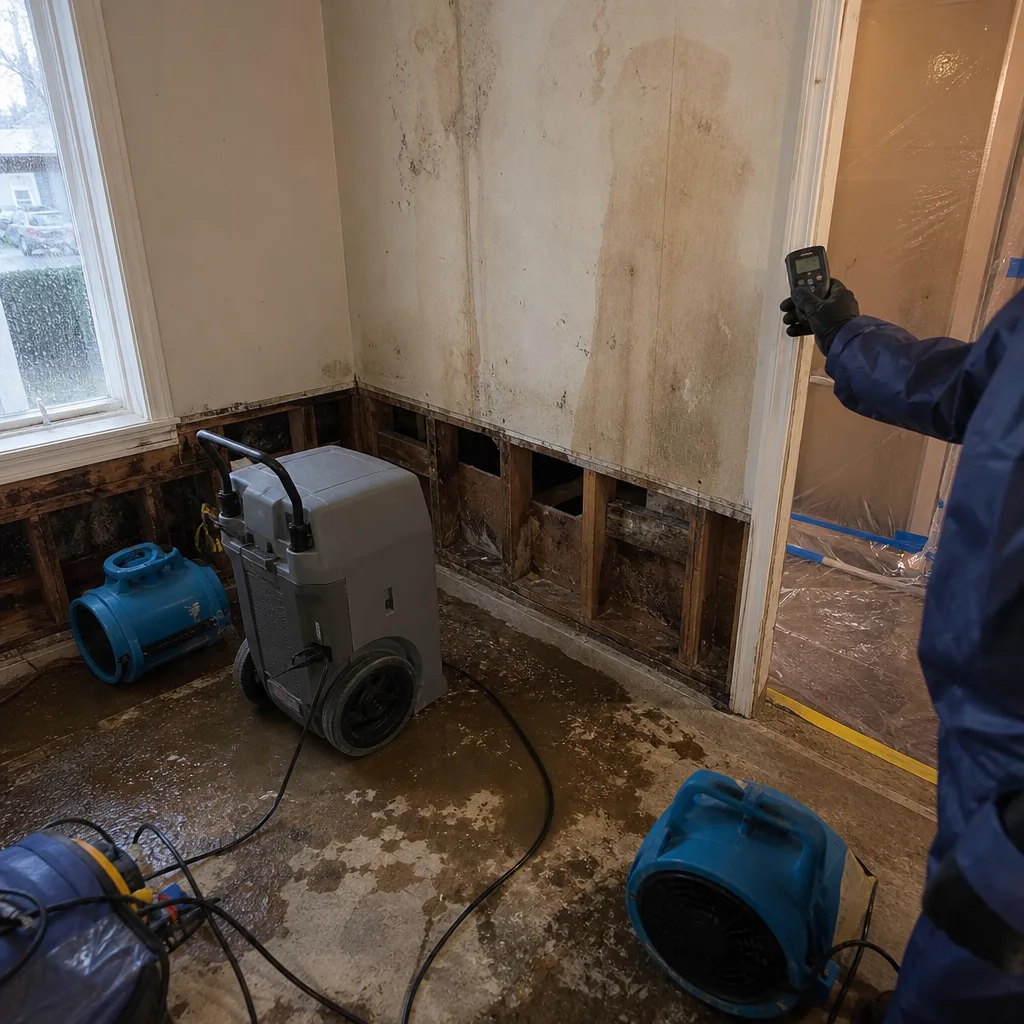 Before
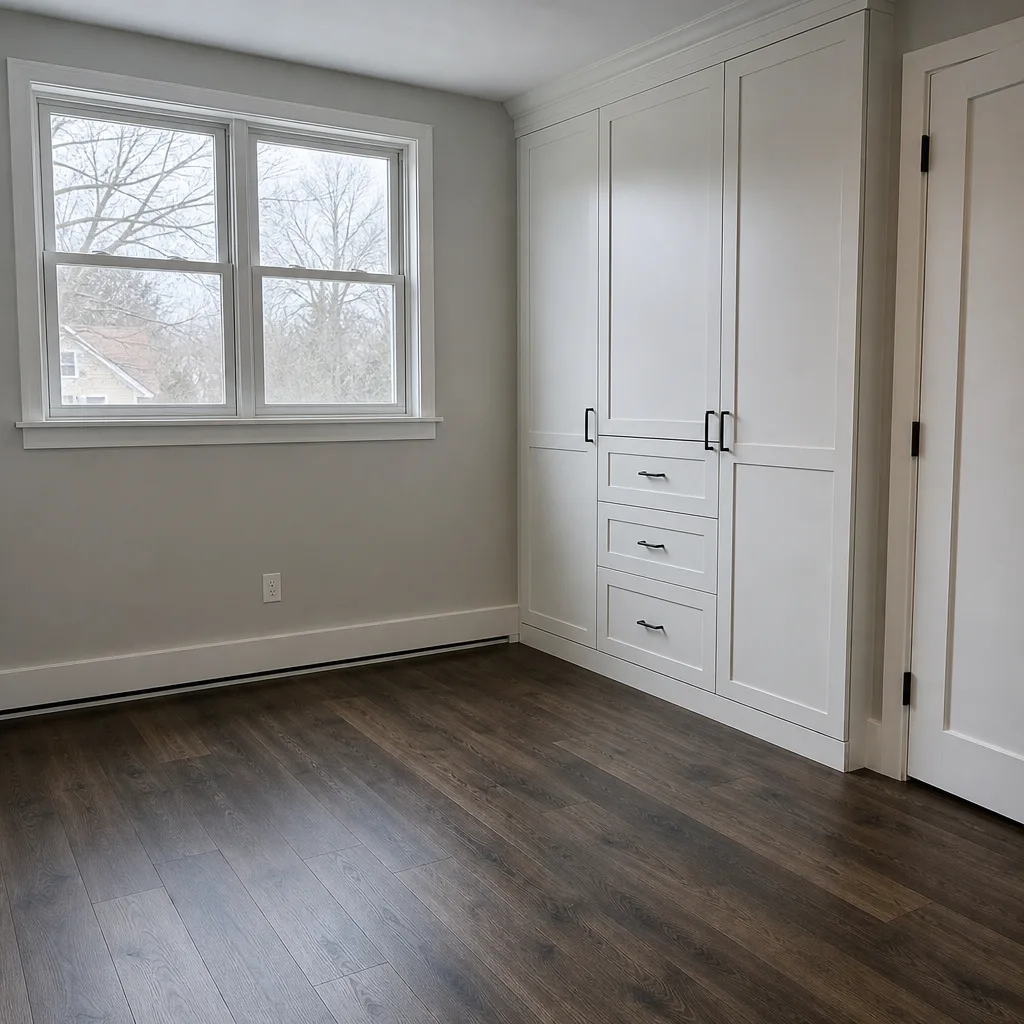 After
AfterDamage Restoration Warning Signs: A New Rochelle Homeowner’s Reference Guide
Most New Rochelle homeowners discover water damage the same way: a ceiling stain the size of a dinner plate, a baseboard that’s started to curl, or that faint smell of wet drywall near the laundry room. By the time any of these signs become obvious, the damage behind the wall is usually weeks old and already spreading. This guide walks through the warning signs that matter in a city like ours, where prewar housing stock, radiators, coastal humidity, and finished basements meet in ways that can quietly turn a small leak into a structural problem. You’ll learn what to watch for, what can wait, and which signals mean you need a certified crew on-site today. At Floodline Restoration Co. home, we’ve walked into hundreds of New Rochelle homes where a homeowner said the same thing: “I thought it was just a stain.”
Quick Answer
The earliest warning signs of damage that requires restoration in New Rochelle are a water stain that grows or darkens over 48 hours, a persistent musty odor that gets stronger after rain, peeling paint or bubbling drywall, a sudden spike in your water bill with no change in usage, and any softness or give when you press on walls, floors, or ceilings. If you see wetness around a radiator valve, a sagging ceiling, or dark spotting on basement walls, don’t wait. Those are signals that moisture has already penetrated building material and is working its way through your home’s structure.
Table of Contents
- Water Stains: What They Actually Tell You
- Musty Odors and Why They Get Worse After Rain
- Warped Walls, Buckled Floors, and Ceiling Sag
- Basement Warning Signs Specific to New Rochelle
- Radiator and Pipe Leaks in Older Homes
- Mold Growth: When It’s a Cleanup and When It’s Remediation
- Your Water Bill as a Leak Detector
Water Stains: What They Actually Tell You
Water stains on a ceiling or wall have a timeline, and that timeline tells you more than the stain itself. A fresh, active leak leaves a stain that’s darker at the center and lighter at the edges, often with a visible damp sheen. An older stain has defined rings, like tree rings, because water pooled, dried partially, pooled again, and dried again. In our experience, the ringed stains are the ones homeowners in New Rochelle ignore longest, and they’re often the ones hiding the most rot.
Here’s what different stain patterns typically indicate:
- Single dark circle on a ceiling: A concentrated leak directly above, often a pipe fitting, a roof penetration, or a failed seal around a vent.
- A stain that spreads in a line across the ceiling: Water traveling along a joist or pipe before dripping through. The source may be several feet away from the stain.
- Yellowish stains with a chalky residue: Water has dried repeatedly, leaving mineral deposits behind. This is an older leak, but it may still be active.
- Brown stains near exterior walls: Likely roof or siding related, often showing up after heavy rain or ice dams in New Rochelle winters.
- Stains that grow within a day or two: An active water source that’s still feeding the area. This requires immediate attention.
One detail worth noting: not every water stain is from a leak. Condensation from a bathroom vent, an overflowing tub upstairs, or a one-time spill can leave a mark. The way to tell the difference is simple. Outline the stain lightly with a pencil. Check it in 48 hours. If the stain has grown past your line, darkened, or the drywall feels cool to the touch, you’re dealing with active water intrusion, not old history. A stain that’s stable and warm to the touch has likely dried; one that’s active needs a moisture meter reading to map how far the water has traveled.
Musty Odors and Why They Get Worse After Rain
Mustiness is not a cleaning problem. It’s a moisture problem. That earthy, damp smell is the odor of microbial growth feeding on wet organic material, and in New Rochelle homes it most often shows up in basements, crawl spaces, behind washing machines, and around window frames. The smell is strongest when relative humidity rises, which is why you notice it more after a rainstorm or during humid summer weeks.
Our coastal location matters here. New Rochelle sits on Long Island Sound, which means our air carries more moisture than inland Westchester. Basements built with 1920s or 1930s construction, which describes a large share of the housing stock in neighborhoods like Wykagyl, Residence Park, and the North End, were never designed for modern humidity control. Stone foundations breathe. Concrete block wicks moisture up from the soil. That’s normal for a house of this vintage, but it means musty odors deserve a closer look, not an air freshener.
If you notice the smell getting stronger in specific conditions, that’s a diagnostic clue:
- Stronger after rain: Water is entering from outside, likely through the foundation, a window well, or a roof leak.
- Stronger when the heat kicks on: The odor source is likely in ductwork or a wall cavity near the heating system.
- Stronger in one room only: The moisture source is localized, often a plumbing leak inside a wall or under a floor.
- Constant regardless of weather: The moisture has been there long enough to become the normal condition of that space. Mold is likely already present.
Odor is a lagging indicator. By the time a room smells musty, moisture has been present long enough for microbial growth to establish itself. The fix is not deodorizing. It’s finding the water source, drying the affected material to the dry standard, and removing what can’t be dried. We run into this constantly in older New Rochelle homes where a small plumbing leak inside a plaster wall went unnoticed for months.
Warped Walls, Buckled Floors, and Ceiling Sag
Drywall, hardwood, and plaster all react predictably to water: they absorb it, expand, and lose structural integrity. The warning signs show up differently depending on material and age of the home.
Walls: Paint bubbles, peels, or develops a “cottage cheese” texture. Drywall swells and feels soft when pressed. Wallpaper lifts away from the wall at the seams. In plaster homes, common in New Rochelle’s older neighborhoods, water damage often presents as fine cracks running along the plaster surface or a hollow sound when you tap the wall.
Floors: Hardwood planks cup, meaning the edges turn up while the center dips, or crown, the reverse. You may feel a slight bounce in the floor near a tub, toilet, or radiator. Tile floors can shift or crack as the subfloor beneath them warps. Vinyl and linoleum peel at the edges.
Ceilings: A sagging ceiling is one of the clearest emergency signals in any home. Water pools inside the ceiling cavity, saturating drywall or plaster, until the weight causes the material to bow. A ceiling that sags more than half an inch, or one that’s dripping, is a collapse risk. Here’s the step-by-step reality:
- Move anything of value out from under the sag immediately.
- Place a bucket or bin beneath the lowest point if water is dripping.
- Do not puncture the ceiling to “drain” it. A puncture releases water fast but the sudden weight shift can bring the entire section down, and the water may be contaminated depending on the source.
- Call a restoration company with the proper equipment and IICRC-trained technicians. Extraction takes priority before the material fails completely.
A word on pace: warping from a slow leak develops over weeks. Warping from a burst pipe or overflowing tub develops in hours. In either case, the damage behind the visible surface is always larger than what you can see.
Basement Warning Signs Specific to New Rochelle
Basement water problems in New Rochelle follow a pattern we know well. The city’s water table is high in many areas, particularly in the southern section near Echo Bay and the neighborhoods close to the Hutchinson River. Combined with aging foundation walls and our seasonal freeze-thaw cycles, basements here are vulnerable in four ways:
- Efflorescence: That white, chalky powder on foundation walls is mineral salt left behind when water evaporates. It means water is moving through the wall. It’s not just cosmetic; it tells you the foundation is actively wicking moisture.
- Dark staining at the cove joint: The seam where the basement floor meets the wall is called the cove joint. Water staining in this area indicates hydrostatic pressure pushing groundwater up and in. After a heavy rain or snowmelt, this is a common call in New Rochelle neighborhoods built on lower-lying ground.
- Rust on the bottom of a furnace or water heater: Appliance feet or panels rusting from the bottom tells you the basement floor has been wet, even if you never saw standing water.
- A damp, clammy feel when humidity outside is normal: Basement air should feel slightly cooler but not damp. Persistent clamminess means the foundation or slab is passing moisture into the living space.
- Run your hand along the lower two feet of foundation walls. They should feel dry to the touch, not cold and slick.
- Look at the cove joint in all four corners of the basement. Any darkening or staining there is your earliest warning of water intrusion.
- Check around the base of the sump pump pit, if you have one, for standing water or mud.
- Inspect the ceiling joists and sill plate above the basement walls for water stains, which indicate an above-grade leak rather than groundwater.
- Check any stored boxes or furniture on the floor. Cardboard that’s soft or swollen at the bottom has been sitting in moisture.
- Water stains on the floor directly beneath a radiator valve: The valve packing dries out over decades and weeps. The leak may be a few drops a day, but over a winter season that’s enough to rot a hardwood floor section.
- Hissing or spitting from the air vent: Some water spray from a steam vent is normal during operation, but a vent that spits enough to stain the wall or floor repeatedly is telling you the system is overfilling or the vent is failing.
- Uneven heating between rooms: This can signal a partially blocked pipe from corrosion, which creates pressure issues that eventually cause leaks at joints.
- Rusted pipe sections in the basement ceiling: Galvanized iron pipe from the 1920s through the 1950s develops internal rust that eventually becomes pinhole leaks. Exterior rust at fittings is a warning sign that a leak is forming.
- Find your average usage over the previous four billing cycles. That’s your baseline.
- Compare the current bill to that average. An increase of 15% or more without an obvious cause (extra guests, a filled pool, new landscaping) deserves a look.
- Check your water meter when no water is running in the house. Note the reading, wait two hours with no one using water, then check again. If the meter moved, you have a leak somewhere.
- Isolate the problem: shut off the main supply to any outdoor irrigation or fixtures. If the meter still moves, the leak is inside the house, probably in a wall or under a slab.
Here’s a numbered guide for what to check on a monthly walk-through, a simple routine that catches problems before they spread:
New Rochelle basements finished without proper vapor barriers are a particular concern. We see finished basements where drywall was installed directly against foundation walls, trapping moisture between the two surfaces with no air gap. By the time homeowner sees a stain on the finished wall, the framing behind it is usually holding enough moisture to support mold growth. The fix is more than patching drywall; it’s addressing the wall assembly so moisture has a path.
Radiator and Pipe Leaks in Older Homes
New Rochelle has thousands of homes with steam or hot-water radiator heat. These systems are durable, but they leak in specific ways, and the leaks often go unnoticed because they happen slowly and hide behind radiator covers or under floors.
What to watch for with radiator systems:
If you see water around a radiator, shut the valve at the supply side if you can reach it safely. Place a towel or shallow pan under the leak. Do not attempt to tighten the packing nut on a live steam system; a trained plumber or restoration technician can do this without risk of scalding. The important point is that radiator leaks are slow but relentless. A small valve leak running for a full heating season can saturate a floor structure and the joists below it before you ever see a visible stain.
Pinhole pipe leaks in copper supply lines are also common in older New Rochelle homes, and they present differently. The water travels along the pipe, drips at the lowest point, and soaks whatever is beneath it, often inside a wall cavity. The first sign is usually a water stain on a ceiling below, not a puddle on the floor. By the time you see the ceiling stain, the leak has been running long enough to saturate insulation and framing.
Mold Growth: When It’s a Cleanup and When It’s Remediation
Not every patch of mold is a remediation job. The determining factors are size, location, and the moisture source. Here’s the honest breakdown based on what we see in New Rochelle homes:
Small surface mold (under about 10 square feet) on a non-porous surface: A spot of mold on tile, glass, or sealed concrete from condensation can usually be cleaned with appropriate cleaning methods and controlled drying. The key is that the surface doesn’t absorb moisture, so the growth isn’t feeding on the material itself.
Mold on drywall, insulation, carpet, or wood: These are porous materials, and mold grows into them, not just on them. Cleaning the surface does not remove the roots. In these cases, remediation means removing the affected material, drying the framing and cavity behind, and rebuilding clean. This is the standard we follow on every job; surface cleaning over porous material fails.
Hidden mold: If you smell mustiness but see no mold, or if you’ve had a past leak that was not properly dried, the growth may be inside a wall cavity, under flooring, or in a ceiling void. This requires inspection, often with a moisture meter and possibly opening a small test area.
A significant mold issue is not a DIY project. Disturbing mold sends spores into the air and into your HVAC system. Remediation done correctly involves containment, negative air pressure, HEPA filtration, safe removal of contaminated material, and verification drying. Our technicians train to IICRC standards and log daily moisture readings until the dry standard is met. That documentation matters, especially if you’re working with an insurance carrier on a claim.
The pattern we worry about most in New Rochelle is the previously “fixed” mold problem. A homeowner calls us because mold returned in a spot they cleaned or had painted over six months ago. The original moisture source was never addressed, or the material wasn’t actually dried before new drywall went up. Mold doesn’t come back if the water is gone and the material is dry or removed. If you see mold in the same place twice, the first fix didn’t address the root cause.
Your Water Bill as a Leak Detector
A sudden jump in your water bill with no change in household usage is one of the most overlooked warning signs of a concealed leak. The numbers are worth checking. In New Rochelle, water costs have risen steadily over the past several years, which means even a small continuous leak adds up faster than homeowners expect.
Here’s how to use your bill as a monitoring tool:
A running toilet can waste hundreds of gallons a month, but that water goes down the drain and usually doesn’t cause property damage. The concern is a leak inside a wall, under a floor, or in a crawlspace. Those leaks never show themselves until the water has already been working on your framing for weeks or months. If a water bill spike and a musty smell appear in the same month, the leak has already been running long enough to saturate building material. That’s not a plumber-only job; it’s a restoration job with a plumbing component.
Common Mistakes to Avoid
- Painting over a water stain. Paint seals the surface but does nothing to the water source behind it. The stain will bleed through, and in the meantime the leak keeps working. We’ve removed drywall in New Rochelle homes where a ceiling had been painted three times over an active leak.
- Treating mustiness with air fresheners or dehumidifiers alone. A dehumidifier can help temporarily, but it doesn’t stop water from entering. If the moisture source remains, the mustiness returns, and mold growth continues.
- Assuming a small stain means a small problem. Water spreads horizontally and wicks upward through drywall and framing. A six-inch stain on a ceiling can mean soaked insulation across a four-foot section of joist bay.
- Waiting to file an insurance claim until the damage is “bad enough.” Insurance policies generally require prompt reporting of water damage. Delaying can jeopardize coverage, and most policies have specific provisions about continuous or repeated seepage over time.
- Hiring separate contractors who don’t coordinate, then acting as your own general contractor. The plumber fixes the leak, the carpenter replaces the drywall, and nobody properly dries the framing in between. You become the messenger between trades and your insurance company. A full-cycle restoration company handles the entire sequence under one roof, with one point of contact.
- Ignoring basement moisture because “the basement is always a little damp.” A damp basement is common in older New Rochelle homes, but it’s not something to accept indefinitely. Chronic moisture shortens the life of everything in the space, from stored belongings to the furnace and water heater.
When to Call a Professional
There’s a line between a homeowner-handled cleanup and a restoration job, and it’s drawn by three factors: the water source, the amount of affected material, and the time the water has been present. Call a professional if water has been running inside a wall or ceiling for more than 48 hours, if the water came from anything other than a clean supply line (sewage, storm water, dishwasher overflow, or any gray or black water), if you see visible mold growth over a porous material, if a ceiling is sagging or dripping, or if you smell mustiness and can’t locate the source. When water has had time to soak into framing, insulation, and flooring, drying requires professional-grade equipment like B-Air air movers, Phoenix LGR dehumidifiers, and Injectidry systems for hard-to-reach cavities, with a documented moisture log proving the material reached the dry standard. Floodline Restoration Co. offers free estimates in New Rochelle. Call (845) 456-6568 and a live dispatcher answers, day or night.
Frequently Asked Questions
New water stains are damp to the touch, darker at the center, and may grow visibly over a day or two. Old stains are dry, warm, and ringed, with mineral deposits. The reliable test is outlining the stain in pencil and checking for growth; if it grows, it’s an active leak and needs professional attention before the damage spreads.
Most standard policies cover sudden and accidental water damage, meaning a burst pipe or an overflowing appliance, but not gradual seepage or unresolved maintenance issues. Every policy has its own exclusions and deductibles, so the fastest path is to have a restoration company document everything, take photo and moisture-log records, and work directly with your adjuster. Floodline Restoration Co. provides that documentation and bills your carrier directly.
Floodline Restoration Co. dispatches crews 24 hours a day, every day, with live phone answering. When you call (845) 456-6568, a person picks up, not a recording, and we can typically have a certified crew at your New Rochelle home the same day. Extraction is running on that first visit in most cases.
That depends on the material and the extent of the moisture. Mold on non-porous surfaces like tile can sometimes be cleaned and dried, but mold on drywall, insulation, carpet, or wood requires removal and proper drying because the growth penetrates the material. A surface cleaning over porous material will fail. A certified inspection with a moisture meter gives you the answer.
If you work with Floodline Restoration Co., we do. We document the damage with photos and daily moisture readings, provide the scope of work in writing, and coordinate directly with your insurance carrier. You’re not asked to play messenger between a plumber, a drywall crew, and the claims department. We bill the carrier directly, and you keep a copy of the documented moisture log.
The dry standard is a measurable number, not an opinion. Using professional-grade moisture meters, we document readings from affected areas and track them daily until the material reaches the target moisture content appropriate for its type and location. You receive a copy of that log, and it’s the same document we provide to your insurance carrier. If a contractor can’t show you moisture readings, the “dry” claim is unverified.
The Bottom Line
Water damage in a New Rochelle home follows a predictable pattern: it starts quietly, it spreads behind surfaces where you can’t see it, and it costs more the longer it goes unaddressed. The warning signs covered here, growing stains, musty odors, warped floors, basement efflorescence, radiator seepage, unexplained water bill spikes, and returning mold, are each a signal to act, not to wait. The homeowner who catches water damage at the stain stage will generally face a straightforward drying and repair job. The homeowner who waits until the ceiling sags is facing a bigger scope, a longer timeline, and a more complicated insurance conversation. When in doubt, get a professional assessment. Done right, and backed in writing, means the problem is solved once and the paperwork proves it. Call Floodline Restoration Co. at (845) 456-6568 for a free estimate in New Rochelle. A live person answers, day or night.
Written by Curt Bowman, Owner at Floodline Restoration Co., serving New Rochelle since 2010.