
Last updated August 25, 2026
Free visual inspection and a written scope of work before any mitigation begins - photos, moisture readings, and drying logs go in your claim file
The scope we write is the scope we bill. Anything new gets shown to you, in writing, before we touch it.
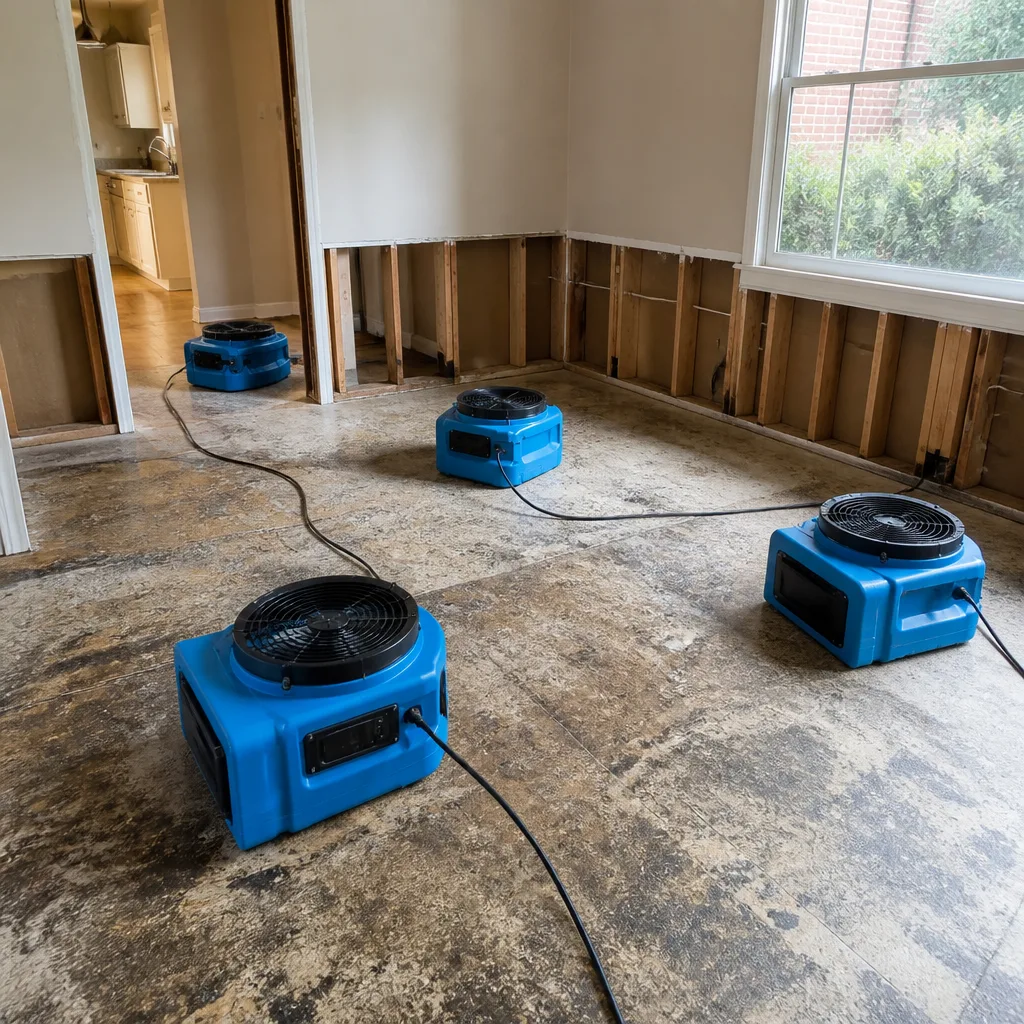

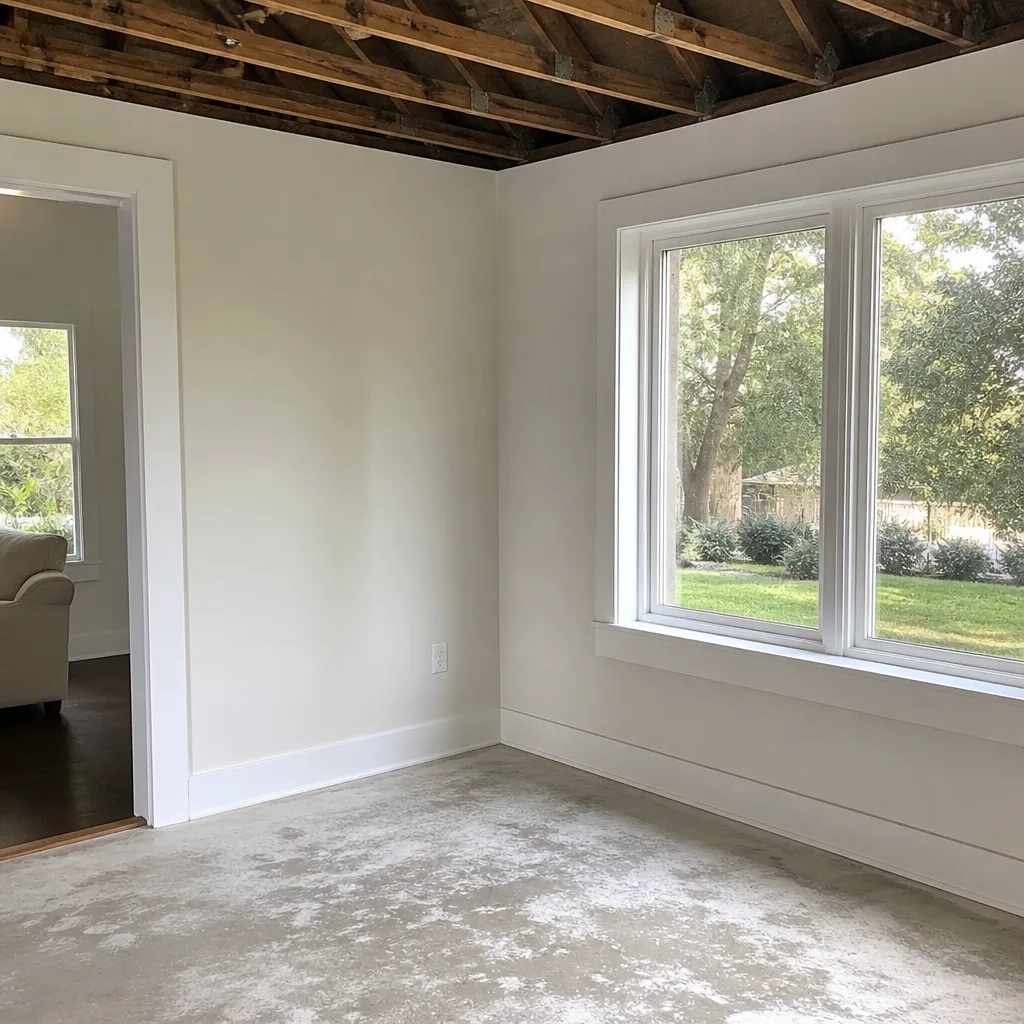

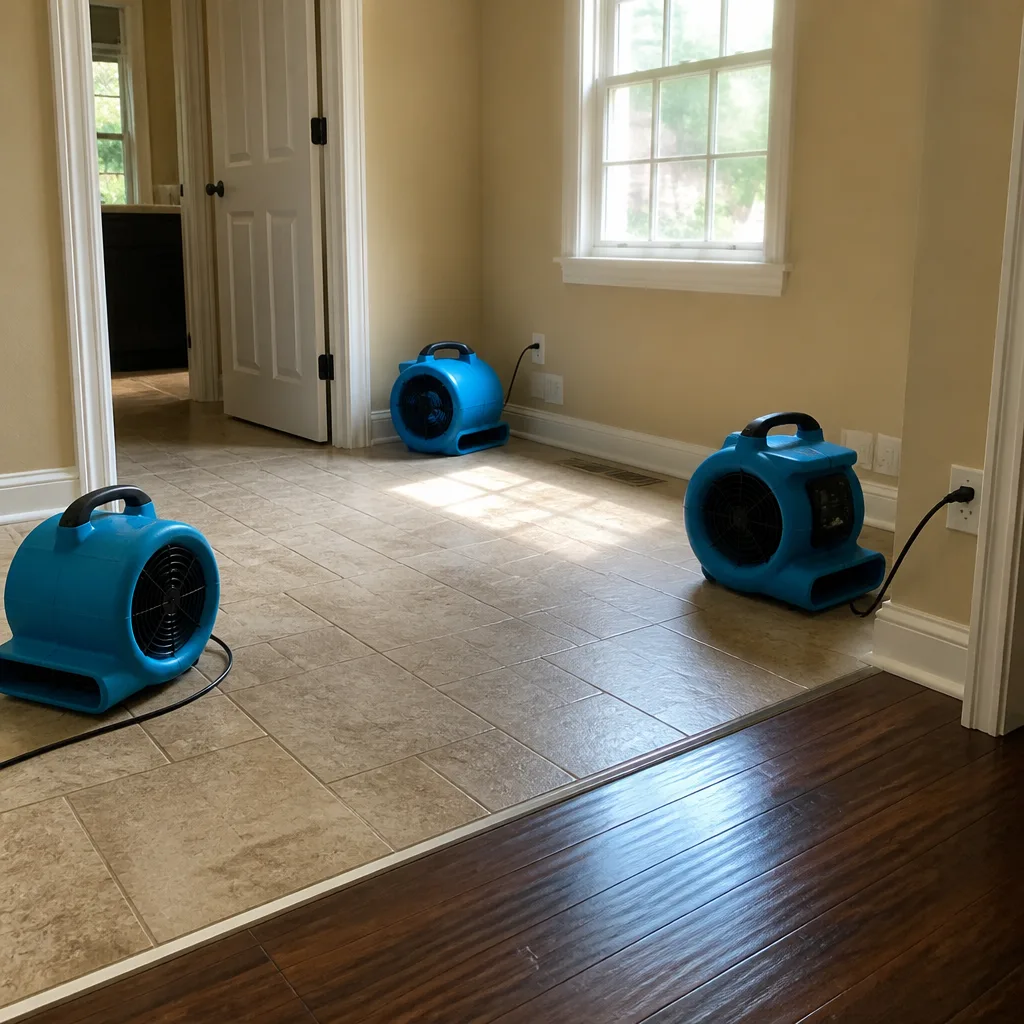

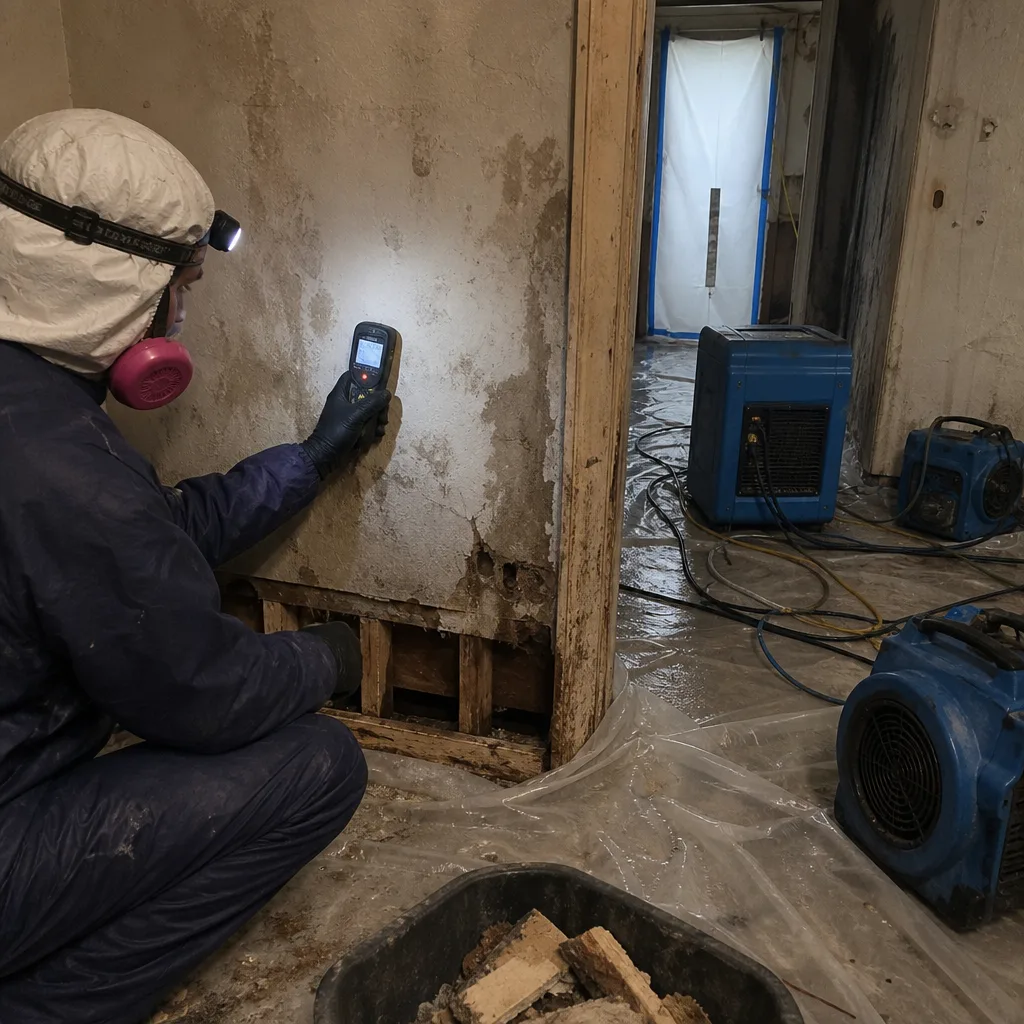 Before
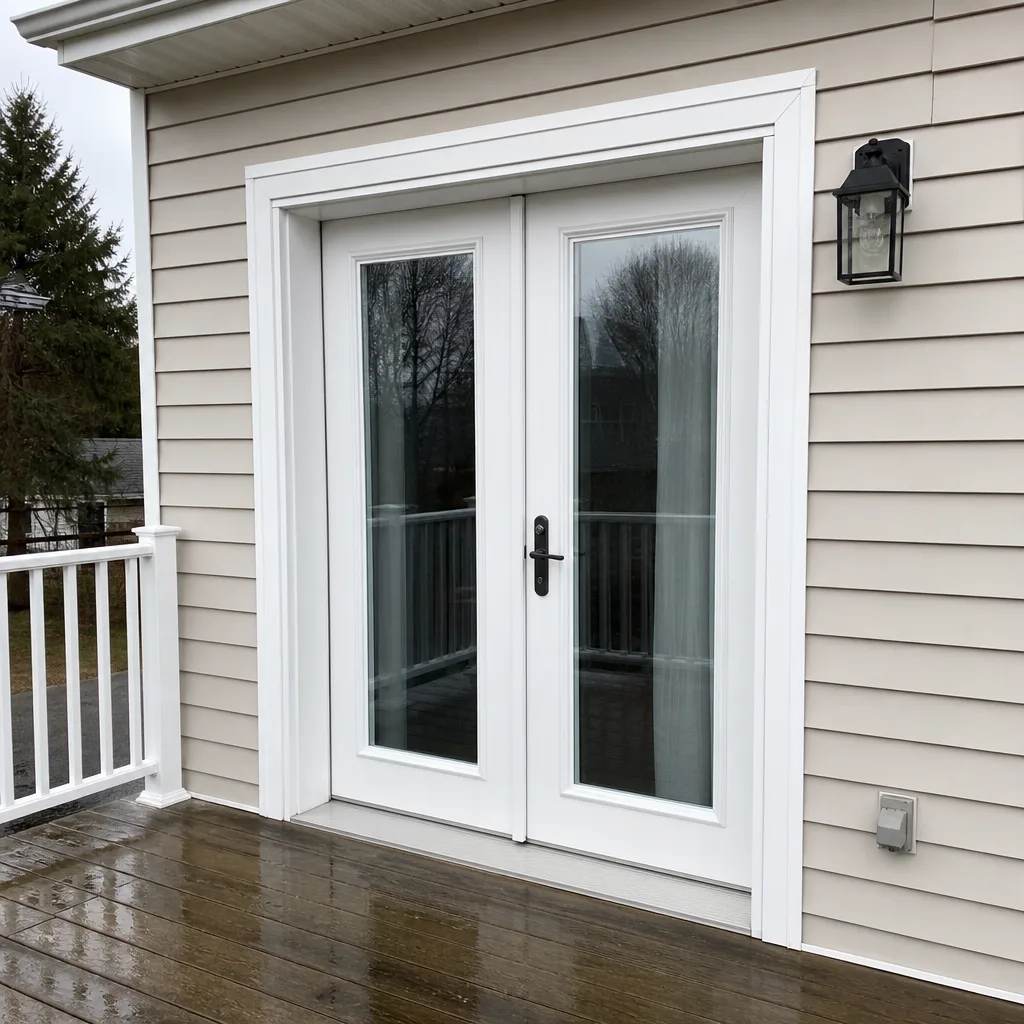 After
After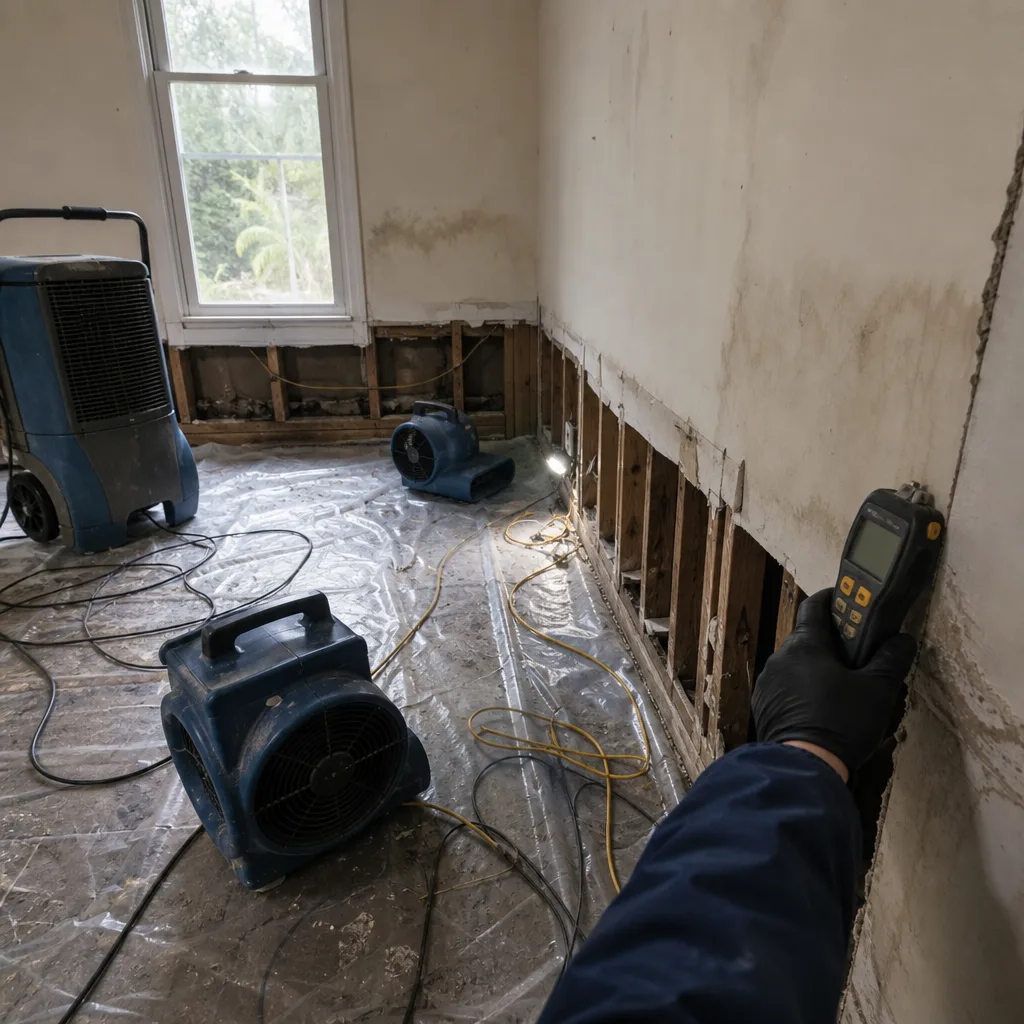 Before
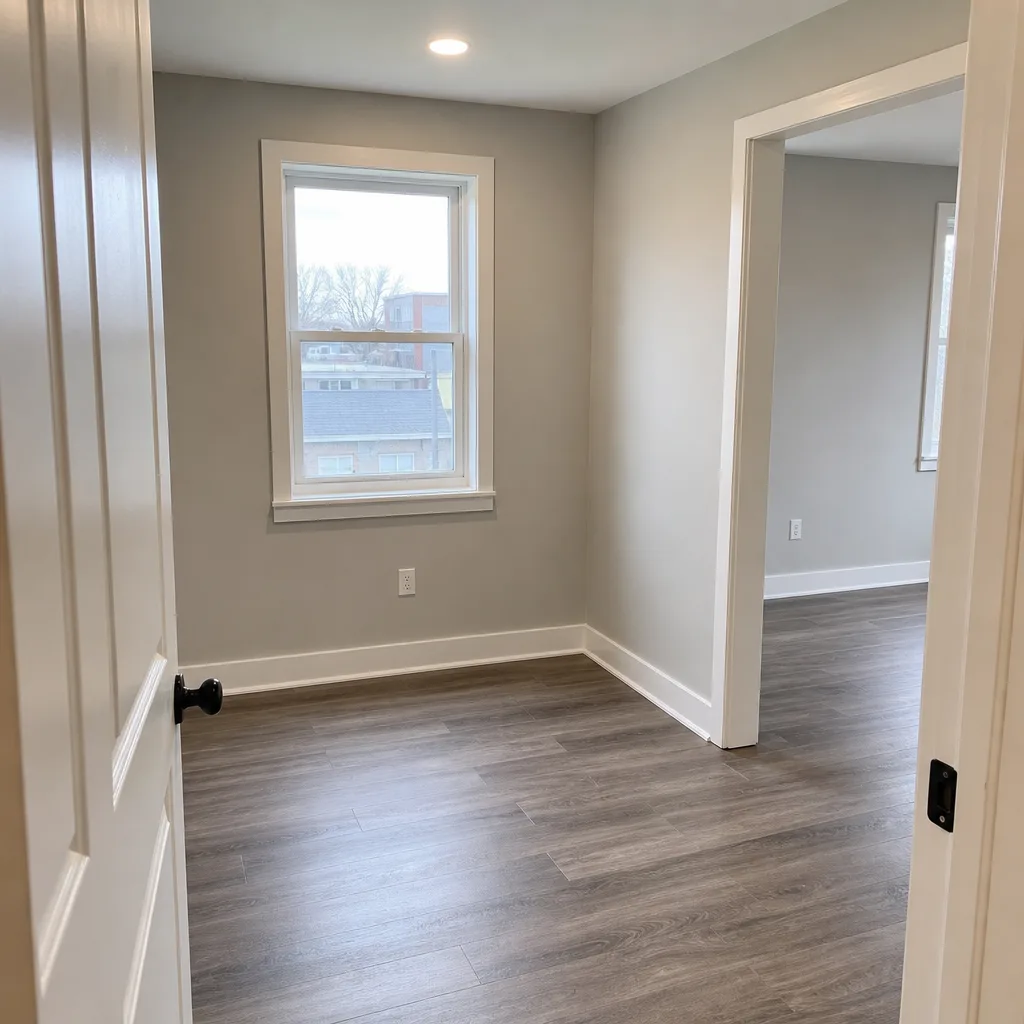 After
After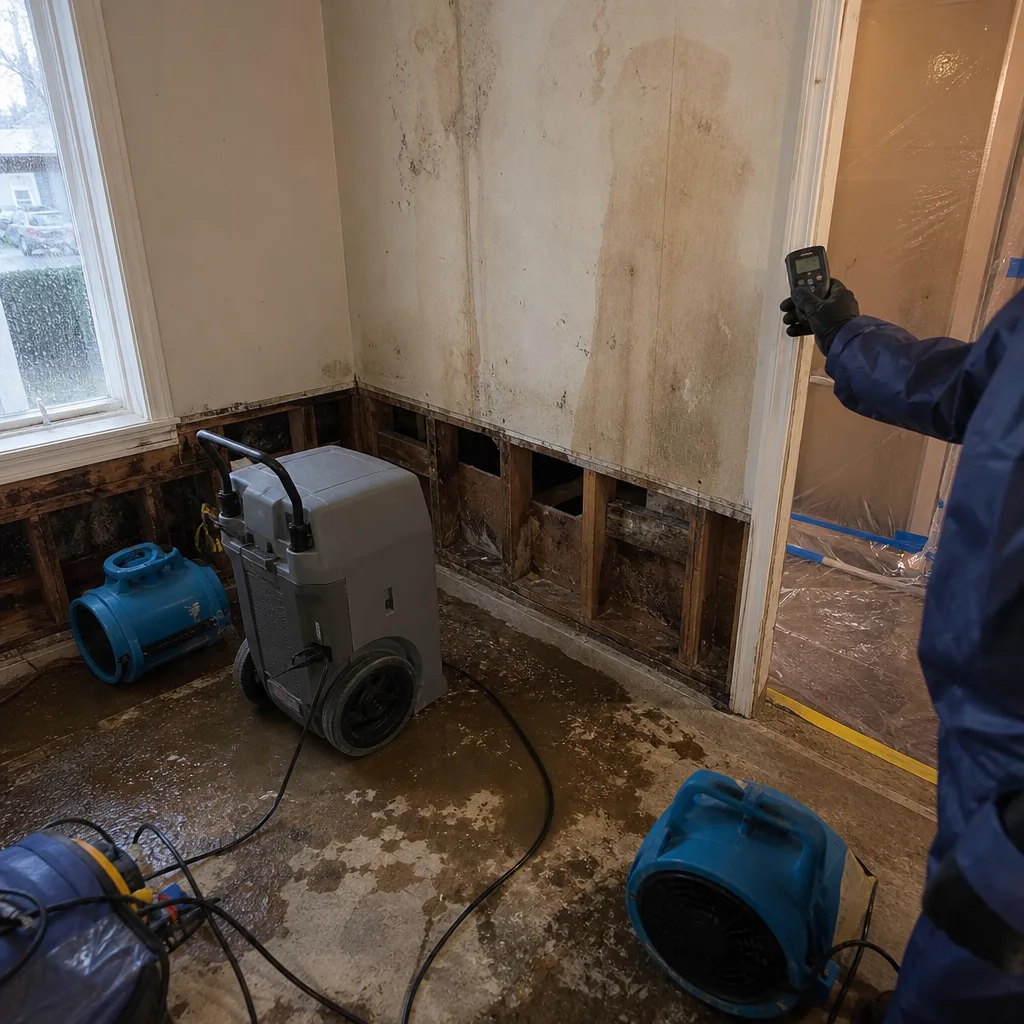 Before
 After
AfterSeasonal Damage Restoration Care for New Rochelle: Year-Round Homeowner’s Guide
Most New Rochelle homeowners don’t think about water damage until the water is already inside the house. That’s not a criticism, just an observation from fifteen years of reading moisture maps in this city. The houses here, from the Victorians near Glen Island to the mid-century capes in the North End, share a particular vulnerability: they were built for a climate that no longer exists. This guide covers what that means, season by season, and what you can do before each weather shift to protect the place you plan to stay in for another twenty years.
Quick Answer
Seasonal damage restoration in New Rochelle means preparing for four distinct risks: spring groundwater and storm backup, summer humidity and mold, fall leaves and gutter overflow, and winter pipe freezes. A practical seasonal maintenance routine, done consistently, prevents most of the water, mold, and structural damage we see in New Rochelle homes. The full routine, with step-by-step checklists for each season, is below.
Table of Contents
- Spring Thaw and Storm Season in New Rochelle
- Summer Humidity, Condensation, and Mold
- Fall Leaves, Gutter Overflow, and Foundation Seepage
- Winter Pipe Freezes and Ice Dams
- Insurance Basics for Seasonal Damage in New Rochelle
- Common Mistakes to Avoid
- When to Call a Professional
- Frequently Asked Questions
Spring Thaw and Storm Season in New Rochelle
Spring in New Rochelle is when the water table rises and the storms arrive, often in the same week. The city’s position on Long Island Sound means nor’easters and heavy coastal rain can dump several inches in a matter of hours. Homes in the lower-lying sections near the Hutchinson River and along the waterfront in Davenport Neck see groundwater intrusion during prolonged wet spells. The soil here, a mix of glacial till and clay, holds water longer than homeowners expect. When the ground is saturated and a storm hits, water finds the path of least resistance. In New Rochelle, that path is frequently a basement wall seam or a foundation crack that has been quietly widening for a decade.
The first thing to do every March is a perimeter walk. Look at the grade around your foundation. It should slope away from the house, not toward it. Decades of settled soil, buried downspouts, and added flower beds often reverse that slope. If water pools against the foundation during a spring rain, that water is already working on the wall. Fixing the grade is a weekend project with a wheelbarrow and fill dirt. It’s one of the cheapest things you can do to prevent the most expensive problem we see in New Rochelle basements.
Next, test your sump pump. Pour a bucket of water into the pit and watch what happens. The pump should kick on, clear the water, and shut off. If it hesitates, runs constantly, or doesn’t run at all, it needs attention before the first big storm. A battery backup is worth the investment here. New Rochelle loses power during coastal storms with some regularity, and a sump pump without power is just a hole in the floor. We recommend testing the pump monthly through May, then again before every named storm.
Storm drains and window wells deserve attention too. Clear leaves and debris from window well drains. Check that your downspouts extend at least six feet from the foundation. In the neighborhoods built on smaller lots, like the West End near Iona University, we often see downspouts emptying three feet from a foundation wall, and that water cycles back into the basement within hours.
Summer Humidity, Condensation, and Mold
New Rochelle summers are humid. The Sound keeps the air heavy, and homes without proper dehumidification in basements and crawl spaces routinely hit sixty-five to seventy percent relative humidity from June through September. Mold begins to grow on organic surfaces like drywall paper, wood framing, and stored cardboard at around sixty percent humidity sustained over several days. This is not a dramatic event. It’s slow, quiet, and by the time you see the spots on a basement wall or smell the must, the colony has been growing for weeks.
The single most effective summer habit is running a dehumidifier sized for the square footage of the space, not the one you found at a tag sale. A fifty-pint dehumidifier does not dry a thousand-square-foot basement. It struggles, runs constantly, and shortens its own life. Set the unit to fifty percent relative humidity and empty it, or better, run a condensate line to a floor drain so you’re not emptying a bucket every day. We’ve seen basements in New Rochelle go from musty to bone dry in a week with a properly sized unit, but the key is continuous operation. A dehumidifier only works while it’s running.
Condensation is a separate issue. In summer, cold water pipes in unconditioned spaces sweat. The water drips onto whatever is below, and over a season, that’s enough to rot a subfloor or feed mold in a ceiling cavity. Pipe insulation is cheap and the fix is permanent. Check the main water line where it enters the house, the cold water pipes in the basement, and any exposed piping in crawl spaces. If you wipe a pipe and it’s wet to the touch, wrap it.
Air conditioning condensate lines clog too. The drip pan under the air handler fills, overflows, and soaks whatever is beneath it, usually in an attic or a closet. Pour a cup of white vinegar down the condensate line once a month in summer to keep it clear. It’s a five-minute job that prevents a ceiling stain or a mold bloom in drywall.
Ventilation in attics matters all year, but summer is when an under-vented attic cooks. Attic temperatures over one hundred forty degrees shorten shingle life and push heat down into the living space. Make sure soffit vents are not blocked by insulation and that ridge or gable vents are clear. This is not a damage restoration issue directly, but an overheated attic accelerates the deterioration of everything under the roof, and deterioration is where seasonal damage starts.
Fall Leaves, Gutter Overflow, and Foundation Seepage
New Rochelle has trees. Mature oaks and maples line the streets in neighborhoods like Wykagyl and Beechmont, and every October, they drop their leaves onto roofs and into gutters. Clogged gutters are the most overlooked cause of foundation seepage in this city. When a gutter clogs, rainwater spills over the edge, lands against the foundation, and works its way through the wall into the basement. The damage does not show up in October. It shows up in January, when the ground is saturated and frozen, and the water has no place to go except in.
Fall gutter maintenance is a two-part job. First, clean the gutters after most of the leaves have dropped, usually late October to early November in New Rochelle. Second, check the downspouts and extensions while you’re up there. A downspout that has pulled away from the gutter, or an extension that has been kicked aside by a landscaper, is worse than no downspout at all because it concentrates all that roof water in one spot against the foundation.
If your gutters are old, consider replacement rather than repeated cleaning. Seamless aluminum gutters with leaf guards are not a gimmick. They reduce the annual ladder work and, more importantly, they keep water moving away from the house during the exact weeks when you’re not thinking about them. The cost is real, but it’s less than a basement remediation and rebuild.
Fall is also the time to shut down exterior hose bibs. Drain the lines, close the shutoff valves inside the house, and leave the exterior valves open so any trapped water can expand without cracking the pipe. A frozen hose bib is the most common winter pipe break we respond to in New Rochelle, and it’s entirely preventable with ten minutes of work in October.
Finally, walk the roof or have it looked at before the snow arrives. Look for cracked, curling, or missing shingles, deteriorated flashing around chimneys and vent pipes, and any spot where the roof sags. A small leak in November becomes a large leak in a February thaw, and by then the insulation is wet and the drywall is stained.
Winter Pipe Freezes and Ice Dams
New Rochelle winters are not as brutal as points north, but the freeze-thaw cycle here is actually harder on houses than a steady deep freeze. Pipes freeze overnight when temperatures dip into the teens, then thaw during a mild afternoon, and the expansion and contraction cycle weakens joints and fittings. The pipes that freeze are the ones in exterior walls, in unheated crawl spaces, and in garages. The kitchen sink against a north wall is the most common culprit we see, followed closely by bathrooms above unheated garages.
The prevention is simple and consistent. Keep the house heated to at least fifty-five degrees even when you’re away. Open cabinet doors under sinks on exterior walls when temperatures drop below twenty so warm air reaches the pipes. Let a pencil-thin stream of water run from faucets on exterior walls during extreme cold. Disconnect all garden hoses and cover exterior hose bibs with insulating covers. If you have a crawl space with exposed pipes, insulate them with pipe sleeves and seal the crawl space vents in winter, especially in the older homes in the Rochelle Heights historic district.
Know where your main water shutoff is before you need it. In most New Rochelle homes, it’s either just inside the front foundation wall or in the basement near the water meter. If a pipe does freeze, and it has not split, shutting off the main and opening the affected faucet can save the day. If the pipe has split, shut the main off immediately and call a plumber or a restoration crew. Water from a split pipe moves fast. Within thirty minutes, a half-inch supply line can flood a room to the baseboards and begin soaking through to the floor below.
Ice dams are the other winter threat. They form when heat escapes from the living space into the attic, melts the snow on the roof, and the meltwater runs down to the cold eaves and refreezes. The ice builds, water backs up under the shingles, and the interior ceiling leaks. Proper attic insulation and ventilation are the real fix. The quick fix during a heavy snow is a roof rake used from the ground, but if an ice dam has already formed and water is coming in, get a professional out. Chopping ice off a roof is dangerous and often makes the problem worse.
Insurance Basics for Seasonal Damage in New Rochelle
Insurance is a subject most homeowners would rather not think about until they need it, and by then, the claim is already open. Here’s what actually matters. Homeowners insurance generally covers sudden and accidental water damage, like a burst pipe or a storm-driven leak. It generally does not cover gradual damage, like seepage through a foundation crack that has been leaking for six months, or mold that grew because a dehumidifier was never installed. The distinction matters because the adjuster will ask when the damage started, and the answer determines coverage.
Documentation is your best leverage in any claim. Photograph everything before anything is moved or cleaned. Photograph the source of the water, the extent of the wet area, and any damage to contents. Then photograph it again from a different angle. The adjuster will do the same, but your photos establish a baseline. In our experience, claims in New Rochelle resolve faster and more favorably when the homeowner has a clear photo record of the damage from the first hour.
Know your deductible. It’s a line on the policy, but many homeowners forget it until the adjuster subtracts it from a settlement. A five-thousand-dollar deductible on a seven-thousand-dollar water damage claim means you receive two thousand dollars. That may influence whether you file the claim at all, and a restoration company should walk you through that math honestly before you commit to the claim process.
Some restoration companies, including Floodline Restoration Co., bill the carrier directly. That means we prepare the scope, the photos, and the moisture readings, and we submit them to the insurance company. You’re not the messenger. That matters because the most stressful part of a damage claim is often not the damage itself, it’s the weeks of phone calls, emails, and negotiation with an adjuster who is not returning calls. Direct billing removes the homeowner from that loop.
Common Mistakes to Avoid
- Ignoring the grading around the foundation. In New Rochelle, where basements are common and the water table is high, a reversed grade or soil settled against the foundation invites water in every time it rains. Fixing the grade is cheap. Rebuilding a rotted sill plate is not.
- Running an undersized dehumidifier. A small dehumidifier in a large basement gives the illusion of control. The humidity stays high enough for mold, and the unit runs until it fails. Match the unit to the square footage.
- Waiting until January to think about the hose bibs. By then, the freeze has already happened. October is the month to drain and shut them down. We’ve seen a single split hose bib flood a finished basement in New Rochelle while the homeowner was in Florida for a week.
- Filing an insurance claim before understanding coverage. Once a claim is filed, it’s on the record whether it’s paid or not. Get a professional assessment and know your deductible before you make the call. A written scope from a restoration company helps.
- Treating mold as a cleaning problem, not a moisture problem. Bleach on drywall kills surface mold for a few weeks. If the moisture source is still there, the mold returns. Fix the moisture first, then remediate. The order matters.
- Assuming one season’s damage can wait until the next season’s maintenance. A small gutter overflow left through the winter becomes a spring basement flood. Seasonal damage compounds. The time to fix the small thing is when you notice it.
When to Call a Professional
Some seasonal maintenance is fairly doable for a capable homeowner: cleaning gutters, wrapping pipes, testing a sump pump. But when water is actually inside the house, or mold is visible on surfaces larger than a dinner plate, or a pipe has split and the water is running, the clock is ticking and the wrong move is expensive. Water moves through drywall, subfloor, and insulation far faster than most people think, and the layer you can’t see is usually the one that causes the real trouble.
If you suspect a sewage backup, do not enter the area without proper protection. Sewage carries pathogens, and cross-contamination spreads on shoes, tools, and air currents. That’s a full professional restoration, with containment, sanitizing, and disposal per IICRC standards. Floodline Restoration Co. offers free estimates in New Rochelle, and we’ll do them in person, with written recommendations you can hold onto. Call (845) 456-6568 and a live person answers, any hour, any day.
Frequently Asked Questions
Water damage restoration in New Rochelle typically runs from about $1,800 for a contained basement extraction and drying to $7,500 or more for a multi-room loss with drywall removal, dehumidification, and rebuild. The exact number depends on the square footage affected, the water source, and how long the water sat before extraction began. Call (845) 456-6568 for a free on-site estimate.
We answer the phone at any hour and dispatch a certified crew to New Rochelle addresses the same visit, not next week. The extraction equipment should be running within the first hours, because every hour of standing water increases the damage and the cost.
Most policies cover sudden and accidental water damage such as a burst pipe, a storm-driven roof leak, or a sewage backup if you have that endorsement. Gradual seepage and long-standing moisture damage are typically excluded. A written scope and photo documentation help establish the facts for the carrier.
Mold remediation is required when the affected area exceeds roughly ten square feet, or when the source of moisture is inside walls, ceilings, or HVAC systems. A good cleaning is not enough if the underlying moisture source remains. Get an honest assessment before you spend money on either.
We see the most groundwater intrusion in lower-lying areas near the Hutchinson River, around Davenport Neck, and in the older sections of the city where foundations are stone or aging block. Homes on the North End with good grading and newer foundations still get storm-driven basement water when the ground saturates.
Yes. Floodline Restoration Co. prepares the scope, takes the moisture readings and photos, and bills the carrier directly. Homeowners in New Rochelle do not have to play messenger between us and the insurance company, and the 90-Day Done Right Promise stands in writing on every job we do.
Yes. Homeowners in New Rochelle who are seniors or veterans receive a 5% discount on our services, always. We also offer $50 off any repair over $250 and an $89 seasonal tune-up to catch maintenance issues before they become damage.
The Bottom Line
Seasonal damage to a New Rochelle home is rarely a single catastrophic event. It is the accumulation of small, seasonal decisions: the gutter you didn’t clean, the dehumidifier that was too small, the hose bib left connected through the winter. The good news is that the routine is simple. Check the grade, clean the gutters, test the sump pump, drain the hose bibs, run a properly sized dehumidifier, and know where the water shutoff is. Do that, and the house will take care of the rest. And when it doesn’t, call (845) 456-6568. A live person answers, and we’ll be there when we say.
Written by Curt Bowman, Owner at Floodline Restoration Co., serving New Rochelle since 2010.