
Last updated August 25, 2026
Free visual inspection and a written scope of work before any mitigation begins - photos, moisture readings, and drying logs go in your claim file
The scope we write is the scope we bill. Anything new gets shown to you, in writing, before we touch it.
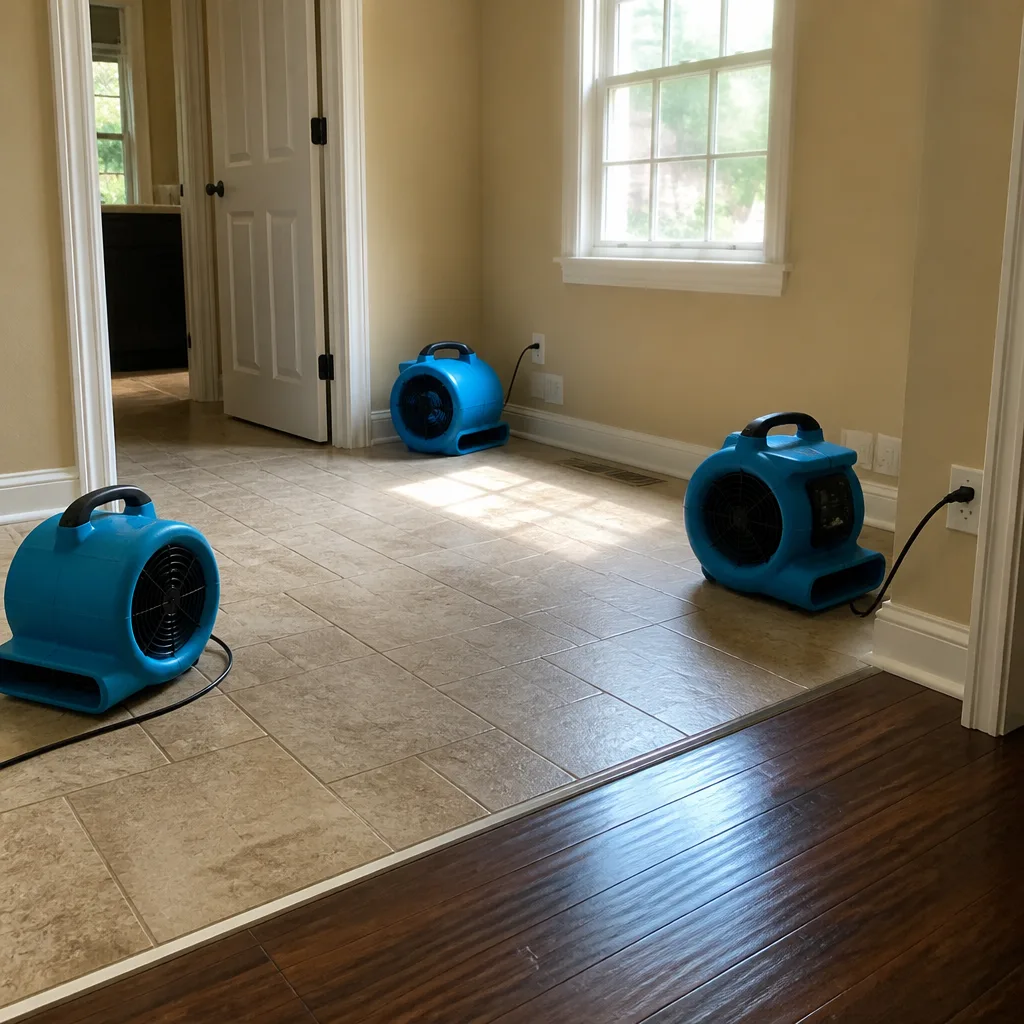
 Before
 After
After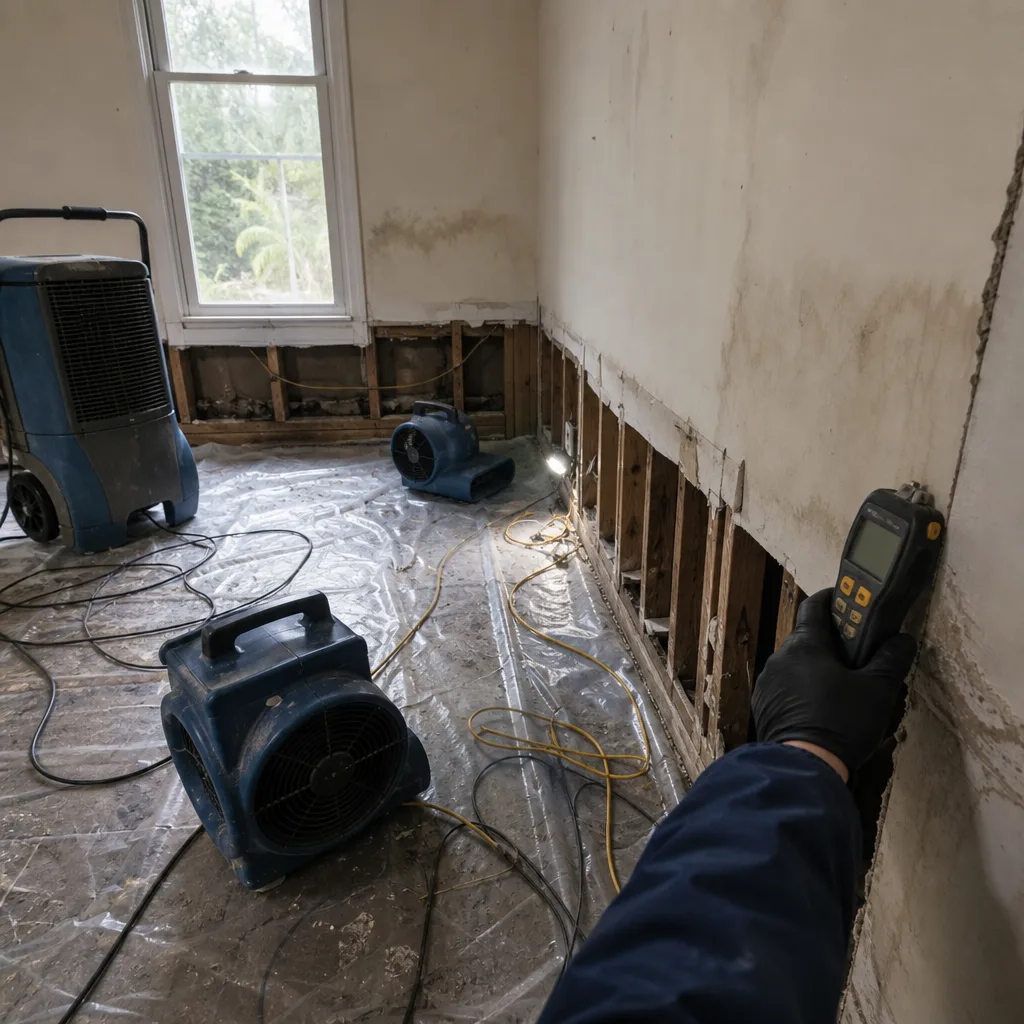 Before
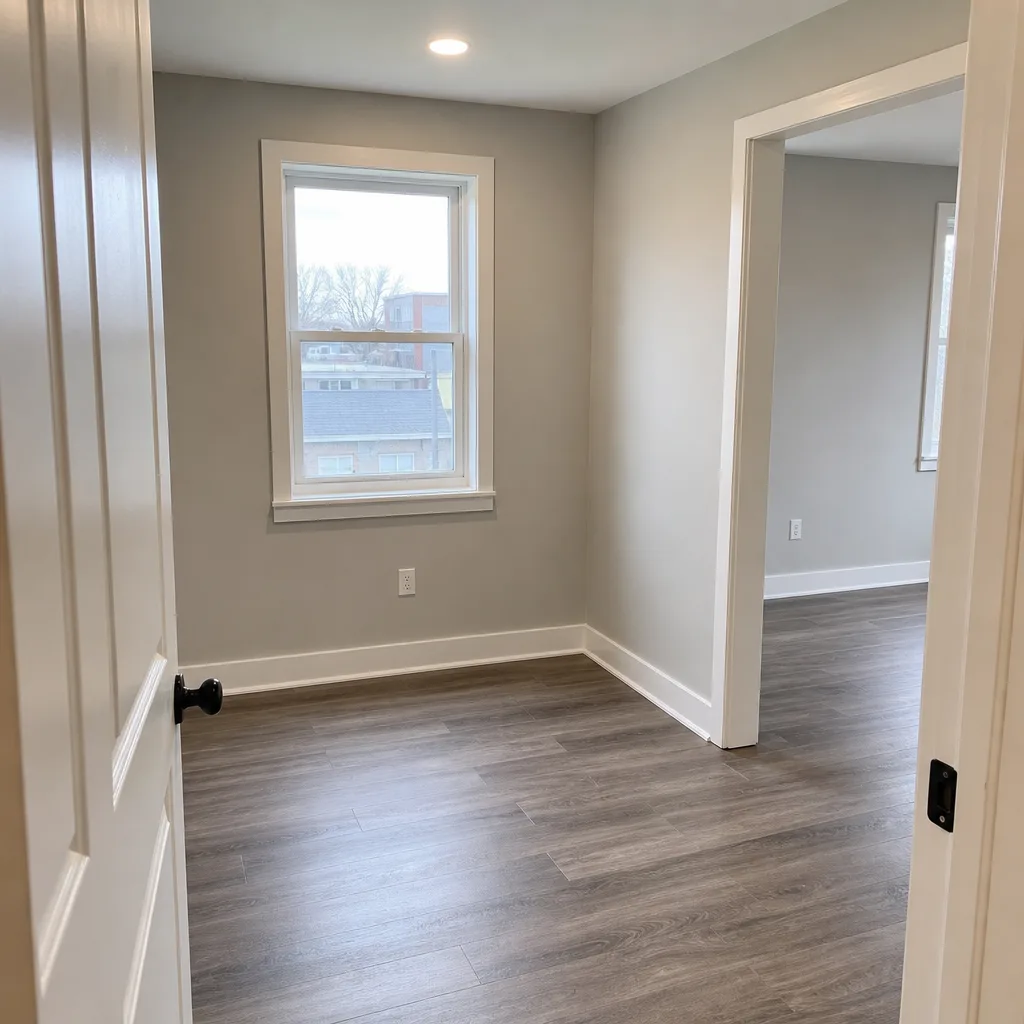 After
After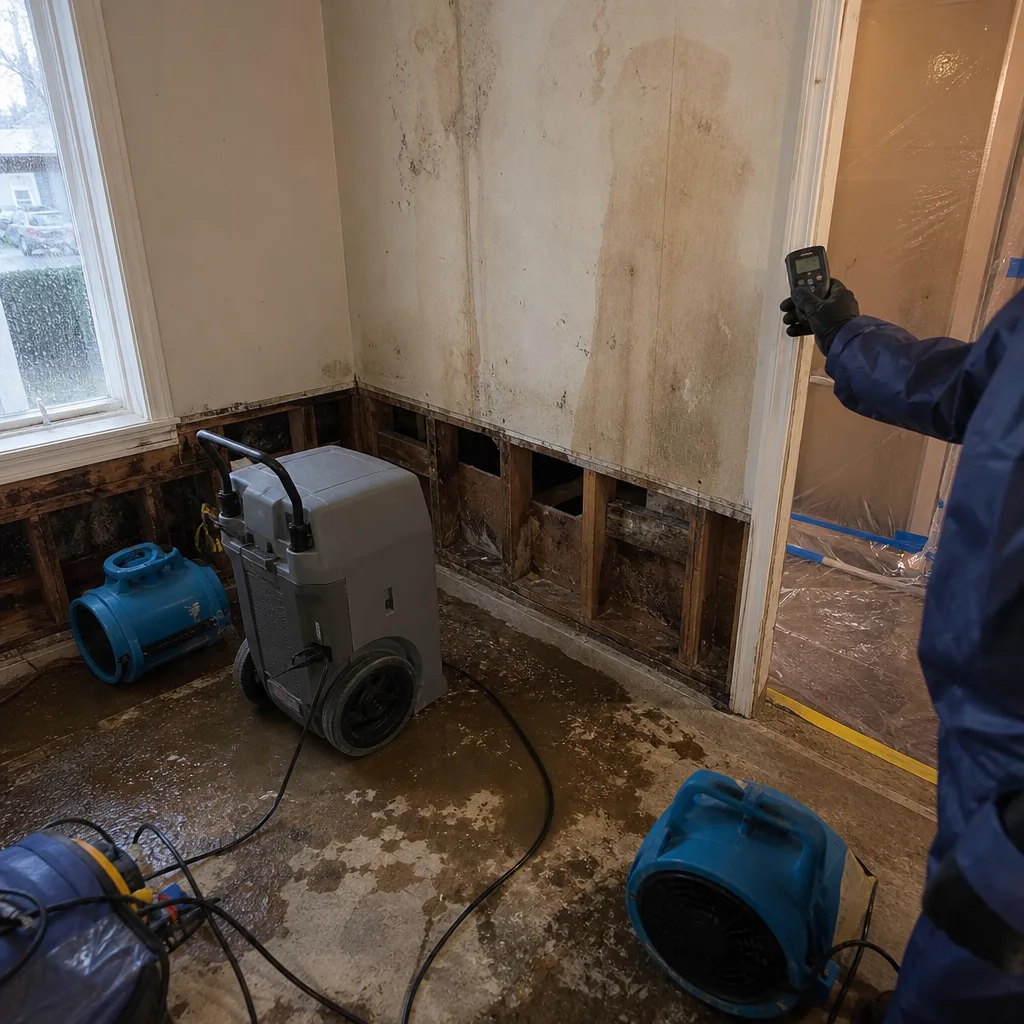 Before
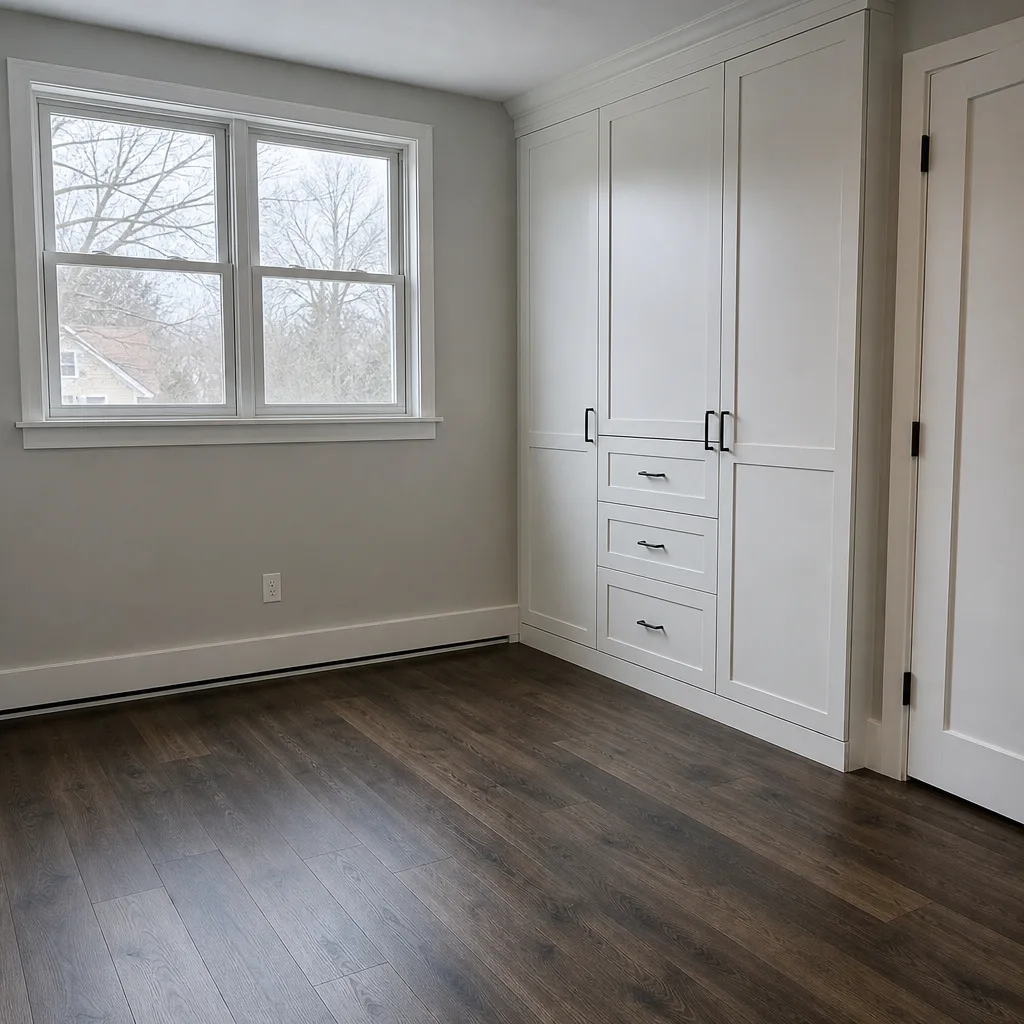 After
AfterDamage Restoration Permits, Codes & Inspections in NY: What You Need to Know
Most homeowners in New York don’t realize that the most expensive line item on a restoration invoice is often the one that never gets inspected. It’s not the drying equipment or the new drywall. It’s the fine, the failed sale inspection, or the redo required because work was done without a permit and never met code. In New Rochelle, where housing stock runs from 1920s colonials to 1960s split-levels to newer waterfront construction, the permit process follows rules that vary by structure type, damage severity, and what the water or fire actually touched. This guide tells you exactly what needs a permit, what doesn’t, who inspects what, and how to avoid the expensive missteps we’ve watched homeowners make for over a decade.
Quick Answer
In New Rochelle and across New York State, restoration work generally requires a building permit when it involves structural changes, electrical alterations, plumbing replacement beyond fixtures, or reconstruction of load-bearing elements. Cosmetic restoration like paint, trim, carpet replacement, and most drying work does not require a permit. The New Rochelle Building Department enforces New York State Uniform Fire Prevention and Building Code requirements, and inspections are triggered by permit filing, not by insurance claims.
Table of Contents
- When a Restoration Project Needs a Permit in New Rochelle
- Work That Does Not Require a Permit
- New York State Codes That Govern Restoration Work
- New Rochelle Local Amendments and Filing Requirements
- How Inspections Work During and After Restoration
- Insurance Claims, Mortgage Requirements, and Permits
- Flood Zone Rules in New Rochelle: What Actually Changes
- Common Mistakes to Avoid
- When to Call a Professional
- Frequently Asked Questions
- The Bottom Line
When a Restoration Project Needs a Permit in New Rochelle
Water from a burst supply line in a North End colonial might require a permit for the repair, while the same amount of water from a roof leak in a Wykagyl Tudor might not. The difference is what got wet and what has to come out. If the restoration plan involves removing and replacing any structural framing, subflooring, or load-bearing walls, a permit is required, and the work must be inspected before drywall goes back up. If the damage requires new electrical wiring, new circuits, or a panel replacement, a permit is required through the New Rochelle Building Department’s electrical inspection process. Plumbing work that replaces more than a fixture, such as re-piping a supply line or replacing a section of drain line, also triggers a permit.
Fire damage almost always requires a permit when reconstruction goes beyond surface work. Any time a fire has compromised framing, the code official will want to review the structural assessment before and after the rebuild. What surprises many New Rochelle homeowners is that even a small kitchen fire can trigger a permit requirement if the exhaust ducting or the electrical feed to an appliance must be replaced. The rule to remember is simple: if the repair requires opening a wall cavity and changing what is inside it, assume a permit is needed until the Building Department tells you otherwise.
Work That Does Not Require a Permit
Most emergency mitigation work falls outside permit requirements, which is good news when you have standing water in a finished basement off Pelham Road at two in the morning. Here’s what you can do without filing:
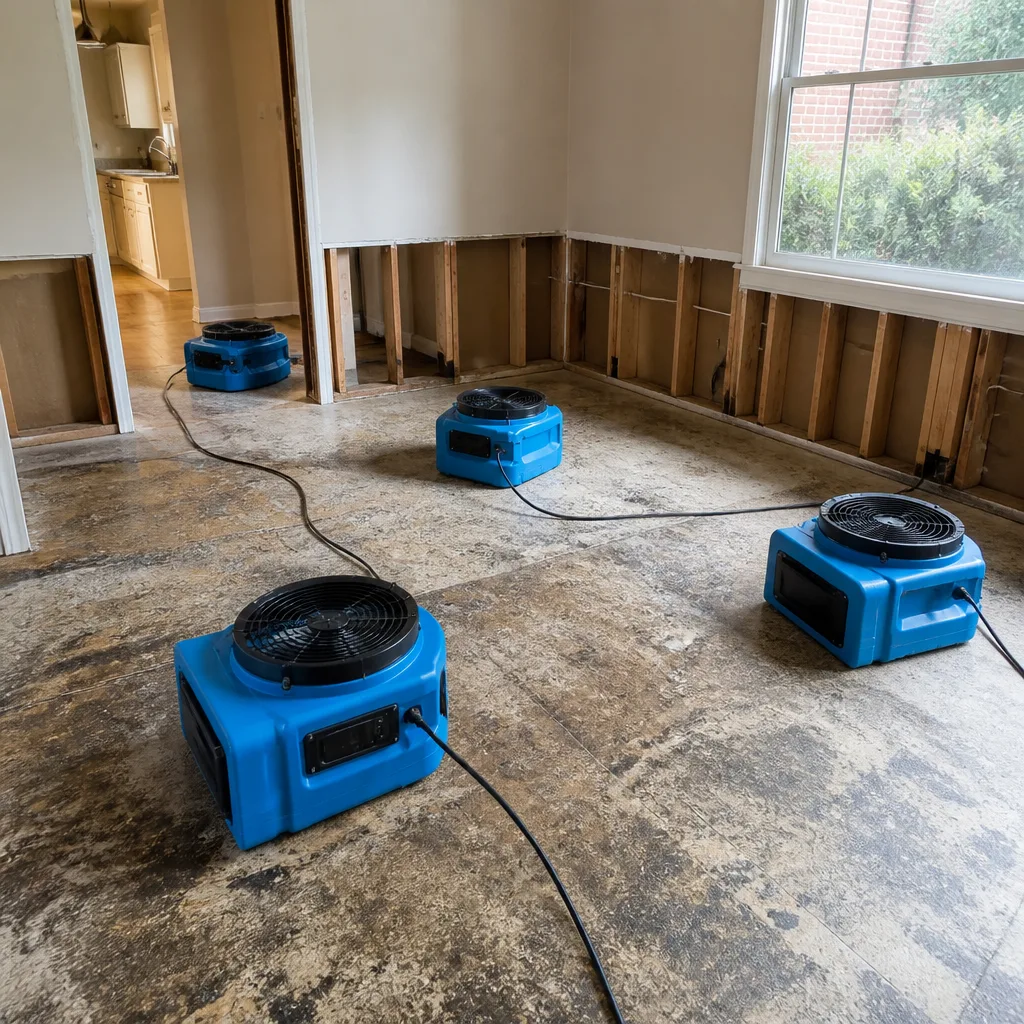
- Water extraction and structural drying. Setting up air movers, dehumidifiers, and drying mats requires no permit and should begin as soon as possible after water intrusion.
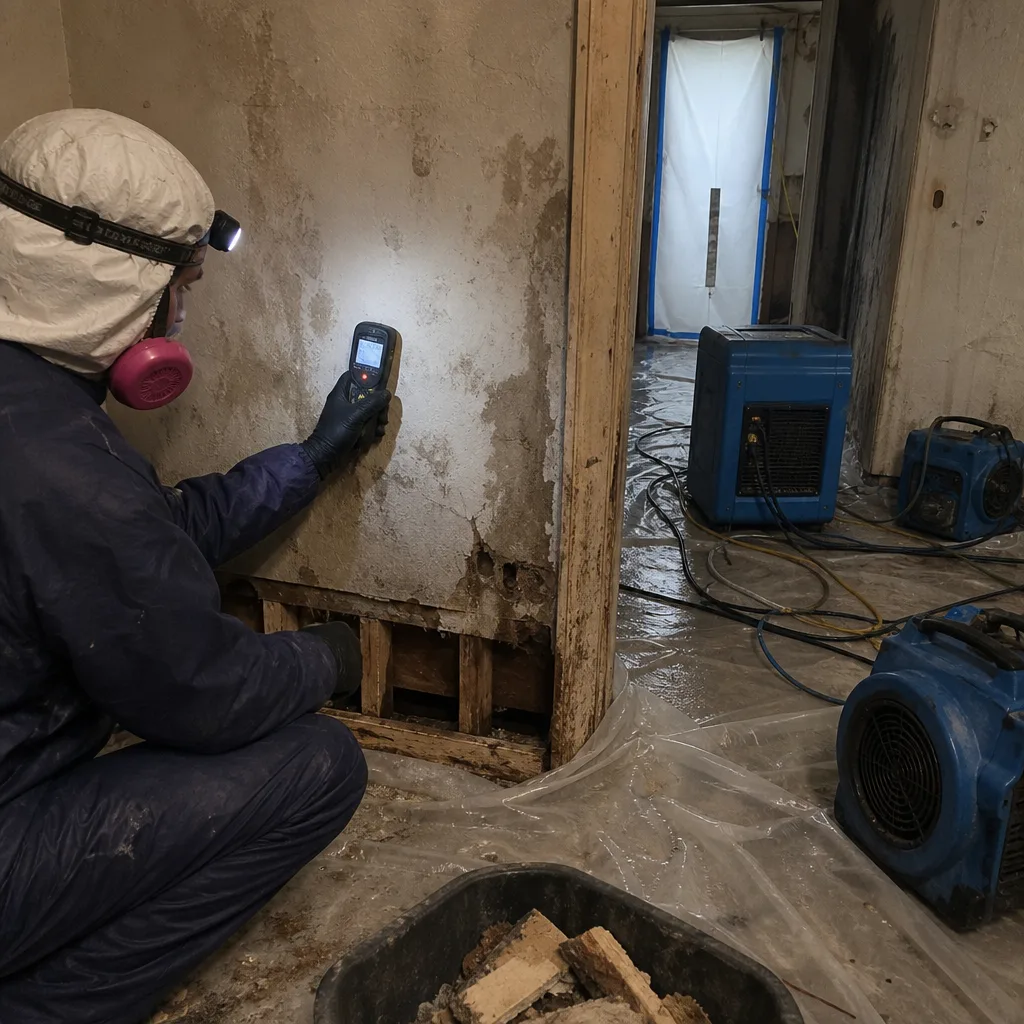
- Mold remediation on non-structural surfaces. Removing affected drywall, cleaning framing studs, and treating surfaces with antimicrobial products does not require a permit, provided you’re not changing any structural or electrical components.
- Cosmetic repairs. Painting, trim replacement, baseboard installation, and carpet or tile replacement over an existing subfloor fall outside permit requirements.
- Fixture swaps. Replacing a water-damaged toilet, vanity, or sink with a like-for-like fixture does not require a permit.
- Content cleaning and pack-out. Inventorying, cleaning, and storing personal property never needs a permit, but documenting everything does help the insurance claim.
The line between no-permit and permit-required work shifts when you remove gypsum board and discover what is behind it. If the studs are rotted, if the wiring is corroded, or if the plumbing is leaking at a joint rather than a fitting, the job just changed. That is the moment to call the Building Department before the work continues, because doing repairs inside a wall without a permit is the single most common reason a homeowner in New Rochelle fails a future home inspection when they go to sell.
New York State Codes That Govern Restoration Work
New York enforces the Uniform Fire Prevention and Building Code, which incorporates the International Code Council (ICC) family of codes as the base standard. On top of that, New York State has its own energy conservation construction code that applies to any restoration project where insulation is replaced or exterior walls are opened. What that means for a restoration project in New Rochelle is that you cannot simply put back what was there before if what was there before no longer meets current code.
Three code areas come up repeatedly in restoration work. First, the electrical code. New York is on the 2017 NEC with state amendments, and any wiring that gets touched during a restoration must meet current arc-fault and GFCI protection requirements. A 1980s split-level in the Huguenot Heights area that had water run through the wall cavities may need those circuits upgraded when the drywall is opened. Second, the plumbing code, which sets standards for materials and drainage slopes. Third, the residential building code provisions that cover structural adequacy, fastening schedules, and fire-rated assemblies. If a fire wall between a garage and living space is breached by water or fire damage, the repair must restore the fire rating to current standards, not the standard that existed when the house was built.
New Rochelle Local Amendments and Filing Requirements
The New Rochelle Building Department is the authority having jurisdiction, and it operates under the New York State codes with local administrative requirements. Permit applications for restoration work are filed with descriptions of the scope, plans where required, and an estimate of cost. The permit fee schedule in New Rochelle is based on the project’s estimated cost, so restoration contractors must be realistic when filing. Underestimating the value of the work to reduce the fee is a well-known pattern, and the department has seen it all before. It delays the permit and creates a paper trail that can complicate an insurance claim.
For water damage restoration, the permit is typically filed after mitigation is complete and before reconstruction begins. That’s the practical sequence we use at Floodline Restoration Co. on New Rochelle jobs: extract, dry, document, then file. The reason is simple. The permit application needs a complete scope of work, and you can’t know the full scope until the walls and floors are dry and you can see what survived. Filing early with incomplete information means amendments later, and every amendment costs time. In our experience working with the New Rochelle Building Department, a complete, well-documented filing from the start moves faster than a rushed one filed twice.
Some projects also require filings with other agencies. A restoration project on a home in the city’s historic districts may require review by the New Rochelle Historical and Landmarks Review Board if exterior elements are affected. Work on any property connected to municipal sewer may require coordination with Westchester County for sewer line repairs. And if the home is in a designated flood hazard area, FEMA floodplain regulations apply on top of local building code.
How Inspections Work During and After Restoration
Inspection sequencing is the part of restoration work that most homeowners never see, which is exactly why it goes wrong when an inexperienced contractor handles it. In New Rochelle, the typical inspection sequence for a full restoration and rebuild looks like this:
- Rough electrical inspection. After the wiring is run and before insulation goes in. The inspector checks wire sizes, box fill, grounding, and AFCI/GFCI placement.
- Rough plumbing inspection. After drain lines and supply lines are installed and tested under pressure, but before the walls are closed.
- Rough framing inspection. Where structural elements were replaced, the inspector verifies lumber sizes, fastening, and load paths.
- Insulation inspection. When required, the inspector verifies insulation placement and R-values before drywall is installed.
- Final electrical inspection. After fixtures, devices, and panel connections are complete, with the panel cover off and the work energized.
- Final building inspection. A comprehensive walk-through confirming that all work authorized under the permit is complete and meets code.
Each inspection must be scheduled through the New Rochelle Building Department, and the work covered by that inspection must be complete and accessible. If the drywall is already hung when the electrical inspector arrives, you fail on the spot and lose days waiting for a re-inspection. A restoration contractor who understands the sequence knows not to close a wall until the inspector has signed off. This is also why the same crew should handle both mitigation and reconstruction. When one company hands off to another between drying and rebuild, the person closing the wall may never see the official’s checklist for the person who opened it.
Insurance Claims, Mortgage Requirements, and Permits
Insurance adjusters don’t require permits, but they also don’t protect you from the consequences of skipping one. A claim for water damage in a Forest Heights ranch will sometimes close without anyone mentioning the Building Department, because the adjuster’s job is to pay for covered losses, not to enforce municipal code. The problem arrives later, at the sale of the property, when a home inspector or a buyer’s attorney asks for the permit history, or when a second loss occurs and the insurer discovers the prior repair was never permitted and was not code-compliant.
Mortgage lenders and home equity lenders take a different position. If the restoration project is financed as part of a claim payment and the lender is named on the check, the lender may require proof that the work was permitted and inspected before releasing the final draw. That’s become standard practice at major national servicers, and we have dealt with it many times in New Rochelle. The homeowner signs a proof of loss, the carrier issues a two-party check, and the holdback doesn’t clear until there’s a certificate of occupancy or a final inspection sign-off.
Photo documentation matters here. We photograph every stage of a restoration in New Rochelle because the insurance carrier and the Building Department are working from records, not memory. A dated photo of a properly installed drain line before the concrete pour, a moisture log from the daily drying readings, a picture of the permit card posted in the window. This is the documentation that gets a claim closed without months of back-and-forth and that protects the homeowner if the file is ever reopened.
Flood Zone Rules in New Rochelle: What Actually Changes
New Rochelle has floodplain areas along the Long Island Sound shoreline, with mapped flood zones affecting neighborhoods from Davenport Neck down through the waterfront sections. For a home in a designated Special Flood Hazard Area, FEMA and local floodplain management rules add a layer on top of the building permit process. The most important rule is the 50 percent rule: if the cost to repair the damage equals or exceeds 50 percent of the structure’s pre-damage market value, the building must be brought into full compliance with current floodplain construction requirements, which typically means elevation above base flood elevation or floodproofing.
Most restoration work falls well below that threshold, but not all of it. A coastal storm that floods a finished basement, destroys mechanical systems, and compromises the foundation can easily approach the 50 percent mark on an older home. The floodplain administrator in New Rochelle evaluates those projects using the estimated repair cost, and the evaluation is separate from the insurance adjuster’s estimate. The numbers are calculated differently, and a contractor who has done flood work locally knows how to prepare the cost breakdown to withstand review.
Substantial damage determinations trigger a process that no homeowner wants to face alone. The smart move after any coastal flooding event in New Rochelle is to get a professional assessment of the repair cost before filing anything, so you know where you stand relative to the 50 percent threshold. It determines whether the project is a standard restoration or a different kind of rebuild entirely.
Common Mistakes to Avoid
- Closing walls before the rough inspection. This is the most expensive mistake we see in New Rochelle. The inspector fails the job, the drywall comes back down, and the homeowner pays for the redo. Never close a wall until the Building Department has signed off on what is inside it.
- Treating the insurance adjuster’s scope as the construction scope. An adjuster’s estimate is a financial document, not a building plan. It does not identify every code requirement, and it was never meant to. The permit application must be based on the actual repair plan.
- Replacing like for like without checking current code. A water heater that worked fine in 1995 may not meet current clearance, venting, or earthquake strapping requirements. When in doubt, ask the Building Department before you buy the replacement.
- Ignoring the historic district review. If you own a home in a New Rochelle historic district and water or fire damage affects exterior elements, exterior changes need review before the work begins. Painting a restored façade the wrong color can trigger a stop-work order.
- Rushing the flood zone determination. After a coastal event, homeowners understandably want to start rebuilding immediately. But if a substantial damage determination is made after the work starts, it resets the entire project. Determine your flood zone status first.
- Hiring a contractor who says “permits aren’t needed for this.” Sometimes that’s true. But when a contractor says it without checking with the Building Department, they are guessing, and you are the one who owns the consequence. Get the permit question answered in writing.
- Throwing away damaged materials before documenting. Photos and written descriptions of what was removed are part of the claim file and the permit record. Once the debris is in a dumpster, the evidence is gone.
When to Call a Professional
A restoration project that involves any structural repair, electrical work, plumbing beyond fixture replacement, or work in a flood zone is not a do-it-yourself job, and the permit process is only one reason. The work has to be done to code, documented properly, and coordinated with insurance and the Building Department. If you see sagging framing, corroded wiring, a compromised foundation, or if the water came from a sewage backup, call a professional before you do anything else. Sewage and floodwater contain pathogens, and the cleanup requires specific protocols, protective equipment, and disposal procedures. Floodline Restoration Co. offers free estimates in New Rochelle, and we handle permits, inspections, and direct insurance billing so the homeowner isn’t the one running between the adjuster and the Building Department. Call (845) 456-6568.
Frequently Asked Questions
Extraction, drying, and mold remediation generally do not require a permit, but reconstruction work that changes structural, electrical, or plumbing systems does. The permit is usually filed after drying is complete and the full scope of the rebuild is known. If you’re not sure where your project falls, call the New Rochelle Building Department or have your restoration contractor check before walls are opened.
For a standard restoration permit with a complete application, the process typically takes one to three weeks for review and issuance, but it depends on the scope and current department workload. Larger projects or those requiring plan review by the county or a floodplain administrator take longer. Emergency mitigation work can begin immediately, even while the permit is pending, because drying and extraction fall outside permit requirements.
No. The permit is the property owner’s responsibility, and the restoration contractor typically files it on the owner’s behalf as part of the project. Insurance companies pay for permitted work under the policy, but the carrier does not file the application or attend inspections. At Floodline Restoration Co., we file permits for New Rochelle homeowners as part of the restoration scope and coordinate the inspection schedule.
An unpermitted restoration can show up during a home inspection or title search and complicate the sale. You may need to file for an after-the-fact permit, open walls for inspection, and pay additional fees. It’s usually more expensive than getting the permit the first time. If you’re unsure whether prior work in your home was permitted, the Building Department can check the address history.
Mold remediation itself does not require a building permit under New York State or New Rochelle code, provided the work is limited to removing affected materials and treating surfaces. If mold damage has compromised structural framing or required replacement of electrical wiring or plumbing, the repair portion of the project requires a permit. New York State also requires mold assessors and remediators to be licensed under the state mold program.
The 50 percent rule applies to buildings in FEMA-designated Special Flood Hazard Areas. If the cost to repair damage equals or exceeds 50 percent of the building’s pre-damage value, the building must be brought into compliance with current floodplain regulations, which often means elevation. Most New Rochelle homes are not in a flood zone, but waterfront properties and some shoreline areas are. Check your FEMA flood map designation before beginning any coastal flood restoration.
The Bottom Line
Permits exist because walls hide things, and code enforcement is the only way to make sure what’s hidden is safe. In New Rochelle, restoration work sits in a gray zone that confuses homeowners: emergency mitigation needs no permit, reconstruction often does, and the line moves depending on what was damaged and how the house was built. The homeowner who files properly, documents thoroughly, and schedules inspections in the right sequence ends up with a house that’s safer, an insurance claim that closes cleanly, and no surprise when a sale inspection comes years later. The homeowner who skips the permit saves a fee and bets their house on the hope that nobody ever looks behind the drywall. That’s a bet we’ve never seen pay off. Floodline Restoration Co. home.
Written by Curt Bowman, Owner at Floodline Restoration Co., serving New Rochelle since 2010.