
Last updated August 25, 2026
Free visual inspection and a written scope of work before any mitigation begins - photos, moisture readings, and drying logs go in your claim file
The scope we write is the scope we bill. Anything new gets shown to you, in writing, before we touch it.
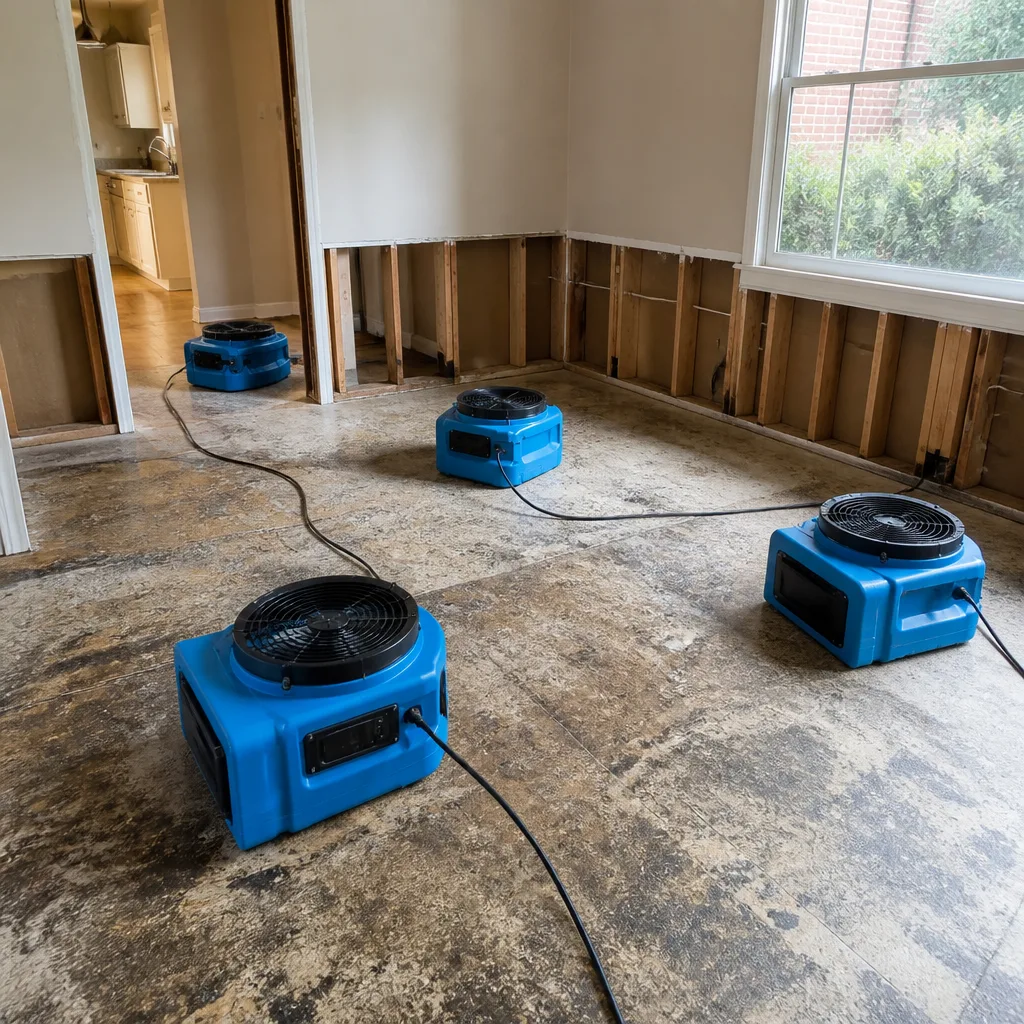
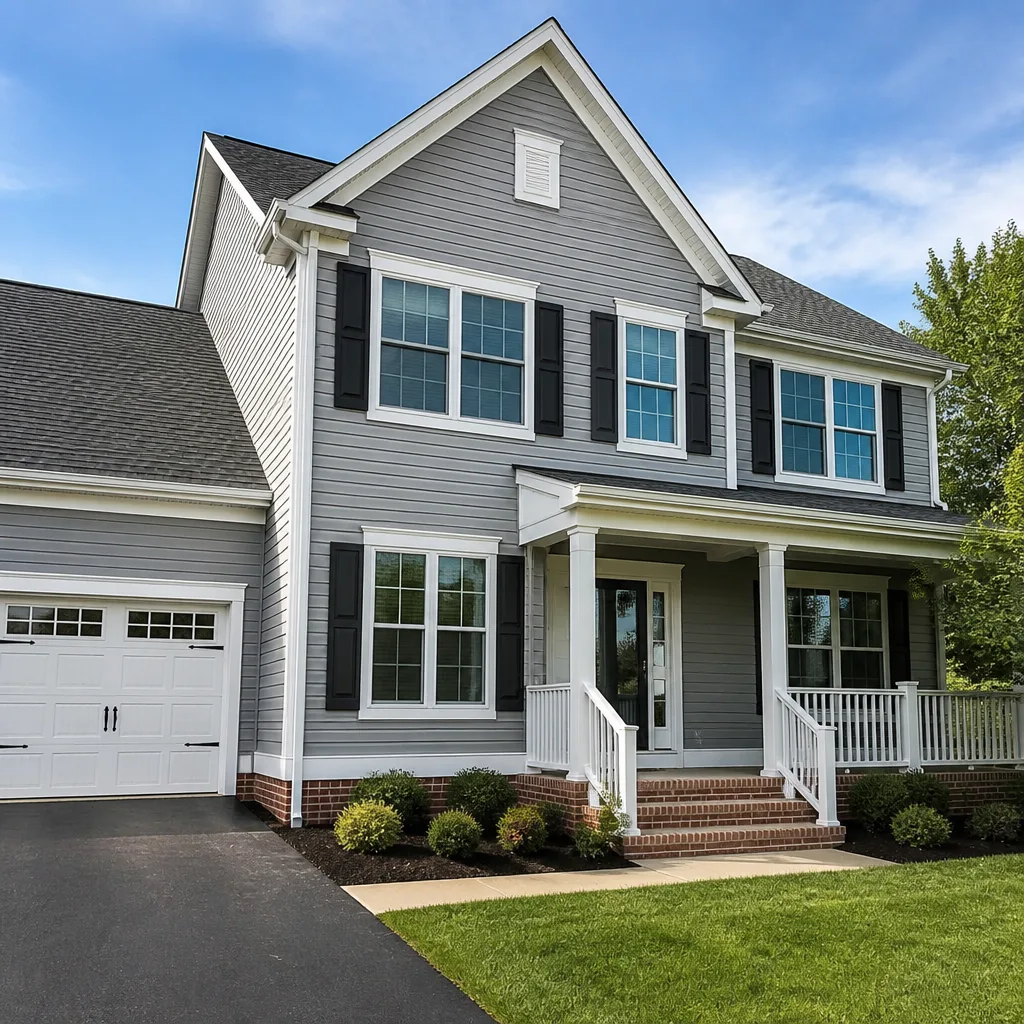
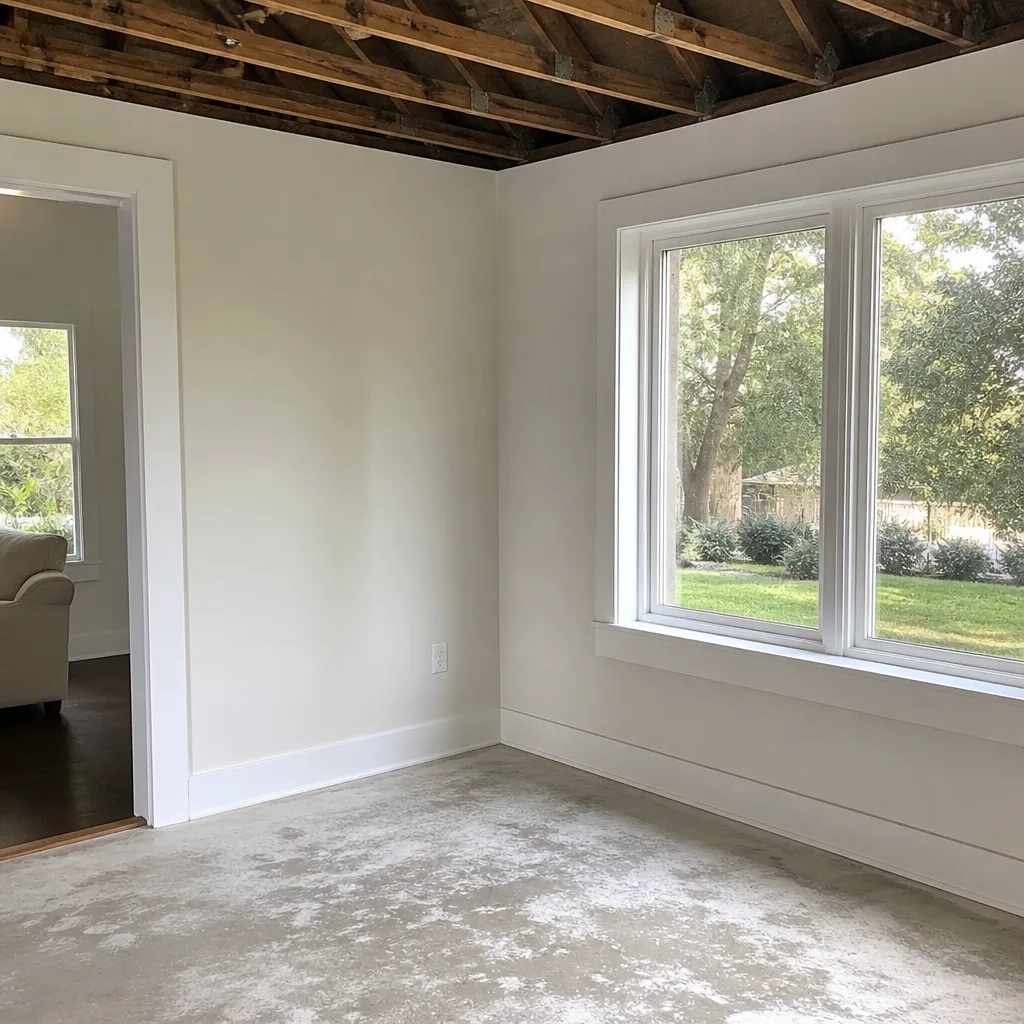
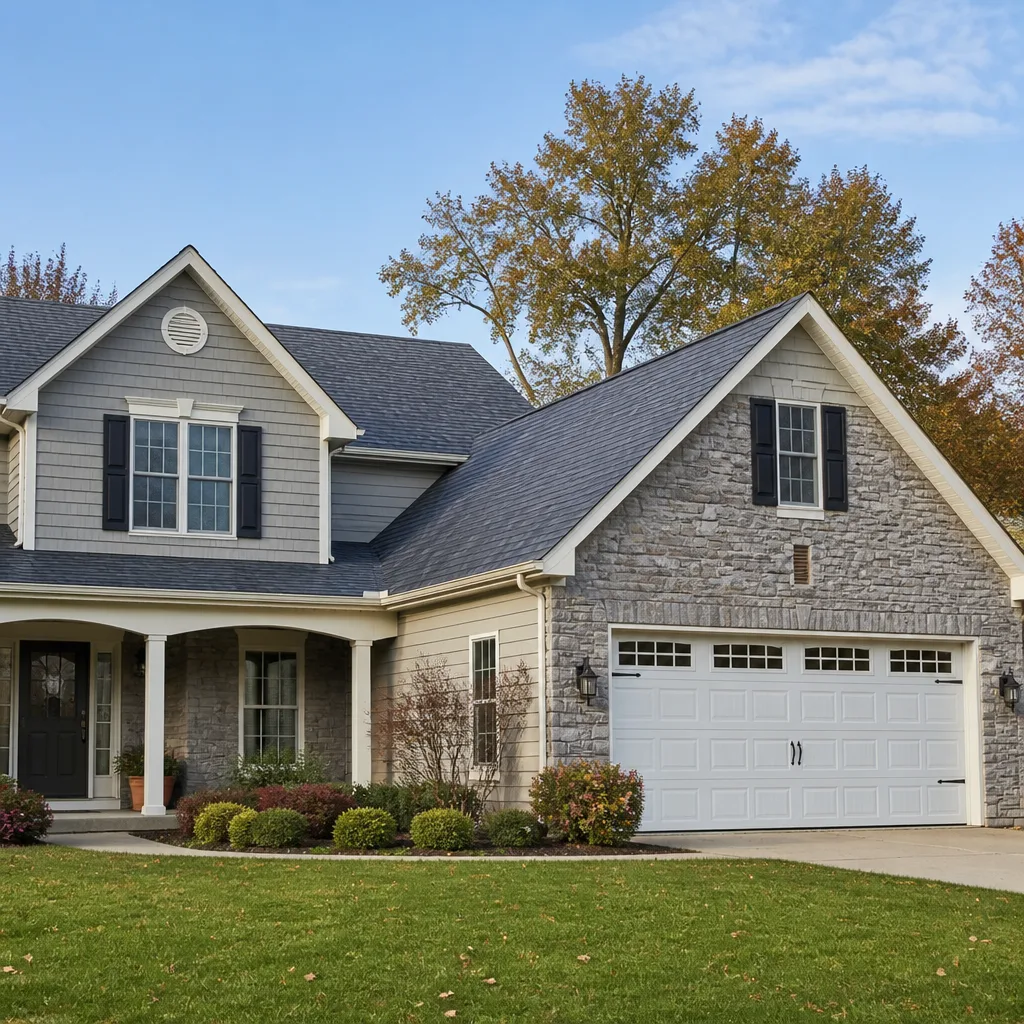
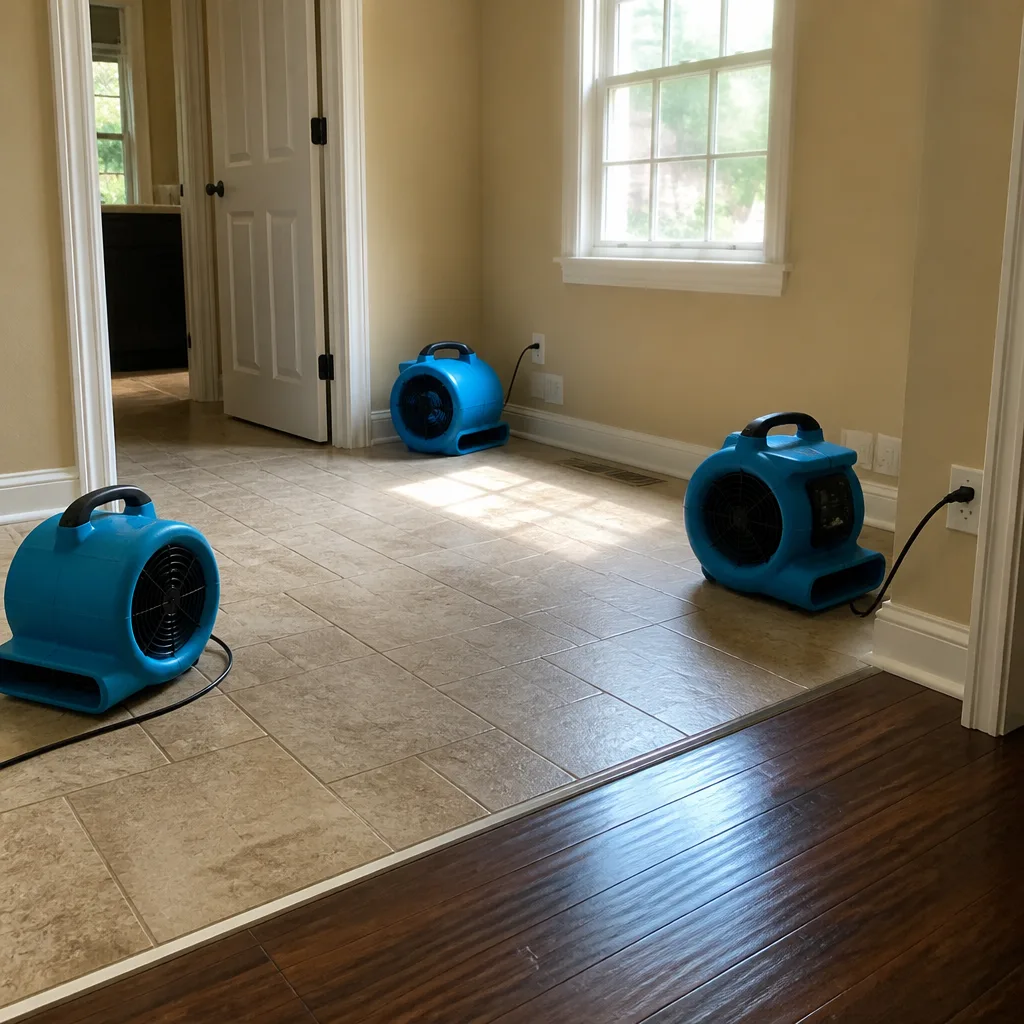

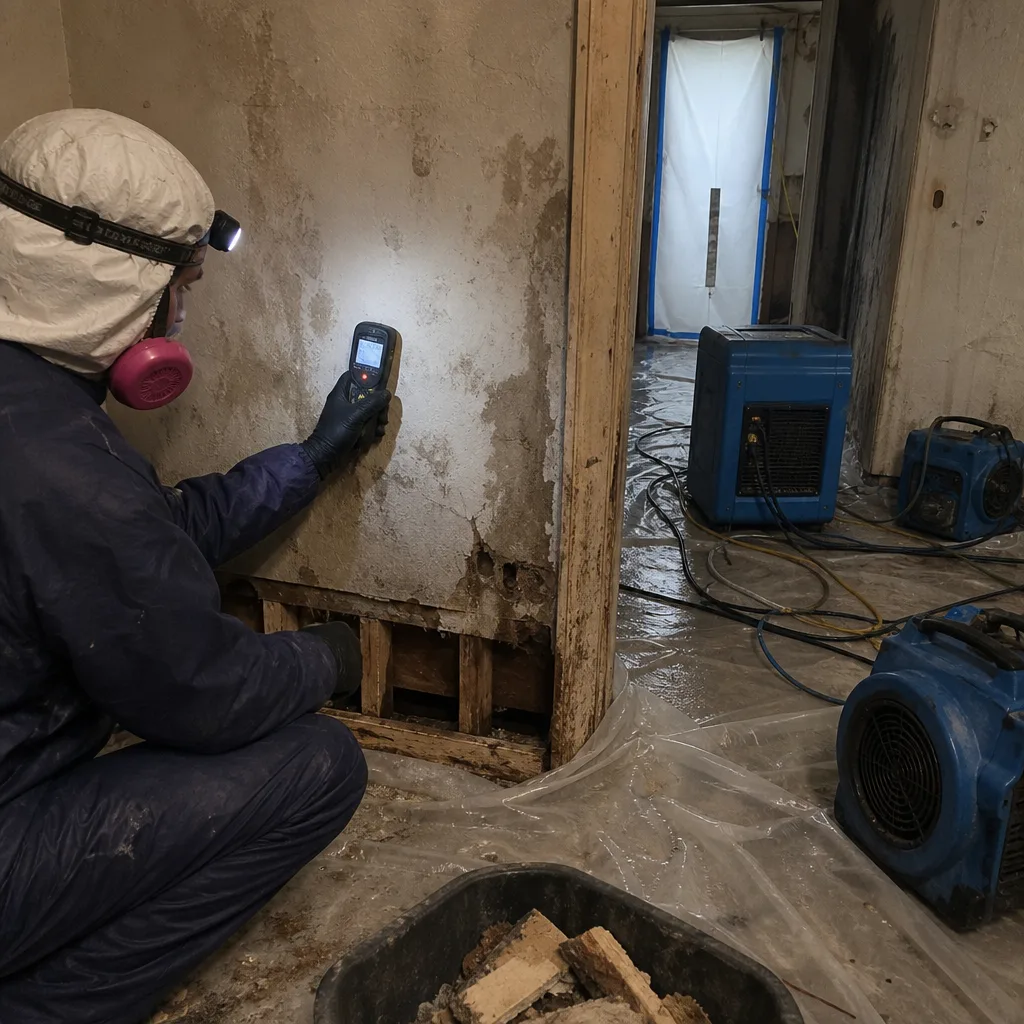 Before
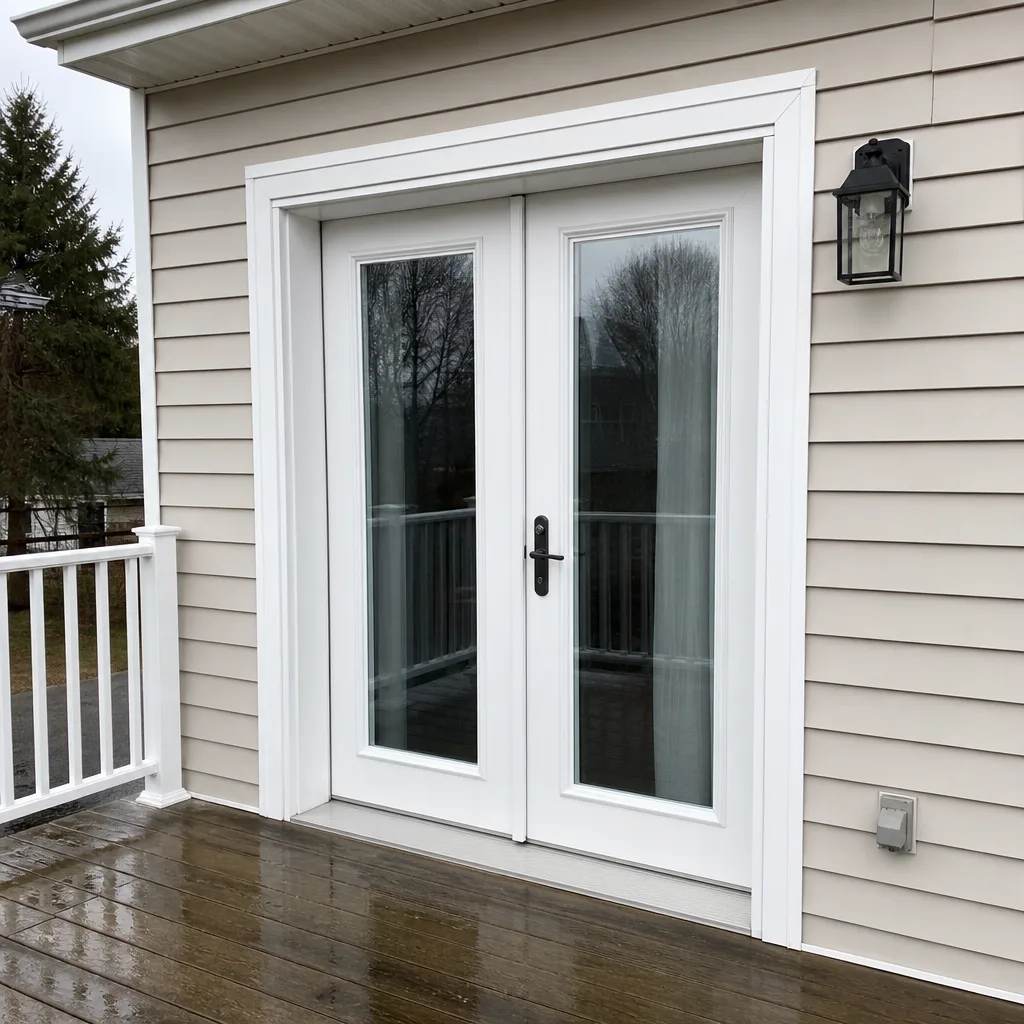 After
After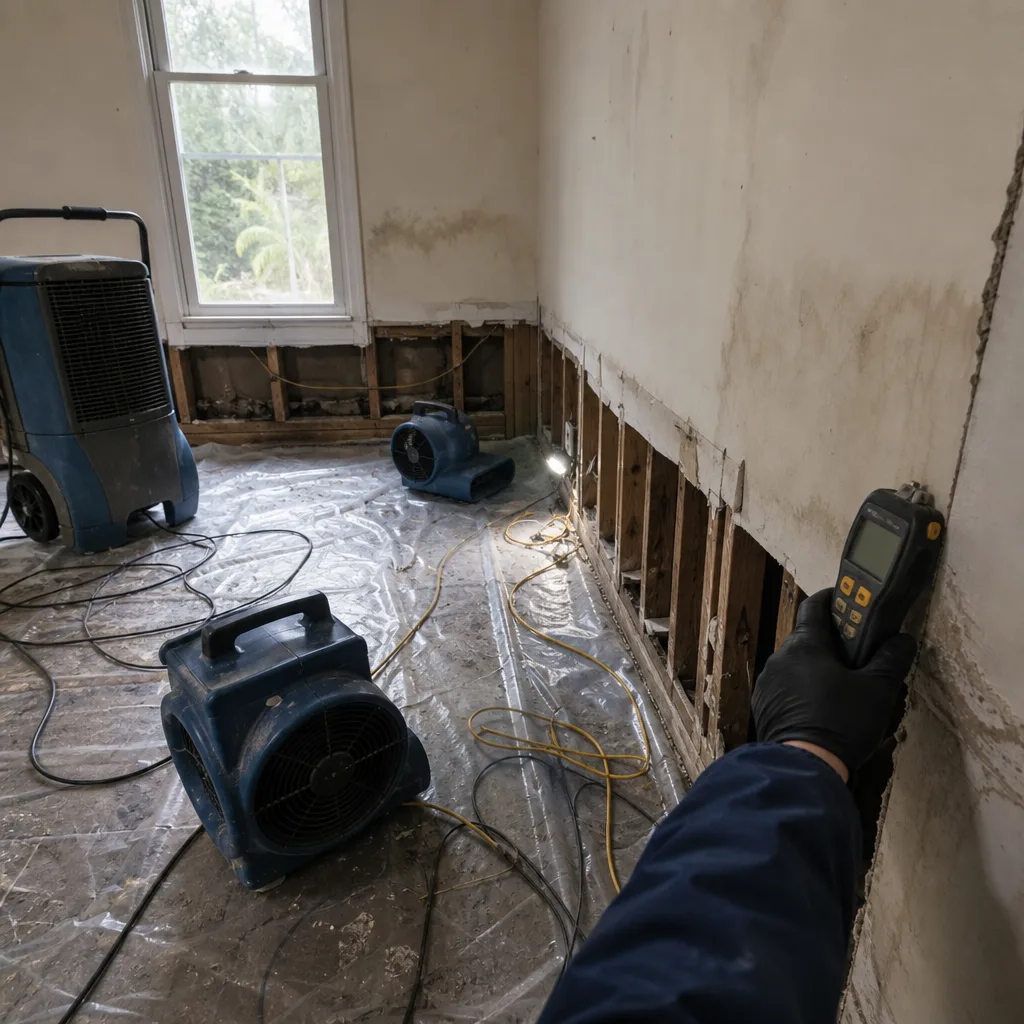 Before
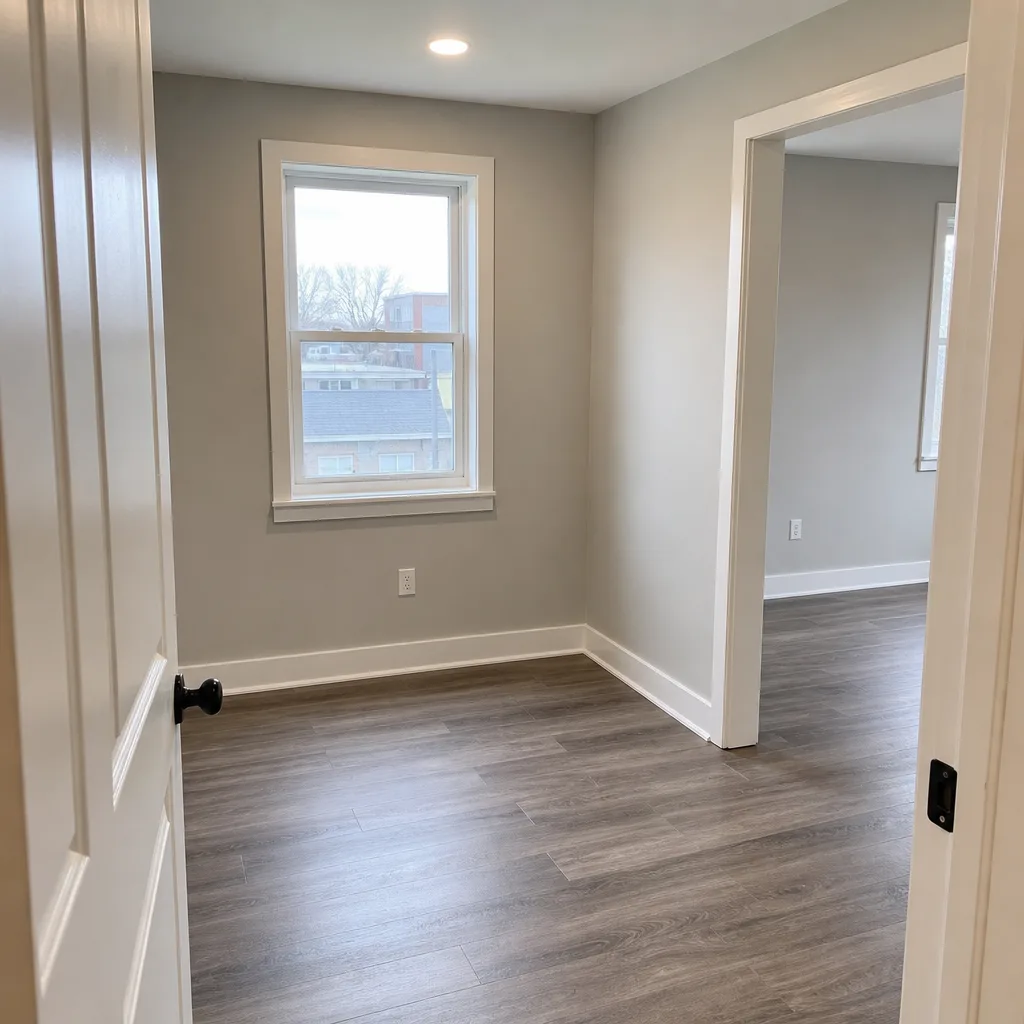 After
After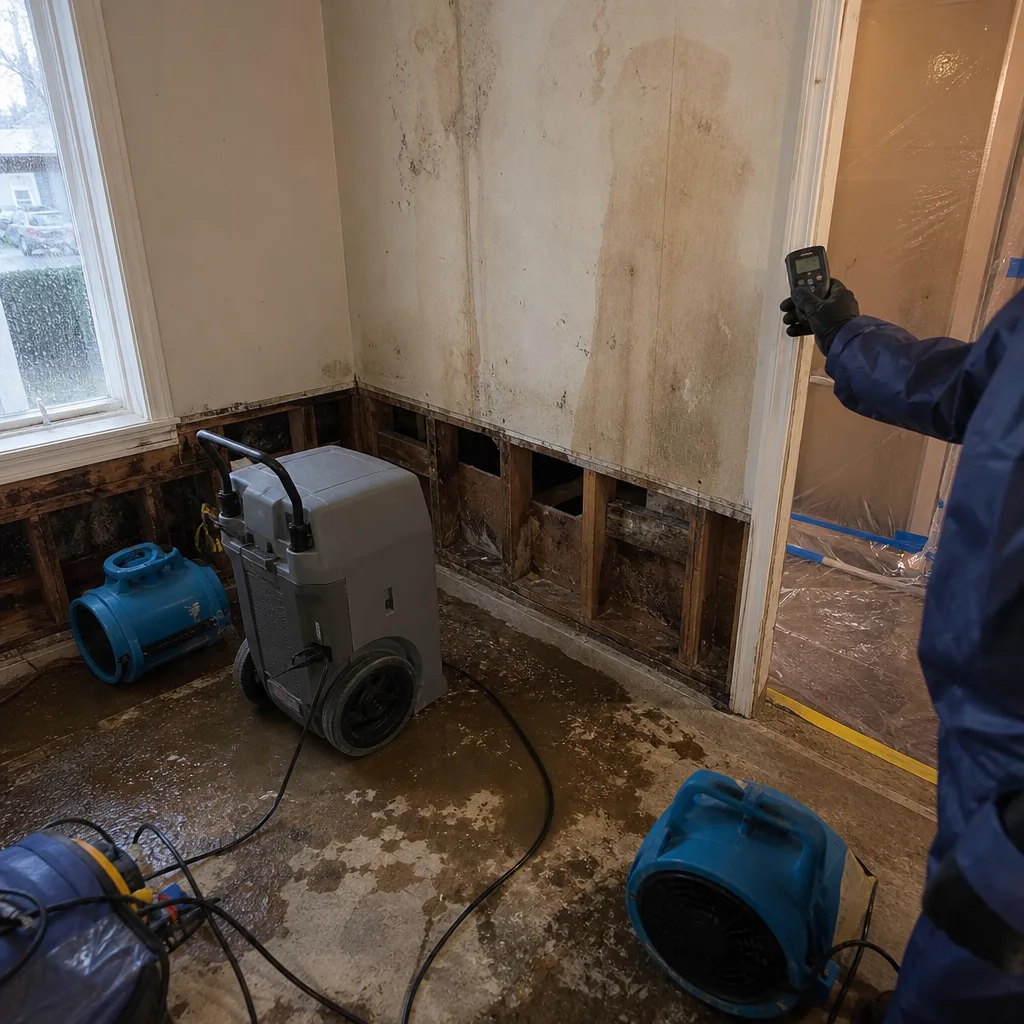 Before
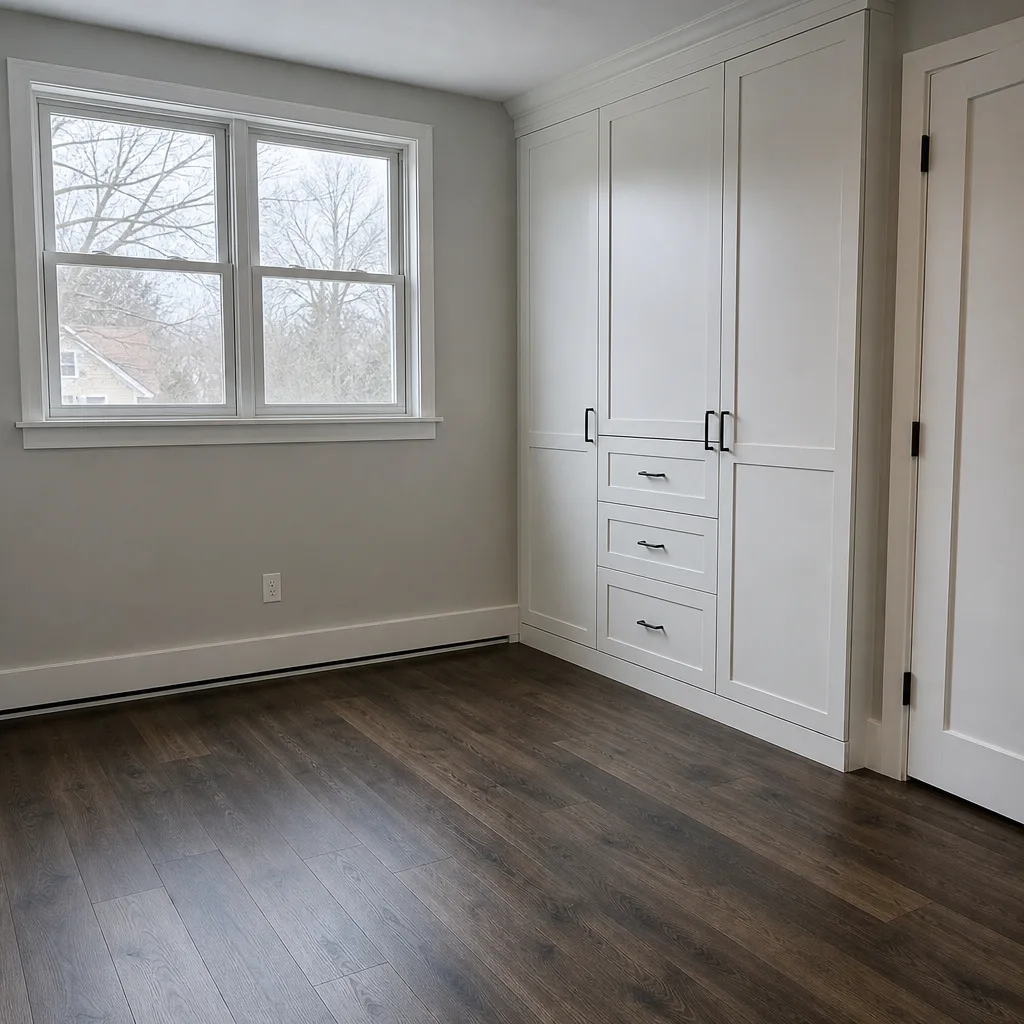 After
AfterHow to Hire a Damage Restoration Contractor in New Rochelle: A Step-by-Step Guide
Here’s a number most New Rochelle homeowners never think about until water is rising in the basement: the average insurance claim for water damage in Westchester County now runs between $8,000 and $14,000, and a meaningful chunk of that is spent fixing contractor mistakes, tearing out improperly dried drywall, or redoing rushed work. The contractor you choose matters more than the damage itself. In this guide, you’ll learn how to vet a restoration company in New Rochelle the way an insurance adjuster would, including the questions that separate a real full-cycle restoration firm from a pop-up crew with a fan and a pickup truck.
Quick Answer
To hire a damage restoration contractor in New Rochelle, verify state licensing and IICRC training, confirm they handle both mitigation and rebuild under one roof, require a written scope and moisture log before work begins, check that they bill your insurance carrier directly, and insist on a written workmanship guarantee. The right contractor will send a certified, background-checked crew the same day you call, not a subcontractor they’ve never met.
Table of Contents
- Step 1: Know What Kind of Damage You’re Actually Facing
- Step 2: Verify Licensing, Insurance, and Certifications Before Anyone Crosses Your Threshold
- Step 3: Ask the Second Question That Separates Real Restoration Firms From Cleanup Crews
- Step 4: Get the Scope and the Moisture Map in Writing Before Work Begins
- Step 5: Understand How Payment Works When Insurance Is Involved
- Step 6: Ask What Equipment They’re Bringing, and Why It Matters
- Step 7: Confirm the Person Who Shows Up Is the Person You Vetted
- Common Mistakes to Avoid
- When to Call a Professional
- Frequently Asked Questions
- The Bottom Line
Step 1: Know What Kind of Damage You’re Actually Facing
Restoration is a broad word. It covers a burst supply line in a Larchmont Woods colonial, a sewage backup in a Wykagyl Park split-level, a kitchen fire in a Shore Road co-op, and mold spreading behind drywall in a North End rental unit. Each type needs a different response, a different equipment plan, and a different technician certification. The first thing to do when you call a contractor in New Rochelle is describe the source of the damage accurately. A company that only does water extraction is not the right company to call for fire and smoke damage. A company that only does mold remediation won’t rebuild the studs the mold was growing on. Knowing what you’re facing tells you who to call and what questions to ask.
Here in New Rochelle, basement flooding is the most common call we field. The city sits at the edge of Long Island Sound, with a high water table in many neighborhoods, and older homes along the Sound side have foundations that let groundwater in during heavy rain. Sewage backups are also common because parts of the city’s sewer system predate modern stormwater separation. Knowing that your water is groundwater from foundation seepage, not a broken pipe from a clean supply line, changes the cleanup protocol entirely. Groundwater and sewage carry bacteria. Clean supply water doesn’t. Be precise. It saves time and money.
Step 2: Verify Licensing, Insurance, and Certifications Before Anyone Crosses Your Threshold
Anyone can print a logo on a shirt and call themselves a restoration contractor. In New York, home improvement contractors need specific licensing, and restoration work has additional layers: mold remediation requires certification under New York State law, and any contractor doing structural work needs proper permits through the City of New Rochelle’s building department. Before you let anyone touch wet drywall or pull up flooring, ask for three documents: their New York State license number, their liability insurance certificate, and their IICRC certifications.
The IICRC, the Institute of Inspection, Cleaning and Restoration Certification, is the industry standard for restoration training. A firm that trains technicians to IICRC standards has a crew that knows how to dry a structure, not just suck water out of a carpet. It’s the difference between a company that removes visible water and a company that finds the water behind the baseboard, under the subfloor, and inside the wall cavity. In our experience, most New Rochelle homeowners only discover that difference three weeks later when the smell starts.
- Licensing: Confirm the company is licensed to work in New Rochelle and Westchester County. Ask for the number. Write it down.
- Insurance: Ask for a certificate of liability insurance. Call the carrier listed on it. Make sure the policy name matches the company name on the truck. It’s a simple check that catches a lot of uninsured subcontractors.
- Certifications: IICRC is the one that matters most for water, fire, and mold. RIA and IFA training are also worth noting when you see them. They mean the crew isn’t learning on your house.
We’re state-licensed, insured and bonded, and every technician who walks into a New Rochelle home is background-checked, uniformed, and trained to IICRC, RIA, and IFA standards. We tell you that up front because you should demand it from anyone you call. If a contractor hesitates when you ask for a license number, that’s the interview over.
Step 3: Ask the Second Question That Separates Real Restoration Firms From Cleanup Crews
Here’s the question most homeowners don’t know to ask: “Will the same crew that does the extraction also do the rebuild?” It sounds like a small thing. It isn’t. In the restoration industry, there are two distinct halves to most jobs: mitigation, which is the emergency work of stopping the damage and drying the structure, and reconstruction, which is rebuilding what was torn out. Many companies do one or the other. Some sub out the rebuild to a general contractor they’ve never worked with. The homeowner becomes the project manager by default, coordinating between two crews, one insurance adjuster, and a schedule that keeps shifting. Homeowners in New Rochelle with full-time jobs and families end up taking time off work to play general contractor on a project they never wanted to manage in the first place.
Ask the contractor, directly: “Do you handle rebuild, or do you sub it out?” A full-cycle restoration company does both. The same crew that shows up on day one with the Dri-Eaz dehumidifiers is the company that hangs the new drywall and paints the new walls. That means one point of contact, one schedule, one guarantee. Our company was built this way on purpose. Curt Bowman founded Floodline Restoration Co. home in 2010 around a dispatch board, not a sales desk, and the whole point was to keep the job from getting handed off. In our experience, the handoff is where jobs go wrong, budgets swell, and homeowners get burned. Don’t let someone hand you off. Ask the second question before you sign anything.
Step 4: Get the Scope and the Moisture Map in Writing Before Work Begins
Before any honest restoration contractor pulls a single baseboard off a wall, you should have two documents in your hand: a written scope of work and a moisture map. A written scope lists what will be removed, what will be dried, what will be rebuilt, and what it will cost. If a contractor gives you a verbal estimate on a clipboard and starts ripping out drywall the same hour, you’re not getting a restoration plan. You’re getting a surprise party.
A moisture map is the same idea, but for the invisible part of the job. Water travels. A leak in a second-floor bathroom soaks through the subfloor, runs along a joist, and pools behind a first-floor ceiling. A moisture map uses professional-grade meters and thermal imaging to show where the water actually went, not just where you saw it. Without a moisture map, the crew dries the visible area and leaves the hidden pockets. Six weeks later, mold starts in the cavity they never touched. In New Rochelle’s older housing stock, where balloon framing and plaster walls hide water channels, a moisture map is not optional. It’s the difference between a one-visit job and a three-month problem. When we start a job, we map the moisture on day one and take daily readings until the dry standard is met. You get the log. Your carrier gets the log. There’s no arguing about whether the job was done, because the numbers are written down.
Step 5: Understand How Payment Works When Insurance Is Involved
Insurance is almost always in the room, even when no one says so. Water damage is typically covered under standard New Rochelle homeowners policies, so most restoration jobs involve a claims adjuster, a deductible, and a lot of paperwork. How a contractor handles that paperwork tells you what kind of operation they run. Some contractors demand payment up front from you and tell you to collect from the carrier yourself. That’s the old “you chase the insurance company” model, and it’s exhausting. You become a courier between a restoration crew and a claims department, and you’re the one holding the bag if the carrier denies a line item.
A better arrangement is direct insurance billing. The contractor bills the carrier directly, using photo documentation, line-item scope, and moisture logs tied to the actual work. You pay your deductible, and the contractor deals with the adjuster. That doesn’t mean the contractor gets paid whatever they ask. It means an experienced restoration company documents the work well enough that the claim goes through cleanly. Ask the contractor: “Do you bill the carrier directly, or do I have to chase them?” When you call us in New Rochelle, the answer is direct billing. We handle the adjuster, the documentation, and the callbacks. You handle your life. It’s a better way to run a claim.
Step 6: Ask What Equipment They’re Bringing, and Why It Matters
Restoration equipment is not interchangeable. A box fan from a hardware store will move air around, which is fine if you’re airing out a screened porch. It will not dry a wall cavity or pull moisture out of a subfloor. Professional restoration companies use professional equipment, built for the job, from manufacturers whose entire business is drying structures. Names like Dri-Eaz, Phoenix, XPOWER, B-Air, and Injectidry come up because they’re the tools professional restorers actually use. Dri-Eaz dehumidifiers pull gallons of water out of the air daily. Injectidry systems force air into wall cavities and under cabinets that would otherwise have to be ripped out. XPOWER air movers direct focused airflow across wet surfaces.
Why does this matter to a homeowner in New Rochelle? Because time matters. Every day a structure stays wet, the damage spreads, the wood swells, and the mold spores that were already in the air find the moisture and start growing. Professional equipment dries a structure in days, not weeks. It also lets the contractor save materials that a lesser setup would have to tear out and replace. That means a lower rebuild bill. When we arrive on a New Rochelle job, our goal is the same visit for extraction, with the IICRC-trained crew reading the moisture map, running the equipment, and handing the log to you and the carrier. Most jobs are completed in a single visit, with the drying monitored daily until the dry standard is met. That’s what the equipment is for.
Step 7: Confirm the Person Who Shows Up Is the Person You Vetted
Here’s a scene we hear about often from New Rochelle homeowners who hire a big-name franchise and regret it: they call, a polished salesperson in a company polo visits the house, takes photos, writes up an impressive estimate, and hands them a pen. Then, the next morning, a truck with a different company name on the side shows up. It’s a subcontractor. They’ve never met the homeowner. They’ve never seen the photos. They’re working off a one-paragraph work order. The polished salesperson is gone.
Ask every contractor you interview: “Who exactly will be in my home? Are they your employees, or are you subbing this out?” A reputable restoration company sends its own technicians. The people doing the work are trained in-house, background-checked, and accountable to the company name on the truck. They show up in uniform, with a supervisor who can make decisions, and they answer to the same dispatch desk when you call at 2 a.m. because something’s wrong. Our technicians are background-checked, uniformed, and certified to IICRC, RIA, and IFA standards. The person you shake hands with at the estimate is the person who walks through your door on day one. In an industry where subcontracting is the default, that’s a differentiator worth asking about.
Common Mistakes to Avoid
- Waiting to call until the damage has “settled.” Water doesn’t settle. It spreads. Every hour a wet floor sits means more subfloor soaks through, more drywall wicks upward, and more humidity rises into ceiling cavities. Call immediately after shutoff. The sooner extraction starts, the more structure gets saved.
- Choosing the contractor your insurance company’s automated system recommends without asking questions. Insurance company preferred vendor lists are built around cost, not quality. The contractor on that list might be perfectly fine. They might also be a budget outfit that cuts corners. Vet them the same way you’d vet anyone else.
- Signing a work authorization before you’ve read it. In a panic, people sign whatever’s put in front of them. A work authorization is a legal document. Read it. Ask what happens if the scope changes mid-job. Ask about the cancellation terms. A reputable contractor will let you take ten minutes.
- Paying the full invoice up front. You should expect to pay something before work starts, but never the full job. A deposit with a clear schedule of remaining payments tied to milestones is normal, especially when direct insurance billing is involved. Full payment up front is a red flag the size of a dumpster.
- Ignoring old damage because “it’s always been like that.” In New Rochelle’s older homes, people get used to a little basement dampness or a musty smell. Mold grows in exactly the conditions you’ve decided are normal. If you smell it, it’s there. If you see staining, water is getting in. The longer you wait, the bigger the remediation job.
- Assuming a rebuild can wait. Once a structure is dried, the temptation is to live with the torn-out drywall and exposed studs for a few months while you deal with life. But an exposed frame inside your walls is inviting moisture back in every humid summer day. The rebuild closing up the envelope is part of the restoration, not a separate project.
When to Call a Professional
Some water spills are homeowners jobs. A puddle on a tile floor from a knocked-over glass? Get a towel. A slow drip under a sink that you can catch with a bucket for a day until a plumber arrives? Fine. But if the water has touched drywall, soaked a floor, or run down a wall, call a professional restoration company the same day. If the source is sewage, groundwater, or anything from a heating or cooling system, don’t attempt cleanup yourself. If you smell mold or see black staining on walls or baseboards, the problem is already inside the structure. If the damage came from fire or smoke, structural safety is a question that only a certified restorer should answer. And if the damage happened at 3 a.m. on a Saturday, the right response is a live person on the phone, not a voicemail. Floodline Restoration Co. offers free estimates in New Rochelle and the surrounding areas. Call (845) 456-6568, any hour, and a real dispatcher will answer.
Frequently Asked Questions
Water damage restoration in New Rochelle typically costs between $2,500 and $8,000 for a standard single-room water event, with basement flooding running $4,000 to $12,000 depending on finished materials and whether sewage is involved. Smaller jobs like a single wall from a sink leak can cost around $1,200 to $3,000. Exact pricing depends on square footage, drying time, and rebuild scope, which is why we provide a written estimate before work begins. Call (845) 456-6568 for a free estimate on your specific situation.
Most standard New Rochelle homeowner’s policies cover sudden and accidental water damage, such as a burst pipe or an appliance overflow, and they also cover fire and storm damage. Gradual leaks, groundwater seepage through foundation walls, and flood damage from rising water are usually excluded or require separate policies. Sewage backup coverage depends on the specific rider you carry. We document every job with photo evidence and moisture logs and bill your carrier directly, so you’re not chasing a claims department alone.
A live-dispatched restoration company can have a certified crew at your New Rochelle home within hours of your call, often the same visit. That’s the difference between a 24/7 operation with live dispatchers and a company where you leave a message and hope someone calls back tomorrow. The sooner extraction starts, the less damage spreads, and the lower the final bill. We answer the phone live at (845) 456-6568, every hour, every day.
If you’re asking this question, the answer is almost always that you need at least a professional assessment. What looks like a simple cleanup often hides moisture in places you can’t see: under tile, behind baseboards, inside wall cavities. A professional moisture map tells you what’s actually wet. If there’s mold or sewage involved, full remediation is non-negotiable from both a health and building code standpoint. Cleaning surfaces without addressing what’s behind them is how properties in New Rochelle end up with recurring problems.
With Floodline Restoration Co., we do. We handle direct insurance billing, which means we document the job, communicate with the adjuster, submit the claim with the proper line-item detail, and pursue payment from the carrier directly. You pay your deductible, and we handle the paperwork. It’s one of the biggest reasons homeowners choose us in New Rochelle, because nobody wants to be a project manger between two parties who don’t answer their phones on the same days.
A dry standard is the specific moisture content a structure must reach for drying to be considered complete, typically measured against the moisture content of unaffected building materials nearby. It’s the number on the daily moisture log that tells you the walls, floors, and framing are actually dry, not just dry to a finger touch. Restorers who don’t talk about dry standards are guessing. Restorers who do, like our team with daily IICRC protocol readings on the Dri-Eaz and XPOWER equipment, can prove when the job is done. That proof is what your insurance carrier needs to close the claim.
The Bottom Line
Hiring a damage restoration contractor in New Rochelle comes down to four decisions. Verify credentials, including New York licensing, insurance, and IICRC certification. Confirm the company handles mitigation and rebuild under one roof with its own employees. Demand a written scope and moisture map before work starts. And choose a company that bills your carrier directly and stands behind the work in writing. Ask the questions before the emergency, write down the answers, and keep the number where you can find it at 2 a.m. A restoration company is a contractor you hope you never need, but when you need one, you’ll be glad you did the homework in calm weather.
Contact Floodline Restoration Co.
If you’re facing water, fire, mold, storm, or sewage damage in New Rochelle, call (845) 456-6568 any time, day or night. A live dispatcher answers, a certified crew arrives the same visit, and the job gets done right, with the 90-Day Done Right Promise in writing. We’ve been serving New Rochelle and Westchester County since 2010, and we plan to be here answering the phone for the next thirty years. Current offers include $50 off any repair over $250, an $89 seasonal tune-up, and a senior and veteran 5% discount, always. Call for a free estimate.
Written by Curt Bowman, Owner at Floodline Restoration Co., serving New Rochelle since 2010.