
Last updated August 25, 2026
Free visual inspection and a written scope of work before any mitigation begins - photos, moisture readings, and drying logs go in your claim file
The scope we write is the scope we bill. Anything new gets shown to you, in writing, before we touch it.
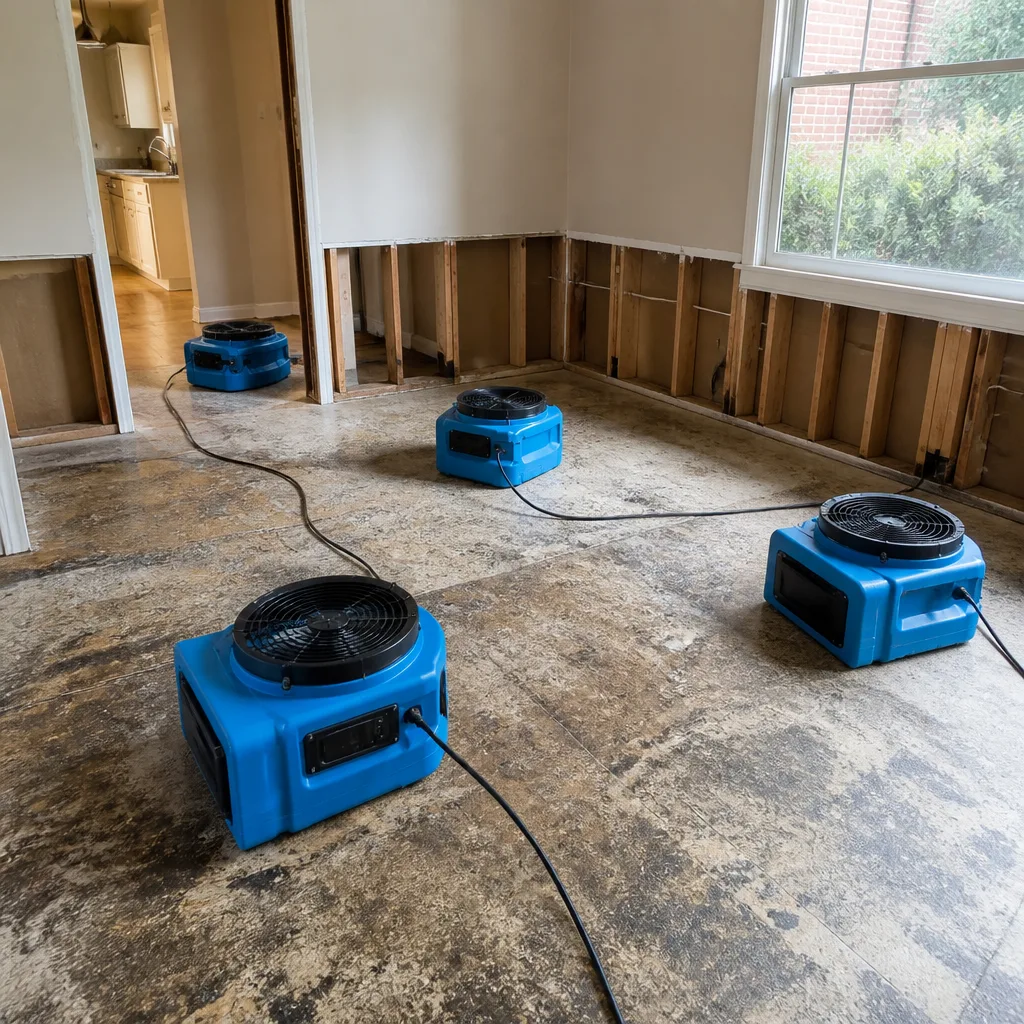


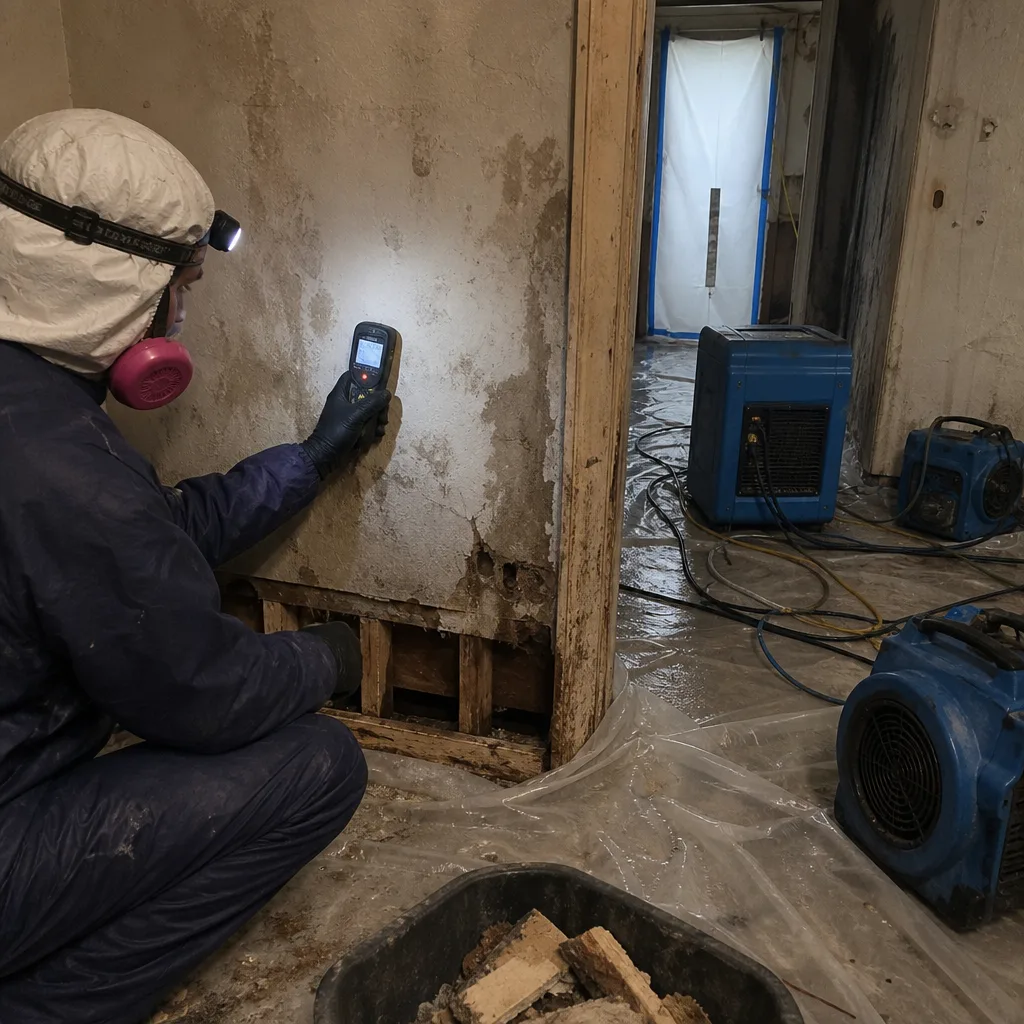 Before
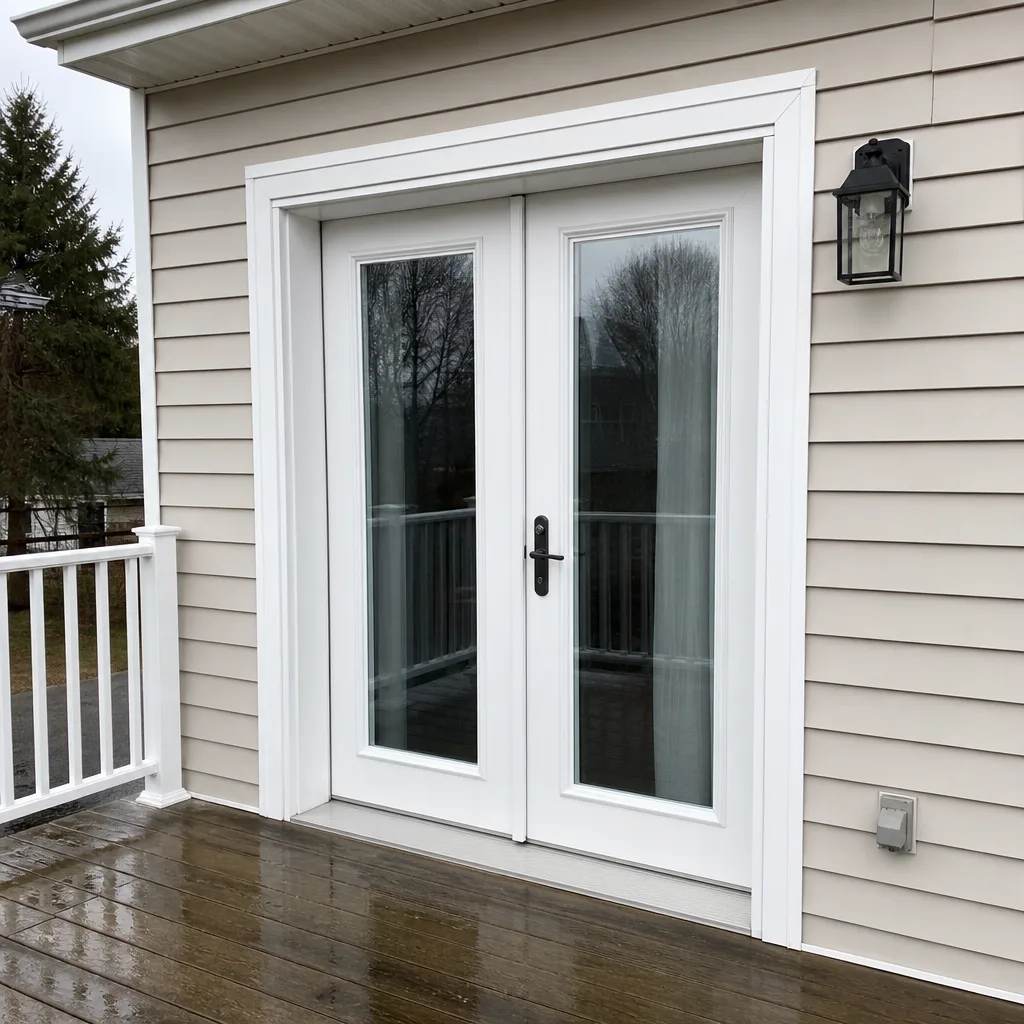 After
After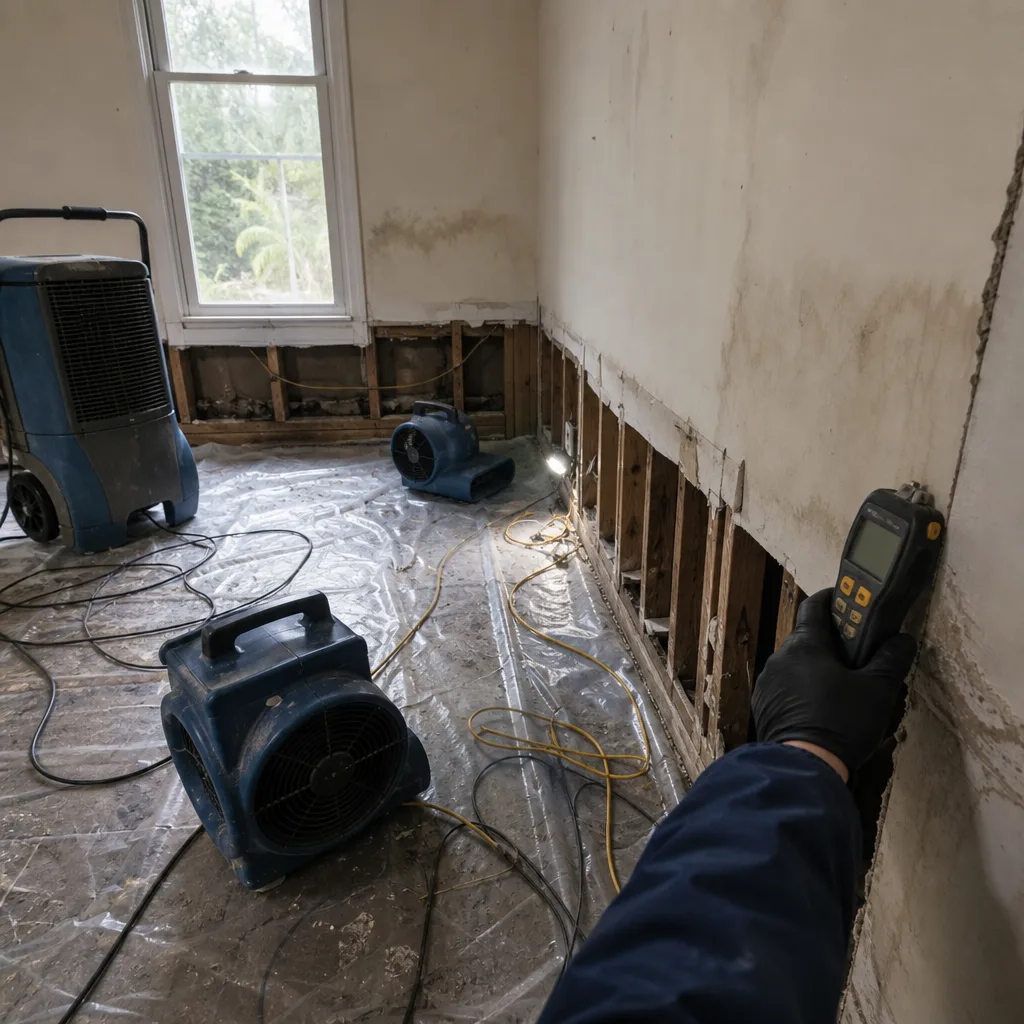 Before
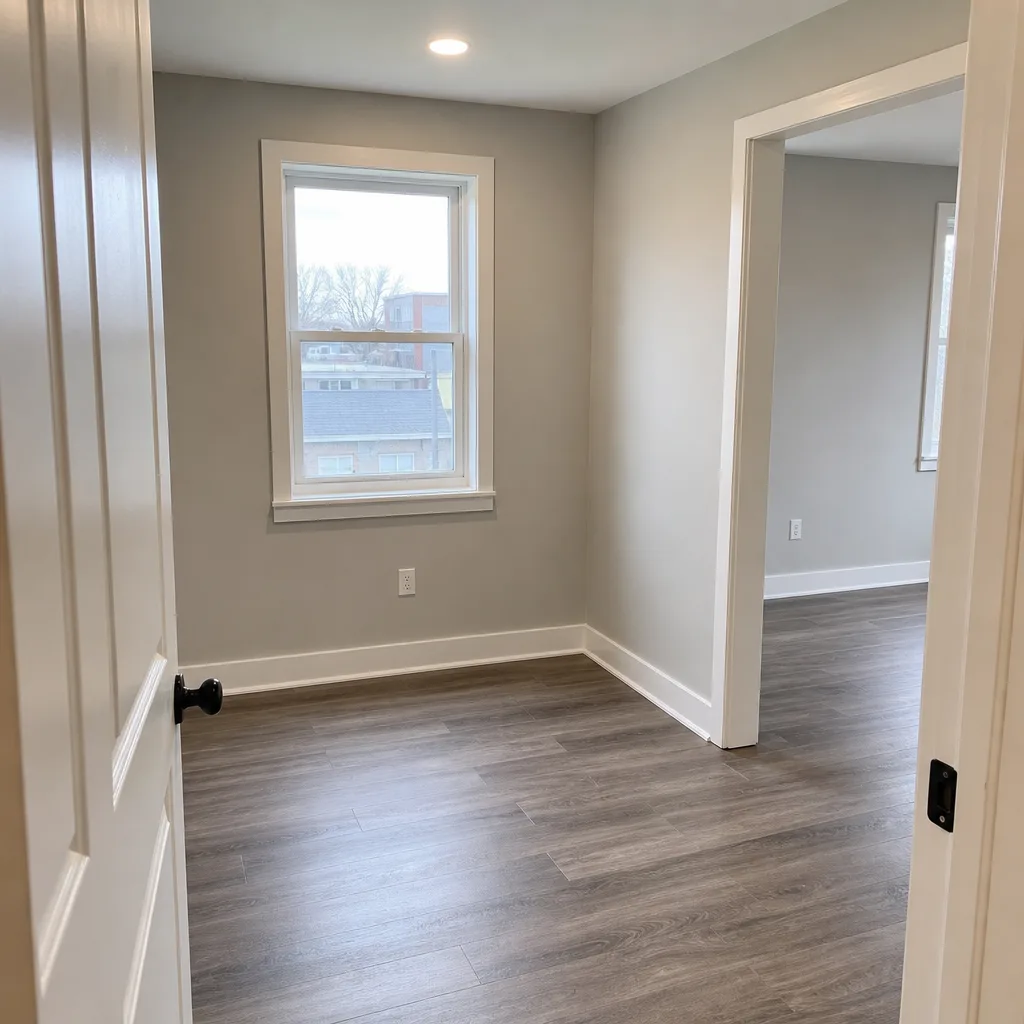 After
After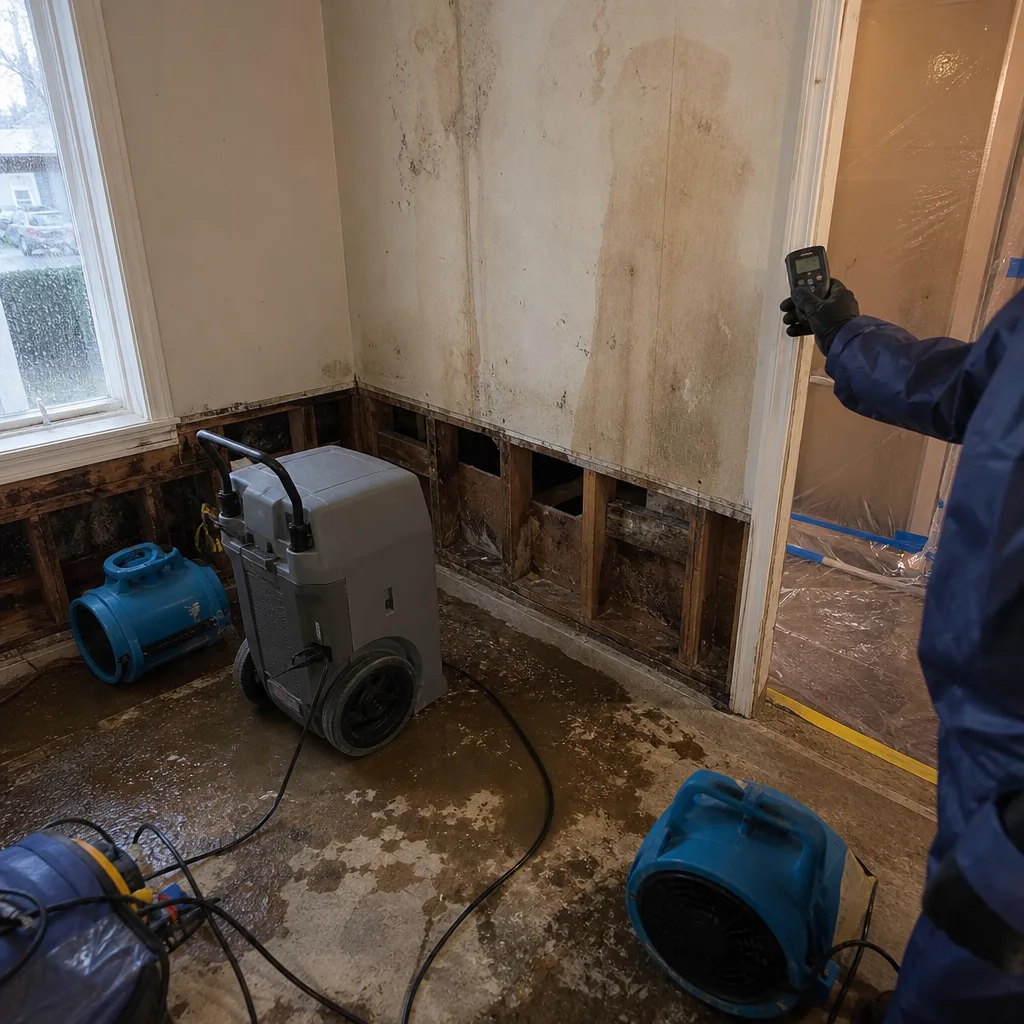 Before
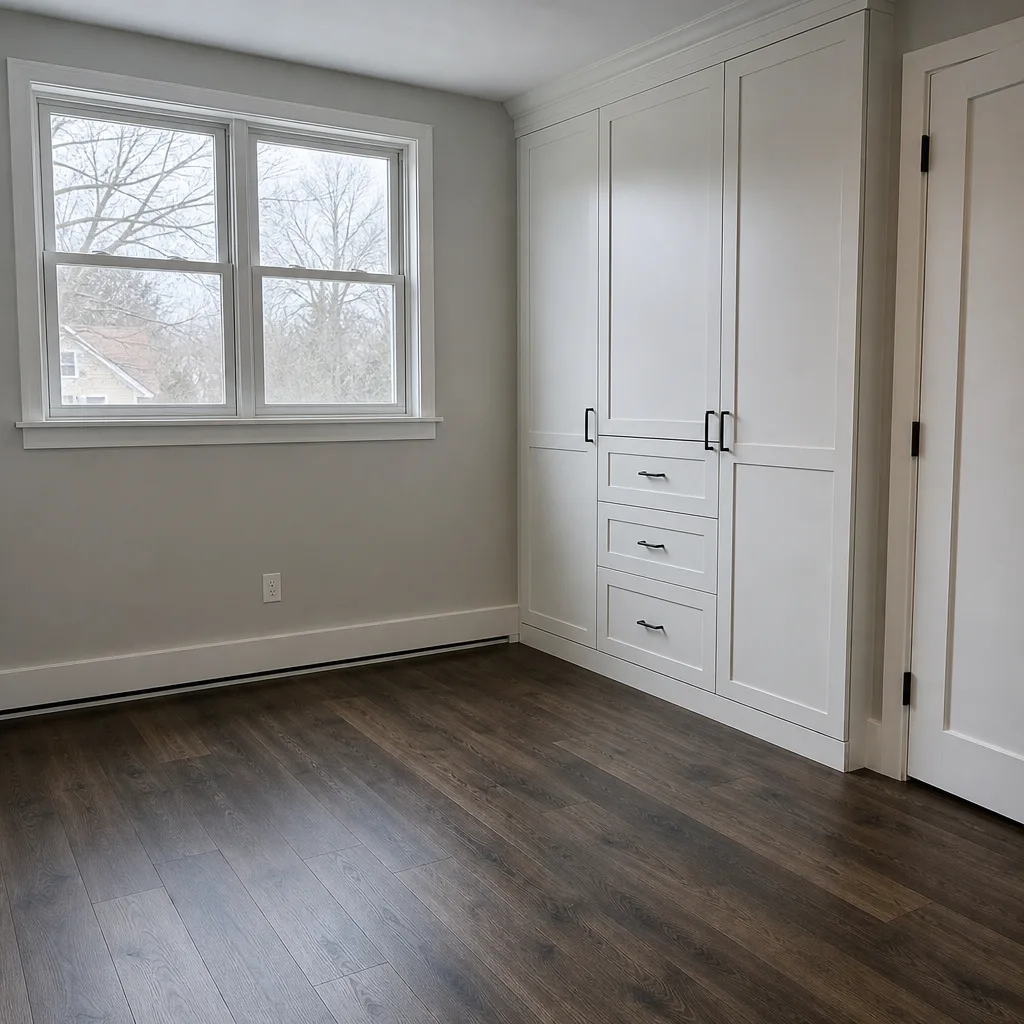 After
AfterWater Damage Restoration Maintenance Checklist for New Rochelle Homeowners
Most New Rochelle homeowners don’t lose their kitchen ceiling to a dramatic burst pipe. They lose it to the quarter-inch drip behind the dishwasher that ran for six months, or the grading outside the foundation that quietly pushed groundwater toward the sill plate every March. By the time the stain shows on the drywall, the damage has been underway for weeks. This guide is a maintenance checklist built for how New Rochelle houses actually fail - slowly, seasonally, and often below the sightline. You’ll learn what to check monthly, what to check each spring, which problems you can safely handle with a mop, and which ones need professional extraction and drying. We’ve spent over four decades watching water win against good houses in Westchester County, and almost every loss started with something a checklist could have caught.
Quick Answer
Water damage prevention in New Rochelle comes down to a seasonal inspection routine: check supply lines, appliance hoses, sump pumps, gutters, and grading every spring and fall, and inspect under sinks, around water heaters, and along basement walls every month. When water does intrude, the restoration benchmark is simple - hidden moisture must be found with professional meters, not guesswork, because drywall that feels dry on the surface can still be holding 20% moisture behind the paint. Call (845) 456-6568 for a free assessment if you see staining, warping, or smell must in a closed room.
Table of Contents
- The Monthly Exterior Walkthrough: Gutters, Grading, and Grade-Level Trouble
- The Seasonal Basement and Crawl Space Check
- Appliance Supply Lines: The Most Common Failure Point in New Rochelle Kitchens
- Sump Pump and Drainage: A New Rochelle Owner’s Guide
- Early Signs of Water Intrusion Most Homeowners Miss
- What to Do When You Find Water: A Step-by-Step Checklist
- Understanding the Drying Standard: Why Surface Dry Isn’t Dry
- Common Mistakes to Avoid
- When to Call a Professional
- Frequently Asked Questions
- The Bottom Line
The Monthly Exterior Walkthrough: Gutters, Grading, and Grade-Level Trouble
Most water damage in New Rochelle doesn’t start inside the house. It starts at the roofline and the foundation, where rain and snowmelt either move away from the structure or get invited in. Once a month, walk the perimeter of your house. We mean actually walk it - not from the driveway, but close enough to run your hand along the foundation wall. What you’re looking for is simple: water moving toward the house instead of away from it.
Gutters and downspouts are the first line of defense. New Rochelle gets between 45 and 50 inches of precipitation a year, and a single clogged downspout can dump thousands of gallons against your foundation over one rainy spring. Gutter problems to look for:
- Water spilling over the gutter edge during rain - that means clogs, not just poor slope
- Downspout extensions that end less than 4 feet from the foundation
- Sagging gutter sections that pool water
- Gutter seams that drip even after the rain stops
- Staining on the fascia board behind the gutter - a sign of overflow or ice damming
Grading is the silent killer. Over the course of 20 or 30 years, soil settles around New Rochelle foundations. Flower beds get built up. Pavers get added. Each change alters how water flows during a storm. The standard is simple: the ground should slope away from your foundation at roughly 6 inches of drop over the first 10 feet. If a hard rain leaves puddles within 3 feet of your foundation, you have a grading problem that no interior sump pump will fully solve. In the neighborhood of Wykagyl, we regularly see homes where decades of landscaping pushed grade toward the house, and the fix is usually a single weekend of regrading - far cheaper than foundation repair.
Check grade-level window wells too. In neighborhoods like Larchmont Woods and along the Sound shore, below-grade windows are common. Window wells that fill with leaves hold water against the window frame. A plastic cover that costs $30 can prevent a $3,000 window replacement and the wall damage that comes with it.
The Seasonal Basement and Crawl Space Check
New Rochelle basements are different from basements in drier parts of the country. The water table here is high, the soil is often clay-heavy, and the humidity runs year-round. If your basement has any history of dampness - and most homes built before 1960 in New Rochelle do - this check belongs on your calendar every March and every October.
Walk the full perimeter of the basement, looking at the joint where the floor meets the wall. This cove joint is where hydrostatic pressure pushes groundwater up and in. In the winter and early spring, look for white chalky deposits on the concrete - that’s efflorescence, and it means water is moving through the masonry even if you never see standing water. Efflorescence is the mineral fingerprint that water leaves behind.
Check these specific points:
- The cove joint around the entire perimeter
- Around the base of support columns
- Around floor drains - are they clear, or are they holding water?
- Under the stairs and in storage corners that are rarely visited
- The underside of the first-floor joists for any dark staining
Crawl spaces matter in the older housing stock along North Avenue and down toward the water. In a crawl space, you’re looking for condensation on the floor joists, which usually means the vapor barrier on the dirt floor is torn or missing. A crawl space that smells like dirt after rain is a crawl space that’s putting moisture into the structure above it.
One New Rochelle-specific point: if you live within a mile of the Sound, salt air accelerates corrosion on sump pump components, dehumidifier coils, and any exposed metal in the basement. Salt in the air plus humidity means the lifespan of a sump pump near the water can be half of what it is inland. Plan on replacing sump pumps every 5 years at most near the shore, versus 7 to 8 years in the north end of the city.
Appliance Supply Lines: The Most Common Failure Point in New Rochelle Kitchens
Ask any restoration crew in Westchester County what causes the most kitchen water damage, and the answer isn’t dramatic. It’s a rubber supply line behind a washing machine or a plastic compression fitting under a sink that’s been slowly leaking for months. These are the failures that happen while you’re home, while you’re asleep, and they run until someone notices the baseboard swelling or the floor cupping.
Here’s a simple rule: if you can’t remember when a supply line was replaced, it’s time to replace it. Rubber washer hoses have a useful life of about 5 years. Braided stainless steel lines last longer - 10 years or more - but they fail too, usually at the fitting where the rubber meets the metal collar. The failure is rarely a burst. It’s a slow drip that follows the hose down, wets the floor behind the appliance, and wicks into the drywall and subfloor.
Appliance and fixture checklist:
- Turn off the water to the washing machine and visually inspect both hoses for bulging, cracking, or rust at the fittings. If you see any, replace them with braided stainless steel. It’s a $25 fix.
- Open the cabinet under every sink in the house. Run your hand along the bottom of the cabinet and the back wall. Look for swelling, staining, or a musty smell that’s stronger when you first open the door.
- Check the water heater. Look at the top fittings, the temperature-pressure relief valve, and the floor around the tank. A water heater in New Rochelle typically lasts 10 to 12 years. After year 8, it’s on borrowed time.
- Look behind the refrigerator for the ice maker line. Plastic icemaker lines are notorious for pinhole leaks that go undetected because they’re hidden behind the fridge.
- Run the dishwasher through a cycle and check for drips at the door seal and the connection under the sink. Check the kickplate at the bottom - if it’s swollen or warped, the dishwasher has leaked at some point.
One thing we tell every homeowner: the water damage from a supply line failure is usually covered by homeowners insurance, but only if the damage is reported promptly. Slow leaks that have been running for months can lead to a coverage dispute because the insurer will argue the damage was “long-term seepage” rather than a sudden event. The restoration cost is the same either way, so your maintenance routine matters for both the house and the claim.
Sump Pump and Drainage: A New Rochelle Owner’s Guide
In neighborhoods where basements sit below the water table for part of the year - and there are plenty of them in New Rochelle - the sump pump is the only thing standing between your finished basement and a recurring flood. This is true in the Beechmont area and the lower-lying streets near the Hutchinson River. If your house has a sump pit, you need to test it every season, not just when a storm is coming.
Testing your sump pump:
- Lift the float switch manually. The pump should turn on immediately. If there’s a delay, the switch is sticking.
- Pour a 5-gallon bucket of water slowly into the pit. The pump should cycle on, remove the water, and shut off cleanly.
- Listen for the check valve. You should hear a thump when the pump shuts off - that’s the valve closing so water doesn’t rush back into the pit.
- Check the discharge pipe outside. Make sure it’s extended at least 4 feet from the foundation and that it’s not buried, frozen, or clogged with leaves.
- If you have a battery backup, test it by unplugging the main pump and running the backup. Most battery backups run 6 to 8 hours under load - enough for most New Rochelle storms, but only if the battery is less than 3 years old.
A note for homes along the Sound side of New Rochelle: storm surge and king tides don’t just threaten the shoreline streets. They push the groundwater table up, and sump pumps that normally cycle twice a day start cycling every 20 minutes. If your pump is running constantly during a storm, that’s not necessarily a pump problem - it’s a water table problem, and the pump is doing its job. Let it run. Kill the power to the basement only if the water is approaching electrical outlets, and if that happens, call a professional before you go down there.
Backup power matters here. A portable generator can run your sump pump during a long outage, but it has to be set up before the storm. The homeowners who call us after a flood almost always say the same thing: “The pump was working before the power went out.”
Early Signs of Water Intrusion Most Homeowners Miss
Water announces itself in ways that don’t look like water. Here are the early indicators we see again and again on Floodline Restoration Co. home service calls in New Rochelle - signs that a problem has been developing for weeks or months before the owner noticed:
- Baseboards that pull away from the wall: Water wicks up drywall and reaches the baseboard, where the adhesive fails. If a baseboard is gapping at the top, water has been in that wall.
- Doors that stick seasonally: Wood swells with moisture. A door that sticks only in spring or after rain is telling you the surrounding framing is absorbing water.
- Paint that bubbles or flakes at the bottom of walls: This is efflorescence pushing through the paint from behind, not a paint failure.
- A musty smell that gets worse in one room: Mold emits volatile organic compounds you can smell long before you see growth. In a closed room, that smell is almost always moisture-related.
- Rust on the bottom of appliances or metal legs in the basement: Rust in a basement means the ambient humidity has been high enough to condense on cool metal. That level of humidity is feeding microbial growth somewhere.
- White crust on basement walls: Efflorescence, as mentioned, is water moving through masonry and leaving mineral deposits. It’s not just cosmetic - it means water is actively traveling through the wall.
- Vinyl or wood flooring that cups or crowns: Cupping happens when the underside of a floorboard absorbs moisture. By the time you see the cupping, the subfloor underneath has been wet for a while.
We’ve walked into New Rochelle homes where an owner called us for a “funny smell” in the spare bedroom and we found 40% moisture content in the drywall behind a closet, fed by a pinhole leak in a copper pipe that had been weeping for a year. Moisture meters don’t lie. Your nose might be telling you something too - trust it.
What to Do When You Find Water: A Step-by-Step Checklist
Finding water in your house is a moment where the next 30 minutes matter more than the next 3 days. Here’s the sequence we recommend to every New Rochelle homeowner, in the order it should be done:
- Stop the water at the source. Shut off the fixture valve if it’s an appliance or sink. If you don’t know where the leak is coming from, shut off the main water valve. Every homeowner should know where that is - usually at the street or in the basement at the front of the house.
- Kill the power if water is near outlets. If water is approaching or touching any electrical outlet, switch, or appliance, cut the power to that area at the breaker panel. Do not stand in water to reach the panel.
- Move what you can. Lift furniture, rugs, and stored boxes out of the water. Don’t spend 20 minutes doing this - spend 5. The extraction crew will handle the rest.
- Document the damage. Take photos of the standing water, the affected walls, the furniture, and anything you moved. These photos are your insurance file. We photograph every job we do for the same reason - the carrier needs a record.
- Call your insurance company or have your restoration company call them. At Floodline Restoration Co., we bill the carrier directly, so you’re not fronting the cash and waiting on a check. But you should still report the claim promptly.
- Call a restoration company that can start extraction the same visit. Standing water wicks upward into drywall within hours. By 48 hours, mold spores that are always present in the air start colonizing wet surfaces. The faster water comes out, the less invasive the restoration.
The critical number to remember: 48 hours. That’s the window before microbial growth becomes established enough to require more aggressive remediation. It’s not a scare tactic - it’s the standard taught in IICRC water restoration certification classes, and it’s the timeline that governs how much of your wall and flooring can be saved versus replaced.
Understanding the Drying Standard: Why Surface Dry Isn’t Dry
This is the part of water damage restoration where most New Rochelle homeowners - and honestly, a lot of contractors - go wrong. Drywall and wood feel dry to the touch long before they’re actually dry. The surface can be at 8% moisture content while the material 2 inches in is at 28%. That hidden moisture is exactly where mold grows, where paint fails in six months, and where the musty smell comes back after you thought the problem was solved.
The professional standard is called the dry standard: the moisture content that the affected material should return to based on the ambient conditions in the unaffected parts of the house. In New Rochelle, with our year-round humidity, that’s usually somewhere between 8% and 12% for wood, and below 1 on the moisture scale for concrete. The only way to measure it is with moisture meters and thermal imaging cameras that read below the surface.
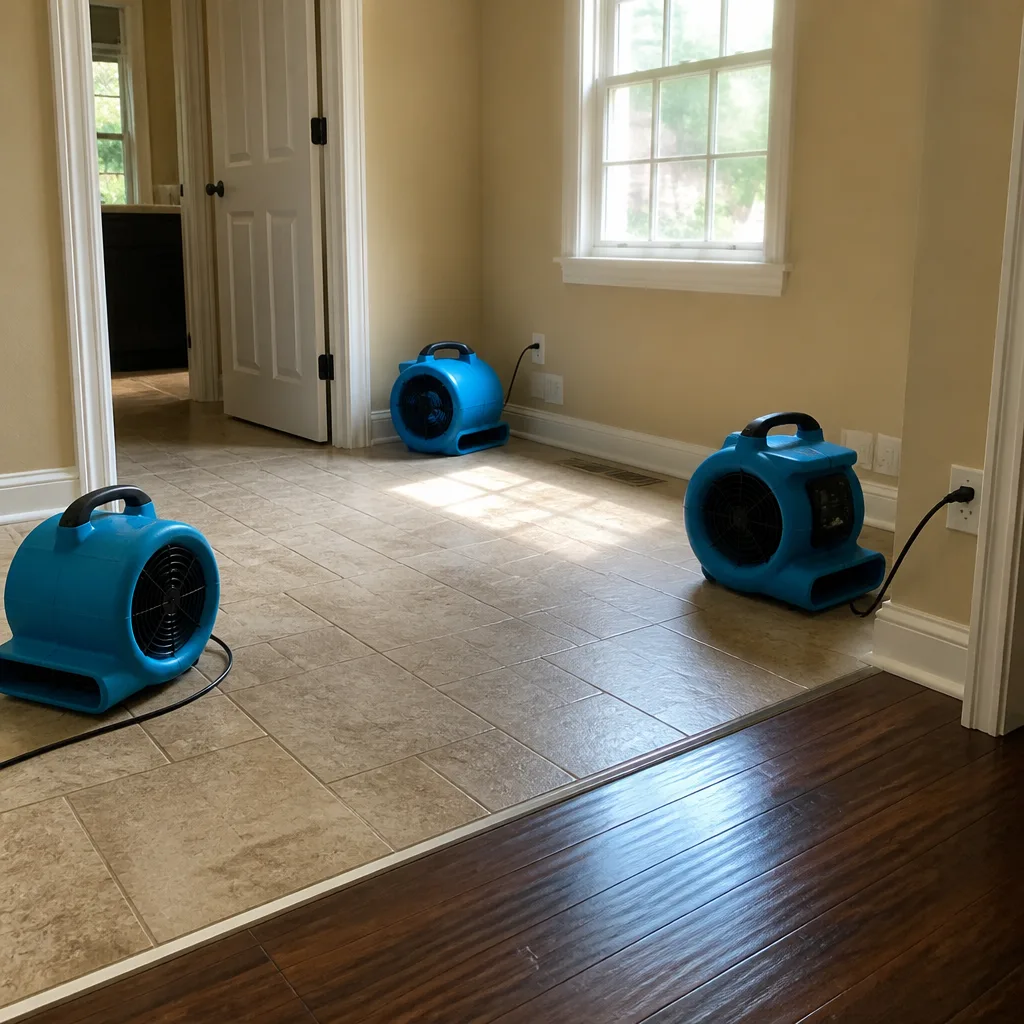
We use moisture-mapped drying on every job: technicians take readings across every affected surface on day one, set up professional-grade drying equipment - Dri-Eaz dehumidifiers, Phoenix air movers, XPOWER blowers, B-Air units, and Injectidry systems for wall cavities and under cabinetry - and log readings daily until every material meets the dry standard. You get that moisture log. Your insurance carrier gets it too. The 90-Day Done Right Promise means that if the area isn’t properly dried and rebuilt, we come back and make it right. No arguing. In writing.
Why this matters for the maintenance-minded homeowner: if you ever have water damage and the restoration company doesn’t use moisture meters, doesn’t leave equipment running for several days, and doesn’t provide a drying log, you’re not getting professional restoration. You’re getting a mop and a fan. The difference shows up months later.
Common Mistakes to Avoid
- Relying on a shop vac for a significant water event. A shop vac removes surface water. It doesn’t touch the water that’s already wicked into the drywall, under the baseboards, and into the subfloor. That water requires commercial extraction and professional drying.
- Assuming a leak is new because you just noticed it. Staining on a ceiling often means the water has been working its way through the structure for days. The stain is the last thing to show up. Don’t assume the problem started when you saw it.
- Closing up the walls too fast. We see New Rochelle homeowners and contractors patch drywall over damp studs because the surface felt dry. Six months later, the mold bloom arrives behind the paint. Drying must be confirmed with meters before any rebuild happens.
- Ignoring a small drip because it’s “just a drip.” A drip that loses one cup of water a day will put 5 gallons into your wall over three months - and that water is traveling horizontally through the wall cavity the whole time, not just sitting under the drip.
- Not testing the sump pump until the storm is forecast. If your sump pump fails the day before a noreaster, you have no time to replace it. Test it seasonally, not reactively.
- Using bleach as a mold remedy. Bleach doesn’t penetrate porous materials like drywall and wood. It kills surface mold but not the roots in the material, and the water in the bleach feeds the growth below. Proper mold remediation is mechanical removal combined with drying, not surface chemical treatment.
- Not knowing where your main water shutoff is. Every minute a pipe is spraying water into your house is a minute of damage. If you have to search for the shutoff valve while the water runs, you’ve already lost the fight. Find it today. Put a tag on it.
When to Call a Professional
Here’s the short version: if the water is more than what a couple of bath towels will handle, or if it touched drywall, flooring, or the bottom of walls, call a professional. The water you can see is less than half of the water that’s there. In New Rochelle, where basements are common and the water table runs high, a “damp basement” is almost never just damp - it’s a moisture condition that will feed mold and degrade the structure over time.
Call a professional when: water has touched drywall or insulation, when you smell must in a closed room, when the sump pump has run constantly for more than a day, when you see staining on the ceiling below a bathroom or kitchen, or when the water event involved sewage or a toilet overflow. Floodline Restoration Co. offers free estimates in New Rochelle - call (845) 456-6568 and a real person will answer, day or night.
Frequently Asked Questions
You should do a monthly walkthrough of the basement, under sinks, and around the water heater, and a more thorough seasonal inspection each spring and fall. New Rochelle’s wet springs and humid summers mean problems that start in March can become structural issues by August if no one is looking.
Most homeowners policies cover sudden and accidental water damage from burst pipes, appliance failures, and storm intrusions. They typically do not cover long-term seepage, groundwater flooding, or sewer backup unless you have a specific rider. We photograph every job and bill your carrier directly, so the claim process is documented from the first visit.
Within 24 to 48 hours. After 48 hours, mold begins colonizing wet materials, and the restoration becomes more invasive and more expensive. That’s why Floodline Restoration Co. dispatches a certified crew the same visit and gets extraction running immediately.
A household dehumidifier helps with ambient moisture, but it can’t pull water out of drywall cavities, under flooring, or inside wall voids. Professional drying equipment moves air at thousands of cubic feet per minute and pulls moisture down to the dry standard - a standard that’s verified with daily moisture readings, not guesses.
It’s our written guarantee, the Keystone Standard: if the restoration work we do isn’t done right, we come back and make it right within 90 days. No paperwork battles, no arguing. It’s backed by the same crew that did the original work, not a subcontractor you’ve never met.
Yes. We bill the carrier directly for covered losses, document every phase of the job with photos and moisture logs, and communicate with your adjuster so you don’t have to play messenger. For a free estimate and a live person on the phone, call (845) 456-6568 anytime.
The Bottom Line
Water damage in New Rochelle is predictable if you know what to look for, and the difference between a $500 fix and a $50,000 restoration usually comes down to the month someone noticed the problem. Do the monthly checks. Test the sump pump every season. Replace supply lines before they leak. And when water does get in, don’t guess about the drying - demand moisture readings, professional equipment, and a written guarantee. We’ve been doing this work in New Rochelle since 2010, and the homes that stay dry are the ones where someone paid attention before the water showed up. Call (845) 456-6568 for a free estimate, or just to ask a question about something you’re seeing in your own basement. A live person answers, any hour, any day.
Written by Curt Bowman, Owner at Floodline Restoration Co., serving New Rochelle since 2010.