
Last updated August 25, 2026
Free visual inspection and a written scope of work before any mitigation begins - photos, moisture readings, and drying logs go in your claim file
The scope we write is the scope we bill. Anything new gets shown to you, in writing, before we touch it.
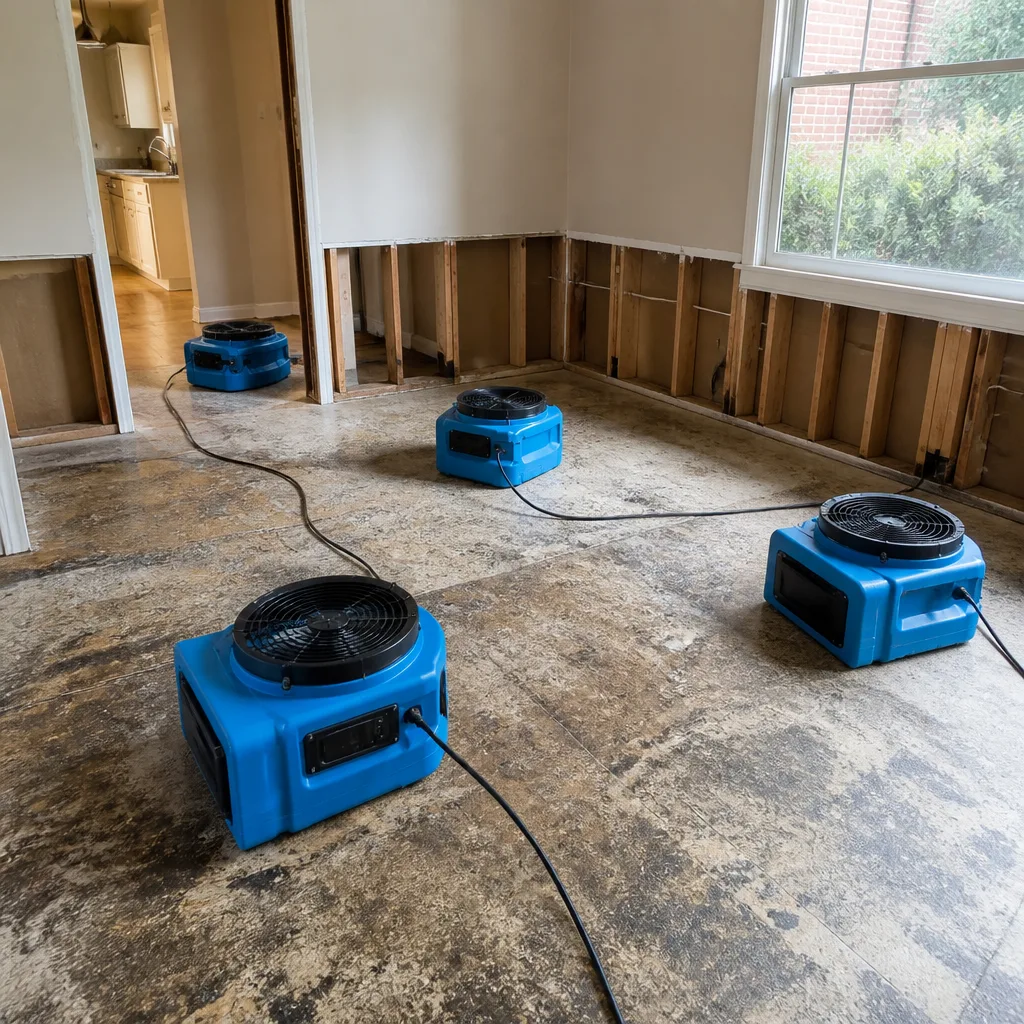
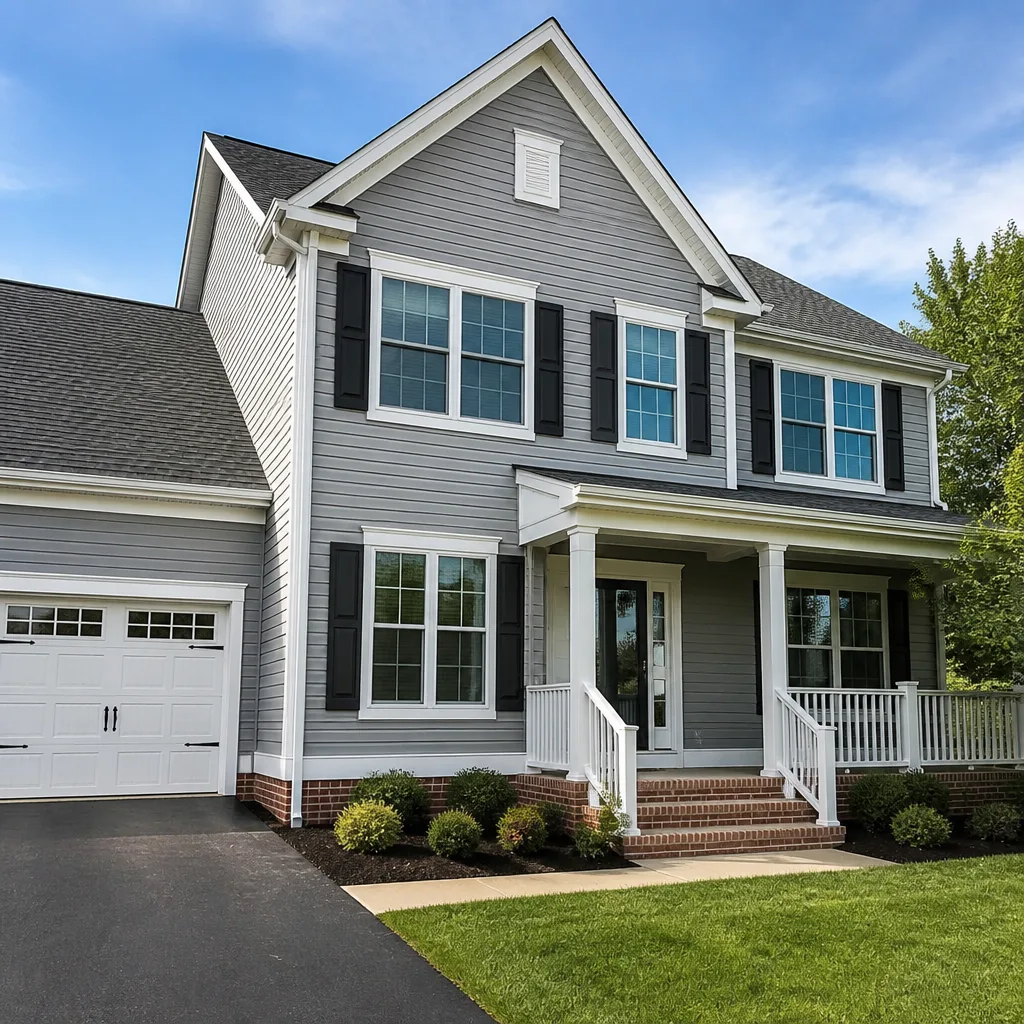
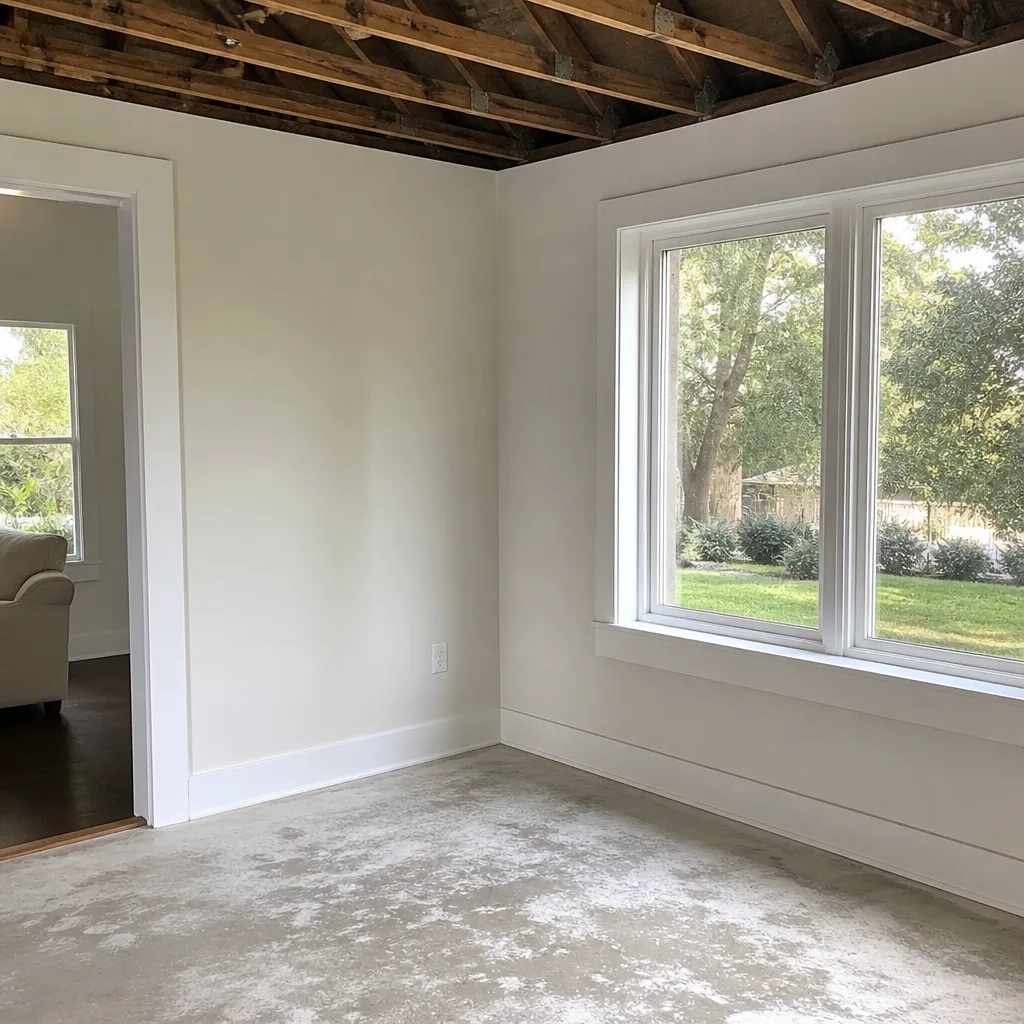
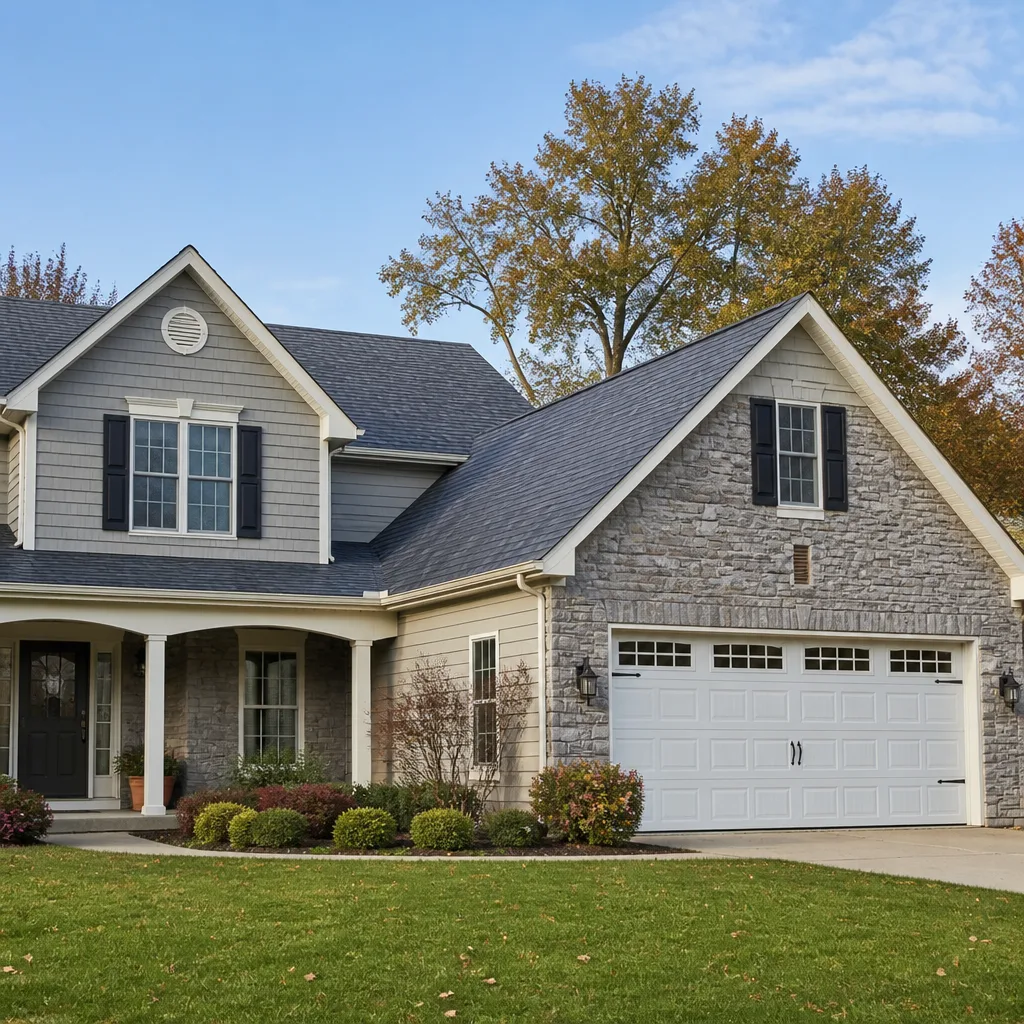
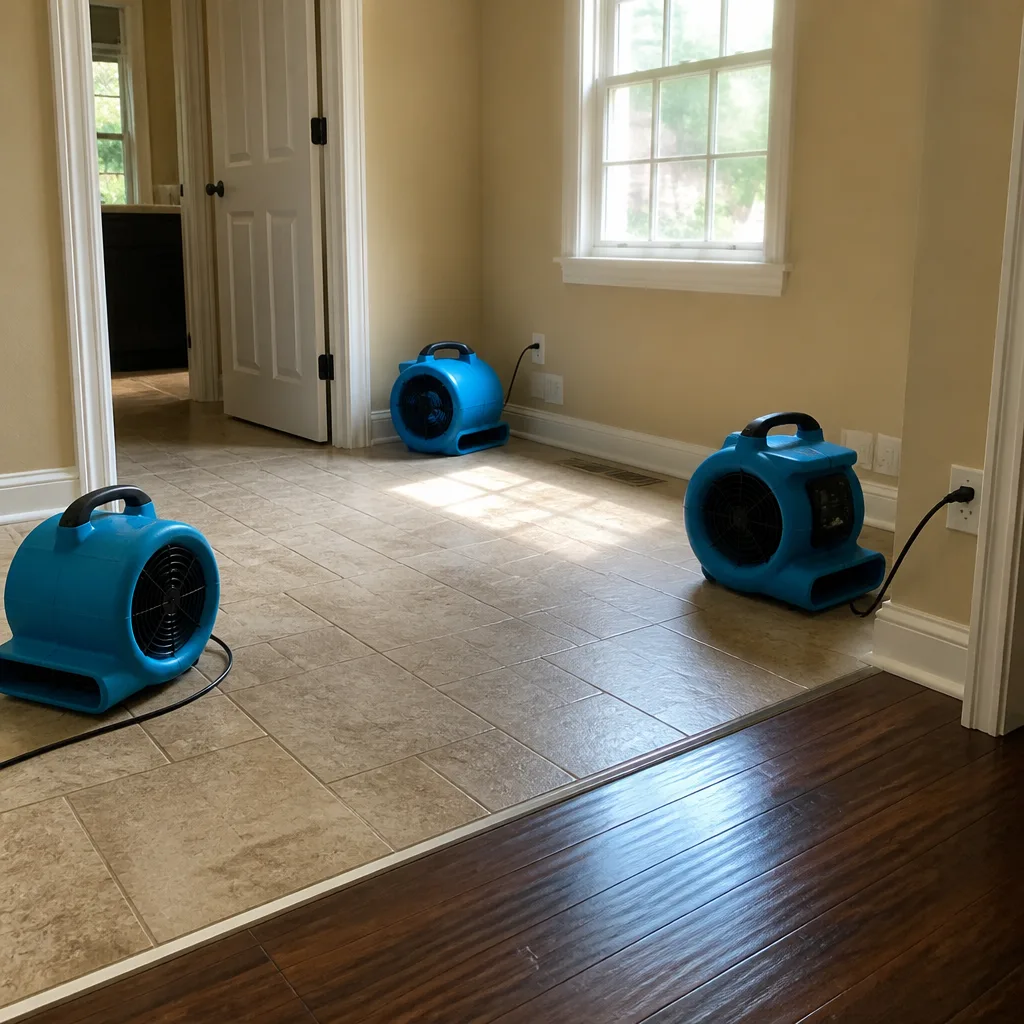
 Before
 After
After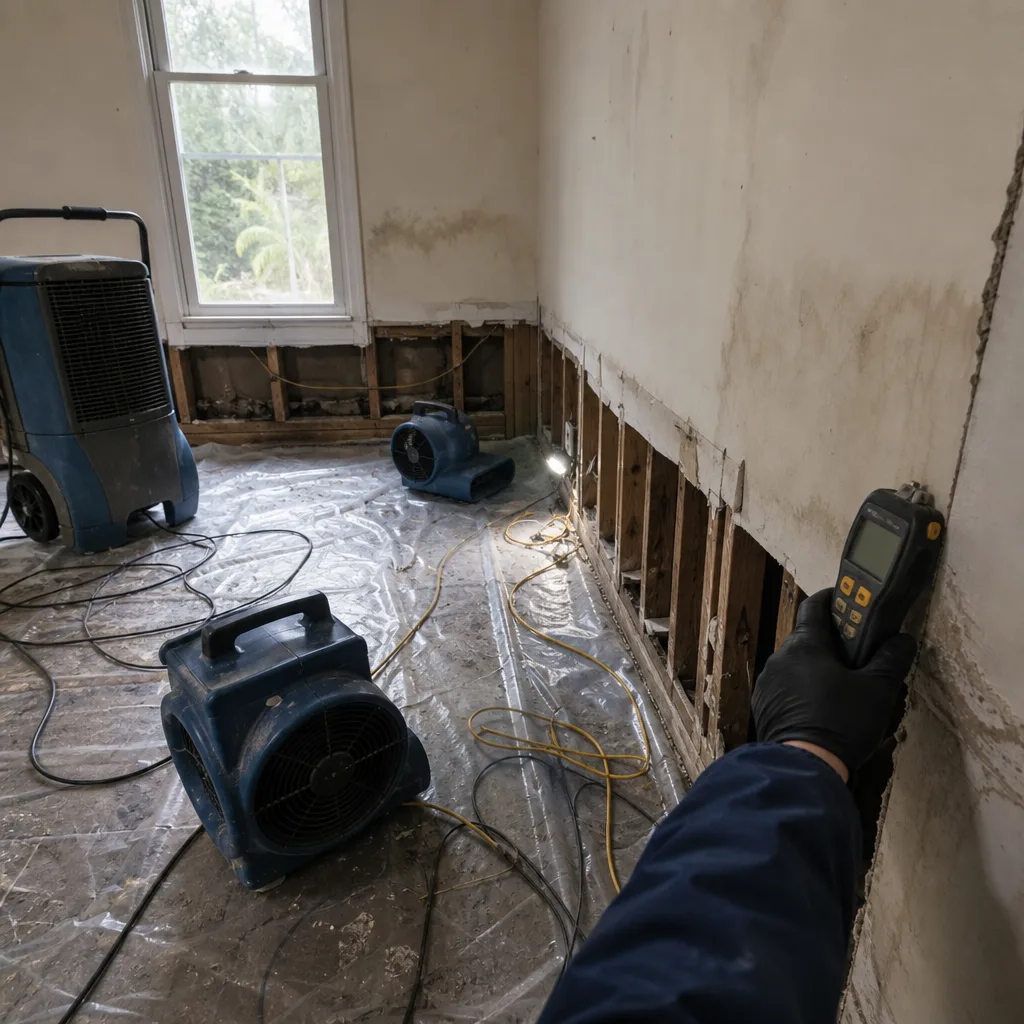 Before
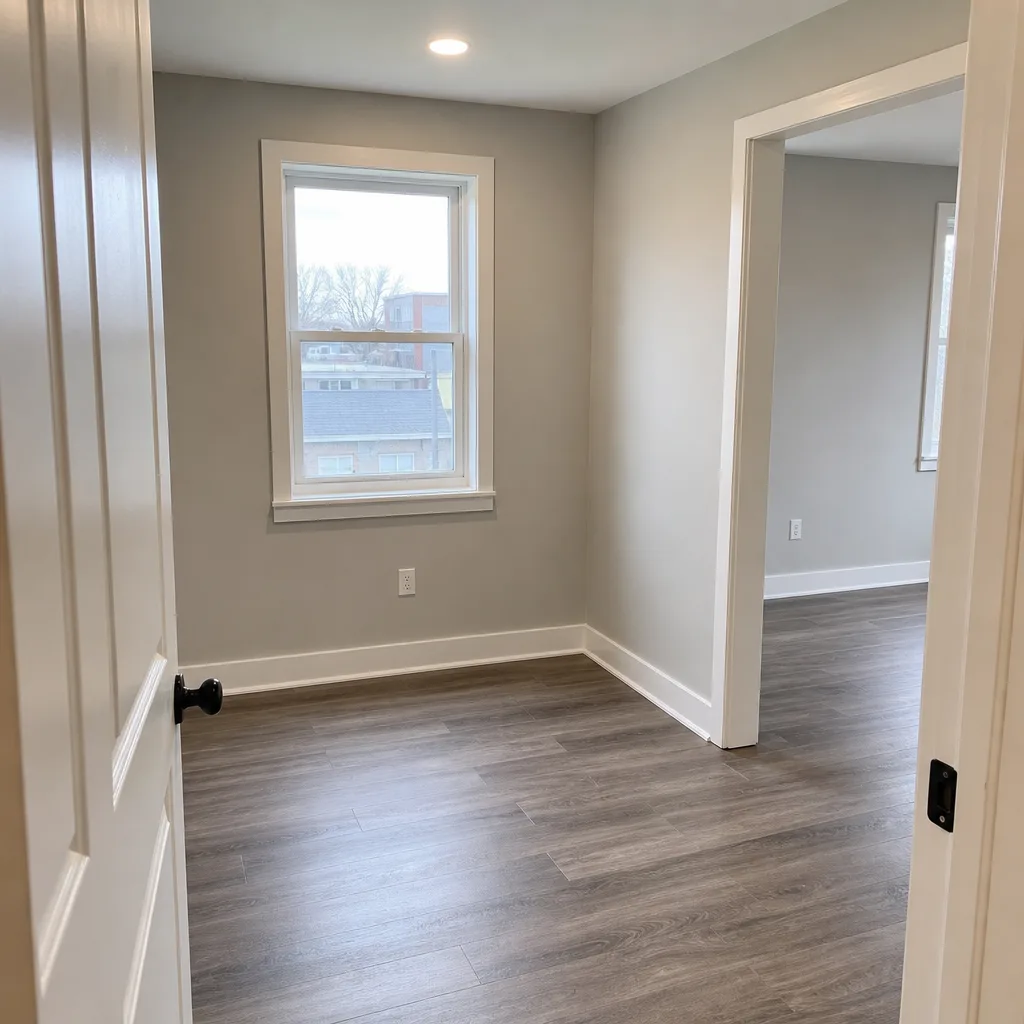 After
After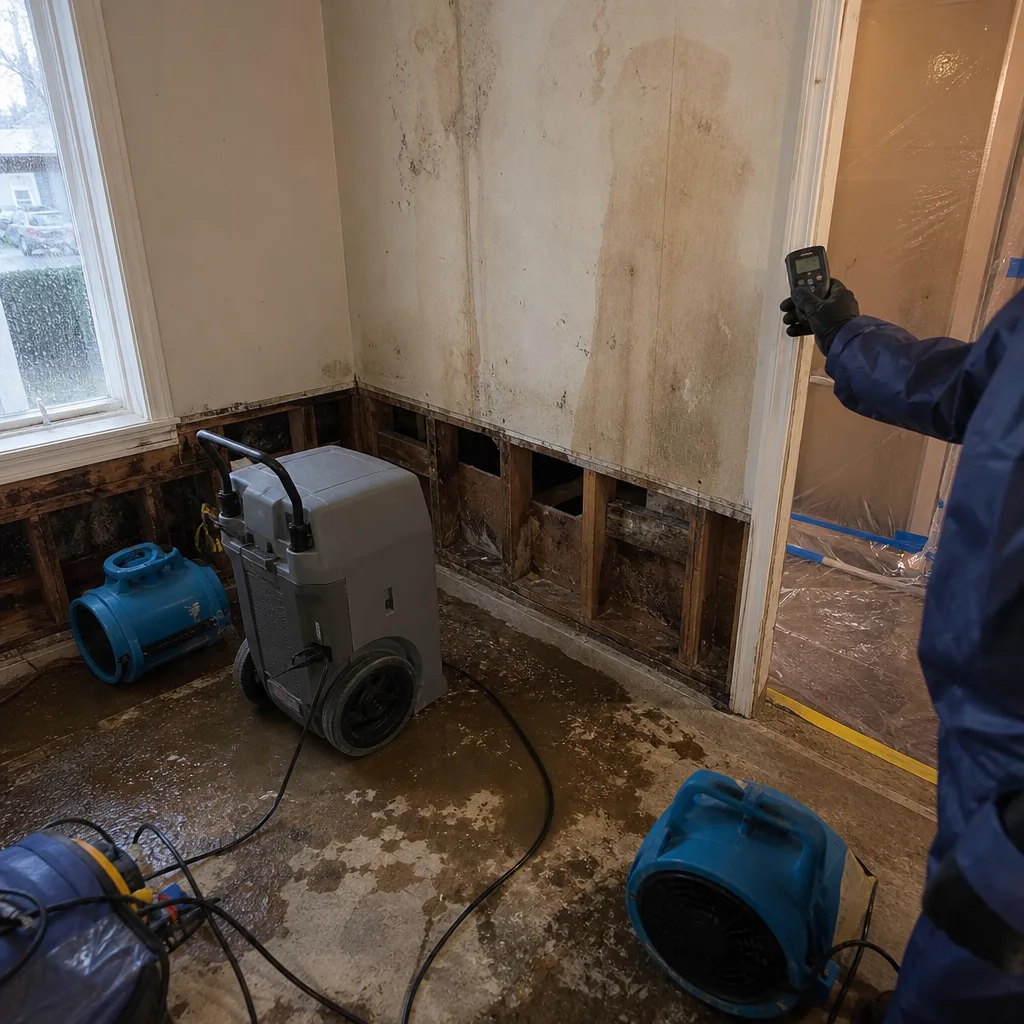 Before
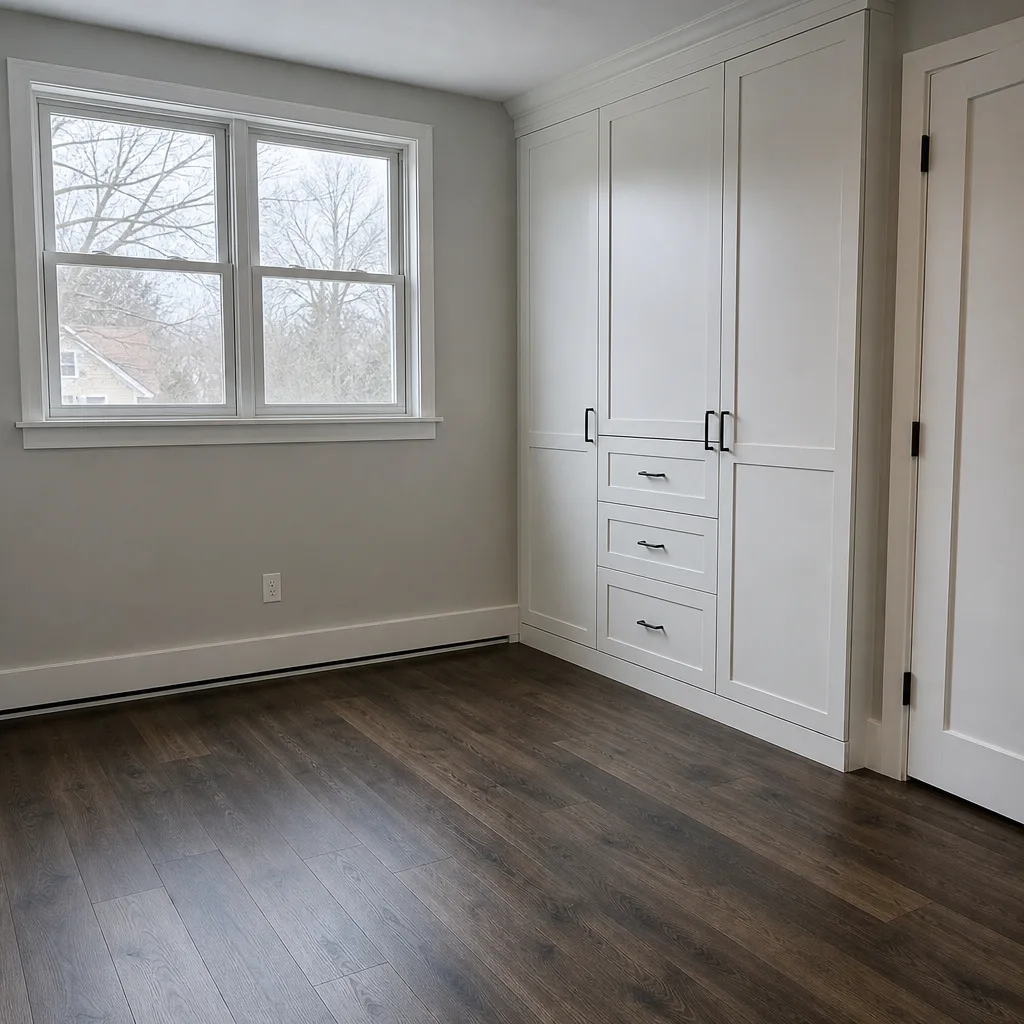 After
AfterThe Complete Guide to Damage Restoration in New Rochelle
Most homeowners in New Rochelle discover they have a restoration problem on the worst possible day: a Tuesday afternoon when a water heater lets go, or a Sunday morning after a nor’easter pushed the Sound into a finished basement on Davenport Neck. Here’s the counterintuitive truth we’ve learned in over a decade of local work: the first 48 hours decide whether you’re dealing with a $3,000 dry-out or a $30,000 rebuild. This guide walks through every major category of damage restoration in New Rochelle, what each one actually costs in our market, how insurance fits in, and the honest timeline from first call to final inspection. You’ll finish knowing exactly what questions to ask and which ones signal you’re talking to the right company.
Quick Answer
Damage restoration in New Rochelle covers water, fire, mold, storm, and sewage events, and typically costs between $2,500 and $12,000 depending on scope, with water extraction starting around $1,200 and full rebuilds running higher. The work should be handled by an IICRC-certified contractor who maintains a daily moisture log, coordinates directly with your insurance carrier, and stands behind the job in writing. Speed matters most in the first 24 to 48 hours: prompt extraction and drying prevent secondary damage that compounds the final bill.
Table of Contents
- Water Damage Restoration in New Rochelle
- Mold Remediation: What New Rochelle Humidity Does
- Fire and Smoke Damage Restoration
- Storm and Disaster Restoration
- Sewage Cleanup and Contamination
- How Insurance Works on Restoration Claims
- What Restoration Costs in New Rochelle
- The Restoration Process: Step by Step
Water Damage Restoration in New Rochelle
Water damage is the most common restoration call we handle in New Rochelle, and the causes break down into a predictable local pattern. Burst supply lines and failed water heaters lead the list in winter, followed by appliance failures year-round. In the neighborhoods around Beechmont and Wykagyl, we see a steady run of slow plumbing leaks behind walls that homeowners only notice when baseboards start to warp or a musty smell settles in. On the waterfront side of town, from Premium Point to Davenport Neck, coastal flooding during major storms brings salt water into basements, which is more corrosive than fresh water and demands a faster extraction timeline.
Here’s the sequence that matters: when water sits, it migrates. Within hours it wicks up drywall, under base plates, and into subflooring. Within days, it supports mold growth. Within a week, studs can begin to rot. That’s why the honest measure of any water damage response is not when someone picks up the phone but when the extraction equipment starts running. We run Dri-Eaz and XPOWER extraction units, and our dispatch board is built so a live person answers at any hour. The water damage jobs that stay small are the ones where a certified crew with Injectidry drying mats starts pulling moisture the same visit.
Water damage restoration has two distinct phases: mitigation and rebuild. Mitigation means stopping the source, extracting standing water, setting drying equipment, and taking daily moisture readings until structural materials hit the dry standard. Rebuild means replacing drywall, flooring, trim, and anything that cannot be dried. A company that does both under one roof is the difference between a single accountable name and a homeowner playing messenger between a mitigation crew and a separate remodeler.
Mold Remediation: What New Rochelle Humidity Does
New Rochelle sits in a humidity band where indoor mold has a real advantage. Summers here average relative humidity in the 60 to 70 percent range, and any small water event that isn’t completely dried becomes a mold problem in under a week. We regularly see this in older homes on the north end of the city, where foundations built before modern damp-proofing allow seasonal moisture into basement walls. In our experience, the most common trigger is not a dramatic flood: it’s a pinhole plumbing leak behind a bathroom vanity that ran unnoticed for months.
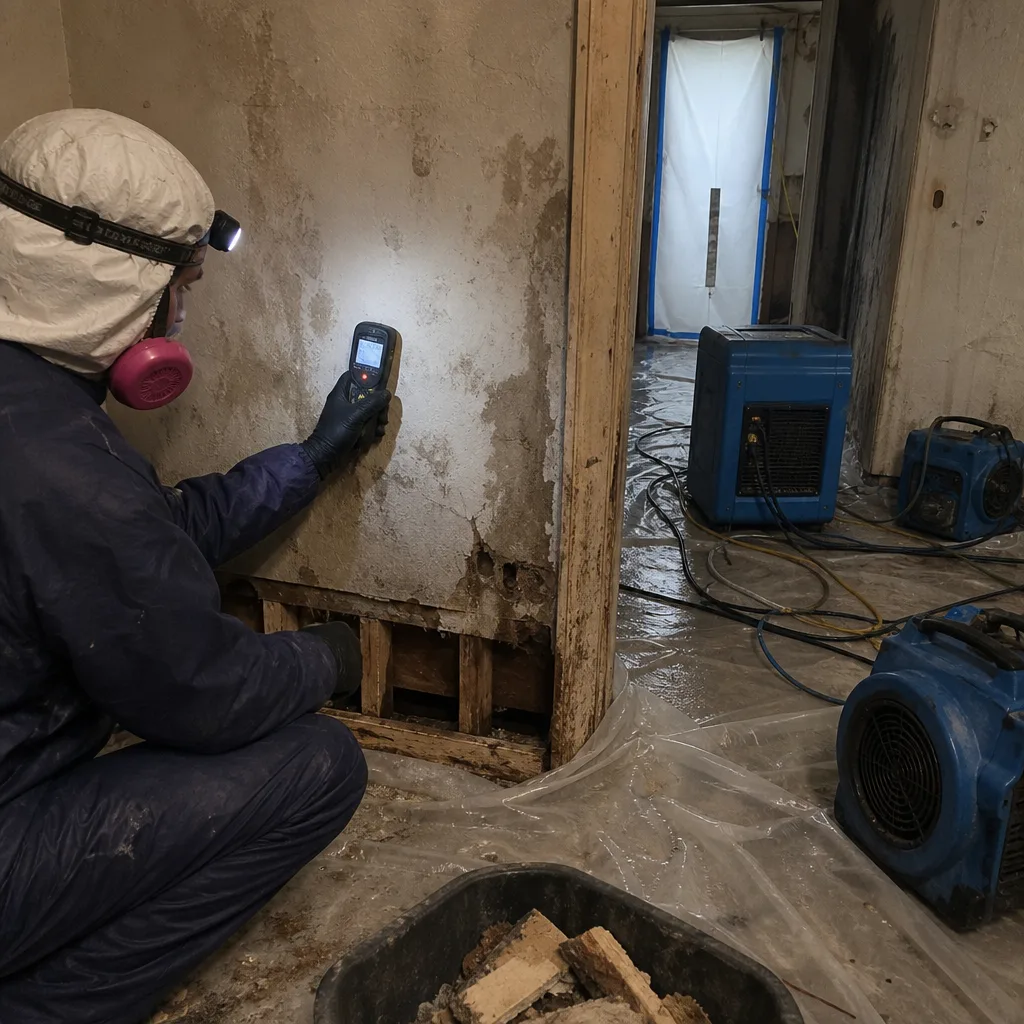
Mold remediation is a controlled process, not a cleaning. The work must be contained so spores don’t spread to unaffected parts of the house. That means negative air pressure, HEPA filtration, and sealed work zones. Porous materials like drywall and carpet pad that show visible mold growth are typically removed and replaced, while non-porous surfaces are treated with antimicrobial agents. The critical rule: you never remediate mold without fixing the moisture source first. Drying and source correction are the job. Killing surface mold on a still-wet wall is cosmetic.
Air quality testing can be part of the process, but a visual and moisture assessment by a trained IICRC-certified technician is the standard starting point. Homeowners should be wary of any company that skips containment or claims one visit solves a widespread mold condition. A written scope of work, agreed before remediation begins, protects you from the overselling problem this trade is known for.
Fire and Smoke Damage Restoration
Fire damage in New Rochelle ranges from full structure fires to contained kitchen events and electrical fires in older knob-and-tube wiring systems still present in many pre-1940 homes. The restoration work breaks into categories that are not always obvious to a homeowner standing in the aftermath. First is board-up and structural stabilization. Second is smoke and soot removal from every surface: walls, ceilings, ducts, contents. Third is odor neutralization, which requires more than air freshening. Fourth is the rebuild.
Smoke behaves like a fluid. It travels into cold spaces, follows wiring penetrations, and settles as an acidic film that etches surfaces over time. In homes near the Hutchinson River Parkway corridor, we’ve seen smoke from a single kitchen fire migrate through duct returns into bedrooms on the second floor that never saw direct flame. Professional restoration means cleaning every affected surface and sealing the ones that cannot be fully cleaned. That’s why fire restoration costs more than most homeowners expect, and why a written scope before work starts is non-negotiable.
Electrical wiring inspection is part of sound fire damage work. Older New Rochelle housing stock, particularly in the Halcyon Park and Residence Park historic districts, may need partial rewiring before a rebuild can pass inspection. A restoration company with a general contractor’s perspective can handle that without a mid-job handoff to a third party.
Storm and Disaster Restoration
New Rochelle’s geography puts certain homes at recurring risk. The city’s shoreline along Long Island Sound, the low-lying streets around Echo Bay, and the tidal sections of the Hutchinson River all see repeat flooding during nor’easters and hurricane remnants. Storm restoration differs from standard water damage in two ways: the water is often contaminated, and the damage is usually widespread enough to affect multiple homes at once.
Storm response follows a specific sequence. First, any standing water is extracted and the foundation is cleared for inspection. Second, contaminated materials are removed and disposed of under local waste rules. Third, structural drying begins with professional-grade equipment. We run B-Air and Phoenix air movers on storm jobs, sized to the affected square footage, and a moisture log is kept daily until every area meets the dry standard. Fourth, the rebuild phase starts, with permits pulled where required by New Rochelle’s building department.
One local detail worth knowing: homes in the city’s coastal flood zones may require flood insurance separate from a standard homeowner’s policy. If a storm event brings water in from outside, that’s flood territory. If a pipe fails inside, that’s water damage territory. The distinction controls coverage, and homeowners who understand it before a claim avoid a rude surprise after.
Sewage Cleanup and Contamination
Sewage backup is the most hazardous category of residential water damage. In New Rochelle, backups happen for three main reasons: overwhelmed municipal lines during heavy rain, tree root intrusion into older lateral pipes, and blockages that form over decades in cast iron waste lines on pre-1950 properties. The water in a sewage event carries bacteria, viruses, and parasites. It is not a mop job.
Professional sewage cleanup starts with full protective protocol for the crew: suits, respirators, gloves, and containment barriers. The affected area is cordoned off from the rest of the home. Standing sewage is extracted, contaminated porous materials like carpet, pad, and drywall are cut out and bagged, and hard surfaces are cleaned and disinfected with appropriate antimicrobial agents. Drying follows, then reconstruction of what was removed.
Homeowners should never attempt sewage cleanup themselves, and plumbers who clear the line are not the same as restoration crews who clean the contamination. Both may be needed: the plumber stops the source, the restoration crew handles the hazard. Finding a company that manages the full cleanup and rebuild sequence, from extraction to new drywall, is simpler than coordinating two vendors during a crisis.
How Insurance Works on Restoration Claims
The insurance conversation is where homeowners in New Rochelle feel the most uncertainty, and where the difference between companies becomes visible. The principle is simple: your policy covers sudden and accidental damage, not long-term neglect. A burst supply line is covered. A slow leak you ignored for two years may not be. A sewer backup is covered only if you carry that endorsement. A storm surge entering from outside needs flood insurance.
Documentation drives the claim. That means photos before any work begins, a detailed scope of what was damaged, and daily moisture logs that prove drying reached the right standard. We photograph everything and hand the adjuster a written scope, line by line. Our team works directly with your carrier, so you’re not relaying calls between an adjuster and a contractor who stopped answering. That direct-billing arrangement is one of the biggest stress reducers in restoration.
The honest advice here is to know your policy before you need it. Ask your agent these three questions: Do I have sewer backup coverage? Do I have flood insurance, or is this a homeowners’ policy only? What is my deductible for water damage claims? Fifteen minutes on the phone now saves weeks of confusion later. When a claim is active, call a restoration company that has handled hundreds of local claims. The Floodline Restoration Co. home carries the full detail on how we work with carriers.
What Restoration Costs in New Rochelle
Restoration pricing in New Rochelle tracks the housing stock: prewar construction with plaster walls, older plumbing, and finished basements means jobs often run higher than in newer subdivisions elsewhere in Westchester. The following ranges reflect what we see on actual local projects in 2024 and 2025, not national averages. Every job is different, so treat these as planning figures, not quotes.
| Service Category | Typical Range in New Rochelle | What Drives Cost |
|---|---|---|
| Water extraction and drying (single room) | $1,200 - $3,500 | Affected square footage, water category, drying time |
| Full basement water mitigation | $2,800 - $7,000 | Standing water depth, finished vs unfinished space |
| Mold remediation (contained area) | $1,800 - $6,500 | Containment size, material removal, testing |
| Sewage cleanup and disinfection | $2,500 - $8,000 | Contamination extent, material disposal |
| Fire and smoke restoration (kitchen) | $4,000 - $15,000 | Soot removal, odor control, structural repair |
| Full reconstruction after damage | $10,000 - $40,000+ | Finish level, permit scope, square footage |
What you should notice in these numbers is the spread. The same water event can cost $1,400 or $5,500 depending on how fast extraction starts, how thorough the drying is, and whether the contractor documents the work properly. The lowest bid is rarely the cheapest final bill. A company that skips containment, skips daily moisture readings, or skips the written scope is transferring cost to you in the form of secondary damage and denied claims.
The Restoration Process: Step by Step
Knowing the sequence before a contractor walks in protects you from vague promises. Here is the standard process on every job we run in New Rochelle, from first call to final inspection.
- Assessment and scope. A certified technician arrives, inspects the damage, takes moisture readings if water is involved, and writes a scope of work. You approve it before any equipment runs. No surprise charges later.
- Mitigation. For water: extraction starts immediately, then drying equipment is placed and runs continuously. For fire: board-up and soot removal begin. For mold: containment goes up before any material is disturbed.
- Daily monitoring. The same crew returns daily to take moisture readings. Every reading is logged. The log goes to you and your carrier. This is how drying is proven, not claimed.
- Reconstruction. Once the space hits the dry standard, rebuild starts. Drywall, flooring, trim, paint. The same company handles it, so there’s no handoff and no inherited mess.
- Final walkthrough. You inspect the work against the original scope. The 90-Day Done Right Promise means if something was missed, it’s corrected in writing, no argument.
Some restoration jobs in New Rochelle are completed in a single visit when the damage is minor: small extraction, quick drying, done. Larger events take days or weeks. The thing to demand from any company is a clear timeline and daily communication. If you’re wondering who’s showing up today, that’s a red flag.
Common Mistakes to Avoid
- Waiting to call. Every hour of standing water expands the damage envelope and the final bill. New Rochelle’s humid summers make the timeline shorter than homeowners expect.
- Choosing a mitigation-only company for a rebuild job. Splitting the work between a dry-out crew and a separate contractor means two vendors, two schedules, and no single name accountable for the whole result.
- Skipping the written scope. If a company won’t put the work and the price in writing before starting, walk away. Verbal estimates do not hold up in a claim or a dispute.
- Settling the insurance claim before the full damage is mapped. Hidden water in wall cavities or under flooring surfaces days after the first estimate. Get a complete assessment before any settlement is signed.
- Attempting sewage or mold cleanup without containment. Disturbing contaminated material without negative air pressure spreads the problem through the house. This is professional-grade work.
- Ignoring the moisture log. Daily readings are the only proof that drying met the standard that prevents future mold. A company that won’t share the log is hiding something.
When to Call a Professional
Call the moment you see standing water that won’t stop, smell mold you can’t locate, or face fire damage beyond a scorched pan. Call when the power is out and the sump pump failed. Call when sewage backed up into the basement. Here’s the line that matters: if water has touched drywall, insulation, or flooring for more than an hour, the job is beyond DIY. If you can smell smoke three rooms away from the source, the job is beyond airing out. If you can see mold larger than a dinner plate, the job is beyond bleach. Floodline Restoration Co. offers free estimates in New Rochelle - call (845) 456-6568 and a live person answers, day or night.
Frequently Asked Questions
We answer the phone with a live dispatcher at any hour and aim to have a certified crew on site the same visit, with extraction equipment running the same call. In New Rochelle, our local crew coverage means most jobs see first response in under two hours. Call (845) 456-6568 the moment you see water - speed changes the final bill by thousands.
Sudden and accidental damage is typically covered; long-term neglect, lack of maintenance, and flood events without a flood policy may not be. The claim’s success also depends on documentation, which is why we provide daily moisture logs and direct billing to your carrier. Your adjuster deals with us, not you.
If mold is growing on drywall, carpet pad, or insulation, cleaning the surface is not enough. The material is porous, the growth goes deeper than what you see, and disturbing it without containment spreads spores. A visual and moisture assessment from an IICRC-certified technician gives you an honest answer: sometimes a small area can be cleaned, sometimes it must be removed.
The 90-Day Done Right Promise means this: if any work we complete is not done right, we make it right, in writing, with no arguing and no paperwork battles. It applies to every job we complete in New Rochelle. That’s the Keystone Standard, and it’s tied to our K.E.Y.S. values code: Krafted right, Every time, Your home first, Standing behind it.
Single-room water extraction and drying in New Rochelle typically runs $1,200 to $3,500, while a full finished basement mitigation runs $2,800 to $7,000. The final number depends on affected square footage, water contamination level, and drying time. Call (845) 456-6568 for a free, written estimate before you make any commitment.
Yes. Every technician who enters your home is background-checked, uniformed, and trained to IICRC, RIA, and IFA standards. We use professional-grade Dri-Eaz, Phoenix, XPOWER, B-Air, and Injectidry equipment, and the same crew that starts the job finishes it. No subcontracted strangers, no mid-job handoff.
The Bottom Line
Damage restoration in New Rochelle is a race against time in the first 48 hours and a trust-based relationship after that. The right company moves fast at the start, documents everything daily, and stays accountable through the rebuild. The wrong company moves slow, keeps no log, and disappears when the check clears. Floodline Restoration Co. has served New Rochelle since 2010 with a live dispatch desk, certified crews, and a written 90-Day Done Right Promise on every job. When damage hits, call (845) 456-6568. A person answers, and the work gets done right the first time.
Written by Curt Bowman, Owner at Floodline Restoration Co., serving New Rochelle since 2010.