
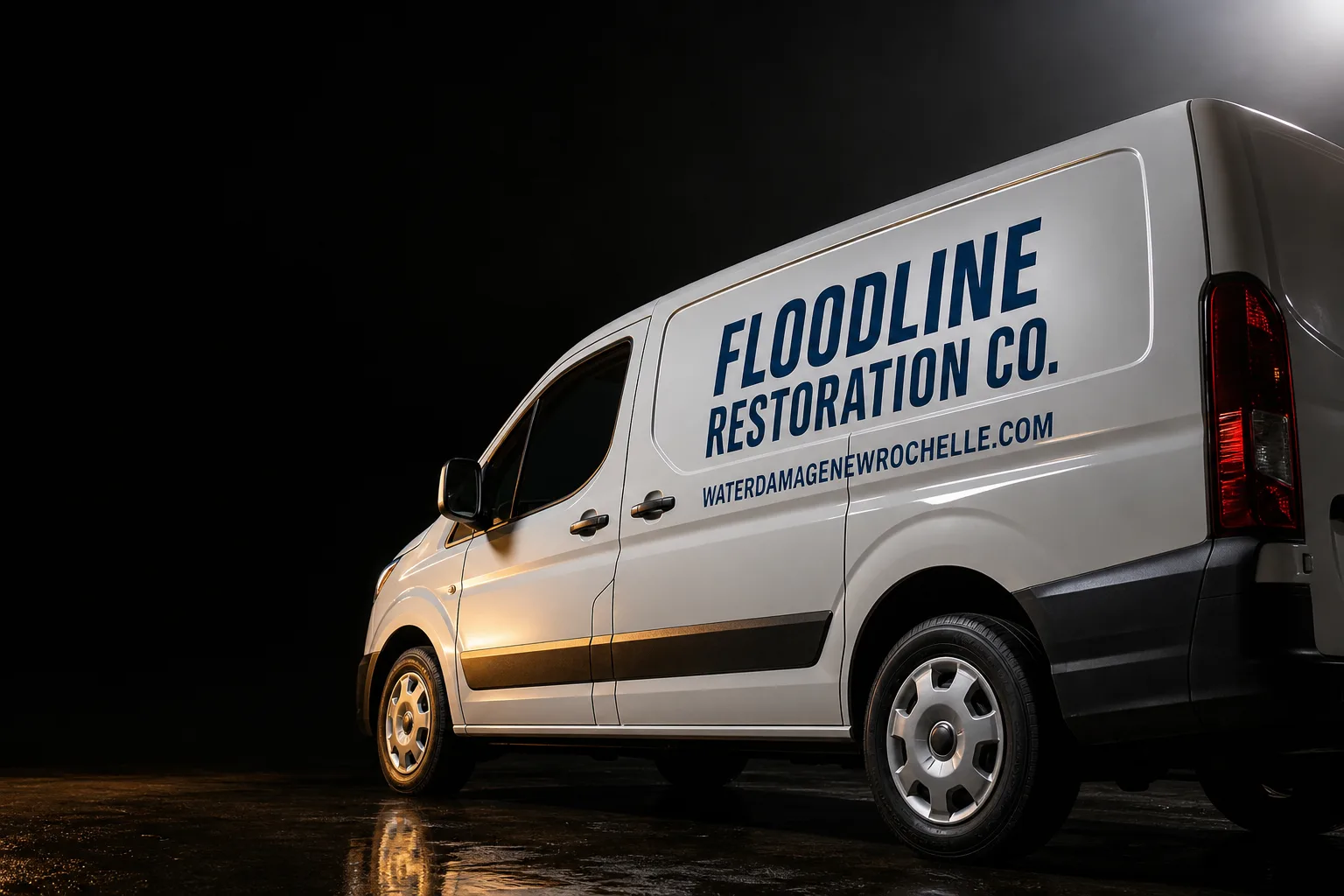
Free visual inspection and a written scope of work before any mitigation begins - photos, moisture readings, and drying logs go in your claim file
The scope we write is the scope we bill. Anything new gets shown to you, in writing, before we touch it.
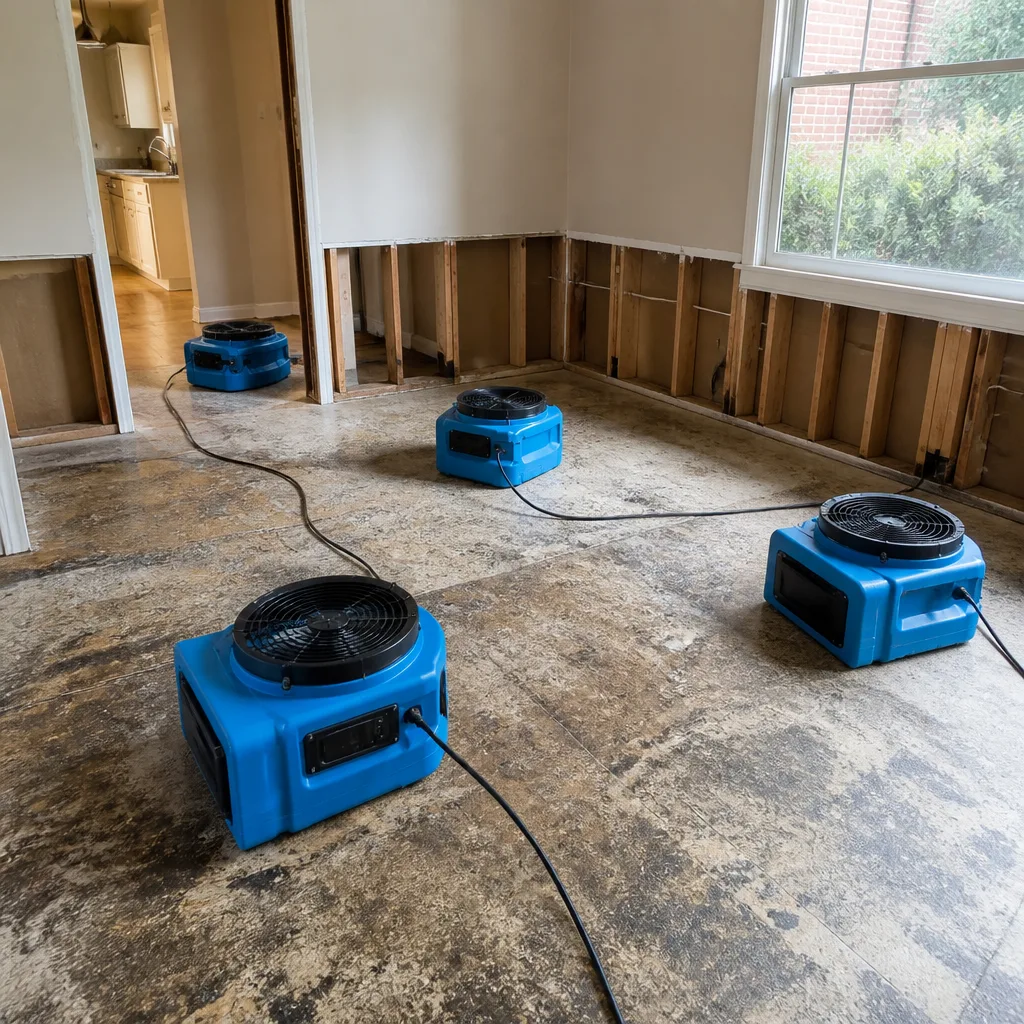
 Before
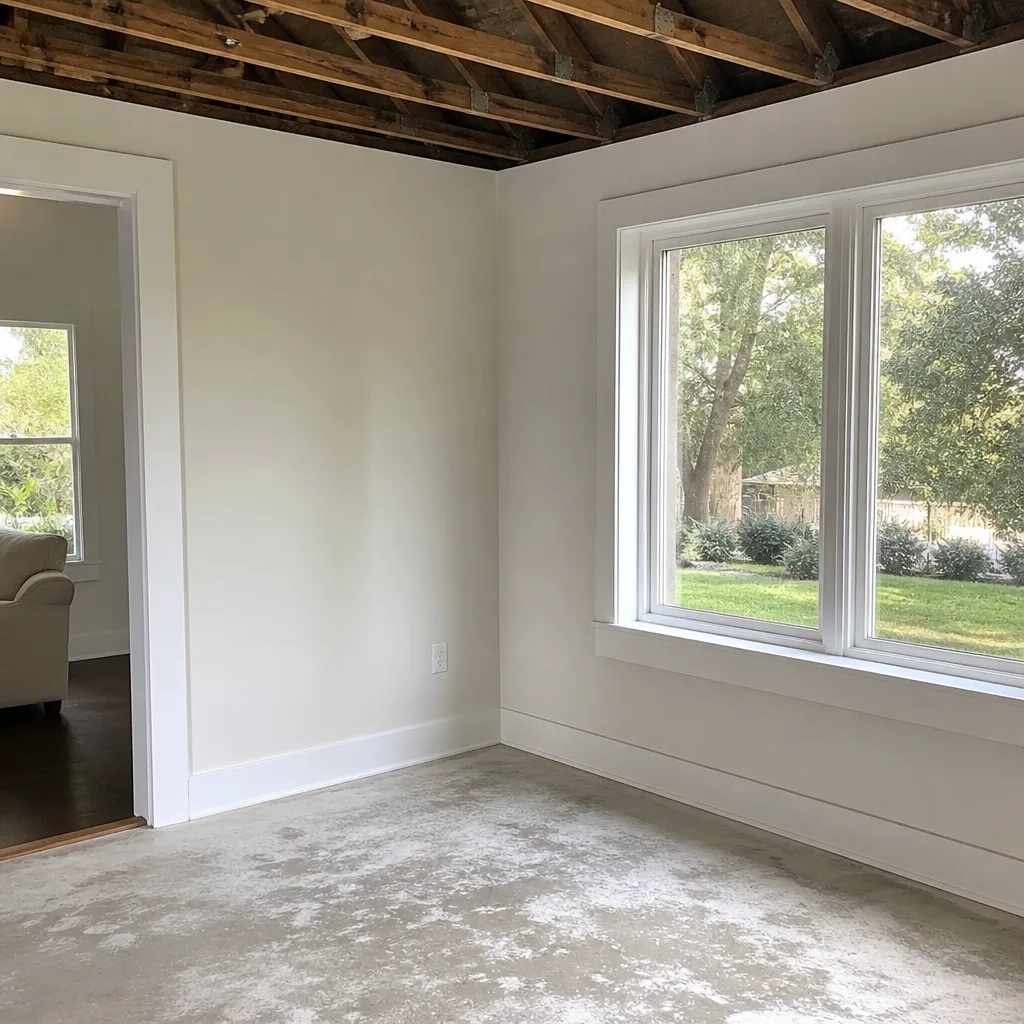
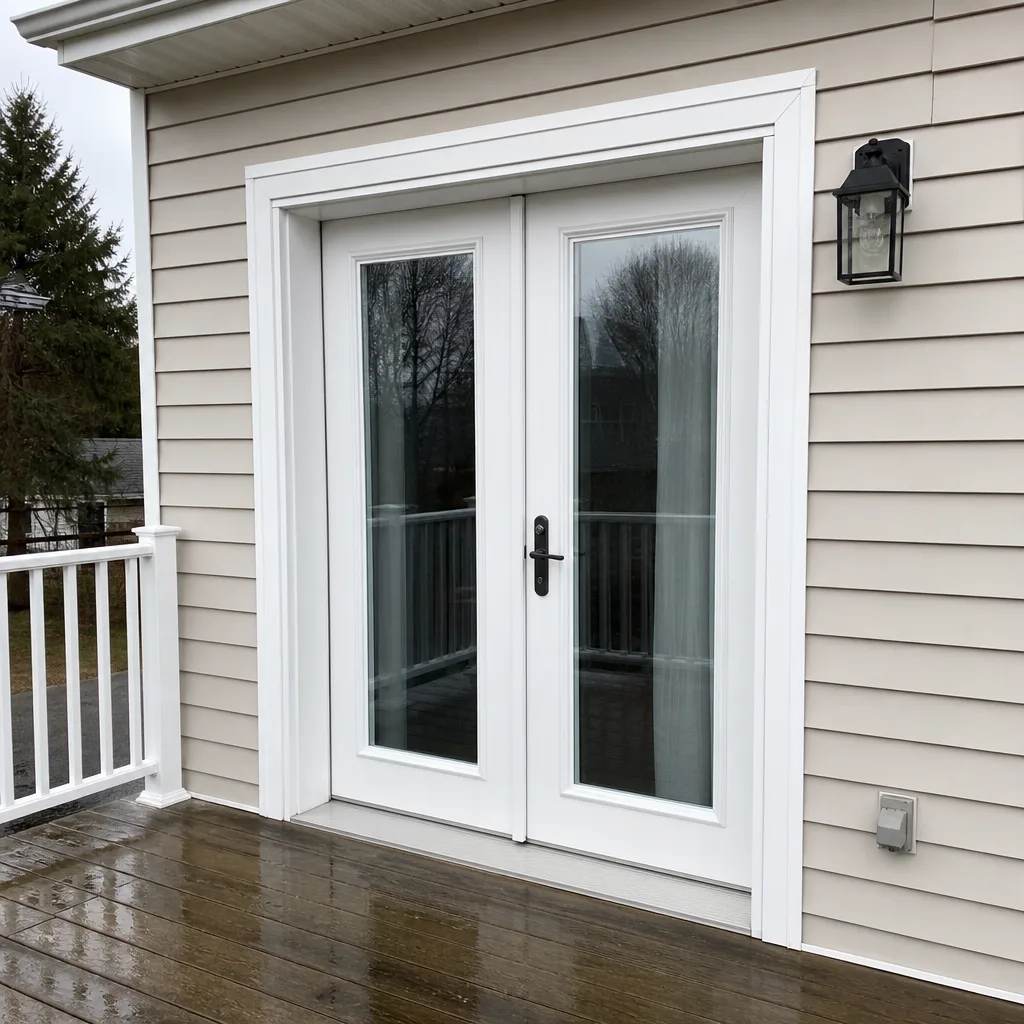 After
After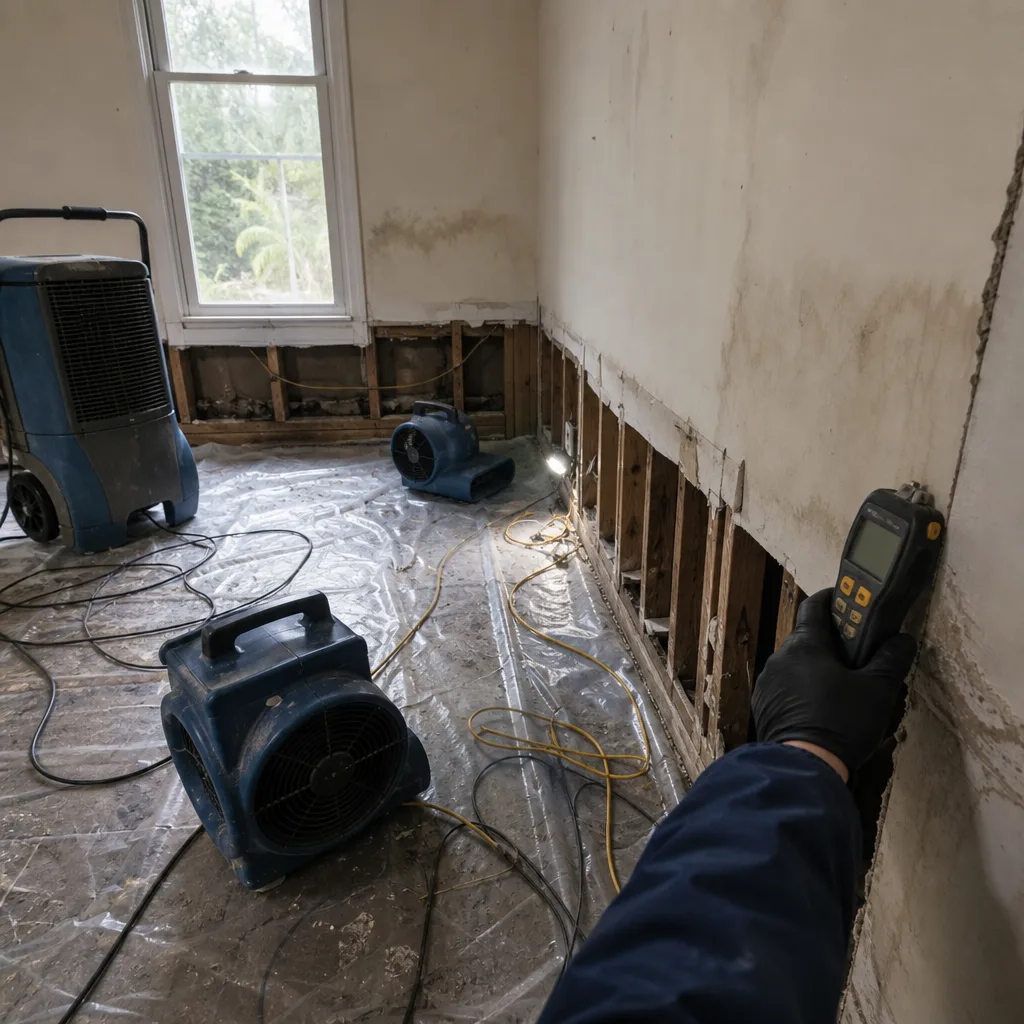 Before
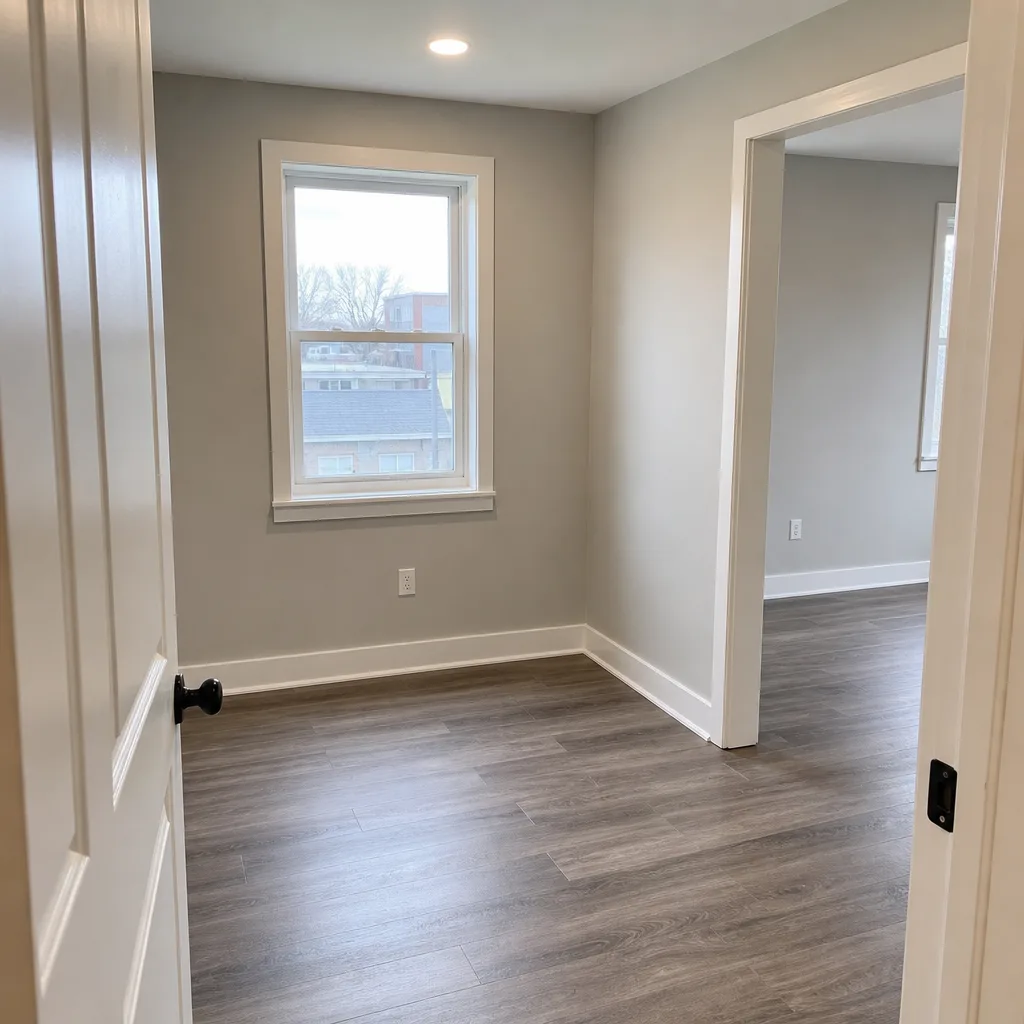 After
After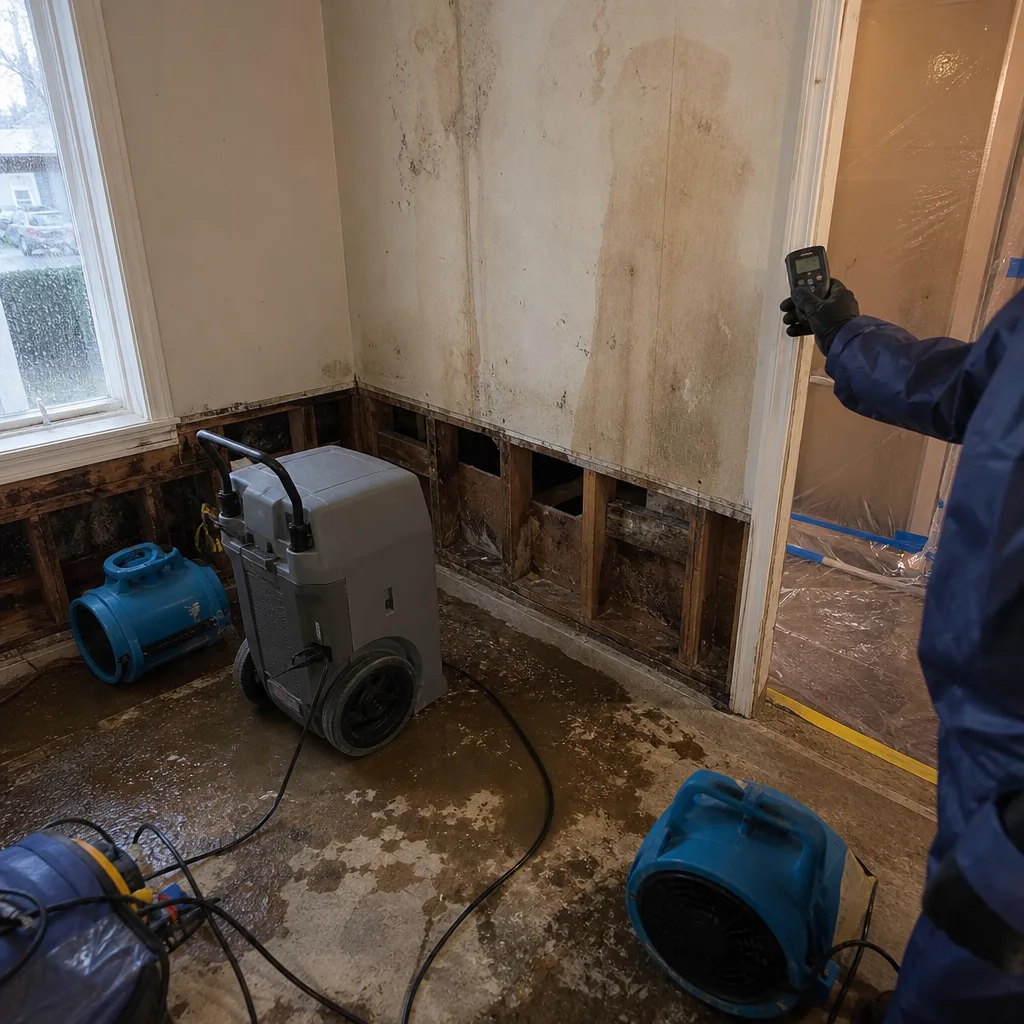 Before
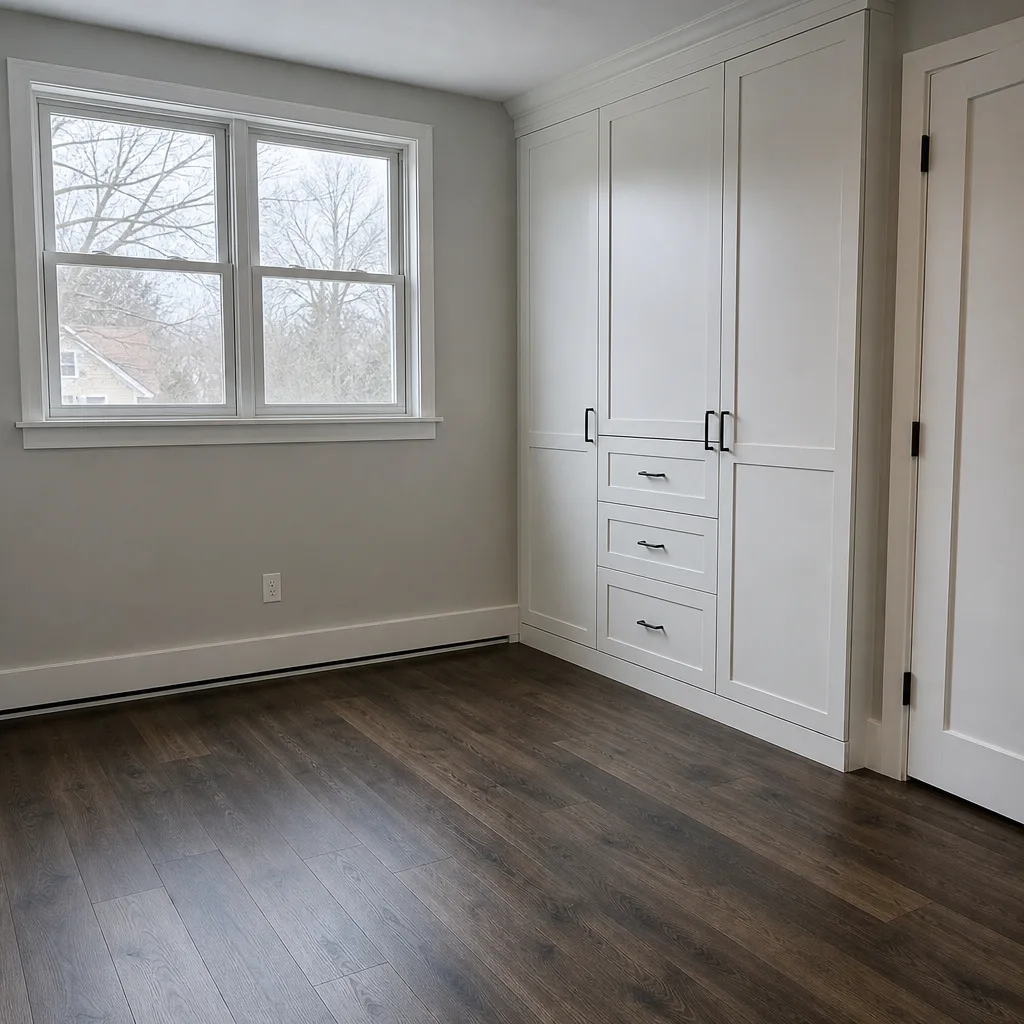 After
After24/7 Emergency Water Damage Restoration in Mount Vernon
If water is rising in your Mount Vernon basement right now, call (845) 456-6568. A live dispatcher answers at any hour, every day of the year, and we dispatch crews into Mount Vernon neighborhoods within 45 minutes. The first hour after a pipe bursts or a sewer line backs up is when the damage either gets contained or starts spreading into studs, under floors, and through party walls into the unit next door. We do a free visual inspection, set up extraction equipment the same visit in most cases, and hand you a written scope before any work goes past emergency mitigation. No recording, no call-back queue, no waiting until morning. A real person picks up at 2 a.m.
Understanding Water Damage Restoration Severity in Mount Vernon Properties
Water damage in Mount Vernon rarely stays simple. We classify every loss as Category 1 (clean supply water), Category 2 (gray water with contaminants), or Category 3 (sewage or storm backup). Why that matters here more than most places: Mount Vernon’s combined sewer mains run beneath the oldest blocks south of Lincoln Avenue, and during heavy rain those mains push sewage back into basements through floor drains and toilets, making Sewage Cleanup - Mount Vernon a critical service. What looks like a routine basement puddle is often Category 3 contamination requiring full containment, PPE, and Westchester County DOH-compliant disposal. Add in the city’s pre-1940 housing stock, where plaster-and-lath walls and original cast iron drain stacks slow moisture release, and a one-room leak becomes a structural drying project measured in days, not hours. We moisture-map every affected surface, log daily readings, and don’t stop until the dry standard is met for the actual material we’re drying, not a generic number.
Why Mount Vernon Property Owners Choose Floodline Restoration Co.
- 45-minute response commitment – crews staged in the Mount Vernon area, not an hour north. We’ll be there when we say.
- 24/7 live answer – a dispatcher picks up at 3 a.m. on a Sunday. You never talk to a phone tree.
- IICRC-certified crews – background-checked, uniformed technicians trained to IICRC, RIA, and IFA standards. Certifications are WRT and ASD for water losses.
- Free visual inspection – no charge to walk the affected area, map the moisture, and tell you what actually needs to happen versus what can wait.
- Direct insurance billing – we coordinate with your adjuster, bill the carrier directly, and provide the documentation they require without you playing messenger.
- One team from extraction to rebuild – the same crew that sets the first air mover handles the final paint. No mid-job handoff, no inherited strangers.
Our Water Damage Restoration Process
Inspection & Assessment
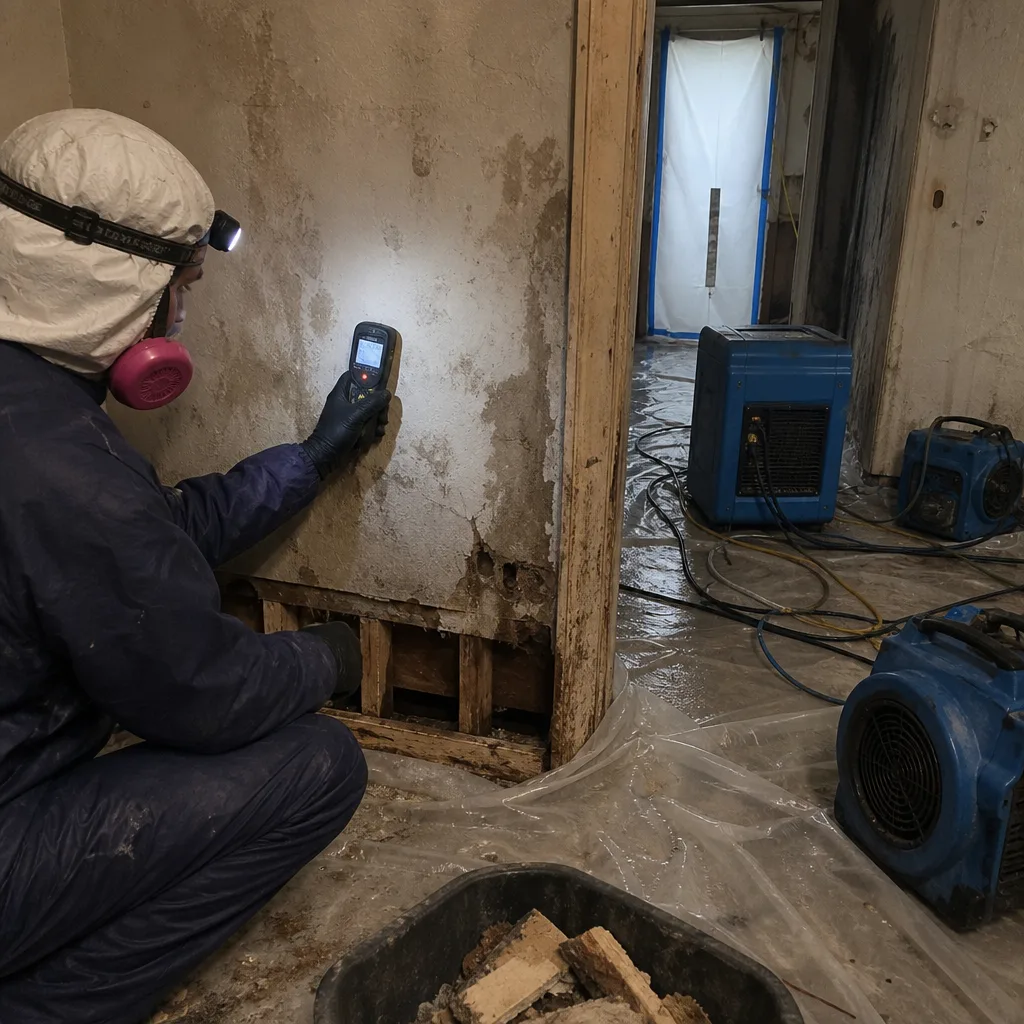
We walk the entire affected area with thermal imaging and moisture meters, checking not just where water is visible but where it migrated through shared party walls and floor cavities. The Category classification gets written into the scope before any equipment goes down.
Extraction & Stabilization
Industrial extraction removes standing water from floors, carpet, and wall cavities. We expose trapped water by drilling or removing baseboards where necessary, and we cut off supply lines or shut down appliances that caused the loss. Stabilization stops the damage from spreading.
Drying & Dehumidification
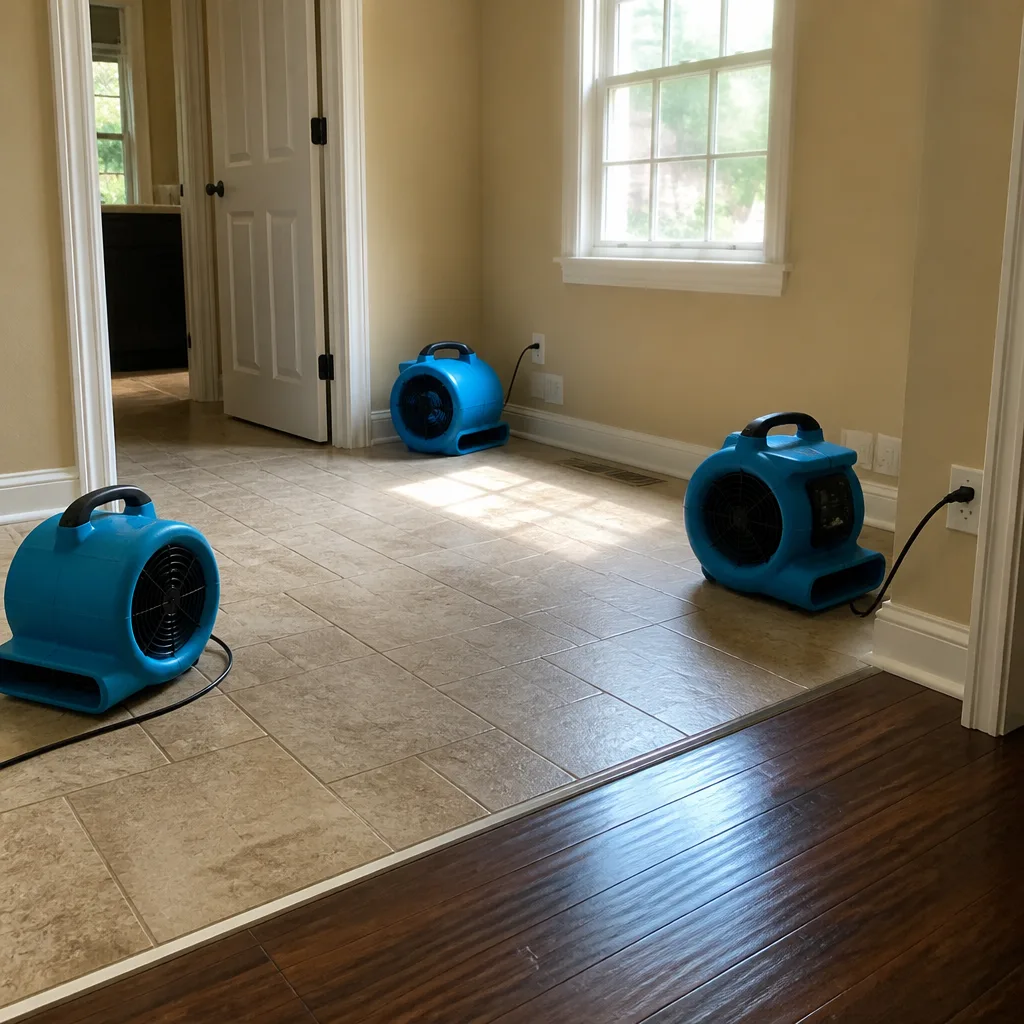
Dri-Eaz and Phoenix air movers, dehumidifiers, and Injectidry drying mats go down same day in most cases. In Mount Vernon rowhouses, we run daily moisture readings because plaster-and-lath releases water slower than drywall. The drying log goes to you and your carrier.
Cleaning & Sanitization
Affected surfaces get cleaned, sanitized, and treated with antimicrobial where the loss calls for it. For Category 3 jobs, we establish containment and negative air before cleaning begins, and all waste leaves under Westchester County disposal rules.
Targeted Structural Repairs
If water compromised cast iron drain stacks, galvanized supply lines, or party wall framing, we scope the repair before moisture gets trapped behind new finishes. In pre-war rowhouses, this step is often the difference between a clean dry and recurring mold.
Repairs & Restoration
We rebuild what was removed: drywall, plaster, flooring, trim, paint. The same certified crew completes the work, and we hand you the moisture log, the scope, and the 90-Day Done Right Promise in writing. If it’s not done right, we make it right.
Need Emergency Water Damage Restoration in Mount Vernon Now?
Crews minutes away, answering live 24 hours a day. The sooner we start, the less it costs.
Working With Your Insurance Company
Most Mount Vernon water losses are covered under homeowner or business policies, but the documentation determines how smoothly the claim goes. We photograph every affected surface before, during, and after mitigation. We keep daily moisture logs with hygrometer readings from day one to the day the dry standard is met. We write a line-item scope of work in industry-standard terms your adjuster recognizes. Then we coordinate directly with the carrier so you aren’t translating between two parties who speak different languages. This Water Damage Restoration documentation approach was built for the exact claim reality in Westchester County, where strict lead and asbestos rules and combined sewer protocols require more paperwork than a typical suburban loss.
What We Provide Your Insurer
- Thorough documentation of the loss
- Photos of all damage, room by room
- Moisture readings and drying logs
- A detailed, line-item scope of work
- Direct coordination with your carrier
Built for Mount Vernon’s Loss Calendar
Mount Vernon’s water damage calls follow a pattern that hasn’t changed much in the forty-plus years we’ve studied this trade. January and February bring frozen galvanized supply lines in uninsulated rear additions and unheated basements; when those pipes thaw, they don’t leak, they burst. Spring thaw pushes groundwater into foundations already saturated from winter, and the south side of the city along the Bronx River corridor sees basement seepage first. Summer thunderstorms overwhelm the combined sewer system, sending Category 3 backups into ground-floor units and basements along the oldest mains. Nor’easters in fall and early winter combine high water with wind-driven rain that finds every flashing gap on century-old parapet walls and rowhouse party lines. The loss type changes with the season, and so does the mitigation approach, which is why Mount Vernon Storm & Disaster Restoration requires knowing which storm pattern sends which kind of water into which block cluster is half of getting the job priced and scoped correctly the first time.
Water Damage Restoration Across Mount Vernon’s Neighborhoods
We run calls through every corner of Mount Vernon, and the building stock shifts the work by neighborhood. Along the South Side around 4th Avenue and 3rd Street, brick rowhouses from the early 1900s sit on the city’s oldest combined sewer mains; after heavy rain, those blocks produce the Category 3 backup calls. Fleetwood, with its larger multi-family buildings and pre-war apartment stock, sees more supply line failures and upstairs-unit leaks that travel through floor cavities into the unit below before anyone notices. The North Side’s two- and three-family homes carry the same plaster-and-lath construction and cast iron stacks, which means cast iron compromise is a recurring culprit behind recurring basement water. Around the Bronx River corridor near Hartley Park, surface flooding pushes Category 1 river water through foundation cracks, but it usually arrives contaminated after crossing streets and lawns, which shifts the classification and the safety protocol. Even within one square mile, the loss profile changes block to block.
Specialized Water Damage Restoration Services We Offer in Mount Vernon
Emergency Water Extraction
Standing water in a Mount Vernon rowhouse moves laterally through shared party walls within hours. We get pumps and truck-mounted extraction running the same visit so water stops spreading while you still know where it came from. The first 60 minutes are when secondary damage either starts or gets stopped.
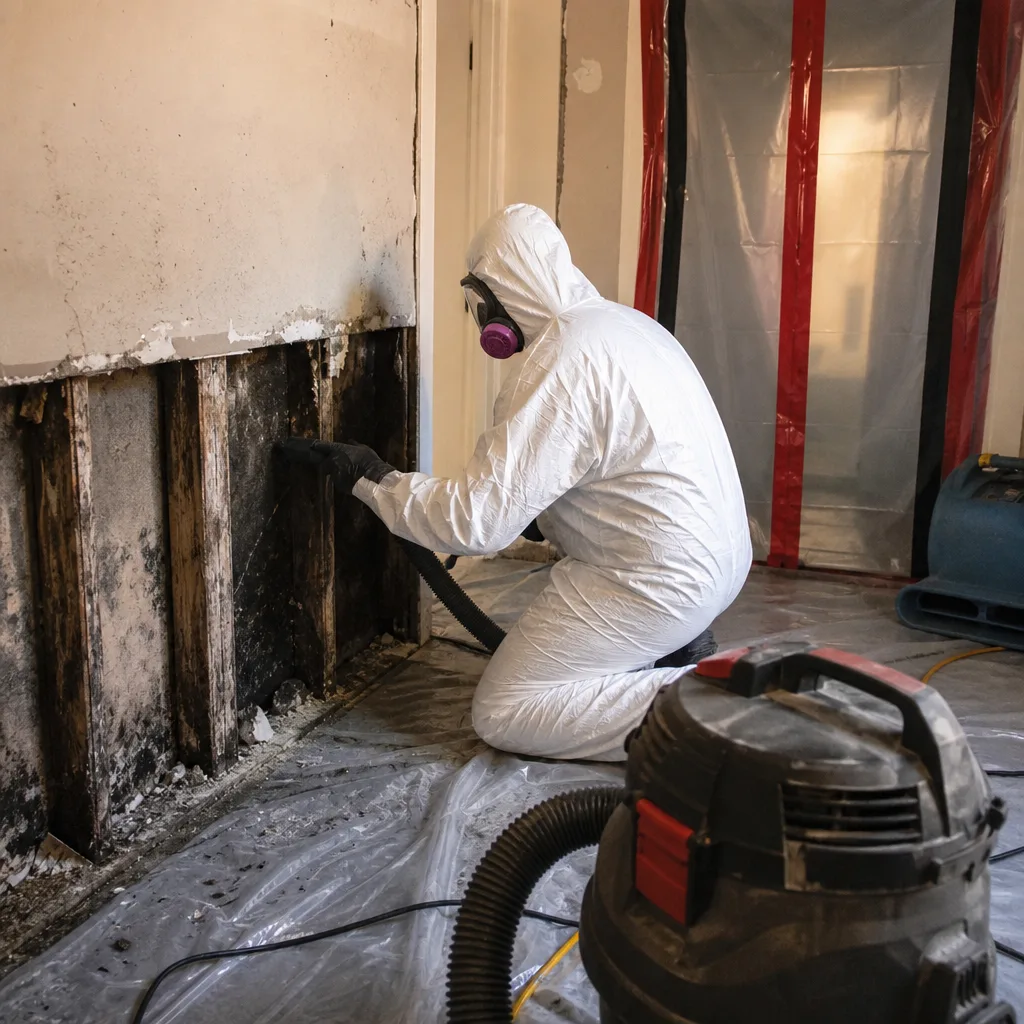
Structural Drying & Dehumidification
Plaster-and-lath holds water differently than modern drywall. We set air movers, dehumidifiers, and Injectidry mats in configurations specific to the material we’re drying, and we log daily moisture readings until the drawn standard is met for each surface type. Dense plaster hides moisture, so we don’t trust a surface reading alone.
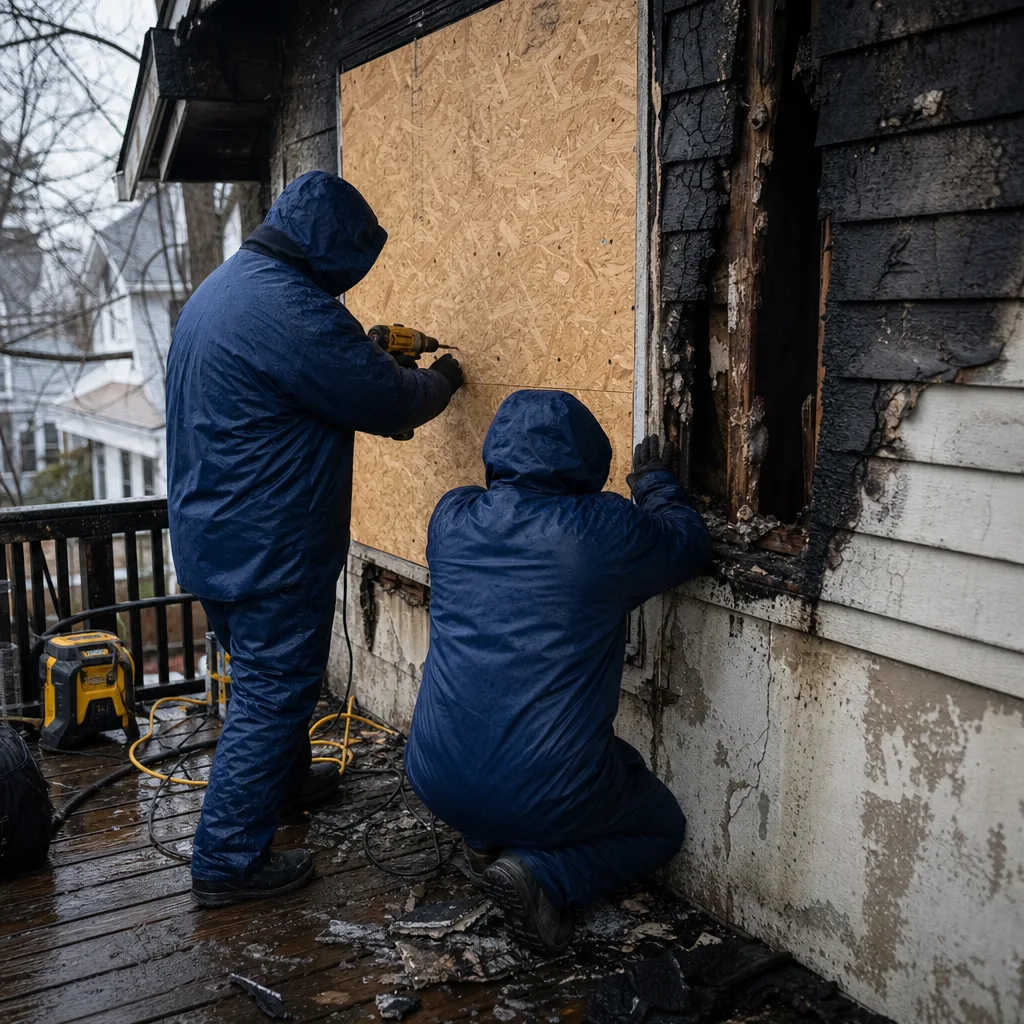
Flood Cleanup
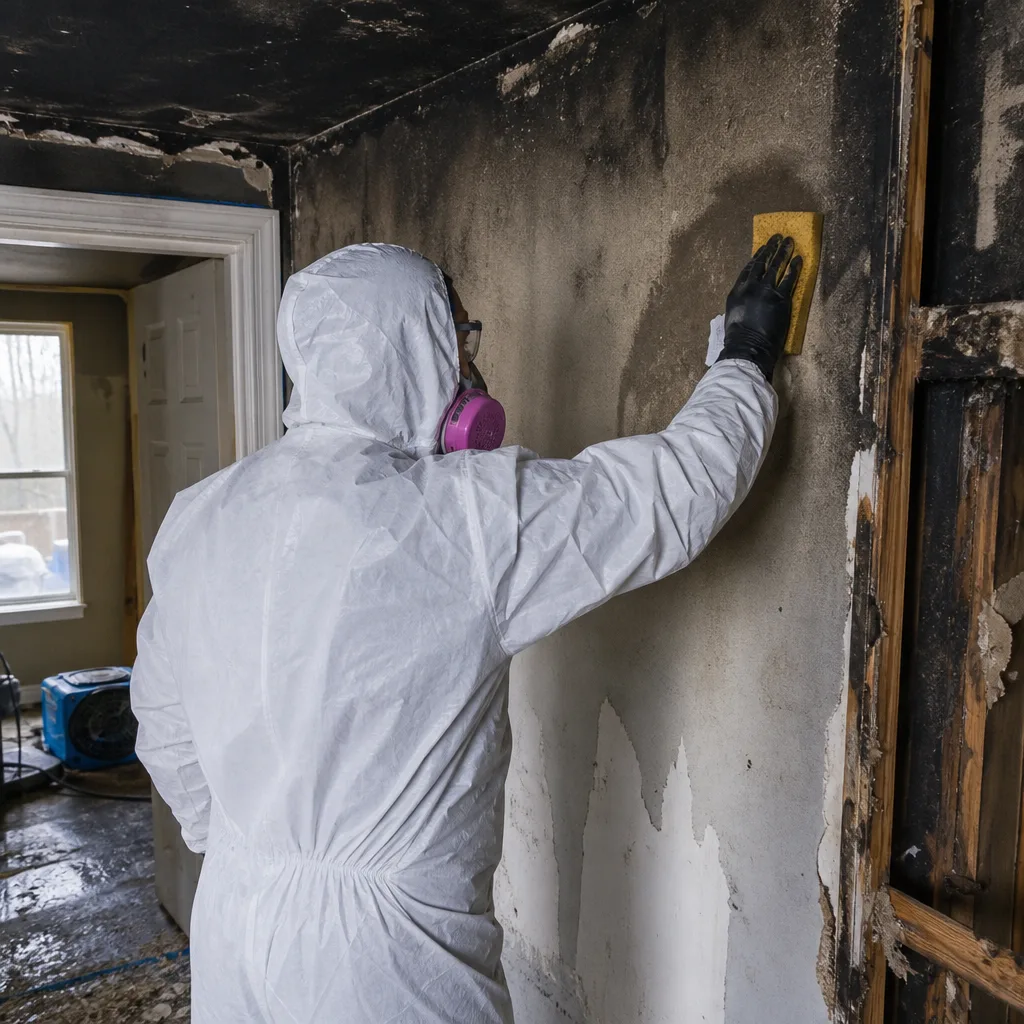
When the Bronx River or a nor’easter pushes water into your ground floor, the cleanup includes more than water removal and may require Fire & Smoke Damage Restoration in Mount Vernon if electrical systems have been compromised. Contaminated sediment, saturated insulation, and damaged baseboards all need removal and the right disposal path. We handle the full cleanup including Westchester County-compliant debris disposal and antimicrobial treatment where the classification demands it.
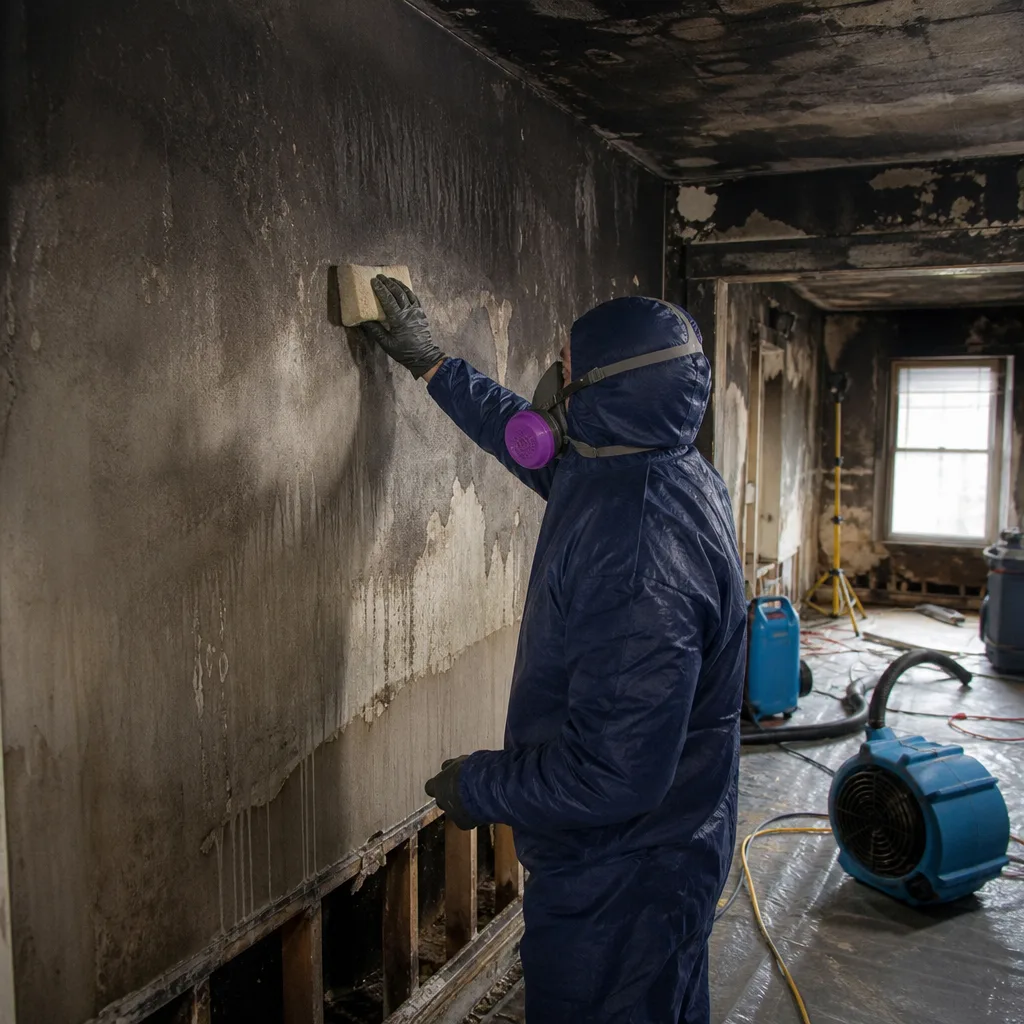
Burst Pipe Restoration
A burst galvanized supply line in a pre-war Mount Vernon house usually fails at a threaded fitting or a corroded section inside a wall. We find the failure point, stop the source, extract what ran out, and dry what the water reached. Then we scope the pipe repair so it doesn’t happen again in the same wall cavity.
Basement Water Removal
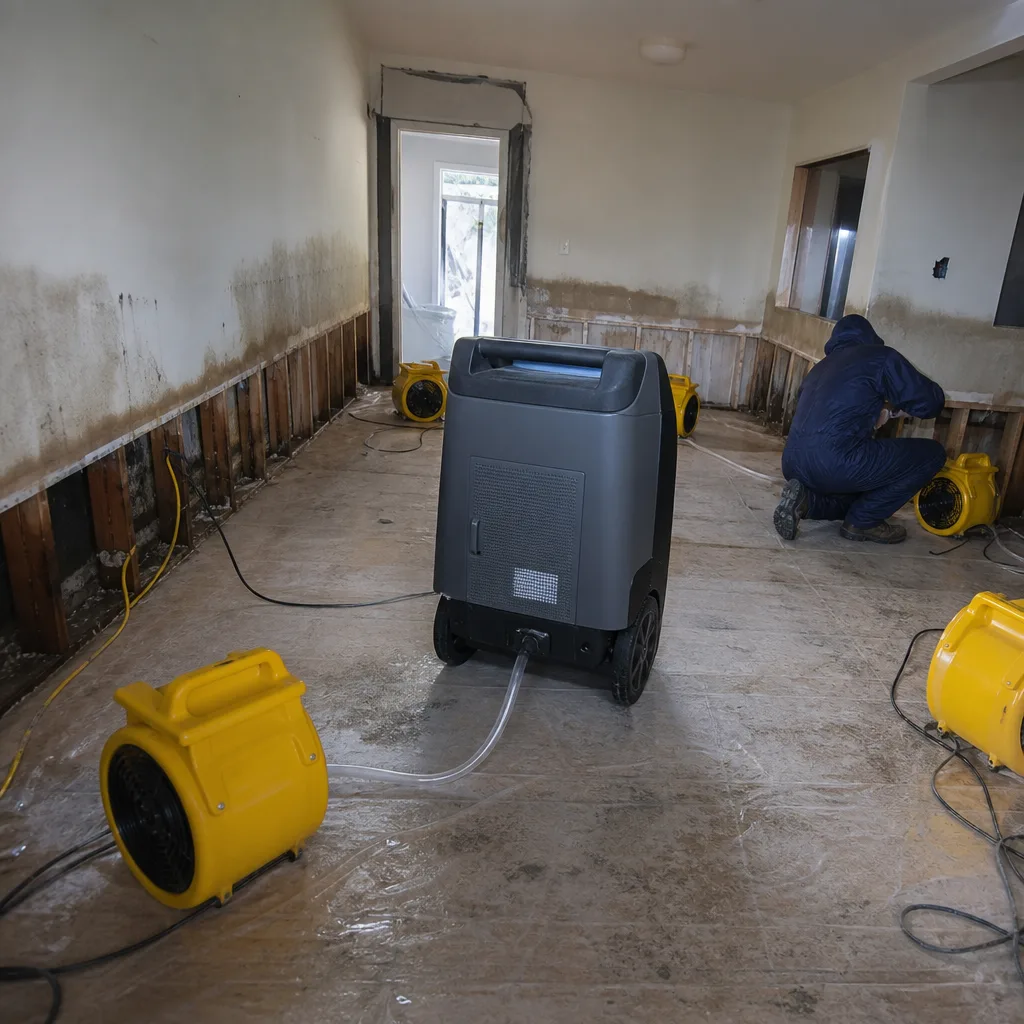
Most Mount Vernon basements flood through floor drains backed up by the combined sewer, not through foundation walls. That matters because the water is usually Category 3, which changes the entire job: PPE, containment, disposal, and the drying standard. We classify first, then extract. That order isn’t negotiable.
What happens when you call
- 1
A real person answersNo phone trees - you reach a local pro.
- 2
You get an upfront price rangeHonest numbers before anyone is dispatched.
- 3
A background-checked tech heads outLicensed & insured, dispatched right away.
- 4
You approve before work beginsNothing starts until you say go.
Water Damage Restoration Costs in Mount Vernon, NY
Emergency water extraction in Mount Vernon typically runs $650 to $1,400 for a single-room loss, depending on how much area is wet and whether containment is required. Structural drying adds $900 to $2,800, with plaster-and-lath vintage walls on the higher end because drying cycles run longer. Basement water removal and flood cleanup, including disposal of contaminated debris, commonly lands between $1,800 and $5,500. A burst pipe restoration with drywall or plaster repair, new supply line work, and finish paint runs $2,500 to $7,000. Category 3 sewage backups push the range higher because every square foot of contaminated material adds PPE, containment, and DOH-compliant haul-off. The free visual inspection leads to a written line-item scope before we start, so you see the number and know what’s insurance-covered versus out-of-pocket. You can also take $50 off any repair over $250, and senior and veteran homeowners get a standing 5% discount. Call (845) 456-6568 for an exact quote; estimates are free.
We Also Serve Cities Near Mount Vernon
If you’re outside the city line, we work regularly in Pelham, Bronxville, New Rochelle, and Yonkers. The housing stock and sewer dynamics change, but the same crews, the same equipment, and the same 90-Day Done Right Promise apply.
Serving Mount Vernon, NY - Our Local Coverage Area
We’re based in the Mount Vernon area and know this community well. Use the map below to see our service coverage - if you’re nearby, we can almost certainly help.
Mount Vernon Water Damage Restoration Questions, Answered
How do Mount Vernon’s attached brick row houses change water damage restoration compared to a detached home in Scarsdale?
Attached rowhouses share party walls, which means water doesn’t stop at your property line. A burst pipe in one unit travels laterally through the wall cavity into the neighbor’s side, often before anyone in that unit notices. We moisture-map both sides of every shared wall and run containment into adjacent units when the damp reading says so. Detached suburban homes don’t carry that shared-structure dynamic.
Why do so many water damage claims in south Mount Vernon end up as Category 3 jobs?
The south side sits on the city’s oldest combined sewer mains. During heavy rain, those mains back up and push sewage into basements through floor drains and toilets. Water that started as rainwater arrives contaminated, and any material it touches becomes Category 3. That changes the PPE, containment, disposal, and documentation requirements, which is why we classify before we extract. Call (845) 456-6568 if you’re seeing water come up through a floor drain.
Does the plaster-and-lath construction in pre-1940 Mount Vernon buildings slow down structural drying?
Yes. Plaster over wood lath is dense, which means water absorbs slowly and releases even slower. A wall that looks dry on the surface can hold elevated moisture for weeks inside the plaster base. We use moisture meters, log daily readings, and keep air movers and dehumidifiers running until the dry standard is met for the actual material, not for a generic drywall baseline.
When is it better to repair rather than replace original galvanized supply lines in Mount Vernon row houses?
If the galvanized line has a localized failure, like a failed threaded fitting or a pinhole at one corroded point, we often splice a PEX or copper section and band the repair. But when the pipe wall is thin throughout from decades of internal corrosion, patching just moves the next failure down the line. In a shared wall cavity, a second burst means a second water event into the neighbor’s side. We scope based on the pipe’s actual condition, not a guess.
How do Westchester County’s lead and asbestos rules affect even a small water damage mitigation in Mount Vernon?
In pre-1978 buildings, which covers almost every rowhouse in Mount Vernon, any work that disturbs painted surfaces or original insulation triggers lead and asbestos compliance requirements. That means testing, containment protocols, and certified handling before we cut into a wall or pull insulation. It adds cost and scheduling steps, but it protects you from enforcement and protects the people doing the work. A licensed contractor who skips this step is leaving you with a liability.
How fast can you actually get to a water damage call in Mount Vernon?
We commit to 45 minutes, and we mean a crew on site, not a call back. Live dispatch operates 24/7, and we stage crews in the Mount Vernon area. The first hour is when extraction can still stop the damage from spreading into floors and party walls, so we treat dispatch time as the emergency metric it is.
How long does drying and restoration take for a typical Mount Vernon rowhouse loss?
Structural drying for clean-water losses usually runs three to five days, but plaster-and-lath walls extend that to six or eight days in many pre-war buildings. Category 3 losses run longer because every contaminated material comes out before drying begins. Restoration and rebuild depend on the scope, but the daily drying log keeps you and your carrier current on where it stands.
What should I do in the first 30 minutes after I discover water damage?
Kill the water source if you can reach it safely. Cut power to affected outlets at the breaker if water is near wiring. Move what you can out of standing water. Then call us at (845) 456-6568. Don’t run a shop vac on sewage water. Don’t open walls. Don’t wait to see if it dries on its own. The water is moving through your structure right now, and in an attached rowhouse, it’s moving toward the neighbor’s unit too.
Written by Curt Bowman, Owner at Floodline Restoration Co., serving Mount Vernon with emergency Water Damage Restoration and full restoration services.