
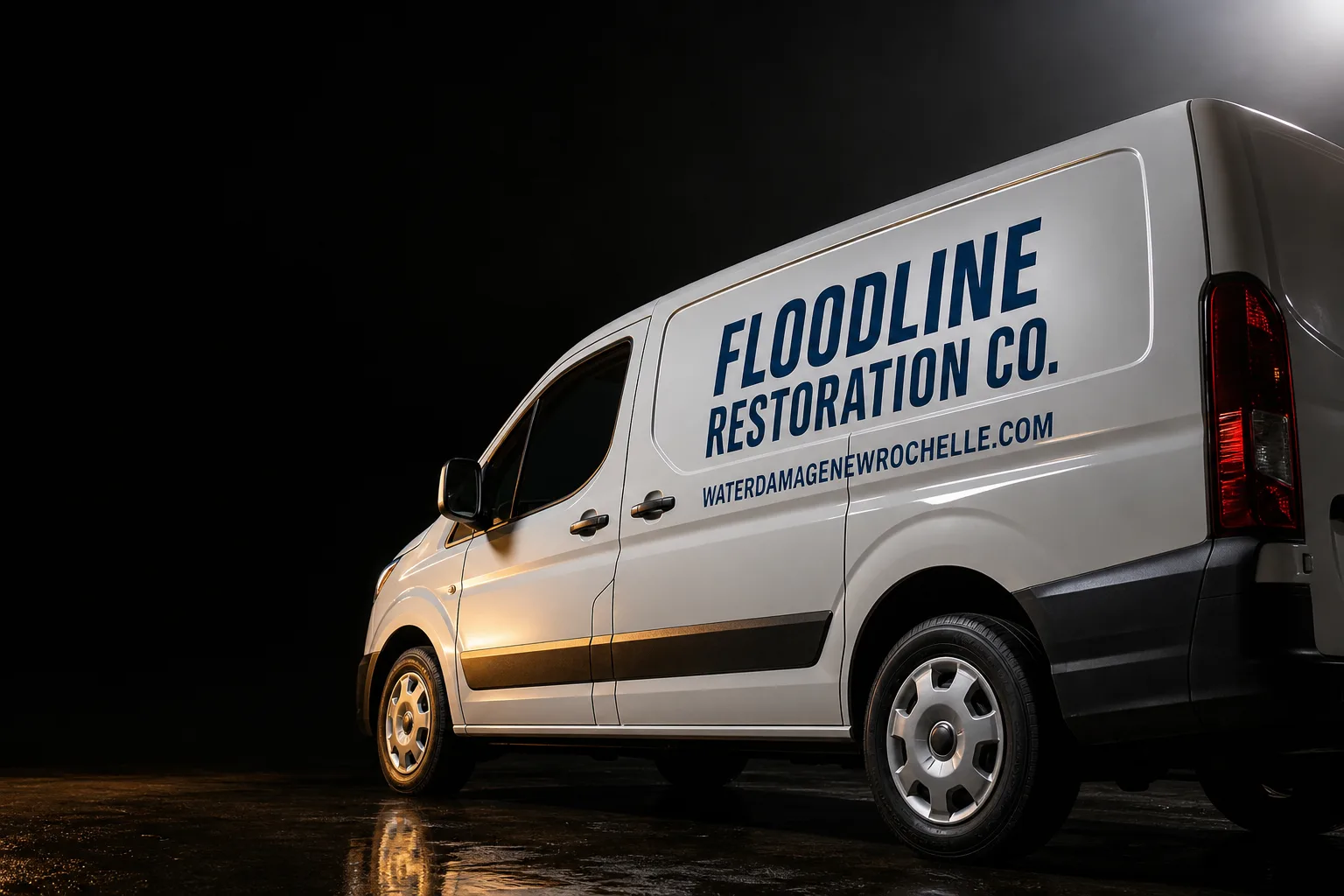
Free visual inspection and a written scope of work before any mitigation begins - photos, moisture readings, and drying logs go in your claim file
The scope we write is the scope we bill. Anything new gets shown to you, in writing, before we touch it.
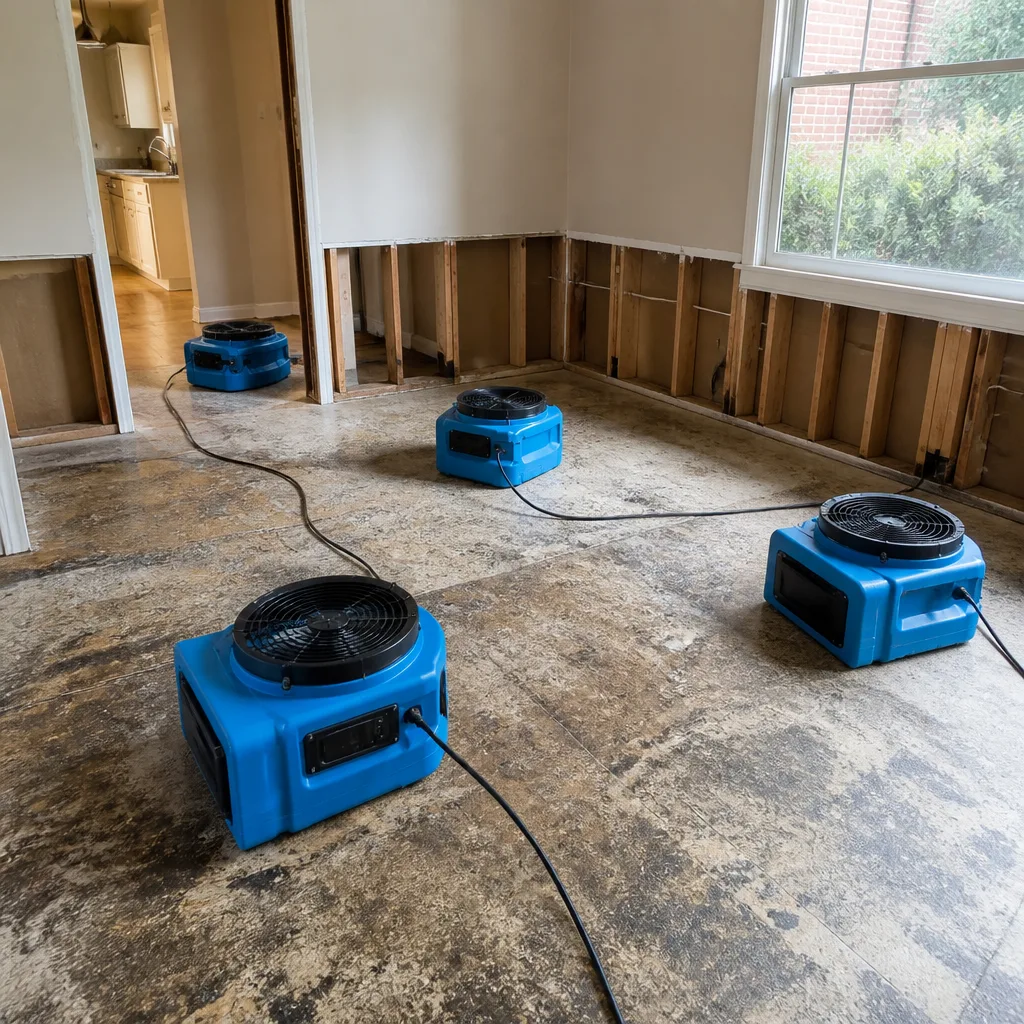
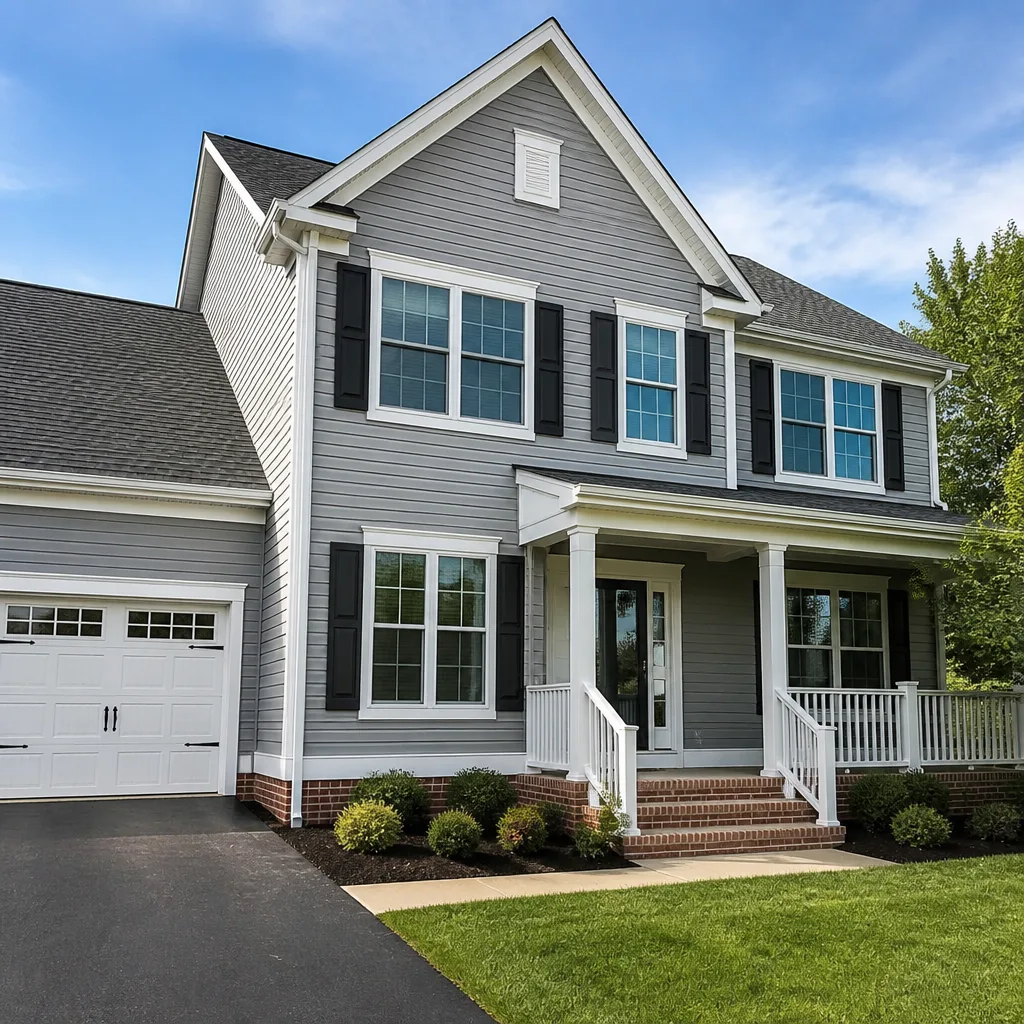
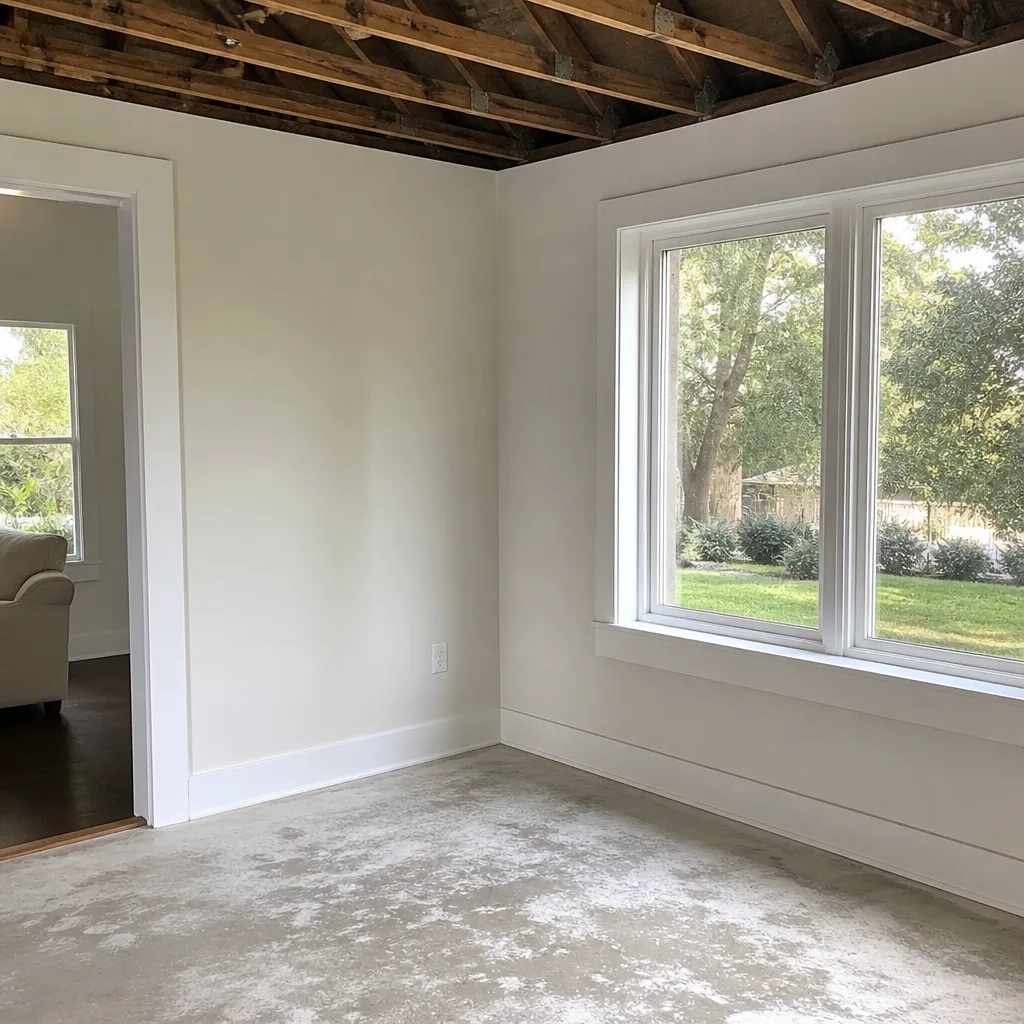
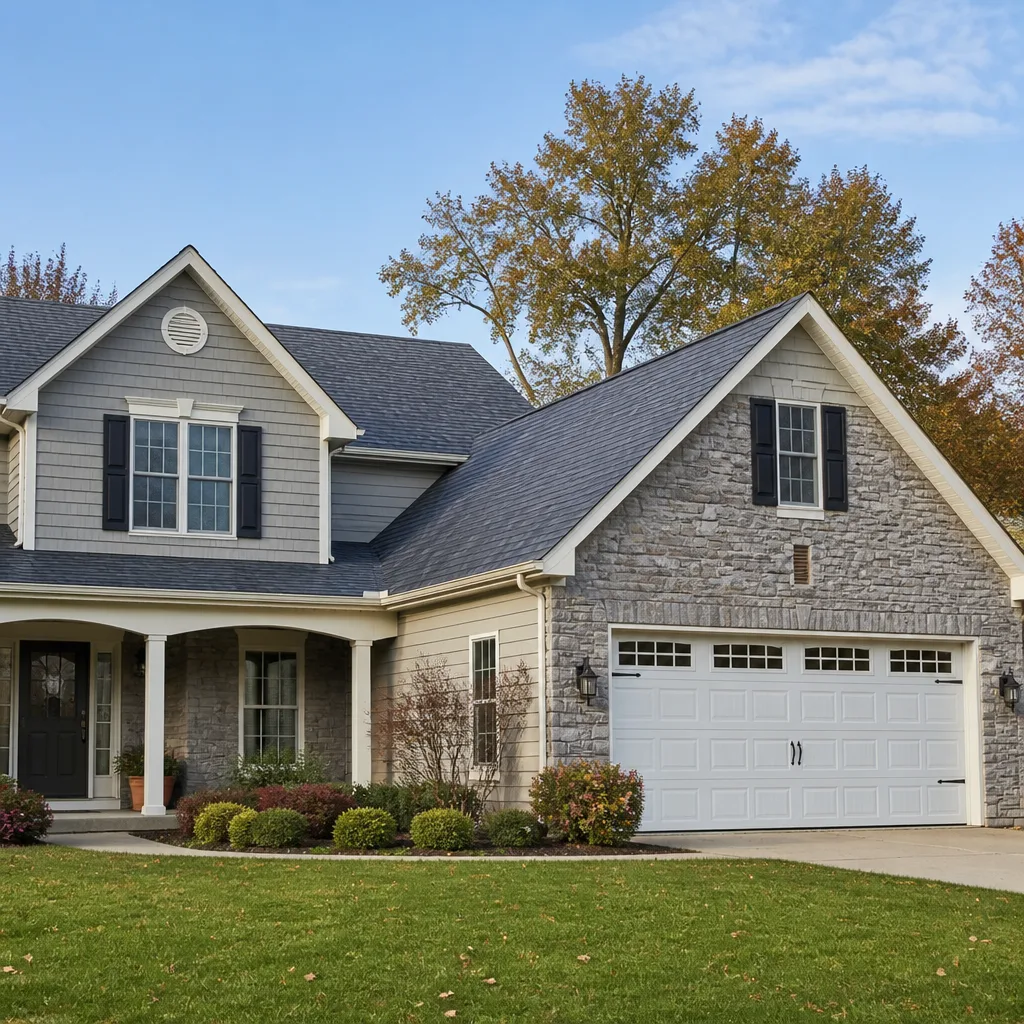
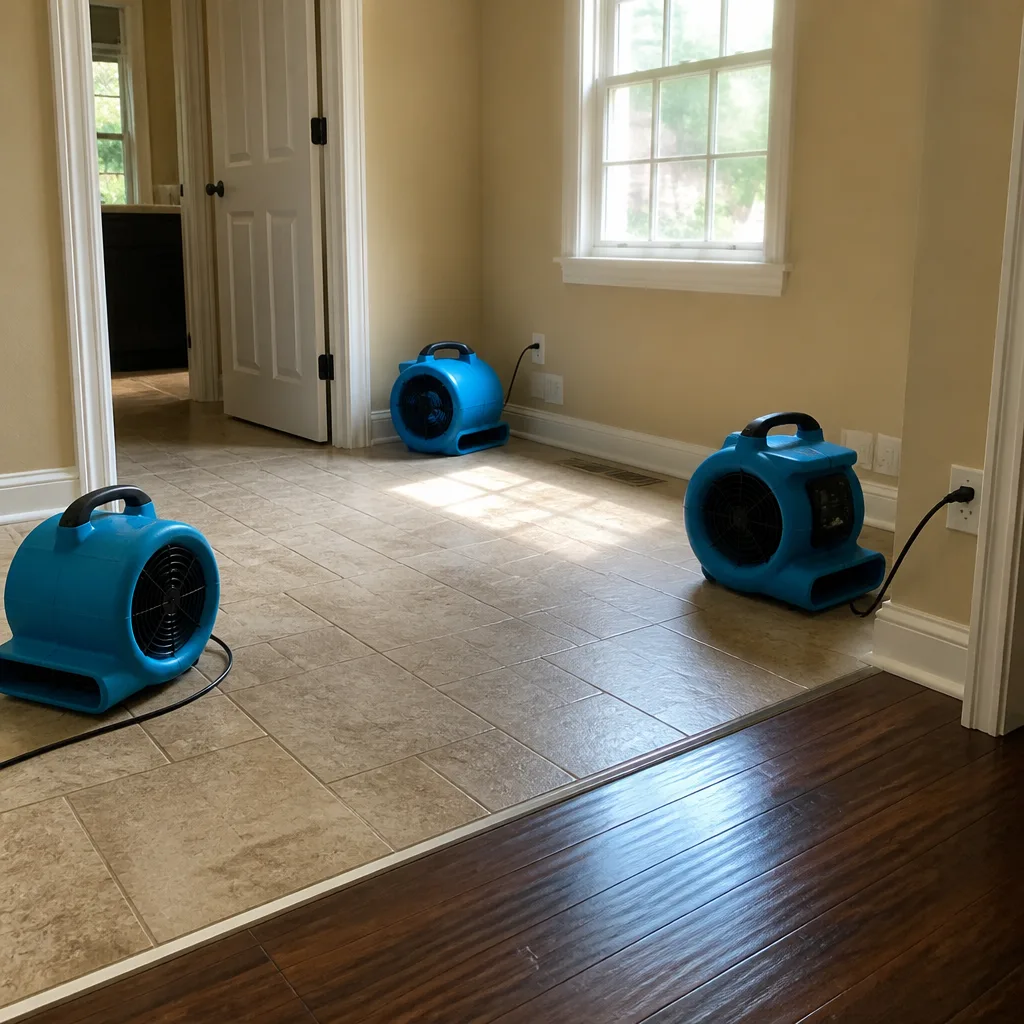
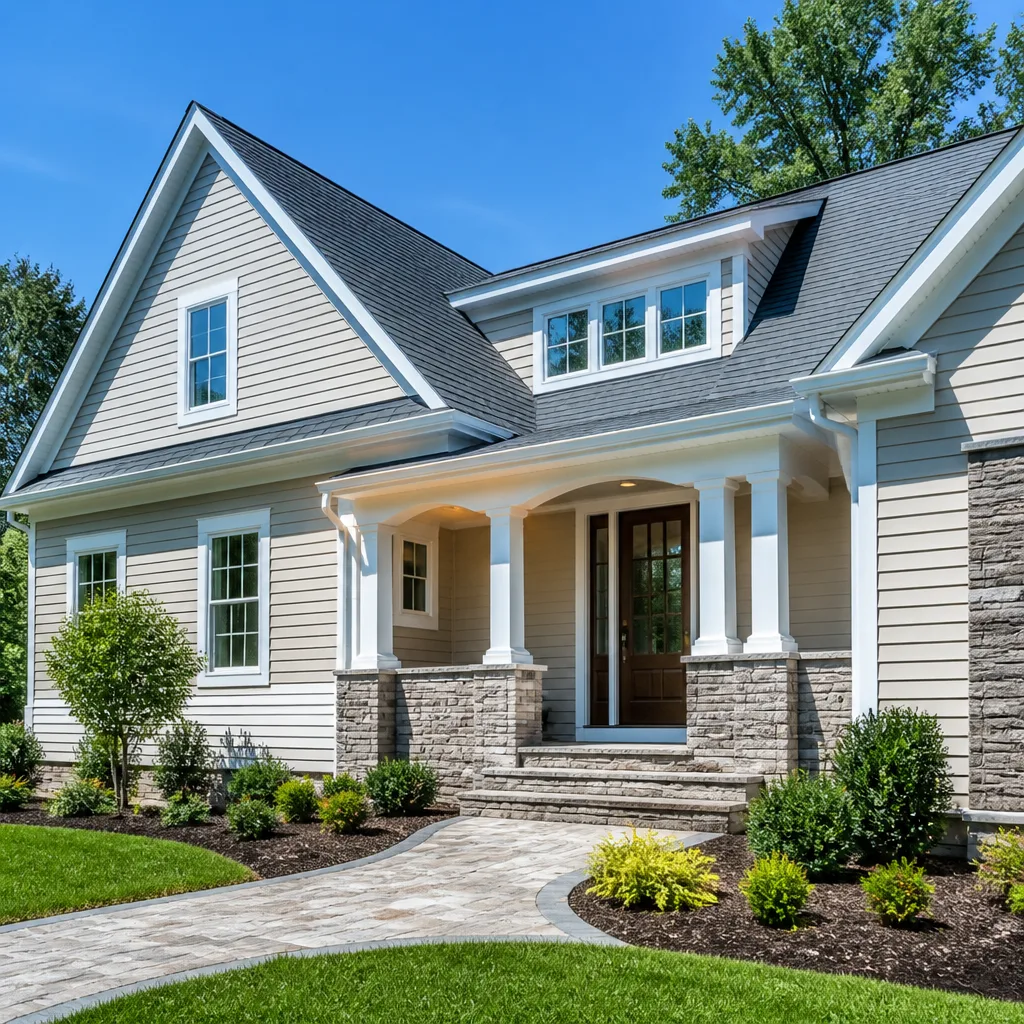
 Before
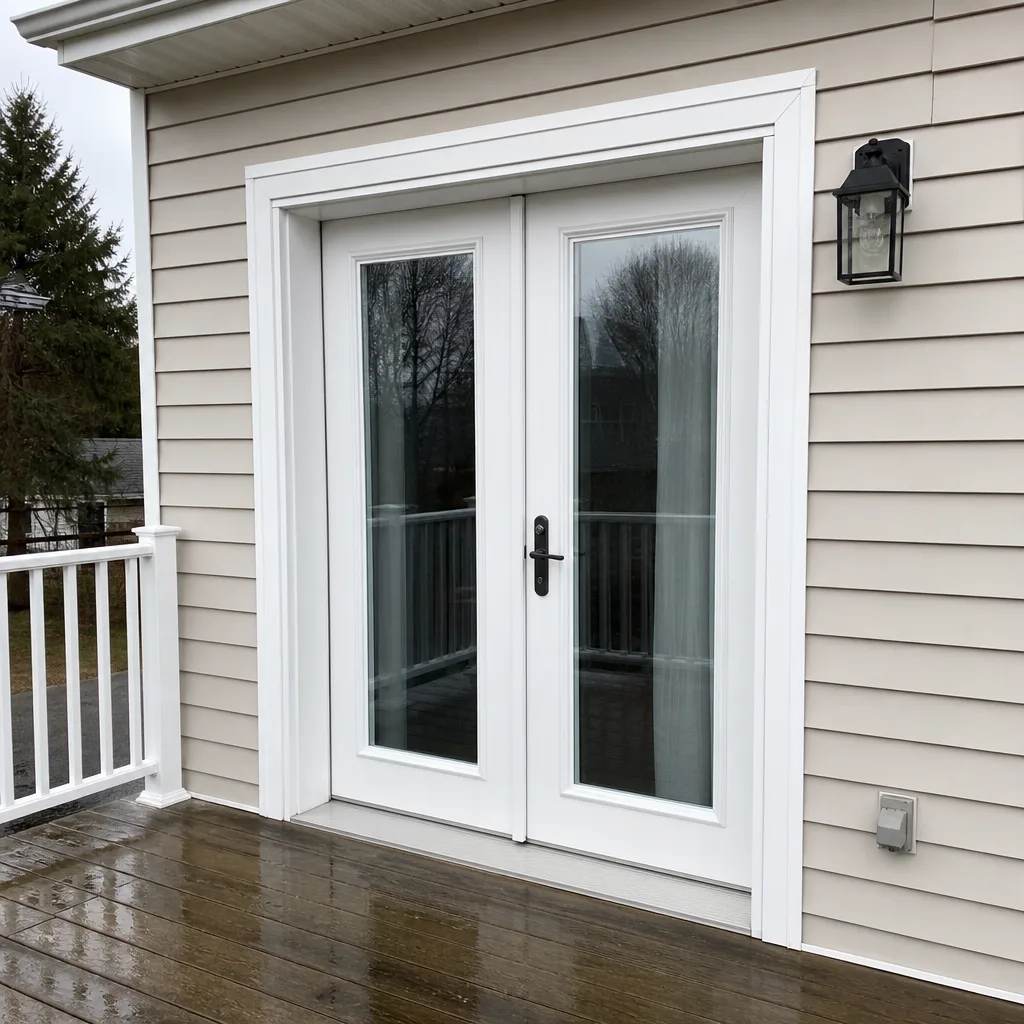 After
After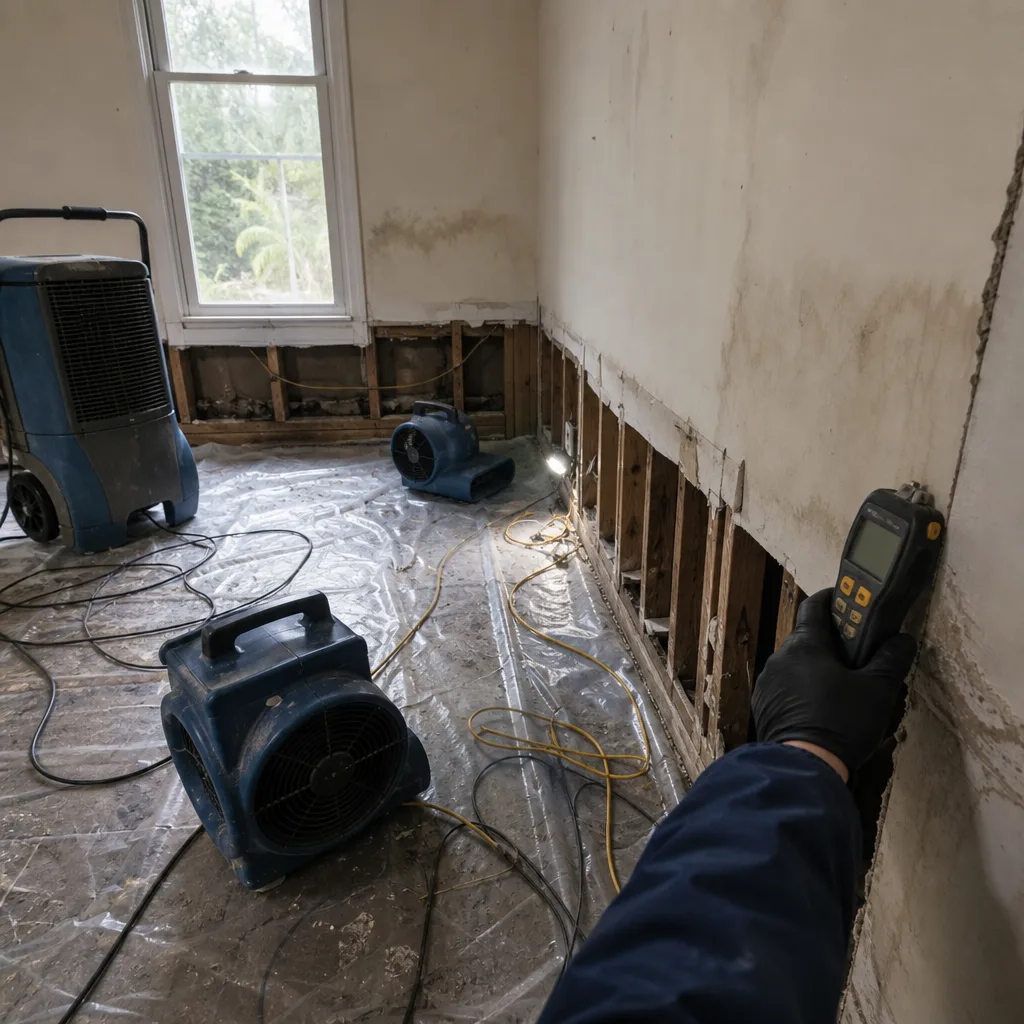 Before
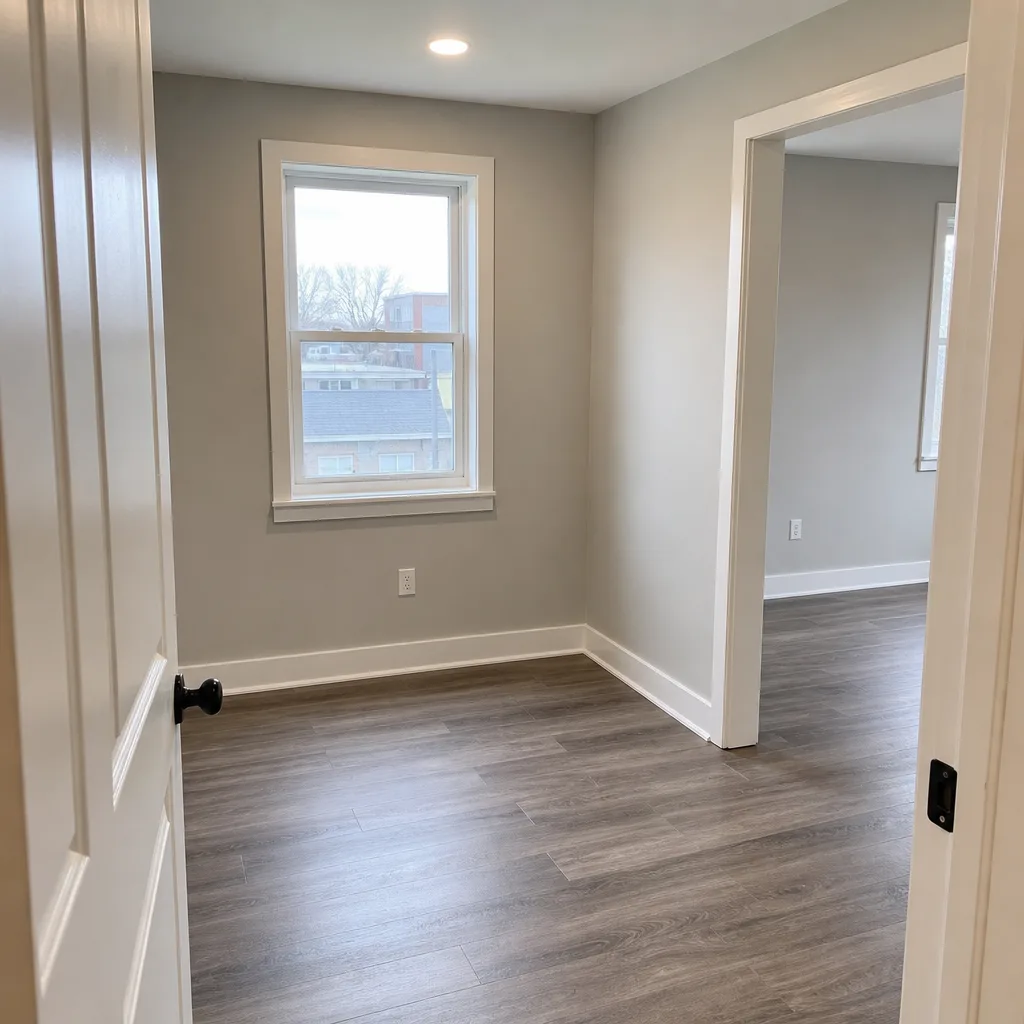 After
After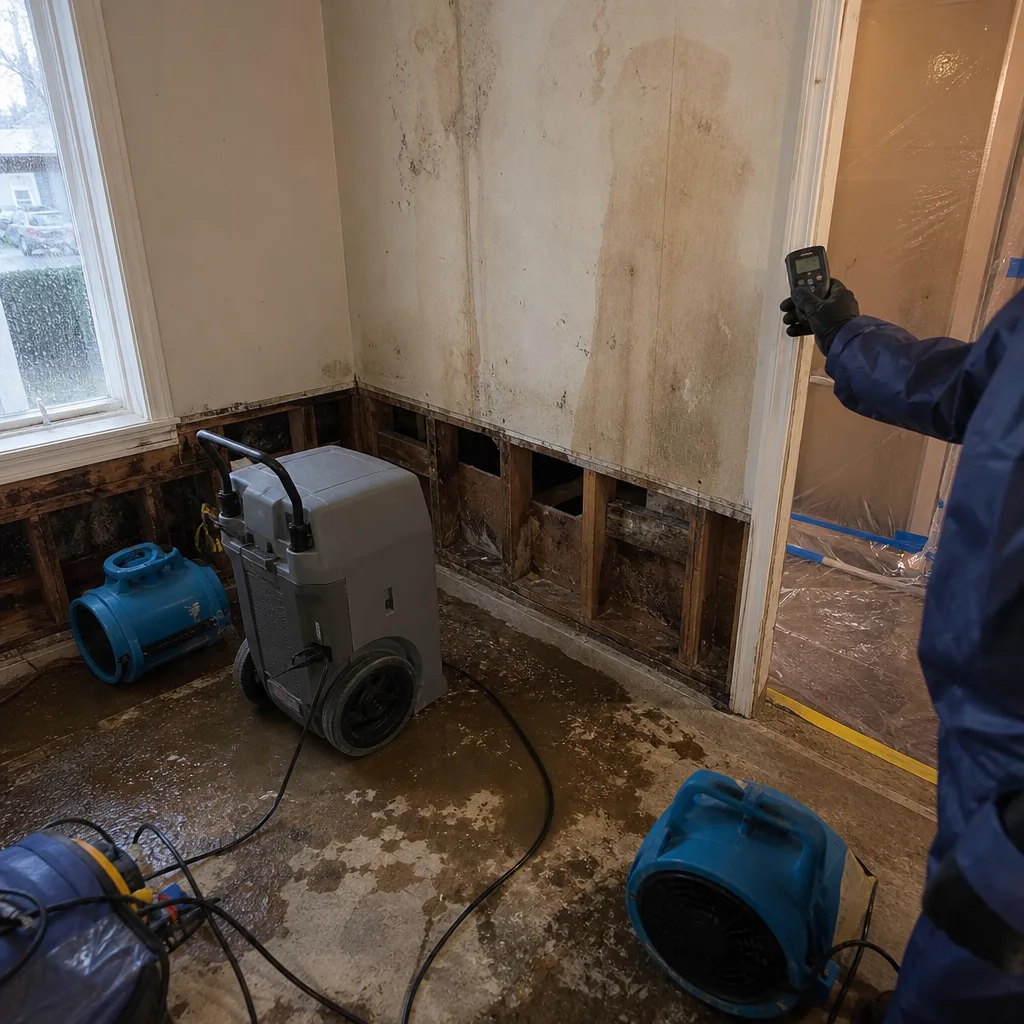 Before
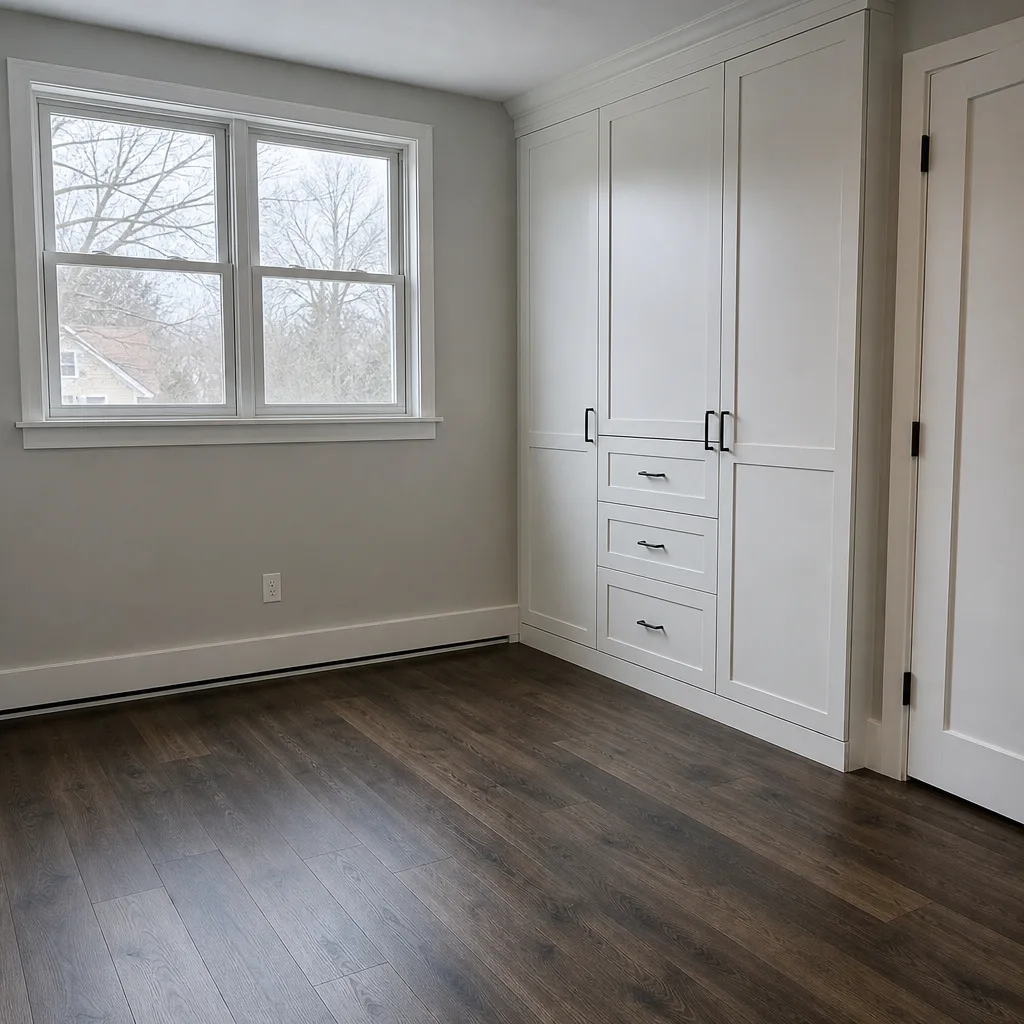 After
After24/7 Emergency Storm & Disaster Restoration in Southeast Yonkers
Storm damage in Southeast Yonkers moves fast, and the first call you make determines how much of your home can be saved. Our crews are on call 24 hours a day, every day, and a live dispatcher answers at (845) 456-6568 no matter when the roof lets go or the basement backs up. We dispatch teams into Southeast Yonkers neighborhoods immediately, with a free visual inspection and a straight assessment of what needs to happen first. The hour after a nor’easter opens your roof or a sewer line backs into a basement apartment is the hour that decides whether you’re drying drywall or replacing it. Call now. Curt Bowman built Floodline Restoration Co. around a dispatch board, not a sales desk, and that’s why the person who answers at 2 a.m. can actually send a crew to your door.
Understanding Storm & Disaster Restoration Severity in Southeast Yonkers Properties
Not all storm water is the same, and in Southeast Yonkers the building itself often makes the situation worse before a crew arrives. Category 1 water is clean, from a supply line or rain through a fresh roof breach. Category 2 carries detergents or mild contaminants, typical of washing machine overflows or sump pump failures. Category 3 is the dangerous one: sewage, river backflow, or street water that’s picked up whatever the Bronx River watershed pushed into it. That’s the water we see in basement apartments after a combined sewer surcharge, and it requires antimicrobial treatment, containment, and removal of saturated drywall and insulation, not just a pump-out. In the attached brick row houses and two-family frames built between 1910 and 1945, water travels through shared party walls and floor cavities. What starts as one unit’s roof leak becomes a corridor-wide moisture problem. Our technicians map moisture across adjoining units on the first visit, with daily readings logged until every affected surface reaches the dry standard. That’s the difference between restoring a room and rebuilding a building.
Why Southeast Yonkers Property Owners Choose Floodline Restoration Co.
- 45-minute response commitment: When you call about storm damage in Southeast Yonkers, a crew is dispatched immediately, and we target having boots on your property within 45 minutes of the call. For roof failures and sewage backups, that’s the window that stops the loss from spreading into neighboring units.
- 24/7 live answer, always a person: No automated phone tree, no answering service script. A human picks up, takes your address, and starts the dispatch process. At 2 a.m. during a nor’easter, that matters.
- IICRC-certified crews on every job: Our technicians hold IICRC certifications in Water Damage Restoration (WRT), Fire and Smoke Restoration (FSRT), and Applied Microbial Remediation (AMRT). They’re background-checked and uniformed, and they work with Dri-Eaz, Phoenix, XPOWER, B-Air, and Injectidry equipment.
- Free visual inspection, no obligation: We walk the property, we tell you what we found, and we give you a written scope before any work begins. No surprise charges, no overselling.
- Direct insurance billing: We document everything from the first hour, bill your carrier directly, and coordinate with your adjuster. You don’t play messenger between us and the insurance company.
- One team from extraction to rebuild: The same crew that extracts water and runs drying equipment also handles the repairs and reconstruction. No mid-job handoff to a subcontractor you’ve never met.
Our Storm & Disaster Restoration Process
Inspection & Assessment
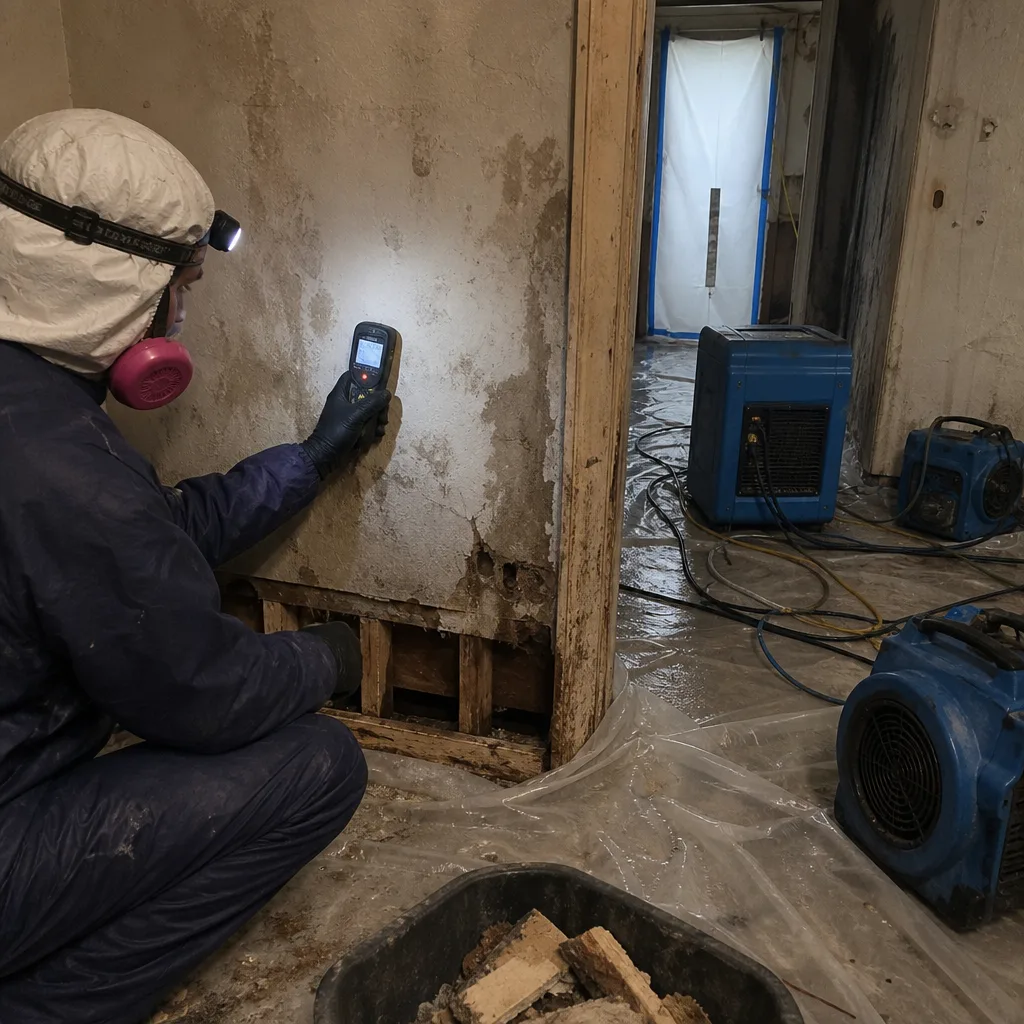
We arrive with thermal imaging cameras and moisture meters, mapping every affected surface in your home and any adjoining units. Curt Bowman’s crews document the loss from the first hour, which your insurer will need.
Extraction & Stabilization
Standing water is removed with truck-mounted extraction units and submersible pumps. We tarp compromised roofs, board up broken windows, and contain affected areas to keep water and soot from spreading laterally through party walls.
Drying & Dehumidification
Professional-grade Dri-Eaz dehumidifiers and XPOWER air movers run continuously, with hygrometers tracking humidity levels in each affected room. Structural drying in pre-war brick construction takes time, because those walls hold water differently than modern drywall-on-woodframe.
Cleaning & Sanitization
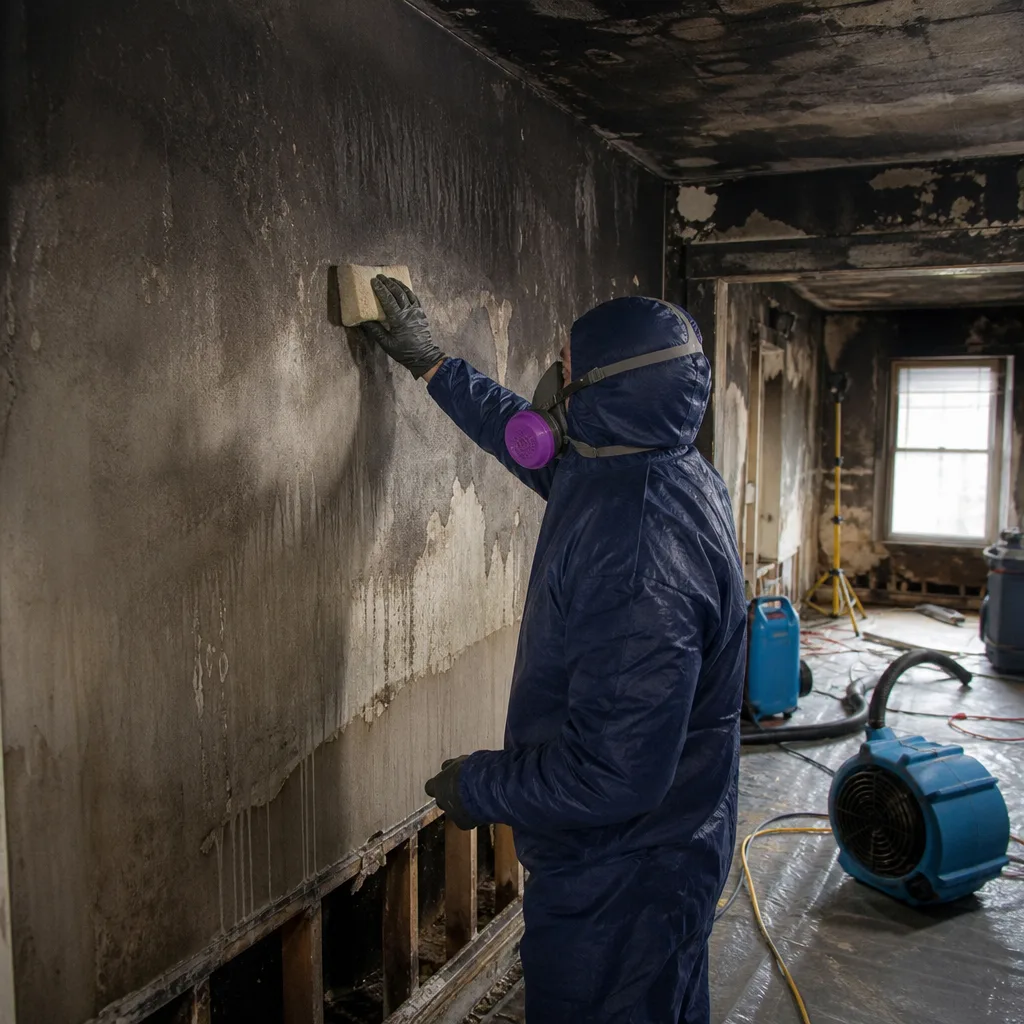
For Category 2 and Category 3 water, we apply antimicrobial treatments and remove saturated drywall, insulation, and flooring that can’t be saved. For storm-related smoke or mold concerns, HEPA air scrubbers run throughout the affected area.
Specialty Treatment for Storm Damage
Roof decking that’s been soaked by freeze-thaw cycling gets structural drying before any new membrane goes down. Injectidry systems pull moisture from inside walls and ceilings without tearing out every surface. This is where most storm restoration crews cut corners, and where our process earns its keep.
Repairs & Restoration
We rebuild what needs rebuilding: new drywall, restored floors, replaced trim, repainted surfaces. The same crew that started the job finishes it. Every job is backed by our 90-Day Done Right Promise, given in writing.
Need Emergency Storm & Disaster Restoration in Southeast Yonkers Now?
Crews minutes away, answering live 24 hours a day. The sooner we start, the less it costs.
Working With Your Insurance Company
Storm damage in Southeast Yonkers rarely stays confined to one unit, which means insurance claims get complicated fast. When a roof failure above a 1920s brick row house sends water through a shared party wall into three apartments, each with a different landlord and insurer, documentation is everything. We photograph every damaged surface room by room, log moisture readings daily until the dry standard is met, and write a line-item scope of work that matches industry-standard pricing your adjuster will recognize. We communicate directly with your carrier, so you’re not spending your evenings on hold. We’ve handled multi-party claims where two landlords and two insurance companies had to agree on a single restoration plan, and we know how to move those conversations forward without drama.
What We Provide Your Insurer
- Thorough documentation of the loss
- Photos of all damage, room by room
- Moisture readings and drying logs
- A detailed, line-item scope of work
- Direct coordination with your carrier
Built for Southeast Yonkers’s Loss Calendar
The storm damage we see in Southeast Yonkers follows a pattern, and it’s tied to the housing stock and the watershed. January and February bring deep freezes that burst cast iron supply lines in pre-war buildings, sending clean water through finished basement apartments and down through floor cavities. March and April bring thaw cycles that push groundwater through foundation walls that were laid before waterproofing existed as a building science. Summer brings convective rain events that overwhelm the combined sewer system along the Bronx River corridor, and basement apartments in Southeast Yonkers take Category 3 backups. Fall and winter bring nor’easters that lift seams on flat built-up roofs over row houses, and the urban heat island effect from the Bronx accelerates freeze-thaw cycling, so those same roofs leak harder in February than they did in October. We plan our Southeast Yonkers response around this calendar, because we’ve lived it for years.
Storm & Disaster Restoration Across Southeast Yonkers’s Neighborhoods
Our crews run storm calls through every corner of Southeast Yonkers, and each pocket has its own rhythm. Down near Lincoln Park and along South Broadway, we see a lot of two-family homes and small apartment buildings where a single roof failure cascades through shared walls into rented units below. Over in the blocks between McLean Avenue and the Bronx border, the attached brick row houses from the 1920s and 1930s are tight against each other, and water from one roof can travel three or four units before anyone notices a stain on a ceiling. Near Nodine Hill and down toward the Saw Mill River, the older multi-family stock with original cast iron drains means sewage backups hit basement apartments hard after heavy rain. Along Yonkers Avenue and Central Park Avenue, commercial spaces with residential units above them add another layer to every claim: a flooded storefront means a flooded apartment overhead, and two policies in play before we even start extracting water.
Specialized Storm & Disaster Restoration Services We Offer in Southeast Yonkers
Roof Tarping
When a nor’easter lifts a seam on a flat built-up roof or tears shingles off a row house, the first thing that has to happen is keeping more water out. We tarp compromised roofs in Southeast Yonkers the same day you call, and our crews secure the membrane properly so another gust doesn’t turn the tarp into a sail. Tarping buys you time to plan the repair, but if the underlying deck got soaked, it needs structural drying before any new membrane goes down, or you’ll be calling us again in three weeks.
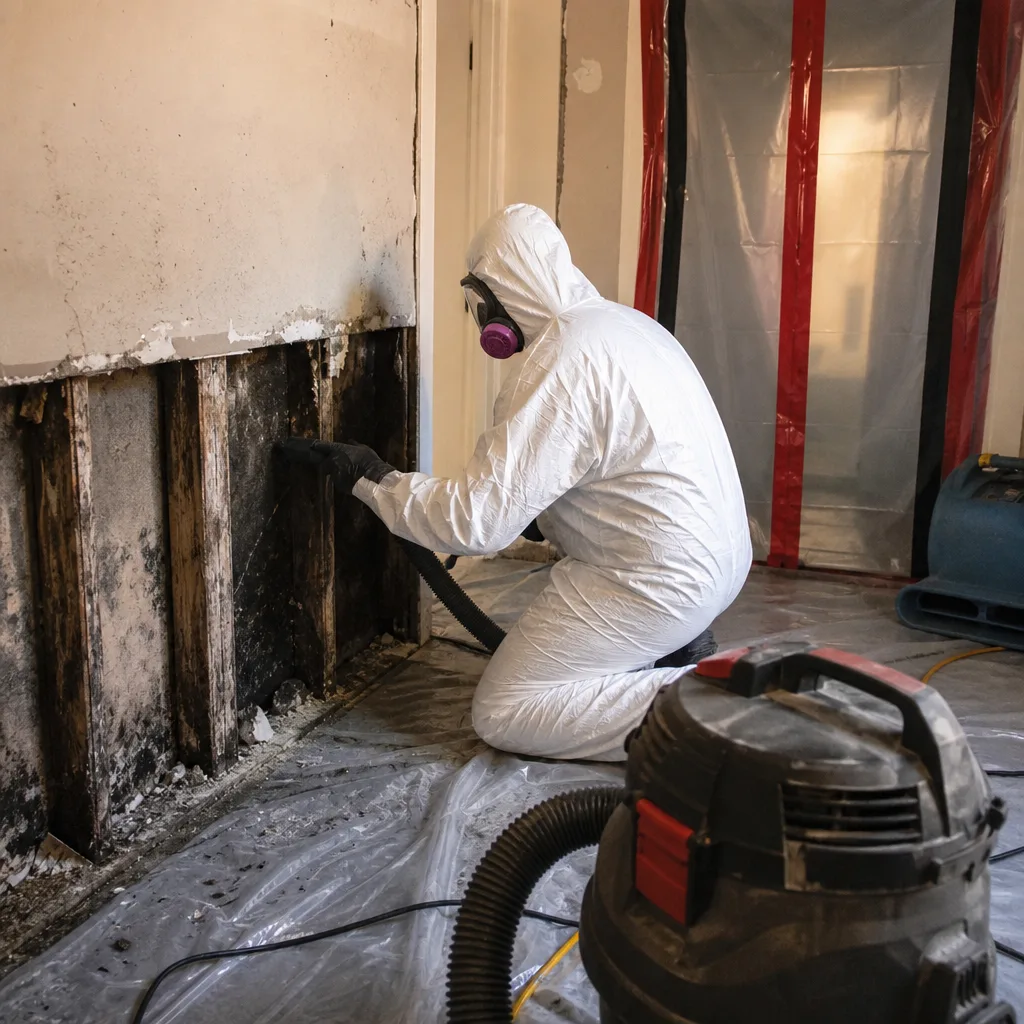
Flood Damage Restoration
Basement flooding in Southeast Yonkers is rarely clean water. The combined sewer system backs up during heavy rain, and finished basement apartments take the worst of it. We extract the water, remove saturated drywall and flooring, treat affected surfaces with antimicrobials, and run structural drying equipment until the moisture readings prove the space is dry. For attached buildings, we map moisture across adjoining units at the same time, because what you can’t see in the neighboring apartment is usually what comes back as a mold claim in six months.
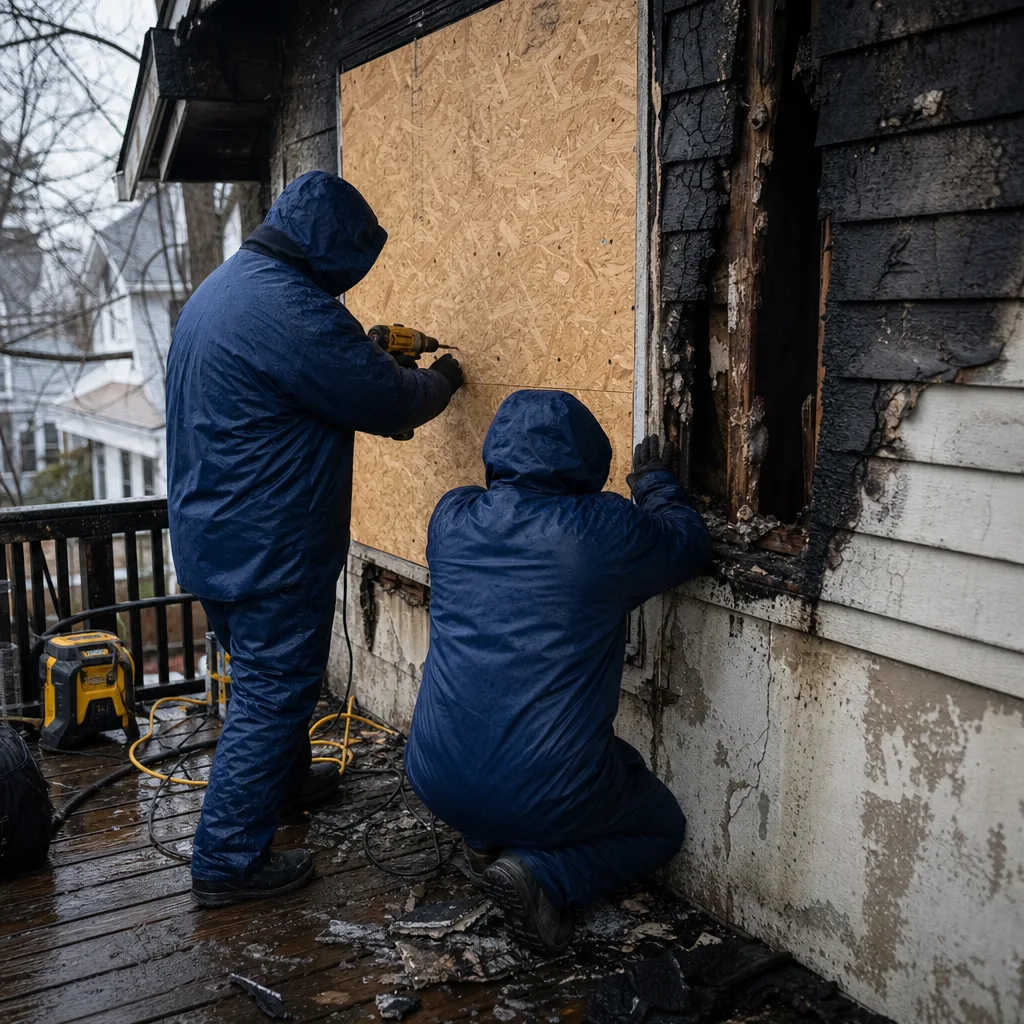
Emergency Board-Up
Broken windows, damaged doors, and compromised entryways after a storm leave Southeast Yonkers properties open to weather, pests, and opportunistic entry. We board up openings securely, using materials that will actually hold against the next storm system, not just plywood thrown up with a nail gun. Board-up is temporary by definition, but it has to be done right, especially on the older multi-family stock where a loose panel becomes a liability for every tenant in the building.
What happens when you call
- 1
A real person answersNo phone trees - you reach a local pro.
- 2
You get an upfront price rangeHonest numbers before anyone is dispatched.
- 3
A background-checked tech heads outLicensed & insured, dispatched right away.
- 4
You approve before work beginsNothing starts until you say go.
Storm & Disaster Restoration Costs in Southeast Yonkers, NY
Storm damage restoration in Southeast Yonkers runs on a different cost curve than the same work in northern Westchester, because the housing stock is denser and the claims are more complicated. Emergency roof tarping typically runs $650 to $1,400 depending on roof size and access. Flood damage restoration for a basement apartment after a sewer backup runs $3,000 to $9,000, with the higher end reflecting Category 3 water, saturated drywall removal, and antimicrobial treatment. Full storm restoration on a multi-unit attached building, where water has moved through shared party walls into three or four units, commonly lands between $15,000 and $45,000. What moves the price: how many units are involved, whether original flooring can be saved, how long the water sat before extraction started, and whether the roof deck needs structural drying before a new membrane goes down. Most storm losses are insurance-covered, minus your deductible. Call (845) 456-6568 for a free inspection and a written scope. We’ll tell you what it costs before any work starts.
We Also Serve Cities Near Southeast Yonkers
Our crews respond to storm damage throughout lower Westchester, including Southeast Yonkers and the surrounding communities. We regularly handle Storm & Disaster Restoration in New Rochelle, Mamaroneck, Rye, and Mount Vernon, where the housing stock and storm patterns are similar enough that our Southeast Yonkers experience translates directly.
Serving Southeast Yonkers, NY - Our Local Coverage Area
We’re based in the Southeast Yonkers area and know this community well. Use the map below to see our service coverage - if you’re nearby, we can almost certainly help.
Southeast Yonkers Storm & Disaster Restoration Questions, Answered
How do you handle a storm loss that affects multiple attached units in Southeast Yonkers when each unit has a different owner and insurer?
We treat it as one building with one scope of work, not three or four separate jobs. Our crews map moisture across all affected units, photograph every surface, and write a scope that clearly delineates what belongs to which owner and which policy. We coordinate directly with each insurer and each landlord, so the work moves forward without one holdout stalling the entire restoration.
What does ‘category 3 water’ mean for a basement apartment flood in Southeast Yonkers after a sewer backup?
Category 3 water is grossly contaminated: sewage, river backflow, or street water that has picked up whatever the combined sewer carried. It requires antimicrobial treatment, removal of saturated porous materials, containment, and careful drying. A simple pump-out without those steps leaves pathogens and mold behind in a finished basement apartment, and the smell comes back within weeks.
Why do flat roofs on pre-war row houses in Southeast Yonkers leak more during winter storms?
Flat and minimally pitched built-up roofs on 1910s through 1940s row houses have old membranes that freeze-thaw cycling stresses. Water finds small seams, freezes, expands, and widens the breach. The urban heat island effect from the Bronx accelerates that cycle, so the same roof that was fine in October opens up in February. Roof decking that stays wet under a tarp will fail again, which is why structural drying before new membrane goes down matters.
Can you restore original wood flooring in a Southeast Yonkers multi-family building that has been flooded with grey water?
Often, yes. Original oak flooring in pre-war Southeast Yonkers buildings can frequently be saved if extraction starts within hours and the floor is dried from both sides. We use Injectidry systems to pull moisture from within the flooring and the subfloor, with daily moisture readings to confirm progress. If the floor was under Category 3 water for more than 48 hours, it’s usually a removal, because the contamination soaks into the grain.
What makes storm damage restoration in Southeast Yonkers different from doing the same work in northern Westchester?
Density and shared walls. In northern Westchester, a roof failure affects one house. In Southeast Yonkers, the same failure in a 1920s brick row house can pull water through a party wall into three or four separately owned or rented units, each with its own landlord and insurer. That’s more coordination, more documentation, and more damage than a single-family restoration crew is built to handle. We’ve done it hundreds of times, and it’s the core of our Storm & Disaster Restoration work here.
How fast can you actually get to my Southeast Yonkers property during a storm?
Our target is 45 minutes from your call to boots on your property, and that holds whether you call at noon or 2 a.m. during a nor’easter. The person who answers the phone is a live dispatcher who starts the crew assignment before you’ve hung up. Call (845) 456-6568 and we’ll be there when we say.
Will my insurance cover storm damage restoration in Southeast Yonkers?
Most storm losses are covered, whether it’s a roof failure, a sewer backup, or wind-driven water intrusion. The specifics depend on your policy and whether the loss originated from a covered peril. We photograph everything from the first hour, write a line-item scope that matches industry-standard pricing, and coordinate directly with your adjuster. We also bill the carrier directly, so you’re not fronting thousands while the claim works through.
What should I do in the first 30 minutes after storm damage hits my Southeast Yonkers home?
Call us. Before that, if it’s safe to do so, shut off water at the main if the source is a burst pipe, and shut off electricity to any wet areas from the breaker panel, not by walking through standing water. Don’t try to extract sewage water yourself, and don’t enter a basement with standing water if you’re not certain the electricity is off. Then call (845) 456-6568. The first 30 minutes decide how much gets saved.
Written by Curt Bowman, Owner at Floodline Restoration Co., serving Southeast Yonkers with storm and disaster restoration since the company’s founding in 2010.