
Free visual inspection and a written scope of work before any mitigation begins - photos, moisture readings, and drying logs go in your claim file
The scope we write is the scope we bill. Anything new gets shown to you, in writing, before we touch it.
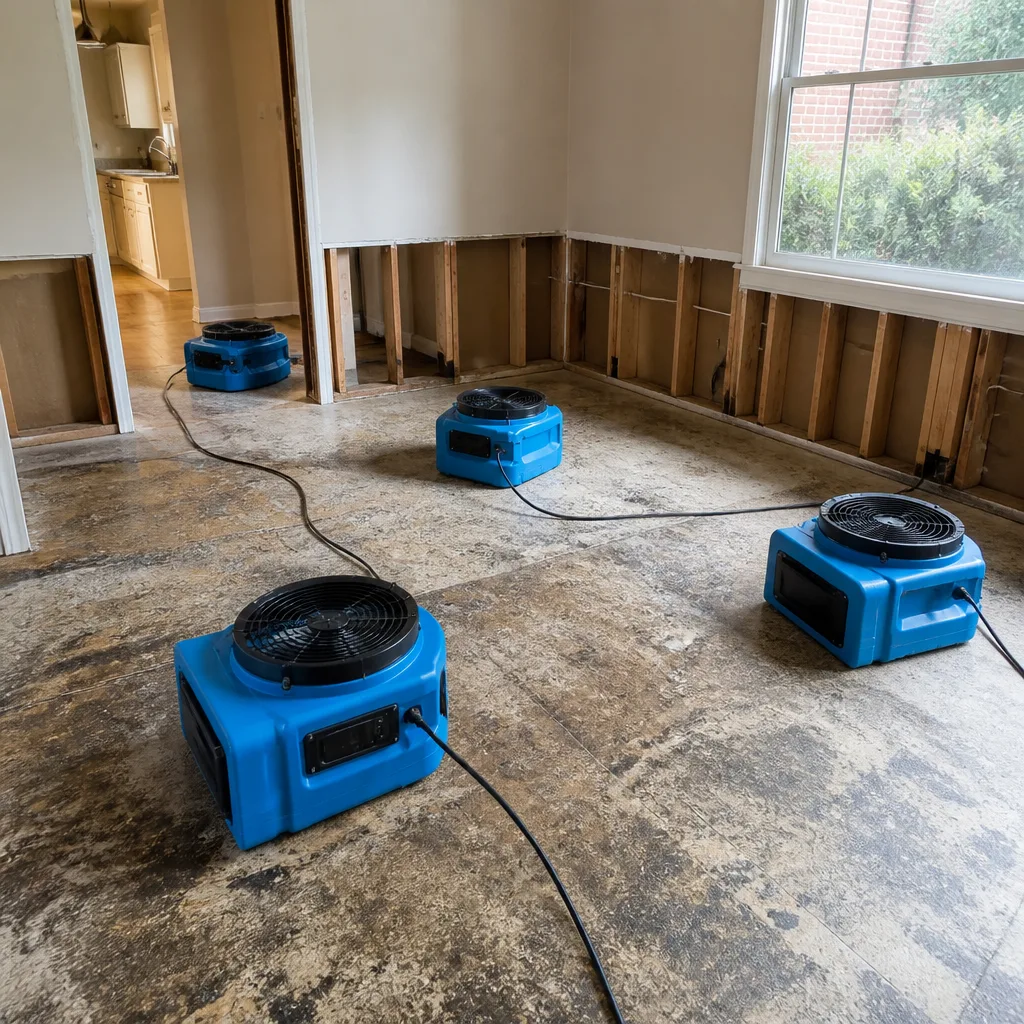
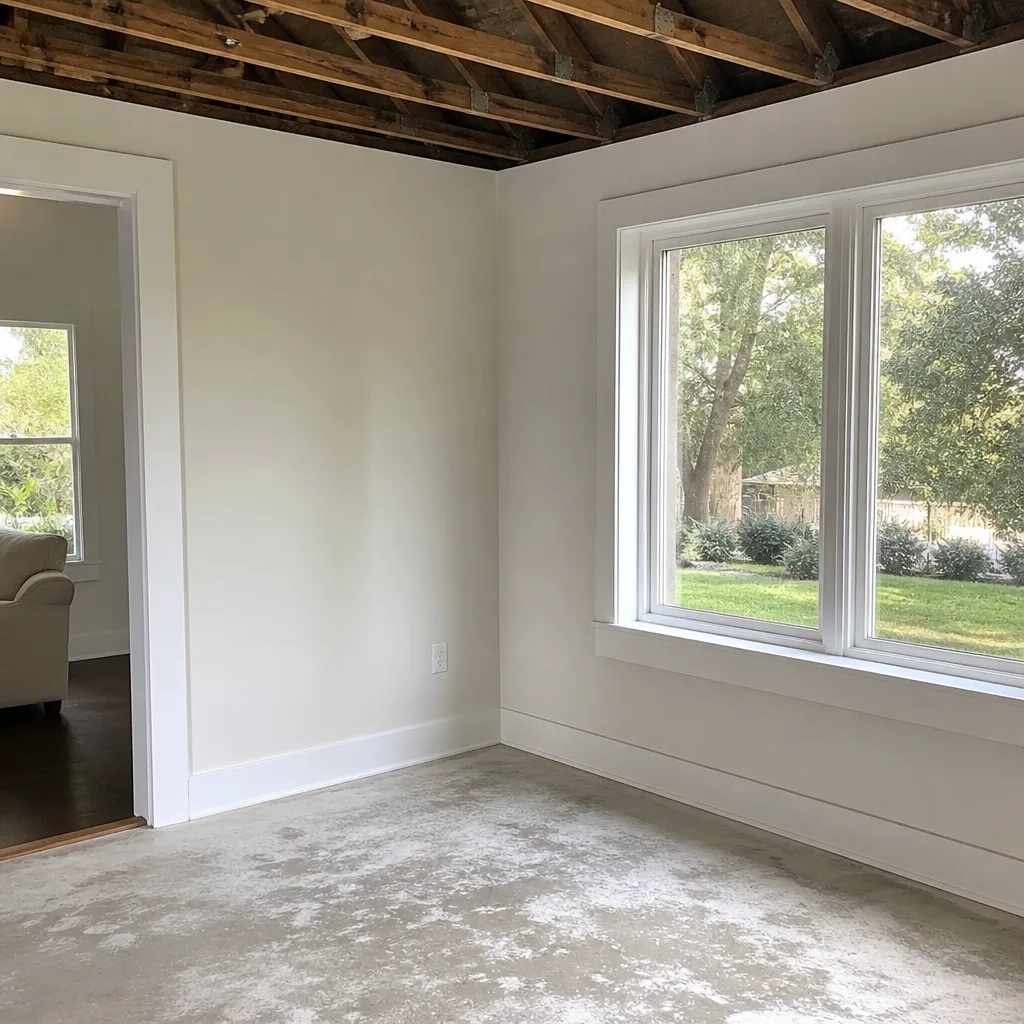
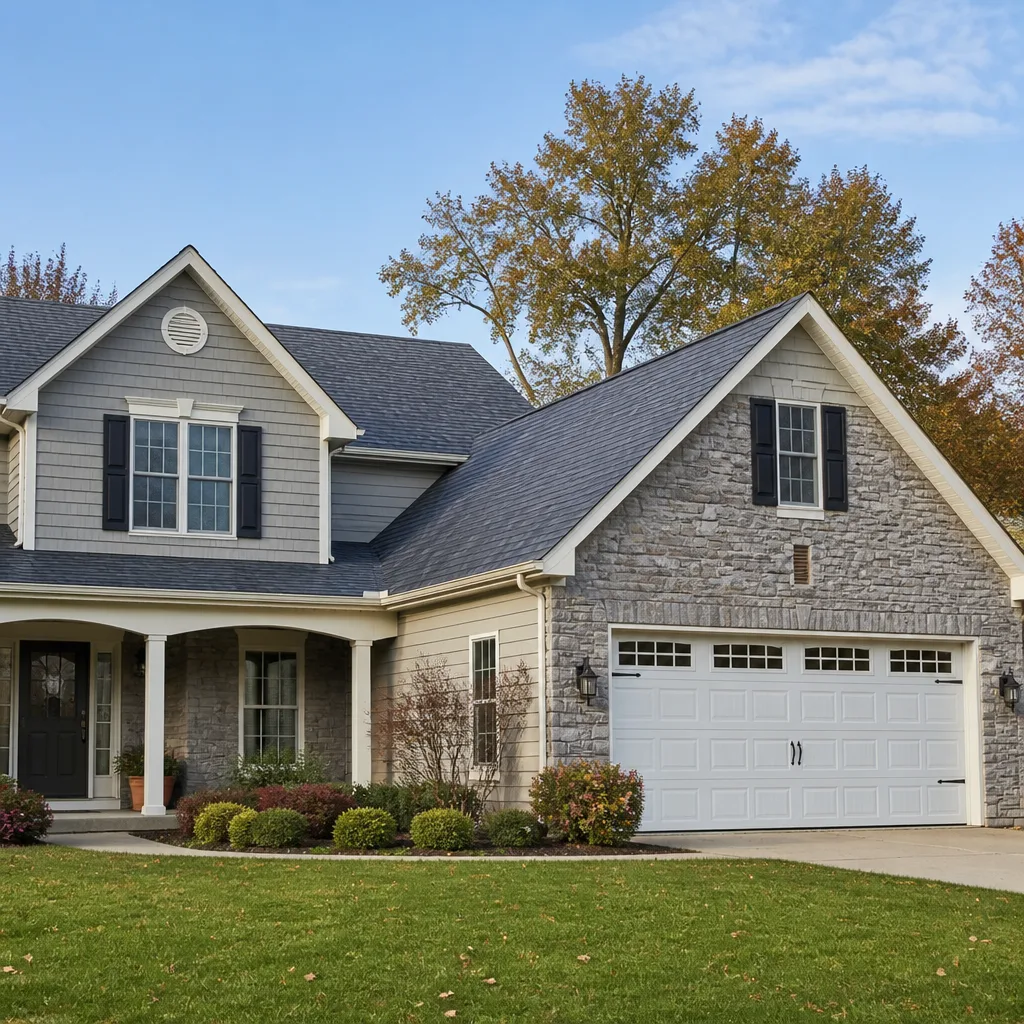
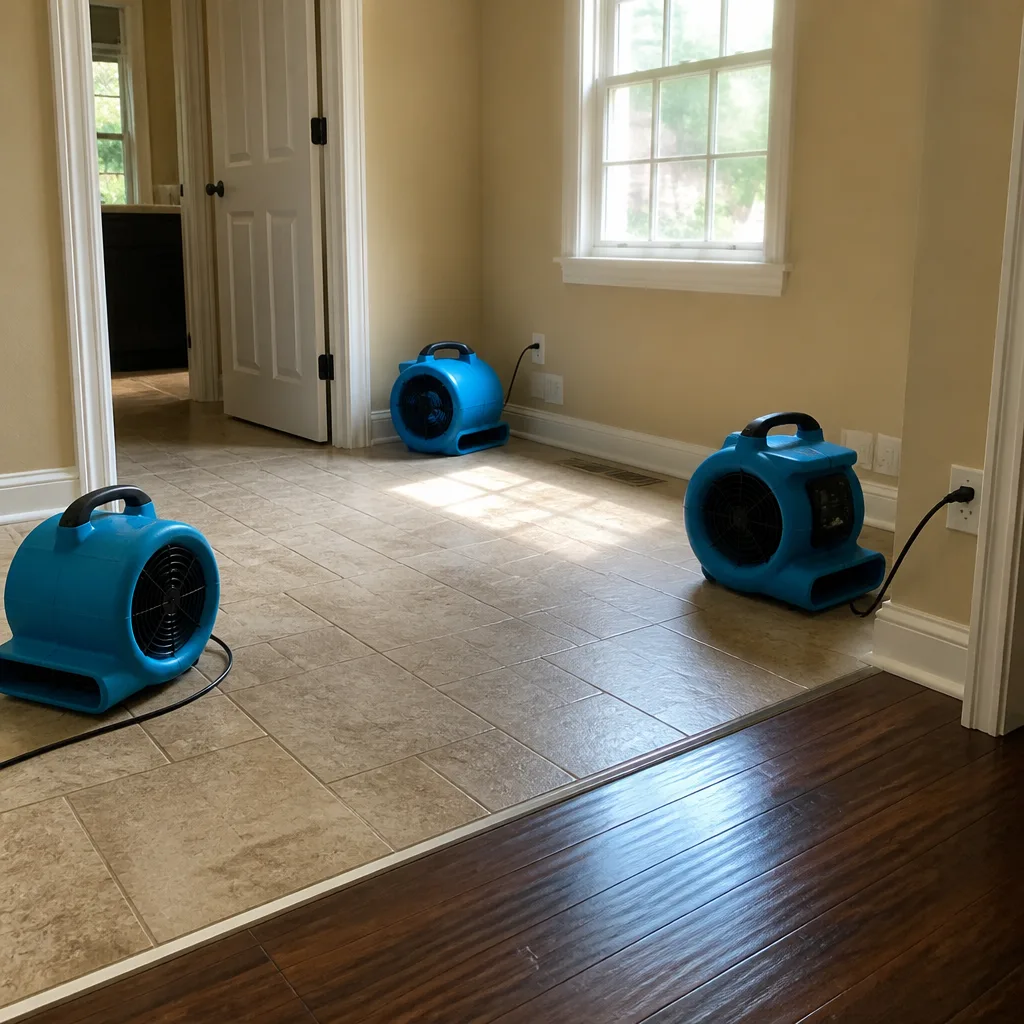
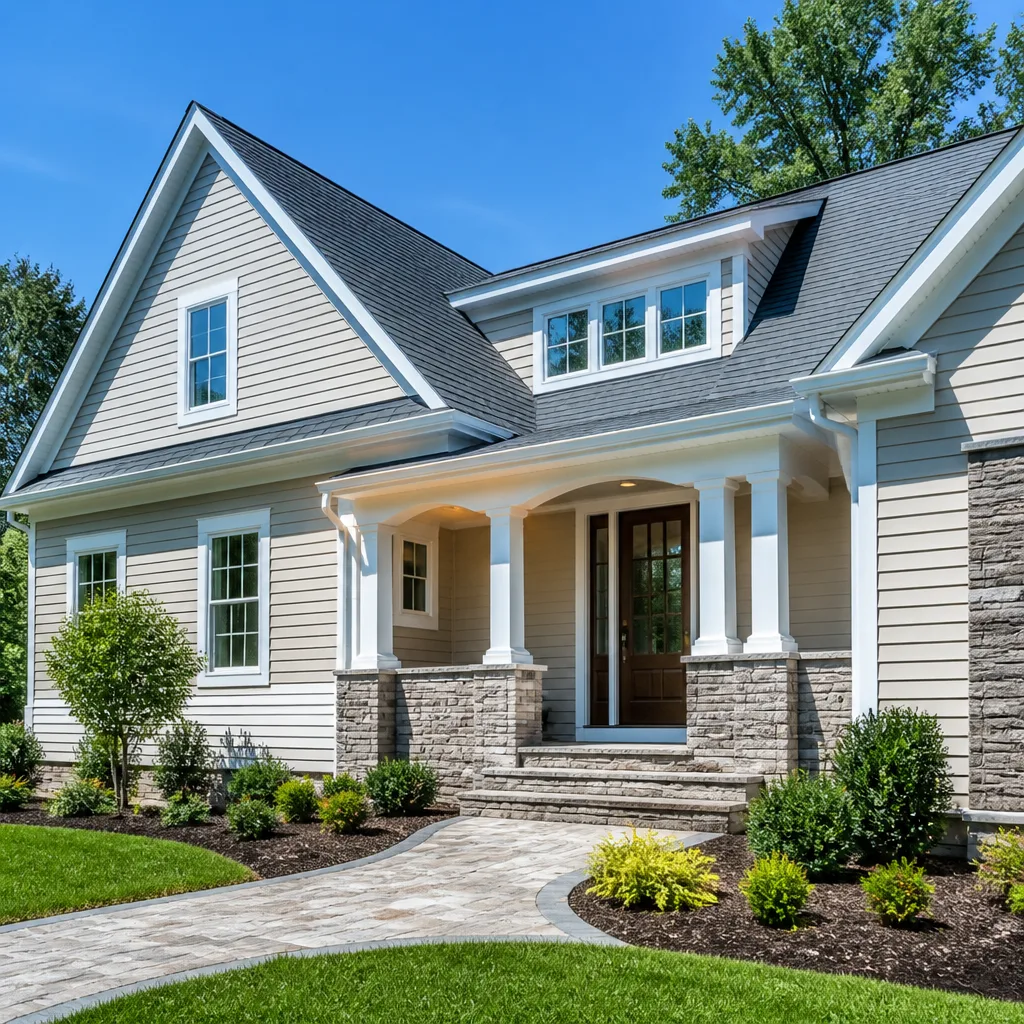
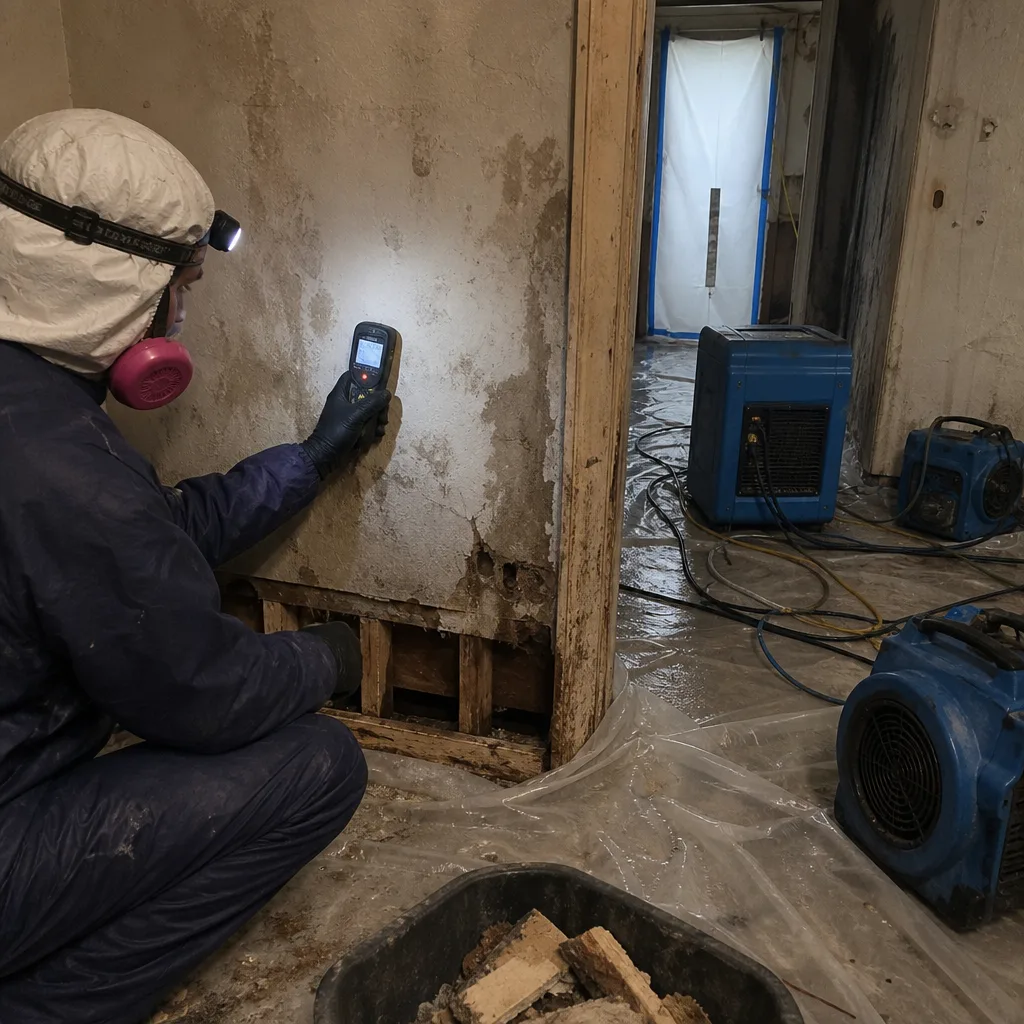 Before
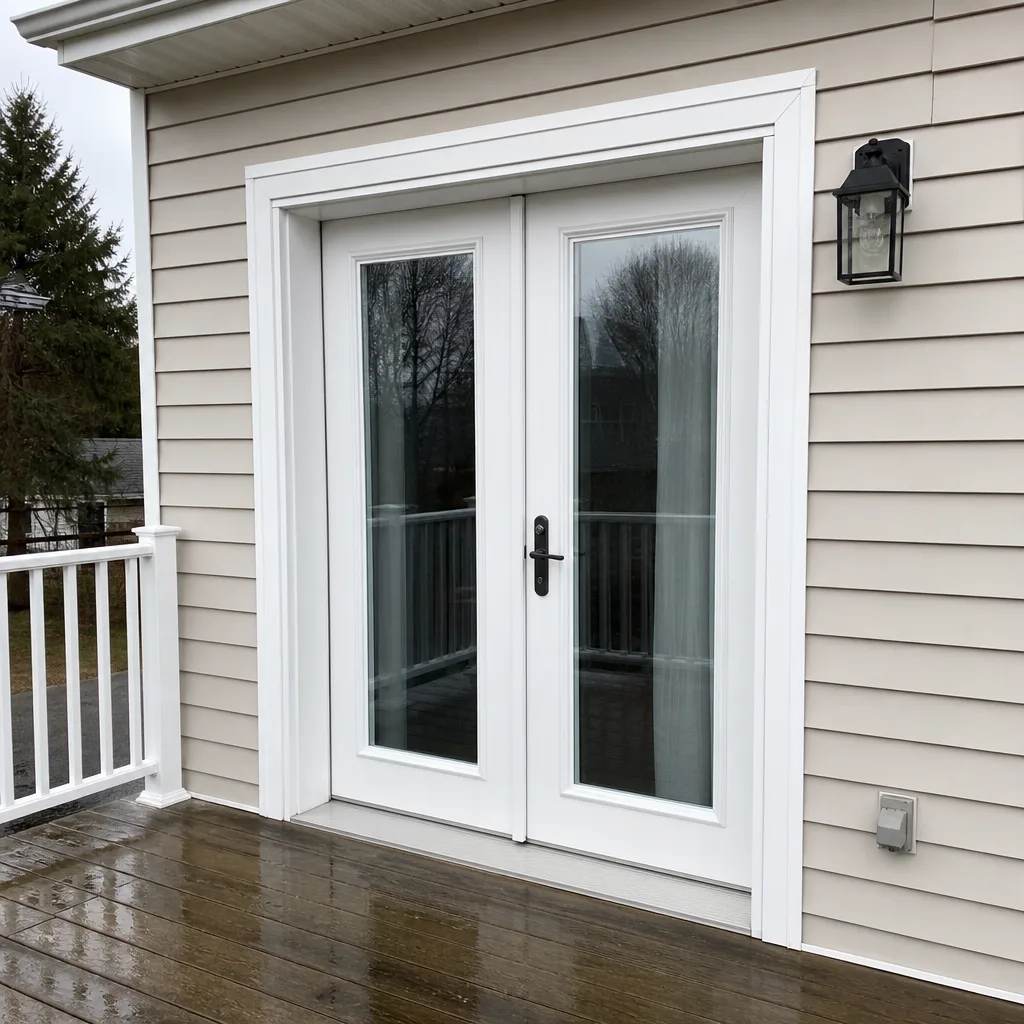 After
After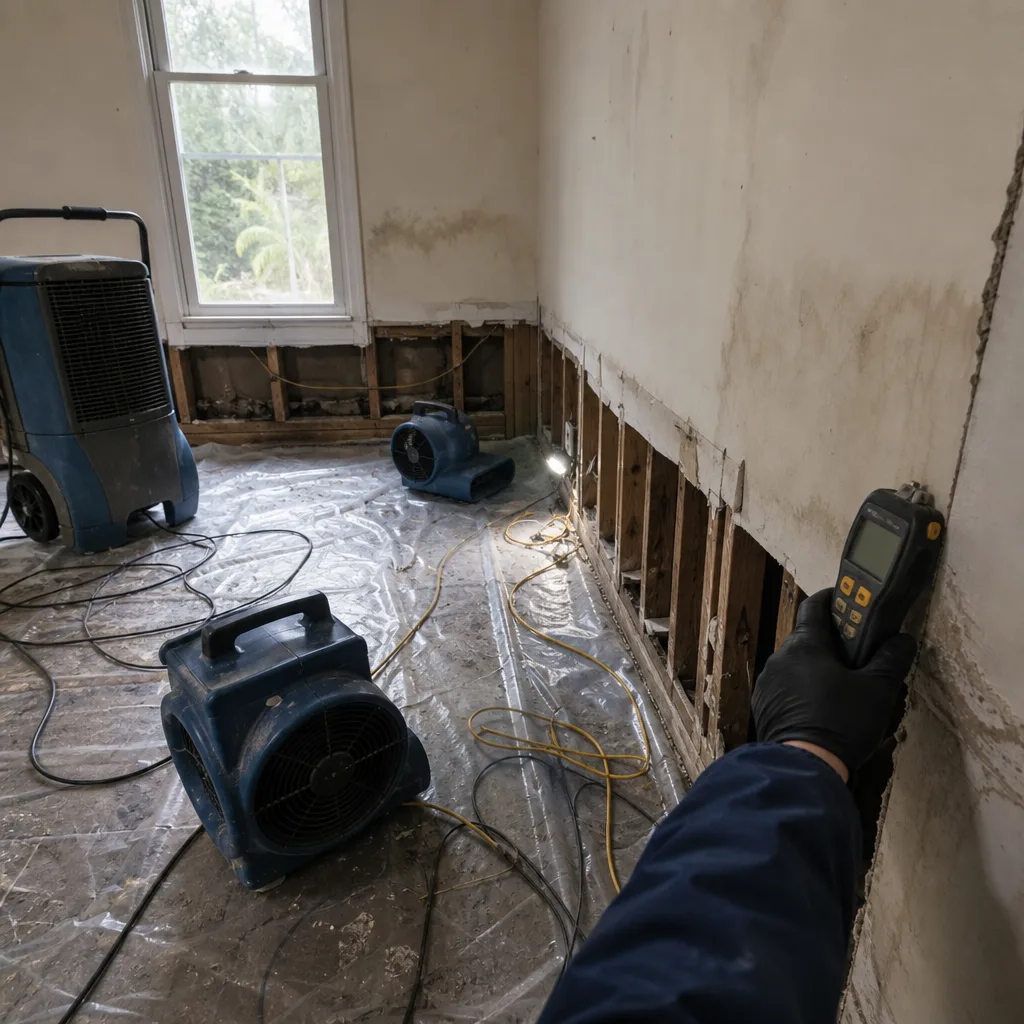 Before
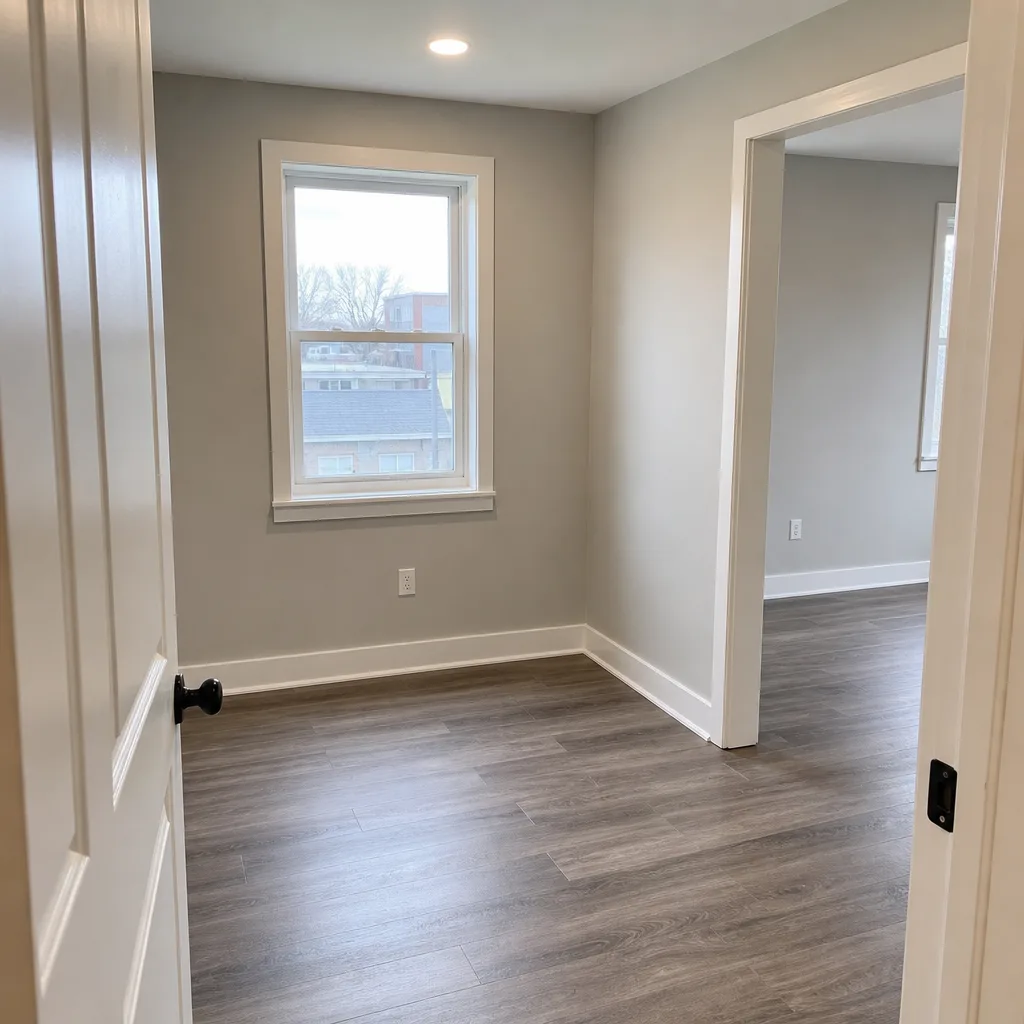 After
After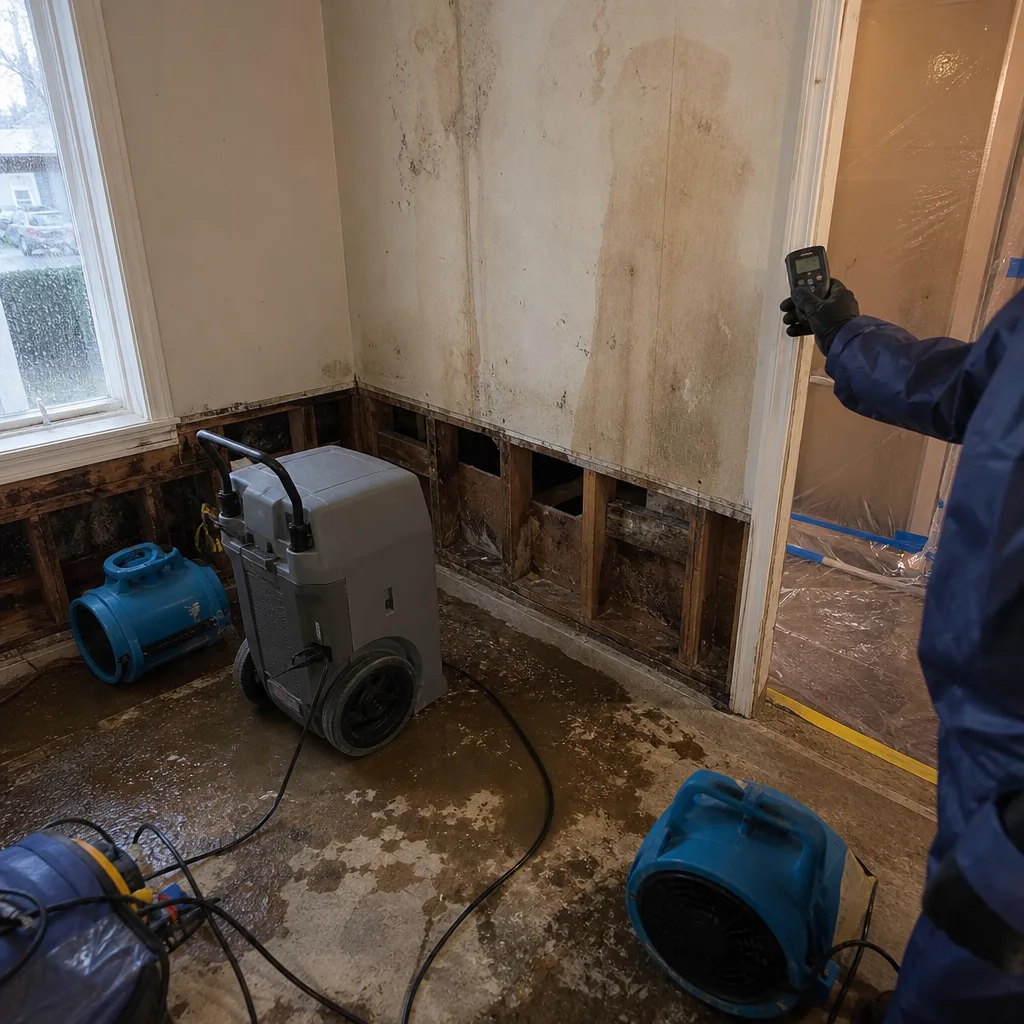 Before
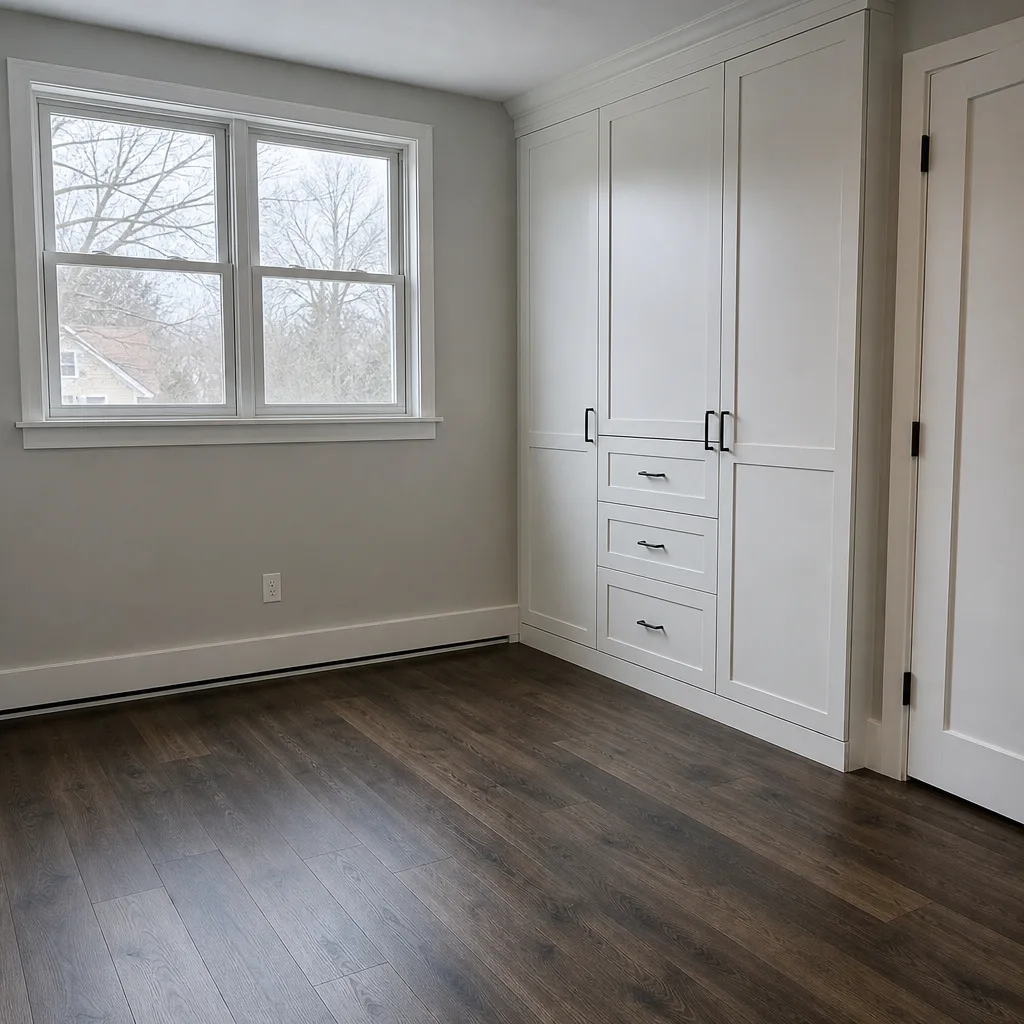 After
After24/7 Emergency Storm & Disaster Restoration in Larchmont
Storm damage in Larchmont moves fast, and so do we. When a nor’easter pushes Long Island Sound over the seawall in Larchmont Manor or a summer squall drops a limb through a roof on Forest Park Avenue, you need a crew that answers the phone at 2 a.m. and gets extraction running the same visit. Call (845) 456-6568 and a live dispatcher picks up, not a recording. We dispatch certified crews into Larchmont within the hour, every day of the year.
The first hour after storm water enters your home decides how much can be saved. Salt water from the Sound starts corroding original cast-iron supply lines immediately. Plaster-and-lath walls begin weeping moisture into balloon-framing cavities. A free visual inspection right now beats paying for mold remediation in three weeks. Our crews come with moisture meters and thermal imaging cameras, and the visit costs you nothing while the damage is spreading.
Understanding Storm & Disaster Restoration Severity in Larchmont Properties
Storm water in Larchmont is rarely simple. Nor’easter surge pushing into Larchmont Manor is Category 3 water, the same classification as sewage: salt-laden, carrying harbor bacteria, fuel residue, and whatever the tide picked up. It demands Biohazard & Crime Scene Cleanup - Larchmont containment, antimicrobial treatment, and disposal protocols beyond what a freshwater pipe break requires. But the severity doesn’t stop at the water class.
The village’s pre-1940 housing stock changes the restoration math. A 1927 Tudor with plaster-and-lath walls, balloon framing, and original knob-and-tube wiring absorbs water differently than a 1980s drywall colonial in New Rochelle. Plaster holds moisture for days longer, and the hollow cavities between studs act like wicks, pulling salt water upward six to eight feet past the visible flood line. We map moisture with thermal imaging and hygrometers, not just our eyes, and we keep reading until the old-growth timber, not just the surface, hits pre-loss condition.
Why Larchmont Property Owners Choose Floodline Restoration Co.
- 45-minute response commitment: When you call from Larchmont, we tell you when our crew will arrive. We’ll be there when we say.
- 24/7 live answer: A real person picks up at 2 a.m. in a nor’easter. Never an automated system, never a callback queue.
- IICRC-certified crews: Our technicians hold WRT, FSRT, and AMRT certifications and train to RIA and IFA standards. They’re background-checked and uniformed.
- Free visual inspection: We assess the damage, map the moisture, and give you a written scope before any work starts. No pressure, no scare tactics.
- Direct insurance billing: We document the loss from the first hour, communicate with your adjuster directly, and bill the carrier so you’re not playing messenger.
- One team, start to finish: The same crew that extracts the water performs the drying, the mold remediation, and the rebuild. No mid-job handoff to a subcontractor you’ve never met.
Our Storm & Disaster Restoration Process
Inspection & Assessment
We arrive with thermal imaging cameras, moisture meters, and hygrometers. We find the flood line and map what the water did inside the walls, not just on the surface. In Larchmont Manor homes, that means probing balloon-framing cavities where salt water wicks upward invisibly.
Extraction & Stabilization
We pull standing water with truck-mounted extraction units, then board up broken windows, tarp damaged roofs, and cut off compromised electrical circuits. For wind-damaged openings on Palmer Avenue or flooding in the Manor, we stabilize first so the damage stops spreading.
Drying & Dehumidification
We set Dri-Eaz dehumidifiers, Phoenix air movers, and Injectidry panels into wall cavities. Plaster-and-lath homes need extended drying protocols measured in weeks, not days. We take daily readings and hand you and your carrier a complete moisture log.
Cleaning & Sanitization
Category 3 storm water means Larchmont Sanitization Services with antimicrobial treatment of every affected surface. We HEPA-vacuum, scrub, and apply EPA-registered antimicrobials, then run air scrubbers to clear particulates. Salt residue from Sound surge gets neutralized so it can’t re-wet walls months later.
Salt & Corrosion Mitigation
Nor’easter water leaves mineral deposits in porous brick and corrodes original cast-iron supply lines. We treat masonry, inspect and replace compromised piping, and document everything for your claim. Skipping this step is why some Larchmont homes smell musty a year after the flood.
Repairs & Restoration
The same Floodline crew handles drywall, flooring, trim, and cabinetry. We rebuild to match the older character of Larchmont homes, and we don’t call it finished until you have the 90-Day Done Right Promise in writing.
Need Emergency Storm & Disaster Restoration in Larchmont Now?
Crews minutes away, answering live 24 hours a day. The sooner we start, the less it costs.
Working With Your Insurance Company
Most Larchmont homeowners have never filed a storm claim before the nor’easter that flooded their basement. We have, hundreds of times. We document the loss from the first hour a crew is on site: photos of every room, moisture readings, equipment logs, and a line-item scope of work in the format your carrier expects. We talk to your adjuster directly so you don’t have to translate construction terms over the phone. When the claim is approved, we bill the insurer directly. If your adjuster pushes back, we have the documentation to answer. Storm & Disaster Restoration claims go smoother when the paperwork is done right.
What We Provide Your Insurer
- Thorough documentation of the loss
- Photos of all damage, room by room
- Moisture readings and drying logs
- A detailed, line-item scope of work
- Direct coordination with your carrier
Built for Larchmont’s Loss Calendar
Storm losses in Larchmont follow a rhythm, and we’ve learned it by answering the phone through every season. January brings deep freezes that split supply lines in unheated crawlspaces and burst radiator pipes in the older Colonials on Elm Avenue. Spring thaw turns basement seepage into a trickle that never stops, soaking plaster walls in finished basements all along the Boston Post Road corridor. Summer brings thunderstorm downbursts that drop limbs onto roofs and flood low-lying streets faster than drains can handle, especially in the Harbor Heights area. And from September through March, nor’easters push Long Island Sound over the Manor seawall and into flood zones where FEMA maps have warned homeowners for decades.
Each season demands a different first response, but two things stay constant: the water keeps moving through old framing until someone stops it, and the phone call that gets us there faster is always the cheaper fix.
Storm & Disaster Restoration Across Larchmont’s Neighborhoods
Larchmont Manor, the Sound-front district south of the Boston Post Road, is where we see our most severe storm-surge work. These homes, many built between 1890 and 1930, sit inside FEMA Special Flood Hazard Areas. When the tide comes over the seawall, the water doesn’t just flood basements; it pushes into ground-floor living spaces and wicks upward through balloon-framing cavities. Homes on Park Avenue, Oak Avenue, and Ocean Avenue regularly need full extraction, extended drying, and salt-corrosion treatment.
North of the Post Road, the village’s surviving Queen Anne Victorians and early Tudor Revivals have their own storm challenges. Heavy rain finds its way through aging slate roofs and flashing, into attics insulated with decades-old materials. The Colonials along Larchmont Avenue and around Willow Avenue frequently need roof tarping and emergency board-up after high winds. And the Harbor Heights neighborhood, with its mix of 1920s homes and mid-century ranch houses, sees basement flooding from both coastal surge and storm-drain backup. We route crews differently for each area, because a Palmer Avenue apartment above a storefront floods differently than a Manor house on a hillside lot.
Specialized Storm & Disaster Restoration Services We Offer in Larchmont
Storm Damage Cleanup
After wind blows out a window or rain drives through a damaged roof, Reconstruction & Cleanup - Larchmont starts with stabilization. We remove wet debris, HEPA-vacuum surfaces, and set containment where needed. In Larchmont, storm cleanup on older homes often turns into discovery work: once we open a wall, we find what sixty or eighty years of water has been doing behind the plaster.
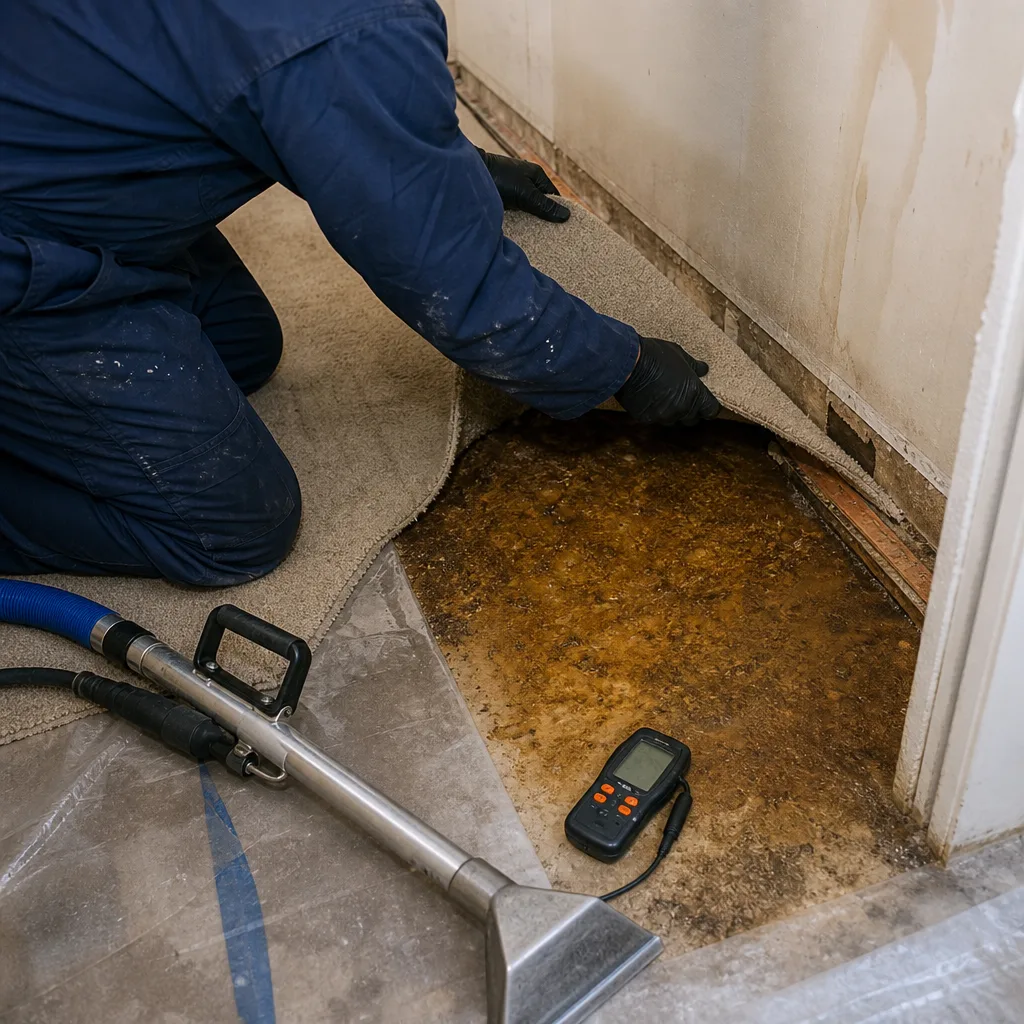
Flood Damage Restoration
Flood restoration in Larchmont Manor is a different trade than it is inland. Salt water, Category 3 contamination, and balloon-framed plaster homes mean we run longer drying cycles, inject antimicrobials into wall cavities, and treat corroding pipes and mineral-stained masonry. Homes on the Sound side of the Manor see the worst of it, and our moisture maps routinely show water seven feet up the studs when the visible flood line says three. Our Storm & Disaster Restoration team handles this every storm season.
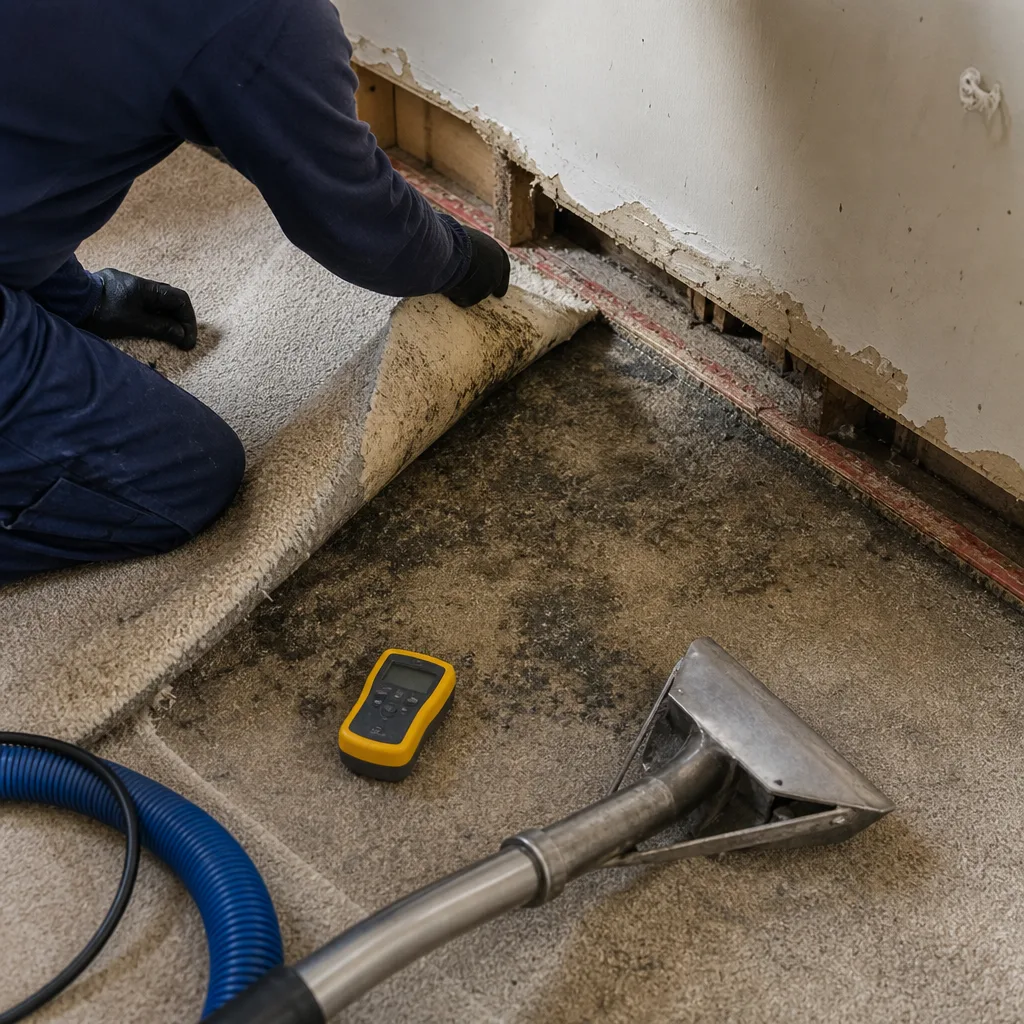
Emergency Board-Up
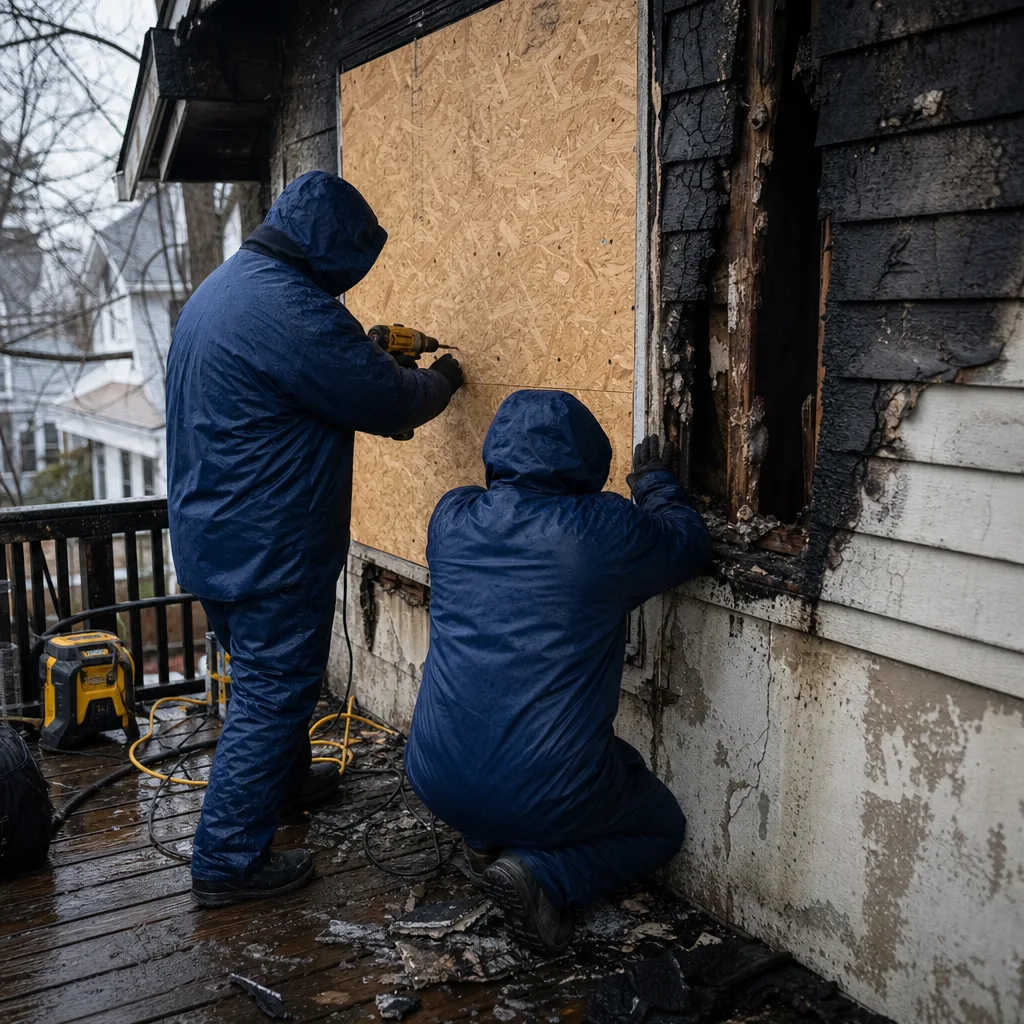
When a nor’easter takes out a picture window or a downed limb smashes a door, securing the opening is the first priority. We board up with plywood cut on site and fastened properly, not just nailed over the opening. For Larchmont homes with original arched windows or leaded glass, we work carefully, because some of that glass and millwork is irreplaceable.
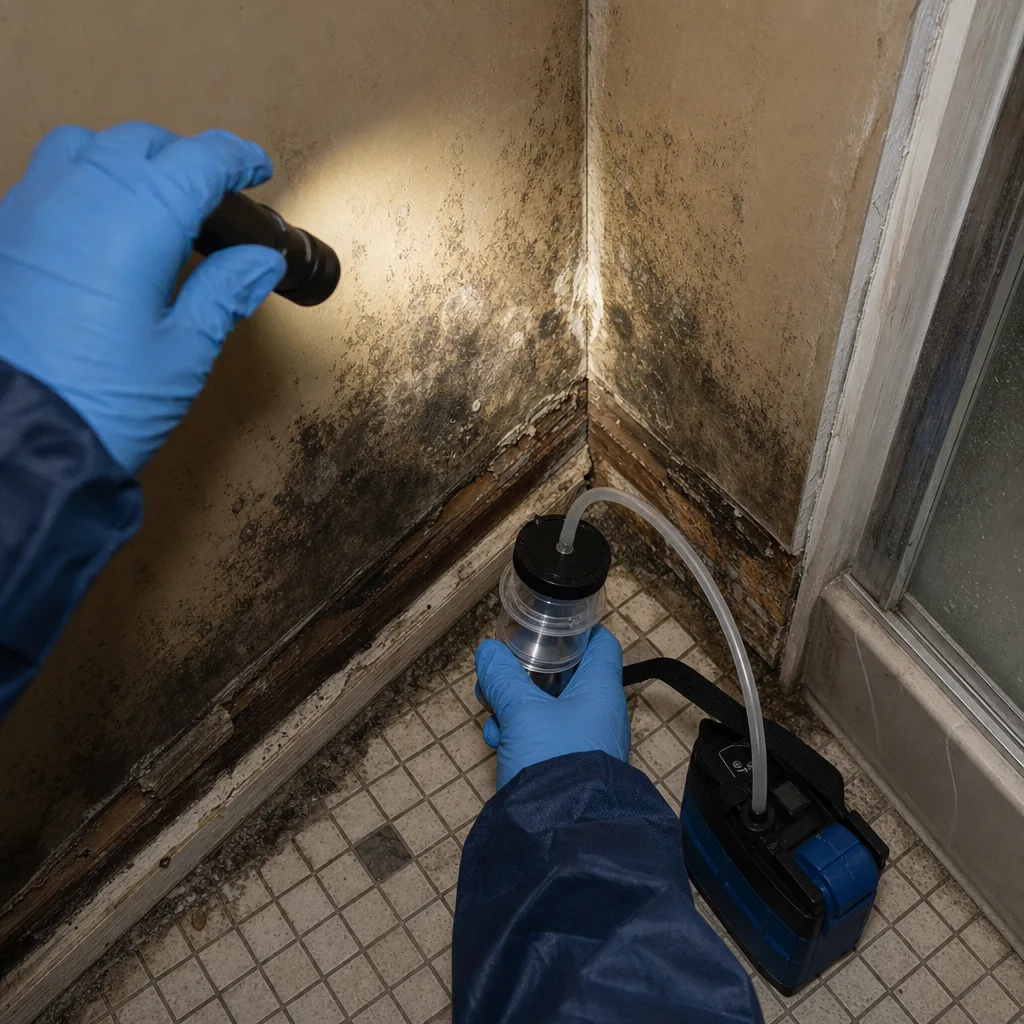
Roof Tarping
A tarp done wrong leaks worse than the original damage. We tarp with heavy-duty material, counter-battened and sealed at the edges, so rain and wind don’t get under it. Given the age of many roofs in Larchmont, especially the slate and cedar-shake variety, we tarp to buy time for a proper repair, not as a permanent fix.
Debris Removal
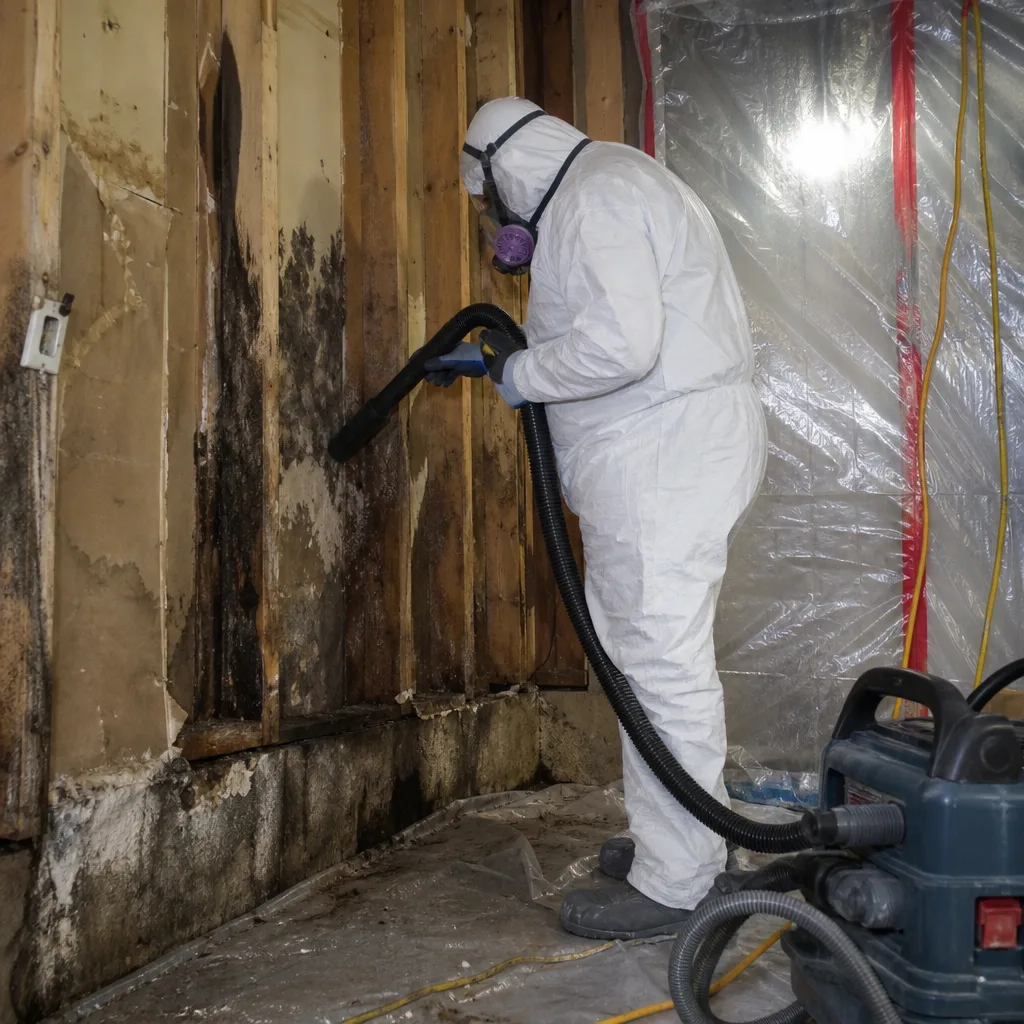
Storm debris in Larchmont means more than downed limbs. It’s soaked plaster, ruined rugs, damaged furnishings, and the contents of a flooded basement. We remove and dispose of it properly, separate anything salvageable for your adjuster to see, and keep the haul-away documented for your claim.
Wind Damage Repair
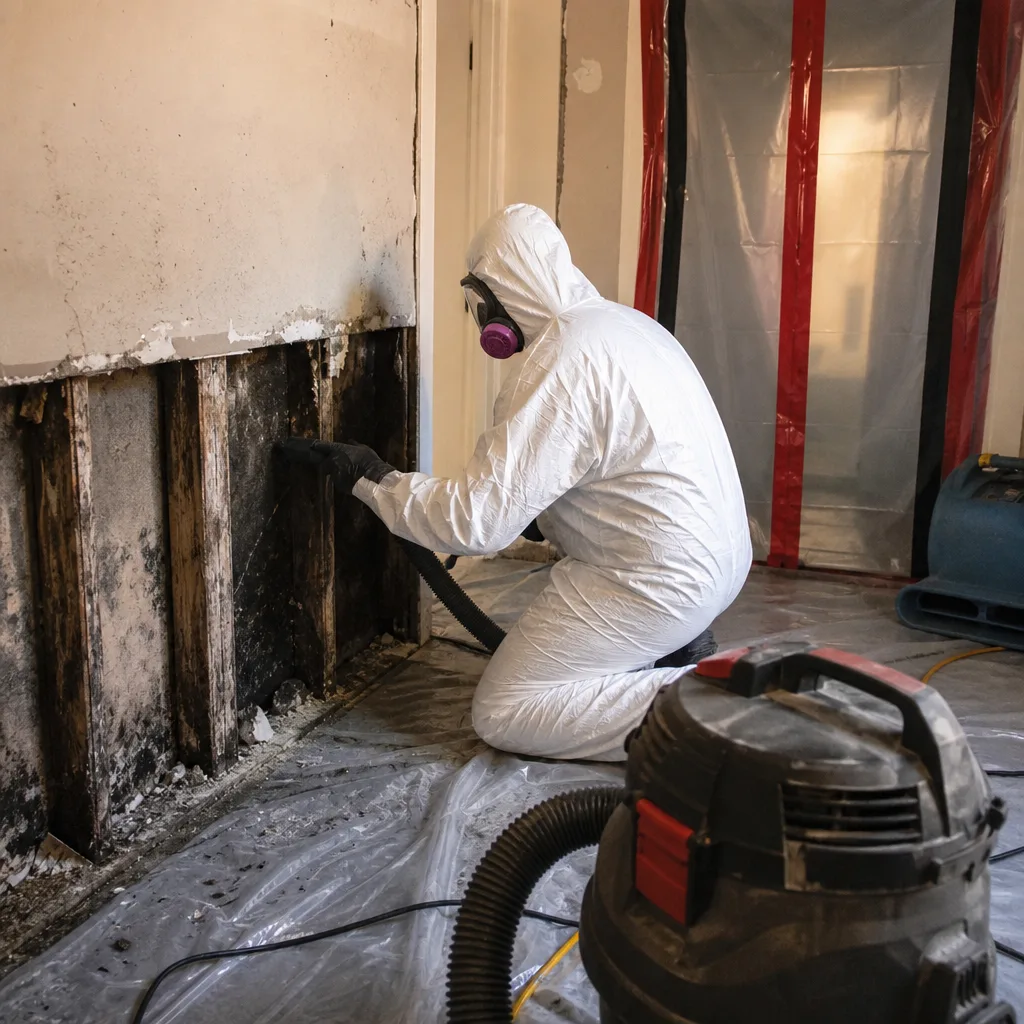
High winds on the Sound front stress shingles, siding, and flashing in ways that don’t always show immediately. We inspect for lifted shingles, cracked ridge vents, and shifted gutter systems after every significant blow. Catching wind damage early on a 1920s home saves the plaster ceiling below it.
What happens when you call
- 1
A real person answersNo phone trees - you reach a local pro.
- 2
You get an upfront price rangeHonest numbers before anyone is dispatched.
- 3
A background-checked tech heads outLicensed & insured, dispatched right away.
- 4
You approve before work beginsNothing starts until you say go.
Storm & Disaster Restoration Costs in Larchmont, NY
Storm restoration pricing in Larchmont reflects the older housing stock and the complexity of coastal flood work. A straightforward roof tarping runs $400 to $900 depending on the pitch and the size of the damaged area. Emergency board-up typically costs $250 to $600 per opening. Full flood extraction in a basement starts around $2,000 and runs to $6,000 or more when salt-water intrusion has wicked into balloon-framing cavities and plaster walls require containment. Extended drying with daily monitoring adds $75 to $150 per day, and in a plaster-and-lath Larchmont home, drying often runs two to three weeks, not three days.
Mold remediation after storm flooding, when needed, starts around $1,800 and goes up with the square footage of affected wall. Replacing salt-corroded cast-iron supply lines adds $2,500 to $6,000 depending on access. None of this should surprise you: we write a firm scope before work starts, and the free visual inspection gives you real numbers. Insurance covers most storm losses, and we bill your carrier directly. Senior and veteran homeowners in Larchmont always receive a 5% discount on qualifying work.
We Also Serve Cities Near Larchmont
Floodline Restoration Co. serves Larchmont and the surrounding communities with the same 24/7 live dispatch and 45-minute response commitment. Our crews regularly work in Mamaroneck, New Rochelle, Eastchester, and Pelham, and we know the local housing stock and flood patterns in each. If you’re a homeowner in any of these towns, the same certified team, the same equipment, and the same written guarantee apply.
Serving Larchmont, NY - Our Local Coverage Area
We’re based in the Larchmont area and know this community well. Use the map below to see our service coverage - if you’re nearby, we can almost certainly help.
Larchmont Storm & Disaster Restoration Questions, Answered
Why does storm surge in Larchmont Manor require different drying protocols than freshwater flooding inland?
Salt water behaves differently in old building cavities. It carries minerals that remain hygroscopic after the water is gone, meaning they keep pulling moisture from the air, and those minerals corrode cast-iron and old-growth timber faster than freshwater. In a balloon-framed Larchmont Manor home, we use Injectidry panels to force dry air into the stud cavities for weeks, take daily moisture readings, and treat the timber and masonry for salt residue. Standard 48-hour drywall protocols simply don’t apply here.
How do you handle Category 3 storm water in a 1930s Tudor with plaster-and-lath walls?
We treat it as a contaminated-water event, not a spill. That means containment, antimicrobial application, and disposal of anything porous that the water touched. For the walls themselves, we remove baseboards, drill weep holes at the sill, and dry the cavities with Injectidry panels while monitoring moisture daily. The plaster face gets disinfected and tested. We don’t consider a room dry until the timber behind the plaster, not just the surface, meets the dry standard. Call (845) 456-6568 and we’ll walk you through what your specific home needs.
Our 1925 Colonial has original knob-and-tube wiring that got wet in the last nor’easter. Can it be saved?
Sometimes, but not always. Wet knob-and-tube wiring is a fire risk, and salt water accelerates corrosion on the copper and the porcelain insulators. In many cases, the right answer is to de-energize the affected circuits and replace them with modern wiring, which means coordinating with a licensed electrician and factoring that into your insurance claim. We always identify compromised wiring during our inspection and photograph it for your adjuster, because leaving it wet behind a closed wall is how fires start six months after the flood.
What’s the right order of operations for a Larchmont Manor home with storm-surge flooding and wind damage?
Stabilize first: board-up and tarping stop new water and wind from entering. Second, extract standing water. Third, begin drying and dehumidification, including the wall cavities. Fourth, address contamination with antimicrobials and salt-neutralization. Fifth, repair structural damage and replace compromised mechanical systems. Finally, rebuild finishes. Doing any of this out of order, especially drying before contamination treatment, just hides a problem that comes back wet and moldy. That sequence is exactly how our crews work on every Manor flood job.
How quickly should mold remediation start after a nor’easter flood in Larchmont?
Within 48 to 72 hours of the water event. Mold spores colonize wet plaster and timber fast, especially in the warm, humid weeks after a September or October nor’easter. The longer remediation waits, the more invasive the treatment becomes, the more wall material gets removed, and the more the claim costs. If your Larchmont home has been wet for more than two days, we recommend inspection immediately. The free visual assessment tells you whether you need full remediation or just targeted drying.
How fast can a crew actually reach my Larchmont home after I call?
We commit to 45 minutes for emergency storm response in Larchmont. Our dispatch is local and live. You call (845) 456-6568, a real person answers, and a certified crew is rolling with extraction equipment, moisture meters, and board-up materials. The first hour decides what can be saved, so we don’t schedule storm work for the next day when the water is already inside.
Will insurance cover the full cost of storm restoration on my Larchmont home?
Most standard homeowners policies cover storm damage from wind, rain, and nor’easter surge, with two caveats. Flood damage from rising water outside the home typically requires a separate flood insurance policy, which matters a great deal in Larchmont Manor and other FEMA-mapped flood zones. And your payout depends on documentation. We write the scope, photograph everything, and coordinate with your adjuster so the claim matches what actually happened on site. Policy limits and deductibles vary, but we’ll help you maximize what your policy pays.
What should I do in the first 30 minutes after storm water enters my Larchmont home?
Call us. Then, if it’s safe, shut off the main breaker if water has reached outlets or the panel. Move small valuables and important documents to a dry upper floor. Do not use a shop vac on Category 3 water, and don’t turn on HVAC systems, because they spread contaminated air through the house. Take phone photos of the water line for your records. Then wait for our crew, because everything else is best handled by people with the right equipment and training. Call (845) 456-6568 now.
Storm damage in Larchmont doesn’t wait, and neither should you. Whether it’s nor’easter surge in the Manor, a downed limb through a roof near Manor Park, or basement flooding in Harbor Heights, call (845) 456-6568 for a free estimate and a live answer, any hour, any day. The line the water left is where we start.
Written by Curt Bowman, Owner at Floodline Restoration Co., a New York Metro restoration company founded in 2010 and serving Larchmont homeowners with 24/7 live dispatch, certified crews, and the 90-Day Done Right Promise.