
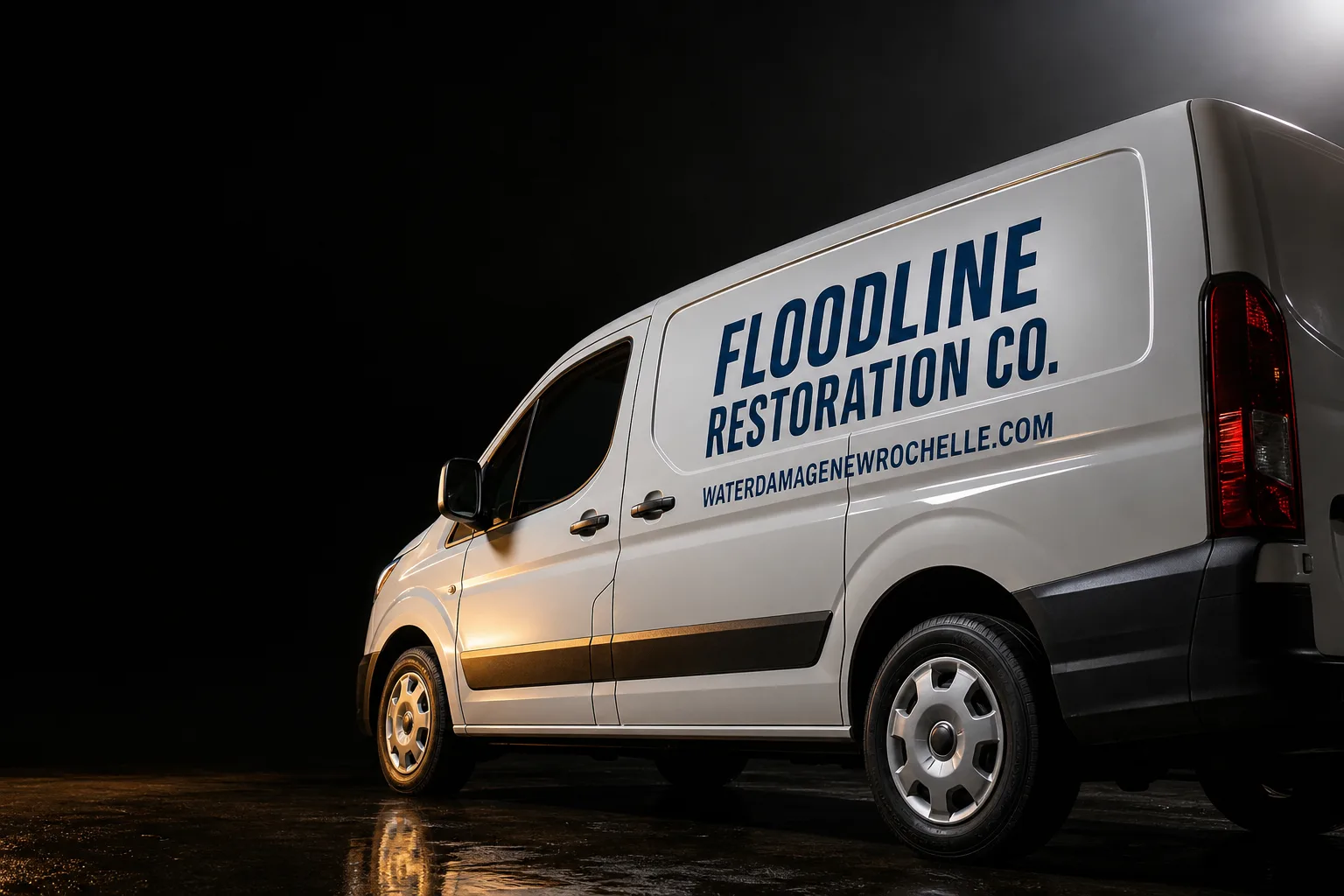
Free visual inspection and a written scope of work before any mitigation begins - photos, moisture readings, and drying logs go in your claim file
The scope we write is the scope we bill. Anything new gets shown to you, in writing, before we touch it.
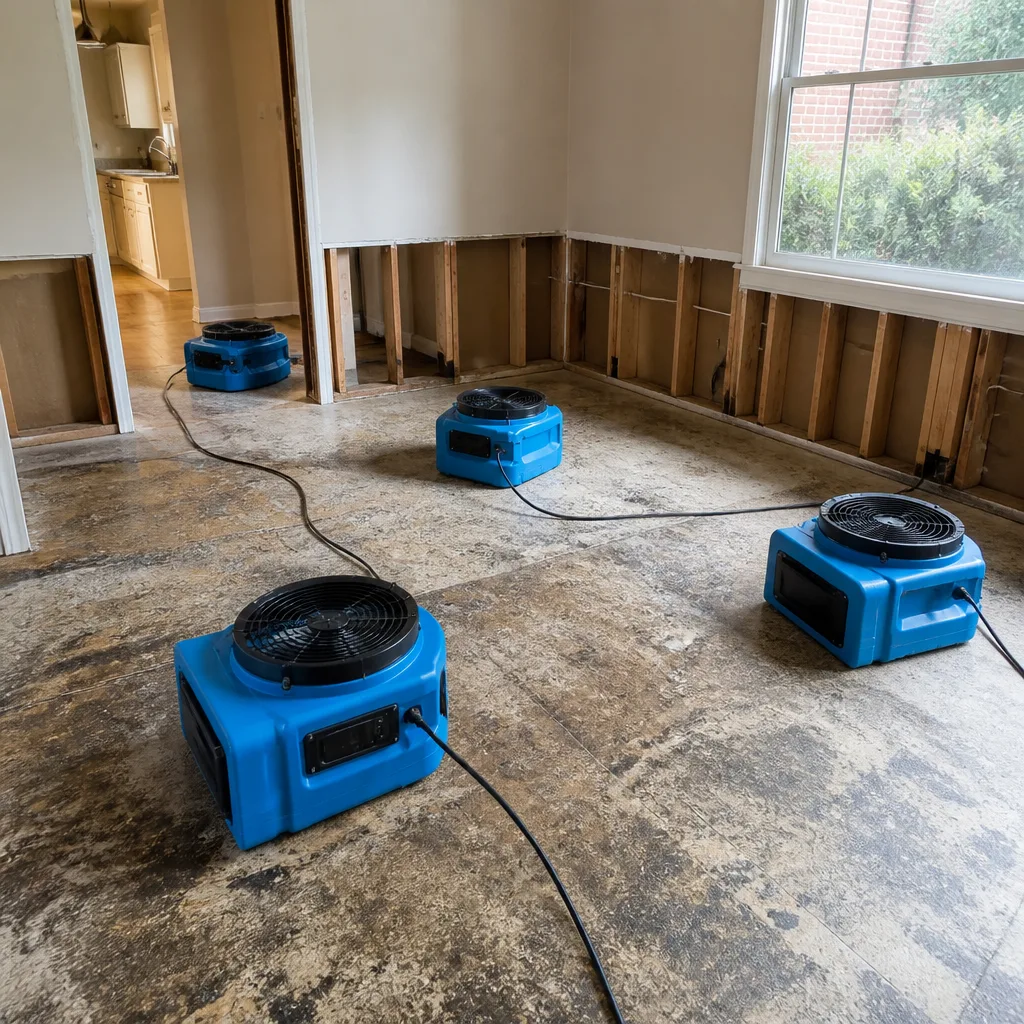

 Before
 After
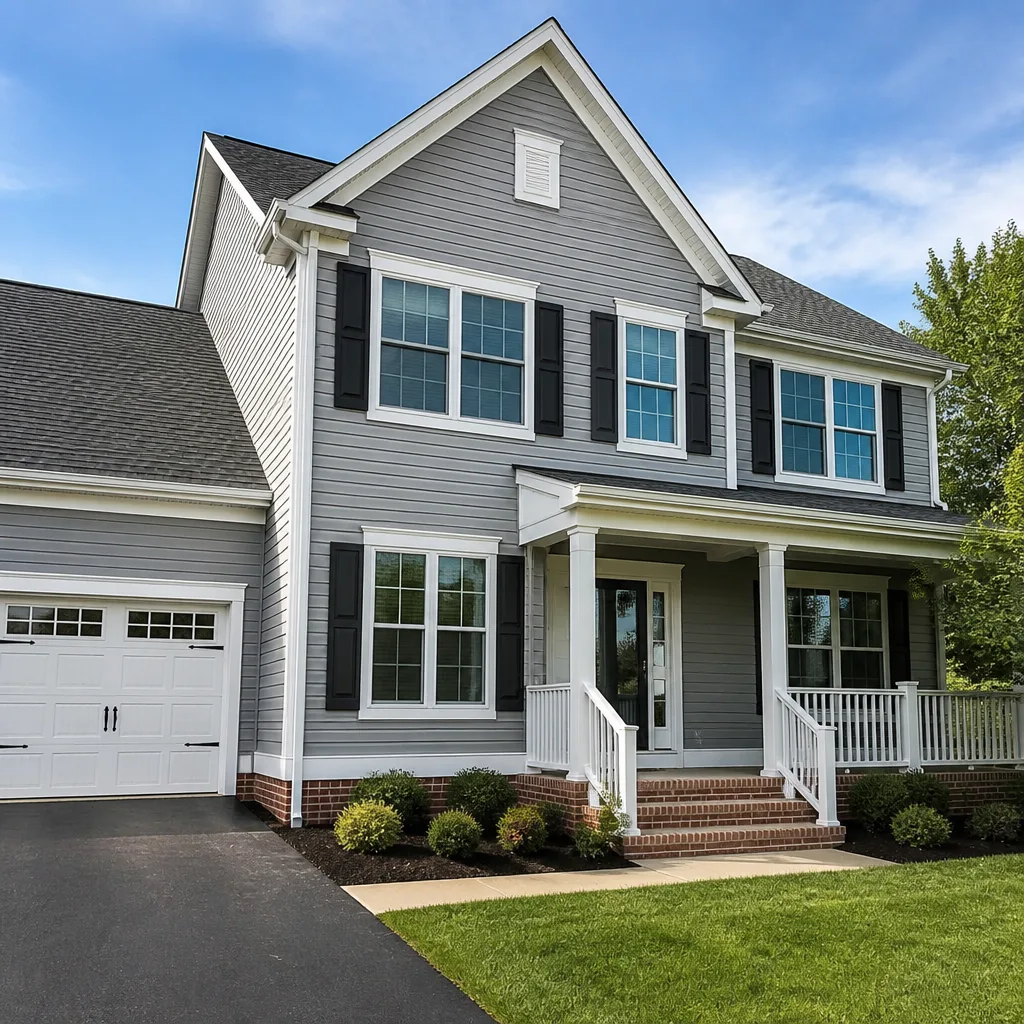
After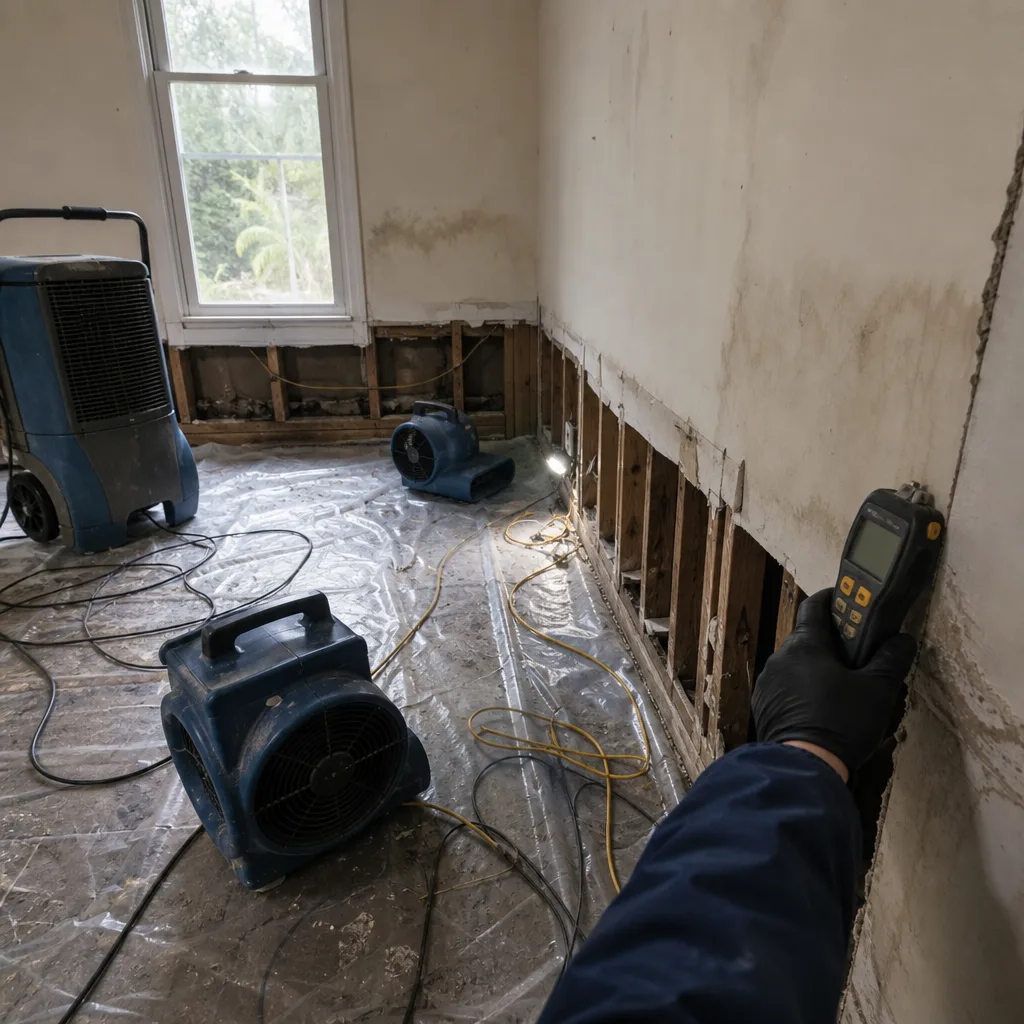 Before
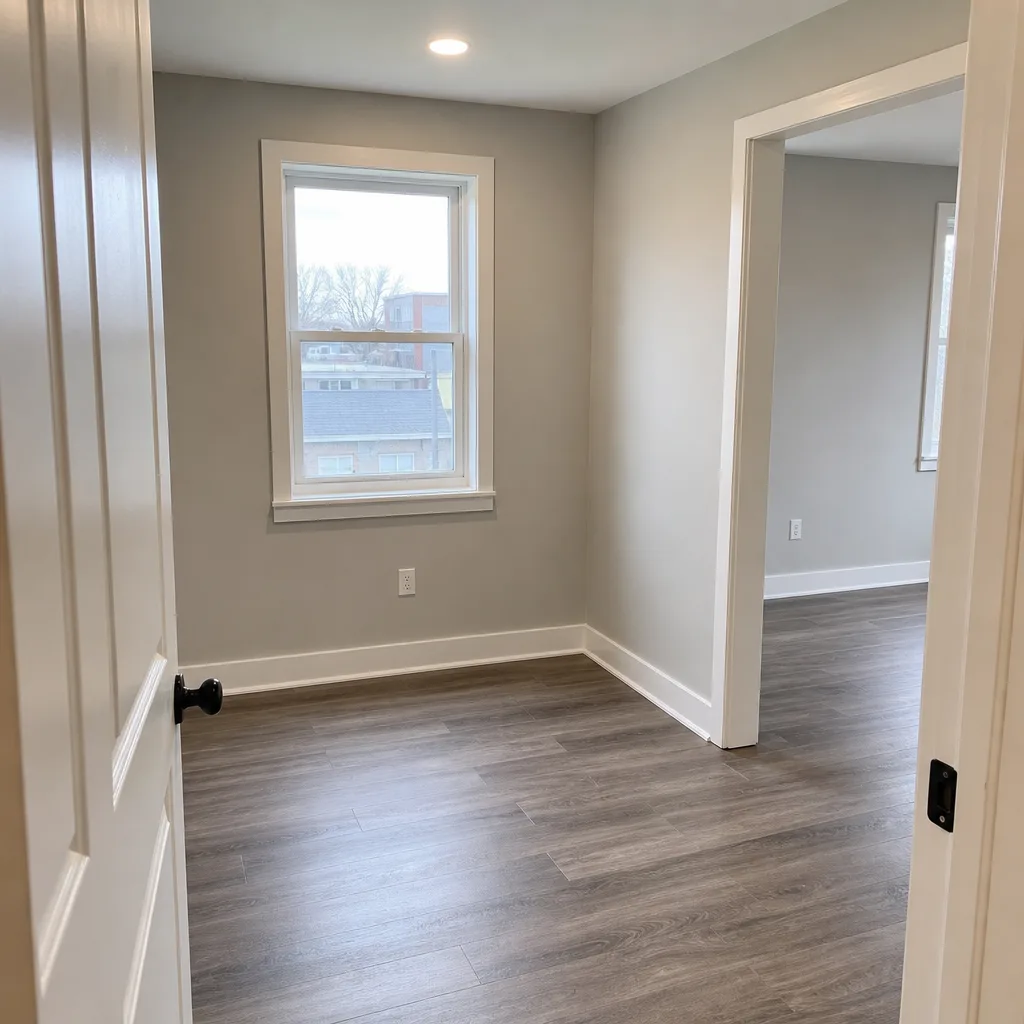 After
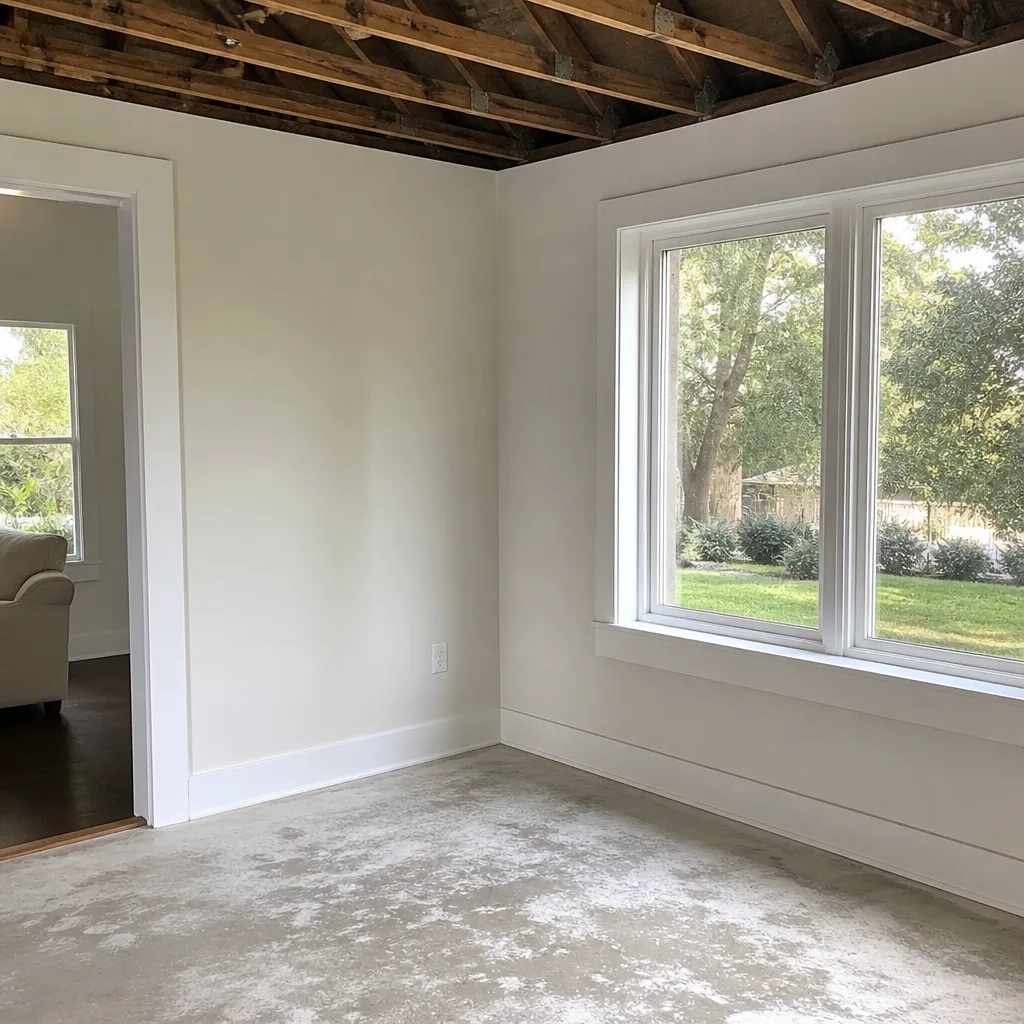
After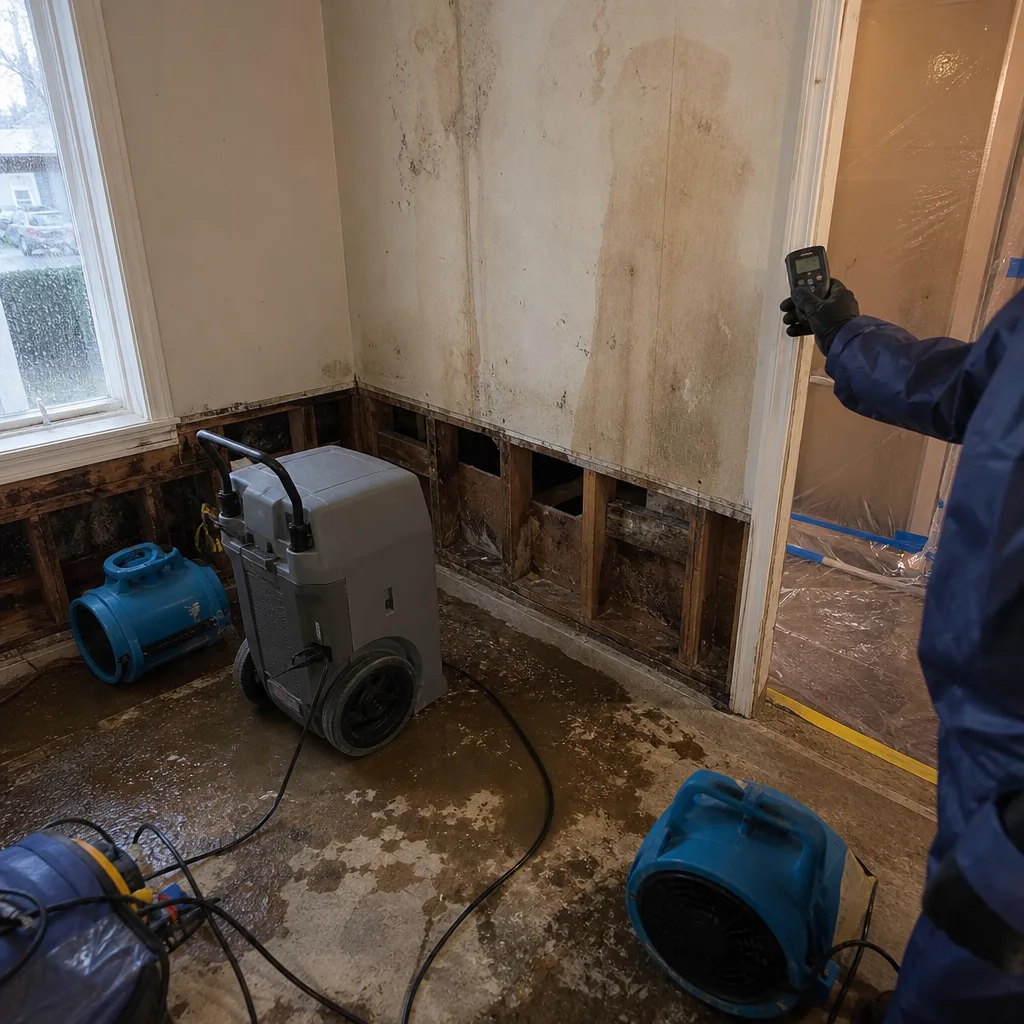 Before
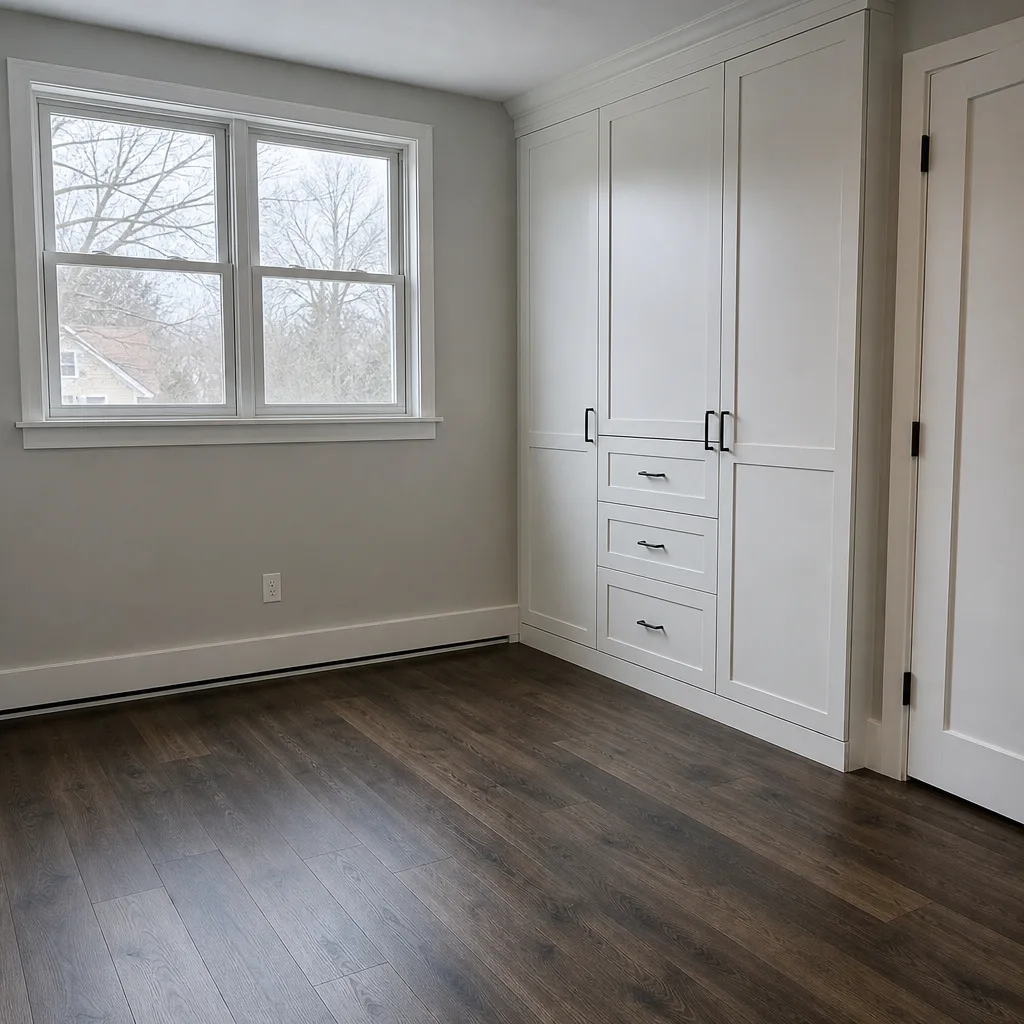 After
After24/7 Emergency Sewage Cleanup in Rye
Sewage cleanup in Rye typically costs $1,800-$6,500 depending on how far the black water traveled and whether structural drying is required, and a certified crew can usually be on site within 45 minutes. We answer the phone live at (845) 456-6568 at any hour, because category 3 water doesn’t wait for business hours. The first hour matters more than most homeowners realize: sewage bacteria begin multiplying immediately, and on Rye’s pre-1940 housing stock, that means contamination seeping into original plaster, old-growth floor joists, and the gaps behind baseboards that a quick mop job will never reach. If you have a toilet overflow, a septic failure, or a backed-up main line in Rye right now, call us before the water finds the lowest point in the house. Our Sewage Cleanup team runs a free visual inspection and a written scope of work before anything gets billed.
Understanding Sewage Cleanup Severity in Rye Properties
Sewage is classified as category 3 water: heavily contaminated, carrying bacteria, viruses, parasites, and whatever the pipe was carrying before it failed. That’s not the same as a clean-water supply line break. When Black Water Extraction is needed in a Rye basement, we’re dealing with pathogen loads that require full PPE, containment barriers, and antimicrobial treatment, not just a wet vac and some fans. The complication in Rye specifically is the age of the housing stock. Original plaster and lathe walls wick sewage upward far more aggressively than modern drywall, and Victorian-era crawl spaces create pockets where sewage gases and moisture linger long after the visible mess is gone. Saltwater intrusion from Long Island Sound storm surge adds another layer: salt residue accelerates corrosion on cast-iron waste lines and changes how moisture meters read inside old masonry foundations. A crew that only knows freshwater flood response will misjudge the drying target and leave a house that looks dry but isn’t. We map moisture daily until the dry standard is met, and we document every reading.
Why Rye Property Owners Choose Floodline Restoration Co.
- 45-minute response commitment: When a sewage line fails in Rye, we dispatch a crew immediately and commit to being on site within 45 minutes, not sometime this afternoon.
- A live person answers, 24/7: Call (845) 456-6568 at 2 a.m. and a dispatcher picks up. Not a recording. Not a callback service. A person who starts the job while you’re still on the phone.
- IICRC-certified technicians: Our crews are trained and certified to IICRC standards including WRT and AMRT, which matters when you’re dealing with black water and the mold risk that follows it.
- Free visual inspection before any commitment: We look at the damage, explain what we found in plain language, and hand you a written scope before work starts. No pressure, no surprises.
- Direct insurance billing: We bill your carrier directly and talk to the adjuster ourselves. You don’t play messenger between us and the insurance company.
- One team from extraction to reconstruction: We handle the sewage extraction, the drying, the antimicrobial treatment, and the rebuild. No mid-job handoff to a subcontractor you didn’t choose.
Our Sewage Cleanup Process
Inspection & Assessment
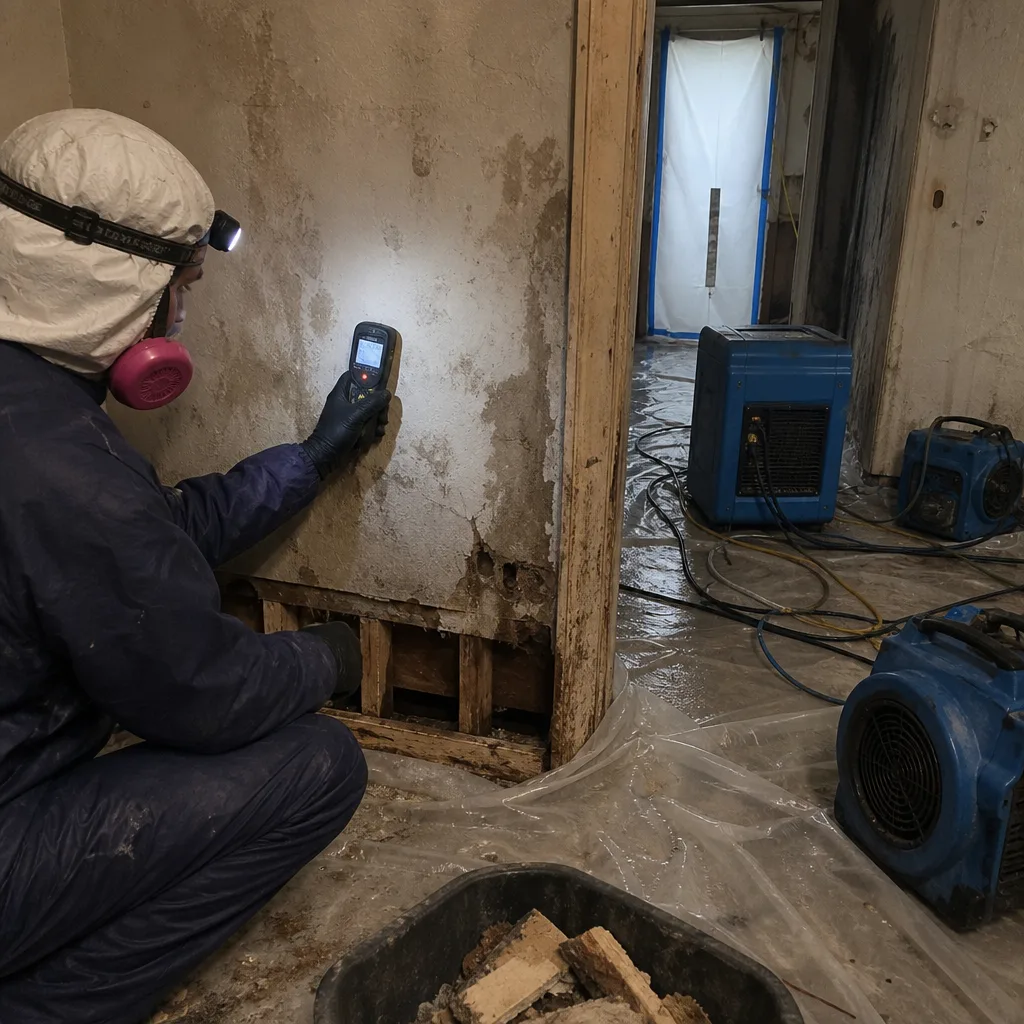
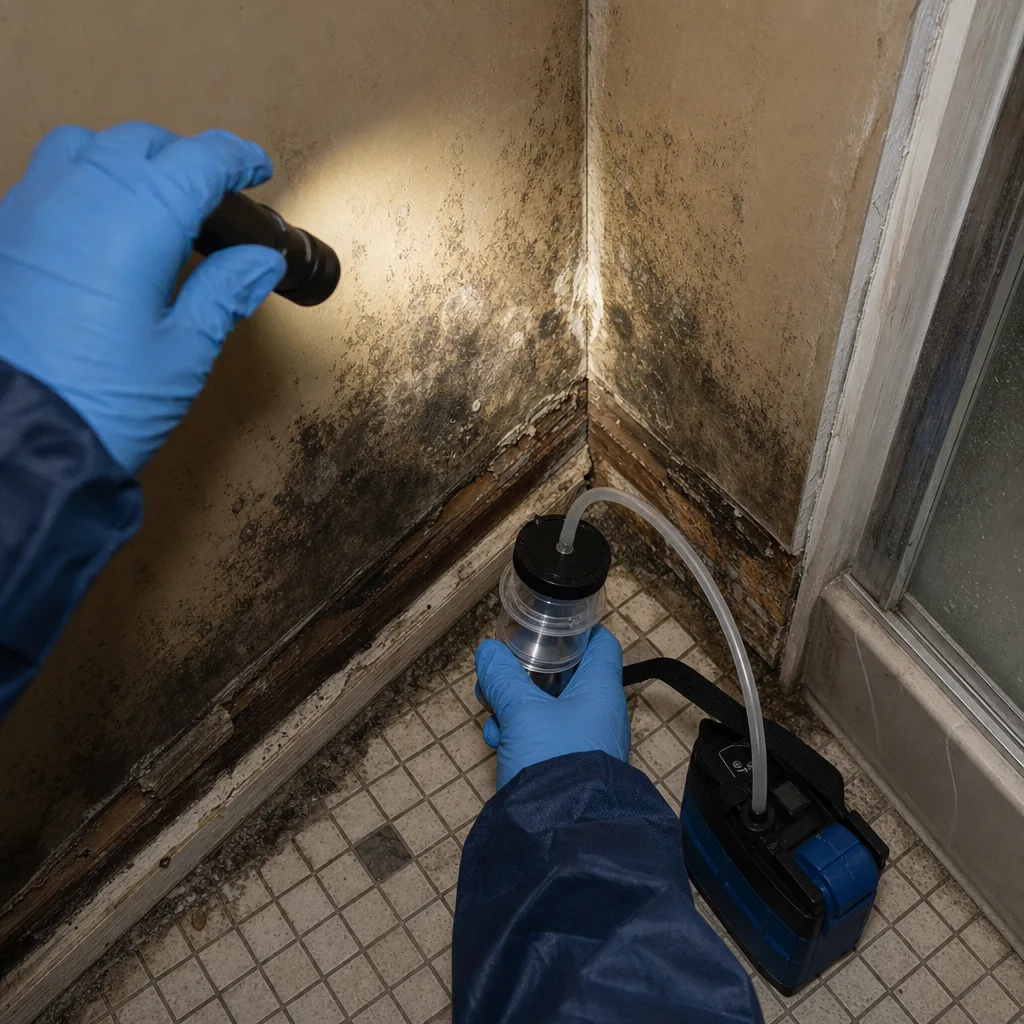
We locate every place the sewage traveled, including inside wall cavities and under cabinetry, using thermal imaging and moisture meters. In Rye homes with original plaster, this step is non-negotiable: sewage hides behind lathe and baseboards, and missing it means a mold problem six months from now. You get a written scope and a firm price before any work begins.
Extraction / Stabilization
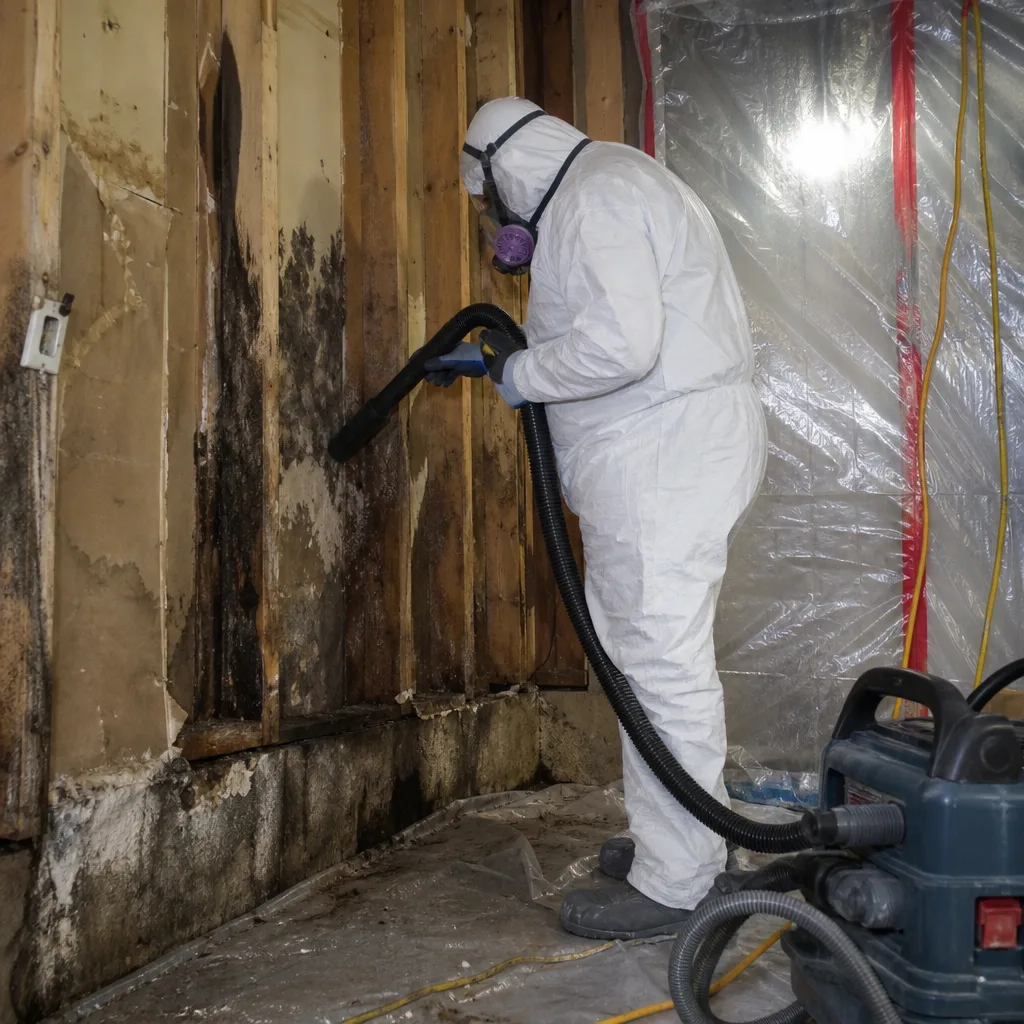
We remove standing black water using submersible pumps and extraction wands, then set containment barriers to stop sewage aerosols from migrating into clean rooms. In a Rye basement with a cracked cast-iron waste line, this is where we shut the water off and stabilize the source so the problem stops growing while we work.
Drying & Dehumidification
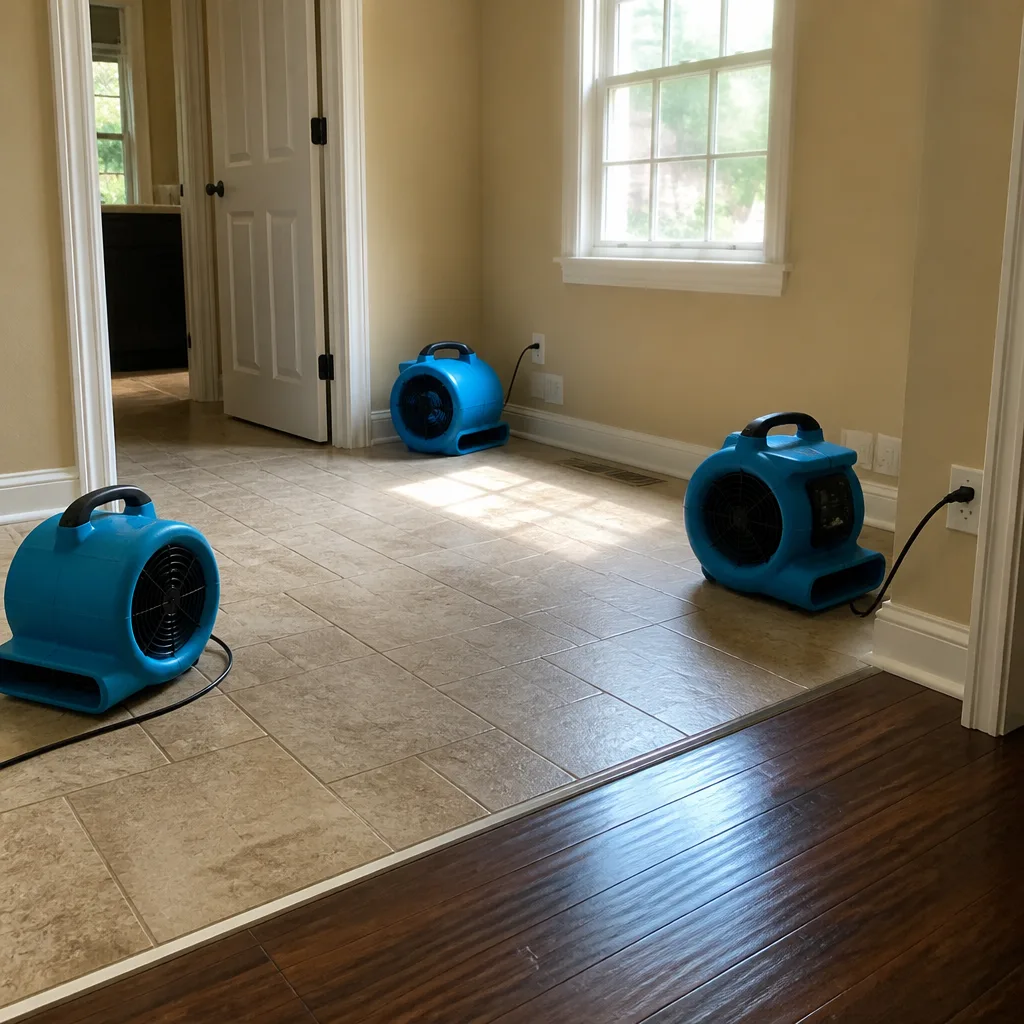
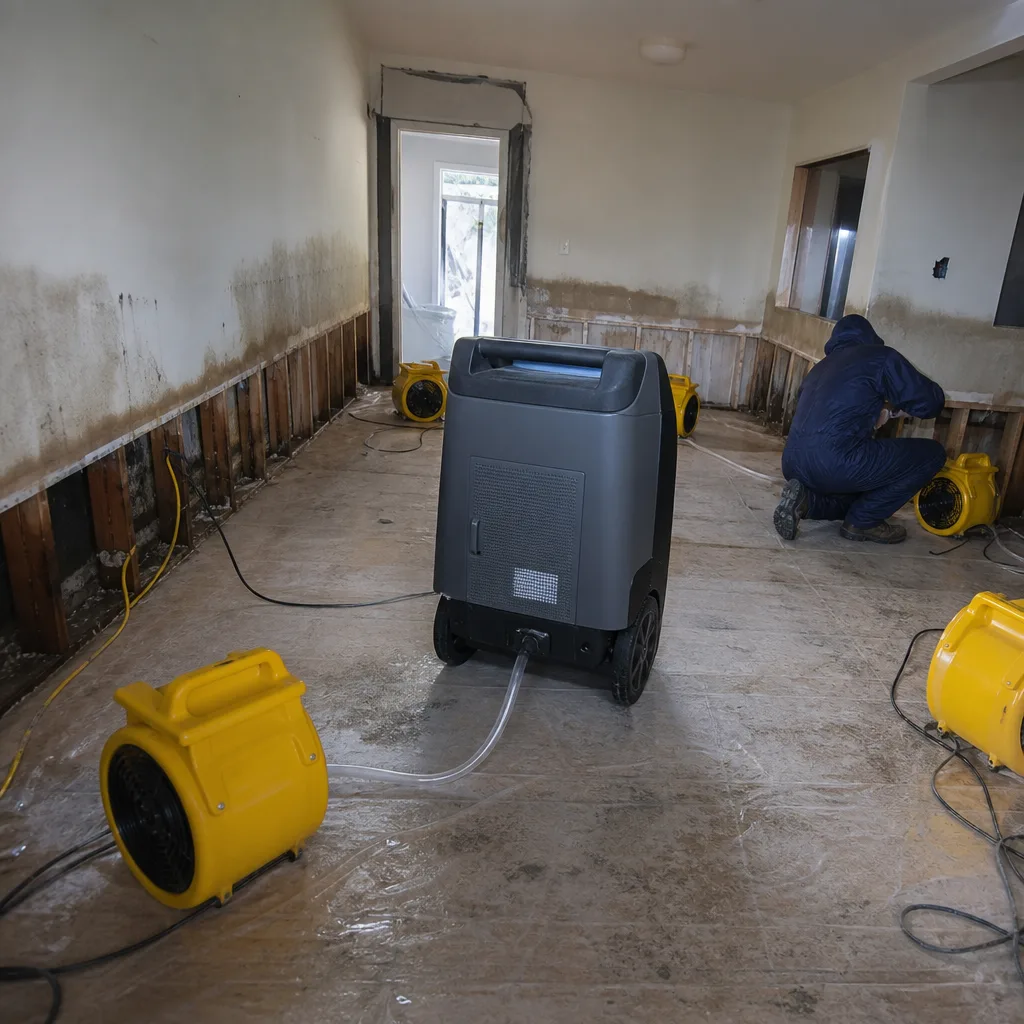
We place Dri-Eaz dehumidifiers and XPOWER air movers, positioned off a moisture map we take on day one. Daily readings are logged until the structural dry standard is reached. Salt-contaminated sewage in coastal Rye homes dries differently than inland freshwater, and we calibrate the drying targets accordingly.
Cleaning & Sanitization
All affected surfaces are cleaned with antimicrobial agents rated for category 3 contamination, then HEPA-vacuumed. We remove and bag unsalvageable materials like saturated carpet, pad, and drywall. Original hardwood and millwork get case-by-case evaluation: some can be saved with aggressive drying and treatment, some cannot.
Crawl Space & Structural Treatment
In Rye homes with Victorian-era porches and low crawl spaces, sewage often pools in areas that are hard to reach and easy to ignore. We enter those spaces, extract what’s there, sanitize the soil and framing, and run dehumidification until readings confirm the area is stable. Sewage gases don’t resolve themselves; they need active treatment.
Repairs & Restoration
Once the structure is dry and sanitized, we rebuild what was removed: drywall, plaster repair, insulation, flooring, trim, paint. The same crew that pulled the sewage out handles the rebuild, which means the moisture log, the photos, and the pre-loss condition are all understood by the people doing the work. You get a finished job, not a dried-out shell and a referral to someone else.
Need Emergency Sewage Cleanup in Rye Now?
Crews minutes away, answering live 24 hours a day. The sooner we start, the less it costs.
Working With Your Insurance Company
Sewage backup coverage in Rye depends on your policy. Many homeowners policies cover sudden and accidental sewage discharge, but the adjuster needs documentation that tells the full story. We start building that file from the first hour: photos of the source, photos of the affected rooms before we touch anything, moisture readings from day one, and a line-item scope that matches industry-standard estimating software. Our team communicates directly with your adjuster, so you don’t have to interpret drying logs or argue about whether a plaster wall needs to be opened. If the claim involves saltwater intrusion from a Long Island Sound storm event combined with a sewage backup, we make sure both causes are documented separately, because coverage can hinge on that distinction.
What We Provide Your Insurer
- Thorough documentation of the loss
- Photos of all damage, room by room
- Moisture readings and drying logs
- A detailed, line-item scope of work
- Direct coordination with your carrier
Built for Rye’s Loss Calendar
Rye’s sewage cleanup calls cluster around a few specific times of year, and homeowners who’ve been here through a few of them know the pattern. Late summer and early fall bring hurricane season, when Long Island Sound storm surge pushes saltwater into Milton Harbor and up against the low-lying streets around the Blind Brook. That coastal flooding saturates clay soil, shifts old sewer lines, and cracks cast iron that’s been in the ground since the 1920s. Winter brings deep freezes that stress municipal mains and cause backups into basements that sit below grade. Spring thaw and heavy rains raise the water table enough to find every crack in a 1930s foundation. And year-round, toilet overflows and main line clogs happen in every neighborhood, from the estates near Apawamis Club to the smaller capes and colonials off Boston Post Road. When it happens to your house, the calendar doesn’t matter much. The phone number that answers at whatever hour it is: (845) 456-6568.
Sewage Cleanup Across Rye’s Neighborhoods
Rye isn’t one housing market, and sewage doesn’t behave the same way in every part of the city. Near Milton Harbor, we regularly see saltwater intrusion following storm surge that compromises waste lines and lets category 3 water into basements that sit just above the water table. Over in the Greenhaven area, the homes skew toward mid-century construction, but many of the sewer laterals are original and overdue for failure. The neighborhoods around Rye High School and Midland Avenue have a mix of prewar colonials and newer infill, which means the same street can produce a sewage backup in a 1910 house with cast iron and a 1990 house with PVC. Along the Blind Brook corridor, repeated flooding over the past two decades means we often find layers of old, inadequately dried damage behind walls when we open them for a current sewage loss. And in the streets off Forest Avenue with their deep Victorian-era crawl spaces, sewage finds its way into places that haven’t been accessed in decades. We know the routes into Rye, the building patterns, and what a category 3 loss in each of these areas typically requires.
Specialized Sewage Cleanup Services We Offer in Rye
Sewage Backup Cleanup
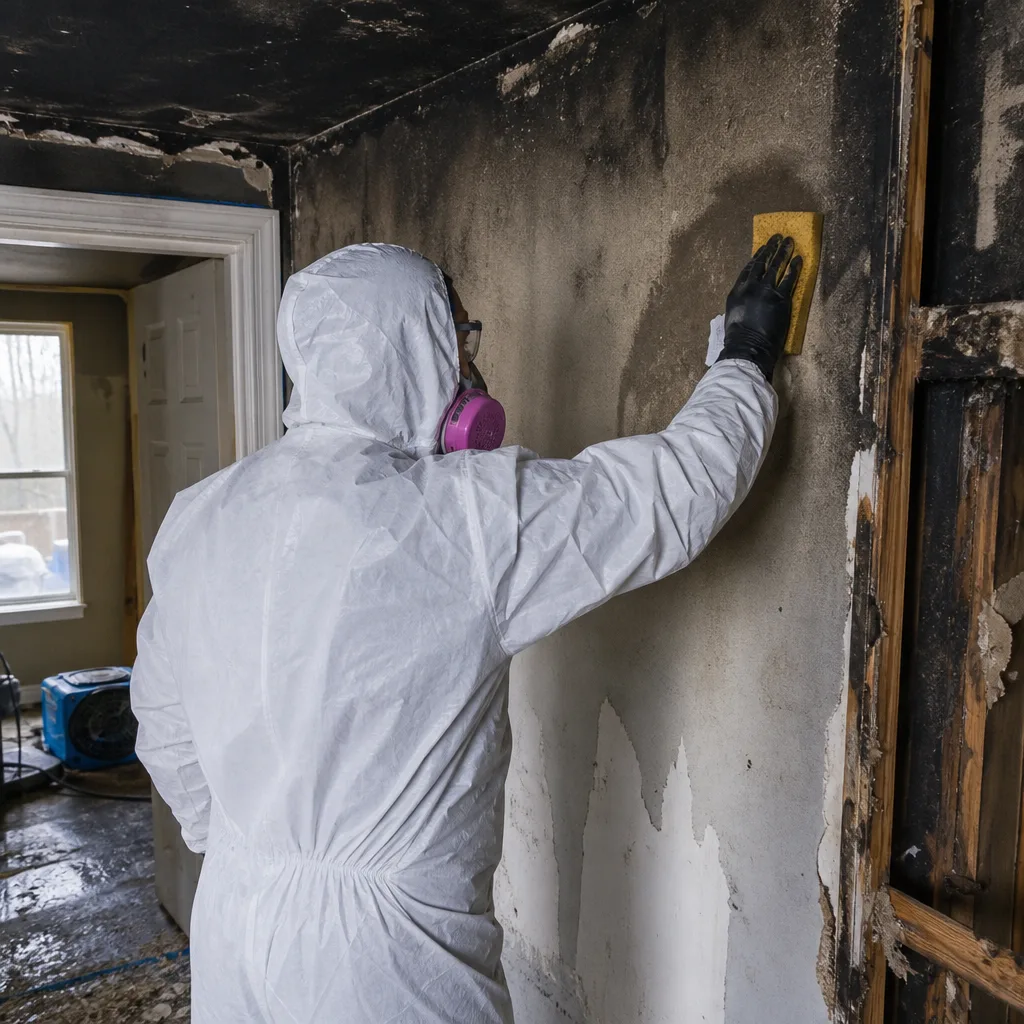
A backed-up main line is the most common sewage emergency in Rye. We locate the blockage, stop the source, extract the standing water, and treat every surface the sewage touched. In older Rye homes, that often means opening baseboards and plaster because sewage wicks upward through porous historic materials.
Toilet Overflow Cleanup
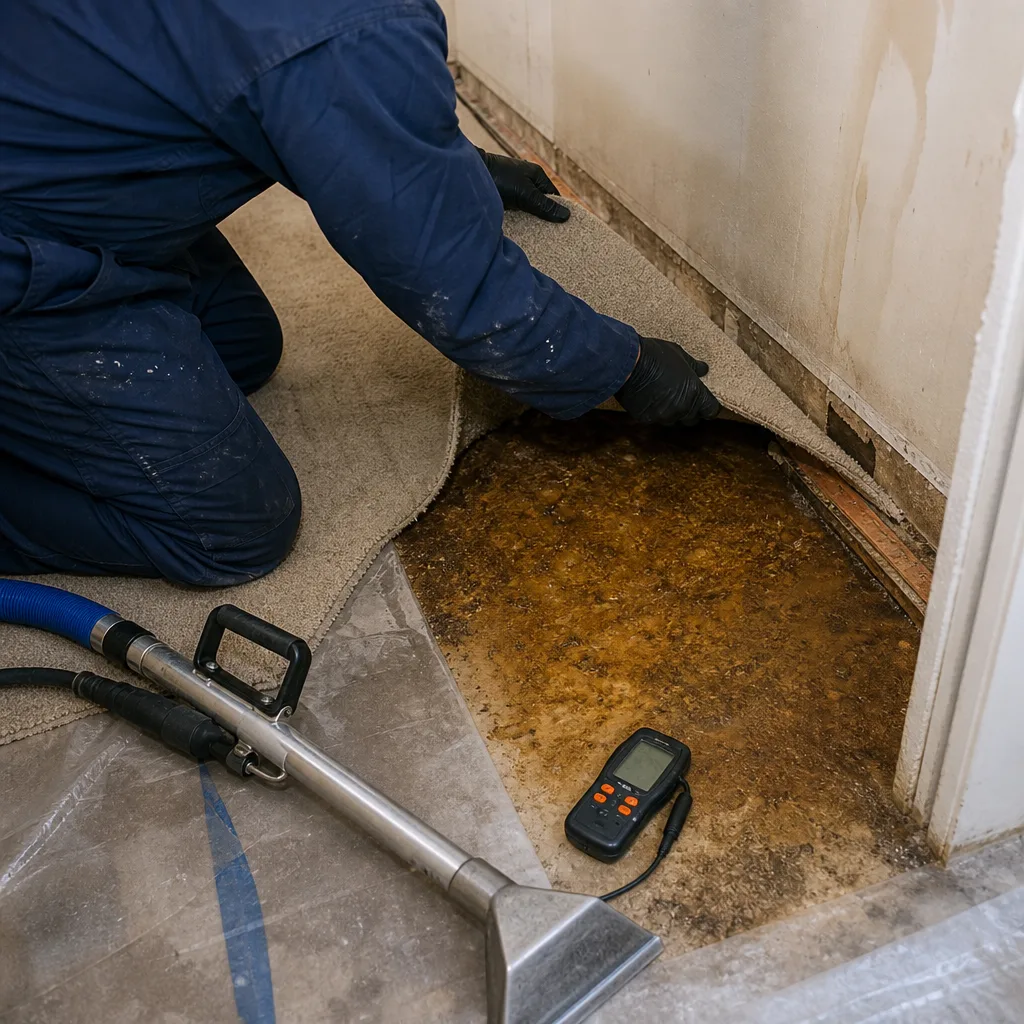
A toilet overflow looks small until you realize what’s been running through it. In a Rye bathroom with original tile and wood subfloor, sewage can spread under the flooring and into the joist bays within an hour. We lift the flooring where needed, dry the structure beneath, and sanitize thoroughly before rebuilding.
Septic Failure Cleanup
Many Rye properties still rely on aging septic systems, especially on larger lots outside the immediate village center. When a septic system fails, untreated sewage can surface in the yard or back up into the home. We coordinate extraction and sanitization while documenting everything for your carrier and, when needed, your septic contractor.
Black Water Extraction
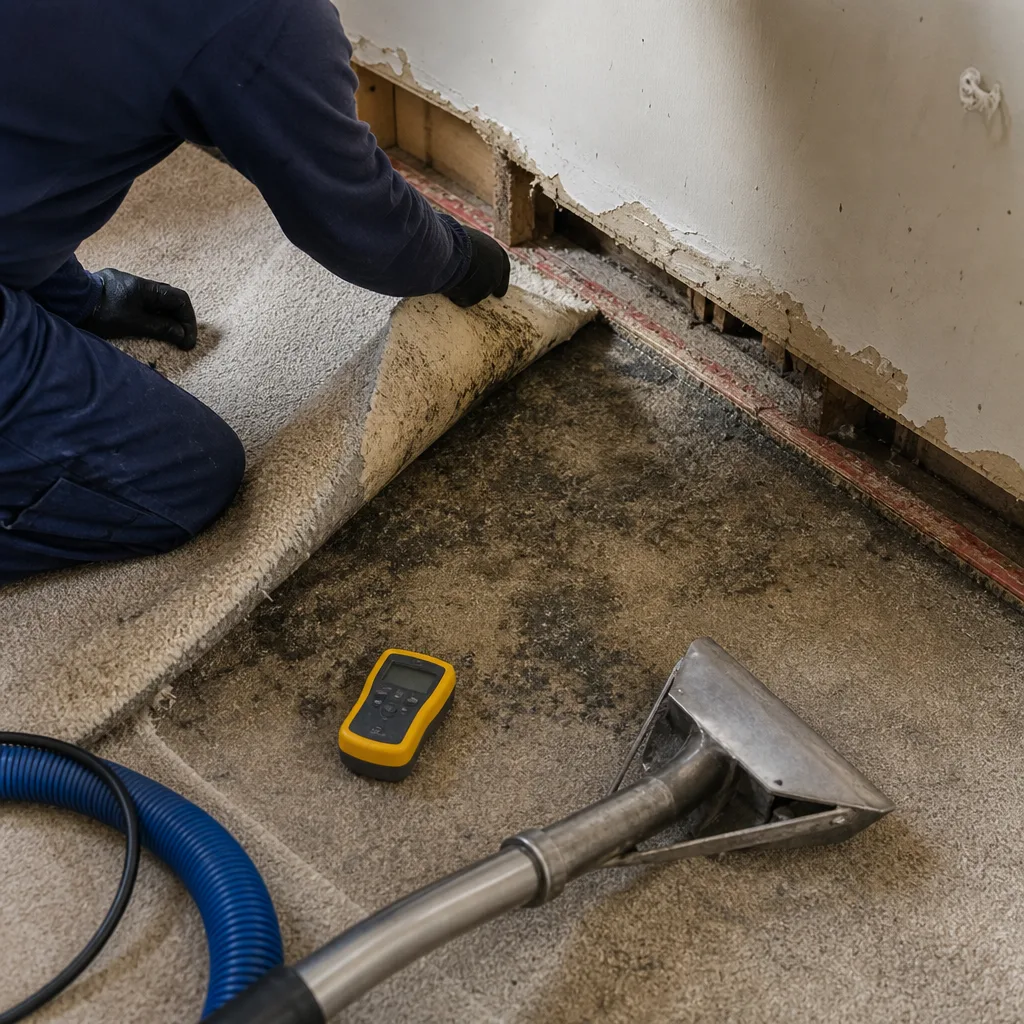
Black water extraction is not a job for a shop vac. Category 3 water from a sewage line requires professional-grade pumps, containment, and PPE. Our crews extract quickly, bag contaminated materials on site, and begin the drying and treatment process the same visit. In Rye homes with salt-contaminated floodwater, we adjust our protocols to address the salt residue that freshwater-only crews miss.
Sanitization & Disinfection
Every sewage cleanup we do in Rye ends with documented sanitization. We use EPA-registered antimicrobials rated for category 3 contamination, HEPA vacuuming, and air scrubbing where needed. We don’t spray air freshener and call it done. The odor leaves when the contamination leaves.
Crawl Space Sewage Removal
Sewage in a crawl space is one of the most overlooked problems in Rye homes. The space isn’t visible, the smell comes and goes, and homeowners hope it resolves on its own. It doesn’t. We enter the crawl space, extract the sewage, treat the soil and framing, and run dehumidification until readings confirm the space is stable. The floor above is preserved wherever possible; we only open what’s necessary.
What happens when you call
- 1
A real person answersNo phone trees - you reach a local pro.
- 2
You get an upfront price rangeHonest numbers before anyone is dispatched.
- 3
A background-checked tech heads outLicensed & insured, dispatched right away.
- 4
You approve before work beginsNothing starts until you say go.
Sewage Cleanup Costs in Rye, NY
A straightforward toilet overflow cleanup in Rye with no structural damage typically runs $1,800-$3,200. A full basement sewage backup that requires extraction, wall opening, drying, and rebuild lands between $4,000 and $9,500 depending on how far the water traveled and what materials need replacing. Septic failure cleanup with crawl space involvement can exceed $10,000 when structural drying and floor repairs are required. What moves the price: the square footage affected, whether sewage reached finished spaces or only an unfinished basement, whether original plaster and millwork can be saved versus replaced, and whether the insurance carrier covers the loss at all. Some policies in Rye exclude sewer backup unless a specific rider was purchased, so the out-of-pocket range is real. The path to a firm number starts with the free visual inspection. We hand you a written scope and a price before any work begins, so you know the number going in.
We Also Serve Cities Near Rye
Our crews respond to sewage cleanup calls throughout the Rye area, including Sewage Cleanup in Rye proper and the surrounding communities of Mamaroneck, Larchmont, Scarsdale, and Eastchester. The response time is the same, and the live dispatcher who answers the phone doesn’t change.
Serving Rye, NY - Our Local Coverage Area
We’re based in the Rye area and know this community well. Use the map below to see our service coverage - if you’re nearby, we can almost certainly help.
Rye Sewage Cleanup Questions, Answered
Does saltwater from Long Island Sound flooding change how sewage cleanup is done in Rye?
Yes. Saltwater intrusion from coastal flooding leaves salt residue inside walls and under floors, which accelerates corrosion on metal components and changes how moisture meters read in masonry and plaster. Standard freshwater drying targets can leave a Rye home under-dried, which is why we calibrate our drying and treatment protocols specifically for salt-contaminated category 3 water. This is not a standard flood response, and a crew without coastal experience will likely miss the salt residue entirely.
How do you handle sewage backup in a Rye home with original plaster and lathe walls?
We open the walls only where necessary, and we do it carefully because original plaster and lathe cannot be replaced with modern materials without losing character and value. Sewage wicks upward through plaster, so we make controlled access cuts, remove contaminated material, dry the cavity, and treat the framing. When the plaster is salvageable, we preserve it. When it isn’t, we match the profile and finish as closely as possible. The goal is a dry, sanitized home that still feels like your home.
What’s the main cause of sewage backups in homes along the Blind Brook?
The recurring pattern along the Blind Brook is coastal and creek flooding that saturates the clay soil, shifts old sewer laterals, and cracks cast-iron lines that have been in the ground since the 1920s. When the line cracks, sewage leaks into the surrounding soil and eventually backs up into the basement. Because these properties have flooded multiple times in the past two decades, we also regularly find older, inadequately dried damage behind walls that complicates the current loss and expands the scope.
After a toilet overflow in a Milton Harbor house, do we need to worry about salt air making mold worse?
Salt air itself doesn’t cause mold, but it raises the stakes when moisture is present. Rye’s persistent coastal humidity means hidden moisture pockets dry more slowly than they would inland, and mold that would take weeks to develop in a dry climate can establish in days. That’s why we run dehumidification until the dry standard is met and log readings daily, not just until the floor feels dry. A Milton Harbor home with a toilet overflow needs the same disciplined drying as a full basement backup, because the humidity is working against you.
Can you clean sewage from a crawl space without ripping out the whole floor above?
In most cases, yes. We access the crawl space directly, extract the sewage, treat the soil and framing, and run dehumidification until the space is dry and readings confirm it. The floor above is only opened when structural damage or contamination requires it. In Rye’s Victorian-era homes with deep crawl spaces and limited access, we use low-profile equipment and careful entry techniques to treat the space without tearing out finished floors unnecessarily.
How fast can you actually get to a sewage emergency in Rye?
We commit to 45 minutes from the time you call (845) 456-6568 to a crew arriving at your Rye property. A live dispatcher takes the call at any hour, day or night, and starts the dispatch while you’re still on the line. The crew that arrives carries extraction equipment, containment materials, and PPE on the truck, so work begins on the first visit, not the second.
Will insurance cover sewage cleanup in Rye?
It depends on your policy. Sudden and accidental sewage discharge is often covered, but many standard homeowner policies exclude sewer backup unless a specific endorsement was purchased. The coastal flooding angle adds another layer: if saltwater intrusion from a storm event contributed to the sewage loss, both causes need separate documentation. We photograph everything, write the scope the way adjusters expect to see it, and talk to your carrier directly. Call us for a free inspection and we’ll walk you through what your policy likely covers.
What should I do in the first 30 minutes after a sewage overflow in Rye?
Turn off the water if the source is a toilet or fixture that’s still running. Don’t flush anything else. Don’t run the HVAC system, because it can pull sewage aerosols into the ductwork. Keep children and pets away from the affected area. If the backup is near an electrical panel or outlets, shut off power to that area at the breaker. Then call us at (845) 456-6568. The first 30 minutes set the tone for the entire claim: what you document now matters more than anything that happens later.
Call Floodline Restoration Co. at (845) 456-6568 for a free sewage cleanup inspection in Rye. A live person answers, day or night. We’ll tell you what you’re looking at, what it costs, and what needs to happen next, in plain language, with a written scope before anything gets billed.
Written by Curt Bowman, Owner at Floodline Restoration Co., serving Rye, NY and surrounding communities with full-cycle restoration services since 2010.