
Free visual inspection and a written scope of work before any mitigation begins - photos, moisture readings, and drying logs go in your claim file
The scope we write is the scope we bill. Anything new gets shown to you, in writing, before we touch it.
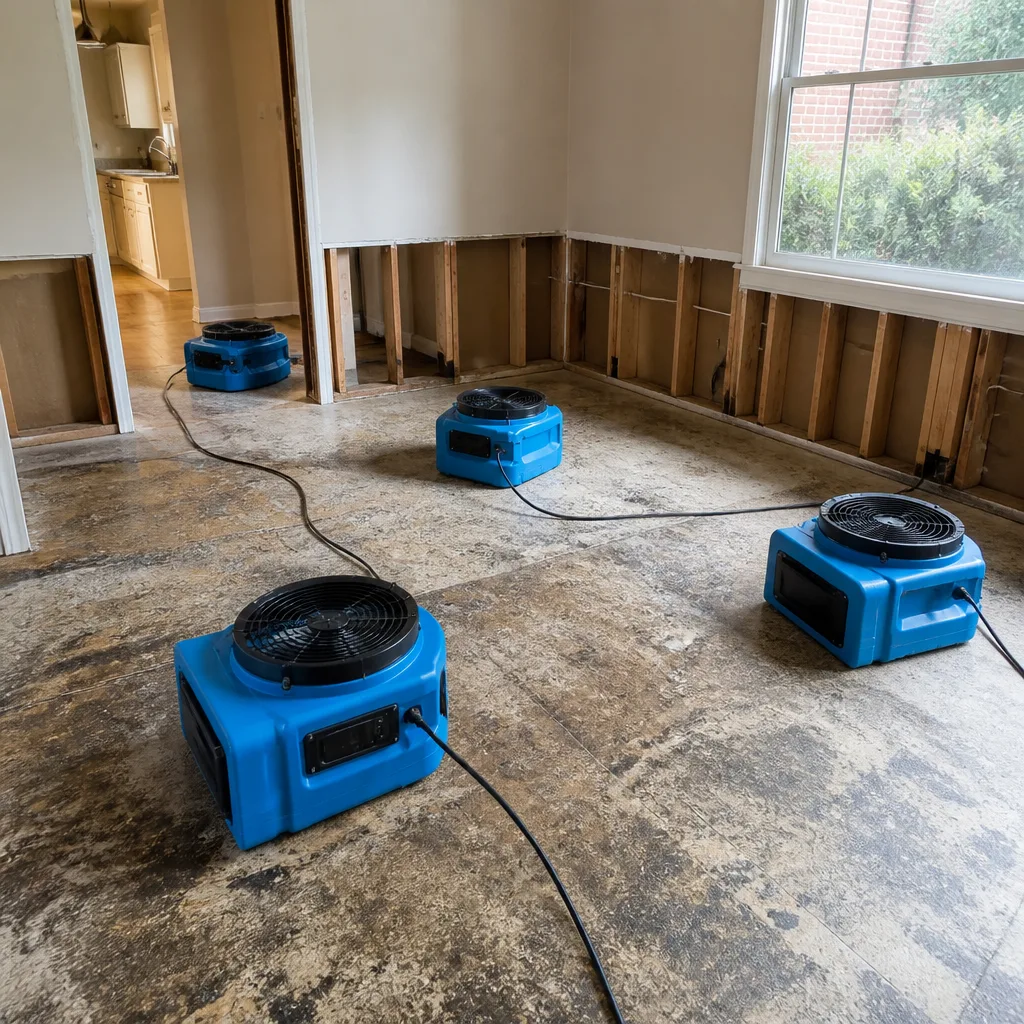
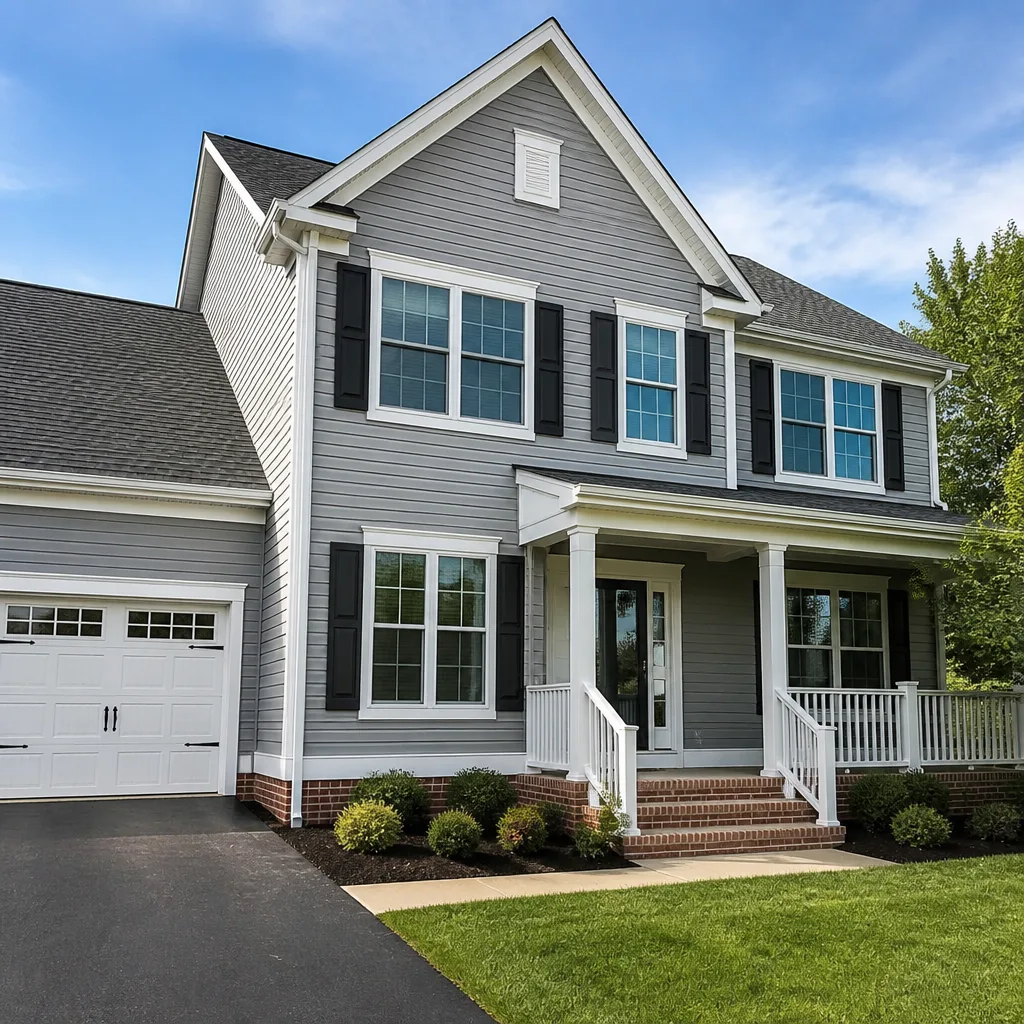
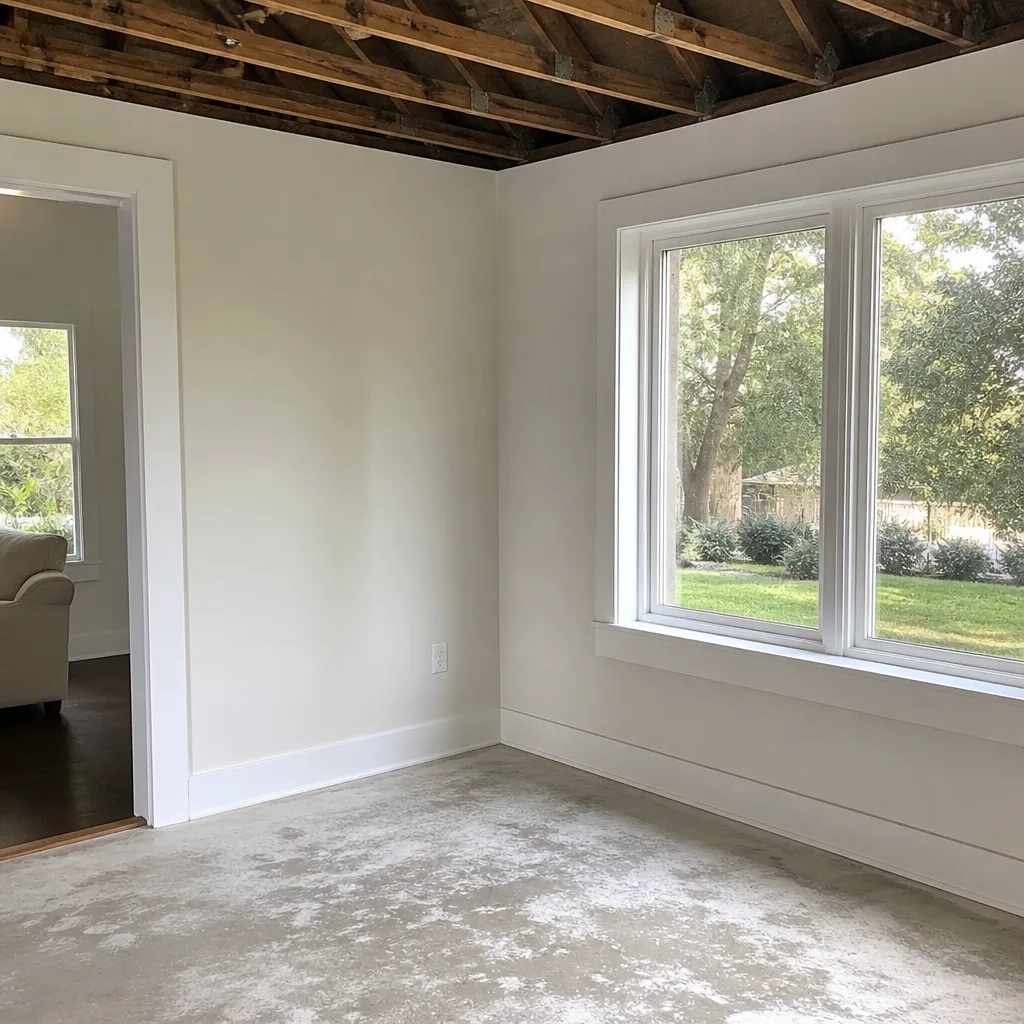
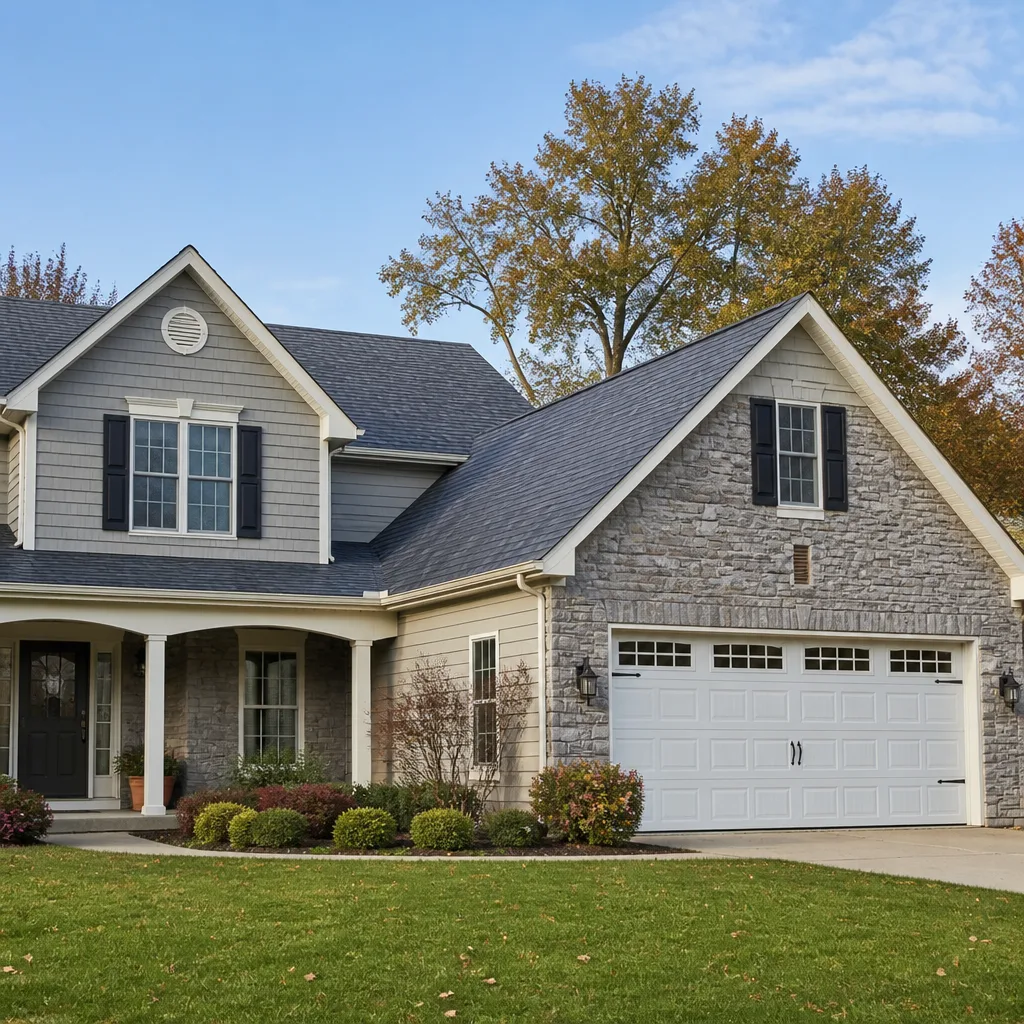
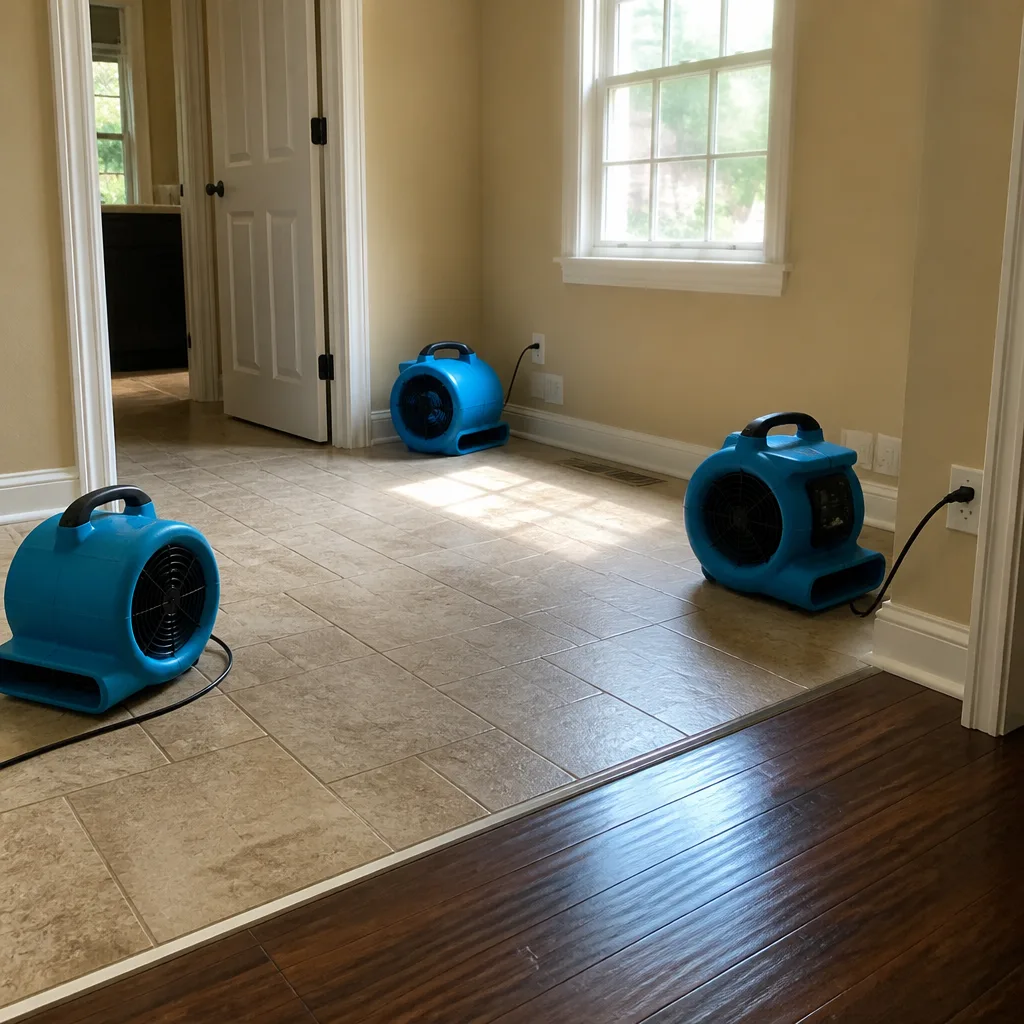
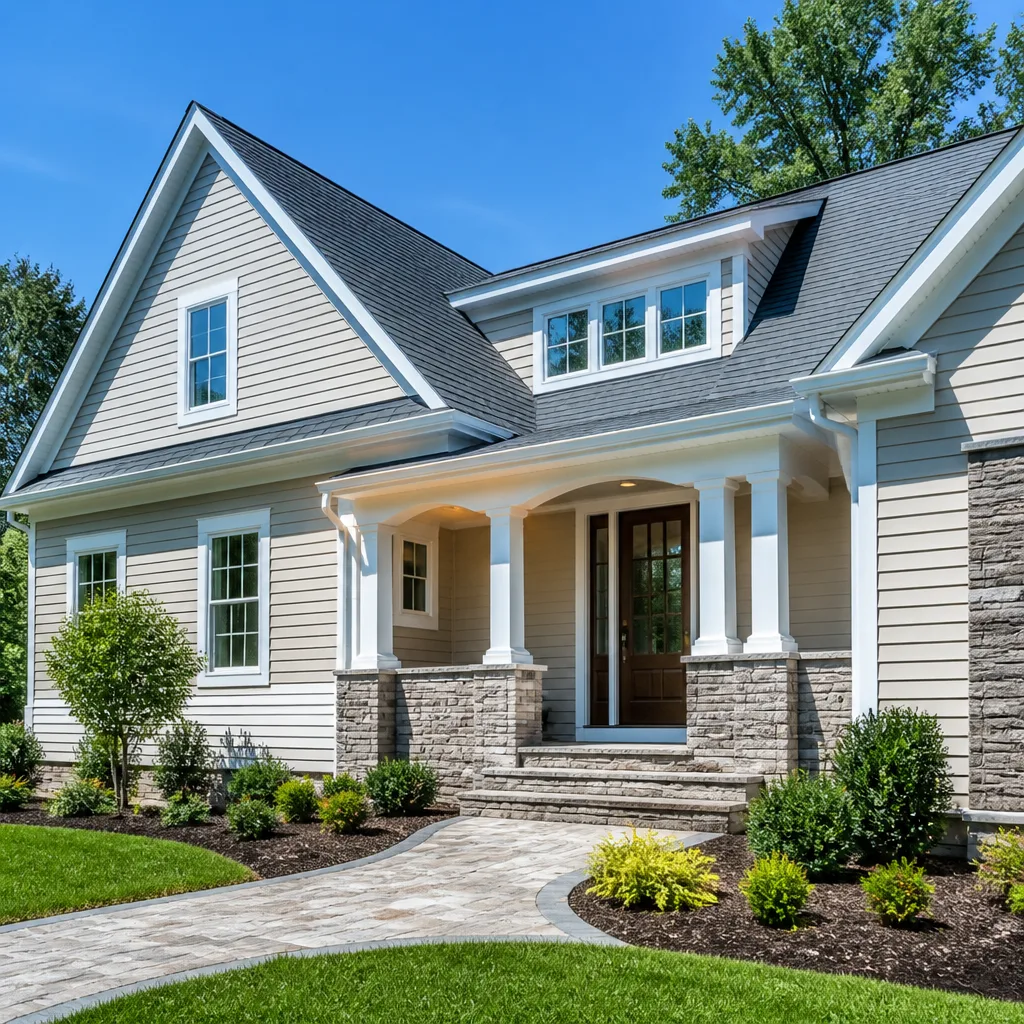
 Before
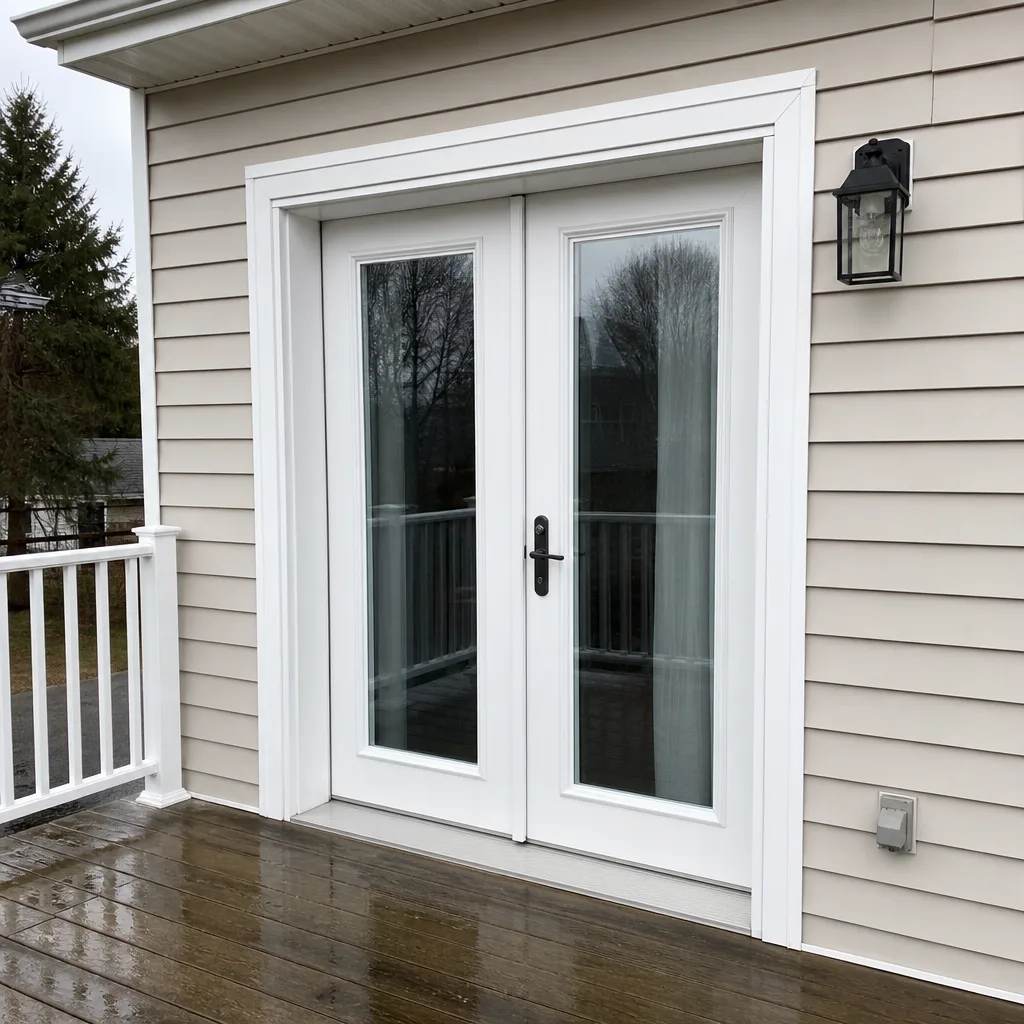 After
After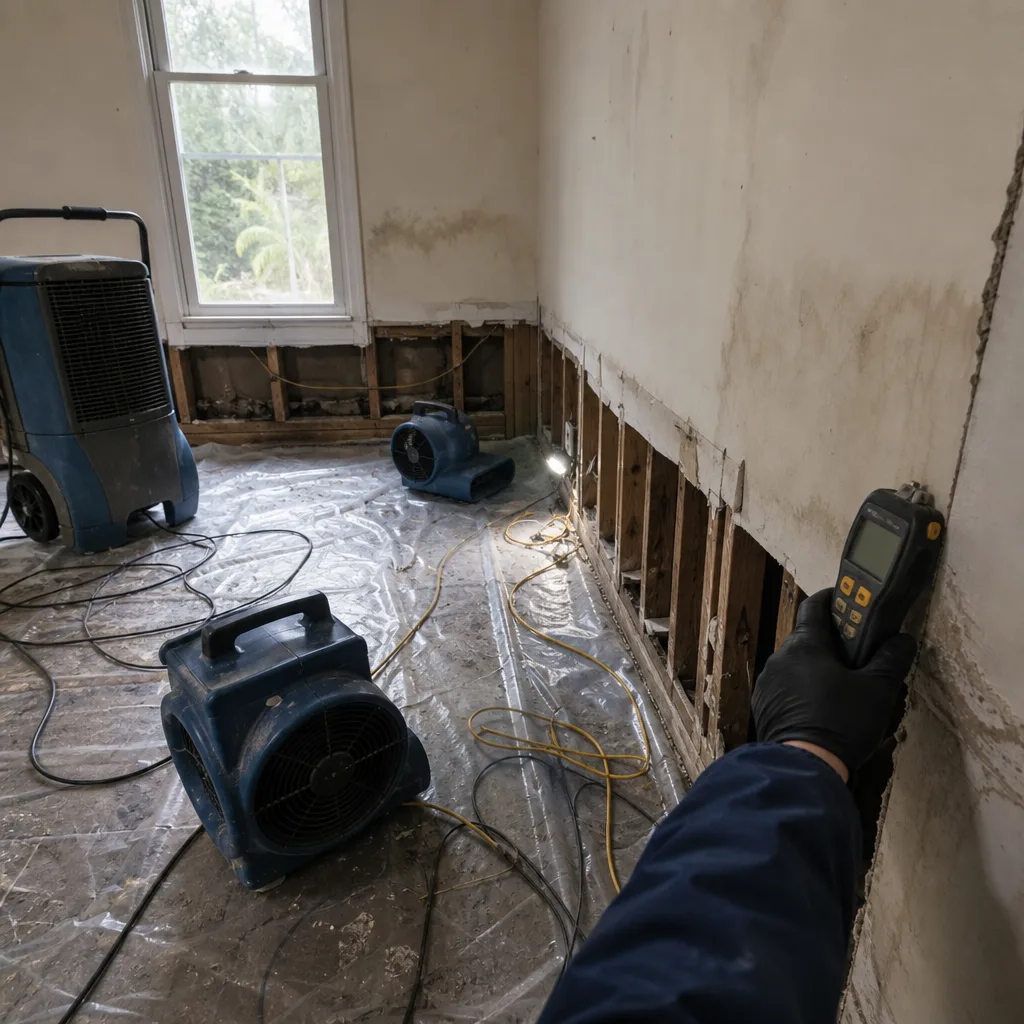 Before
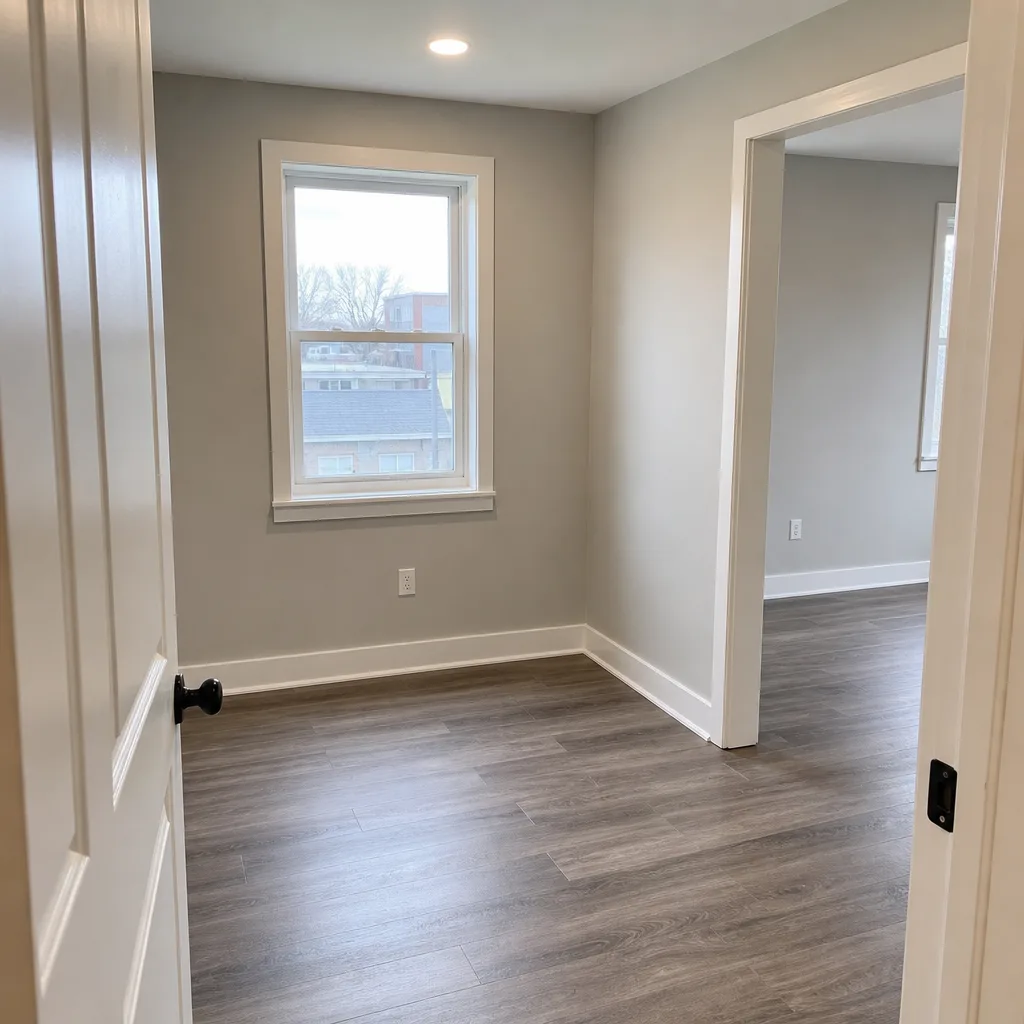 After
After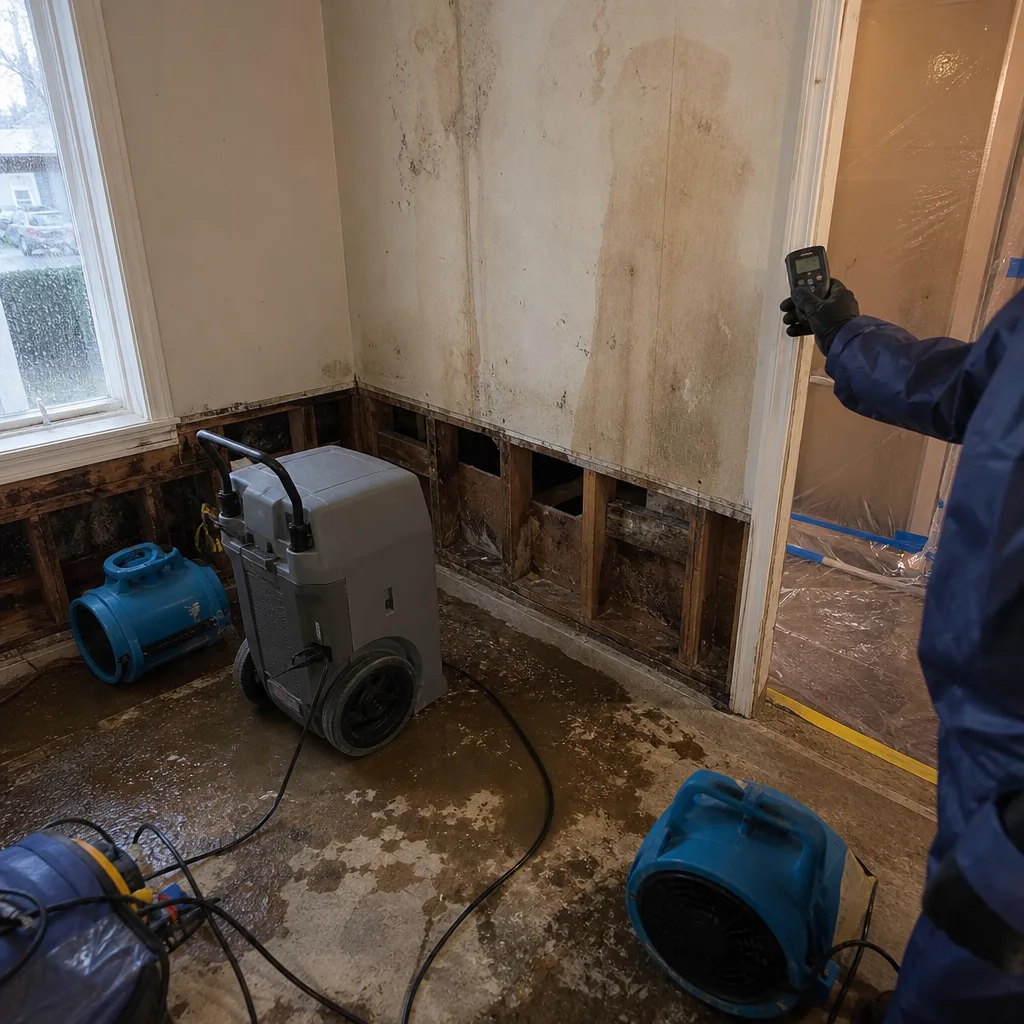 Before
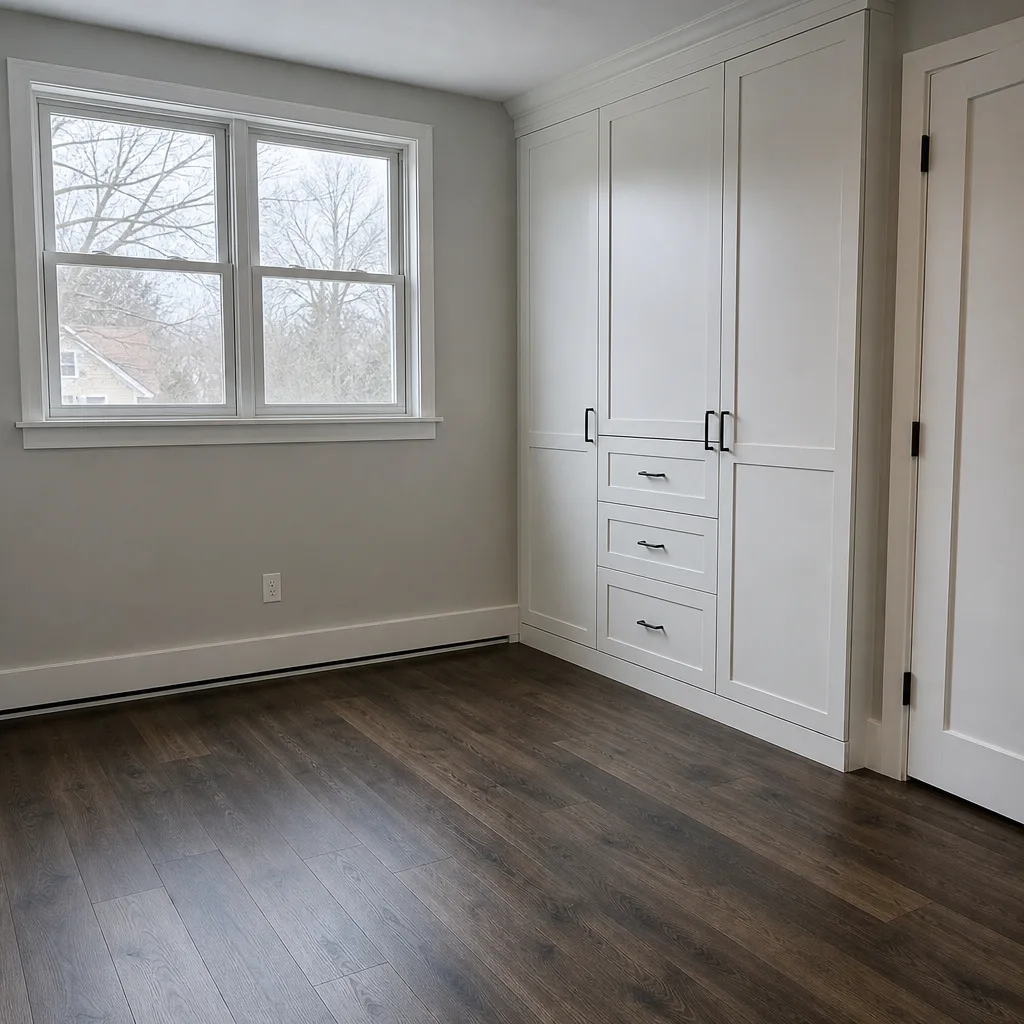 After
After24/7 Emergency Mold Remediation in Rye
Mold moves fast in Rye, especially after saltwater intrusion from the Sound or a hard rain along the Blind Brook. If you’ve spotted staining on a wall, caught a musty smell that won’t air out, or just had water in a basement you thought dried fine, call (845) 456-6568 now. A live dispatcher answers, night or day, and can have a certified crew at your door in Rye within about 45 minutes. The first hour matters because mold colonies behind plaster or lathe can go from invisible to established inside 48 hours. We start with a free visual inspection so you know what you’re dealing with before any work begins.
Understanding Mold Remediation Severity in Rye Properties
Rye’s housing stock doesn’t get mold the way a modern spec house in Scarsdale might. Most homes here were built between the 1890s and 1940s: Colonials, Tudors, and Victorians with original plaster and lathe walls, dense old-growth framing, and no modern vapor barriers. Those materials hold moisture differently than drywall. Plaster can look dry on the surface while the wood lathe behind it reads 30% moisture content or higher. What starts as a small ceiling stain or baseboard discoloration often means hidden colonization inside the wall cavity.
Severity breaks down into three practical levels. Level 1 is surface growth: staining on a visible surface, under 10 square feet, no structural moisture behind it. Level 2 is hidden growth: moisture readings elevated behind plaster, musty odor that returns after cleaning, staining blooming through paint. This is the most common situation in Rye’s older homes because slow leaks and salt-air humidity work behind walls for months before anyone sees proof. Level 3 is post-flood contamination, especially saltwater from storm surge. That’s category 3 water: it carries sewage, marine bacteria, and corrosive salt that wicks into plaster and lathe. Level 3 always requires containment, removal of contaminated material, and clearance testing afterward. Anything less leaves a second remediation in your future.
Why Rye Property Owners Choose Floodline Restoration Co.
- 45-minute response commitment. When you call, we commit to a crew in Rye within about 45 minutes. The dispatch board is live around the clock, every day of the year.
- 24/7 live answer, always a person. You’ll never get a recording at 2 a.m. A real dispatcher picks up and starts the response immediately.
- IICRC-certified crews. Our technicians carry WRT, FSRT, and AMRT certifications and follow IICRC S520 standards for mold remediation. Uniformed, background-checked, and trained to handle the pre-war construction common across Rye.
- Free visual inspection. We assess the visible scope at no charge and tell you honestly whether you need full remediation or a targeted treatment.
- Direct insurance billing. We coordinate with your carrier directly. You never play messenger between us and the adjuster.
- One crew, start to finish. From initial moisture-mapping to final clearance testing and any rebuild work, the same team handles every phase. No mid-job handoff to strangers.
Our Mold Remediation Process
Inspection & Assessment
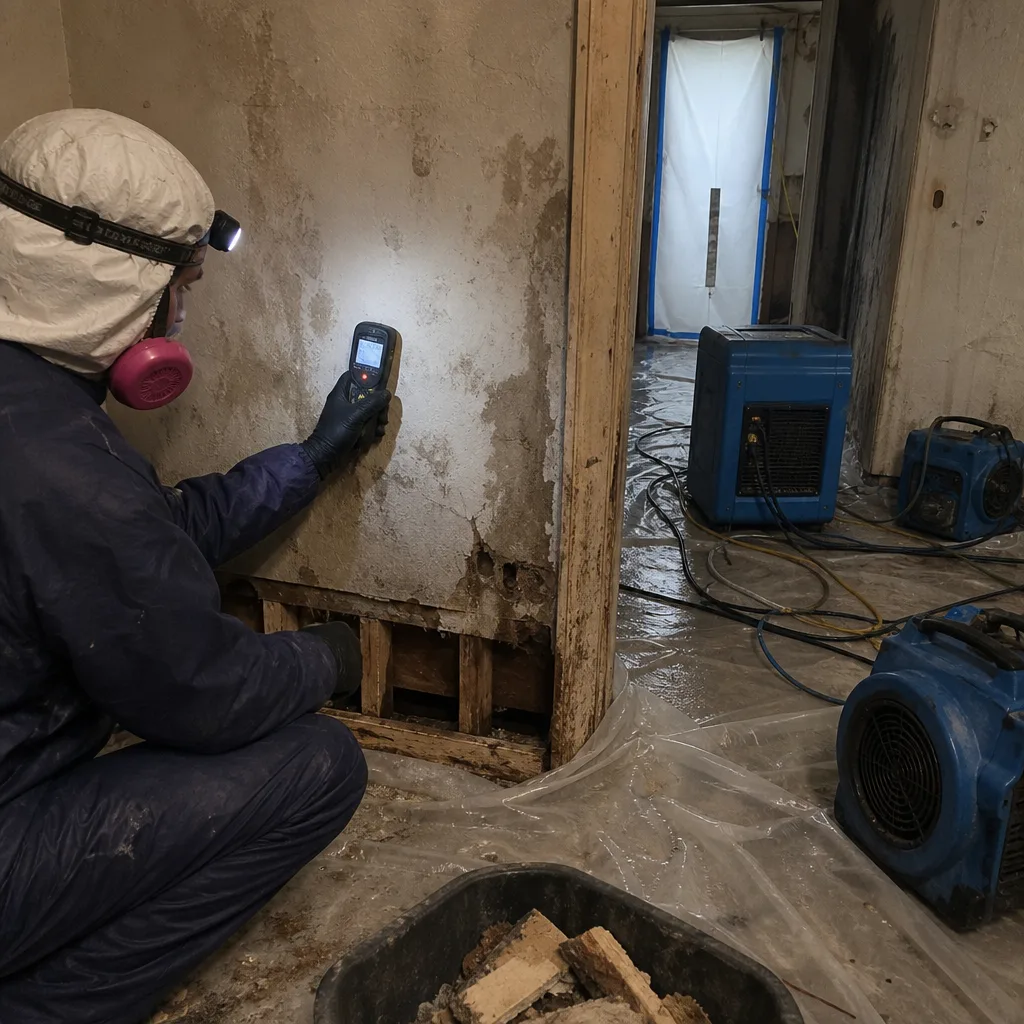
We start with thermal imaging and moisture meters to find what’s visible and what isn’t. In Rye homes, that means probing behind plaster, checking crawl spaces, and taking readings at the base of exterior walls where blind humidity accumulates.
Containment & Stabilization
We set up negative air pressure containment with HEPA filtration so spores don’t spread through your house during removal. Any standing water is extracted at this stage using truck-mounted or portable extractors.
Drying & Dehumidification
We run Dri-Eaz dehumidifiers and XPOWER air movers on a schedule keyed to daily moisture readings. The goal is hitting the dry standard throughout the framing, not just on visible surfaces. Salt can complicate this; we monitor closely because saltwater-damaged materials dry more slowly.
Cleaning & Sanitization
All salvageable surfaces get HEPA vacuuming and antimicrobial treatment. In Rye’s older homes, preserving original millwork matters, so we treat rather than replace wherever it’s structurally sound and clear of colonization.
Specialty Treatment: Saltwater & Plaster Remediation
For saltwater intrusion from Long Island Sound or the Blind Brook corridor, we address the corrosive residue, which standard freshwater drying leaves behind. Contaminated plaster and lathe are removed where readings confirm contamination; salvageable framing is treated with antimicrobial agents at proper dwell times before any rebuild.
Repairs & Restoration
After clearance, we rebuild what we removed. That means matching plaster surfaces, restoring trim profiles, and returning your home to pre-loss condition, not just to a dry shell. The same crew that started the job finishes it.
Need Emergency Mold Remediation in Rye Now?
Crews minutes away, answering live 24 hours a day. The sooner we start, the less it costs.
Working With Your Insurance Company
Mold remediation after a covered water loss is generally a covered expense under most Rye homeowners’ policies, provided the mold is directly traceable to the event rather than long-term neglect. That’s why documentation from the first hour matters. We photograph everything before any material is touched, record moisture readings room by room, and build a line-item scope of work that your adjuster can verify against the evidence. Our team communicates directly with your carrier so you don’t have to translate technical findings into insurance language. We’ve handled claims throughout Westchester and know what Rye-area adjusters look for when they review mold line items.
What We Provide Your Insurer
- Thorough documentation of the loss
- Photos of all damage, room by room
- Moisture readings and drying logs
- A detailed, line-item scope of work
- Direct coordination with your carrier
Built for Rye’s Loss Calendar
Rye’s mold season follows a real pattern. Late summer and early fall, when Sound water is warmest and Nor’easters start tracking up the Atlantic, storm surge floods low streets near Milton Harbor. Behind that comes the hidden damage: saltwater wicked into sill plates and plaster walls. Winter brings freeze-thaw cycles that crack old supply lines in unheated basements and crawl spaces, and the slow leaks that follow are perfect conditions for Level 2 hidden growth. Spring thaw saturates the ground around foundations built before modern drainage, and the Blind Brook rises with snowmelt and heavy rain. By the time humid summer air settles in, homes with any unresolved moisture from the previous seasons bloom. If you’ve lived in Rye through a couple of these cycles, you know the odor. It’s not your imagination. Call (845) 456-6568 and get it checked before it spreads.
Mold Remediation Across Rye’s Neighborhoods
Different parts of Rye have different mold profiles, so our response changes with the address. Homes along Milton Point and near Milton Harbor carry the highest saltwater exposure: storm surge from Nor’easters, wind-driven rain, and high water tables that keep basements perpetually humid. We treat these properties for category 3 contamination more often than anywhere else in the city. The Blind Brook corridor, running through the residential interior, brings creek overflow and groundwater pressure into older Colonials that sit low to the foundations. Properties near Greenhaven, with its mix of mid-century and older builds, see more roof leaks and drainage issues that channel water into wall cavities. Rye Golf Club area homes, many of them pre-war Tudors with original plaster, present the millwork-preservation challenge: remediation must move fast, but not at the cost of tearing out irreplaceable architectural details. Down by downtown Rye near the Metro-North station, older structures with shared walls and tight crawl spaces concentrate moisture differently, and containment matters more when neighboring units stay occupied.
Specialized Mold Remediation Services We Offer in Rye
Mold Inspection & Testing
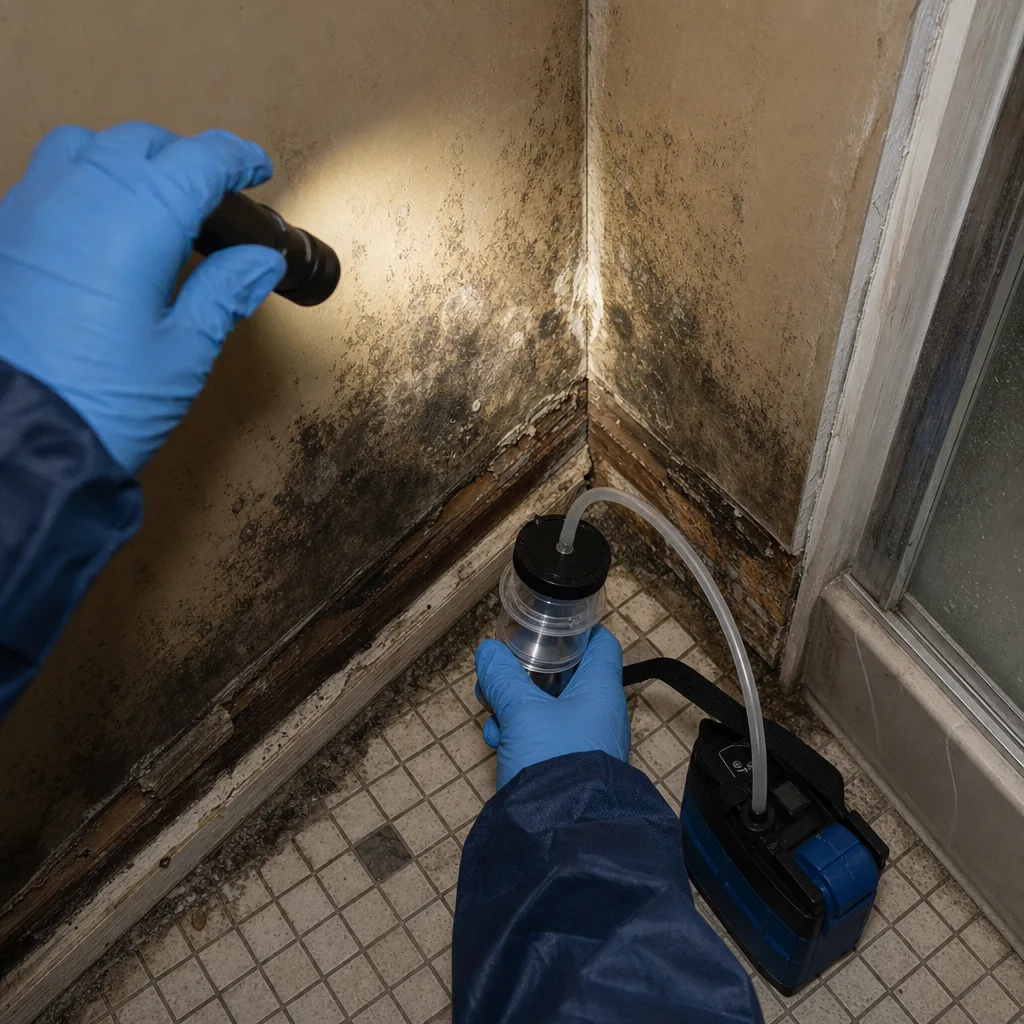
Before anyone opens a wall, you need to know what’s actually in there. We run moisture mapping with thermal imaging and hygrometers, then take samples where readings indicate colonization. In a 1920s Rye Colonial, the visible stain is rarely the whole story. The test results tell us whether you’re dealing with surface mold or with Aspergillus behind the lathe, and that determines the entire approach.
Mold Removal
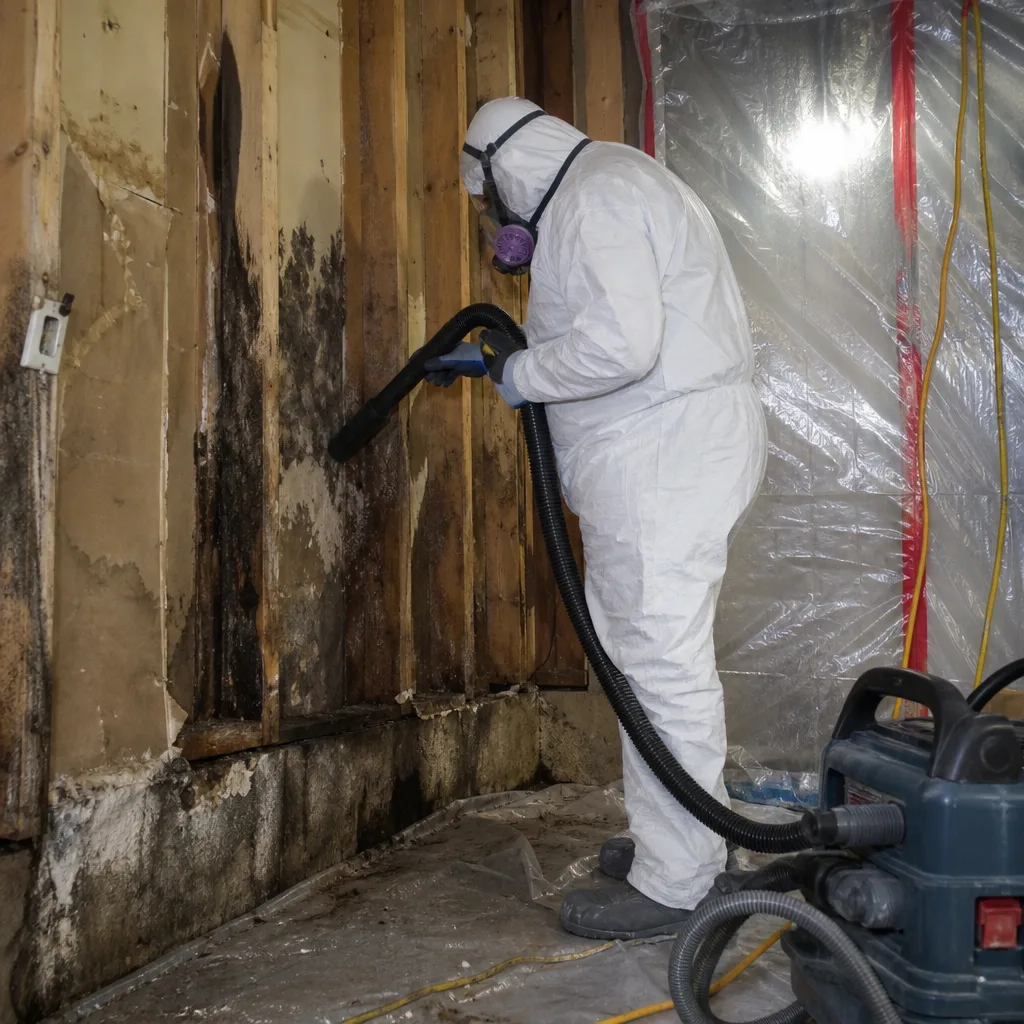
Removal in Rye means more than cutting out drywall. It means carefully sectioning plaster to preserve original trim where possible, removing contaminated lathe, and checking the framing behind it all. Our Mold Remediation team treats removal and preservation as two parts of the same job. You don’t pay for a gut job when a targeted removal will do, and you don’t get a cosmetic cleaning when the framing needs work.
Black Mold Remediation
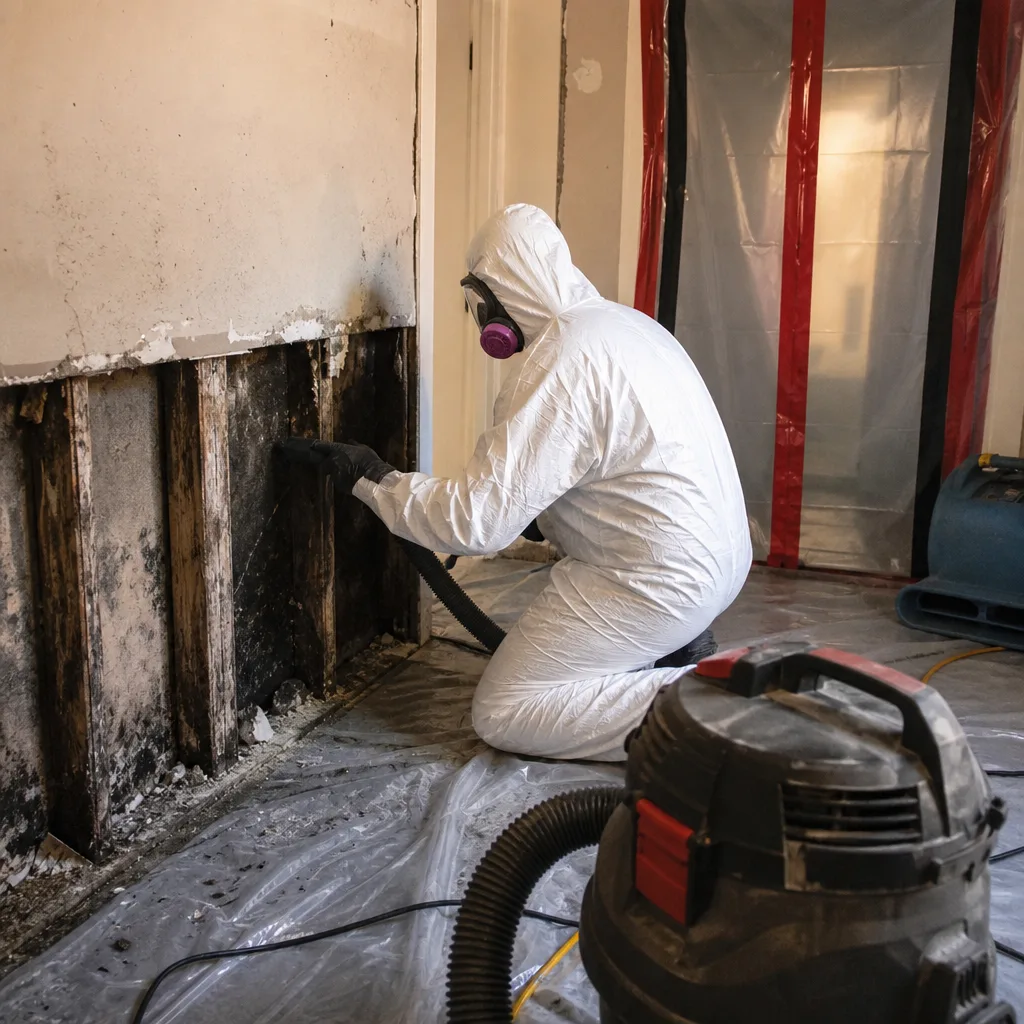
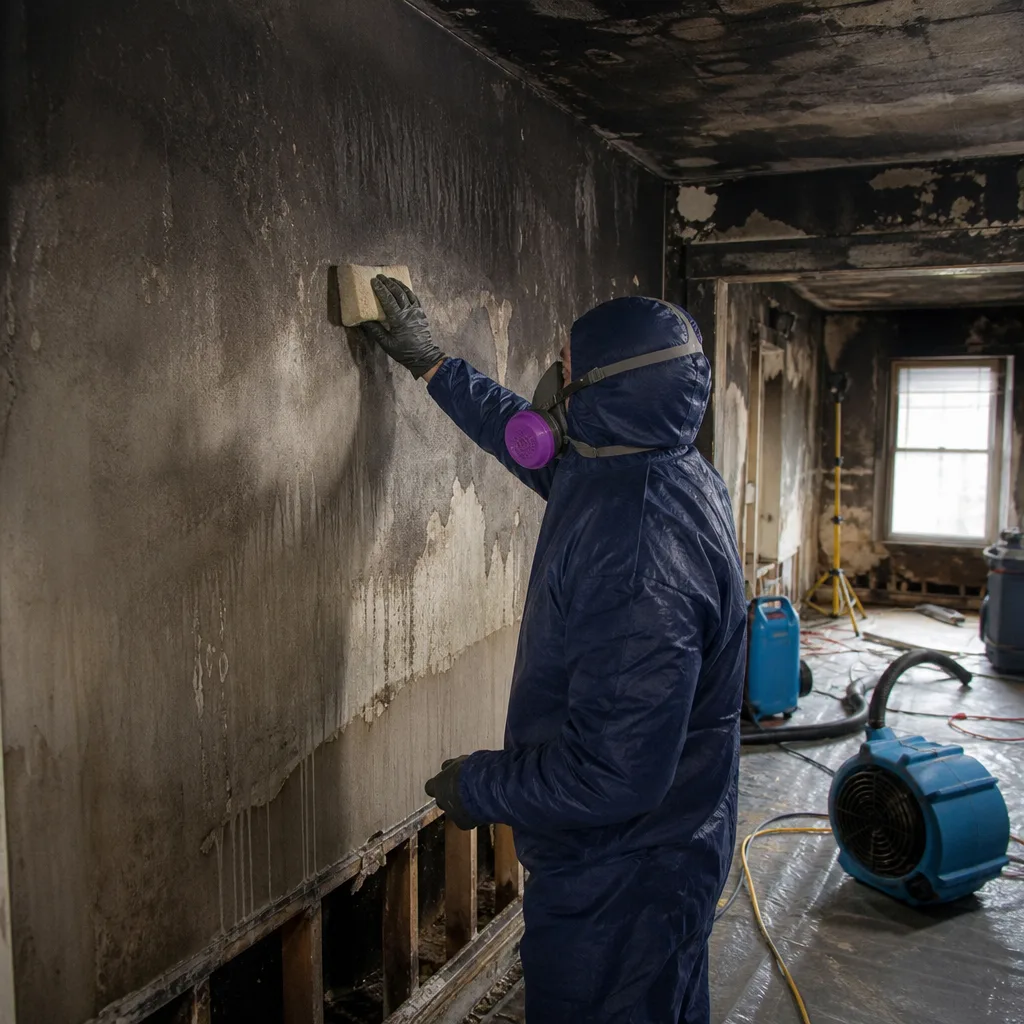
Black mold, typically Stachybotrys, colonizes in high-cellulose materials: old lathe, baseboard backing, and the paper facing on old plaster. Rye’s older homes have plenty of all three. When we find it, we set containment, remove the material, and air-scrub with HEPA filtration until post-clearance testing confirms the space is clean. This is not a scrub-and-paint situation.
Air Quality Restoration
Mold spores travel. Even after the source is removed, your home’s air can carry residue that keeps triggering reactions. We run HEPA air scrubbers during the job and verify with indoor air quality testing afterward. For Rye homeowners with allergies or respiratory conditions, this is the difference between remediation that looks done and remediation that actually is done.
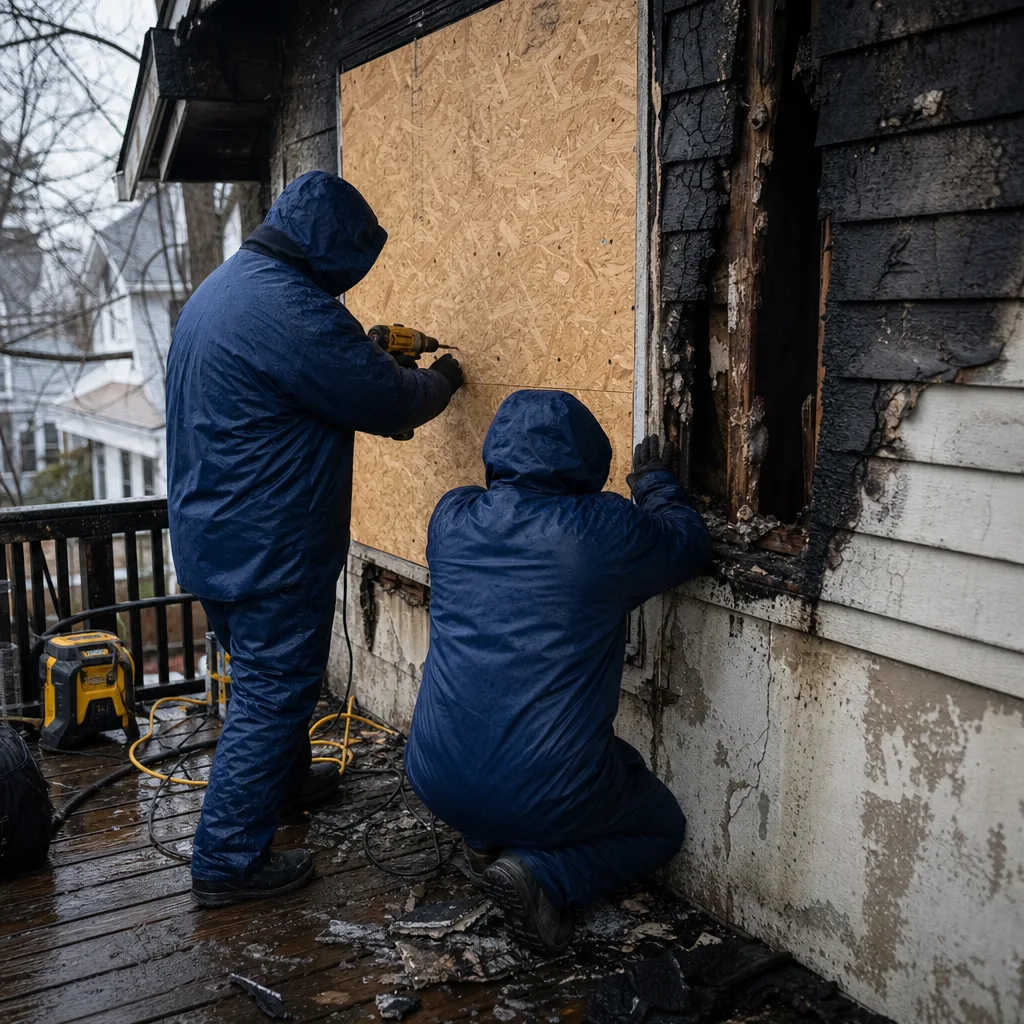
Crawl Space Treatment
Many Rye homes have vented crawl spaces under the original portion of the house. Vented means humid, and humid means mold on floor joists, subflooring, and insulation. We treat with moisture control first: sealing or conditioning the space, adding drainage if needed, then treating any colonized structural wood and reinstalling clean insulation. Fixing the mold without fixing the moisture just means doing the job twice.
What happens when you call
- 1
A real person answersNo phone trees - you reach a local pro.
- 2
You get an upfront price rangeHonest numbers before anyone is dispatched.
- 3
A background-checked tech heads outLicensed & insured, dispatched right away.
- 4
You approve before work beginsNothing starts until you say go.
Mold Remediation Costs in Rye, NY
Mold remediation in Rye runs a real range depending on what’s behind the wall. A small bathroom or closet outbreak with no structural moisture, just surface growth, typically runs $500 to $1,500. A hidden growth situation requiring plaster removal, containment, and clearance testing across one or two rooms lands between $2,500 and $7,500. Saltwater-intrusion jobs from Sound flooding, the kind we see along Milton Harbor, often reach $10,000 to $30,000 or more because they involve category 3 contamination, extensive material removal, and sometimes structural drying of framing. What moves the price is square footage of affected material, accessibility, the age and condition of the plaster, and whether rebuild work is included. If your loss is covered by insurance, we bill your carrier directly and you pay your deductible. If it’s out of pocket, the free inspection gives you a firm scope in writing before any work starts. No open-ended time-and-materials anxiety. Call (845) 456-6568 and we’ll send someone to look.
We Also Serve Cities Near Rye
Our crews respond to mold emergencies throughout the Sound Shore. That includes Rye proper as well as Mamaroneck, Larchmont, Scarsdale, and Eastchester. If you’re in a neighboring town and water found its way in, the same 24/7 dispatch and the same certified crews cover you.
Rye Mold Remediation Questions, Answered
How does saltwater flooding from Long Island Sound affect mold growth differently in Rye homes?
Saltwater flooding introduces marine bacteria, sewage, and corrosive salt that freshwater flooding doesn’t. The salt wicks into porous materials like plaster, lathe, and old-growth framing, holding moisture longer and accelerating hidden colonization. Remediation after saltwater intrusion requires removing contaminated materials rather than drying in place, plus antimicrobial treatment to address the bacterial load. Standard freshwater dry-out protocols fail on saltwater jobs.
Why do Rye homes on the Blind Brook corridor often need more than just visible mold removal?
Because the Blind Brook corridor has flooded repeatedly over the past two decades, and many homes carry unresolved moisture from a prior event. What looks like a small patch of new mold often connects to deeper, older moisture in the same wall. We regularly open walls in this part of Rye and find layered losses: partially dried material from a past flood, new colonization on top of it, and framing that never fully reached the dry standard. A visible-mold-only scope won’t solve that.
Can I save the original plaster and millwork in my 1910 Tudor when mold is present?
Sometimes, yes. It depends on what the moisture readings show and what the material is. Surface mold on salvageable plaster can often be HEPA-vacuumed and treated without full removal. If the mold has colonized the paper liner of the plaster itself or the lathe behind it, that section has to go. Original trim, mantels, and oak flooring can almost always be preserved with careful removal, treatment, and drying. Our crews train on pre-war construction for exactly this reason.
What’s the typical timeline for mold remediation in a Rye home after a storm surge?
Most single-room or two-room remediations run three to seven days from containment to final clearance. Larger saltwater jobs, especially those requiring extensive material removal and structural drying, can run two to three weeks before rebuild begins. Drying in Rye’s humid coastal air takes longer than inland, and salt slows it further. We set clear timeline expectations in the written scope before any work starts.
Do I need a mold inspection after a Nor’easter even if I don’t see visible mold?
Yes. Wind-driven rain and storm surge push water into wall cavities, attics, and crawl spaces where you can’t see it. If your home took water during a Nor’easter, especially anywhere near the Sound or the Blind Brook, an inspection with moisture mapping will either give you confidence that you’re dry or catch a problem before it becomes a full remediation. Inspections are free, and there’s no obligation to proceed.
How fast can someone actually get to my Rye home?
Within about 45 minutes of your call, day or night. Our dispatch is live 24/7, and a real person answers. If you’re calling about active water or a suspected leak, we treat it as an emergency and move immediately. For inspections and scheduled assessments, we work around your calendar. Call (845) 456-6568.
Will my homeowners insurance cover mold remediation in Rye?
Generally, yes, if the mold is directly traceable to a covered water loss like a burst pipe, a roof leak from storm damage, or flooding from a Nor’easter under a flood policy. Coverage typically excludes long-term maintenance issues. Our team documents everything from the first hour and communicates directly with your adjuster so the claim gets evaluated on its actual merits. You never have to argue technical points with your carrier.
What should I do in the first 30 minutes after I find mold in my Rye home?
Don’t scrub it. Disturbing visible mold releases spores into the air and can turn a small problem into a whole-house air quality issue. Don’t paint over it. Don’t run fans that blow across it. Close off the room if you can, keep kids and pets out, and call (845) 456-6568. We’ll talk you through what’s safe to do while our crew is on the way.
Serving Rye, NY - Our Local Coverage Area
We’re based in the Rye area and know this community well. Use the map below to see our service coverage - if you’re nearby, we can almost certainly help.
Floodline Restoration Co. in Rye
Floodline Restoration Co. has been handling water damage, mold, fire, and storm restoration for more than 42 years across the New York metro. Our crews serve Rye directly, and our leadership is led by Curt Bowman, who built the company from a dispatch board, not a sales desk. Every job we do in Rye carries the 90-Day Done Right Promise, what we call the Keystone Standard: if it’s not done right, we make it right, in writing, no arguing. We train our technicians to IICRC, RIA, and IFA standards. We run Dri-Eaz, Phoenix, XPOWER, B-Air, and Injectidry equipment on moisture-mapped jobs where readings are logged daily until the dry standard is met. We’re background-checked, uniformed, and serious about the work. If you need mold help in Rye, we’ll answer the phone. Call (845) 456-6568 for a free estimate.
Written by Curt Bowman, Owner at Floodline Restoration Co., serving Rye, NY.